Some water damage is visible immediately; a slow or concealed leak can remain unnoticed much longer. Appearance cannot reliably date a leak. Investigate moisture promptly and arrange safe drying rather than waiting for a stain.
There is no single clock
A burst supply line can leave standing water and visible damage immediately. A small leak behind a wall may wet material repeatedly before a stain, odor or change in the finish becomes noticeable. The time depends on the amount and frequency of water, materials, temperature, airflow and where the leak occurs. No stain color or edge can reliably establish the exact date the water arrived.
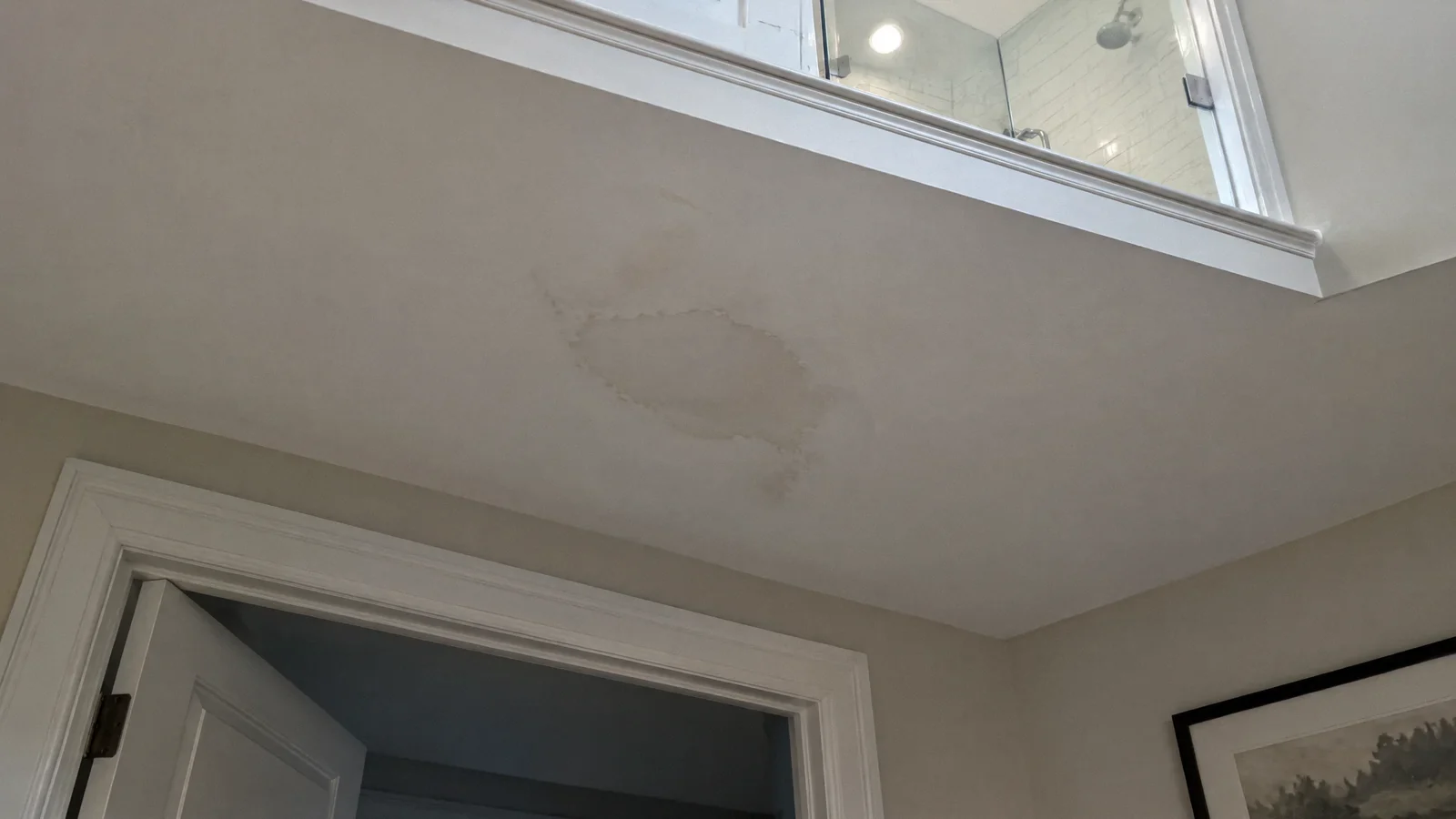
A delayed visible sign does not mean no damage occurred earlier. Conversely, an old stain alone does not prove that a leak is active today. The useful questions are whether the source is still present, which materials are wet now and whether the affected area can be dried or repaired safely.
What may appear quickly
Standing water, damp carpet, wet drywall, dripping, a swollen cabinet base or a sudden change in flooring can be obvious soon after a large release. Paint may blister, paper materials can deform, and water can travel along framing or beneath finishes away from the entry point. The visible boundary is not necessarily the full wet area.
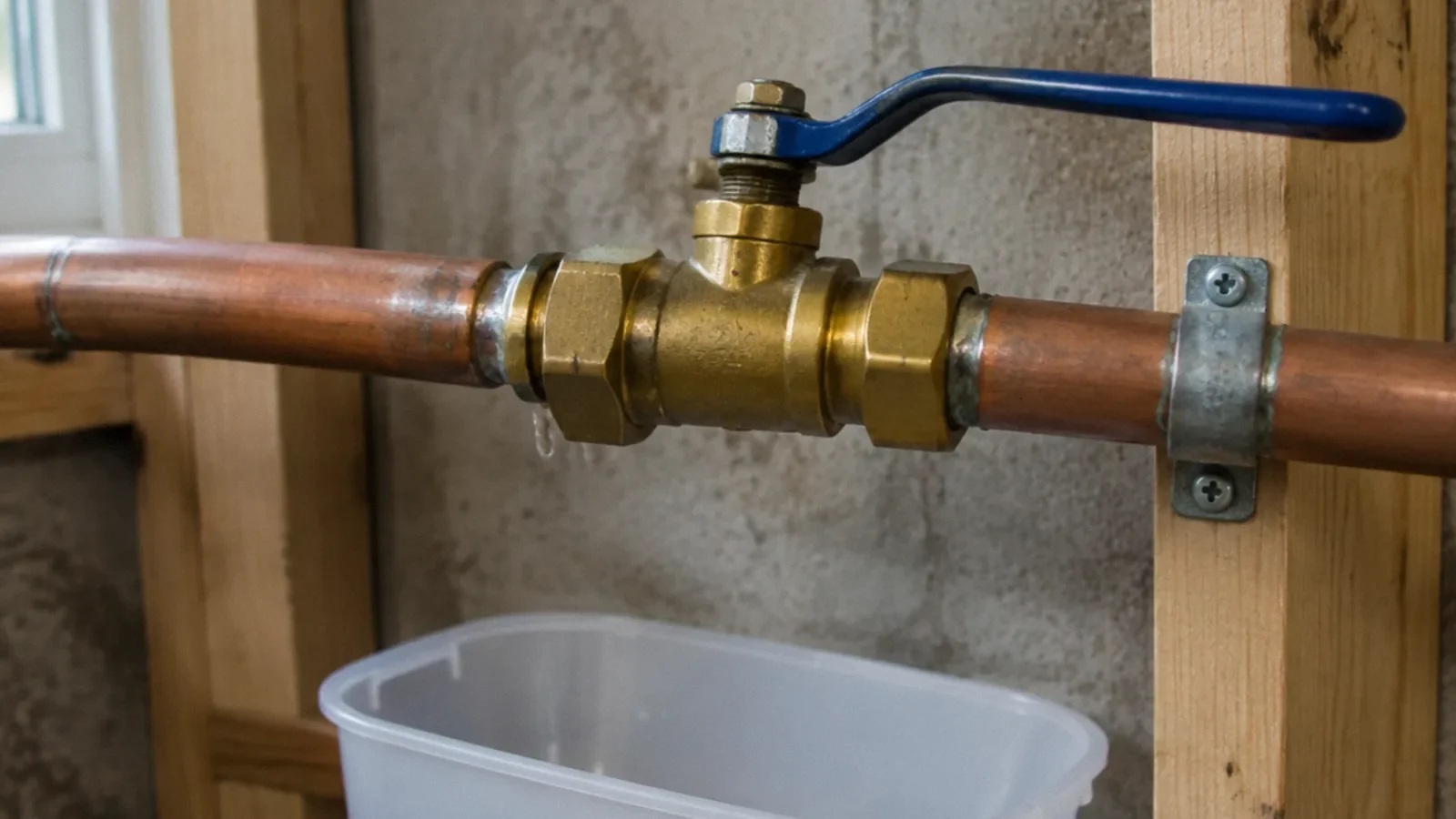
If it is safe, stop an accessible water source and document conditions. Do not enter standing water near electrical equipment or touch wet electrical devices. Sewage, floodwater, a sagging ceiling or structural instability require appropriate professional help. Contact the insurer promptly if you may make a claim, but do not delay necessary emergency action.
Why slow leaks are hard to see
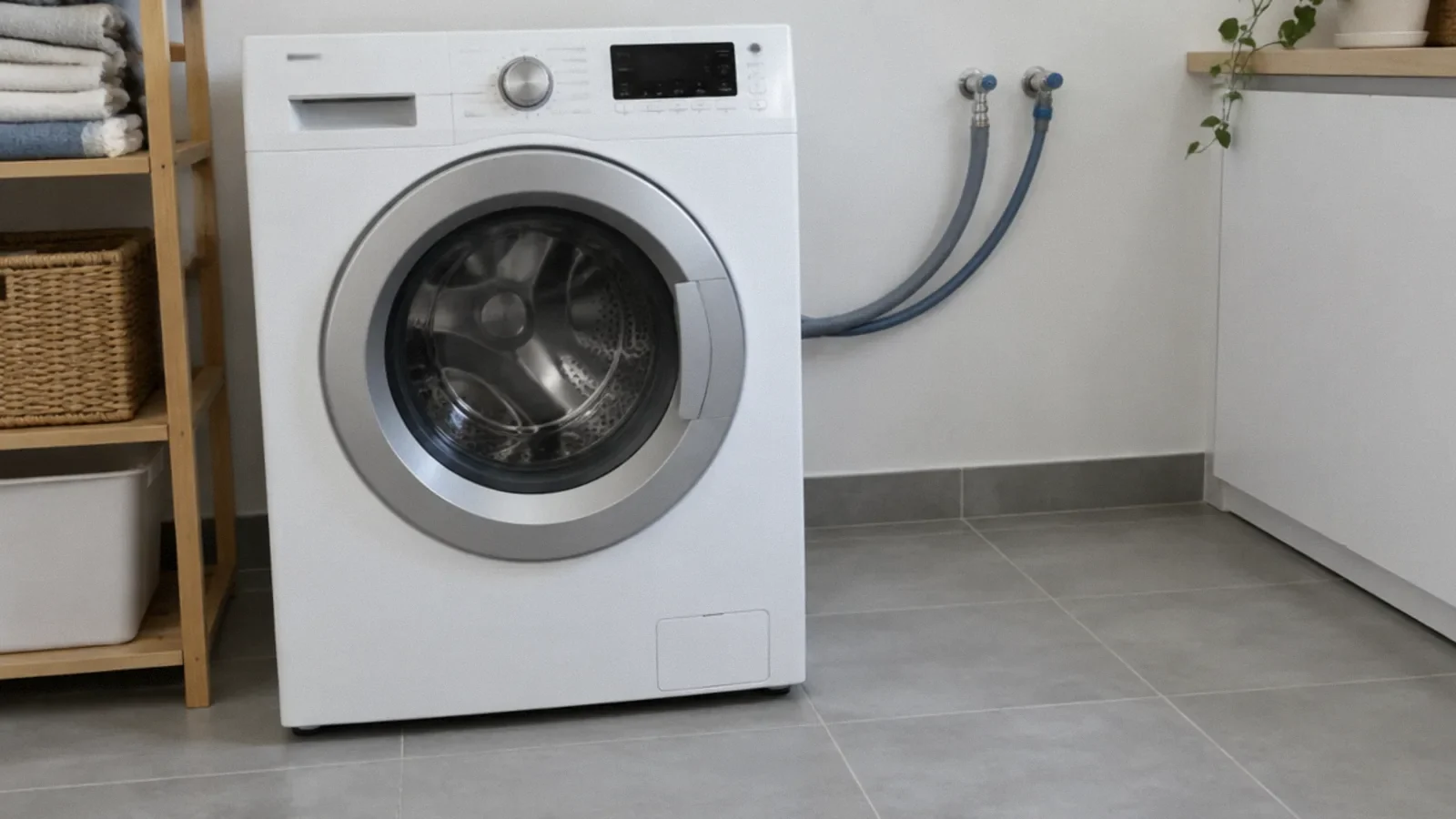
A small plumbing leak inside a wall, a roof leak that occurs only during wind-driven rain or condensation behind a cold surface may produce intermittent wetting. Moisture can accumulate under flooring, behind a cabinet or above a ceiling before a room-facing surface changes. A musty odor, peeling paint or recurring stain is a reason to investigate, not a precise timetable.
Look for patterns: does the spot grow after rain, after a shower, or while a fixture is in use? Record the date and photograph the same area over time. Do not open a ceiling or wall yourself when wiring, plumbing, falling material or suspected contamination could be present.
Materials behave differently
Absorbent materials such as paper-faced drywall, insulation, carpet padding and wood can hold moisture in different ways. A hard surface may look dry while material behind it remains damp. Wood flooring may cup or swell, while finishes may discolor or lose adhesion. The amount and direction of movement depend on construction and moisture conditions.
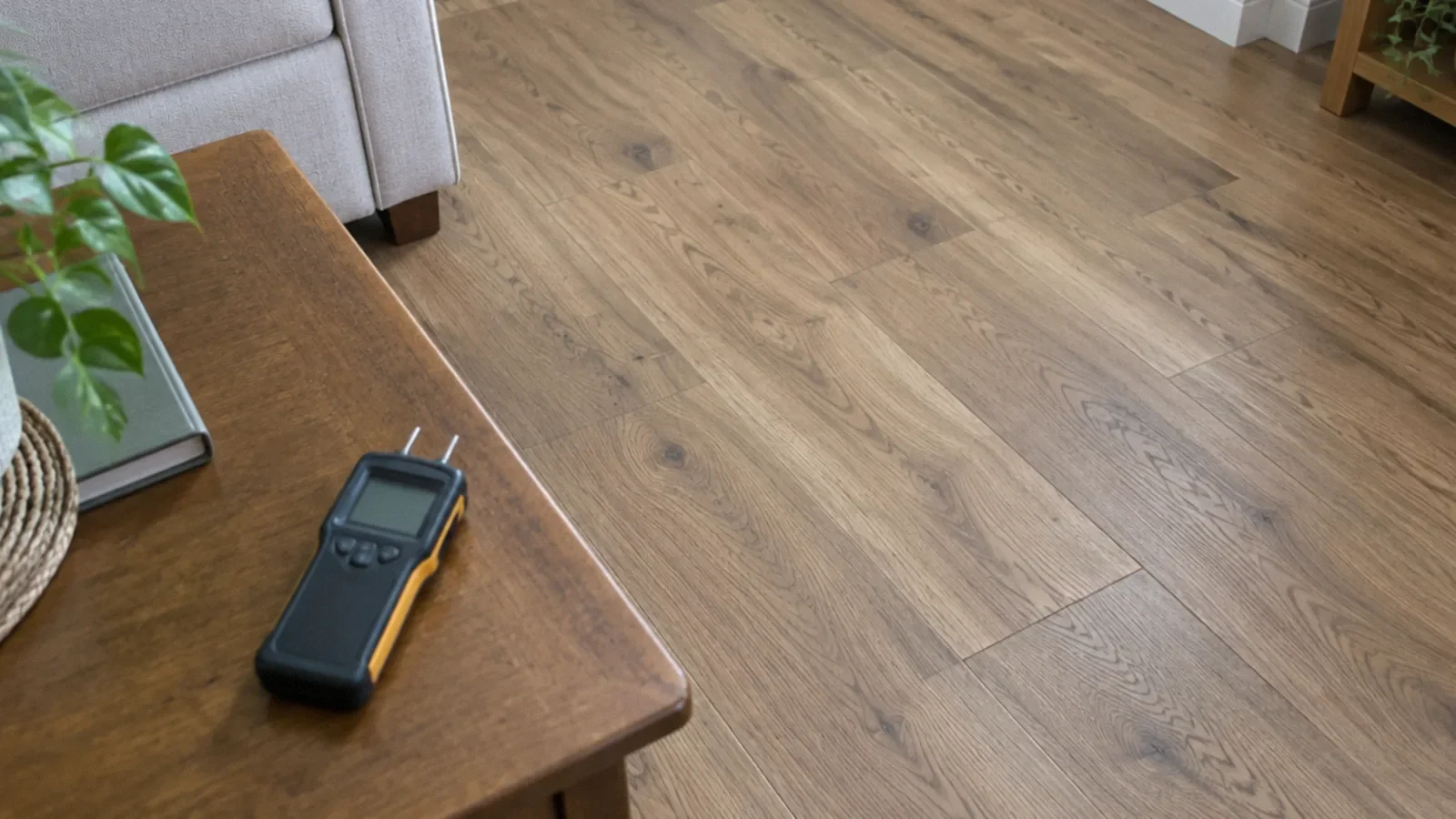
An inspector can use moisture meters and other tools to compare affected and unaffected areas and decide whether further access is needed. A meter reading is evidence of conditions at the time of measurement; interpretation depends on the material, instrument and location. It does not by itself identify the source or age of the leak.
Mold and the 24-to-48-hour guidance
EPA recommends drying water-damaged materials within 24 to 48 hours when possible to help prevent mold growth. Treat that as a reason to act quickly, not an exact countdown or a guarantee. Growth depends on moisture, material and conditions; it may be hidden and cannot be identified by color alone.
If a flooded home could not be dried promptly, EPA advises assuming mold growth may be present and following appropriate cleanup guidance. Fix the water source and dry or remove affected materials. People with health concerns should discuss them with a healthcare professional rather than attempting diagnosis from an image.
What to do when you notice a stain
Photograph the area and note its location, size and the date it was discovered. If water is actively entering, arrange a repair and protect belongings only when it is safe. A plumber, roofer or building professional can investigate likely sources. Do not paint over a stain before the cause and moisture condition are understood; a new coating can conceal continuing damage.
For a potential insurance claim, keep photographs, invoices, communications and the damaged items as directed by the insurer when safe. A discovery date is not proof of the leak’s start date. Coverage and documentation requirements depend on the policy, facts and jurisdiction.
After repairs, verify and monitor
Ask the restoration professional what materials were assessed, which readings support drying and whether hidden areas need further inspection. Some wet porous materials cannot be cleaned or dried effectively and may need replacement. Rebuild only after the source is fixed and affected materials are sufficiently dry for the chosen assembly.
Recheck the area after rain or normal fixture use and document any change. If a stain grows, odor returns or readings remain elevated, ask the contractor to investigate again. A repaired pipe and a painted ceiling are not proof that all hidden moisture has been addressed.
Your next-step checklist
- Identify the situation and document relevant conditions.
- Address the underlying cause before repairing or replacing affected materials.
- Use qualified help when hazards or the scope exceed your abilities.
- Keep inspection, repair and follow-up records.
Related questions
Can water damage appear months after a leak?
A concealed or intermittent leak may remain unnoticed for a long time, but a visible stain cannot establish when it began.
Does a dry-looking wall mean the cavity is dry?
No. Moisture can remain behind the surface; an appropriate inspection can assess the concealed area.
Sources & context
Public guidance supports the principles in this article. The practical questions and examples are editorial interpretation, not a site assessment or a coverage decision. State-specific rules apply only where identified.