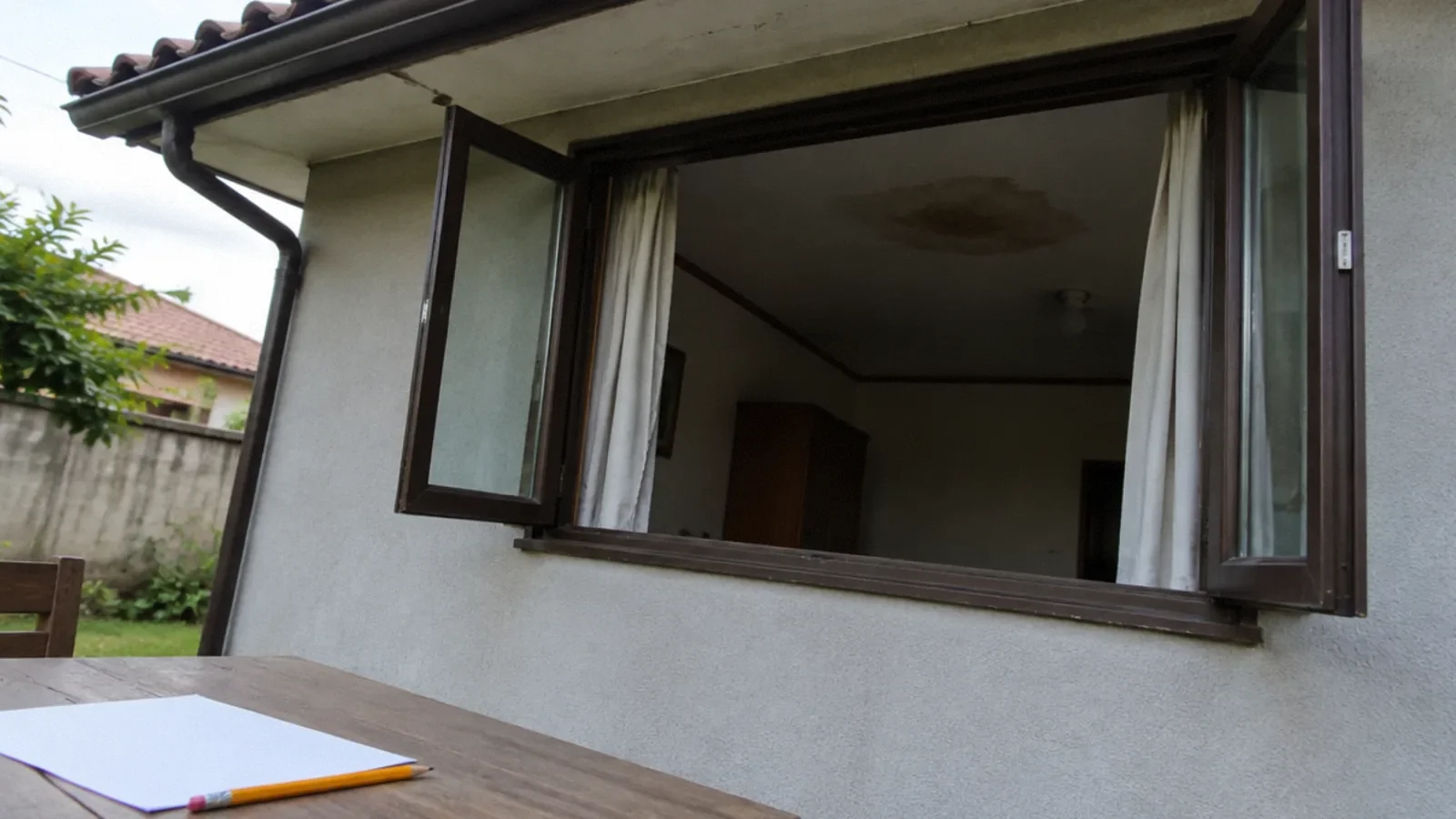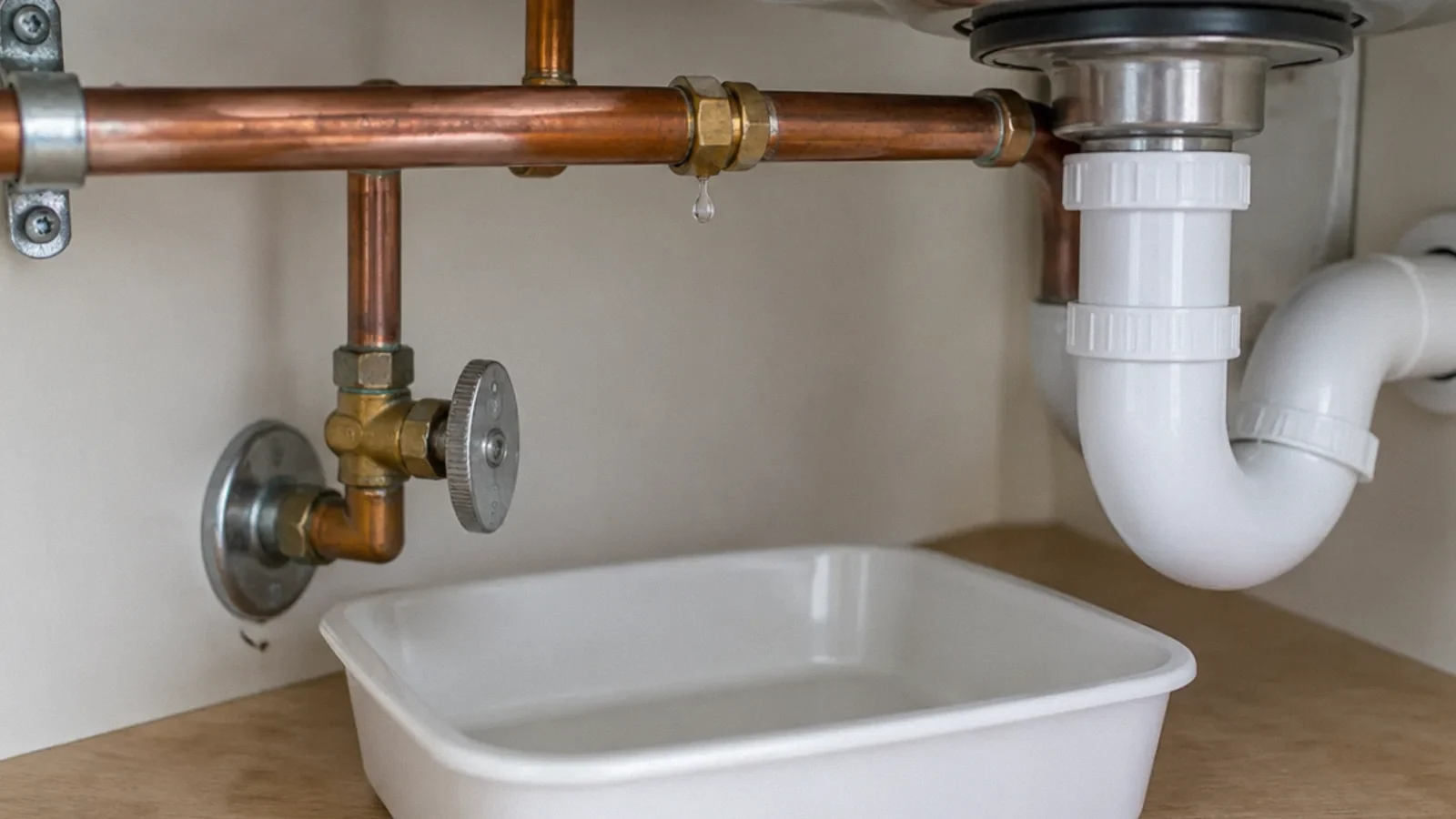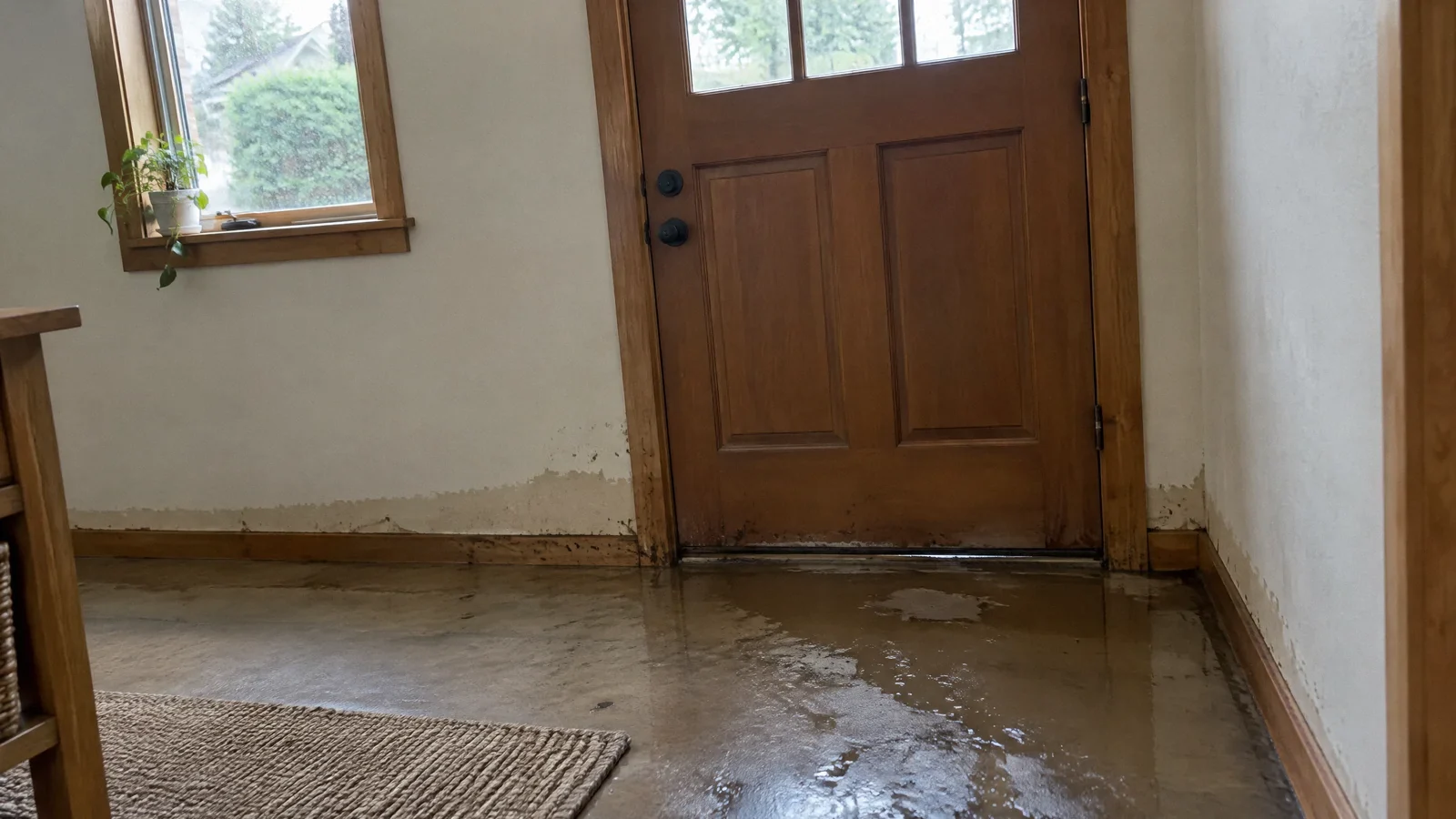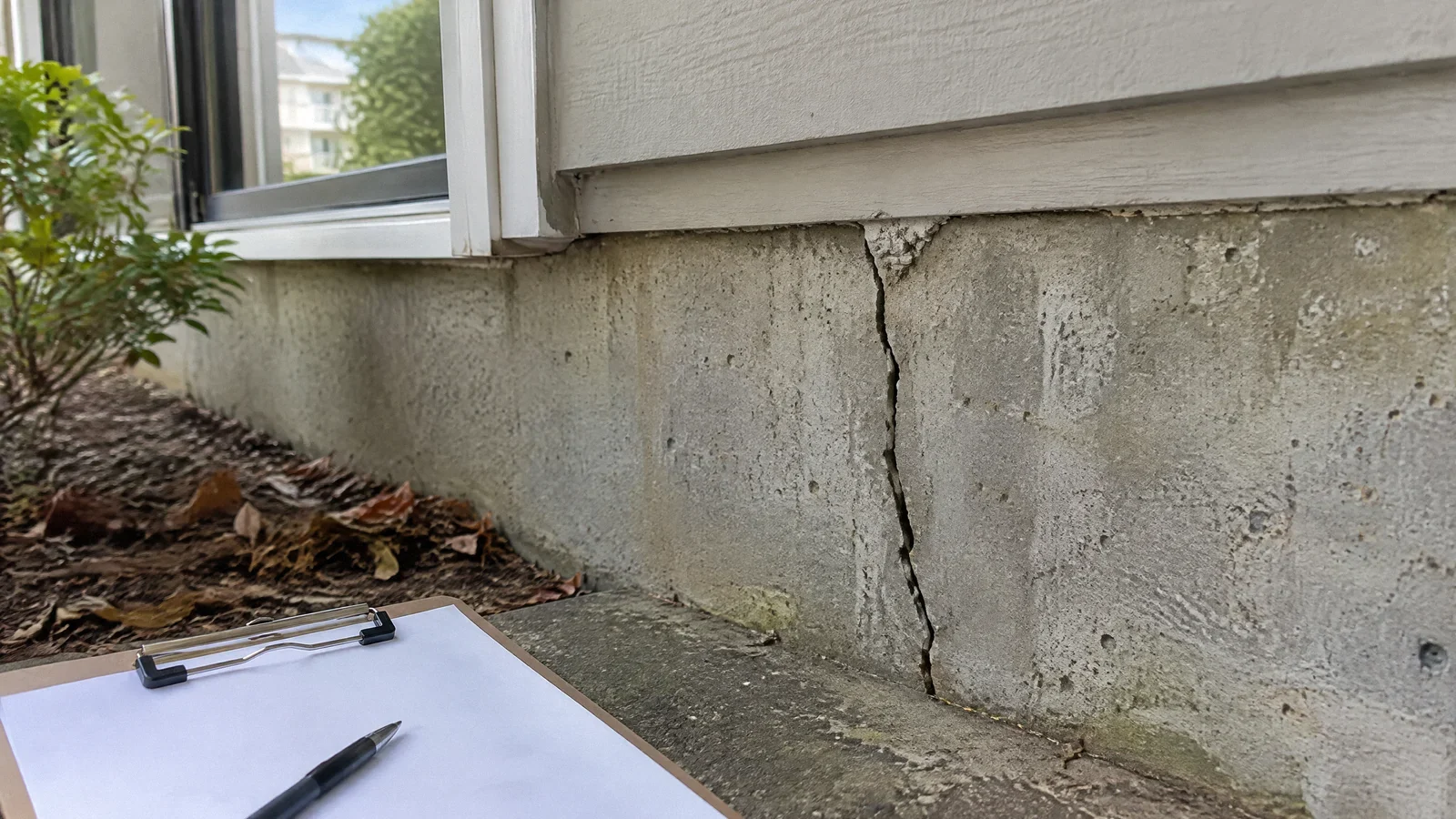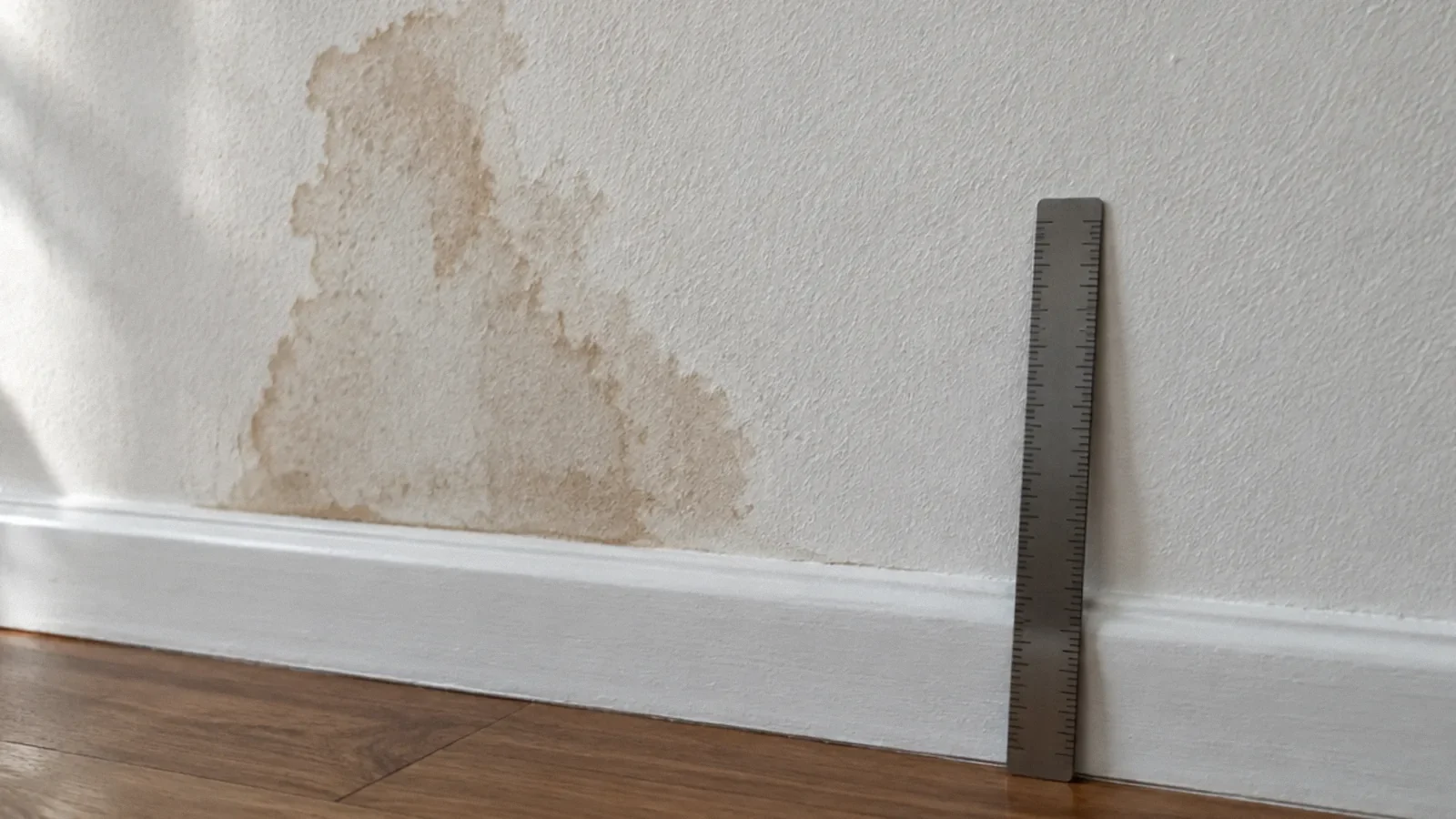
Sudden or gradual water damage: how to document what happened
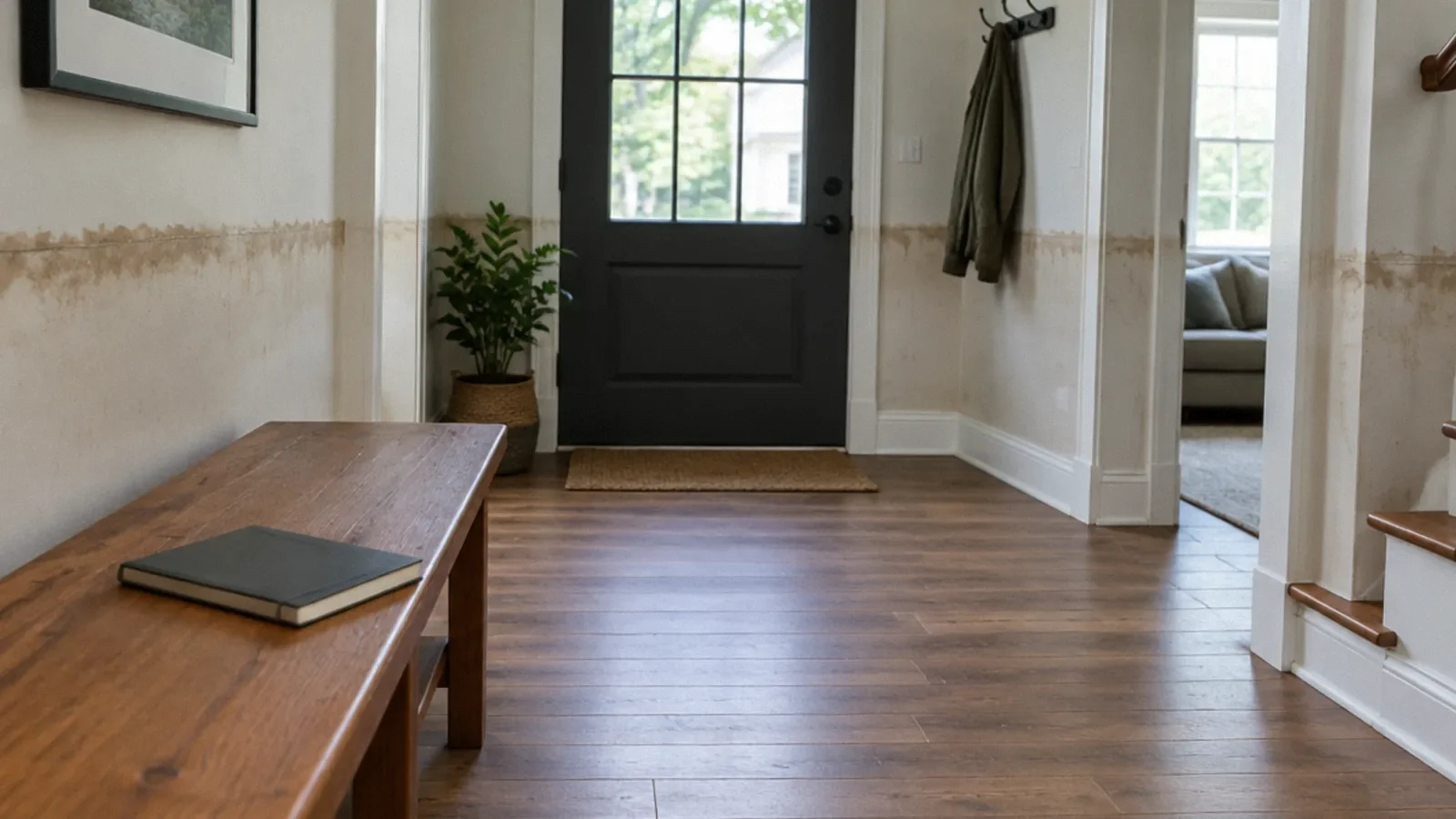
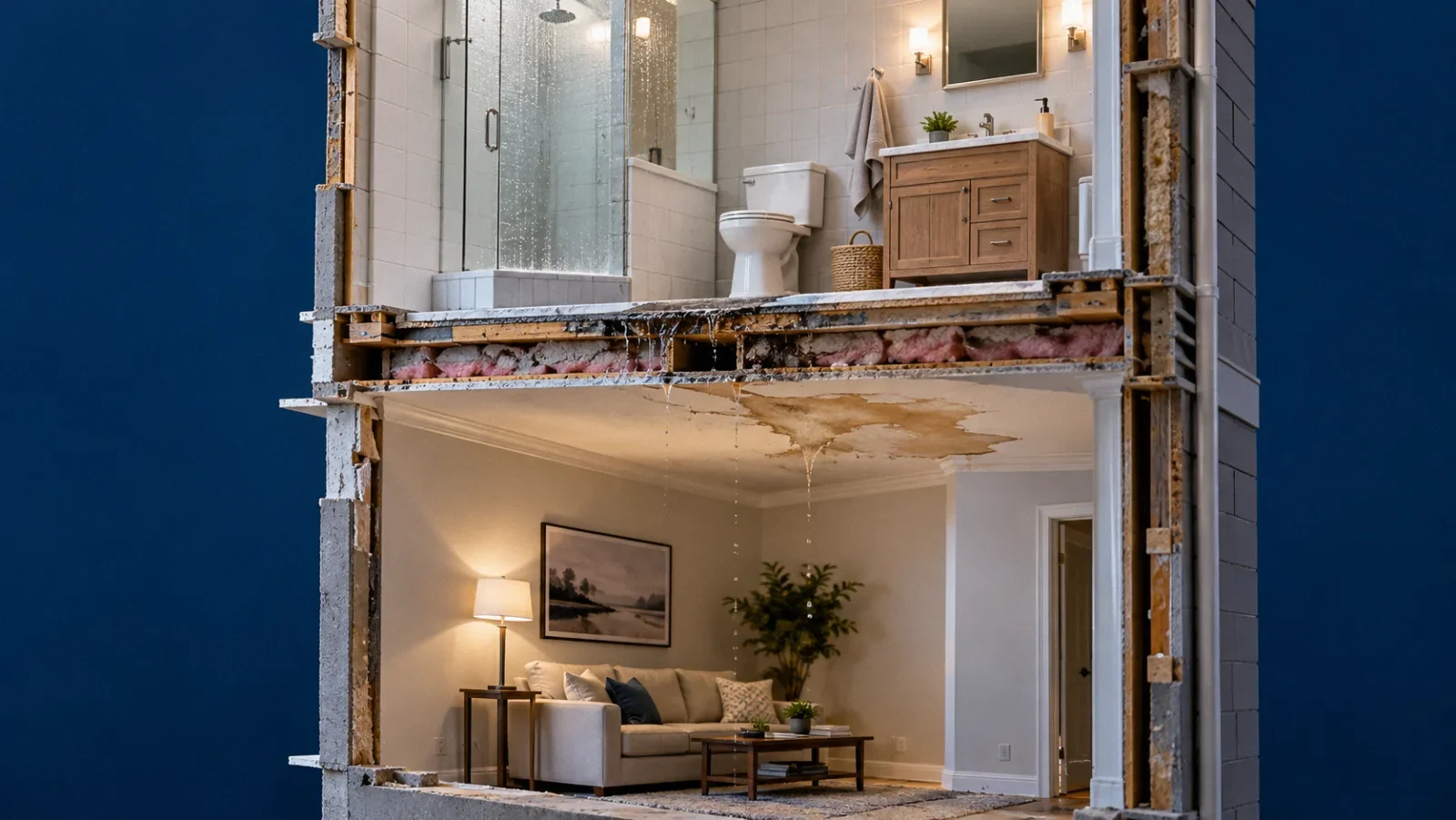
Document when a leak was discovered, what failed and what remains uncertain before challenging an insurer conclusion about gradual water damage.
Make sense of coverage, claims and records. Browse 24 detailed guides.
Document when a leak was discovered, what failed and what remains uncertain before challenging an insurer conclusion about gradual water damage.
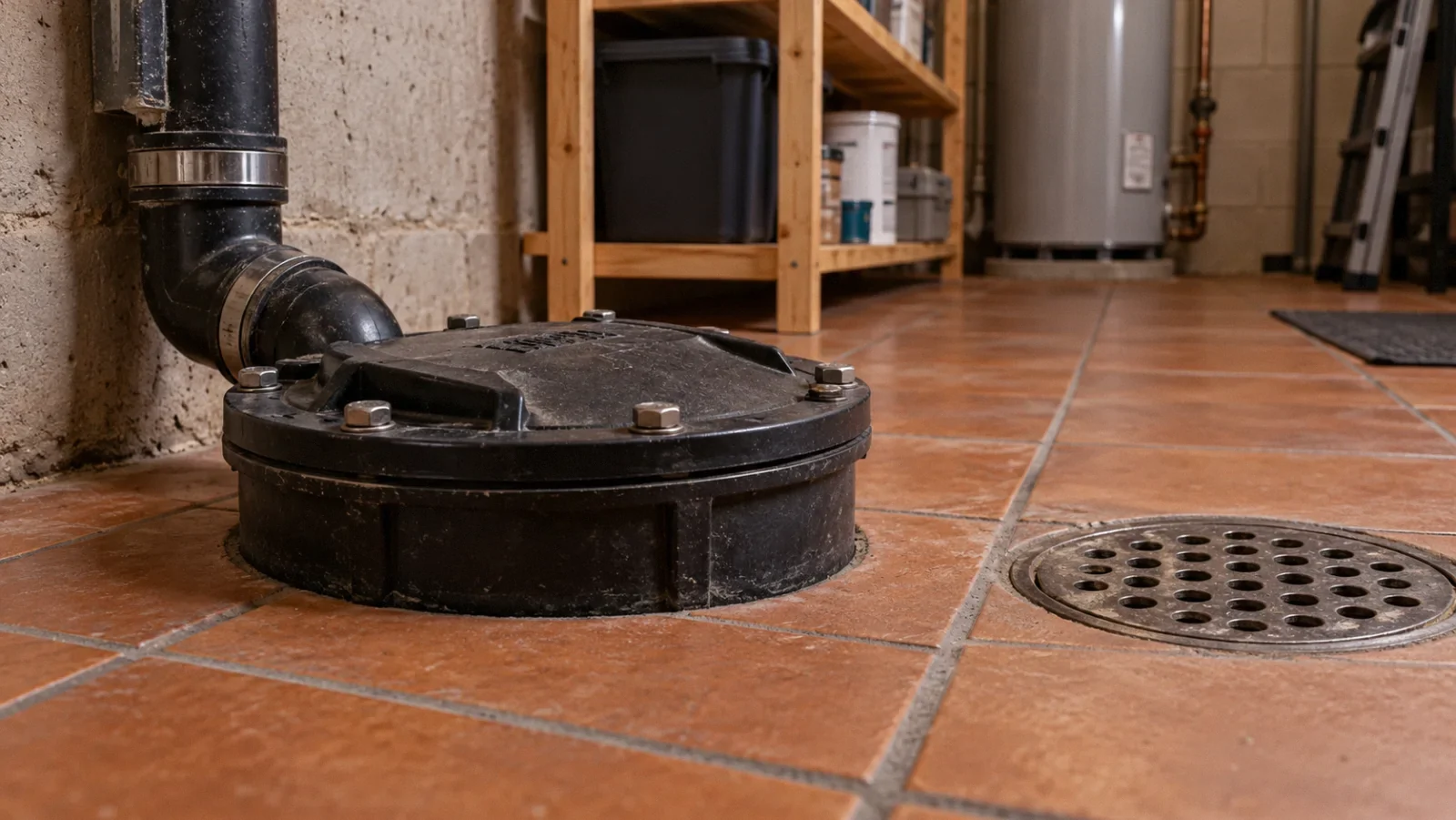
Identify the water source and entry route to distinguish flood coverage, plumbing losses and sewer backup claims without assuming every storm loss is alike.
Read the actual sewer backup endorsement to understand covered causes, limits, deductibles and how cleanup, belongings and housing expenses interact.
Compare confirmed damage, hidden-condition uncertainty and your deductible while checking policy notice duties before deciding whether to file a claim.
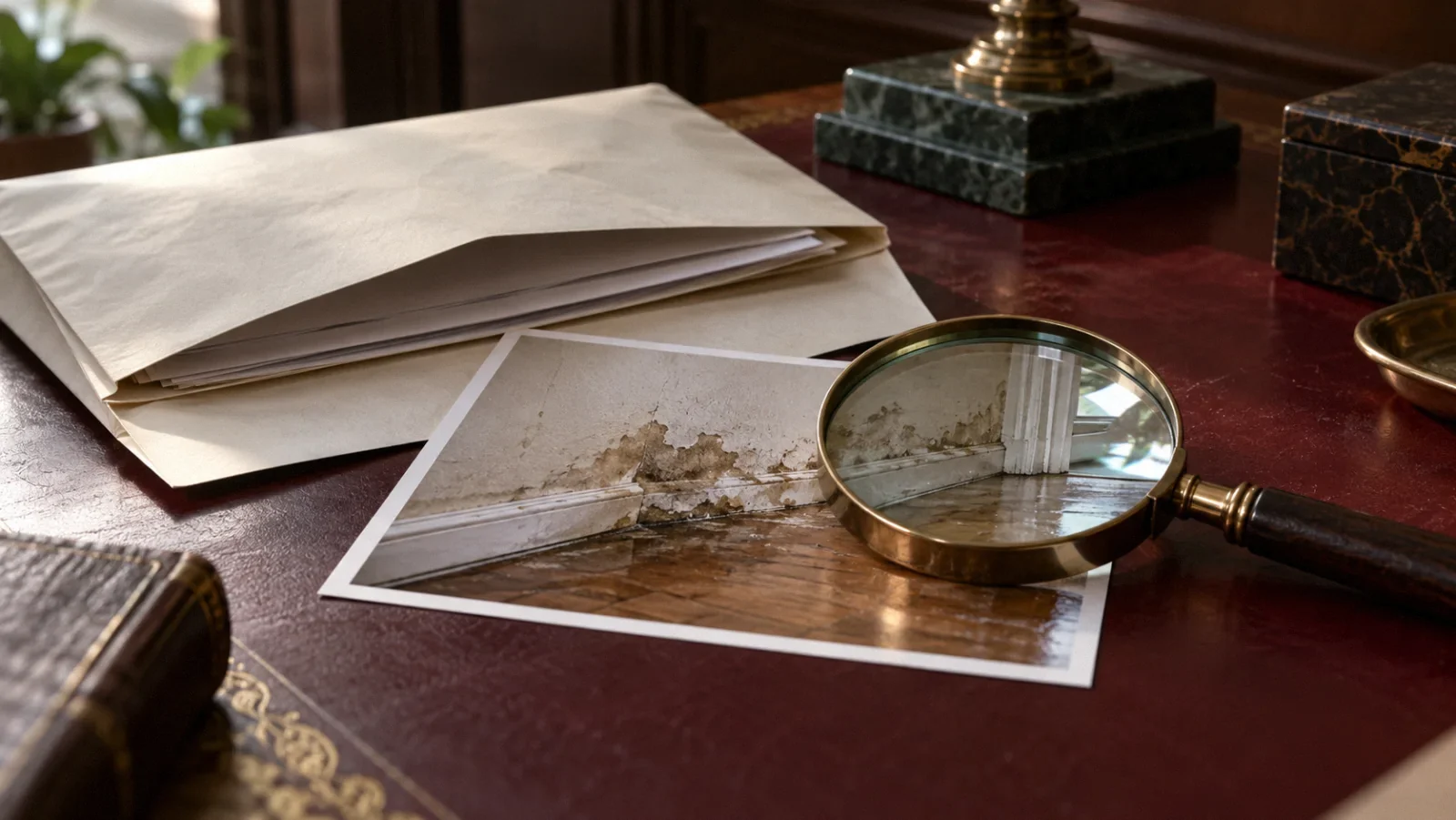
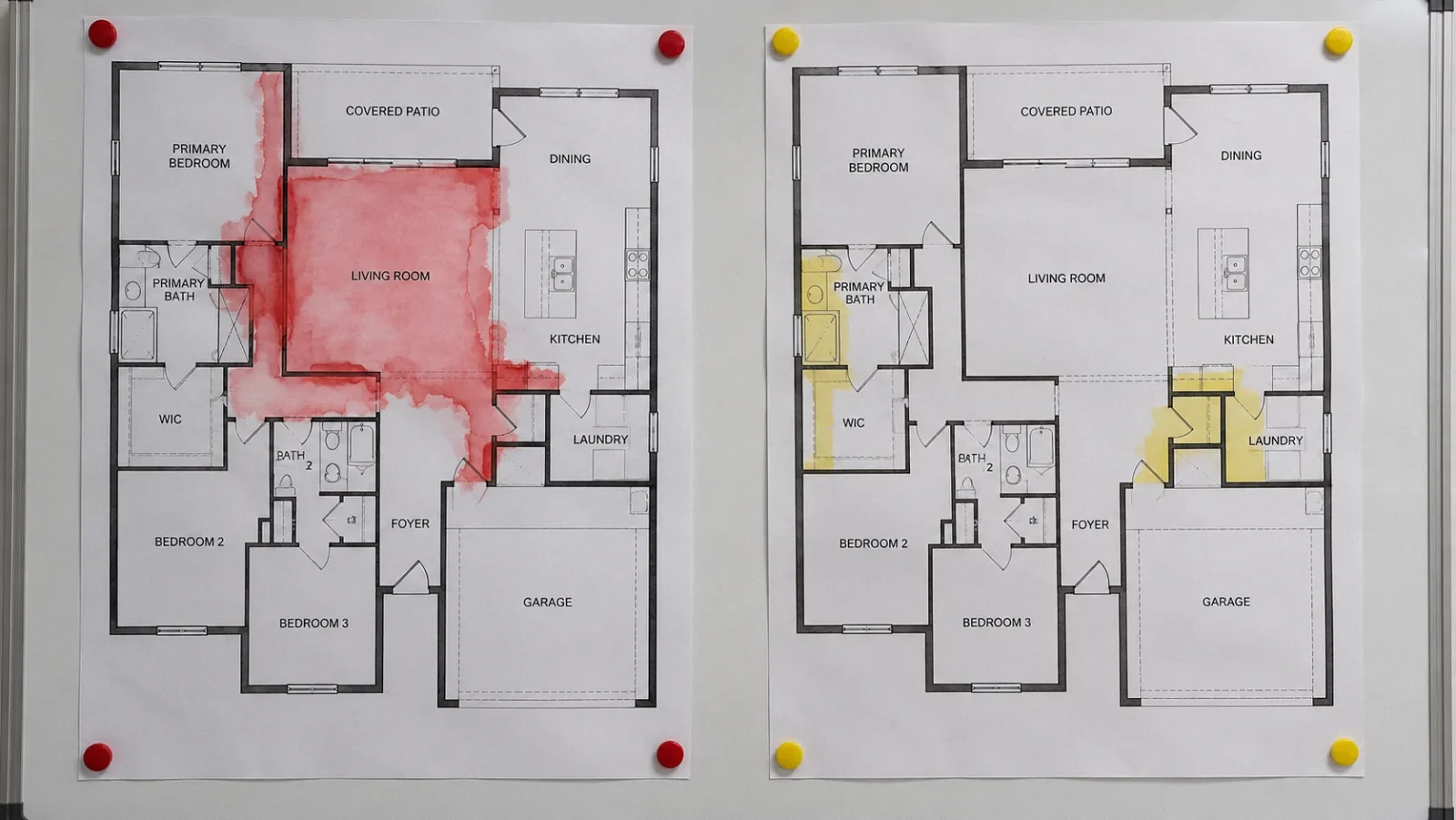
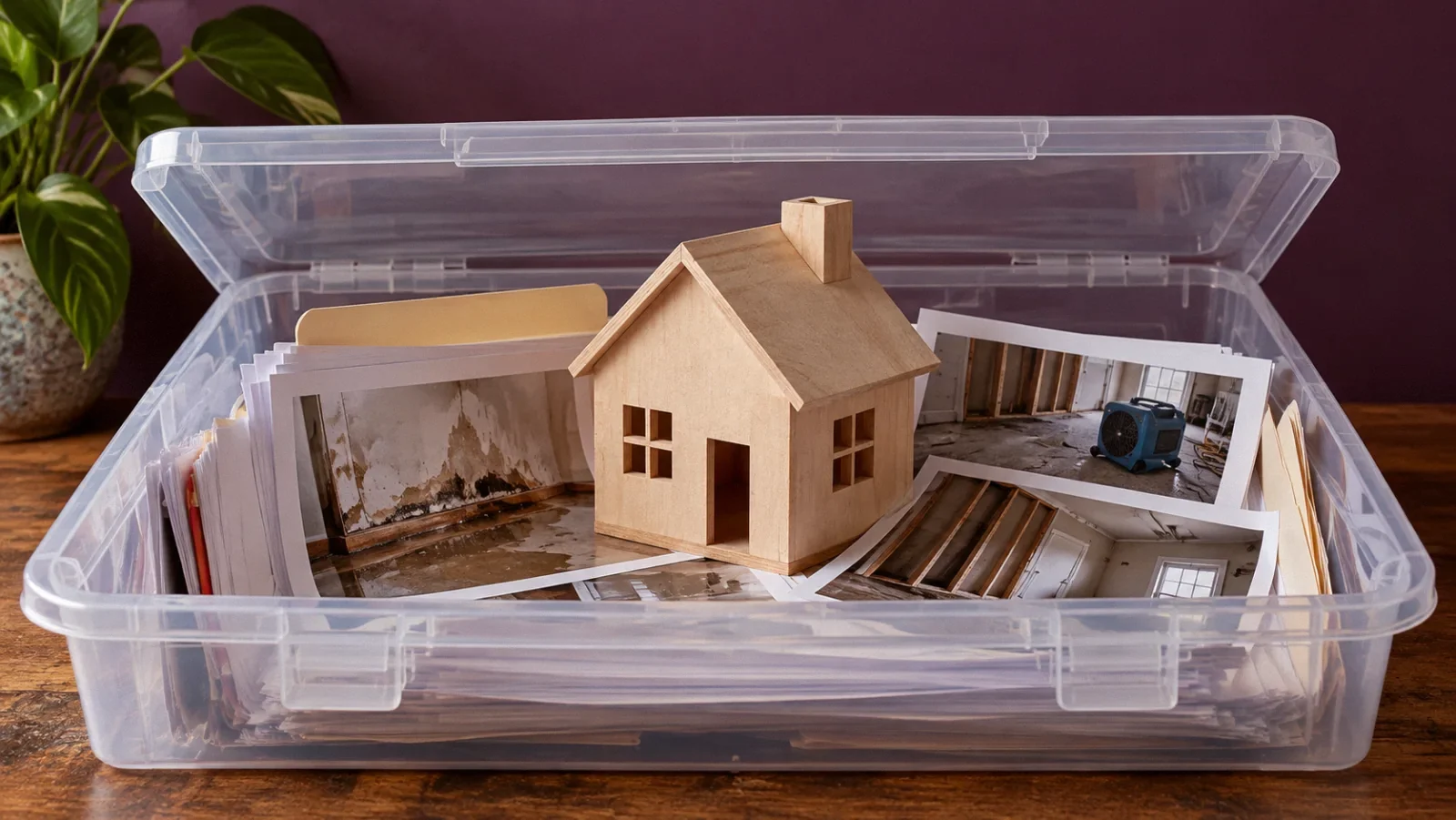
Build a useful water damage claim file with safe photographs, a factual timeline, repair records and clear evidence of materials removed during mitigation.
Prepare a focused request to review a water damage denial using the actual policy, source findings and chronology, with attention to state-specific remedies.
Compare contractor and adjuster estimates by room, quantity, material and repair method to explain missing work and support a documented claim supplement.
Plan temporary housing after water damage by confirming coverage, tracking additional expenses and aligning reservations with realistic repair milestones.
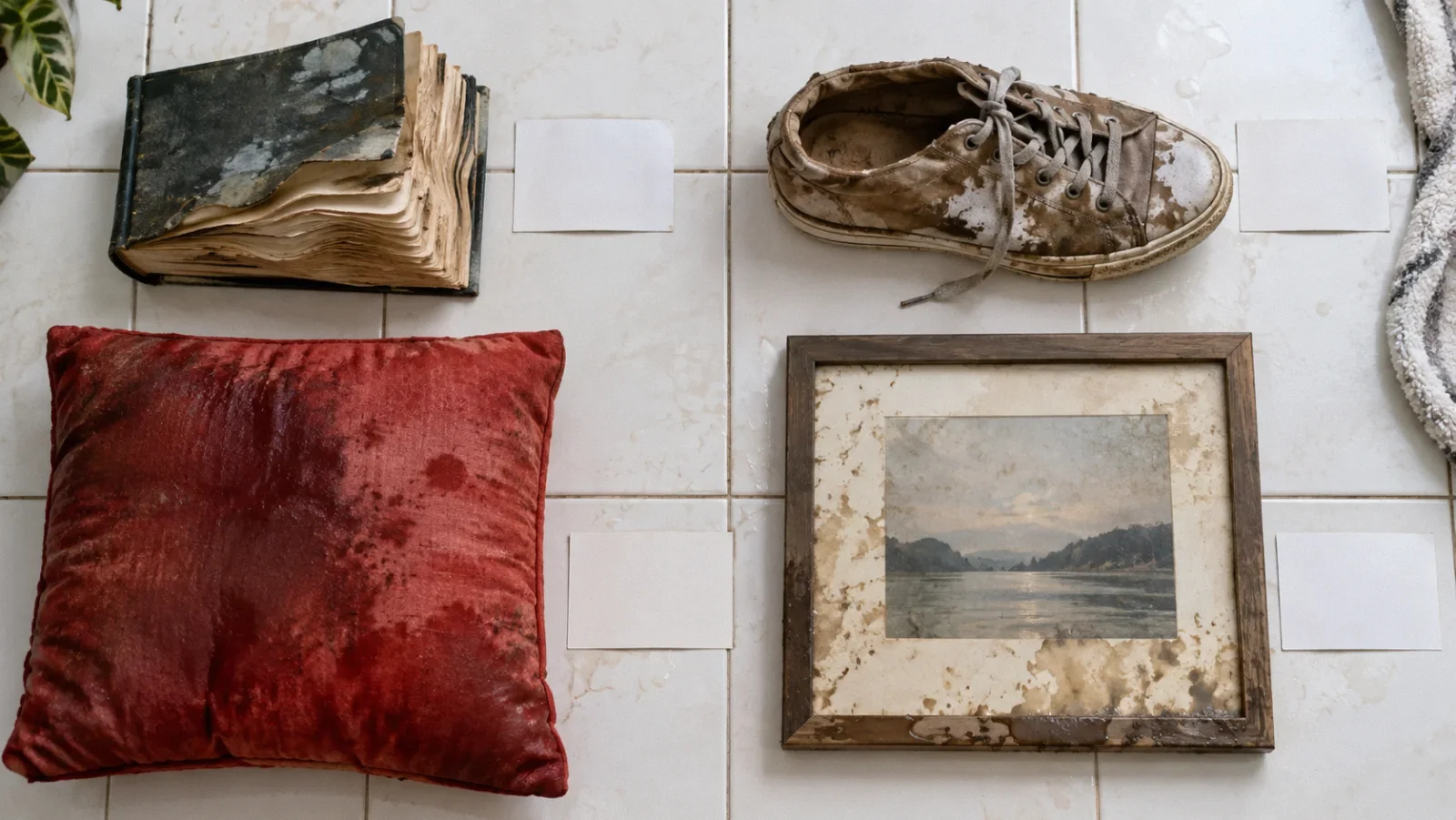
Create an accurate inventory of water-damaged belongings with item descriptions, condition evidence and separate cleaning, repair and replacement decisions.
Understand the gap between an insurance estimate and the first payment by tracing depreciation, deductibles and the conditions for replacement-cost recovery.
Coordinate mortgage-held insurance proceeds with contractor payments by documenting draw requirements, completed work and the exact reason for any funding hold.
Coordinate an upstairs condo leak by separating source repair, maintenance duties, insurance coverage and liability under the actual governing documents.
Document a rental leak, request a practical repair plan and distinguish building repairs, renter belongings, temporary housing and local legal remedies.
Preserve source findings, notice history and repair evidence when water comes from a neighbor, without assuming the source location alone establishes liability.
Understand how assignment and payment forms affect claim control, including Florida policy-date restrictions and the need to check current local rules.
Review dated national and San Francisco cost examples, the factors that affect a water damage estimate and the difference between mitigation and reconstruction.
Understand common residential fire coverages, policy limits, documentation and questions to ask the insurer.
Learn how ordinary carpet aging differs from damage and what California tenants and landlords should document.
Understand insurer repair networks, contractor selection, deductibles, written scopes and questions to ask before agreeing to managed repairs.
Learn how the cause of a roof leak, policy exclusions, deductibles and documented repair scope affect a homeowners insurance claim.
Understand common distinctions between a plumbing failure and resulting water damage, what to document, and questions to ask your insurer.
Compare common water losses with the NFIP flood definition and learn what to document before asking about coverage.
Understand fire legal liability, rented-premises limits, common policy exceptions and why the actual commercial liability form controls.
Review ownership boundaries, governing documents, inspection and insurance when a foundation crack affects an HOA property.
Try a material, “insurance”, “mold”, or a shorter phrase.