Photograph the damage, record the discovery timeline and preserve repair records while arranging necessary protection. Evidence should explain the event without delaying safe emergency work.
Capture the room before the close-up
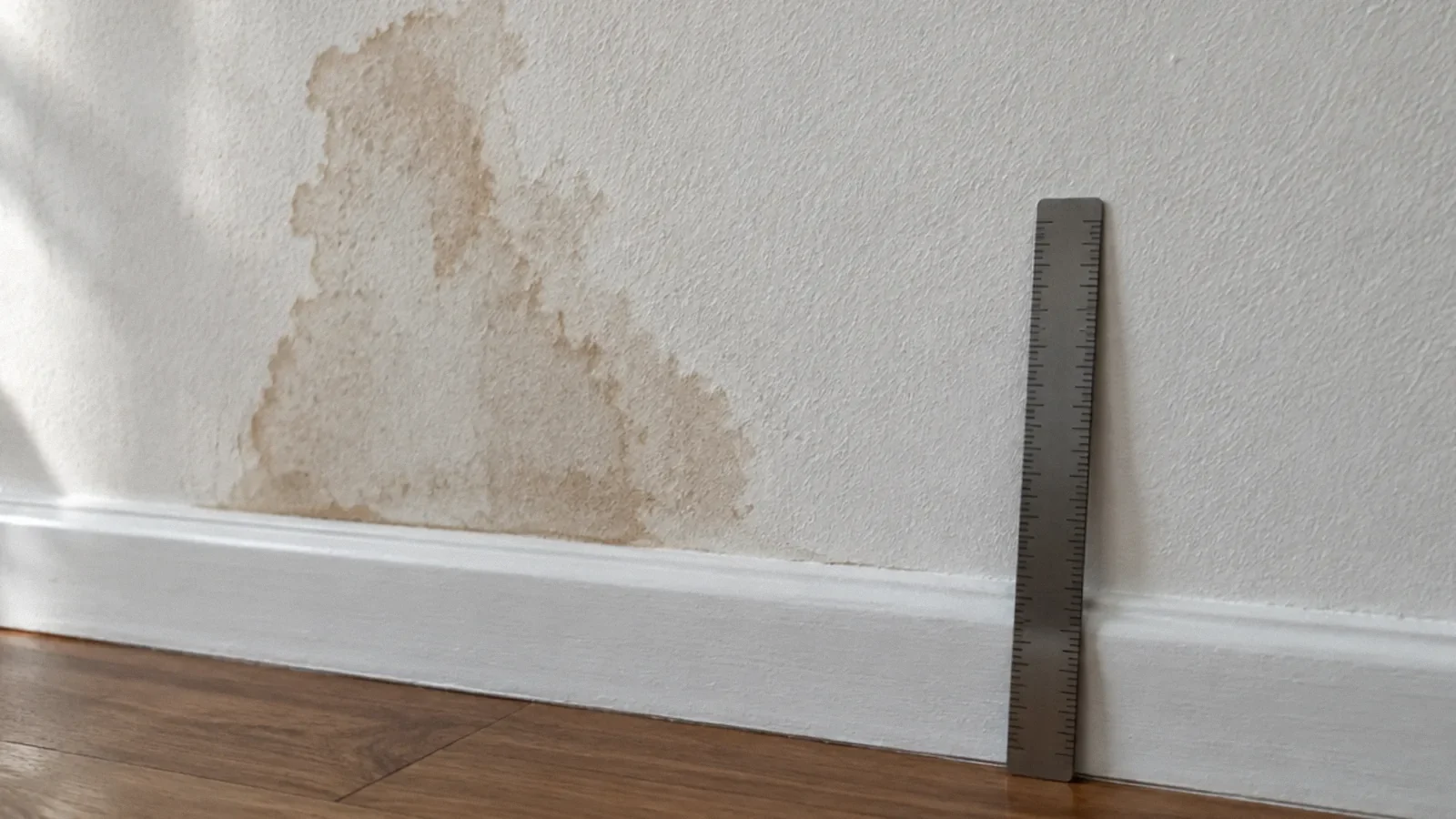
Start with an overview that shows where the damage is in relation to doors, fixtures and surrounding rooms. Then take closer images of affected materials, water marks and the suspected source. A close-up of wet drywall without context may be difficult to match to an estimate later. Use consistent room names across photographs, reports and invoices.
Safety takes precedence over documentation. Do not enter standing water near electrical equipment, climb onto a damaged roof or handle contaminated materials to get a better picture. Request photographs from the qualified people performing that work. The California claims guide specifically cautions against risking safety while protecting property, and the NAIC encourages early photographic records.
Notify the insurer and understand the claim process
Contact the insurer or agent promptly using the process in the policy and ask for a claim number, the assigned contact and any documentation deadlines. Report what you know about the event without guessing at the cause. Preserve the policy, endorsements and written instructions.
Emergency measures to prevent additional loss should not be delayed for perfect paperwork. Ask how the insurer wants urgent work documented and whether inspection or authorization is needed for later repairs. Payment depends on the policy, cause, exclusions, deductible and the insurer’s evaluation; no checklist can guarantee coverage.
Create a factual discovery note
Write down when the problem was discovered, who saw it, which areas were affected and what immediate actions were taken. Separate direct observation from information provided by someone else. If the source was unknown until a plumber opened the wall, record that sequence rather than presenting the later diagnosis as something known from the beginning.
Include useful negative observations without overstating them. For example, no visible staining in a photograph taken the previous week supports a limited fact; it does not establish that every concealed material was dry. This distinction makes the record more credible and helps an adjuster understand the evidence without having to reverse-engineer the timeline.
Document removal without obstructing mitigation
Before affected material is removed, ask the contractor to photograph its location and explain why removal is recommended. Record quantities in a way that can later be reconciled with an invoice: room, wall, approximate extent and material. Ask whether the insurer wants inspection or sampling before disposal, while making clear which work is urgent.
There is no benefit in keeping a hazardous pile of contaminated material in living space simply to prove a loss. Discuss safe evidence preservation with the insurer and contractor. Depending on the item, photographs, labels, measurements or a retained nonhazardous component may be more appropriate. The goal is a usable record of what existed and why it was addressed.
Use evidence to answer a specific question
Documentation becomes more valuable when tied to a disputed issue. If equipment days are questioned, request installation, monitoring and removal records. If a room was omitted, provide its photographs and measurements. If the source is disputed, prioritize the plumbing findings and chronology. Sending every available document without explaining the question can slow a review.
Reddit billing disputes frequently involve missing logs or differences between verbal explanations and later invoices. Their practical lesson is to collect operational records while the job is active. A daily homeowner note can supplement professional records, but should not pretend to replace a technical drying assessment or an insurer coverage determination.
- Photo register: image name, date, room and a short factual description of what it shows.
- Work register: service date, contractor, authorized task, affected location and associated invoice.
- Communication register: person contacted, question asked, response and next promised action.
- Decision register: who approved a change, what changed and which document records the approval.
An evidence sequence for a disappearing condition
Some of the most useful evidence disappears during necessary work. A wet baseboard may be discarded, a failed fitting replaced and a cavity dried before the adjuster arrives. Plan for that sequence with the crew. Ask for an overview photograph, a close-up, the location and the reason for removal before the condition changes, when doing so is safe and does not obstruct urgent protection.
A compact record might identify kitchen north wall, lower wallboard, visible wetting at the cabinet end, removed during authorized access on the stated date. The record is stronger if the source report and measurement location use the same room description. An image named only damage one is much harder to connect to the final estimate.
If a document contains a mistake, keep the original and request a dated correction explaining what changed. Do not edit the contractor report yourself or change image metadata to make the chronology look cleaner. Correcting an error transparently is preferable to creating a record that appears contemporaneous when it was reconstructed later. Where evidence is missing, describe what happened and ask the adjuster what alternative proof would help. A missing photograph does not justify inventing certainty, and a large quantity of unrelated photographs does not compensate for an unexplained gap.
Questions for a water-damage insurance adjuster
Ask which policy and coverage provisions apply, what the deductible is, which rooms and materials were included in the inspection, and how to submit additional photographs, drying records and repair estimates. Request a copy of any written scope or estimate used to explain the proposed payment.
If concealed damage is found later, ask how a supplemental estimate is reviewed and whether work needs prior approval. Record the adjuster’s responses and dates, and request the basis for a denial or limitation in writing. Coverage depends on the policy, facts and applicable law.
Prepare for the adjuster and document disagreements
Before the visit, make a room-by-room list of affected materials and belongings, collect dated photographs, mitigation records, receipts and itemized repair estimates, and note areas already removed or inaccessible. Ask the adjuster how to provide the evidence, what will be inspected, and whether another visit is needed if hidden damage is discovered. Take reasonable steps to prevent further damage without putting yourself at risk.
Describe what you observed and when. If you do not know the cause, say so rather than guessing; share a plumber or restoration report if one becomes available. After the visit, request the scope and estimate and compare room locations, quantities and materials against your records. Identify each difference in writing, attach supporting photographs or a contractor’s itemized estimate, and ask for a written explanation or reinspection. Keep copies and a dated communication log. California’s insurance department describes escalation to the claims manager when a disagreement remains.
A sudden supply-pipe failure, long-term seepage and water entering from an outside flood may be treated differently. Coverage depends on the actual facts, policy language, exclusions and endorsements; do not assume any particular outcome. Ask the insurer which provisions it applies, the deductible and what documentation it needs.
Your next-step checklist
- Save the policy and claim number in the same indexed file.
- Photograph safe accessible areas before and during removal.
- Request the source report, moisture records and disposal documentation.
- Retain receipts for reasonable temporary protection and additional expenses.
- Keep originals unchanged and explain any annotations or later corrections.
Related questions
Are photographs enough for a claim?
They can be important evidence but may not establish cause, dimensions, price or coverage. Combine them with factual notes, professional findings, item descriptions and invoices relevant to the issue.
What if emergency work happened before I took pictures?
Request records from the crew and write a prompt account of what you observed. Use existing household photographs where helpful, explain missing evidence honestly and ask the adjuster what alternative documentation it needs.
How do I file a water damage insurance claim?
Notify the insurer promptly, provide factual details and safe photographs, retain emergency-work records, and follow the policy and adjuster instructions. Coverage depends on the facts and contract.
Will insurance replace carpet after water damage?
Possibly, depending on the cause, policy terms, coverage limits, deductible and the condition of the carpet and padding. Document the water source and damage and ask the insurer for a written determination; cleaning and replacement are different scopes.
Sources & context
Public guidance supports the principles in this article. The practical questions and examples are editorial interpretation, not a site assessment or a coverage decision. State-specific rules apply only where identified.
- California Department of Insurance: Residential Property Claims Guideofficial
- NAIC: Post-Disaster Claims Guideofficial
Community questions behind this topic
These discussions helped identify reader concerns. They are anecdotal, not technical or legal authority.