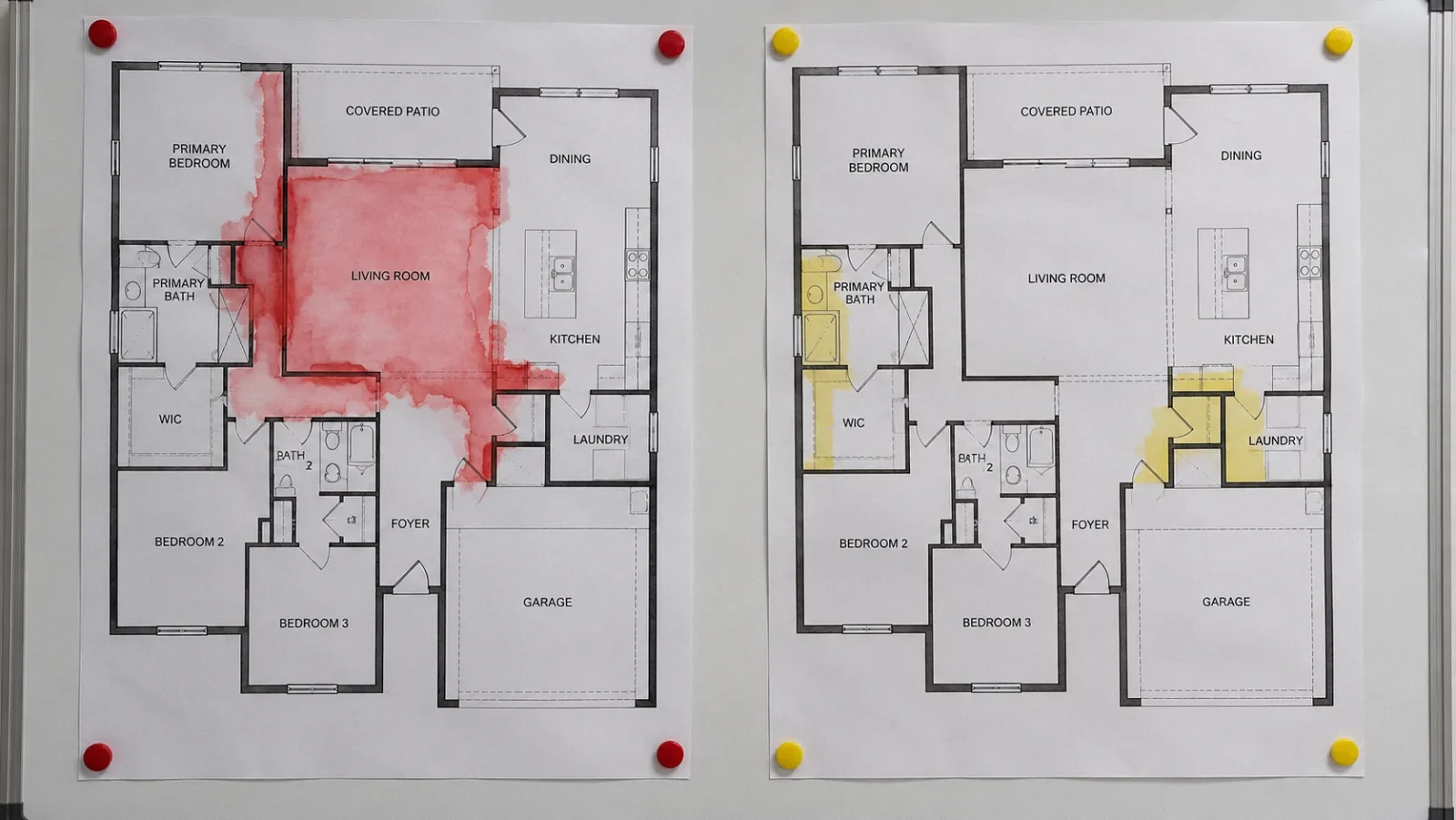
Additional living expense coverage generally concerns extra costs caused by displacement after a covered loss. Confirm eligibility, limits and documentation before assuming every temporary expense is reimbursable.
Start with habitability and the covered event
A household may need to leave because of contaminated water, inaccessible facilities, construction hazards or other conditions. Describe those conditions to the insurer and request its coverage assessment. A contractor saying the family should relocate is relevant information, but is not itself an insurance approval. Ask what evidence the adjuster needs to evaluate the housing request.
NAIC guidance explains that additional living expenses, often called ALE, concern costs beyond normal living expenses when a covered disaster makes the home unlivable. The policy determines the trigger and limits. A preference to avoid inconvenience is not automatically the same as a covered inability to live in the home. If health needs affect the decision, discuss them with an appropriate clinician and provide only the information necessary to explain accommodation needs.
Calculate the additional portion
Temporary housing can change several expenses at once. Hotel charges may be new, while the mortgage continues. Restaurant spending may replace ordinary groceries, so the relevant calculation can involve an increase rather than every food purchase. Ask the adjuster for its method and required records before creating a spreadsheet that uses incompatible categories.
List the normal household baseline separately from displacement costs. Use actual receipts and explain unusual needs such as accessible lodging, a kitchen for dietary requirements or pet accommodation. Do not assume these expenses are accepted without discussion. The purpose of the ledger is to make the additional amount and its reason understandable, not to classify all spending away from home as insured.
Choose housing with the repair schedule in mind
A nightly hotel can be practical for an uncertain early period but may become unsuitable for a prolonged reconstruction. A rental may offer stability but introduce a deposit, lease commitment and cancellation risk. Before signing, ask the insurer what duration and cost it approves and who bears expense if the repair schedule changes.
Discuss the real repair dependencies: drying completion, scope agreement, permits, material availability and access. Do not let a contractor guess become a guaranteed move-back date. Keep housing commitments aligned with verified milestones where possible, and obtain updates early enough to avoid an abrupt checkout before the property is ready.
Monitor both money and time
NAIC notes that ALE may be subject to dollar and time limits. Ask for the applicable limit, payments made, remaining balance and how any period is measured. Endorsements can affect the analysis. A special water-backup provision may raise additional questions about how different costs interact with its limit.
Create a weekly forecast using current accommodation costs and the latest repair schedule. A forecast is not a request to inflate spending; it shows whether the family may face a funding gap. Bring a potential gap to the adjuster before the balance is exhausted. If coverage is uncertain or unavailable, explore realistic housing alternatives without waiting for a promise no one has made.
Prepare a housing submission that tells the story
Group receipts by expense type and reporting period. Include a short explanation of why each category was necessary and how it differs from the usual cost. Record reimbursements so the same receipt is not submitted repeatedly as unpaid. Keep approvals, extensions and any rejected item alongside the ledger.
The California claims guide treats living expenses separately from structure and contents payments. That distinction helps owners avoid spending a repair check as though it were a housing allowance. It also makes clear why a mitigation invoice dispute should not be allowed to obscure a separate unanswered request about temporary living arrangements.
- Ask which living conditions trigger coverage and what inspection or documentation is required.
- Ask whether lodging is paid directly or reimbursed, and what funds the household must advance.
- Ask how normal groceries, commuting and other baseline costs are considered in the calculation.
- Ask how extensions are requested and what happens if a contractor delay outlasts an approved reservation.
Build a housing forecast with decision dates
A family staying in a hotel while a bathroom and kitchen are inaccessible may face a repair estimate that changes twice. Instead of extending the reservation automatically, keep a short forecast with the current checkout date, next repair milestone, insurer approval period and date by which a housing decision is needed. Ask the contractor for the dependency behind each milestone, such as an inspection or delivery, rather than only an optimistic finish date.
A useful message to the adjuster identifies the current approved lodging, the condition preventing return, the updated repair schedule and the requested extension. Attach only relevant evidence, such as the contractor status note. If accessible accommodation is needed, explain the practical requirement and any documentation requested without circulating unnecessary medical information among every project participant.
If the insurer declines an expense, ask whether the reason is lack of coverage, an exhausted limit, missing documentation or a dispute about the amount. Those answers call for different action. A receipt can solve a documentation problem but cannot create a benefit excluded by the policy. Early classification helps the household choose realistic alternatives and avoids signing a long lease on the assumption that an unresolved reimbursement request is already approved.
Your next-step checklist
- Describe why the home cannot reasonably be occupied and preserve relevant reports.
- Get written housing authorization with cost and duration parameters where available.
- Keep ordinary expenses distinct from additional displacement costs.
- Track both remaining benefits and the reconstruction schedule.
- Confirm the return-to-home decision separately from equipment removal or an estimated completion date.
Related questions
Does ALE pay my mortgage while I stay elsewhere?
NAIC guidance says ordinary mortgage payments remain the homeowner responsibility. Ask about specific additional expenses under the policy; do not treat the entire household budget as reimbursable.
Does flood insurance provide temporary housing?
NFIP coverage excludes additional living expenses, while private policies can differ. Identify which policy is responding and read its terms rather than assuming homeowners ALE applies to an excluded flood event.
Sources & context
Public guidance supports the principles in this article. The practical questions and examples are editorial interpretation, not a site assessment or a coverage decision. State-specific rules apply only where identified.
- NAIC: What Are Additional Living Expenses and How Can Insurance Help?official
- California Department of Insurance: Residential Property Claims Guideofficial
- National Flood Insurance Program: Buy a Flood Insurance Policyofficial
Community questions behind this topic
These discussions helped identify reader concerns. They are anecdotal, not technical or legal authority.