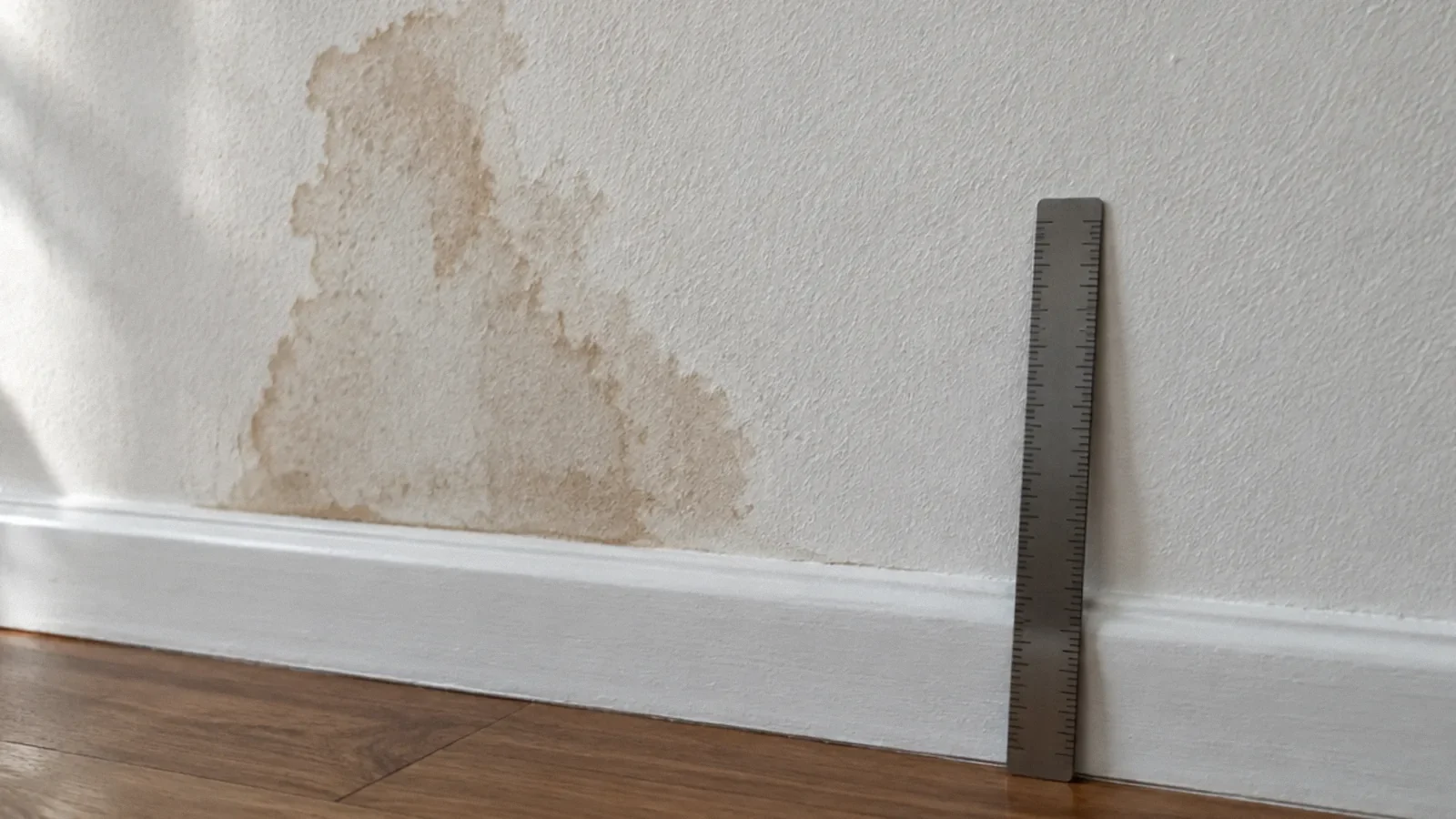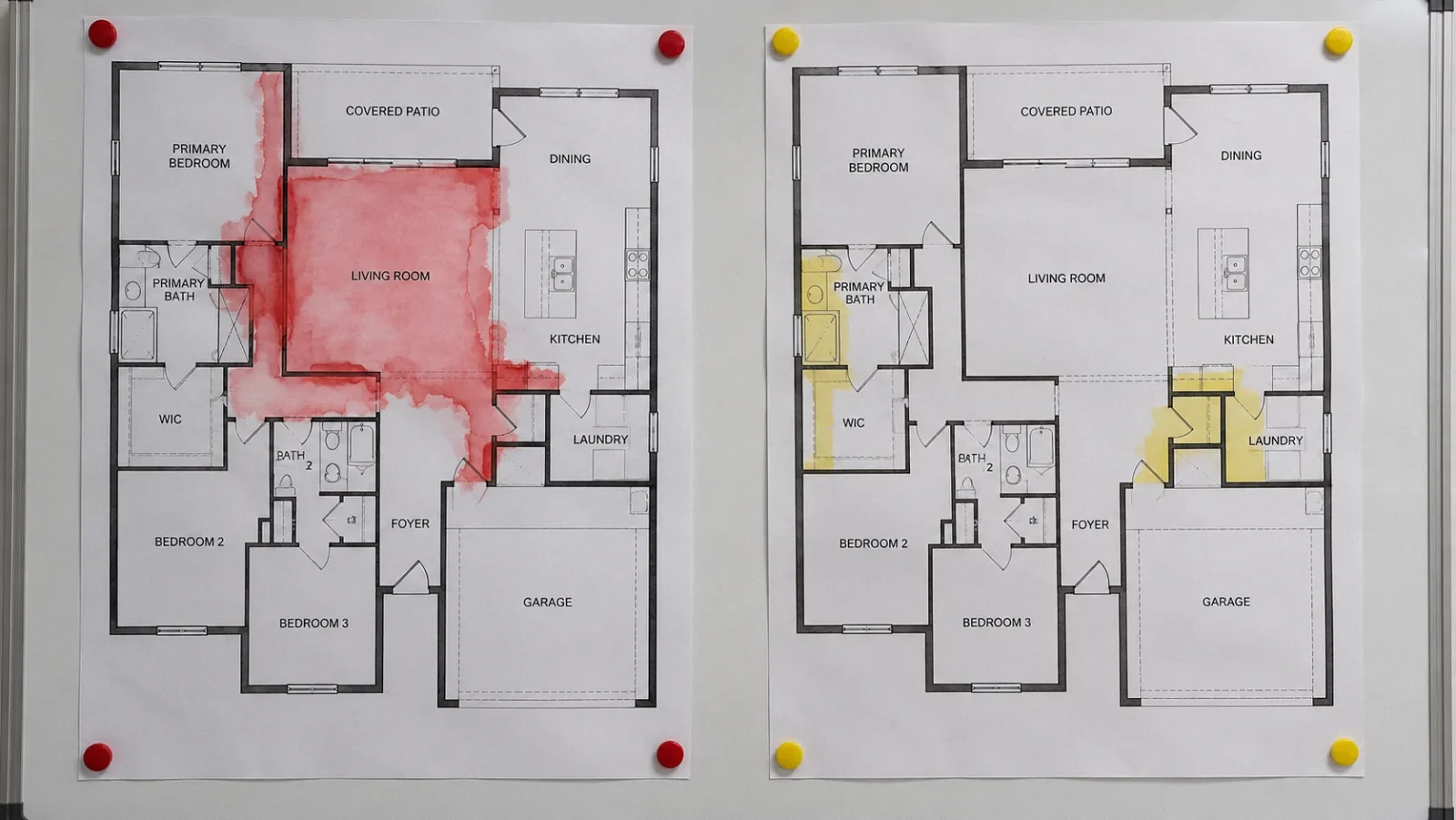
Compare the estimates line by line and isolate differences in scope, quantity, material quality and price. A targeted supplement is easier to evaluate than a disagreement about the total alone.
Identify which kind of disagreement exists
Two estimates can differ because they describe different work, use different measurements, assume different materials or price the same task differently. Separate these issues before asking either party to negotiate. A missing room is a scope problem. A wall measured twice is a quantity problem. A replacement finish with different specifications is a quality problem.
The NAIC claims guide emphasizes agreement on a detailed scope of loss. The California claims guide also distinguishes inspection scope from a finished estimate. These sources support documenting what needs repair before treating price as the only obstacle. They do not mean an insurer must accept any contractor number or that the contractor must work for an insurer estimate.
Build a comparison by location
Use room names that both estimates recognize. For each disputed line, record the contractor item, insurer item, reason for the difference and evidence needed. If one estimate groups several tasks into a single line, ask for enough detail to compare them fairly. Do not infer duplication from similar wording when the work may occur in different locations.
Photographs and dimensions should correspond to the line under discussion. A general photo of a wet kitchen may not explain why a particular cabinet requires replacement. Ask the contractor to identify the damage, the proposed method and why a narrower repair would not produce the agreed result. This turns a broad opinion into a reviewable explanation.
Document newly revealed damage
A concealed condition discovered during authorized work should be photographed before it is covered or discarded. Record the date, location and person who found it. Notify the adjuster and ask whether another inspection is needed. At the same time, address any urgent protective work through the established authorization process.
A supplemental estimate should clearly identify additions, deletions and corrections to the prior version. Keep elective upgrades separate. If a wall repair expands because an assembly cannot be restored as originally assumed, explain the construction reason. If the owner simply wants a different finish, do not present that preference as newly discovered insured damage.
Ask for reasons when a line is reduced
A useful written response identifies whether the insurer disputes necessity, measurement, unit price, policy eligibility or documentation. Each reason calls for a different reply. A contractor may supply a product specification, a revised measurement, local written bids or technical findings. More photographs will not resolve every pricing question.
For a code-related item, identify the applicable requirement through the local authority and ask how the policy treats it. Do not assume every code upgrade is covered or that an estimator preference establishes a code requirement. Preserve permit and inspection communications as their own evidence rather than burying them inside a general reconstruction proposal.
Keep negotiations connected to the contract
Reddit cases show homeowners caught between an insurer-approved amount and a larger contractor invoice. Coverage negotiation does not necessarily pause the payment terms of a signed agreement. Inform the contractor of the specific disputed items and ask for written arrangements while review is pending. Do not promise to pay an undefined balance based only on a hope that a supplement will succeed.
If the disagreement remains material, consider an appropriately qualified independent opinion or the dispute process available under the policy and state law. Compare the likely value of further review with its cost, but do not dismiss a technically significant scope omission merely because the difference looks small on the first estimate.
- For omitted work, request photographs and a clear explanation of why the task is necessary.
- For quantity differences, reconcile the room measurements and units before debating the rate.
- For material differences, compare specifications and actual pre-loss condition rather than vague quality labels.
- For denied coverage, request the policy basis; a revised contractor price may not address the issue.
Turn a missing line into a reviewable supplement
Consider a contractor proposing replacement of an affected cabinet run while the insurer estimate allows only one cabinet box. The owner can ask the contractor to identify which boxes are damaged, what can be detached without additional damage and why a narrower repair is or is not feasible. The adjuster can then explain whether the disagreement concerns physical damage, repair method, matching, price or policy limitations.
A concise supplement entry might identify the room, original allowed task, proposed revised task, supporting photographs and the technical reason. Add the quantity and price difference separately. If part of the request is an owner preference for a new layout, mark it as an upgrade rather than allowing it to contaminate the repair argument.
The same approach works in reverse. If the contractor estimate includes painting an unaffected room, ask why it is included. A credible review checks both estimates instead of assuming one side is always right. The owner objective is an accurate scope and a clear understanding of funding, not simply the largest number. Once an item is resolved, update the comparison and retain the written response so the same disagreement does not reappear in a later estimate version. Keep unresolved items visible with their next required evidence.
Your next-step checklist
- Save both estimates with dates and version numbers.
- Create a room-based comparison of the disputed lines.
- Separate newly discovered damage from owner upgrades.
- Ask each party for a written reason and evidence for its position.
- Track contract payment obligations and policy review deadlines independently.
Related questions
Must the insurer use the contractor estimate?
Not automatically. Ask it to explain disputed items and provide supporting evidence for the requested changes. The contractor estimate is evidence of proposed work and price, not a coverage guarantee.
Should I accept the first payment?
Ask whether it is an undisputed advance, partial payment or settlement requiring a release. Understand the terms before signing or endorsing documents, especially where additional damage remains under review.
Sources & context
Public guidance supports the principles in this article. The practical questions and examples are editorial interpretation, not a site assessment or a coverage decision. State-specific rules apply only where identified.
- California Department of Insurance: Residential Property Claims Guideofficial
- NAIC: Post-Disaster Claims Guideofficial
Community questions behind this topic
These discussions helped identify reader concerns. They are anecdotal, not technical or legal authority.