Many homeowners policies cover fire and smoke damage, but coverage depends on the policy, cause, exclusions, limits and facts of the loss. The California Department of Insurance lists fire and smoke among perils typically covered by homeowners insurance. Review the actual policy and obtain the insurer’s written coverage determination.
Start with the actual policy
The declarations page, policy form, endorsements and exclusions work together. California’s Department of Insurance lists fire and smoke as perils typically covered by homeowners policies, but not every policy has identical terms. A general guide cannot decide whether a particular loss is covered.
Ask the insurer for a complete copy of the current policy and an explanation of the relevant coverages, limits, deductible and exclusions. A declaration summary alone may not contain the full wording. Record the claim number and the names and contact details of representatives.
The dwelling and other structures
Dwelling coverage commonly addresses covered damage to the home, subject to policy terms and limits. Other structures may have separate provisions. The amount needed to repair a damaged building is not necessarily the same as its purchase price or the value of the land.
Ask how the policy addresses repair or rebuilding, code upgrades and any extended or guaranteed replacement provisions if present. Do not assume a quoted limit covers every expense or that the insurer has approved an entire contractor estimate.
Personal belongings
Clothing, furniture and other contents may be addressed under personal-property coverage, subject to limits and conditions. Smoke exposure may affect items beyond the room where flames occurred. Document belongings only when officials say the property is safe to enter.
Create an inventory with descriptions, approximate age, photographs and receipts where available. Ask whether the policy pays actual cash value or replacement cost and what documentation is needed for recoverable depreciation. Do not discard damaged items before discussing documentation with the insurer, unless safety officials require it.
Additional living expenses
If a covered loss makes the home uninhabitable, the policy may include additional living expense coverage subject to its terms and limits. California’s insurance department advises asking about living expenses and keeping receipts. A mandatory evacuation can involve different policy and legal questions.
Ask which expenses are eligible, what is considered an increase over normal living costs, the applicable limits and how long coverage may last. Get the insurer’s guidance in writing when possible. Do not assume all temporary housing, meals or pet costs are automatically covered.
Smoke, soot and water used to fight a fire
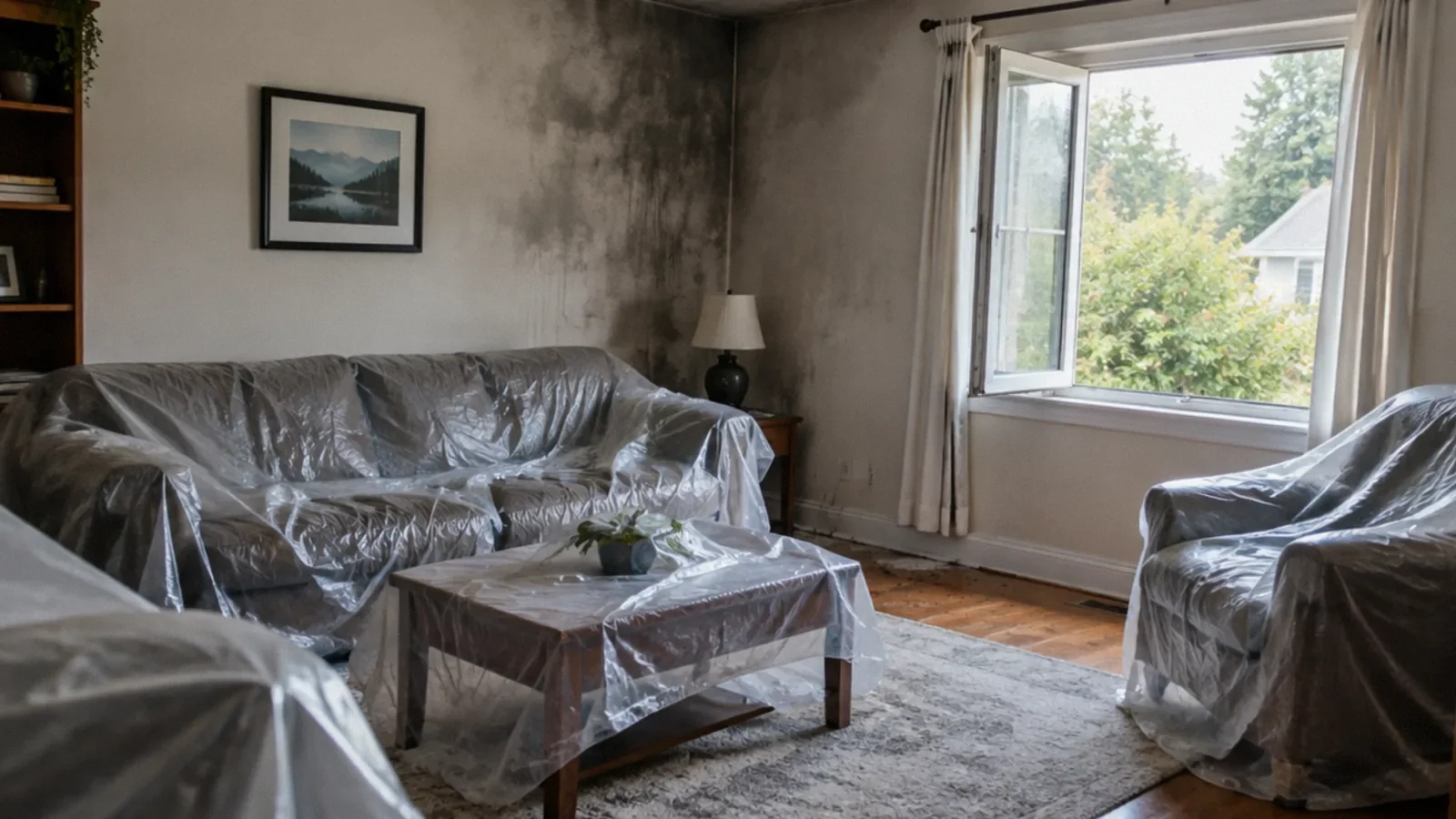
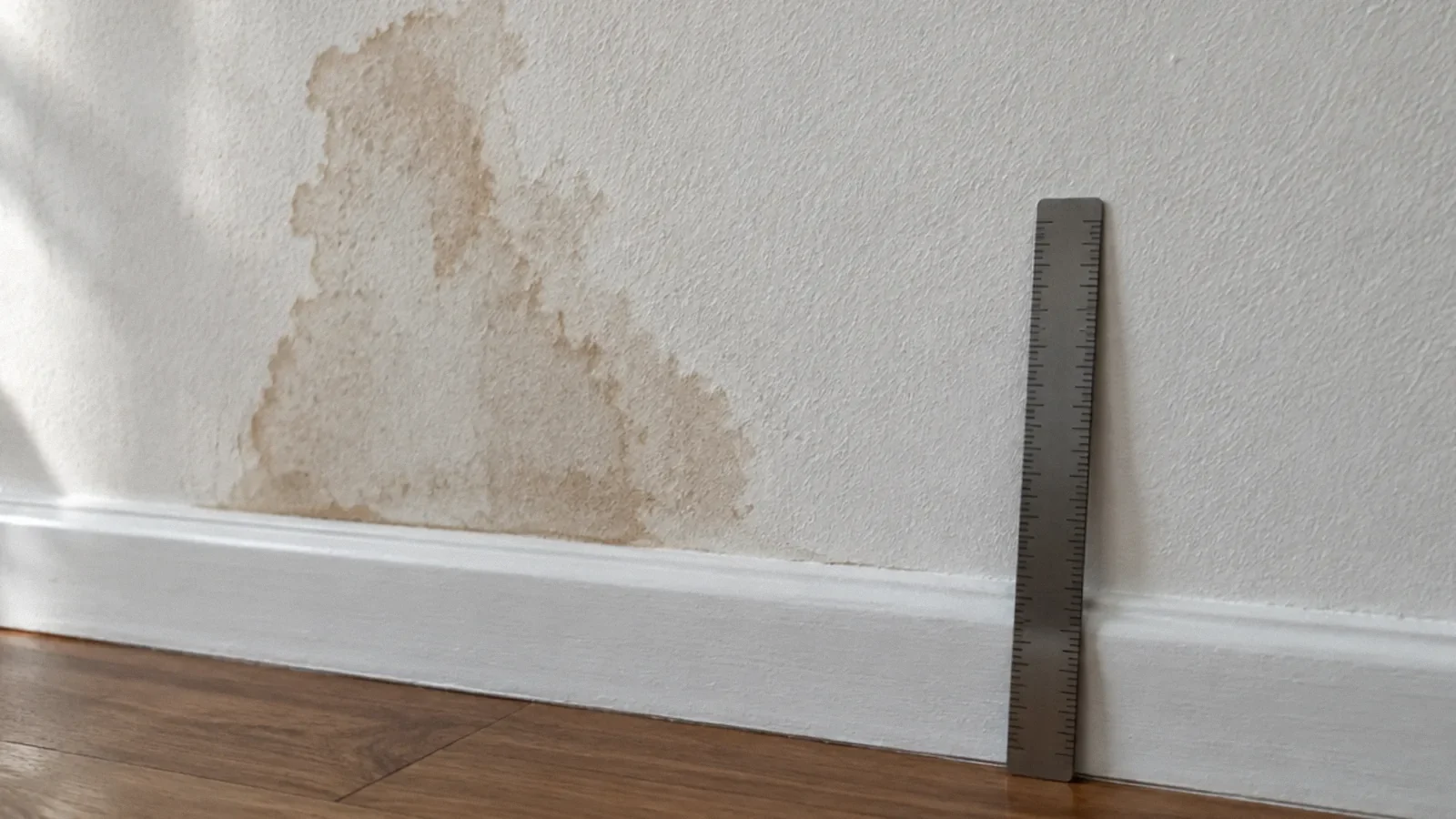
A fire can leave soot and odor in areas without visible flame damage, and firefighting water can wet walls, flooring and contents. Document each affected area when safe and ask how the insurer will evaluate the related work. Different materials may need different inspection and cleaning methods.
A contractor’s observation is useful evidence but does not by itself determine coverage. Request a written scope that separates cleaning, removal, drying and reconstruction. Avoid signing a document that transfers claim rights until you understand its terms.
Deductibles, exclusions and causes
The deductible and applicable exclusions can change the amount paid. Some policies have special terms for particular causes or locations. California also describes fire-only and other limited policies, so do not assume a policy’s name means it includes every peril or every type of property.
Ask the insurer to identify the specific policy wording supporting a coverage decision. If a second event or cause is involved, the analysis can be more complicated and may depend on applicable law. Seek qualified advice for a disputed interpretation rather than relying on a generic checklist.
How to start a claim
Once everyone is safe, report the loss promptly and ask what emergency measures the insurer expects. Keep receipts for reasonable protective actions and temporary expenses, and photograph damage when authorities permit access. Do not enter an unsafe structure or restore utilities yourself.
Provide requested documents and keep copies of correspondence, estimates and the inventory. Ask who is responsible for each next step and when to expect updates. A claim acceptance, an estimate and a final payment are separate stages.
If you disagree with the decision
Request the insurer’s position and supporting policy language in writing. Compare its scope and estimate with the contractor’s line items and ask about missing work or different quantities. Keep the discussion tied to the actual property and documented damage.
California residents can contact the Department of Insurance for consumer assistance and learn about available dispute-resolution options. A public adjuster or attorney may help in some cases, but fees and scope vary; review any agreement before signing.
Fire, theft and windstorm as insurance perils
In insurance terminology, a peril is a cause of loss; fire, theft and windstorm are examples. California’s insurance department lists these among perils typically covered in a homeowners policy, while emphasizing that exclusions and policy language matter. A peril is different from the property damaged or the amount of a deductible.
The exact protection can differ by policy, property type, location and endorsement. A basic fire policy may not provide every coverage found in a homeowners package. Read the declarations, insuring agreement and exclusions, and ask the insurer which perils and types of property are covered.
Your next-step checklist
- Obtain the complete policy and declarations.
- Document damage and belongings when it is safe.
- Ask about dwelling, contents and living expense coverage.
- Keep receipts and request coverage decisions in writing.
Related questions
Does homeowners insurance cover a house fire?
Many policies cover fire, but the actual policy, cause, exclusions, limits and facts determine the result.
Is smoke damage covered?
Smoke is commonly listed as a covered peril in homeowners policies, subject to the policy and the insurer’s determination.
Will insurance pay for a hotel after a fire?
Additional living expense coverage may apply when policy conditions are met. Ask about limits, eligible costs and documentation.
Is the full contractor estimate automatically covered?
No. The insurer evaluates the claim under the policy; ask for a written scope and explanation of any differences.
Sources & context
Public guidance supports the principles in this article. The practical questions and examples are editorial interpretation, not a site assessment or a coverage decision. State-specific rules apply only where identified.
- California Department of Insurance: Residential insurance guideCalifornia insurance consumer guidance
- California Department of Insurance: Residential property claimsCalifornia insurance consumer guidance
- California Department of Insurance: Wildfire claim tipsCalifornia insurance consumer guidance
- California Department of Insurance: Glossary of insurance termsstate insurance guidance