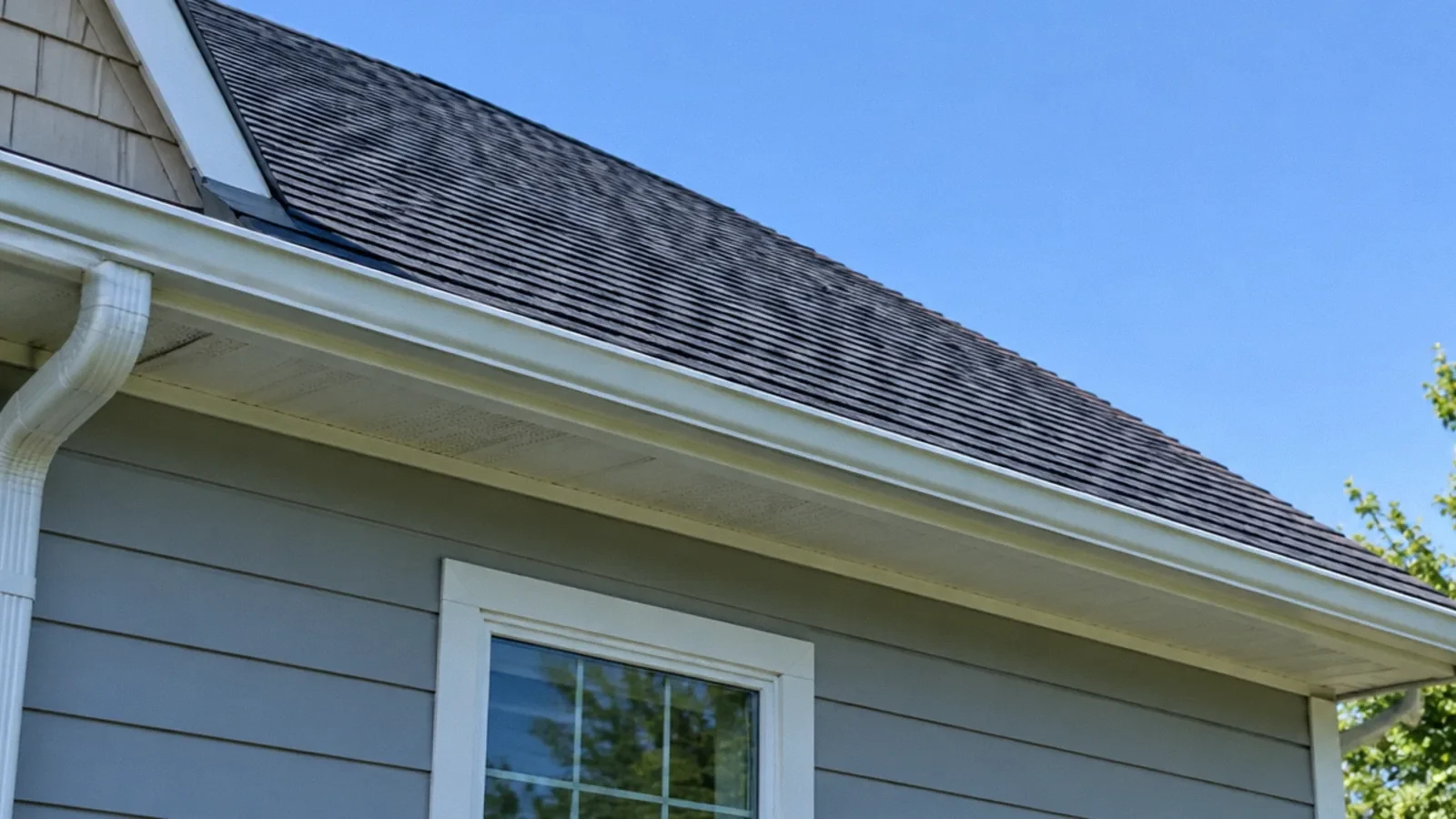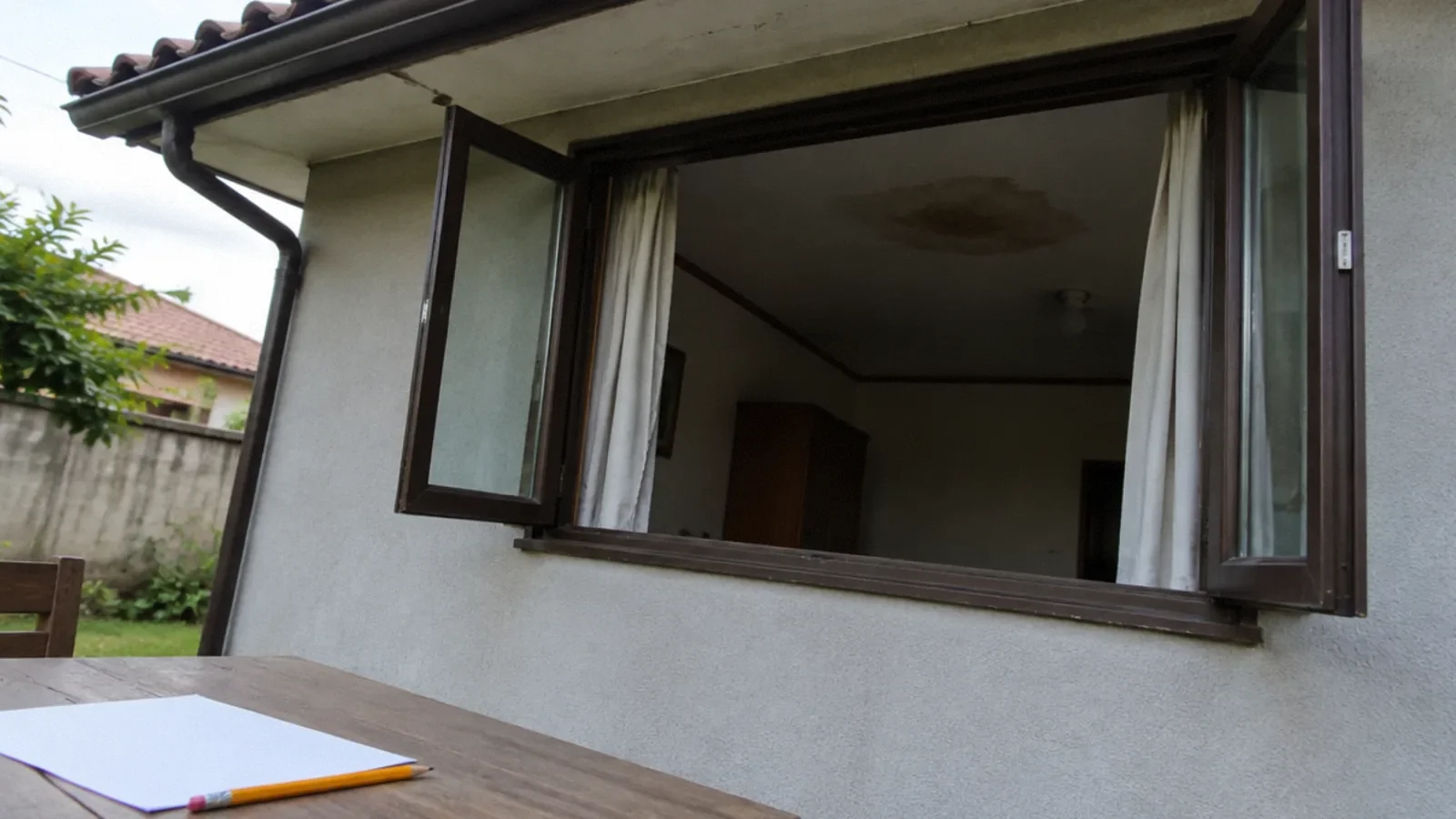
A roof leak may be covered when the damage results from a peril covered by the policy, but coverage is not automatic. The California Department of Insurance gives rain entering through a wind-damaged roof opening as an example that policies generally cover when the underlying cause is covered. Wear, maintenance, exclusions and the actual policy can change the result.
Start with safety and limiting damage
Keep people away from a sagging ceiling, active water near electrical equipment and unsafe roof access. Do not climb on a wet roof to take photographs or install a tarp. Contact a qualified professional for emergency protection when it is not safe to do yourself.
California insurance guidance recommends reasonable steps to protect property from further loss while cautioning homeowners not to risk their safety. Keep receipts and document what was done. Temporary protection, permanent roof repair and interior restoration may be separate parts of a claim.
The cause of the opening matters
A sudden covered event, such as wind damaging the roof and allowing rain inside, may be treated differently from a long-standing leak or deterioration. The California Department of Insurance describes rain through a roof opening caused by a covered exposure as a common example of potentially covered damage.
A general example is not a coverage decision for a specific home. Review the policy, endorsements, exclusions and the evidence of what caused the opening and interior damage. Report the facts accurately; a stain may become visible later than the initial event.
Wear, seepage and maintenance
The California insurance guide lists wear and tear, maintenance and certain seepage or leak damage among causes generally excluded from standard coverage. Individual wording and facts matter, and separate policy provisions may address damage that follows an excluded condition. Do not assume an old roof is automatically covered or automatically excluded.
Ask the insurer to identify the specific provision and factual basis for its decision. A roofer can document observed damage and condition, but only the insurer can explain its coverage position under the policy. If explanations conflict, request a written response and seek appropriate advice.
Roof repair versus interior damage
The roof covering, sheathing, insulation, ceiling and belongings can be affected differently. An estimate for a roof patch may not include drying a ceiling cavity or replacing damaged insulation. Ask the adjuster and contractor to list each affected area and whether it is part of the proposed scope.
Some expenses may be covered while others are limited or excluded. Avoid a promise that an entire roof replacement is required or covered before inspection. Request an itemized scope, local written estimates and a process for reviewing concealed damage discovered during authorized work.
Deductible, depreciation and limits
Ask about the deductible, coverage limits, depreciation and any distinction between actual cash value and replacement cost. The amount initially paid may differ from the ultimate eligible amount if the policy provides for further payment after qualifying repairs. Read the applicable conditions and deadlines.
A policy can also contain a separate deductible or endorsement affecting particular losses. Request the calculation in writing and ask what documents are needed. A contractor’s estimate is useful evidence of repair cost but does not itself establish coverage or the amount payable.
Document the loss and contact the insurer
Photograph visible conditions from a safe location, note when damage was discovered and preserve receipts for reasonable emergency work. Keep the policy number, claim number, adjuster contact and copies of correspondence. Do not delay urgent safety measures simply to obtain a better photograph.
Report the loss and ask when an inspection can occur. The California Department of Insurance advises checking policy language and generally waiting for the adjuster before extensive permanent repairs. If urgent work is required sooner, document why and coordinate with the insurer when possible.
Floodwater is a separate question
Rain entering through a roof opening and rising outside floodwater are different loss pathways. Standard homeowners policies generally do not cover flood damage, and separate flood coverage may be available. Definitions, exclusions and endorsements matter; a storm can produce more than one type of damage.
Do not assume a roof leak is a flood claim merely because it happened during heavy rain, or that all storm damage is covered. Describe how the water entered and ask the insurer to identify the applicable coverage and any other policy that should be notified.
If the insurer denies or limits the claim
Request the decision, policy language and explanation in writing. Compare the stated cause and scope with photographs, inspection findings and contractor estimates. If additional damage is found, ask how to submit a supplemental estimate rather than assuming it has been considered.
The California Department of Insurance explains that consumers can contact it with questions or complaints about residential claims. A licensed attorney or other authorized professional can advise on a specific dispute, deadlines and policy rights. Keep copies of every submission and response.
Your next-step checklist
- Keep clear of wet electrical equipment and unsafe roofs.
- Arrange reasonable temporary protection without risking injury.
- Document the source, damage and receipts.
- Ask for the applicable policy language and itemized scope.
- Review deductibles, limits and any denial in writing.
Related questions
Does homeowners insurance cover a leaking roof?
It may cover damage caused by a covered peril, but the policy, cause and exclusions determine the result. Ask the insurer for a written explanation.
Does insurance cover rain through a wind-damaged roof?
The California Department of Insurance says this is generally an example of potentially covered water damage when the underlying wind damage is a covered exposure. Individual terms still apply.
Is an old or poorly maintained roof automatically covered?
No. Wear, maintenance and seepage are commonly excluded, but the actual policy and facts control the claim.
Is a roof leak the same as flood damage?
Not necessarily. Rain through a roof and rising outside floodwater are different pathways and may involve different policies.
Sources & context
Public guidance supports the principles in this article. The practical questions and examples are editorial interpretation, not a site assessment or a coverage decision. State-specific rules apply only where identified.
- California Department of Insurance: Residential property claims guidestate consumer guidance
- California Department of Insurance: Homeowners and renters insurancestate consumer guidance
- California Department of Insurance: Home and flood insurancestate consumer guidance