Homeowners policies often cover resulting damage from a sudden and accidental plumbing discharge, but coverage depends on the policy, cause, exclusions and facts. Repairing the failed pipe may be treated differently from repairing water-damaged walls or floors. Notify your insurer promptly and ask for a written coverage determination.
Stop the leak and protect people
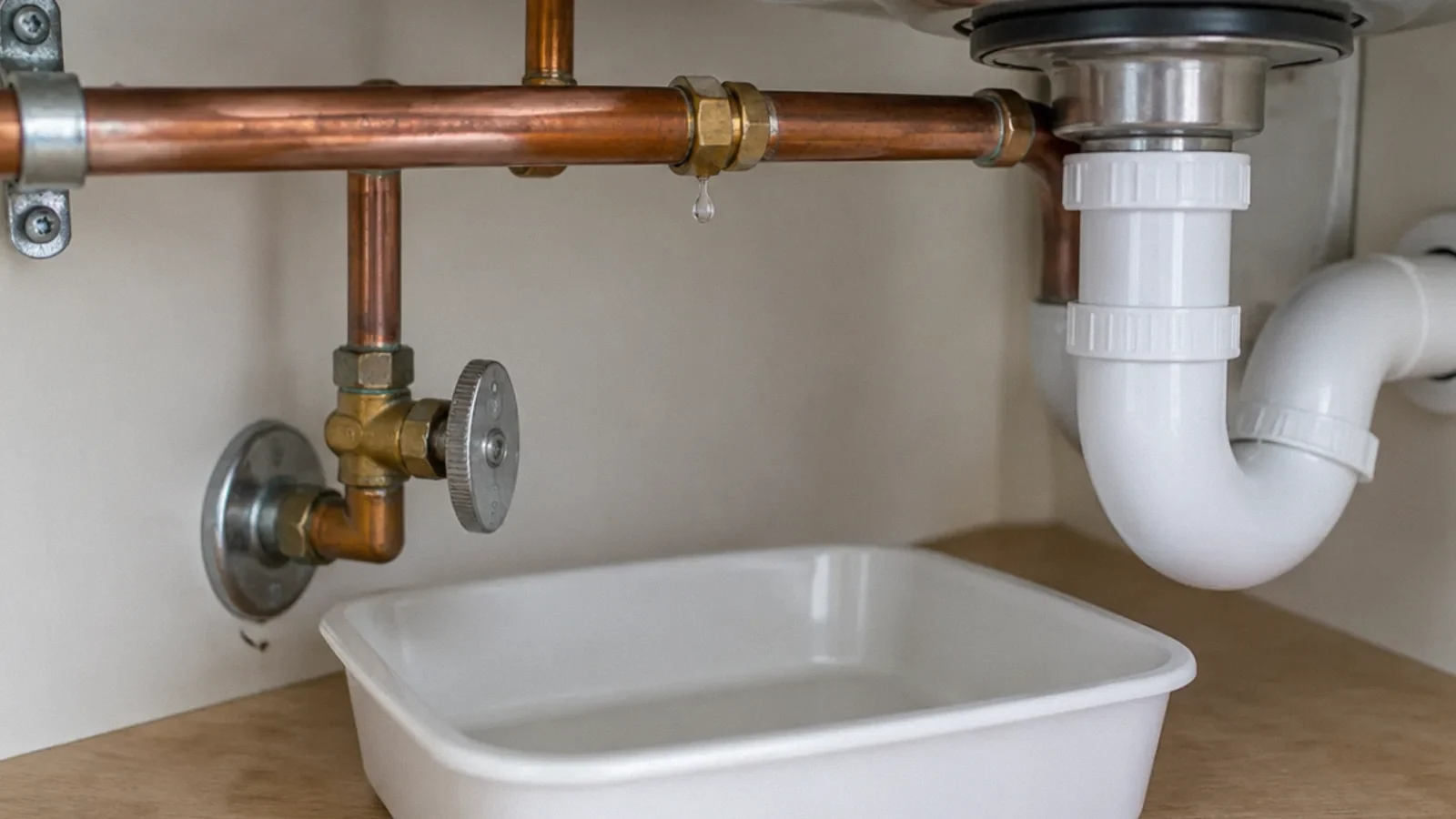
Stay out of standing water near electrical equipment, outlets or appliances. If a clearly identified water shutoff is reachable and can be operated safely, close it to limit further damage. If you cannot safely reach it, contact the utility, property manager or a qualified plumber.
Make reasonable temporary repairs to prevent additional damage when safe. The California Department of Insurance recommends protecting the property and saving receipts. Do not delay urgent safety or mitigation work merely to take photographs.
Coverage depends on the policy and cause
The National Association of Insurance Commissioners explains that homeowners policies often cover resulting water damage from a sudden and accidental plumbing discharge, including some burst-pipe losses. Whether a specific loss is covered depends on the complete policy, endorsements, exclusions and facts.
A slow leak, long-term seepage, wear, maintenance issue or an unoccupied property can raise different coverage questions. Do not assume that a particular term applies to your loss without reading the policy and the insurer’s written explanation. A stain’s discovery date does not necessarily establish when a leak began.
The pipe and resulting damage are separate questions
Ask whether coverage applies to the failed pipe or fitting, access needed to reach it, and resulting damage to walls, flooring or personal property. These items may be treated differently under the policy. A plumber’s repair invoice and a restoration estimate can describe different parts of the loss.
A home warranty or service contract may have its own terms and is not the same as homeowners insurance. California’s insurance guide gives a water-heater example to illustrate that distinction; it does not guarantee coverage for a particular appliance or pipe. Ask each provider what its agreement covers.
Notify the insurer and document safely
Contact the insurer or agent promptly to report the loss and ask about the claim process, deductible, inspection and documentation. The California Department of Insurance advises immediate reporting of a water-damage claim. Keep a record of the date, people contacted and instructions received.
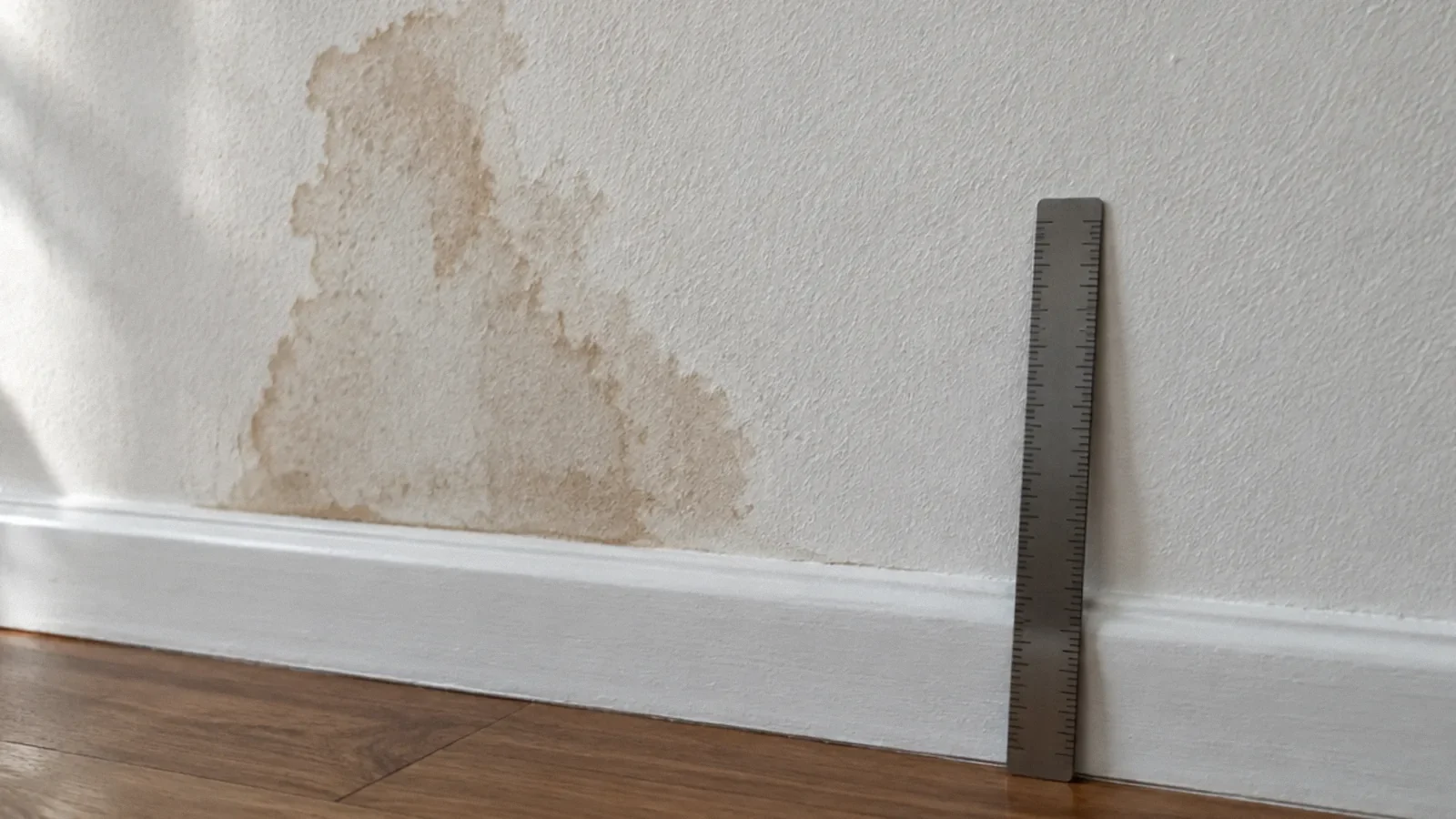
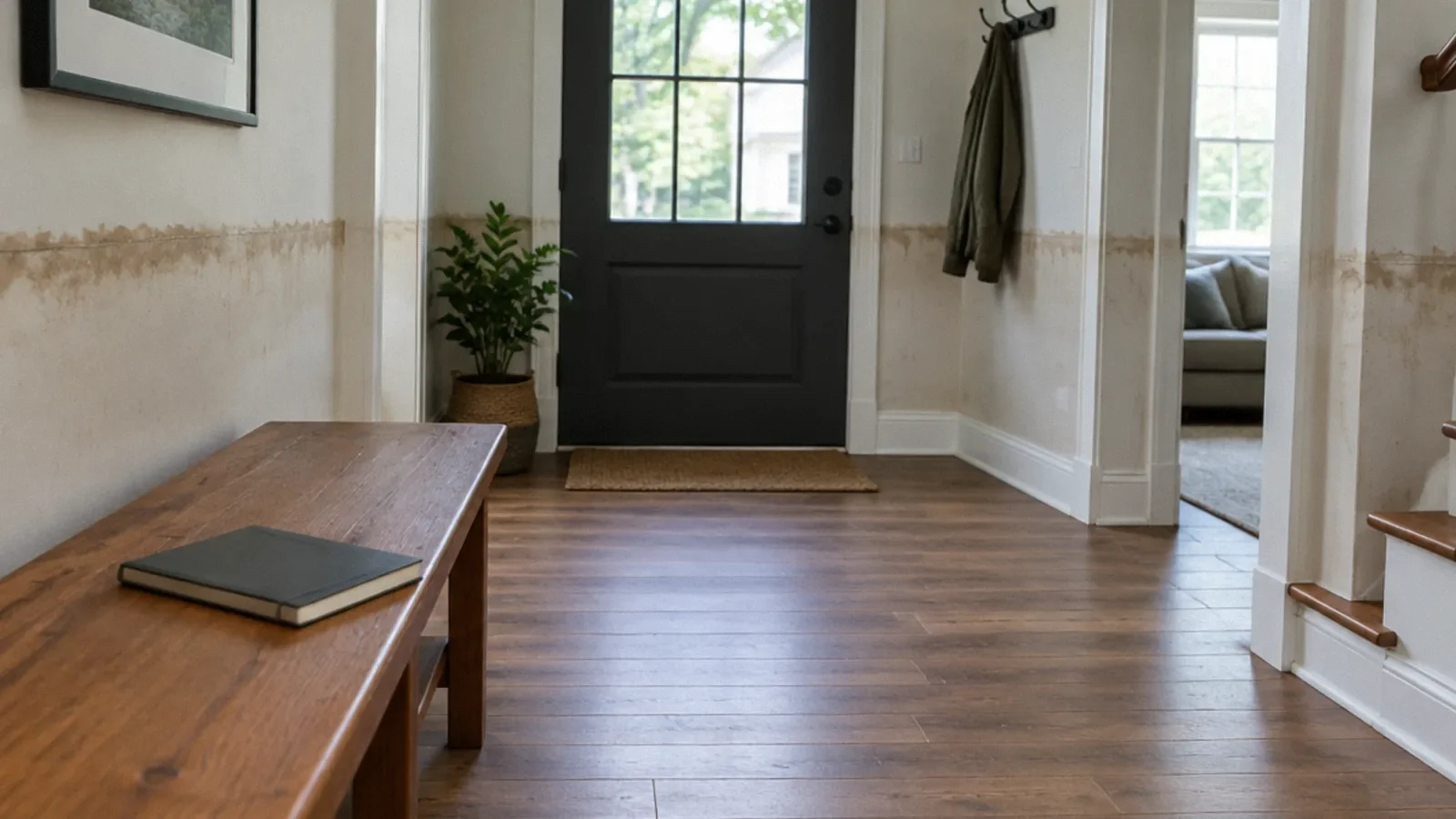
When safe, photograph affected areas before and during mitigation, record what you observed and keep the failed part if the plumber can preserve it safely. Save invoices, moisture reports, repair estimates and photographs of concealed areas opened during authorized work. Do not invent a cause or date that has not been established.
Temporary mitigation and permanent repair
The California claims guide recommends reasonable temporary steps to protect property and advises against extensive permanent repairs before the adjuster assesses damage. If drying or emergency repairs cannot wait, tell the insurer, document conditions and keep detailed receipts. Follow the policy and the insurer’s specific instructions.
Request a written scope from each contractor identifying water removal, drying, demolition, plumbing repair and reconstruction. Approval of a contractor’s work is not automatically an insurer’s promise to pay every charge. Ask about scope changes and retain documentation before authorizing additional work.
Deductibles, limits and payment
A deductible is the portion of a covered loss you are responsible for under the policy. Coverage limits, depreciation, the type of settlement and any applicable endorsements can affect the payment. Read the declarations and policy language and ask the adjuster how each item was calculated.
Do not assume the deductible is the only out-of-pocket amount. A denied item, an uncovered failed component, an upgrade or a cost above a limit may be treated differently. Request an itemized explanation and compare it with the contractor’s scope.
Flood, sewer backup and other sources
Water from an interior plumbing line is not necessarily the same insurance category as outside floodwater or a sewer backup. Different policies or endorsements may apply. The word flooding in everyday conversation does not determine coverage.
If several sources contributed, document the observed sequence and ask each insurer or representative about the relevant policy. The cause and the way water entered the building matter. Never enter sewage or floodwater near electricity to gather evidence.
If the claim is limited or denied
Ask for a written explanation identifying the policy provisions and facts used for the decision. Compare it with the inspection, plumber’s findings and any missing evidence. Provide corrections or additional records through the insurer’s review process and keep copies.
California consumers can contact the Department of Insurance for help understanding complaint options. A complaint or appeal is not a guarantee of payment. Continue necessary safe mitigation and comply with policy notice and documentation requirements while a dispute is reviewed.
Sample letter for a water damage claim
Use this example as a starting point and replace every bracket with information you can verify. Follow the reporting method and deadlines in your policy, even if you also send a letter. Do not guess about the source or imply the insurer has accepted coverage.
Subject: Water damage at [property address] — claim [number, if assigned]. Dear [claims team], I am reporting water damage discovered on [date] at [address]. I observed [affected rooms and materials]. The source is [known facts or “under investigation”]. I took [reasonable temporary steps] to prevent further damage.
Please confirm receipt and explain how to arrange an inspection, submit photographs and receipts, and obtain the applicable deductible, coverage decision and relevant deadlines. I have attached [list of documents actually enclosed]. You may contact me at [contact details]. Sincerely, [name]. Keep a dated copy and a record of follow-up communications.
Your next-step checklist
- Stop the source only when safe.
- Notify the insurer promptly and ask about the deductible.
- Record the observed damage and keep receipts.
- Separate pipe repair, mitigation and reconstruction scopes.
- Request a written explanation of coverage decisions.
Related questions
Does homeowners insurance cover a burst pipe?
Many policies cover resulting damage from a sudden and accidental discharge, but the policy, cause, exclusions and circumstances determine the decision.
Will insurance pay to replace the failed pipe?
It depends on the policy and cause. Ask separately about the failed component, access and resulting damage to the home.
Should I wait for the adjuster before stopping the leak?
No. Take reasonable temporary steps to prevent further damage when safe, notify the insurer and document the work.
What if the insurer says the leak was gradual?
Request the written policy basis and evidence, review your records and provide relevant corrections through the insurer’s process.
Sources & context
Public guidance supports the principles in this article. The practical questions and examples are editorial interpretation, not a site assessment or a coverage decision. State-specific rules apply only where identified.
- California Department of Insurance: Residential property claimsstate insurance guidance
- NAIC: Burst pipe water damage coverageinsurance regulator guidance
- California Department of Insurance: Residential insurance guidestate insurance guidance