Carpet naturally changes with age and ordinary use. California’s tenant guide describes ordinary wear such as normal wearing down and moderate dirt or spotting, while large rips or indelible stains may be treated differently. The facts, documentation and applicable law matter; a blanket rule cannot resolve every dispute.
Normal use versus damage
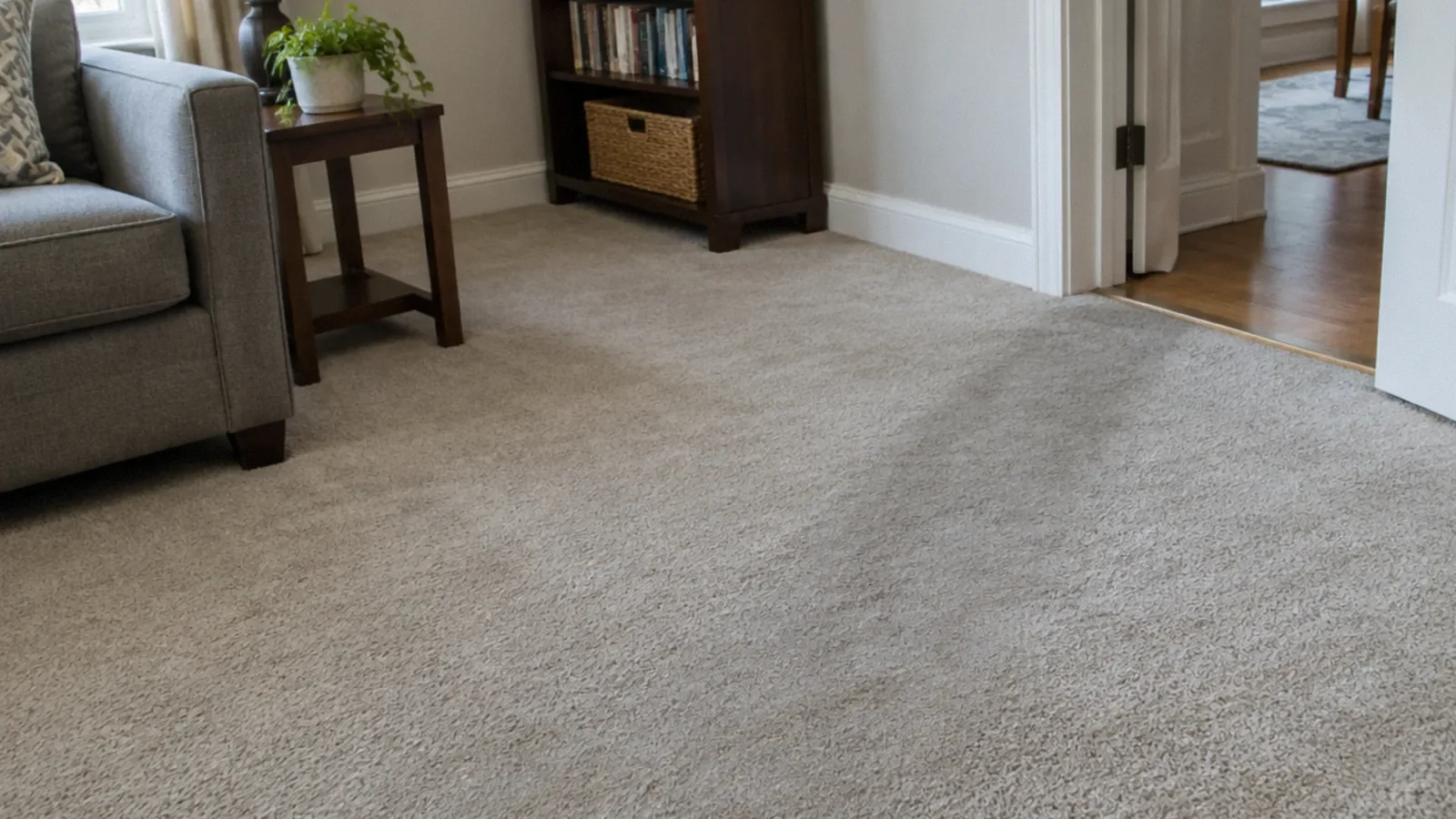
Traffic can flatten pile and ordinary aging can change carpet appearance. California’s tenant guide describes normal wearing down and moderate dirt or spotting as examples of ordinary wear. It contrasts these with large rips or indelible stains that may justify a reasonable deduction when the tenant is responsible.
The location, extent, age and condition at move-in matter. A small mark is not automatically chargeable, and a damaged carpet is not automatically entirely the tenant’s responsibility. Record the condition rather than relying on a label alone.
Document the starting condition
Keep the move-in checklist, dated photographs and any correspondence about existing stains, wear, water damage or repairs. A picture should show the room as well as a close view so that the location and scale are clear. Avoid editing images in ways that misrepresent the condition.
If a leak or other problem develops during the tenancy, notify the landlord or property manager promptly in writing and retain a copy. The cause and response may affect the assessment. A carpet problem caused by a building leak requires different evidence from an ordinary spill.
Cleaning at move-out in California
California’s Attorney General says a landlord may use a security deposit for cleaning to make the property as clean as it was when the tenant moved in, subject to the applicable rules. This is different from an automatic rule that every tenant must buy professional carpet cleaning regardless of the starting condition.
Review the rental agreement and applicable law, document the carpet at move-in and move-out, and ask the landlord what condition is expected. Rules can differ outside California and circumstances vary. When a legal dispute is significant, consult a tenant assistance organization or lawyer.
What about stains, burns or tears?
A large permanent stain, burn or tear may be more than ordinary wear, but the cause, extent and reasonable remedy still need assessment. A localized repair may be possible in some cases; other damage may require a larger replacement. Do not assume that the full cost of a brand-new carpet is automatically chargeable.
California’s tenant guide discusses reasonable deductions and a common method that accounts for remaining useful life when replacement is reasonably necessary. The calculation depends on the facts. Request an explanation and supporting documentation rather than relying on a generic depreciation table.
Water damage and damp carpet
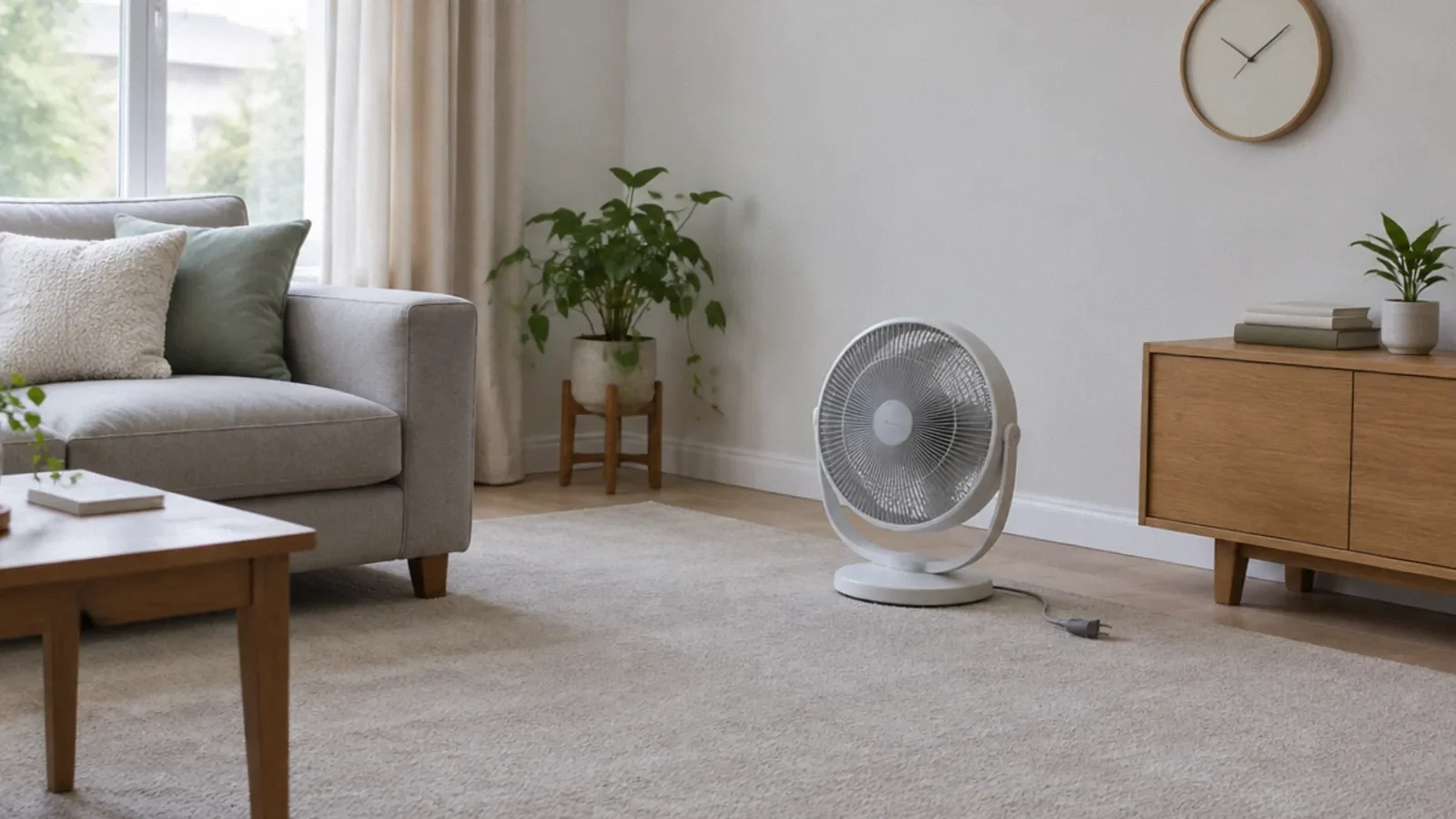
Identify and stop the water source when safe, then notify the responsible person. Carpet, pad and subfloor may require different decisions depending on the source and contamination. A surface that looks dry is not proof that hidden layers are dry.
Avoid wet electrical equipment and suspected sewage. A qualified professional can assess the cause and extent. Save photographs, repair records and messages so that a later discussion distinguishes the incident from normal carpet wear.
Before a move-out inspection
California guidance describes a tenant’s opportunity to request an initial inspection before moving out, subject to the applicable rules. Ask the landlord or manager about the process, attend if possible and keep the written findings. Do not make a repair that exceeds your authority or ability.
Clean using methods compatible with the carpet and its care instructions. Do not soak the backing or apply bleach in an attempt to remove a mark. If hiring a cleaner, keep the invoice and take photographs after the carpet has dried.
Reviewing a deduction
The California Attorney General says a landlord generally must provide an itemized statement and return any remaining deposit within 21 days after move-out. The rules and available documentation depend on the situation; consult current official guidance.
Compare any listed charge with the move-in condition, move-out evidence and the work actually needed. Ask for clarification in writing. A lease provision does not automatically override applicable law, and a general article cannot decide an individual dispute.
Prevent avoidable damage
Use mats where appropriate, clean spills promptly following carpet instructions and report leaks early. Avoid unapproved bleach or harsh solvents. Protect the carpet when moving furniture and do not leave wet items on the floor.
Keep routine records without treating normal living as damage. If the carpet is old or already worn, document that condition before a new tenancy. Clear information helps both parties distinguish ordinary aging from a specific event.
Repair options depend on the actual damage
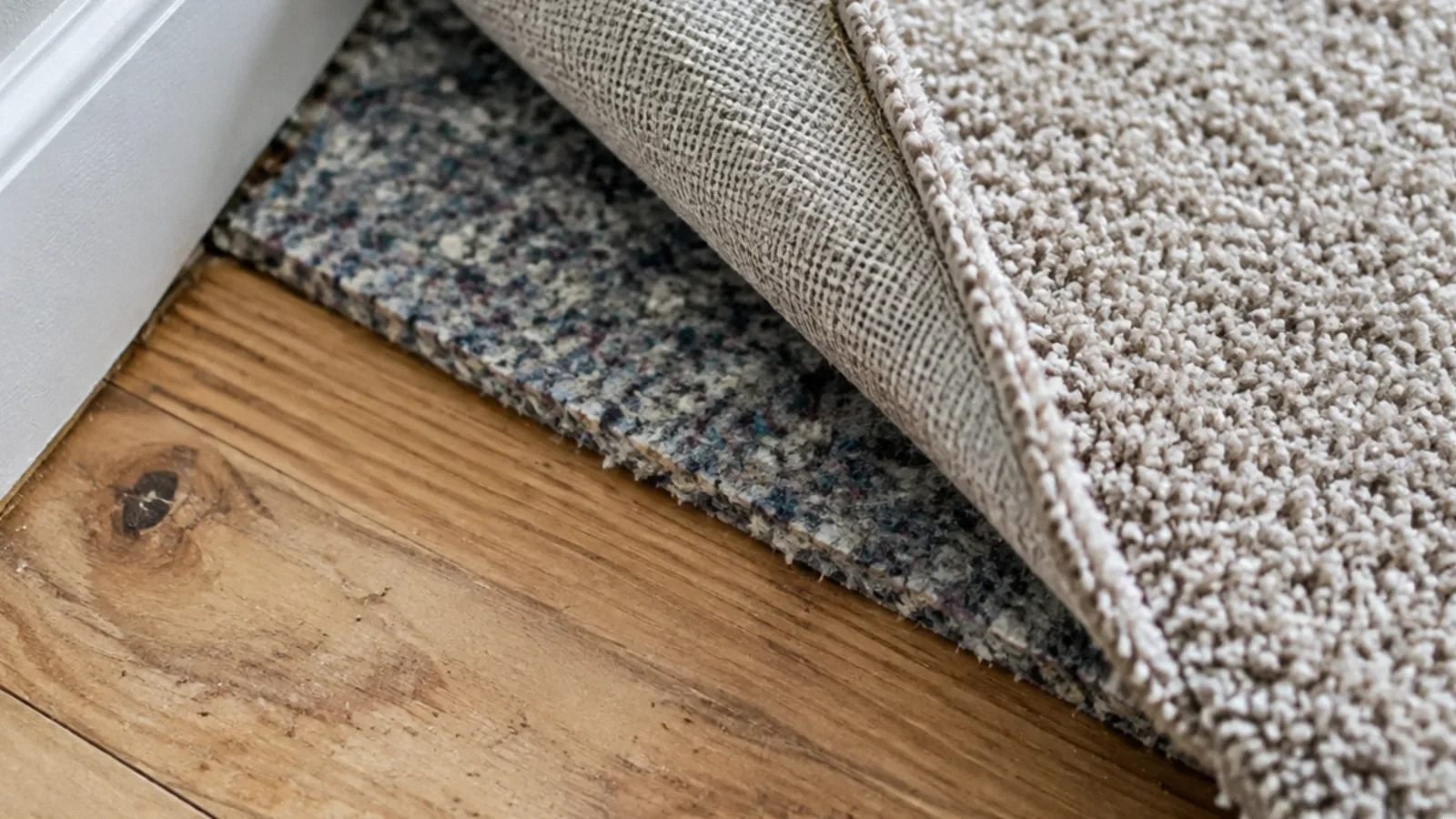
A small localized burn, tear or permanent stain may be repairable with a matching remnant and professional patching; a loose seam may need a seam repair. Color, pile direction, age and fading affect the result, so a patch is not guaranteed to disappear. Widespread wear, degraded backing or extensive water damage may make local repair impractical.
Record the condition and likely cause rather than calling every mark tenant damage. Compare a reasonable repair with replacement and the carpet’s remaining useful life under applicable local law. California guidance treats ordinary aging and moderate spotting differently from large tears or indelible stains; other jurisdictions may differ.
Your next-step checklist
- Keep dated move-in and move-out evidence.
- Report leaks and document the response.
- Review the applicable law and rental agreement.
- Request an explanation for disputed deductions.
Related questions
What is normal wear and tear on carpet?
California’s tenant guide includes normal wearing down and moderate dirt or spotting as examples; the facts of each case matter.
Do I have to hire a carpet cleaner when I move out?
California’s general rule concerns returning the property as clean as at move-in, subject to applicable law. It is not a universal automatic professional-cleaning requirement.
Can a landlord charge for a large carpet burn?
A tenant-caused burn may support a reasonable deduction beyond ordinary wear, but the condition, repair and applicable rules matter.
Can a landlord charge the full cost of a new carpet?
Not automatically. California guidance discusses reasonable costs and accounting for remaining useful life when replacement is reasonably necessary.
Does a pet deposit automatically cover carpet damage?
A deposit is not an automatic waiver of damage charges. Applicable law, the rental agreement, the condition documented at move-in and move-out, and itemized deductions all matter. Review California rules and the specific tenancy.
Sources & context
Public guidance supports the principles in this article. The practical questions and examples are editorial interpretation, not a site assessment or a coverage decision. State-specific rules apply only where identified.
- California Attorney General: Landlord-tenant issuesCalifornia legal consumer guidance
- California Courts: Security deposit guideCalifornia court self-help guidance
- California Department of Real Estate: 2026 California tenants guideCalifornia real estate department consumer guidance
- California Department of Real Estate: Moving outofficial guidance