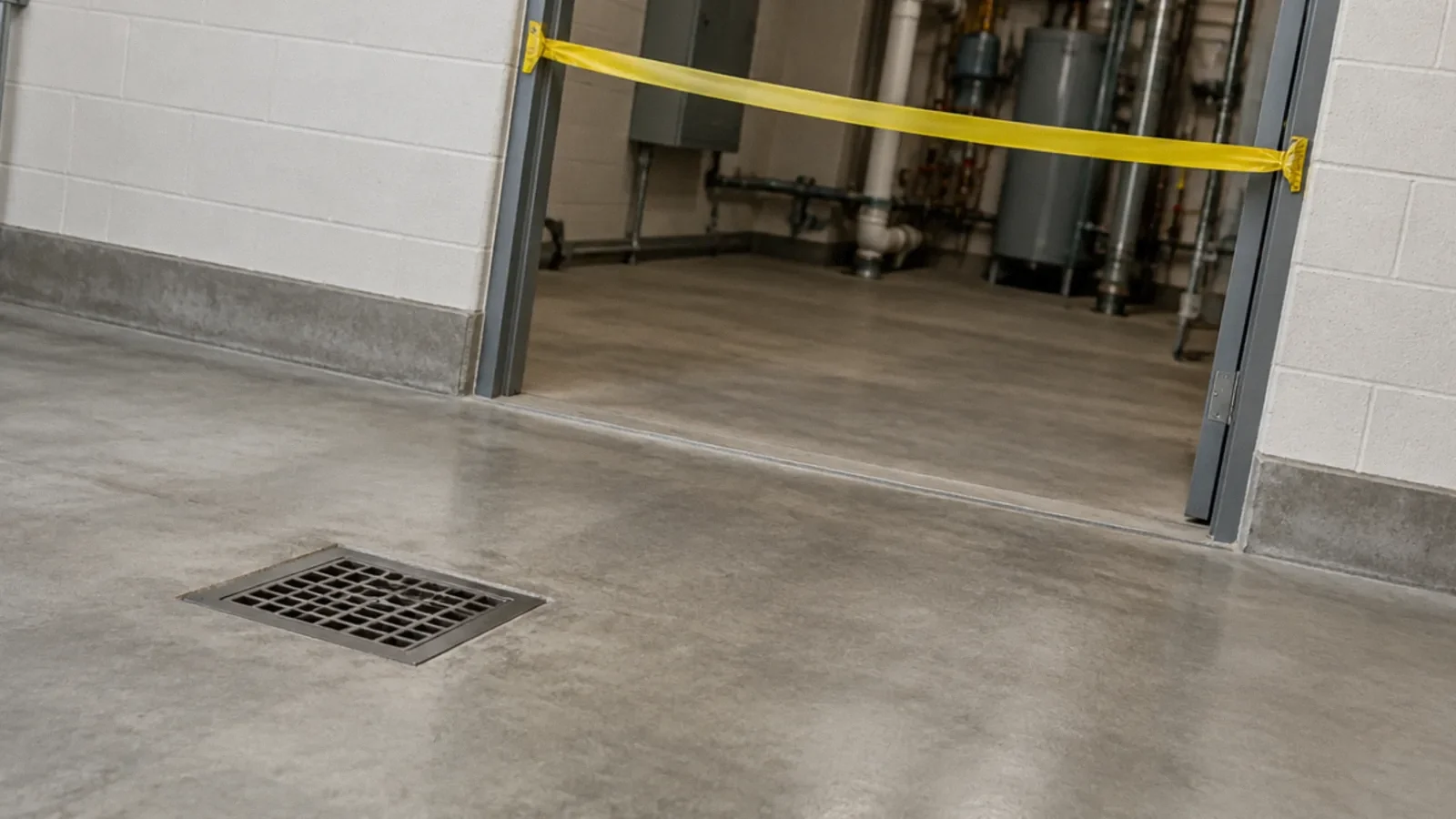
Carpet salvage depends on the water source, exposure, condition, and ability to clean and dry the carpet, pad, and subfloor. Extracting the surface alone does not address the assembly. Sewage or mold changes the decision and calls for experienced assessment.
Three layers can need three decisions
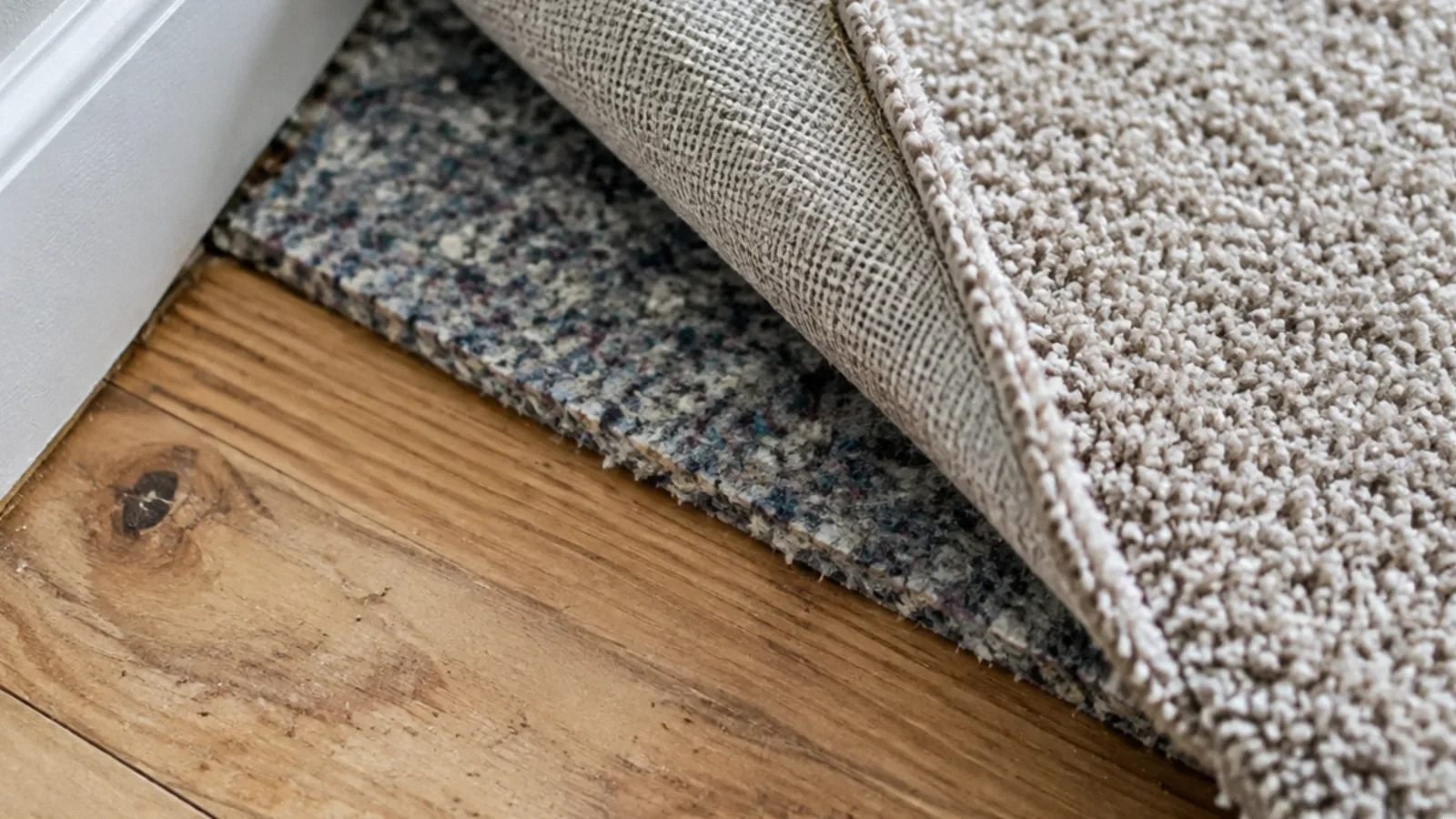
Carpet fibers, backing, padding, and the substrate do not dry at the same rate or have the same cleanability. The carpet face may feel nearly dry while pad remains saturated. A quick meter reading on the top can miss this distinction.
EPA’s clean-water table discusses extraction, dehumidification, and airflow for carpet and backing while separately requiring attention to the subfloor. Ask whether the pad is being assessed for salvage, removed to improve access, or discarded because of contamination or deterioration. A single line reading “dry carpet” does not reveal those choices.
Establish the water source before using fans
A confirmed clean supply leak supports a different salvage discussion from a sewage backup or exterior flood. Water can also contact contaminants as it travels. Do not categorize the event only by the fixture where the leak began. Explain the path through cavities or dirty areas to the restorer.
EPA warns against using fans before water is determined to be clean or sanitary. If mold has developed or contaminated water is involved, air movement can spread material before cleanup controls are in place. Keep the affected area out of normal household use until the assessment establishes an appropriate plan. CDC recommends discarding porous items such as carpeting and padding after flooding when they cannot be cleaned or dried quickly. Sewage-contaminated drywall and insulation should be discarded; do not assume the clean-water table applies to these materials.
What a wet or musty carpet smell means
A damp or musty odor after a spill can indicate that carpet, backing, pad or the floor underneath is still wet or contains residue. It cannot identify mold by itself, and covering it with fragrance will not remove the water source. Check where water traveled and seek an experienced assessment when moisture may extend below the visible surface.
For a small spill known to be clean, respond promptly using equipment intended for water and safe access. EPA emphasizes drying both carpet and the subfloor; padding may require a separate decision. Do not use fans before determining whether water is clean, and do not blow air over visible mold. Sewage, floodwater, electrical hazards or persistent damp odor call for qualified help.
Prompt response improves options without guaranteeing salvage
EPA’s 24–48-hour language emphasizes responding quickly to clean-water damage. It is not a guarantee that a carpet dried in that window is mold-free, nor an automatic determination that all older exposure requires the same treatment. The condition and cleanability of the actual layers matter.
A carpet can also suffer backing separation, shrinkage, staining, or loss of fit. These are repairability questions distinct from moisture. Photograph condition and ask the flooring specialist whether stretching, seam repair, or replacement would remain necessary after successful drying.
Do not overlook the floor and wall perimeter
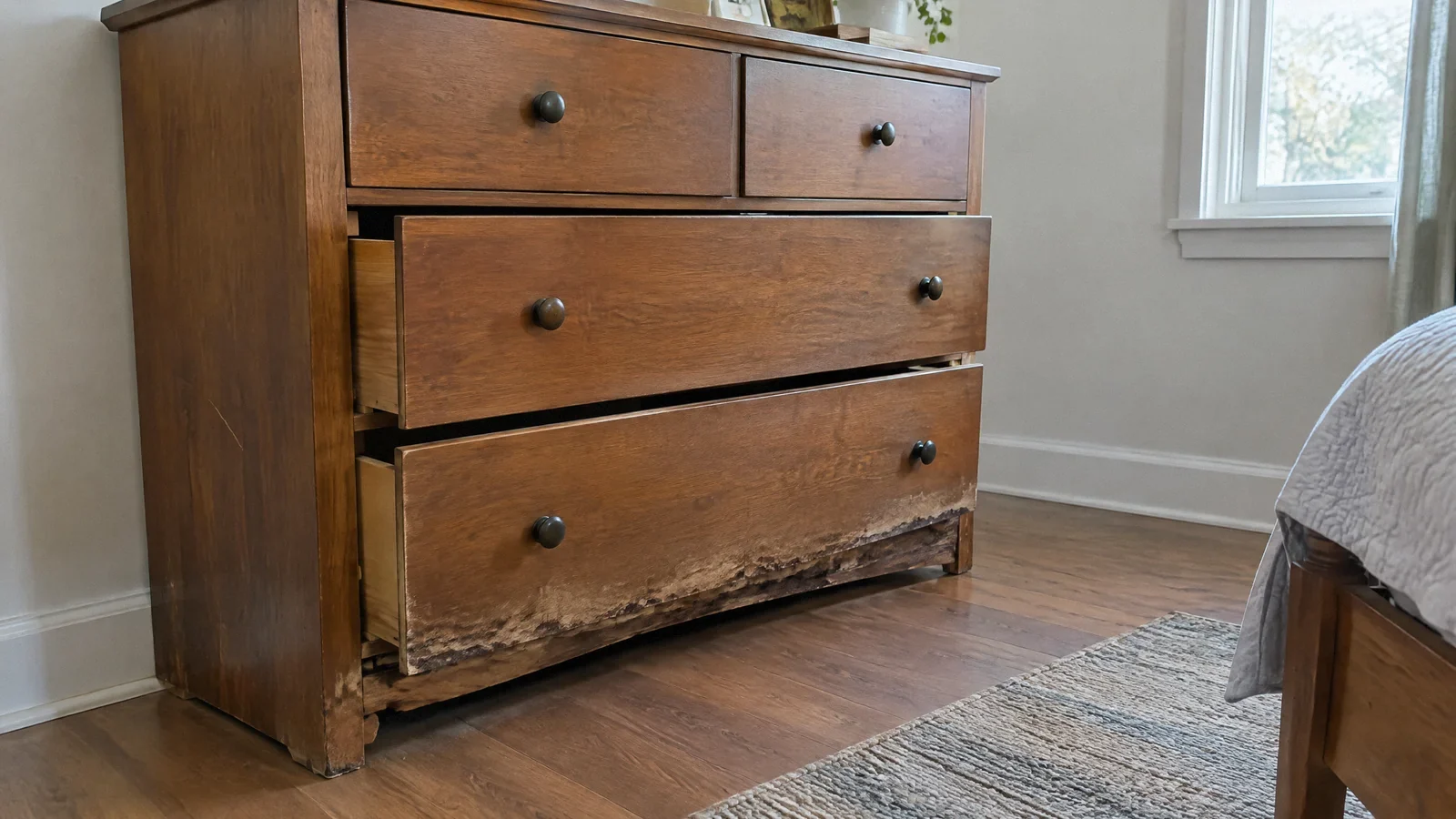
Water retained at tack strips, baseboards, doorways, and closet edges can be missed when attention stays on the middle of the room. Wood substrates, concrete, and adjoining drywall require different assessment methods. Check areas under furniture and built-in storage where access was limited.
Discuss removal and reinstallation access with the crew. Carpet handling can expose sharp tack strips and may disturb old flooring layers. If the building contains suspect materials, assess before invasive work. A homeowner should not be expected to improvise demolition simply to obtain a drying quote.
How to assess a small wet patch at a doorway
A patch that feels dry near the doorway can have a wetter edge under a threshold or baseboard. Ask the assessor to check the transition and the next room, particularly when the carpet meets a less-permeable finish. The apparent boundary on the carpet face may not match the water pathway below.
If the pad is removed, use that opportunity to inspect the substrate and perimeter. Record staining, odor, tack-strip condition, and any wet wall base. A retained carpet should not be laid back over the opening simply to restore the room’s appearance before the substrate is accepted.
Area rugs require their own handling discussion. A rug over hardwood can hold water against the wood even when its top seems manageable. Dye transfer, backing condition, and cleaning compatibility may require a textile specialist. Do not assume that a wall-to-wall carpet method suits a valuable rug.
The decision to stop salvage efforts should be based on an identified barrier: inability to clean affected layers, continuing delamination, loss of fit, or an unresolved substrate problem. A fixed number of shampoo passes does not overcome those limitations. Ask for a clear explanation of the remaining condition and whether further work has a reasonable purpose.
What acceptance should cover
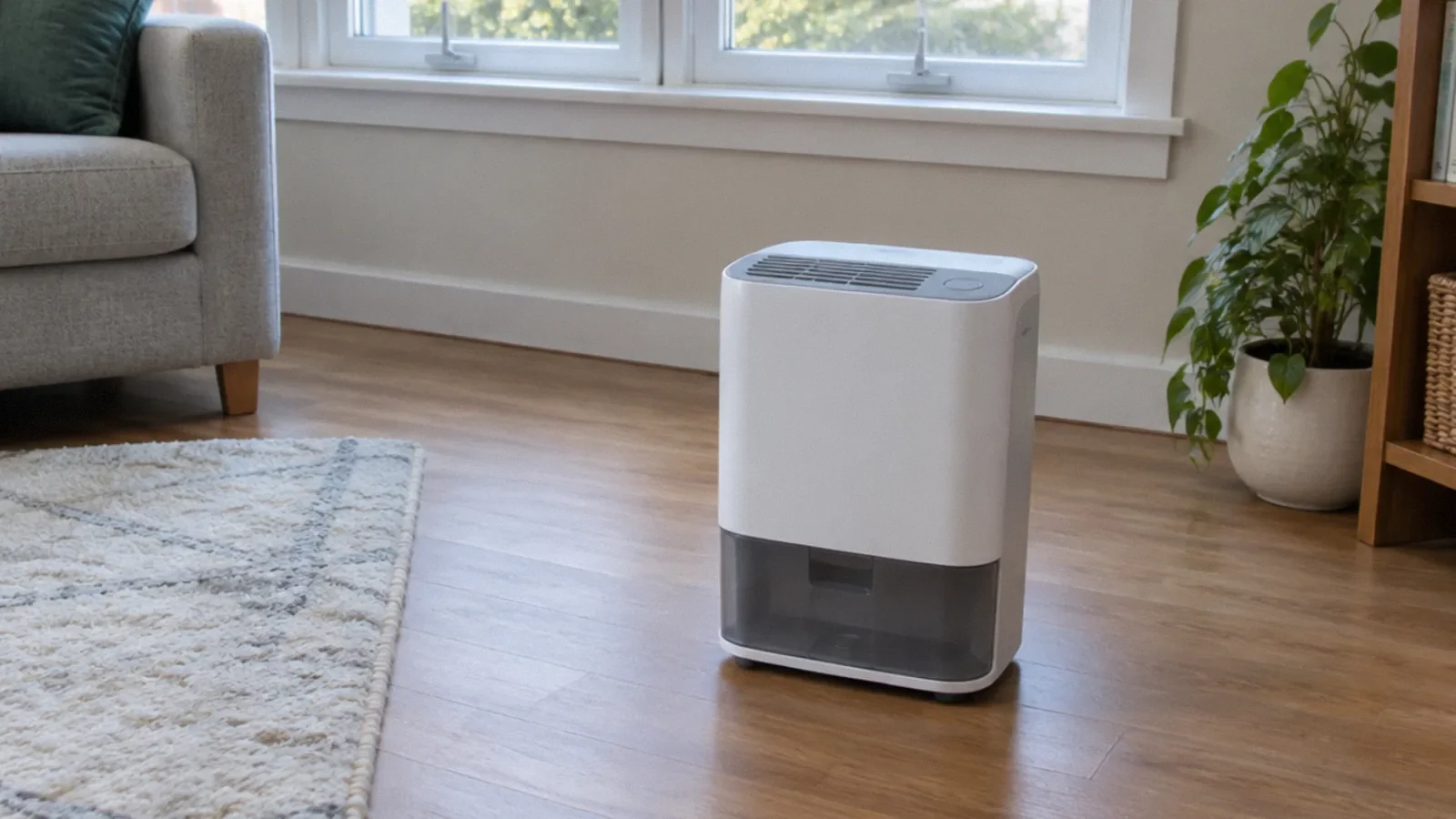
Before replacement or reinstallation, the substrate should be clean, appropriately dry for the flooring system, and physically serviceable. Any retained carpet and backing need their own condition assessment. Room humidity and the amount of water in the dehumidifier tank are supporting observations, not acceptance tests for every layer.
Keep records of removed pad, retained carpet, subfloor measurements, and cleaning methods. If odor persists, investigate remaining moisture, contamination, or another source rather than masking it with fragrance. An absence of odor is useful but cannot alone prove that concealed material was addressed.
How to get water out of carpet
First stop the source when safe and determine whether electrical hazards or contaminated water make the area unsafe. For an isolated clean-water spill and a safe electrical setup, an appropriately rated water-extraction vacuum may remove surface water. An ordinary dry vacuum is not suitable for liquid. Sewage or floodwater calls for a different professional assessment.
Extraction alone does not dry the pad, backing or subfloor. EPA notes that underlying materials also need cleaning and drying. Lift or remove carpet only when appropriate for the installation and with suitable help; do not force up flooring, disturb suspect materials or direct air onto visible mold. Check the entire affected assembly rather than judging by the surface alone.
Mildew smell or suspected growth in carpet
A musty smell can indicate persistent moisture, but smell alone cannot locate or identify a contaminant. Find and correct the water source, and assess the carpet, padding and subfloor. Sprays, fragrance or a surface cleaning do not resolve a wet or contaminated backing.
For suspected growth or contaminated water, limit disturbance and seek a qualified assessment; porous carpet or padding may need removal rather than cleaning. The scope and source matter. Dry retained materials fully, and do not use a fan in a way that spreads suspect material.
Will insurance cover water-damaged carpet?
Coverage depends on the source, policy, deductible, exclusions and the condition of the carpet and padding. A supply leak, sewage backup and outside flood can be treated differently. Ask the insurer how the specific loss is classified instead of assuming every wet carpet is covered.
Photograph the affected area when safe, record the source and keep extraction, drying and replacement estimates. Ask how to document or retain samples before nonessential disposal; do not postpone removal of an immediate health hazard merely to preserve a claim.
A small spill, lingering odor and padding
For a small known clean-water spill, absorb or extract water promptly with a wet-rated extractor, then dry the carpet, backing, pad and floor as accessible. Even a small spill can leave trapped moisture; if layers cannot be checked or dried, arrange an assessment. A musty odor that remains after drying warrants a search for residual moisture or contamination, not fragrance.
A discolored or crumbling pad, persistent wetness or delamination can affect the decision to replace it. Lifting carpet can expose sharp strips and older suspect materials, so ask a flooring or restoration professional to inspect or remove it where access is uncertain. Yellow stains have several possible causes; color does not identify mold or its hazard. People with asthma or other sensitivities should avoid suspect areas and discuss symptoms with a clinician.
Document the affected layers and receipts, notify the insurer promptly, and ask about the deductible, claim process and documentation before nonurgent disposal. Coverage depends on the policy and cause. For an unexplained wet area, see why is my carpet wet; for suspected growth and flooring inspection, see the dedicated carpet mold and mold under flooring guides.
After ordinary carpet cleaning, drying time also depends on moisture used, humidity, airflow and the carpet and pad. Follow the cleaner’s instructions, keep traffic off until appropriate, and seek reassessment if dampness or odor persists rather than assuming a fixed number of hours.
Your next-step checklist
- Identify the source and whether contamination changed along the water path.
- Record the separate plan for carpet, backing, pad, tack strips, and subfloor.
- Check perimeter and storage areas rather than sampling only the room center.
- Distinguish drying success from delamination, staining, shrinkage, or seam damage.
- Verify the substrate before a new pad or carpet conceals it.
Related questions
Can I use a normal household vacuum for extraction?
An ordinary dry vacuum is not designed for liquid pickup. More importantly, equipment choice follows electrical safety and contamination assessment; do not operate appliances in unsafe wet conditions.
If the carpet smells fine, can I keep it?
Smell alone cannot establish the condition of the pad, backing, or subfloor. Salvage requires considering the water source, cleaning access, moisture, and physical damage.
Why remove pad when the carpet might be saved?
The layers can have different cleanability and drying limitations. Removing pad may expose the substrate and allow proper treatment, while the carpet itself may still be evaluated for reuse.
Can furniture remain on the carpet during drying?
Heavy or fixed objects can obstruct inspection, extraction, and airflow. Have the crew identify what should be moved and how it can be handled safely without spreading contamination or damaging items. Areas left inaccessible should be recorded and addressed before the carpet is accepted.
How long does wet carpet take to dry?
There is no reliable universal duration. The water source, carpet, pad, subfloor, access and drying conditions all matter. Assess each retained layer before reinstallation.
Will a wet carpet smell go away on its own?
It may persist if moisture or contamination remains in the carpet, pad or subfloor. Find and correct the water source, assess and dry the affected layers, and seek qualified help for contaminated water or recurring odor.
Can a wet carpet smell be a health concern?
A musty odor can indicate moisture or microbial growth but cannot identify the cause or a person’s health risk. Avoid contaminated areas, address the water and consult a clinician about symptoms.
What can yellow-looking mold under carpet look like?
Spots or discoloration may have several causes and color cannot confirm mold. Check the water source and padding, avoid disturbing a suspect area and seek assessment for extensive or contaminated damage.
What if I suspect mold under carpet or flooring?
A musty odor or damp carpet can justify an inspection, but neither identifies hidden mold. Avoid disturbing a large affected area or pulling contaminated material through the home; a qualified assessor can evaluate moisture, accessible layers and whether sampling would answer a useful question.
What can I spray on wet carpet to prevent mold?
A spray does not replace stopping the water source and thoroughly drying or removing affected materials. Do not apply chemicals without regard to the carpet, backing, water source and occupants; seek qualified help for contaminated or extensively wet carpet.
What types of mold grow in carpet?
Several fungi can grow on damp carpet or accumulated residue, but color and a photograph cannot reliably identify a species. Address the water source and assess the carpet and padding; contaminated or extensively wet material may need removal.
Sources & context
Public guidance supports the principles in this article. The practical questions and examples are editorial interpretation, not a site assessment or a coverage decision. State-specific rules apply only where identified.
- EPA: Table 1, Water Damage Cleanup and Mold Prevention (clean-water material guidance)official
- EPA: Mold Cleanup in Your Homeofficial
- CDC: Guidelines for Cleaning Safely After a Disasterofficial
- EPA: Water damage cleanup and carpet dryingfederal guidance
Community questions behind this topic
These discussions helped identify reader concerns. They are anecdotal, not technical or legal authority.