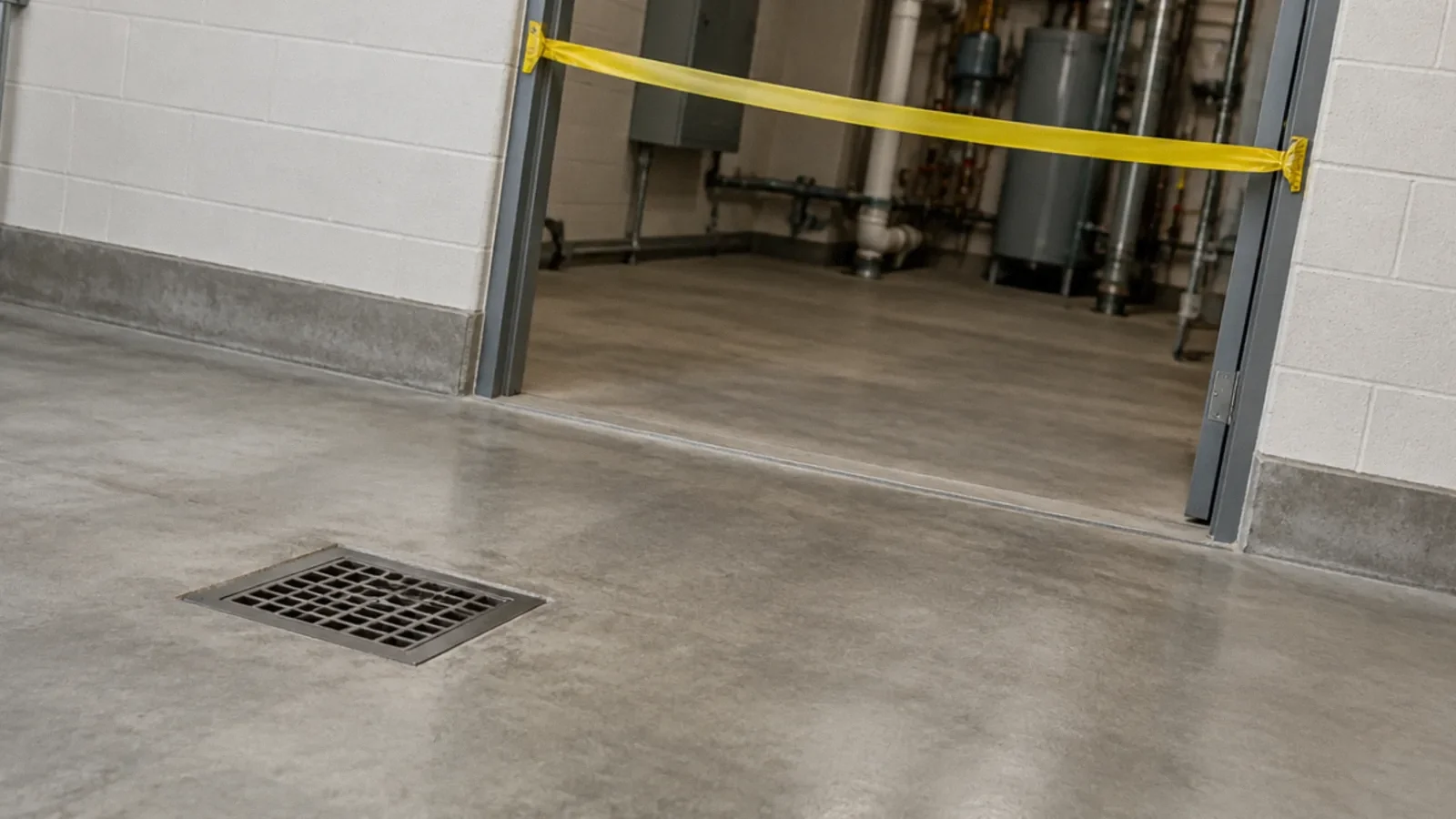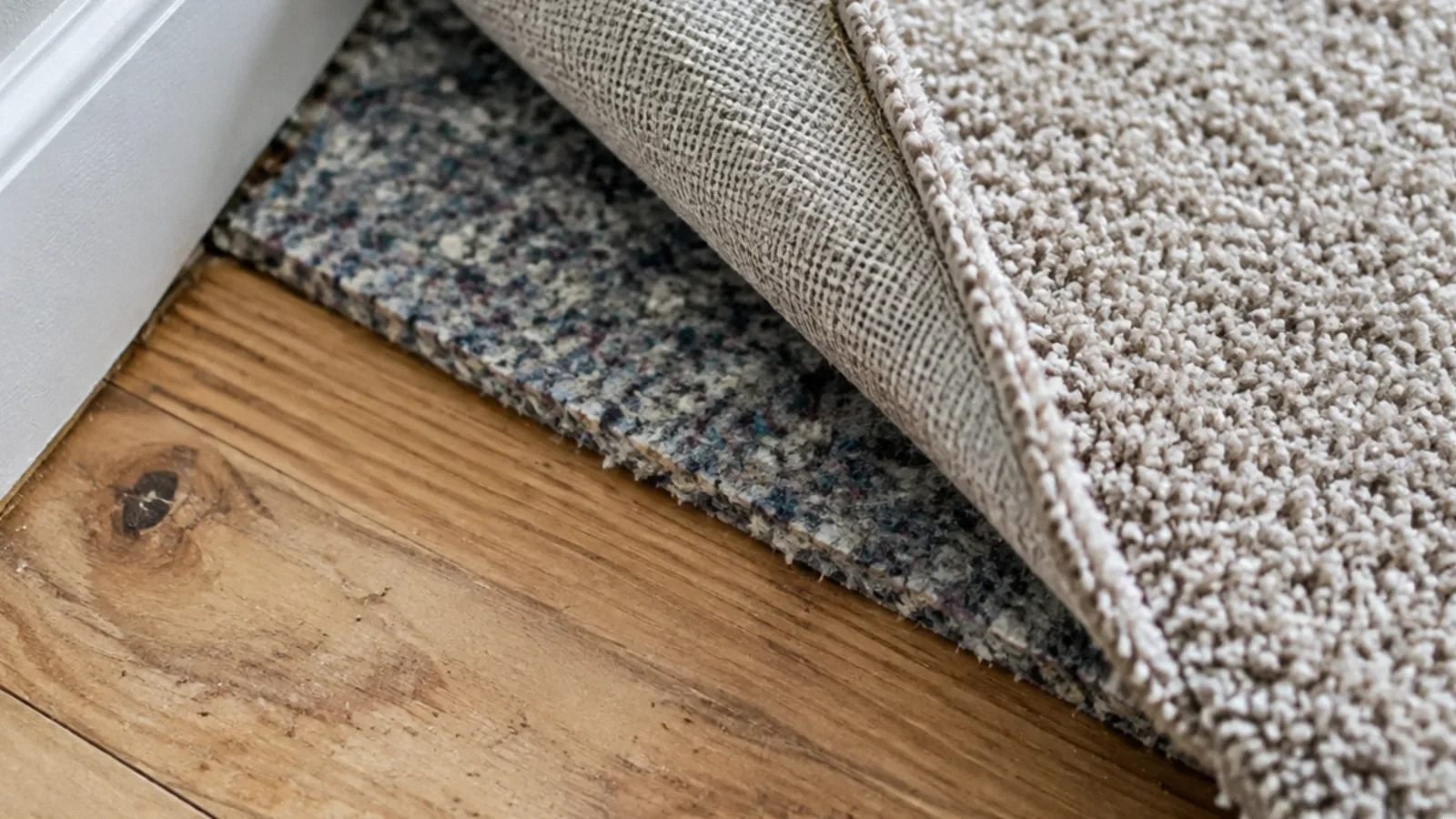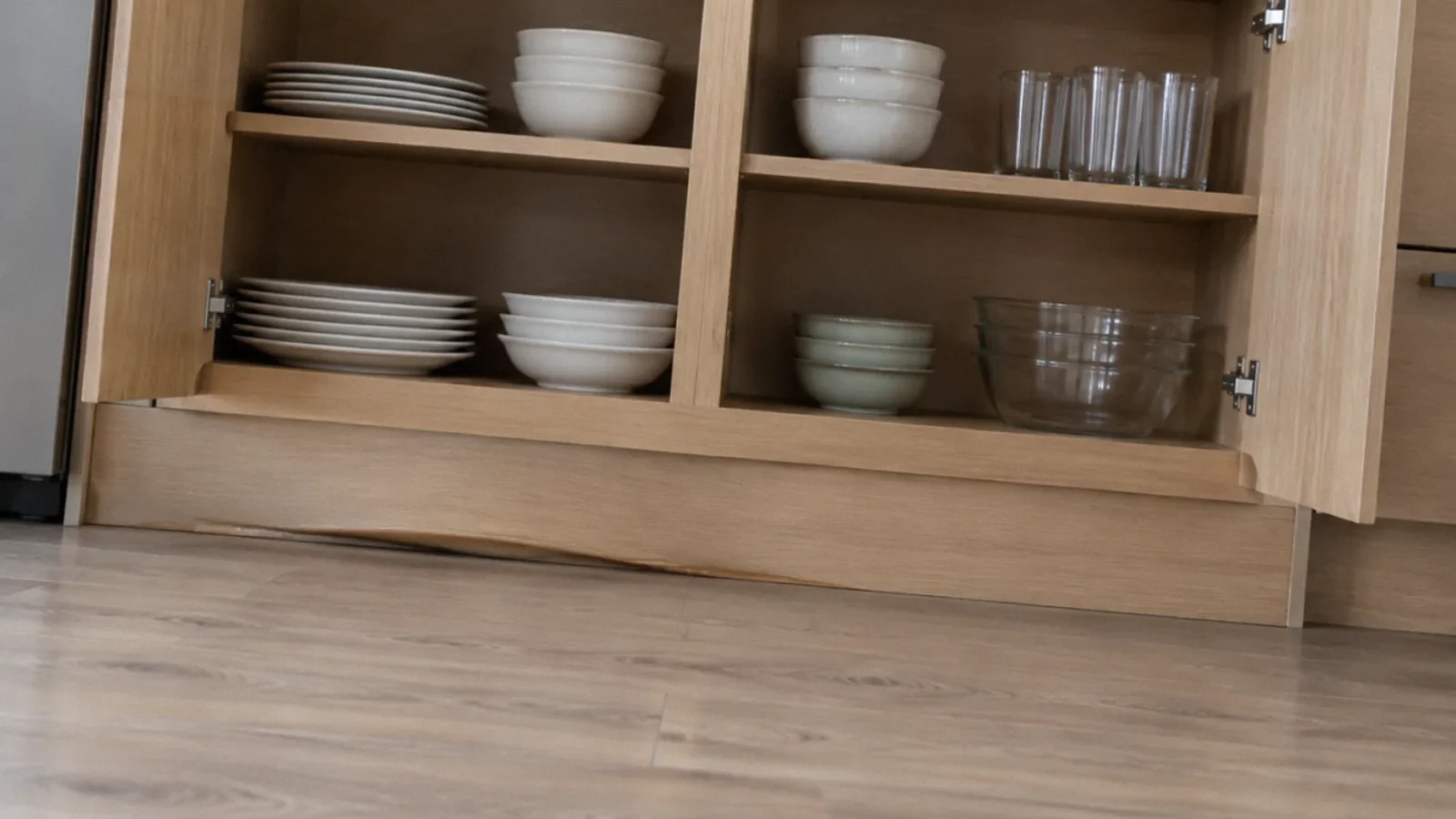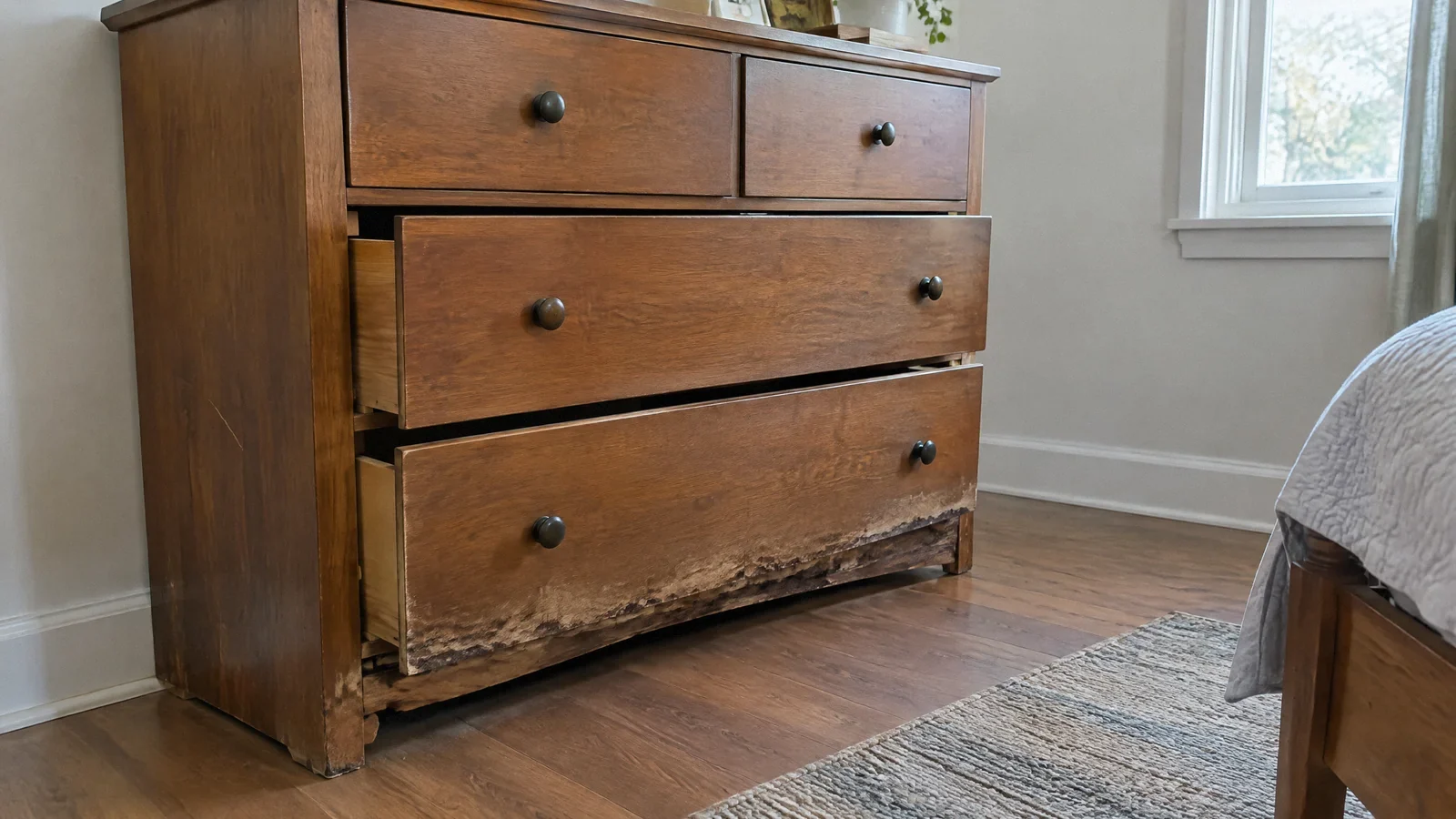
Sort belongings by water source, material, exposure, cleanability, and value. Hard nonporous items, layered furnishings, paper, textiles, electronics, and food require different decisions. Keep contaminated items away from clean storage and use specialist help for valuable or complex objects.
Triage by material rather than room
A flooded bedroom can contain metal objects, solid wood, particleboard furniture, foam, textiles, documents, and electronics. A single “bedroom contents” decision misses important differences. First identify which items actually contacted water and which were exposed only to humid air or nearby cleanup dust.
Keep a simple salvage list separate from the insurance inventory. The salvage list should state material, exposure, current condition, proposed treatment, and any urgent specialist need. It helps direct work without turning this article into a valuation or claim procedure.
Clean water and floodwater change the options
EPA’s material-response table is for clean-water damage. Sewage or exterior floodwater can make porous and layered objects much harder to clean adequately. A washable outer cover does not establish that the foam, batting, joints, or hollow spaces inside can be addressed.
Do not transport contaminated items through clean rooms without a suitable handling plan. Keep children and pets away from the sorting area. If the event includes contamination, experienced cleanup guidance should determine what can reasonably be treated and what should be discarded. CDC advises discarding porous items such as mattresses, carpeting, padding, and upholstered furniture when they cannot be cleaned or dried quickly after a disaster. Do not treat surface dryness or ordinary shampooing as proof that a soaked interior is clean.
Use specialist care when the object warrants it
Important papers and photographs may need prompt conservation advice. Freezing or freeze-drying can be suitable for some materials, but methods vary; see the separate guide on document freeze-drying. Do not separate stuck photographs or use heat without specialist advice.
Layered furniture needs interior assessment
Upholstery and mattresses can retain moisture in deep layers; case goods can hide swelling at bases and joints. Surface dryness does not demonstrate interior drying or restored strength. A wooden chair, a veneered particleboard cabinet, and a padded sofa should not receive the same treatment plan.
Ask whether the object can be opened or cleaned throughout without unacceptable damage, and whether replacement parts are practical. For expensive items, compare the proposed treatment scope and uncertainty with replacement, while recognizing that sentimental value may justify specialist evaluation.
Keep electrical items and food out of ordinary salvage decisions
Do not power a wet appliance or electronic device to test whether it works. CDC advises evaluation of affected electrical systems and equipment before returning them to service. A dry exterior does not establish safe internal condition.
CDC also advises discarding food that may have contacted floodwater and food rendered unsafe by temperature conditions. Do not judge food safety by appearance or smell. Keep these decisions separate from cleaning a hard household object with an accessible surface.
Electrical and gas appliances after flood exposure
Do not plug in, switch on or test an appliance that has been wet. Floodwater can leave contamination and damage internal electrical or gas components even after the exterior looks dry. Keep clear of wet connections and have the home’s utilities assessed by qualified professionals.
The U.S. Consumer Product Safety Commission advises discarding electrical or gas appliances that have been wet because of shock and fire hazards. For equipment and the building systems, obtain guidance from the manufacturer, qualified service professionals and local authorities before any return to service; a successful power-on test is not a safety evaluation.
Build a salvage queue that protects fragile items
A practical queue separates urgent specialist decisions from ordinary cleanable objects and clearly unsuitable items. For example, a valuable wet photograph collection should receive prompt conservation advice, while an accessible hard nonporous object may follow a simpler cleaning assessment. A soaked foam-filled item may require a different decision because its interior cannot be readily reached.
Label items so their exposure and treatment history remain attached during storage. Do not mix cleaned objects with untreated contents merely because both fit in the same box. A staging plan reduces the chance that work must be repeated or that an item’s water history is lost.
If an object is valuable primarily for its information, ask whether copying, scanning, or another conservation approach can preserve that value without retaining an unsafe or irreversibly damaged original. The choice belongs to the owner with specialist advice, particularly for legal records, family photographs, or unique artifacts.
Decide when additional treatment has a purpose
A proposed salvage attempt should name the method, expected limitations, and evidence that will support returning the object to use. Continued cleaning without a clear target can consume resources while leaving an inaccessible wet core or failed structure. Ask what would cause the specialist to stop and recommend another option.
For furniture, separate appearance from utility. A cabinet can look refinished while joints or supports remain weakened; a textile may look clean while its internal layers remain unresolved. For electrical objects, operation is not the same as safety, so a successful power-on test cannot replace appropriate evaluation.
The return decision should also consider the room. A professionally cleaned rug should not be placed over a still-wet floor simply to empty storage. Coordinate object treatment with the building’s completion milestones. Keep the record focused on what was actually inspected and done, without promising that any process restores every item exactly to its previous state.
Return items only after both object and room are ready
A cleaned item can be recontaminated by returning it to an unfinished work area. Coordinate storage, labeling, and return with the cleanup schedule. Record items still requiring inspection rather than putting them back because floor space is needed.
Inspect for continuing distortion, odor, finish failure, or hidden dampness as appropriate to the object. No general salvage rule can promise a particular outcome for every material. The defensible decision explains what was assessed and what remains uncertain.
Furniture by material and bedroom condition
Solid wood may be assessed for loose joints, distortion and finish damage; veneer can lift or trap water beneath its thin surface. Particleboard often swells and loses strength, especially at bases and fasteners. Upholstery has inaccessible foam and batting: surface cleaning cannot establish that its interior is clean and dry.
For a clean-water incident, a sound, accessible item may be a candidate for prompt cleaning and drying under its manufacturer’s directions. Floodwater or sewage changes that decision: porous or layered materials may be impossible to clean adequately. A conservator can assess valuable wood or veneer; replace pieces whose contaminated interiors cannot be treated or whose supports have failed.
In a bedroom look for swollen drawer bottoms, lifted veneer, warped bed rails, damp backs, persistent odor and moisture beneath a mattress. Keep a weakened bed out of use. Photograph safely, separate affected items and ask a contents specialist about salvage; discard a flood-soaked mattress that cannot be cleaned and dried adequately.
| Material | Clean water: assess | Floodwater or sewage |
|---|---|---|
| Solid wood | Check joints, distortion and finish; specialist for valuable items | Assess contamination and accessible joints with a contents specialist |
| Veneer | Inspect lifting and trapped moisture; conservator for valuable pieces | Layered construction can make cleaning uncertain; seek specialist advice |
| Particleboard | Swelling and failed fasteners may mean replacement | Porous damaged panels may be impractical to clean and dry |
| Upholstery | Interior foam and batting must be assessed, not just the cover | Soaked inaccessible padding may need disposal; specialist assessment |
Your next-step checklist
- Separate directly wetted items from nearby but unaffected belongings.
- Classify objects by material and internal construction.
- Prioritize valuable documents and fragile items for specialist advice.
- Do not energize wet electronics or taste potentially unsafe food.
- Return treated objects only to an appropriately cleaned and dry space.
Related questions
Can I save a sofa if the fabric feels dry?
The padding, frame, and internal layers can differ from the fabric surface. Water source, cleanability, and complete drying must be evaluated.
Should I throw away every wet book immediately?
Not necessarily, especially for valuable records. Prompt conservation advice can identify options. Ordinary cleaning or forced heat may make recovery harder.
Does spraying disinfectant make a porous item salvageable?
No. Product treatment does not establish penetration, contamination removal, complete drying, or restored physical condition throughout an object.
What appliances can be saved after a flood?
Do not assume a wet appliance can be saved or test it by turning it on. CPSC advises discarding wet electrical or gas appliances; consult qualified professionals and the manufacturer about equipment and safe disposal.
What if bedroom furniture is water damaged?
Assess the water source and whether the furniture, padding or nearby electrical equipment is affected. Photograph items safely, avoid moving heavy or contaminated furniture alone and ask a specialist whether cleaning, drying or replacement is appropriate.
Sources & context
Public guidance supports the principles in this article. The practical questions and examples are editorial interpretation, not a site assessment or a coverage decision. State-specific rules apply only where identified.
- EPA: Table 1, Water Damage Cleanup and Mold Prevention (clean-water material guidance)official
- CDC: Reentering Your Flooded Homeofficial
- CDC: Guidelines for Cleaning Safely After a Disasterofficial
- U.S. Consumer Product Safety Commission: Hurricane safetyofficial safety guidance
- National Archives: Wet recordsfederal preservation guidance
- Public safety and technical guidanceofficial guidance
Community questions behind this topic
These discussions helped identify reader concerns. They are anecdotal, not technical or legal authority.