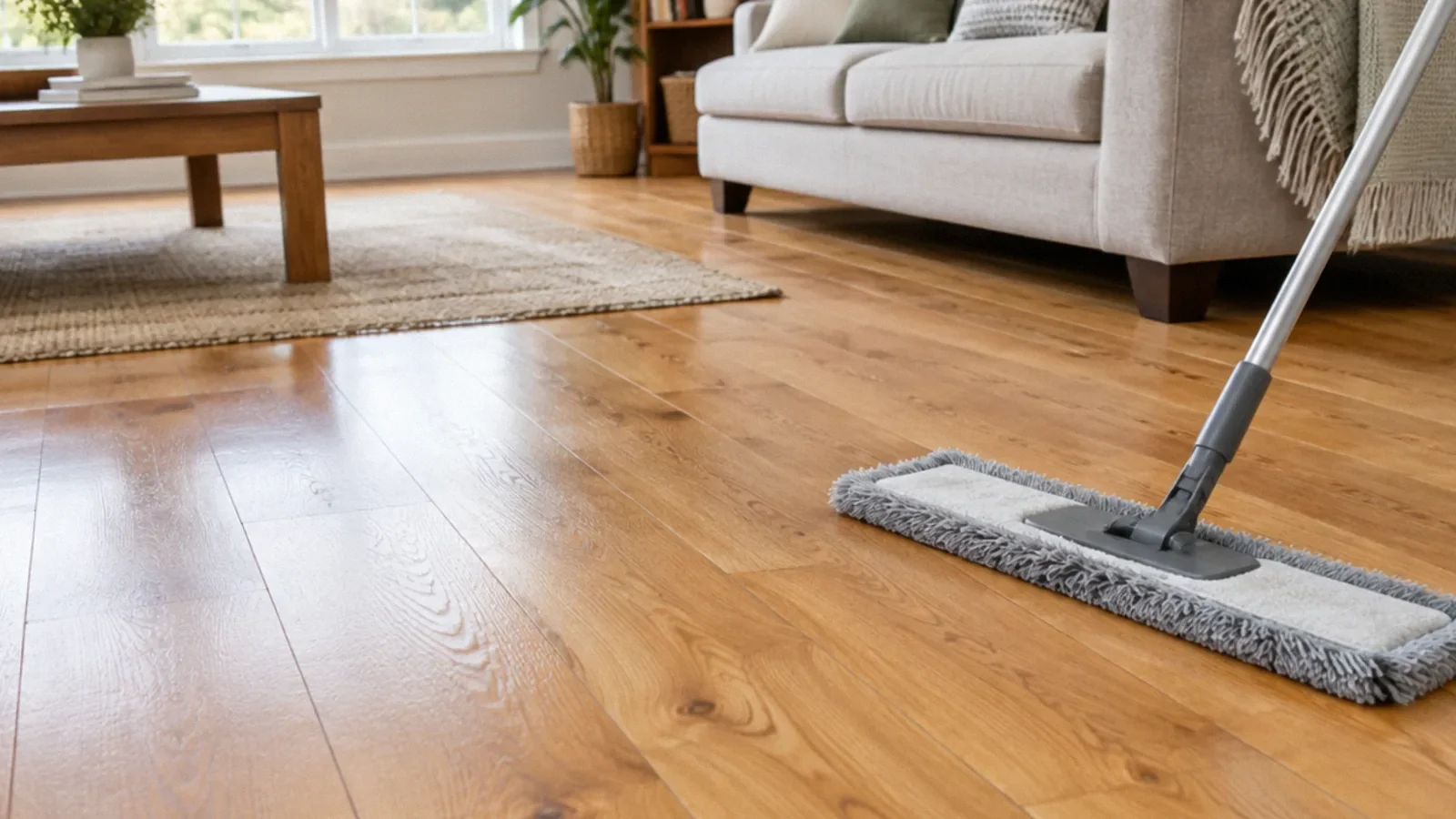
Water-Damaged Hardwood: Cupping, Drying, and the Refinishing Decision
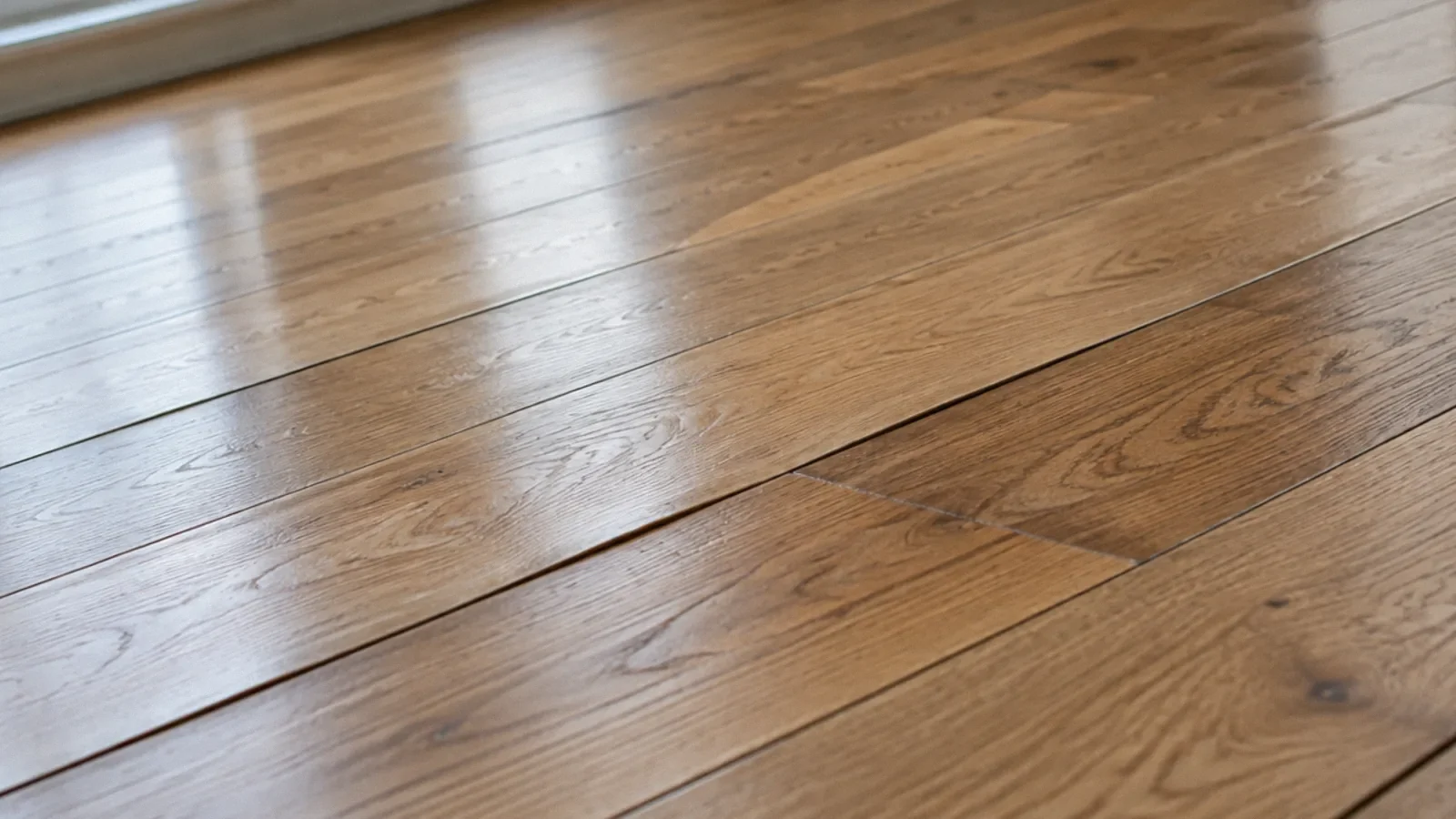
Evaluate cupped hardwood through board condition, subfloor moisture, repeat measurements, and stability before deciding on sanding, salvage, or replacement.
What can stay. What needs to come out. Browse 36 detailed guides.
Evaluate cupped hardwood through board condition, subfloor moisture, repeat measurements, and stability before deciding on sanding, salvage, or replacement.
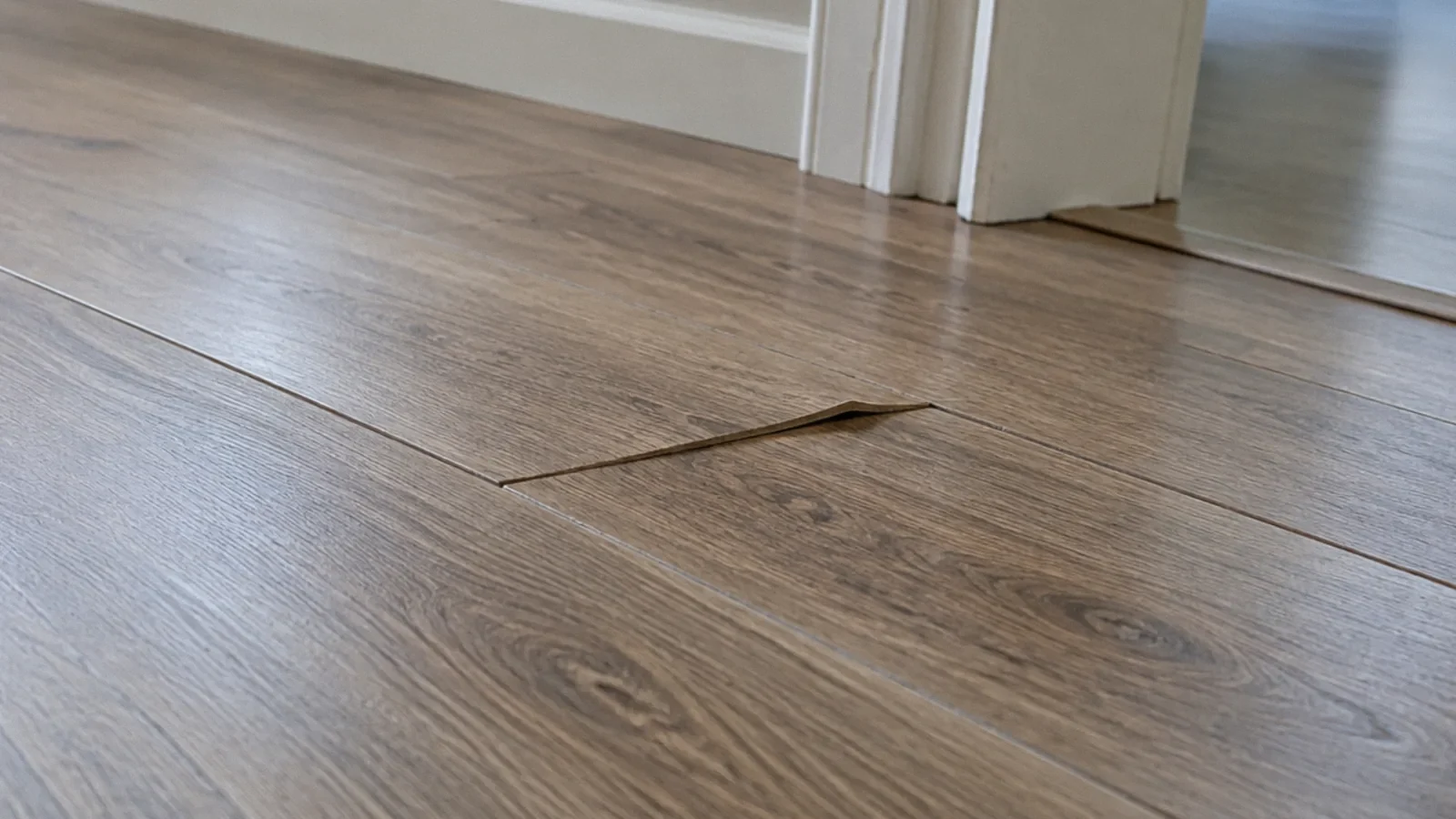
Assess swollen laminate seams, damaged locking joints, wet underlayment, and subfloor readiness before deciding what can be reused or replaced.
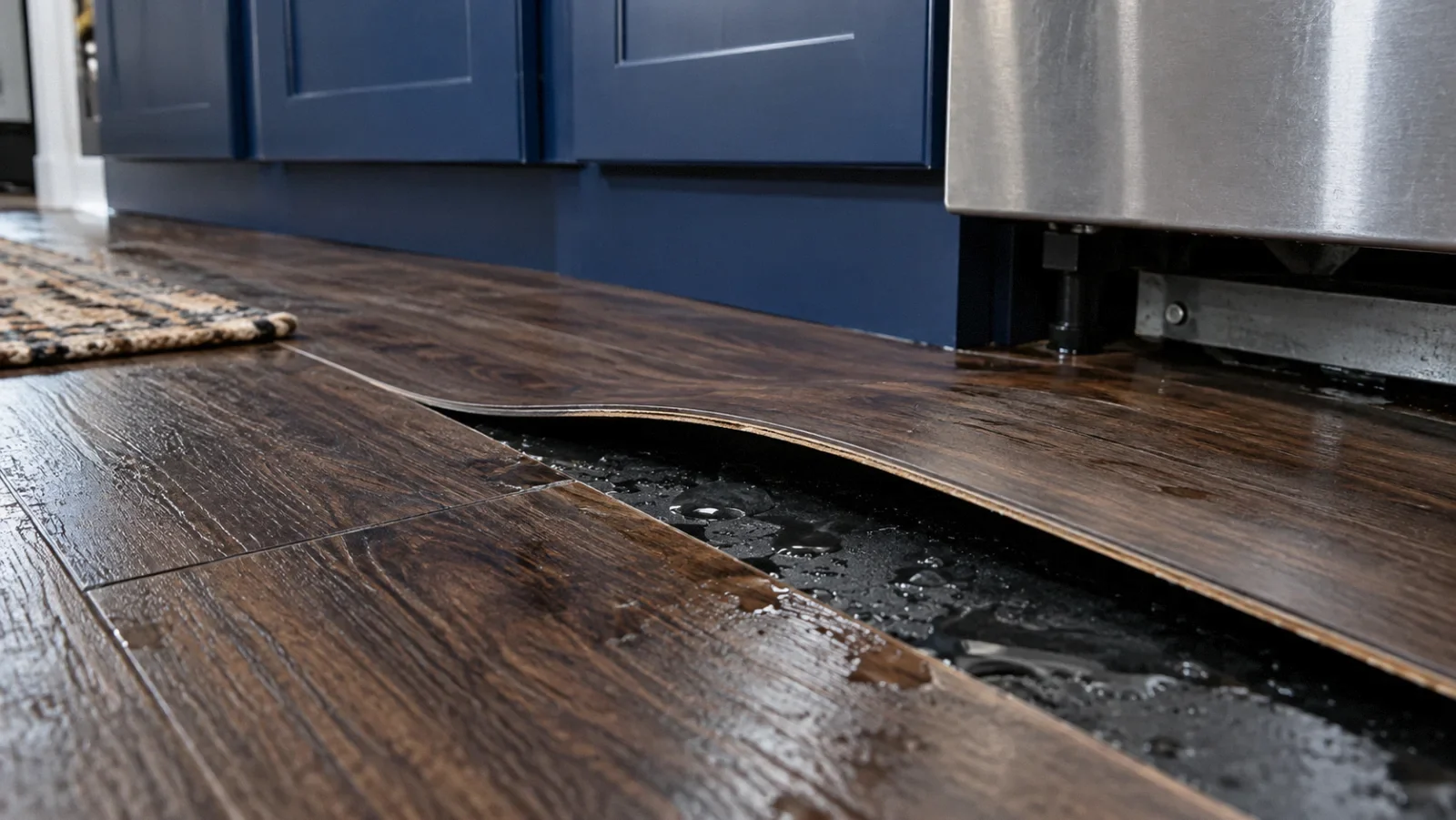
Check for water beneath vinyl plank even when the surface looks intact, including pads, subfloors, contamination, and the conditions for reinstallation.
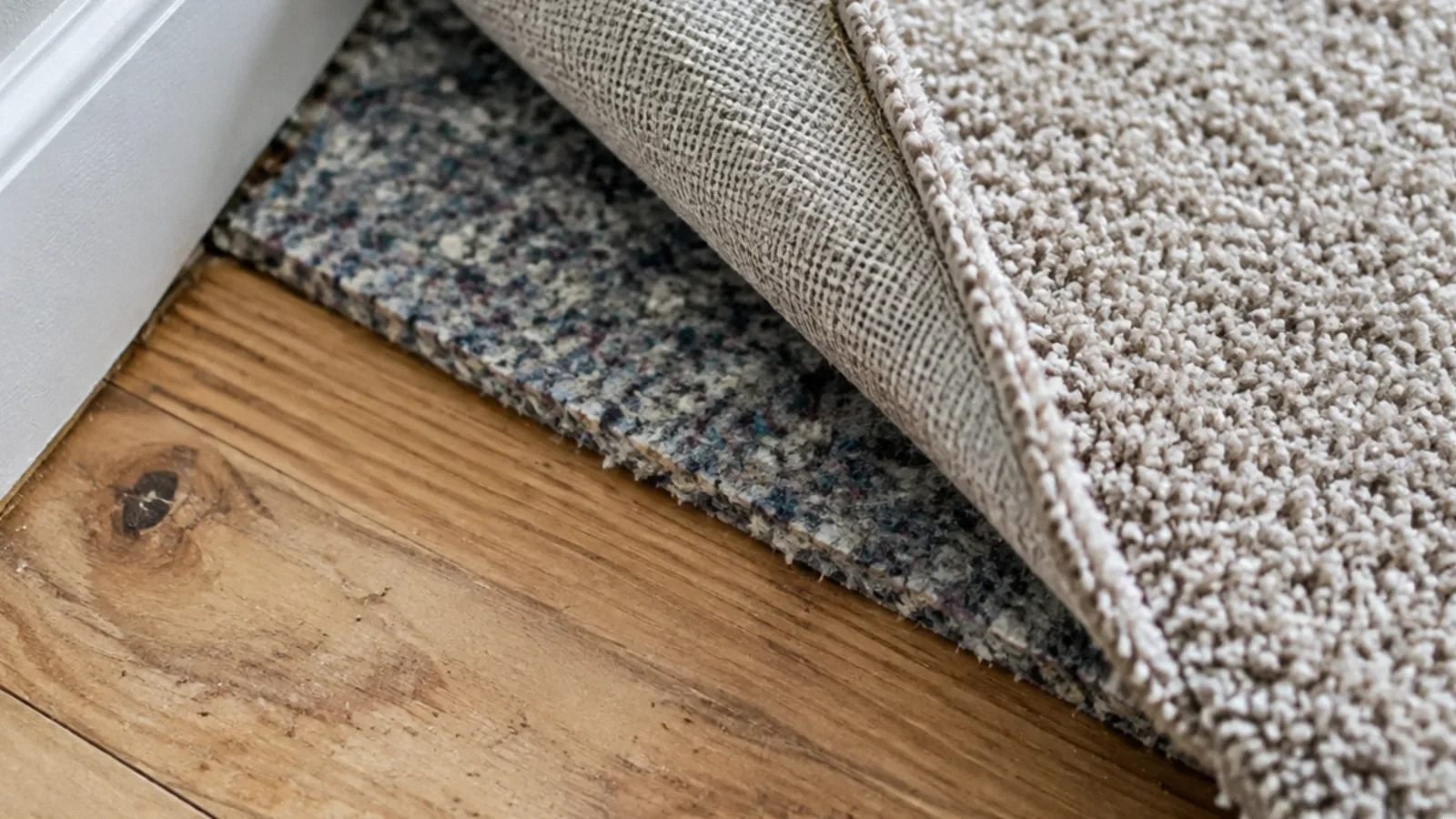
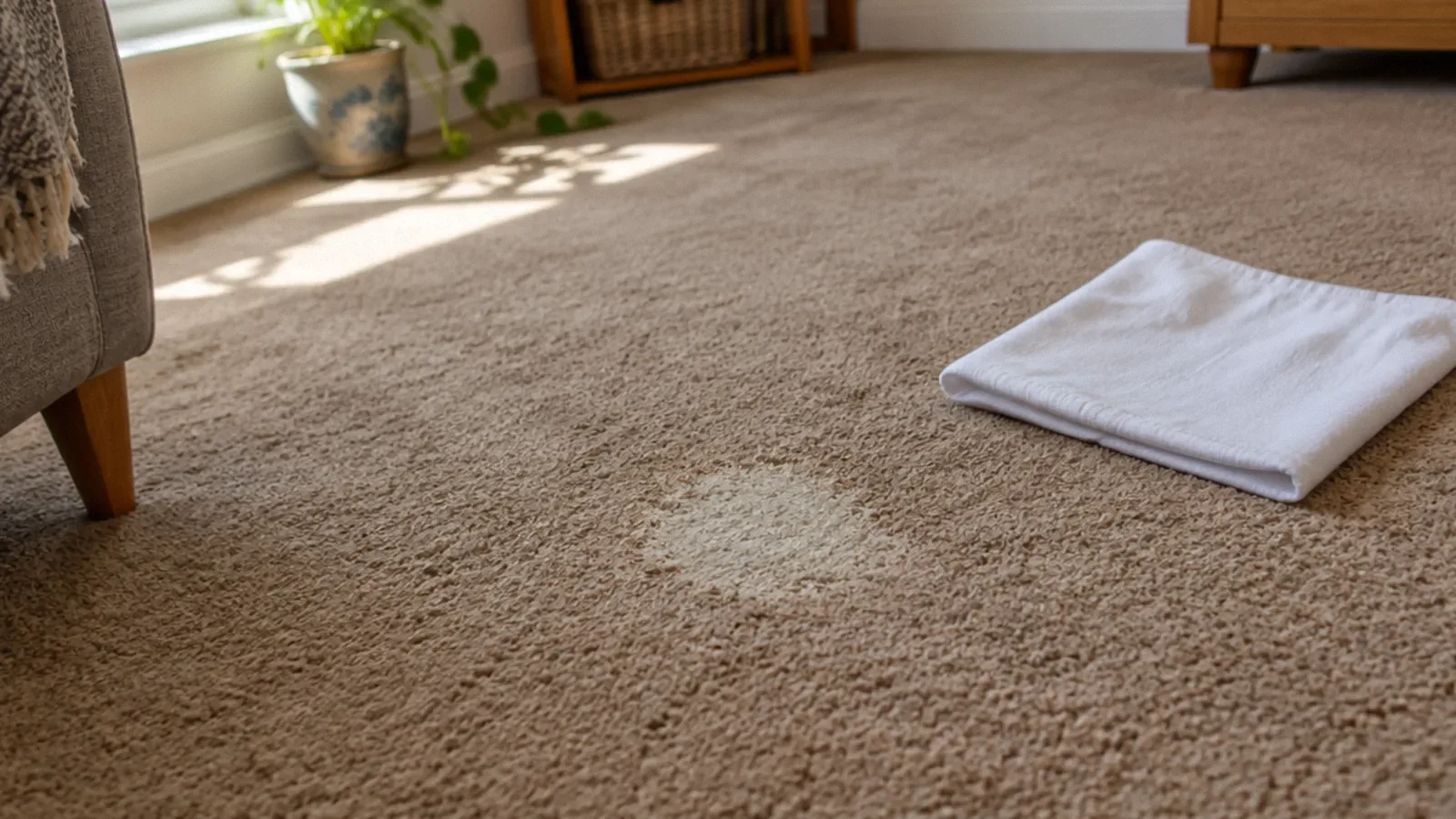
Separate carpet, backing, pad, and subfloor decisions after a leak, with attention to water source, cleaning access, physical damage, and drying verification.
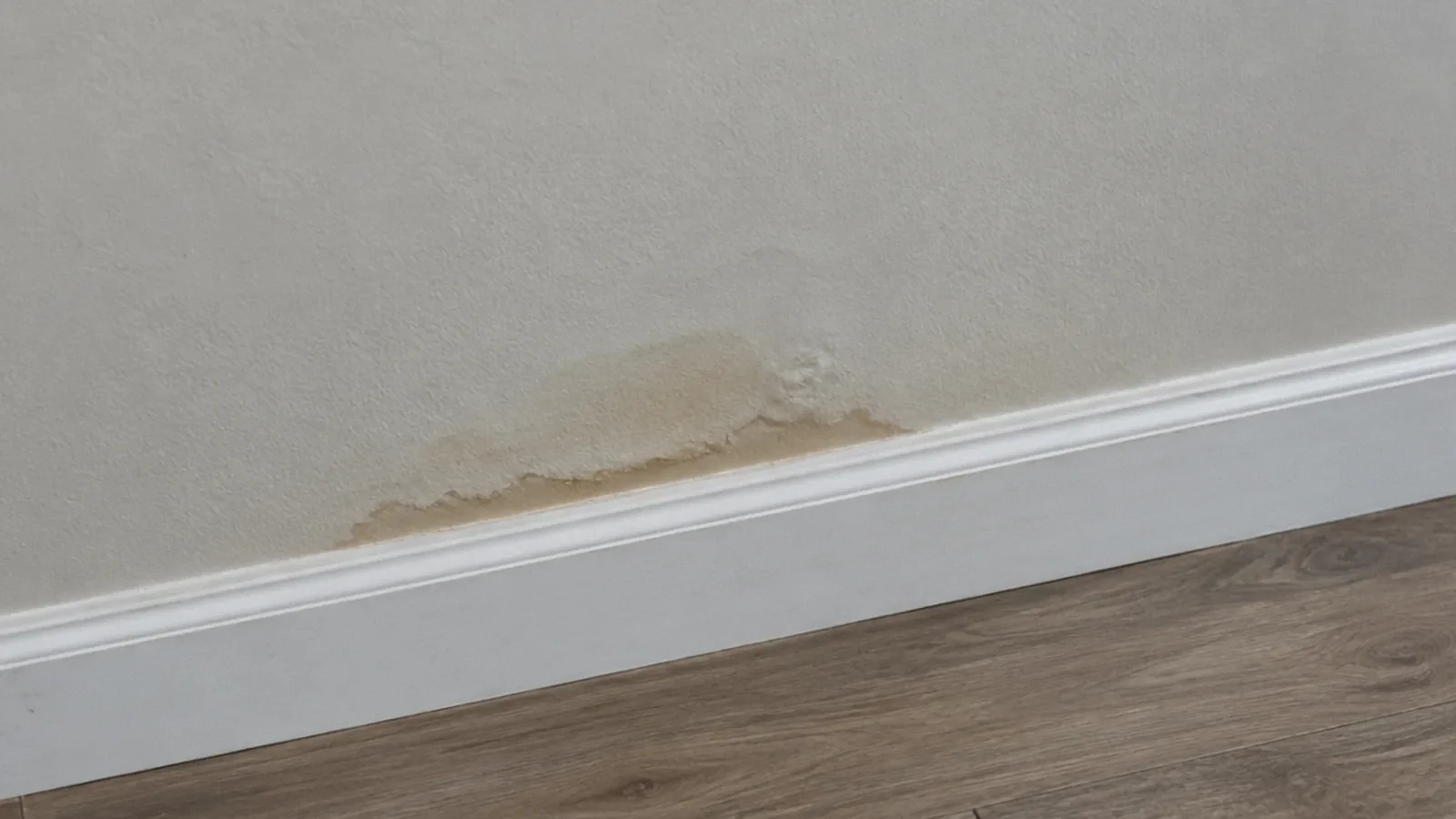
Decide when wet drywall can remain and when access or damage calls for removal, including cavity insulation, cut boundaries, and evidence before closure.
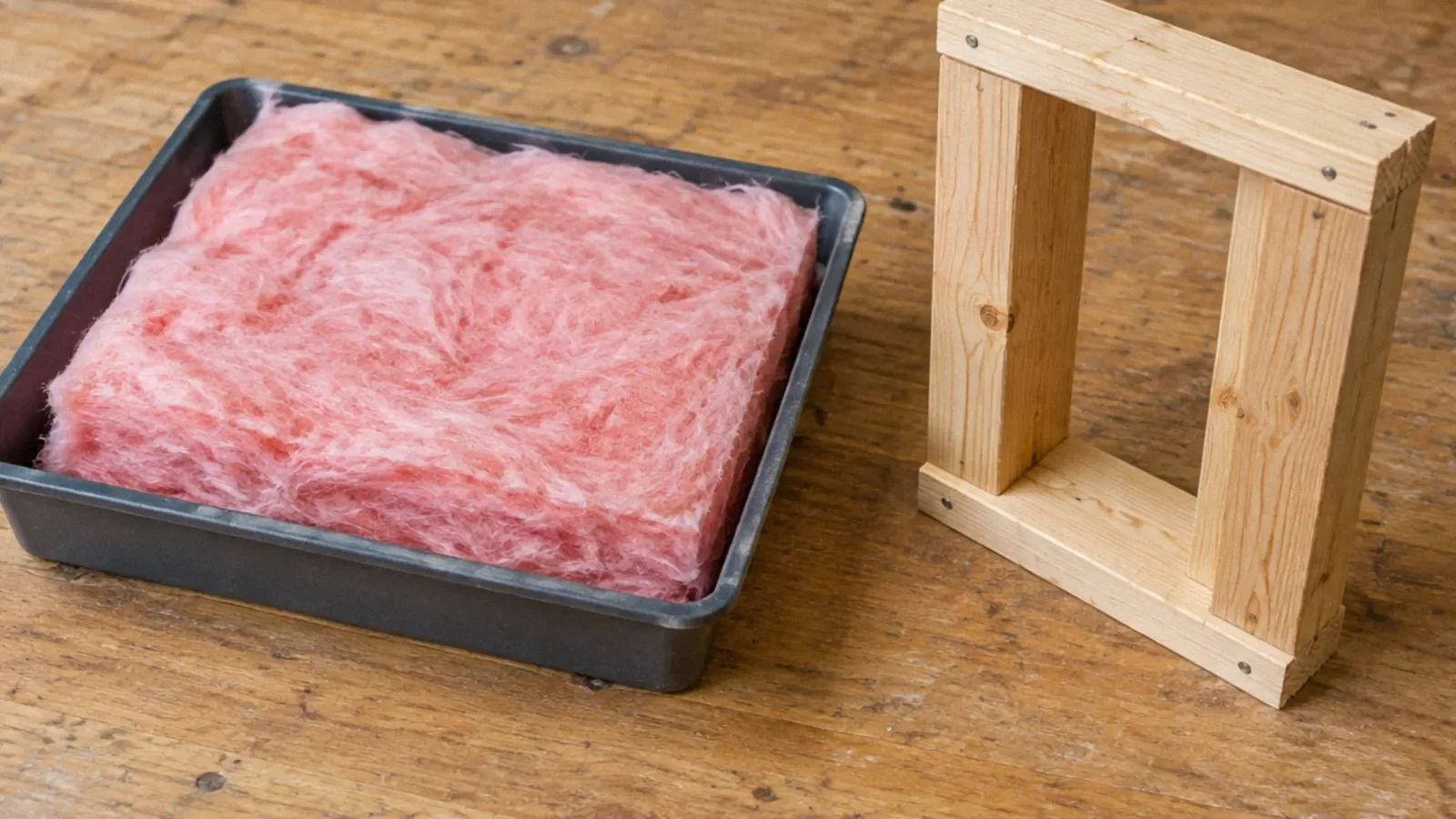
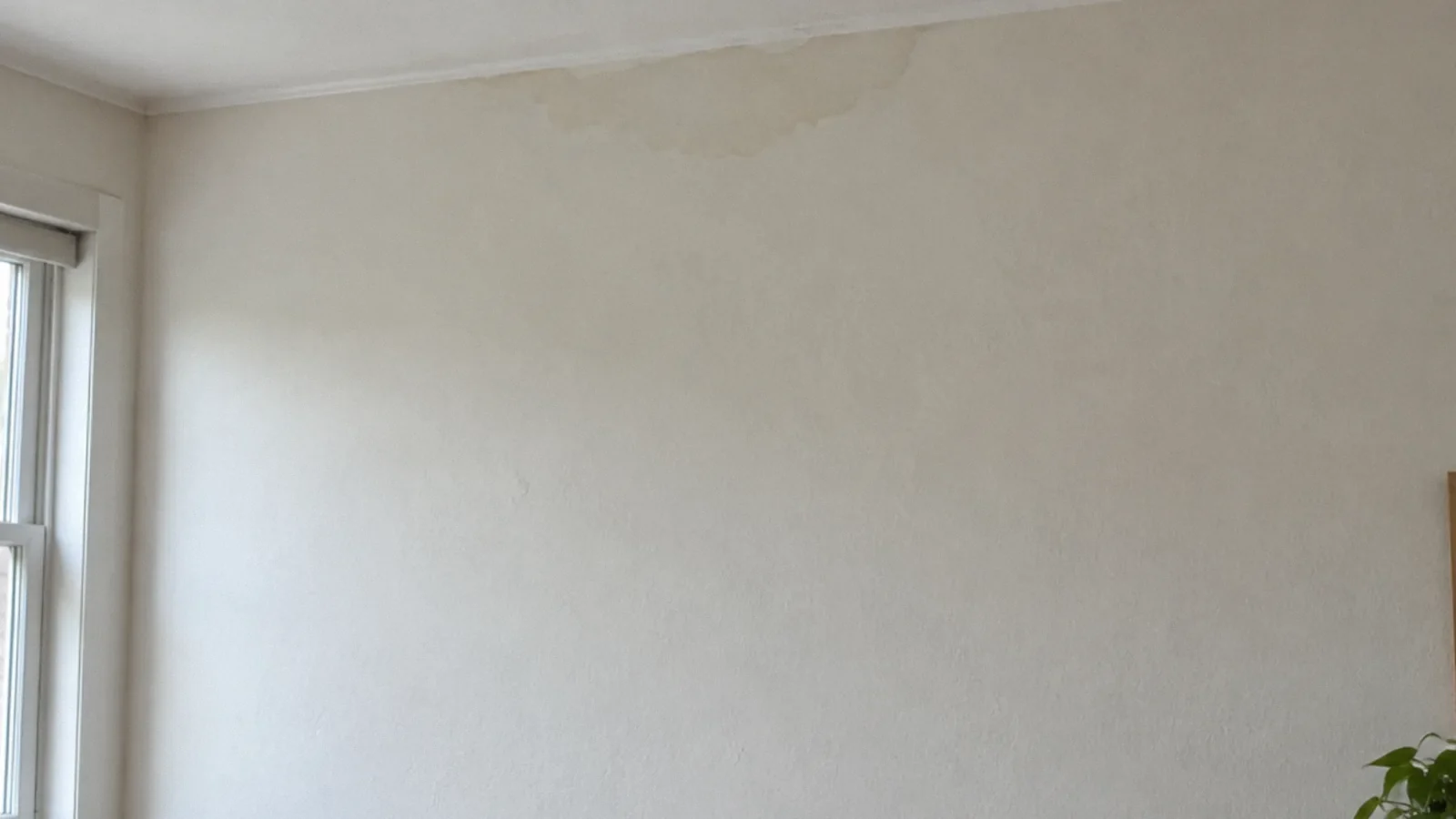
Identify wet insulation and adjacent hidden moisture, then coordinate removal, retained-framing drying, and restoration of the wall or ceiling assembly.
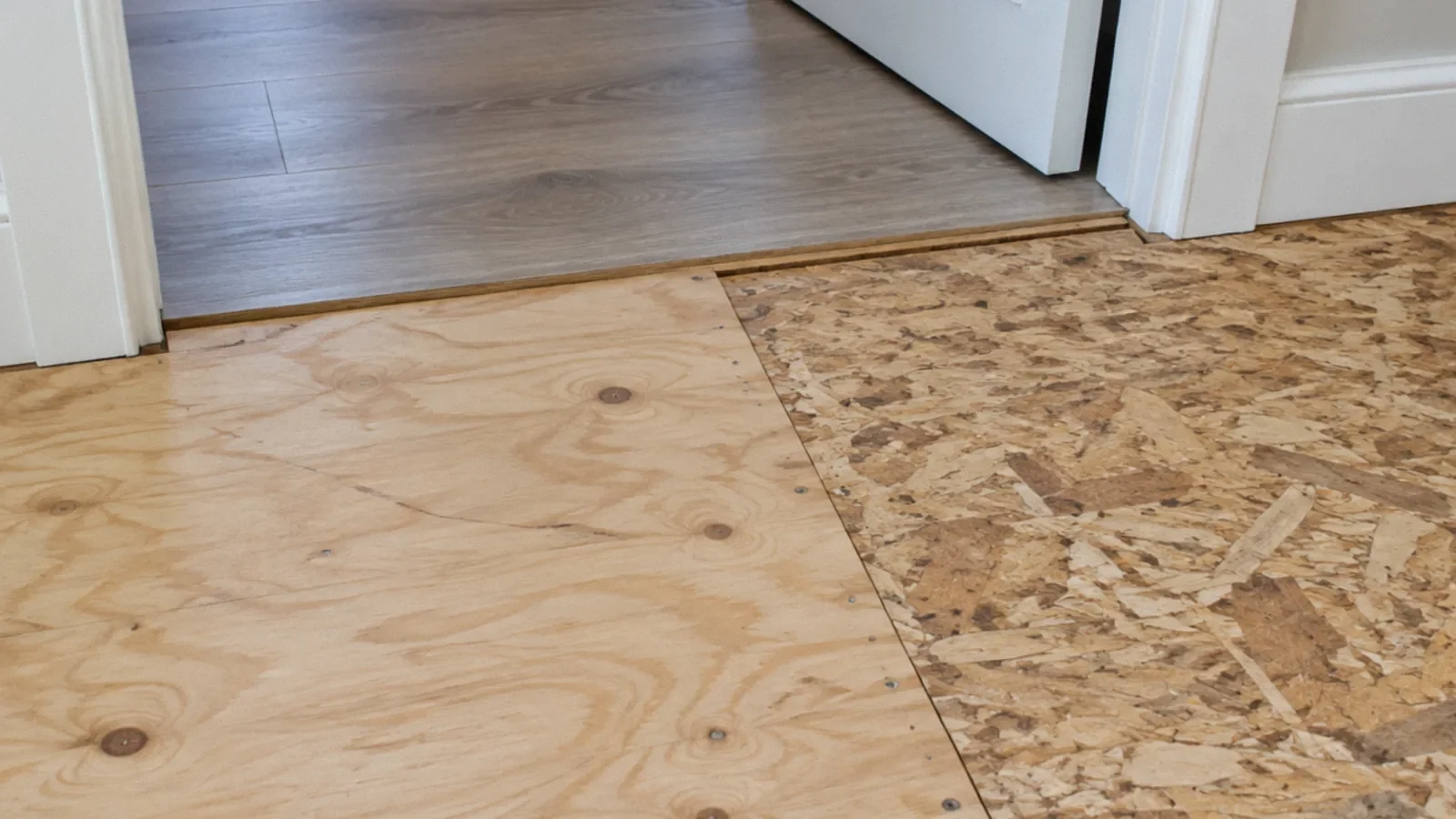
Assess wet OSB through moisture trends, swollen seams, panel condition, support, and the acceptance requirements of the flooring that will cover it.
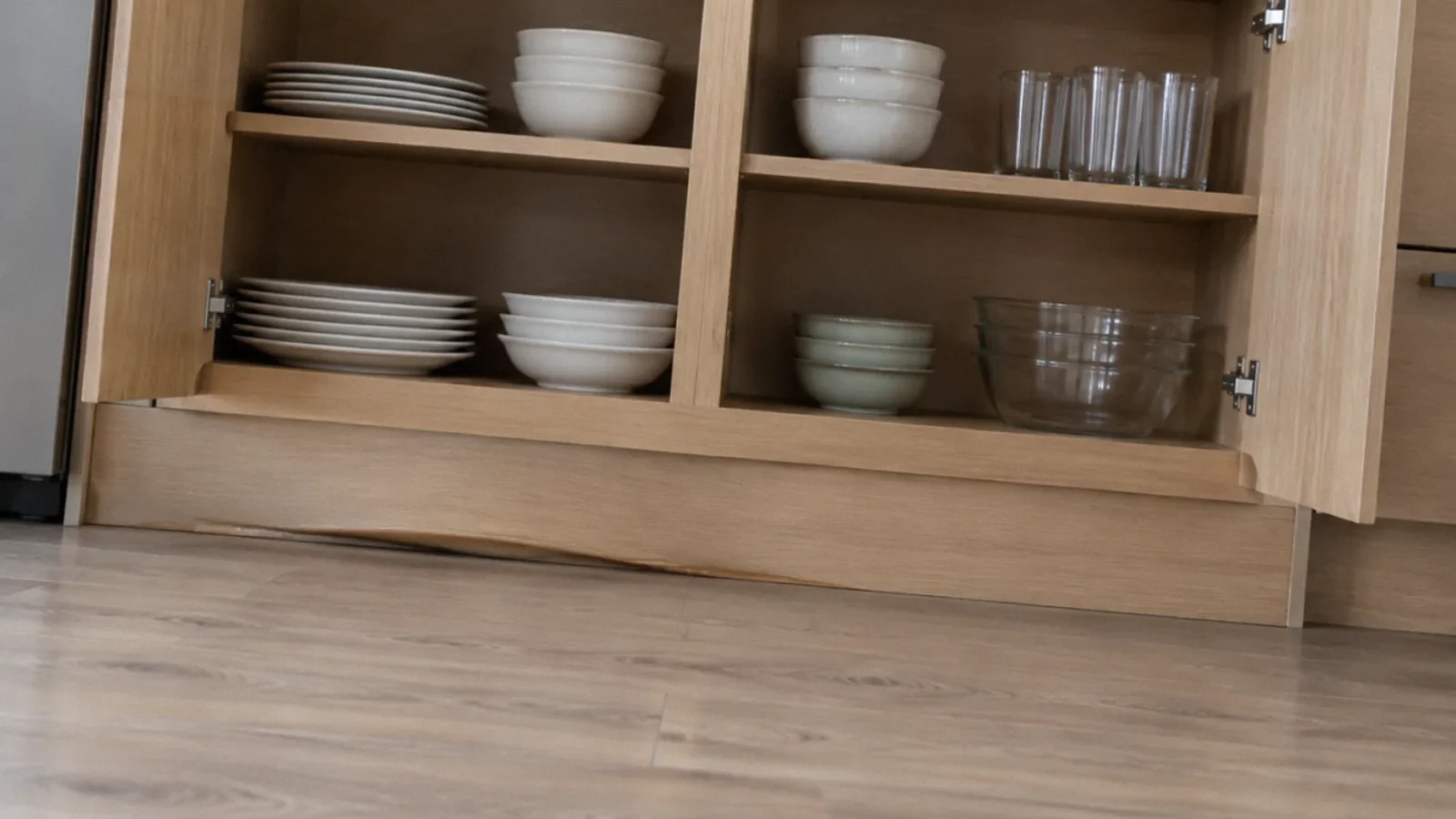
Distinguish a damaged toe-kick cover from wet or weakened cabinet supports, then plan drying, component repair, and countertop-safe access.
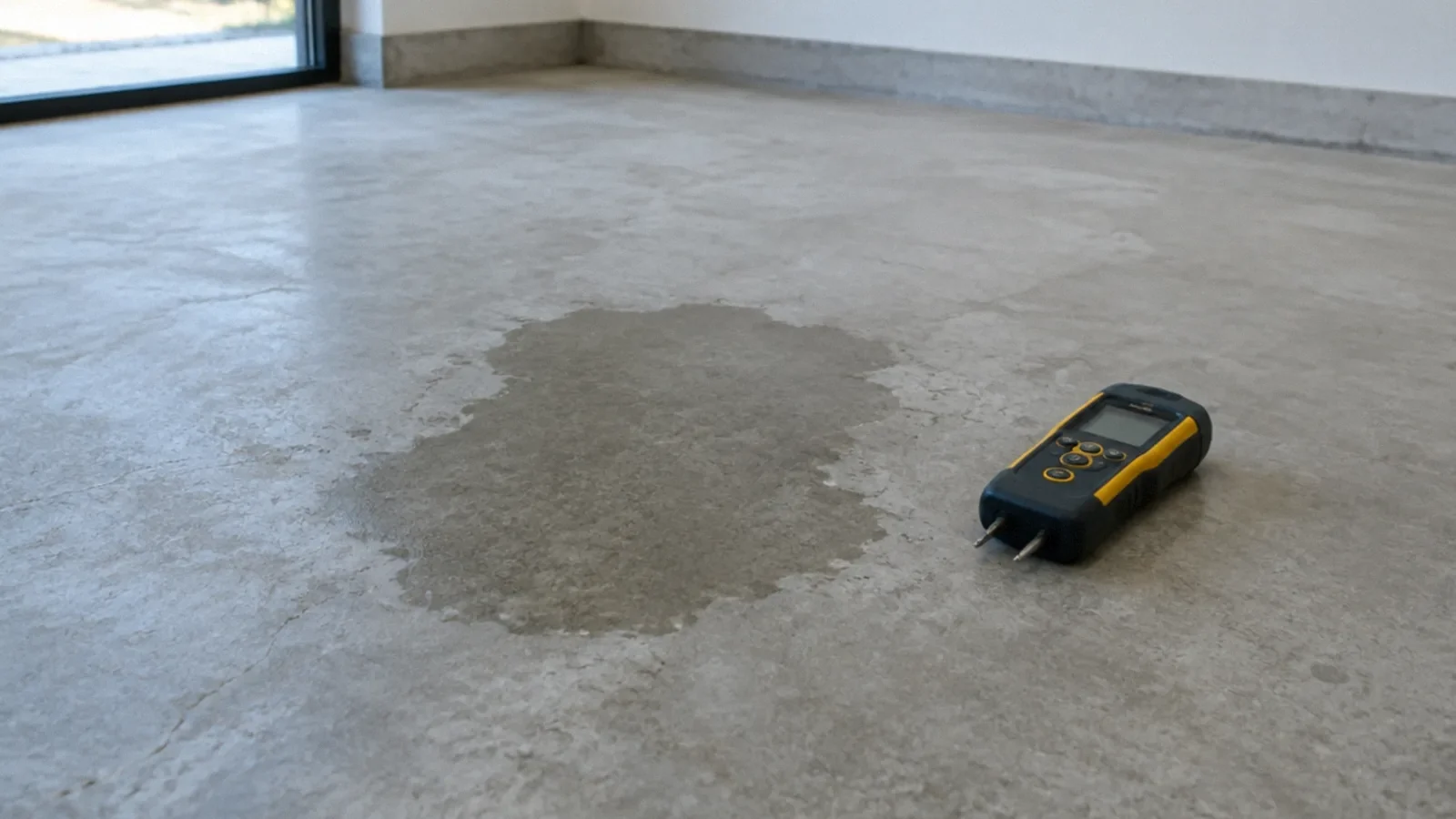
Understand why a dry-looking concrete slab may still be unsuitable for flooring, and what substrate tests and installation records should guide the decision.
Assess wet plaster by its backing, attachment, cavity condition, and preservation options, with particular caution around loose or sagging ceilings.
Sort wet belongings by material, contamination, hidden layers, and conservation value, with separate treatment for upholstery, paper, electronics, and food.
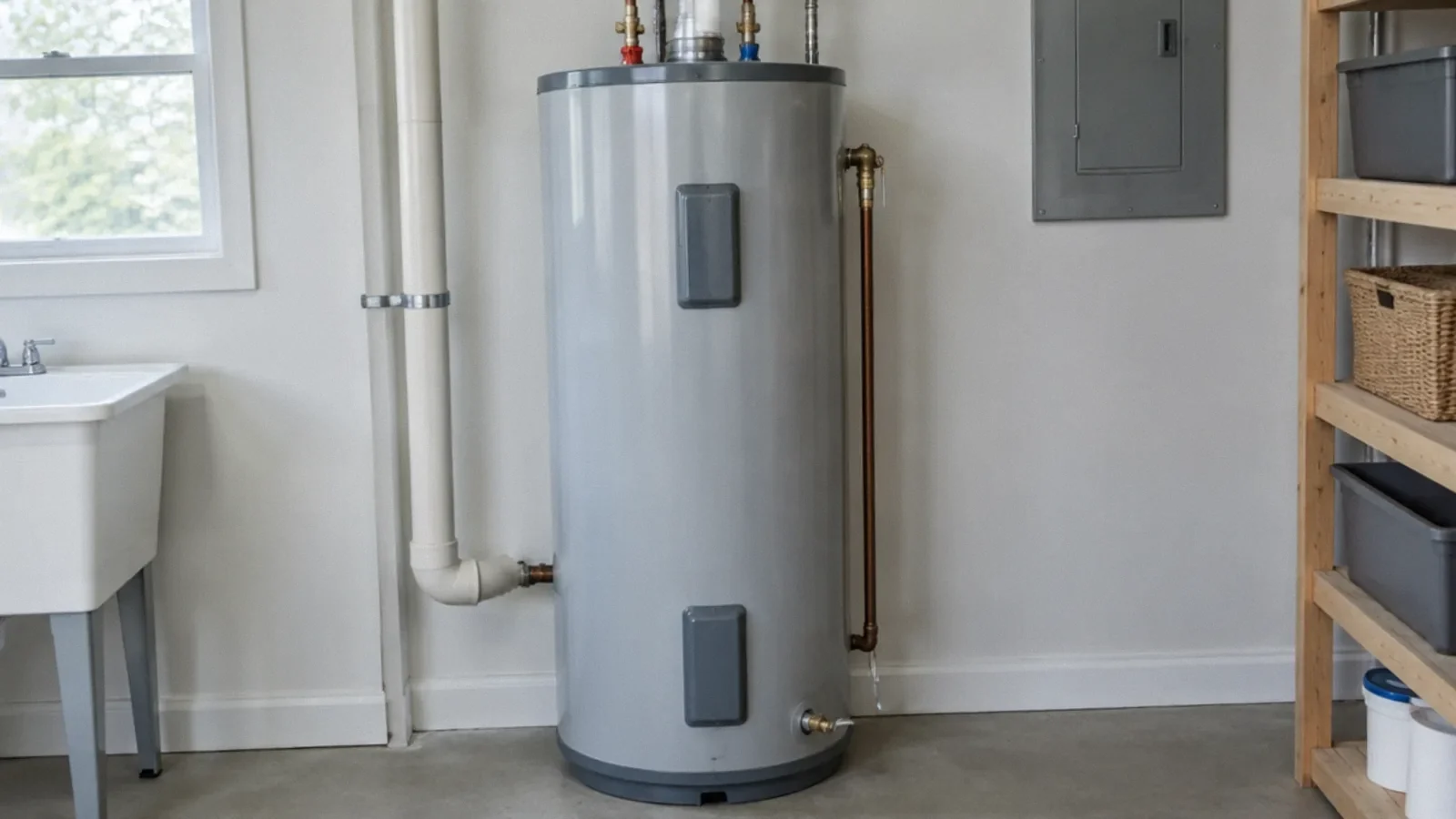
Compare hot-water delivery, sizing, installation, maintenance and leak considerations for tankless and storage water heaters.
Learn why steam and excess moisture can damage wood flooring and how to choose a manufacturer-approved cleaning method.
Learn how to respond to a small bleach spill, avoid dangerous cleaner combinations and assess a faded patch.
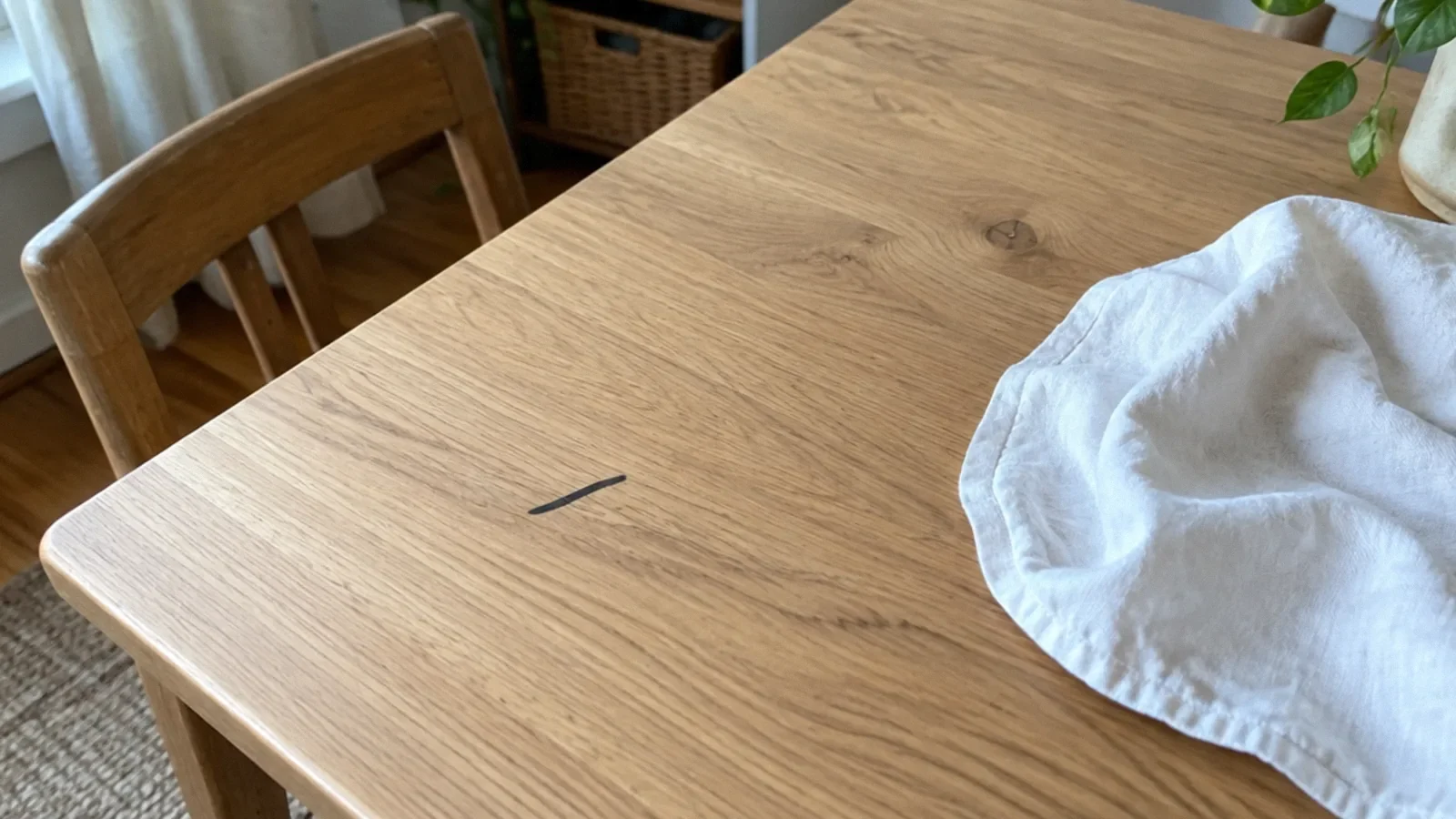
Learn how wood finish affects marker and hair dye cleanup and when to consult a furniture or flooring specialist.
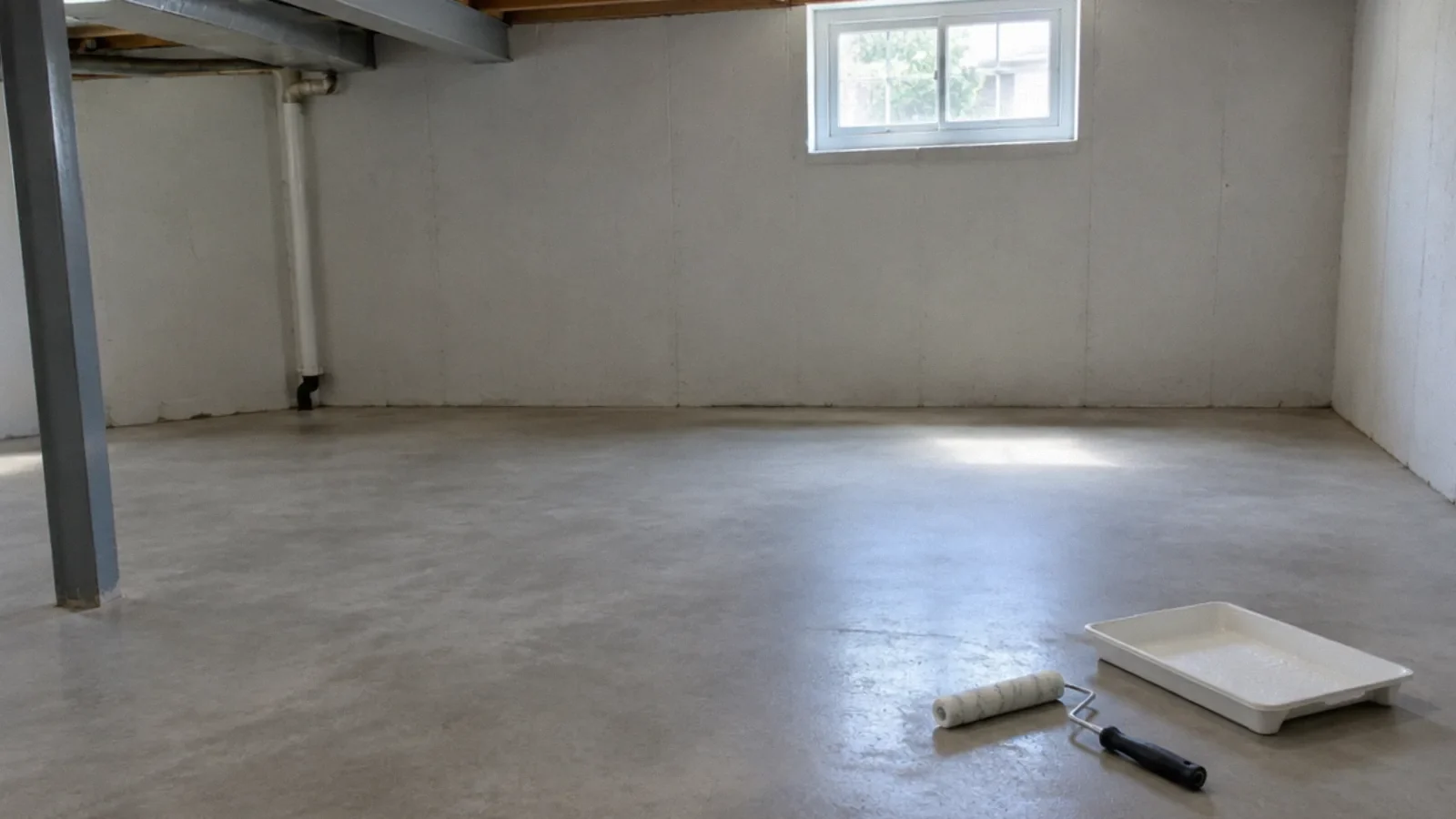
Understand concrete floor sealer options, moisture checks, surface preparation and when a professional should investigate.
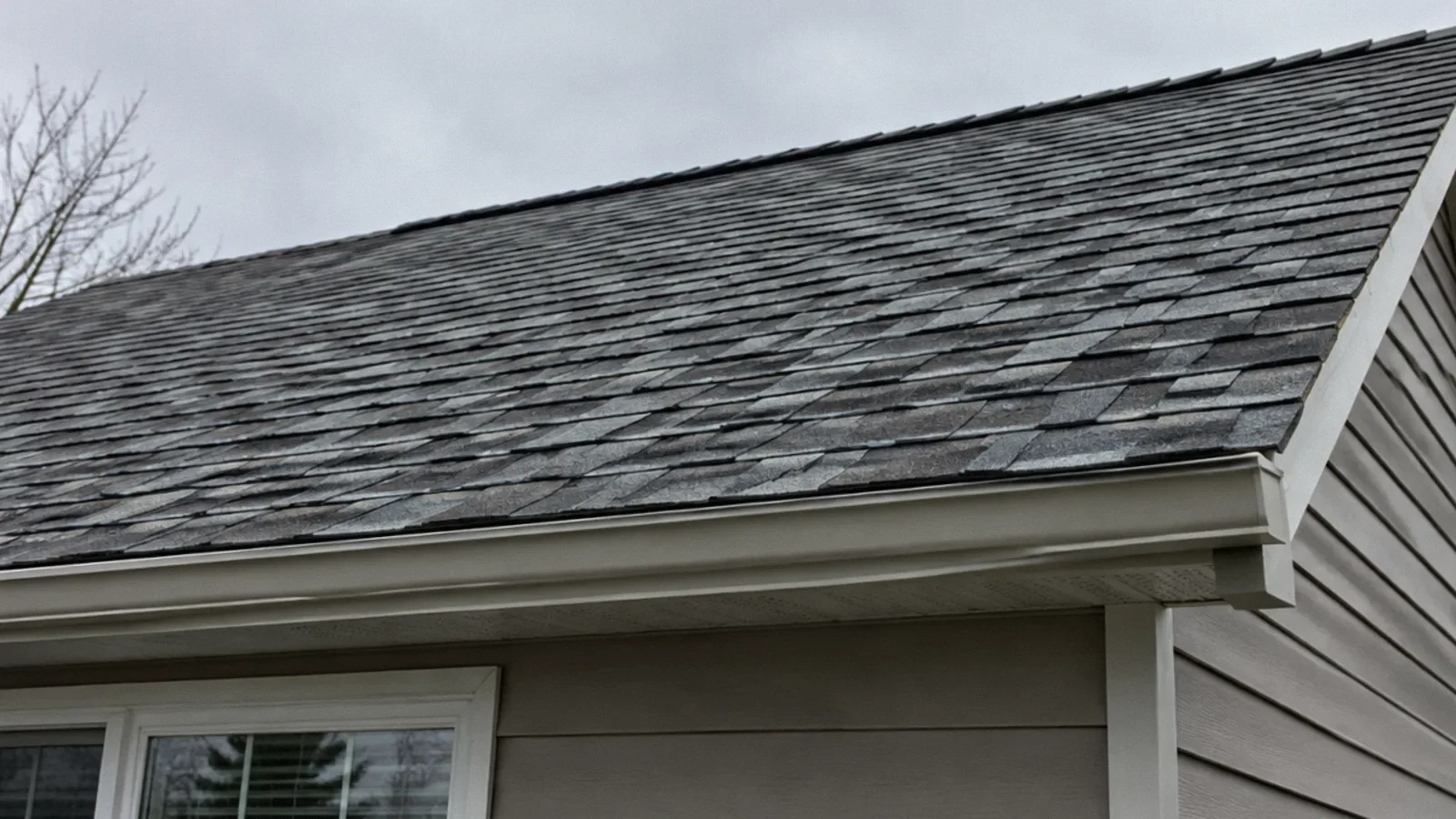
Understand asphalt shingle roof systems, compare architectural and three-tab shingles, and learn what to ask before repair or replacement.
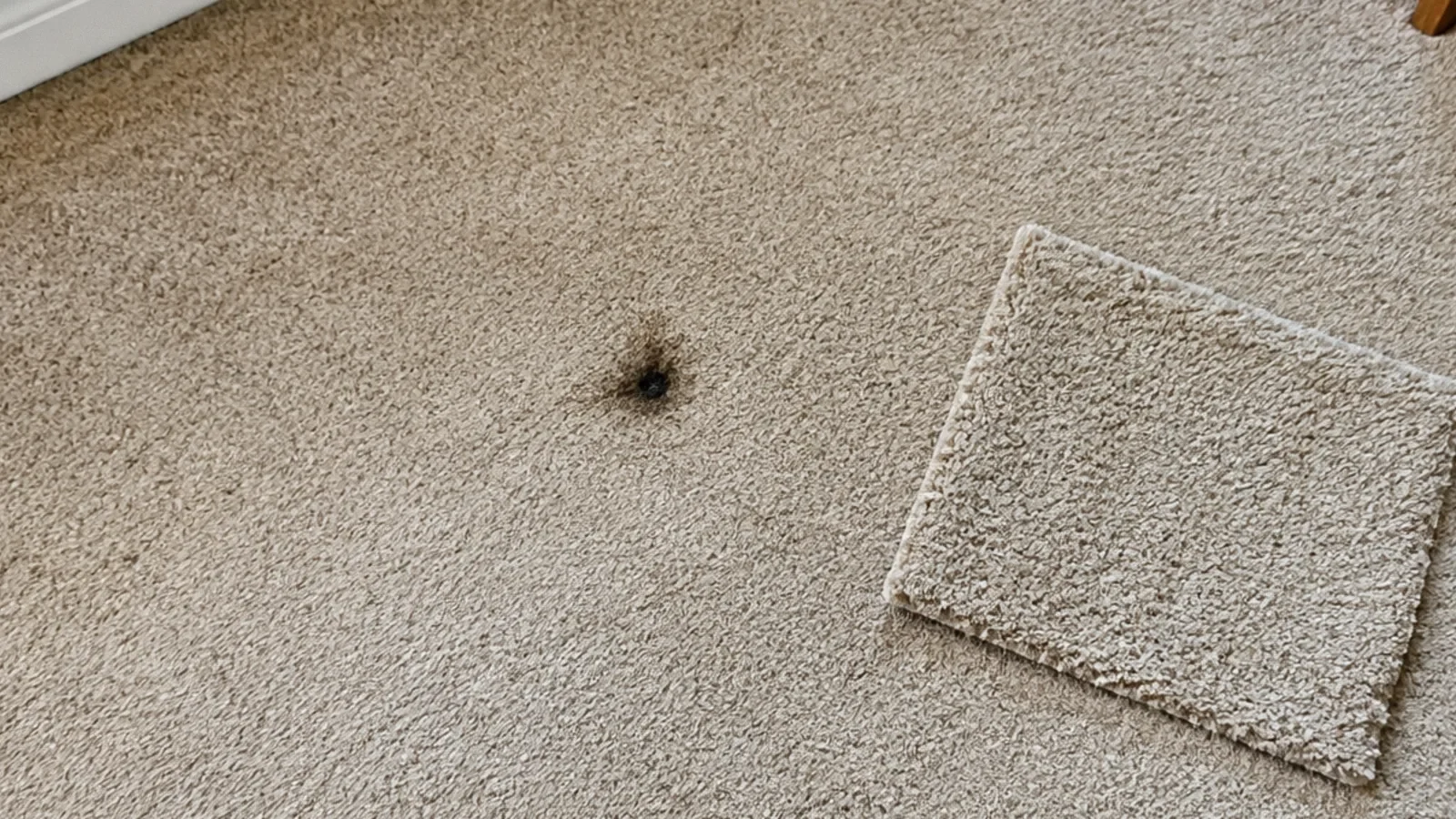
Learn how to assess a cooled carpet burn, protect the surrounding area and compare professional repair options.
Learn why smoke and firefighting water can affect devices and when to seek an electronics assessment.
Learn how to treat chocolate on washable fabric, avoid setting a stain and protect delicate materials.
Understand how paint type, concrete finish and possible hazardous coatings affect cleanup.
Learn why leather type, moisture and exposure matter and when to seek a leather or conservation specialist.
Learn why the mount’s age, condition and possible historic treatments matter before dusting or cleaning.
A practical guide to lifting tomato and sauce stains from washable fabric, with separate precautions for carpet, upholstery and delicate items.
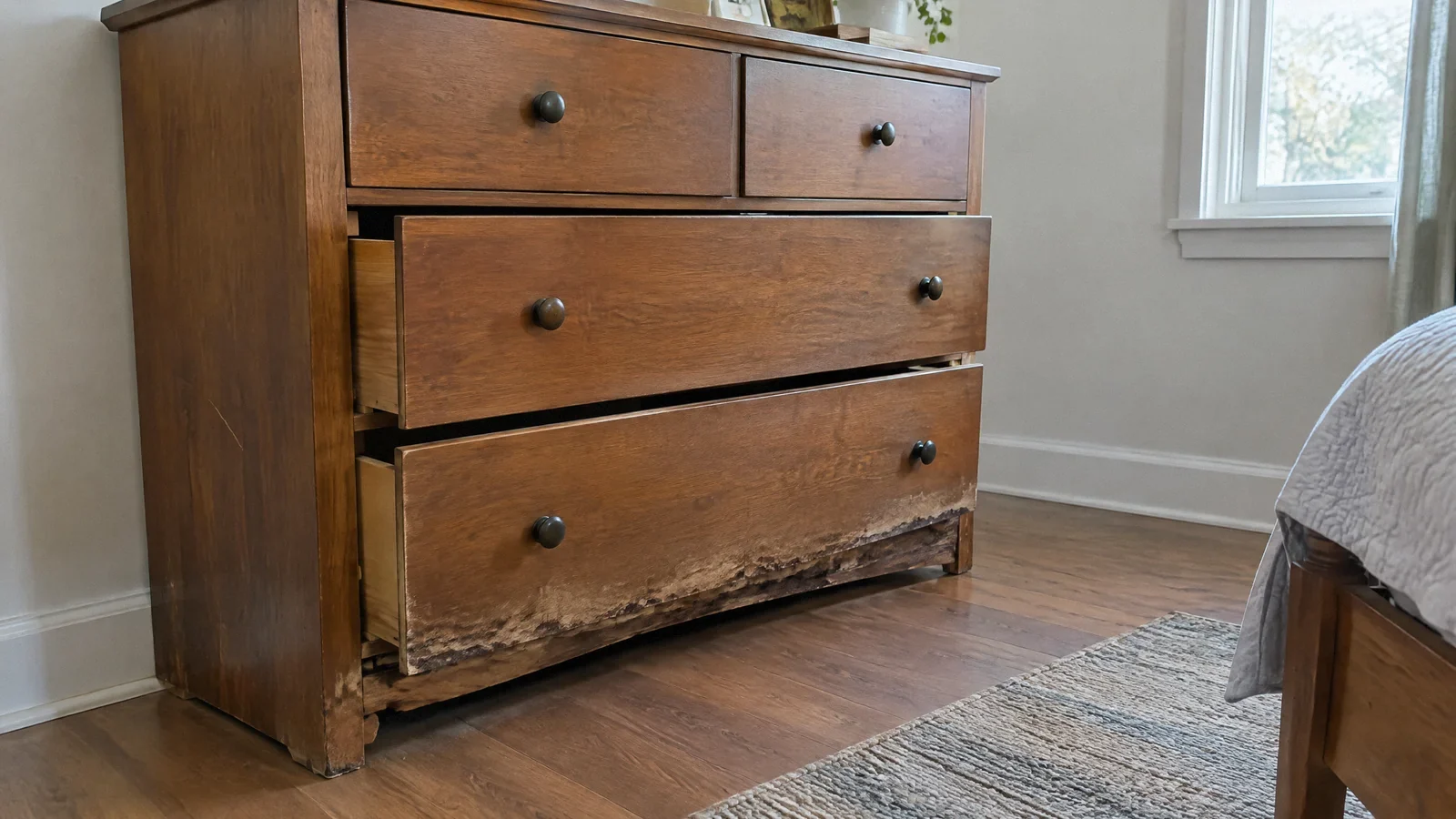
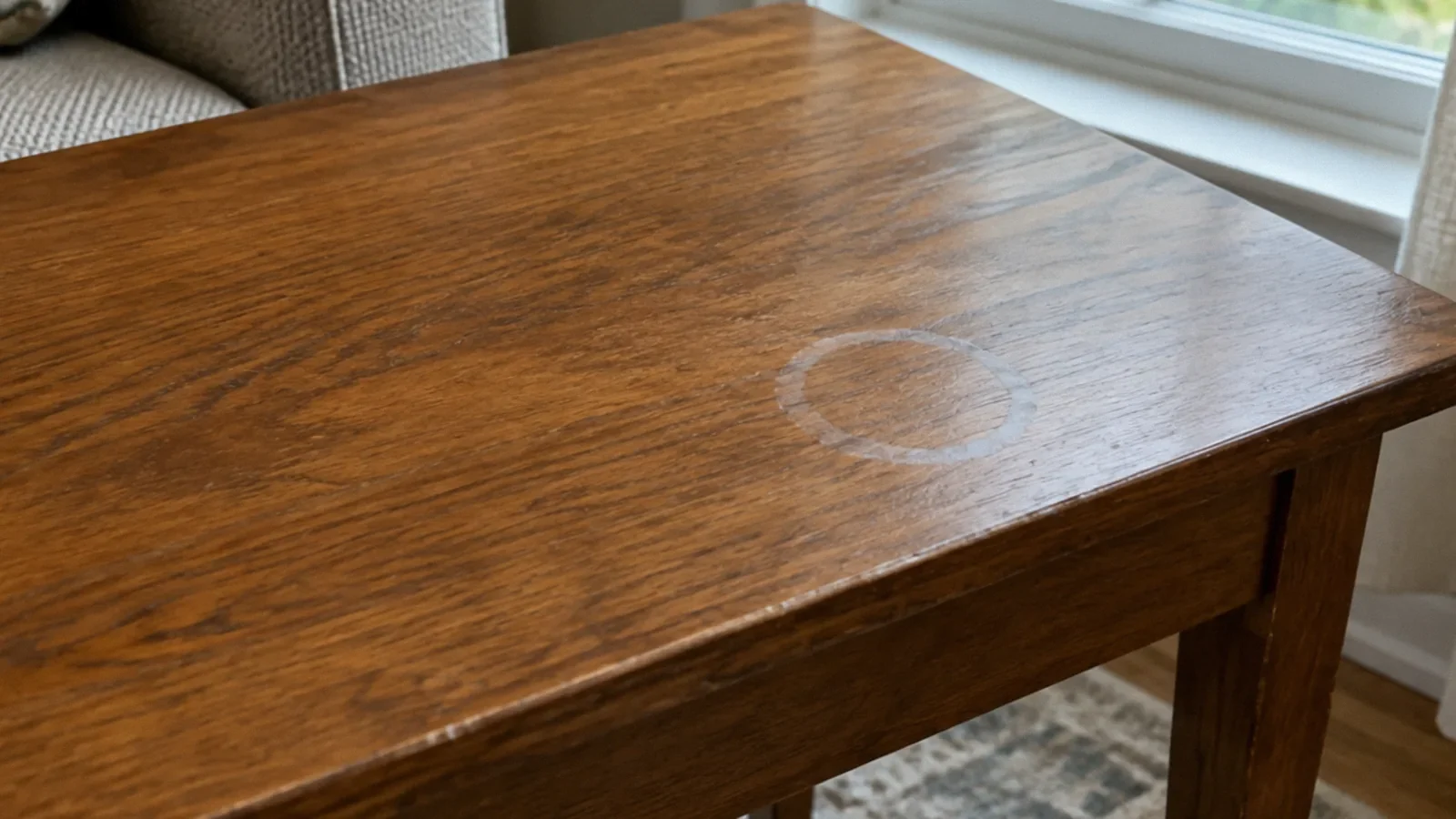
Learn how water affects furniture, trim and structural wood, what to check before refinishing and when replacement or professional evaluation may be needed.
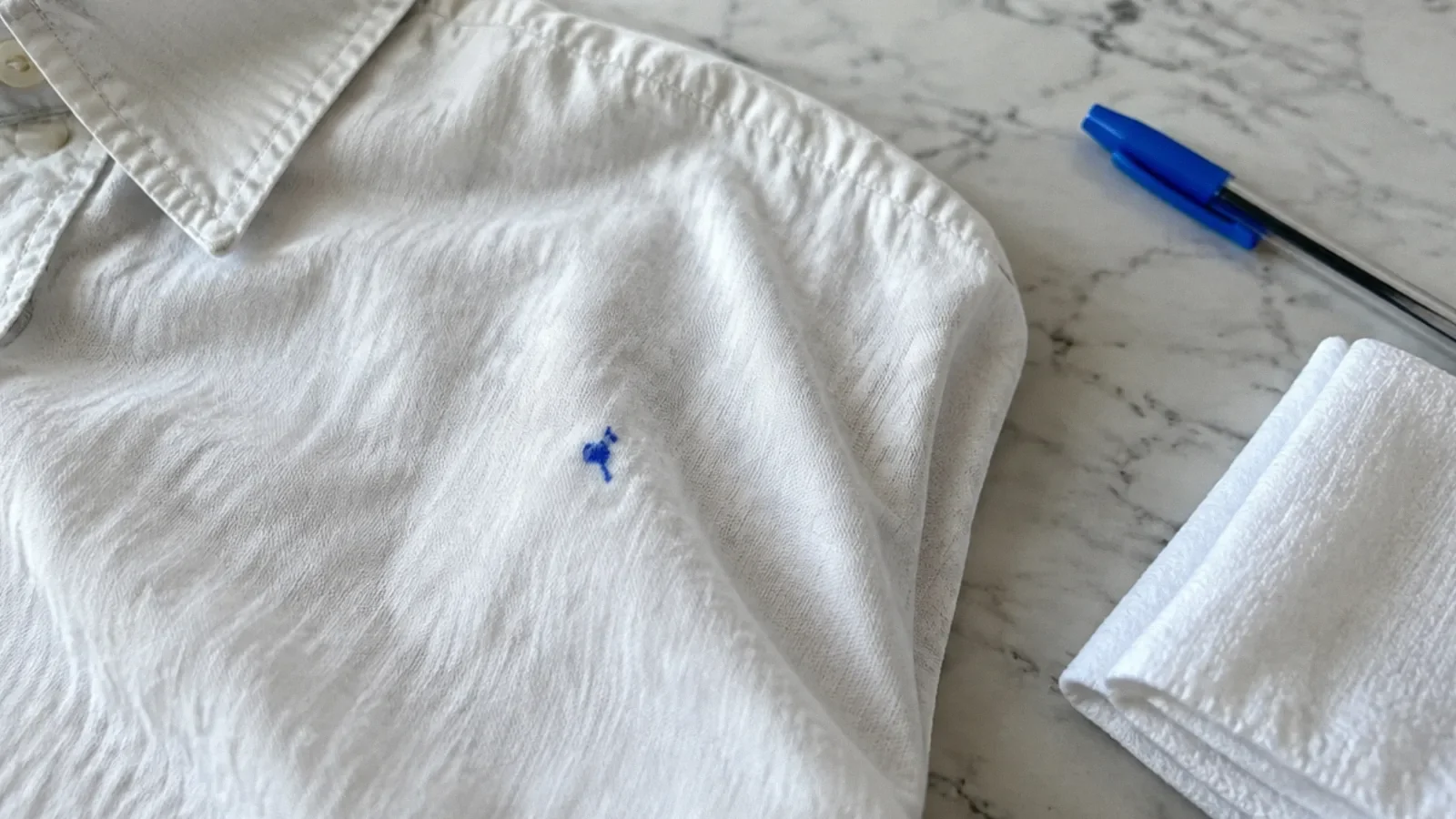
Learn how to contain an ink stain, identify the fabric and ink, choose a compatible pretreatment and avoid spreading the mark.
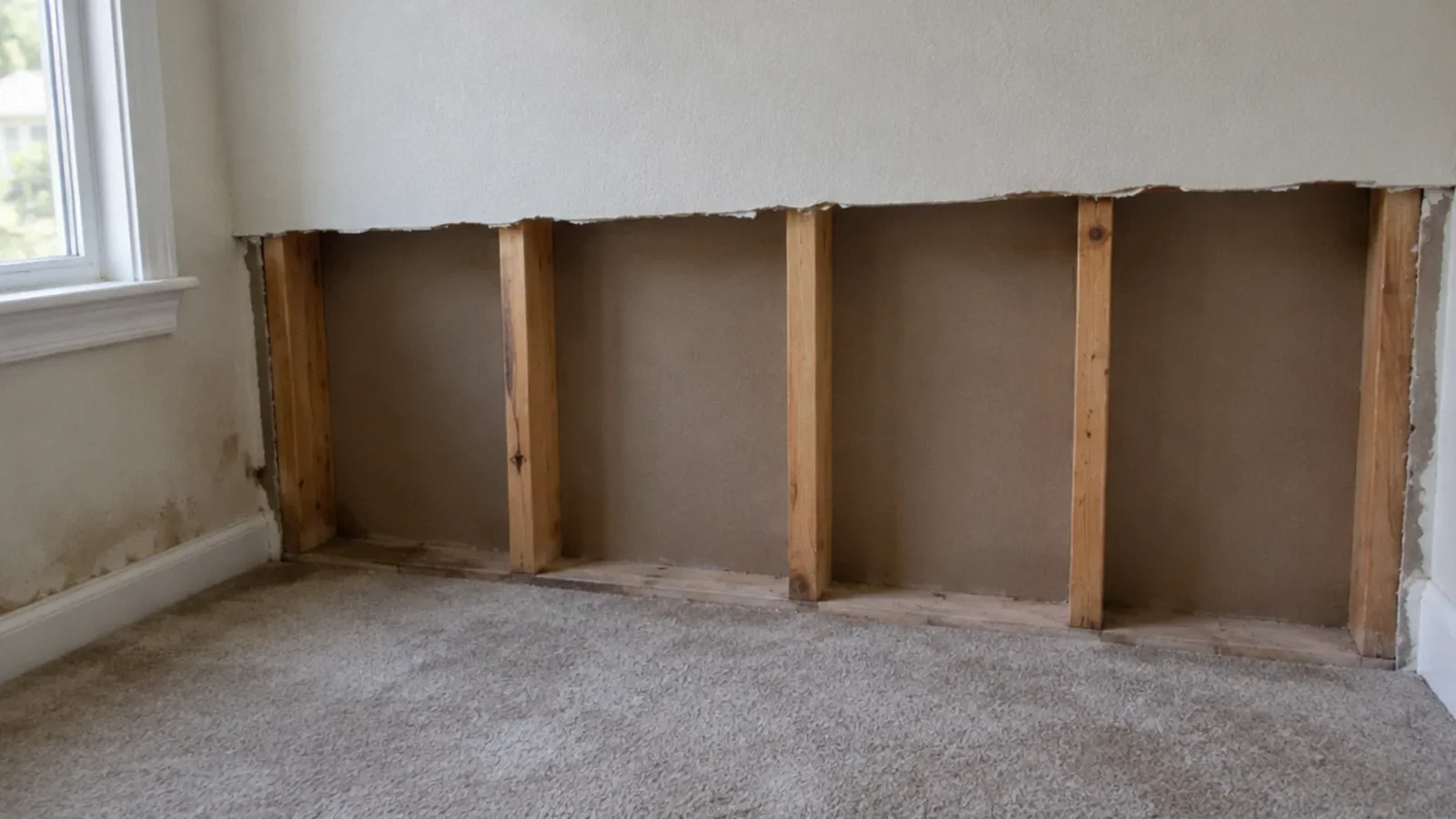
Understand why a section of drywall may be removed after flooding, what determines the cut height and which safety checks come before demolition.
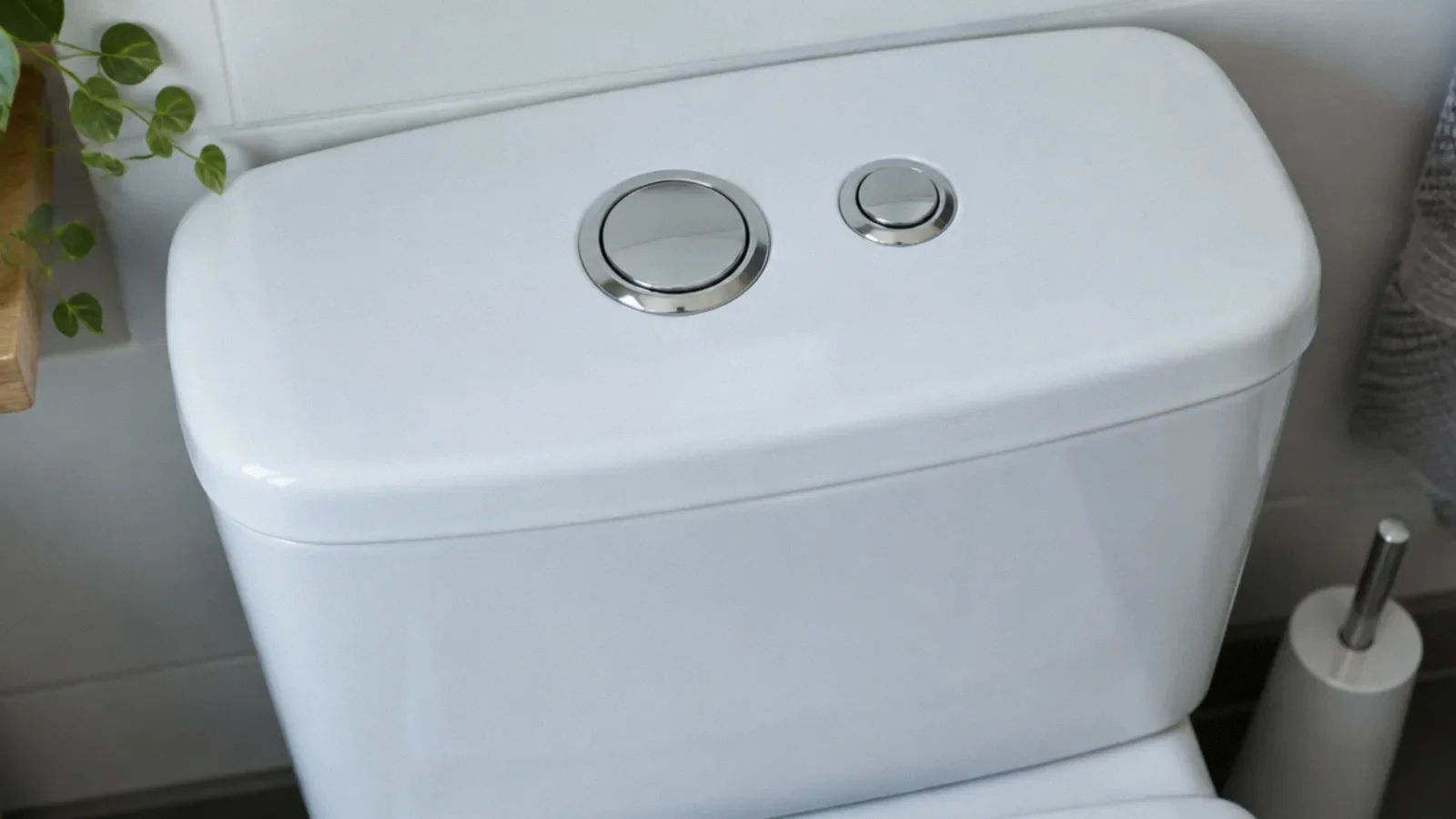
Compare flush controls, water use, performance, maintenance and fit before choosing a dual- or single-flush toilet.
Identify the symptom, distinguish an emergency from a routine service call and learn what a plumber, electrician or gas utility may need to check.
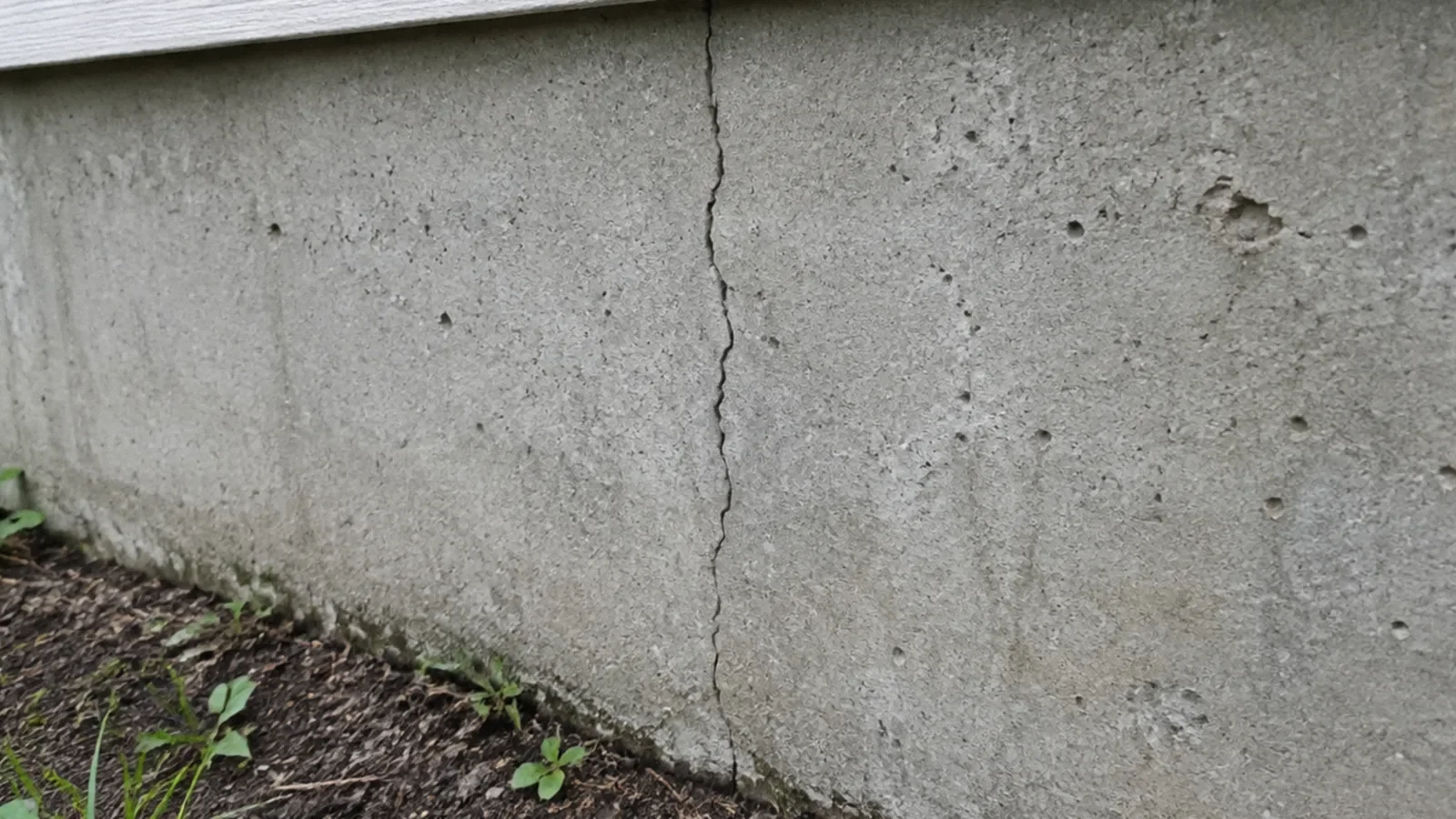
Learn how to distinguish moisture control from structural assessment and what to ask before sealing a concrete foundation crack.
Compare basic care for upholstered, wood, leather and other furniture, and know when moisture or stains require a specialist.
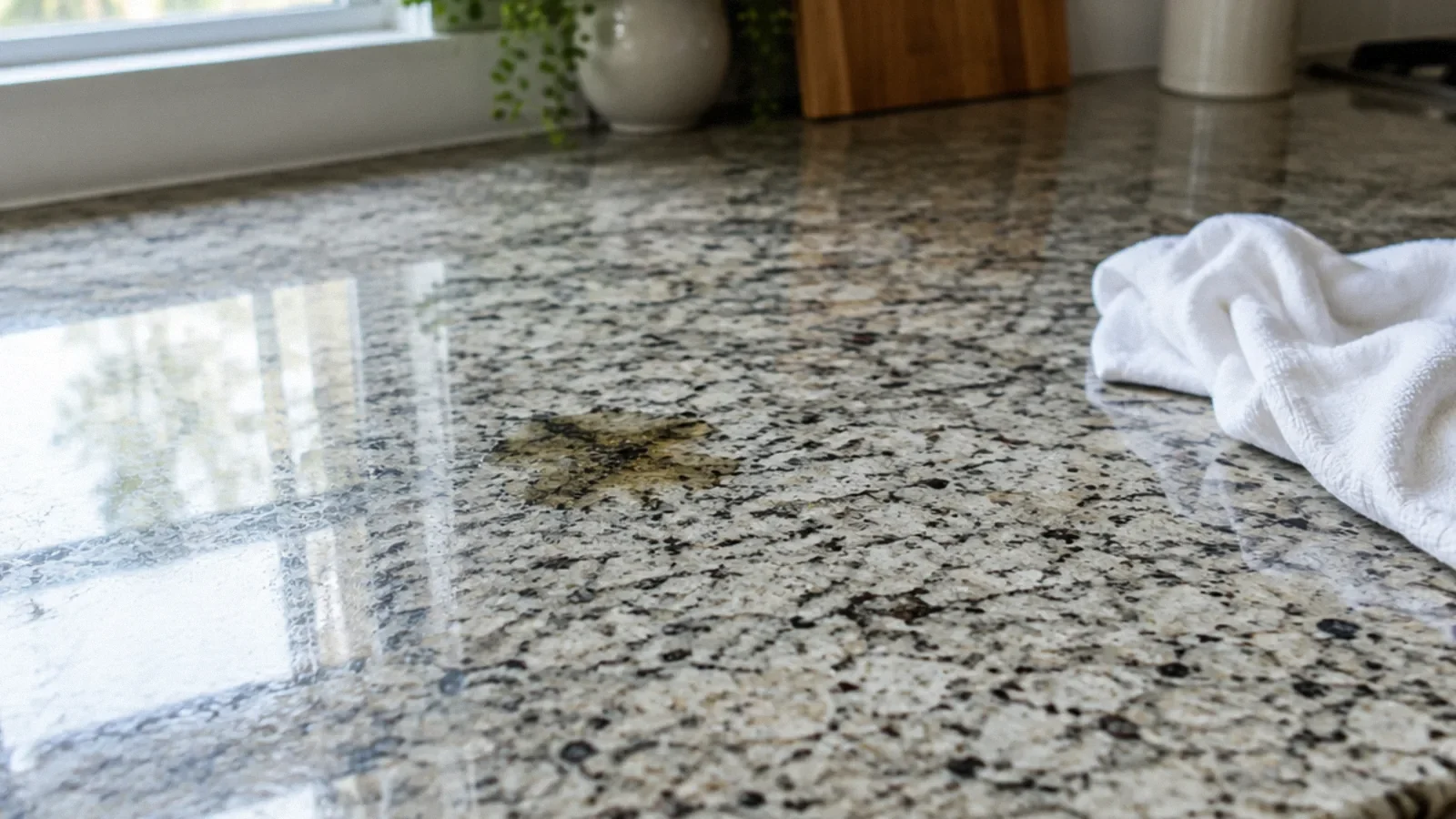
Learn how to identify a possible granite stain, use stone-compatible care and recognize when a professional should treat the surface.
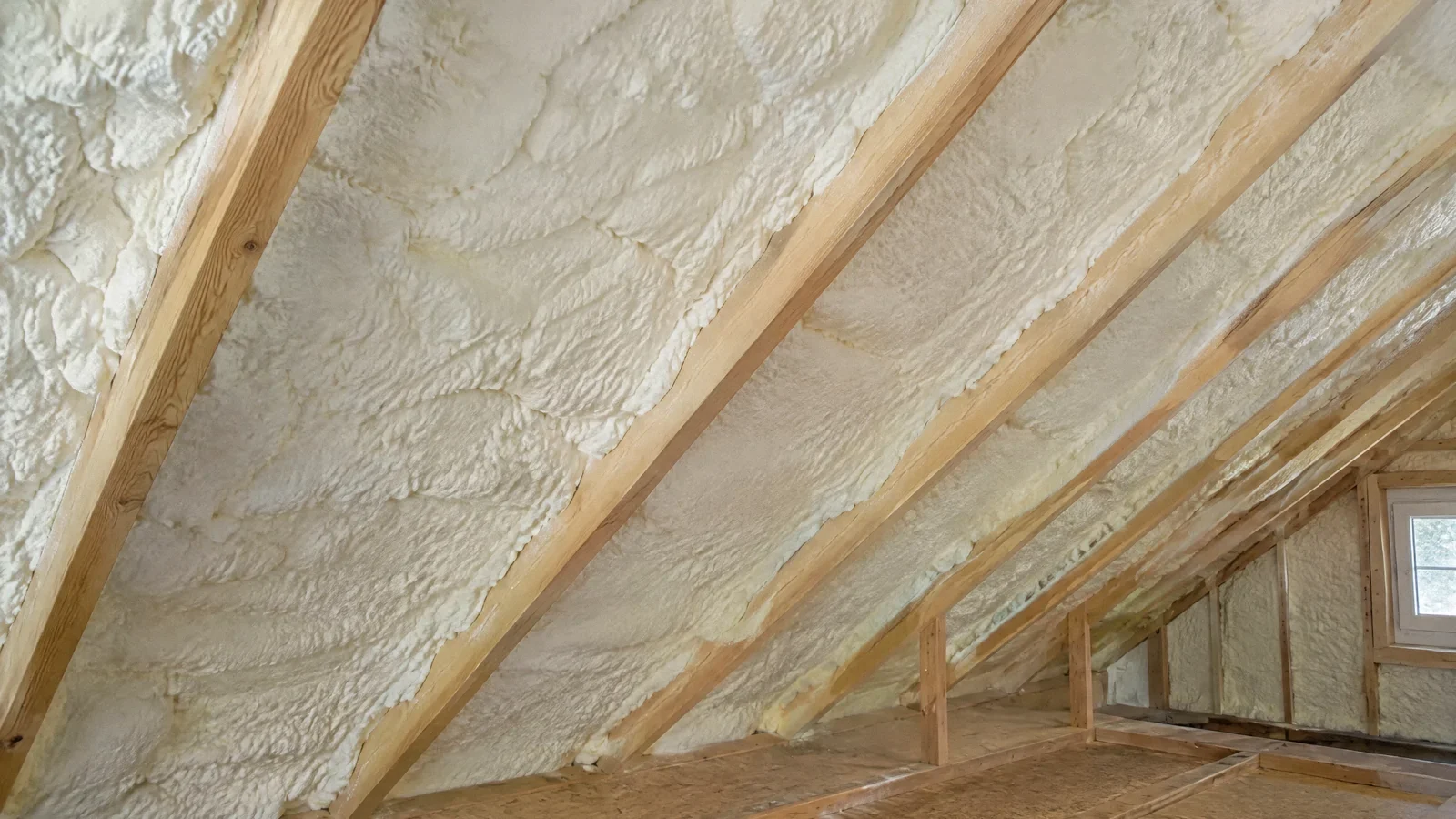
Compare wet open-cell and closed-cell spray foam and learn why the adjoining structure must also be checked.
Dry, assess and care for water-damaged leather while protecting delicate finishes.
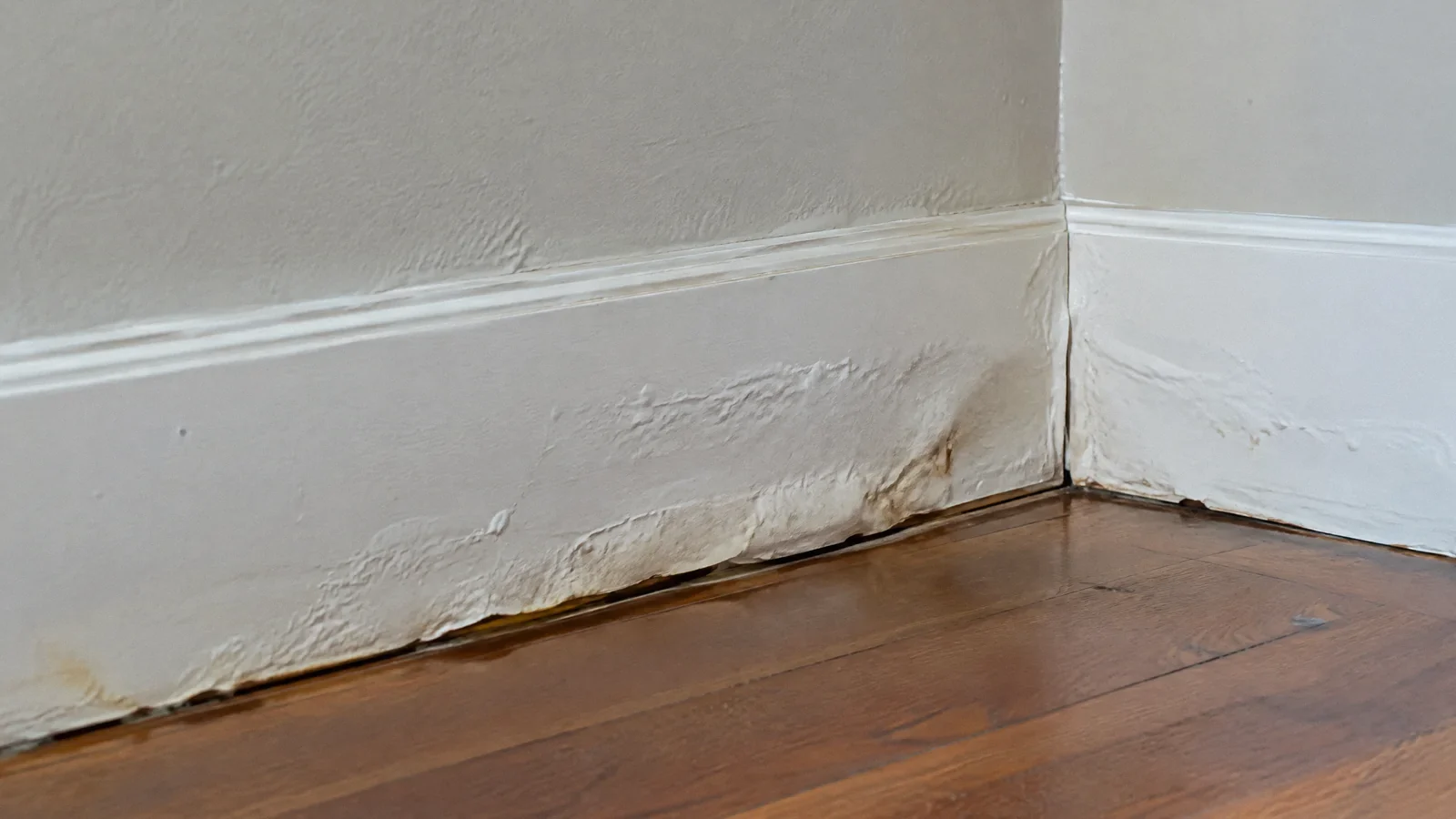
Identify the cause of wet or swollen baseboards and compare repair and replacement for MDF, wood, and other trim.
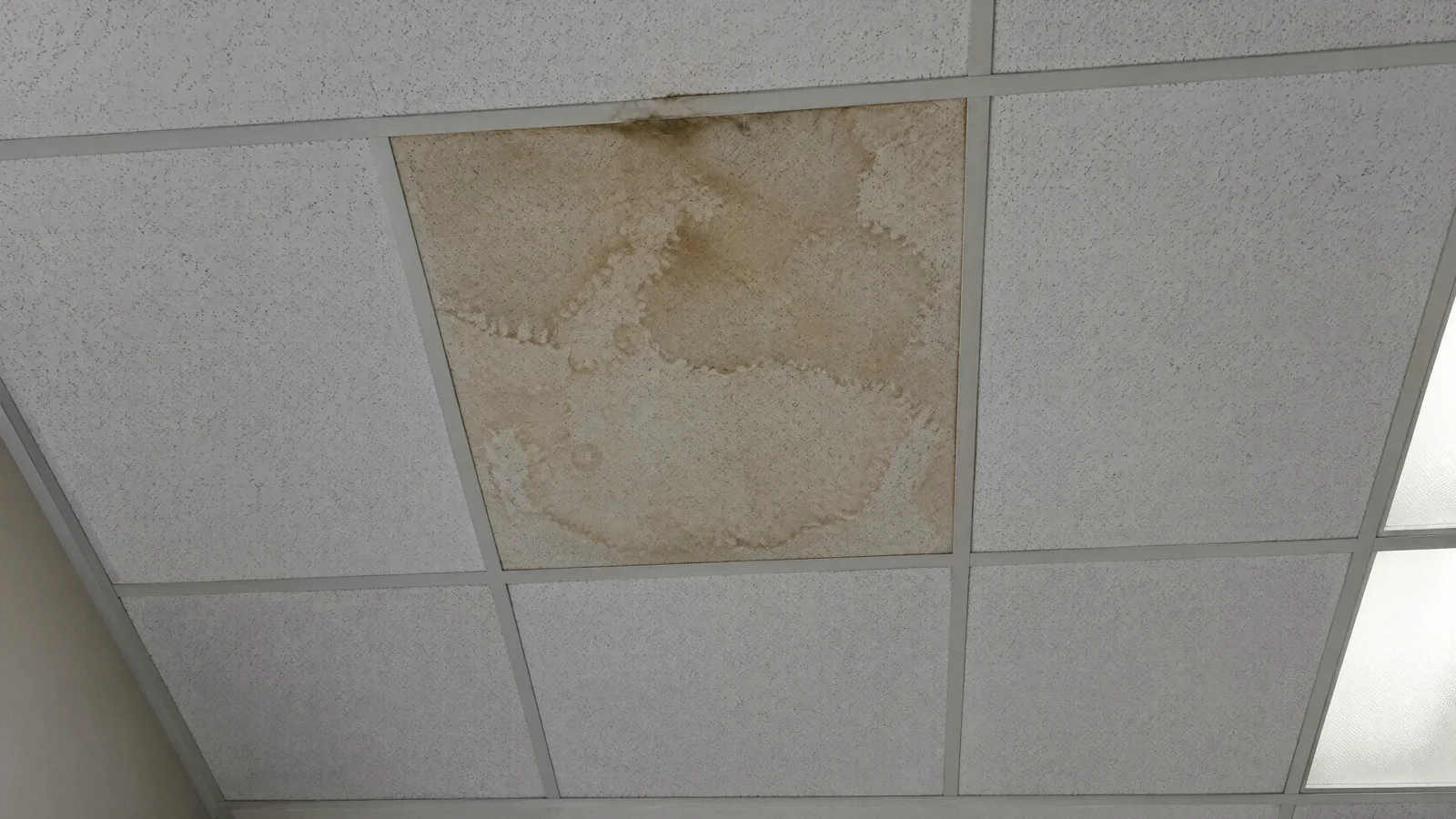
Find the likely source of ceiling tile water damage and understand safe inspection, replacement, and mold precautions.
Try a material, “insurance”, “mold”, or a shorter phrase.