Cupped hardwood may change shape as moisture redistributes, but recovery is not guaranteed. Assess the boards and the layers beneath them, stop the source, and postpone sanding until moisture and dimensions are stable. A smooth-looking surface cannot establish that the subfloor is dry.
Read the shape without overdiagnosing it
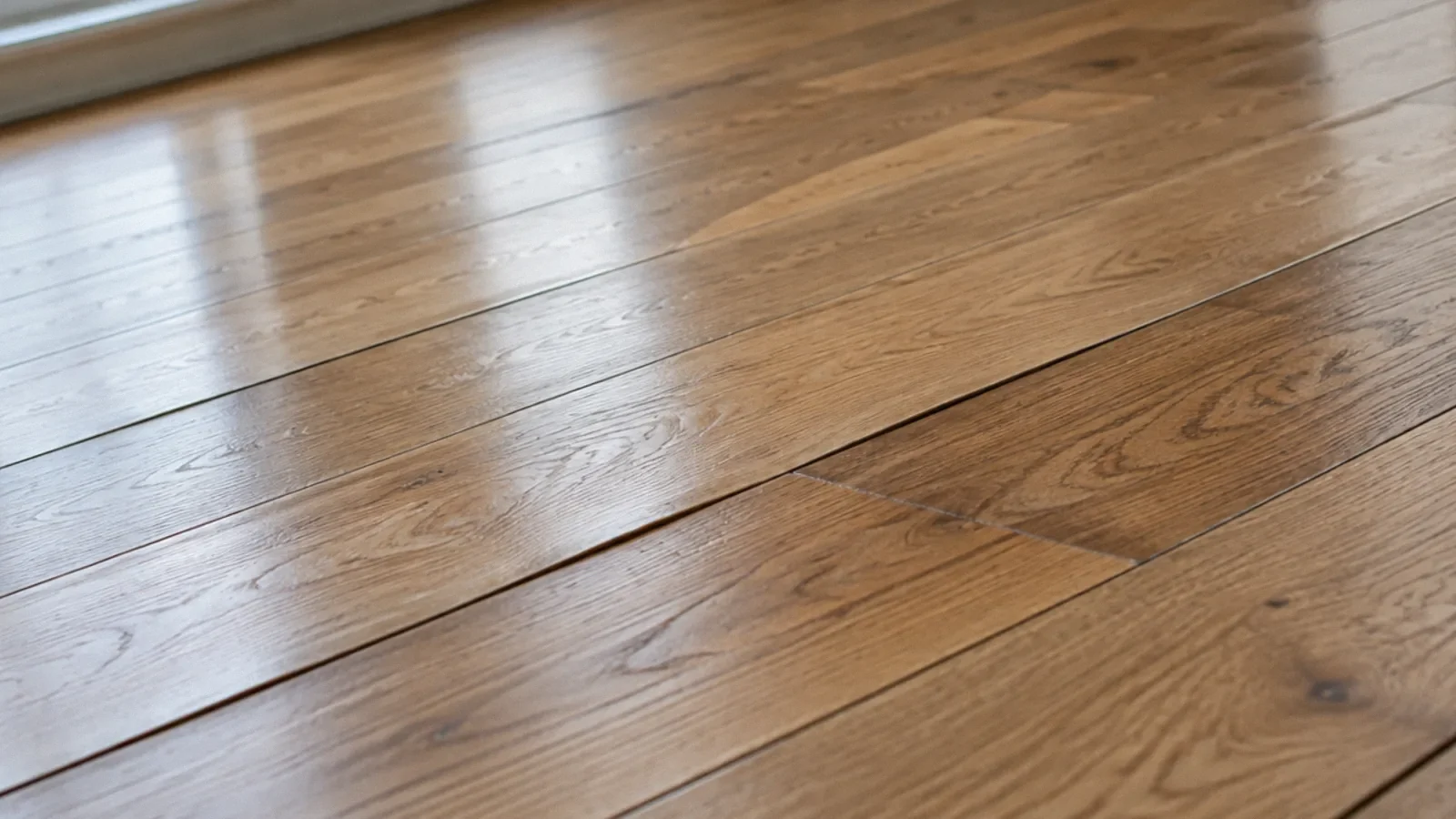
Cupping means the board edges stand higher than the center. Uneven moisture through the board can contribute to this shape, but visible distortion does not identify the source or tell you whether the board can be saved. Buckling, loosened fasteners, damaged finish, and broken engineered layers add different repair questions.
Document the area in consistent lighting and note whether movement is increasing. A flooring specialist should distinguish solid wood from engineered construction and examine installation details. Those differences influence both measurement and repair; a recommendation suitable for one floor may damage another.
The underside can control the drying problem
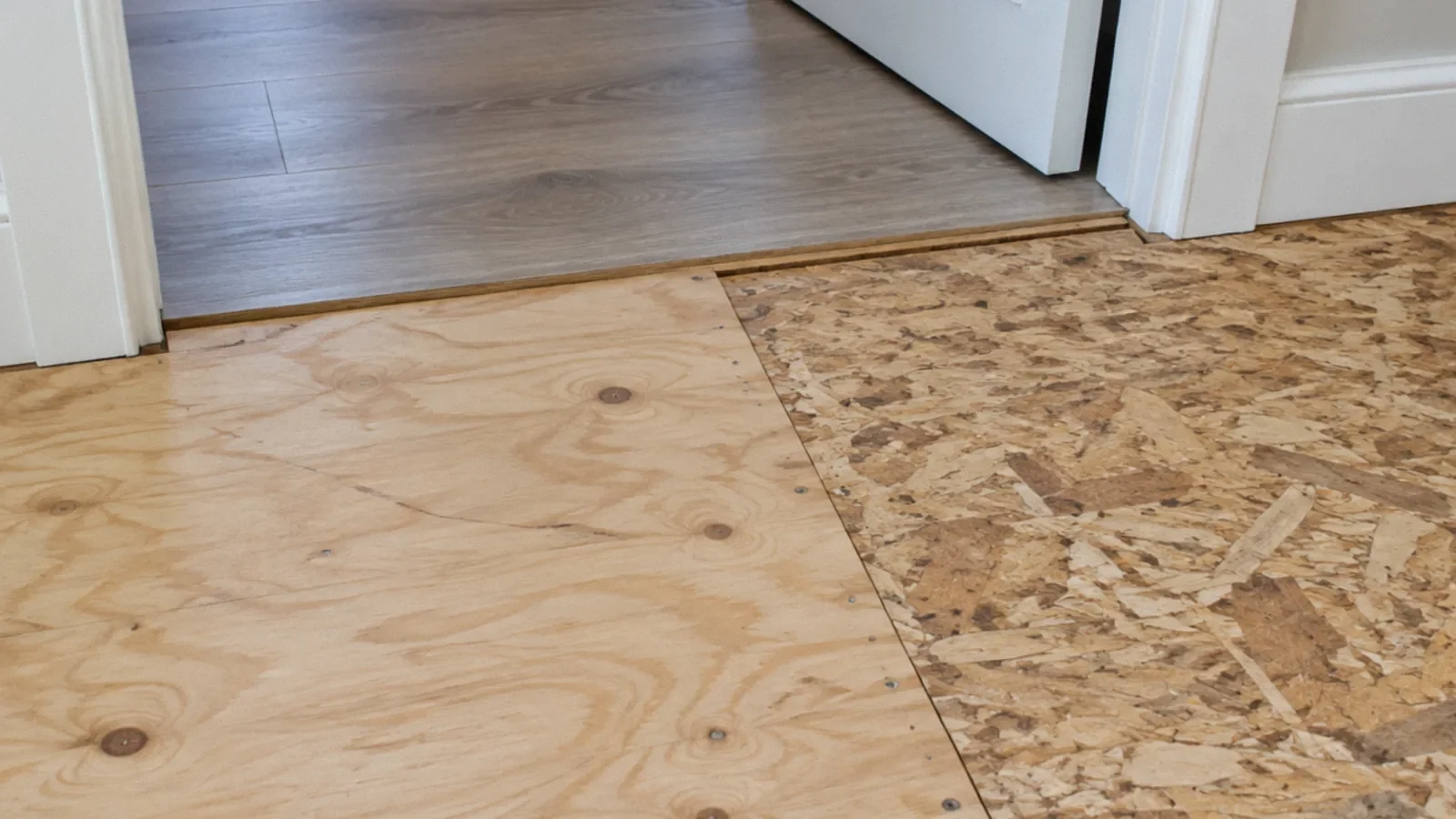
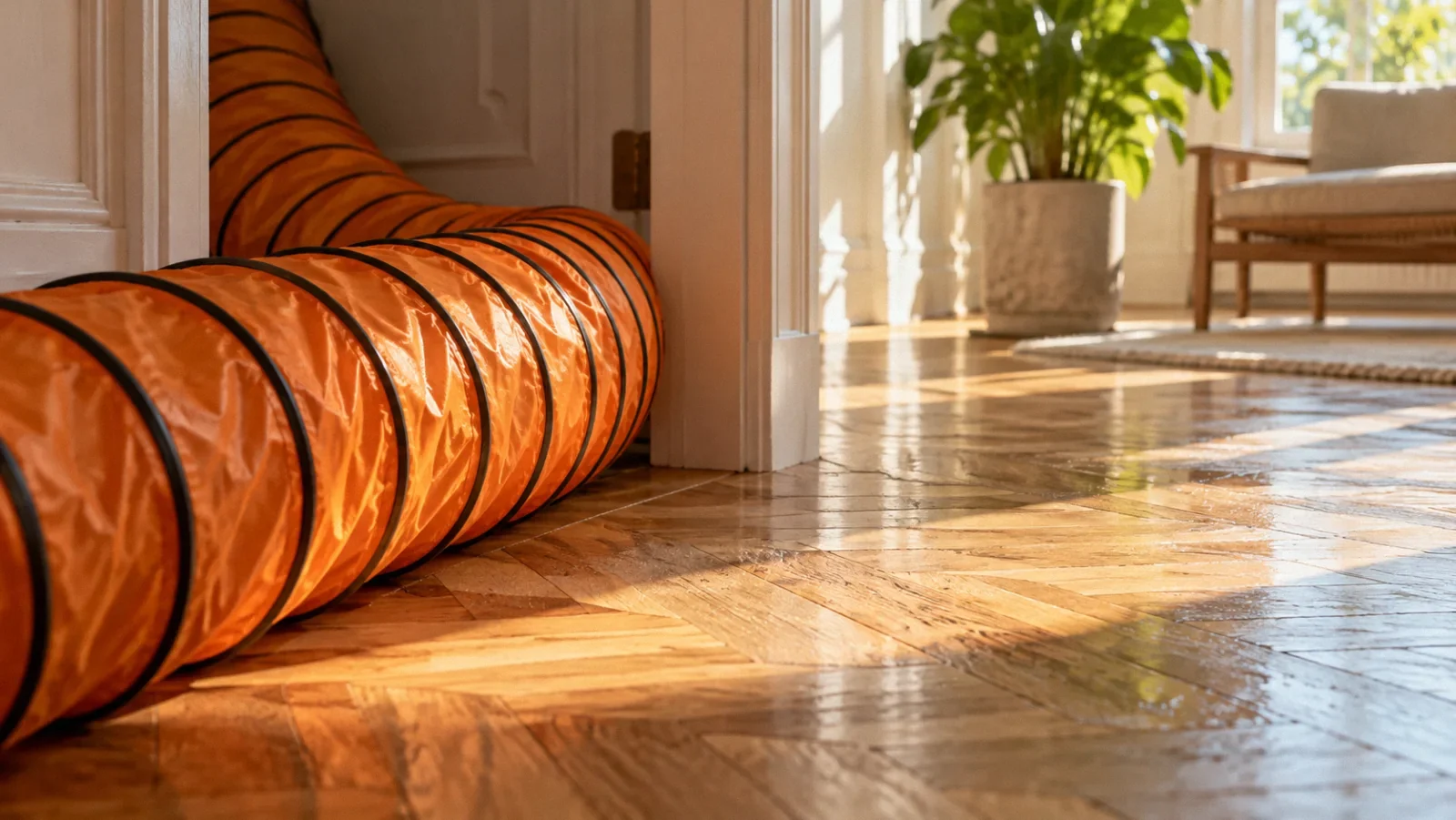
A dehumidifier primarily changes the surrounding air. Moisture below the boards still needs a path to reach that air or another drying boundary. Underlayment, adhesive, a concrete slab, or a wet subfloor may slow the process. EPA’s clean-water guidance explicitly requires checking and drying the subfloor beneath flooring.
Ask whether measurements cover only the exposed top or also the relevant underlying layer. A small inspection opening, access from below, or a specialist drying method may be appropriate, but opening decisions should account for utilities and the floor’s construction. More machine time is not always a substitute for access.
Measure change with a consistent method
USDA’s Wood Handbook describes wood exchanging moisture with surrounding air and changing dimensions as its moisture condition changes. That principle explains why the room climate and the board’s current moisture both matter. It does not supply one universal pass number for every species, meter, and house.
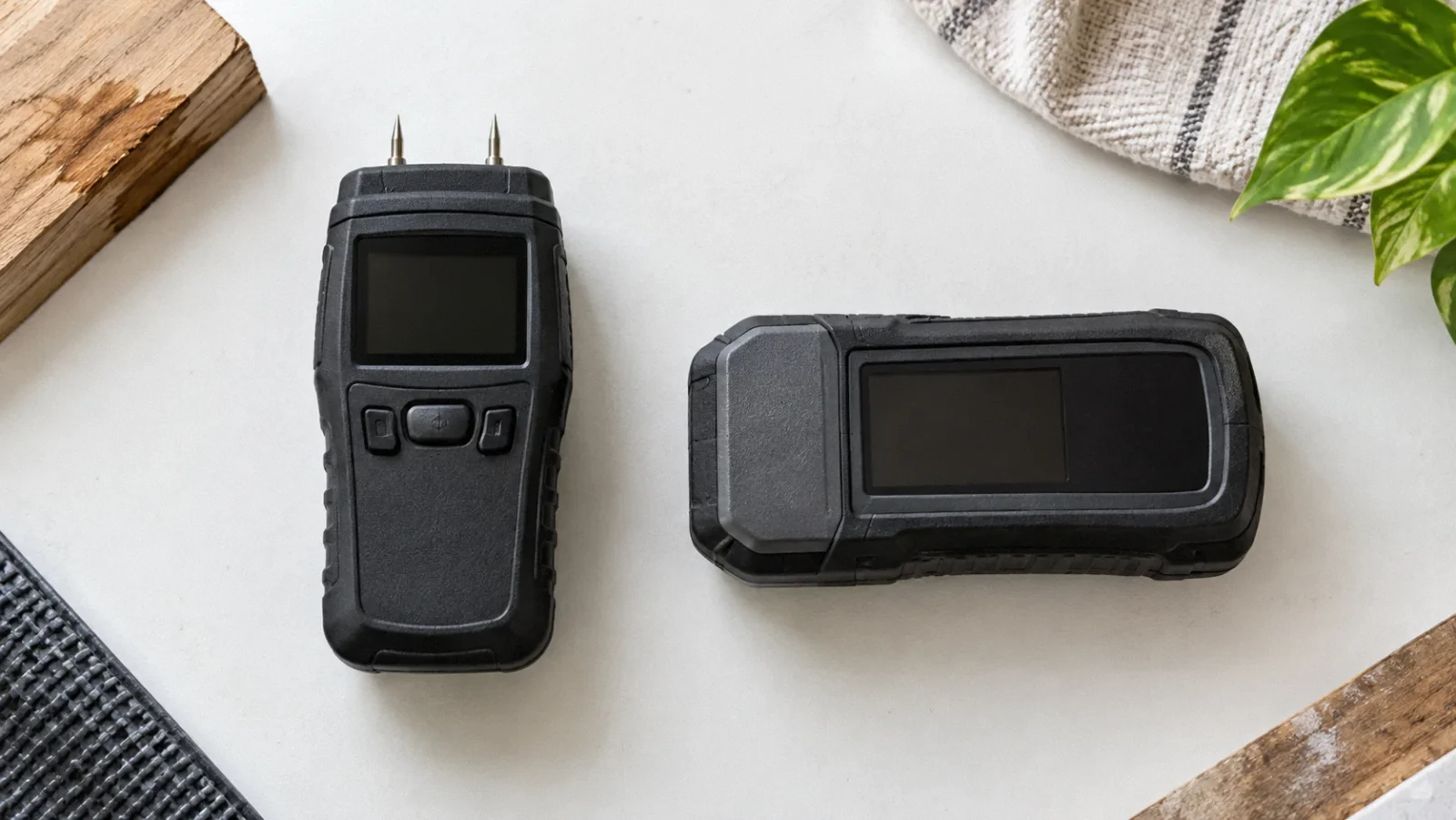
Record the instrument, wood setting or correction, exact locations, and comparison readings in appropriate unaffected flooring. A meter’s percentage needs interpretation; a pinless indication through a finish or over metal is not automatically the board’s true moisture content. Ask for the drying goal and its basis before judging progress.
Why early sanding can create another problem
Sanding a distorted floor removes material from its current shape. If the boards later flatten or move as they equilibrate, the newly sanded profile may no longer be level. The apparent shortcut can leave a different distortion and less wear layer for future repair.
Do not use a calendar alone to schedule refinishing. Have the flooring professional confirm moisture suitability and dimensional stability for the actual assembly and intended coating. A restorer’s equipment removal and a floor finisher’s readiness decision are related but separate approvals.
A surface reading can hide the controlling layer
Consider a solid-wood floor whose exposed boards begin approaching comparable unaffected readings while a wood subfloor below remains elevated. Sanding at that moment could be premature because moisture can redistribute through the assembly. The relevant decision is not whether one board face passed a number; it is whether the floor system is suitable for the proposed repair.
Ask the flooring specialist which locations and layers need to be stable and how a return to ordinary indoor conditions affects the assessment. Keep the original wettest points in the sample instead of selecting only places that have improved. If some boards remain mechanically damaged, separate their replacement from the moisture question.
An engineered floor adds another exception: the face may look acceptable while a bond between layers has failed. Drying cannot re-create that bond merely by lowering moisture. Likewise, a buckled area may have lost attachment even if the wood itself is not rotten. These observations require a repair plan beyond refinishing.
What to resolve when recommendations conflict
If one contractor proposes immediate sanding and another recommends waiting, ask both to describe the same evidence: species or construction, board and substrate readings, distortion trend, and intended finish requirements. A disagreement over timing becomes more useful when it is tied to testable conditions.
Avoid accepting “it always flattens” or “all cupping is permanent” as a diagnosis. The repair should account for the actual condition, access to hidden moisture, and limits of salvage. Keep photographs of any remaining distortion before authorizing the final surface treatment.
Separate salvage from structural and contamination concerns
Drying cannot reverse every split, delamination, damaged joint, or loss of attachment. Floodwater or sewage also changes whether an assembly can be cleaned adequately. A clean supply-water event and contaminated flooding should not share an automatic salvage conclusion.
Ask for a board-by-board or area-based repair rationale rather than an all-or-nothing claim based only on cupping. Partial replacement may create matching and continuity issues; complete replacement requires its own justification. Record retained floor condition and any unresolved limitations before new finishes hide the evidence.
When water-damaged hardwood may also have mold
A musty odor or suspected growth at a wet hardwood floor warrants investigation of the moisture source and the floor assembly. A dark stain alone does not identify mold. Avoid sanding or disturbing suspect material, which can spread dust, before the contamination and moisture are assessed.
A professional may need to inspect the underside, subfloor and adjacent cavities. The appropriate decision depends on the extent of wetting, material condition and contamination; drying the visible boards does not by itself establish that the layers below are clean and dry.
First response to water on wood floors
If safe, stop the water source using a known shutoff. Keep away from wet electrical equipment. For a small clean-water spill on an accessible surface, blot or wipe up standing water promptly with clean towels, then follow the floor maker’s directions. Do not use electrical equipment in standing water or force heat on the floor.
Water beneath boards, large spills, sewage or floodwater need a professional assessment of flooring, subfloor and contamination. Wet floorboards can dry when the affected layers are accessible and conditions are controlled, but hidden moisture can persist; drying time depends on construction and conditions. A dry-looking surface is not proof that the underside is dry.
A bubbling or peeling finish can be limited to the coating, while raised, cupped or buckled boards involve movement of the wood or floor assembly. Both can have several causes. Photograph changes and ask a flooring or restoration specialist to assess them before sanding or replacement. If the flooring material is unknown or is vinyl, laminate or tile, identify it first: its layers and response differ from hardwood.
Your next-step checklist
- Identify solid or engineered wood and the installation over the subfloor.
- Map distortion and repeat material readings at the same locations.
- Include the subfloor or slab in the assessment and explain inaccessible layers.
- Delay sanding until the relevant specialist confirms stability and installation conditions.
- Distinguish drying progress from irreversible physical damage and contamination.
Related questions
Will every cupped board flatten?
No. Some distortion can lessen, while damaged joints, severe movement, delamination, or permanent deformation may remain. The outcome requires observation and material-specific assessment.
Does a successful plumbing pressure test prove the floor is fine?
It may help evaluate part of the water supply system, but it does not establish that the floor is dry or exclude roof, drain, groundwater, or condensation sources.
Should I turn up the heat to speed recovery?
EPA specifically cautions about applying heat to hardwood floors. Uncontrolled heating can create uneven conditions. Use a monitored drying plan suited to the wood and assembly.
Should the finisher see the drying record?
Yes. Board and substrate measurements, the source history, and any remaining distortion help the finisher assess readiness. The finisher should still apply the requirements of the chosen finish and floor construction rather than treating equipment removal as automatic permission to sand.
Can engineered wood be saved after water damage?
Possibly, depending on the water source, the layers and their bond, attachment, drying access and flooring manufacturer’s requirements. A dry-looking surface does not establish that the layers remain sound.
Can engineered hardwood recover from water damage?
Some engineered products can be assessed for drying or repair, but their layered construction and finish may limit refinishing. Find the moisture source, measure the affected flooring and subfloor, and follow the manufacturer’s guidance before deciding on repair or replacement.
Sources & context
Public guidance supports the principles in this article. The practical questions and examples are editorial interpretation, not a site assessment or a coverage decision. State-specific rules apply only where identified.
- EPA: Moisture Control Guidance, Chapter 1 (moisture transport and whole-assembly control)official
- USDA Forest Service: Wood Handbookofficial
- EPA water damage cleanupprimary guidance
Community questions behind this topic
These discussions helped identify reader concerns. They are anecdotal, not technical or legal authority.