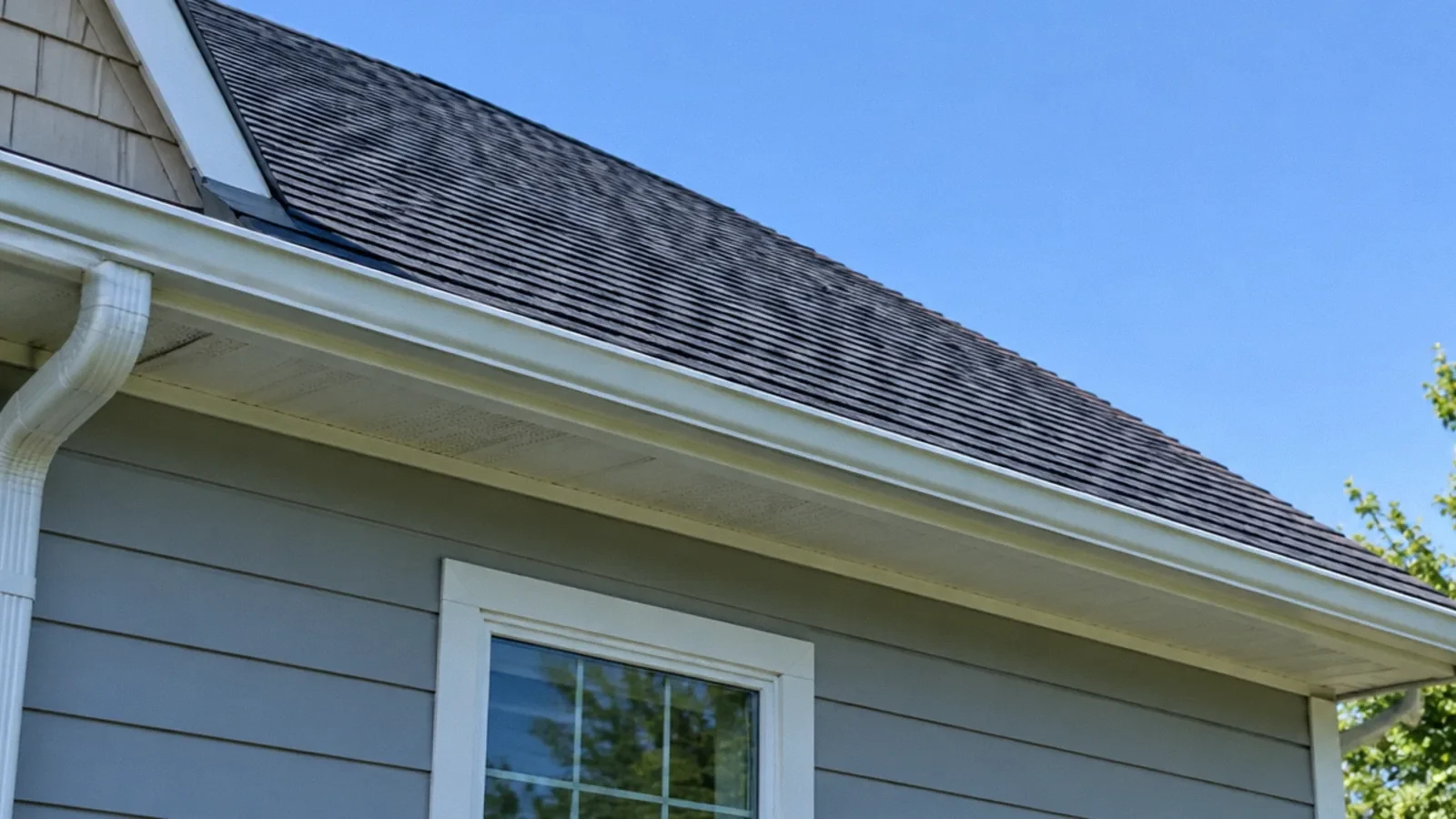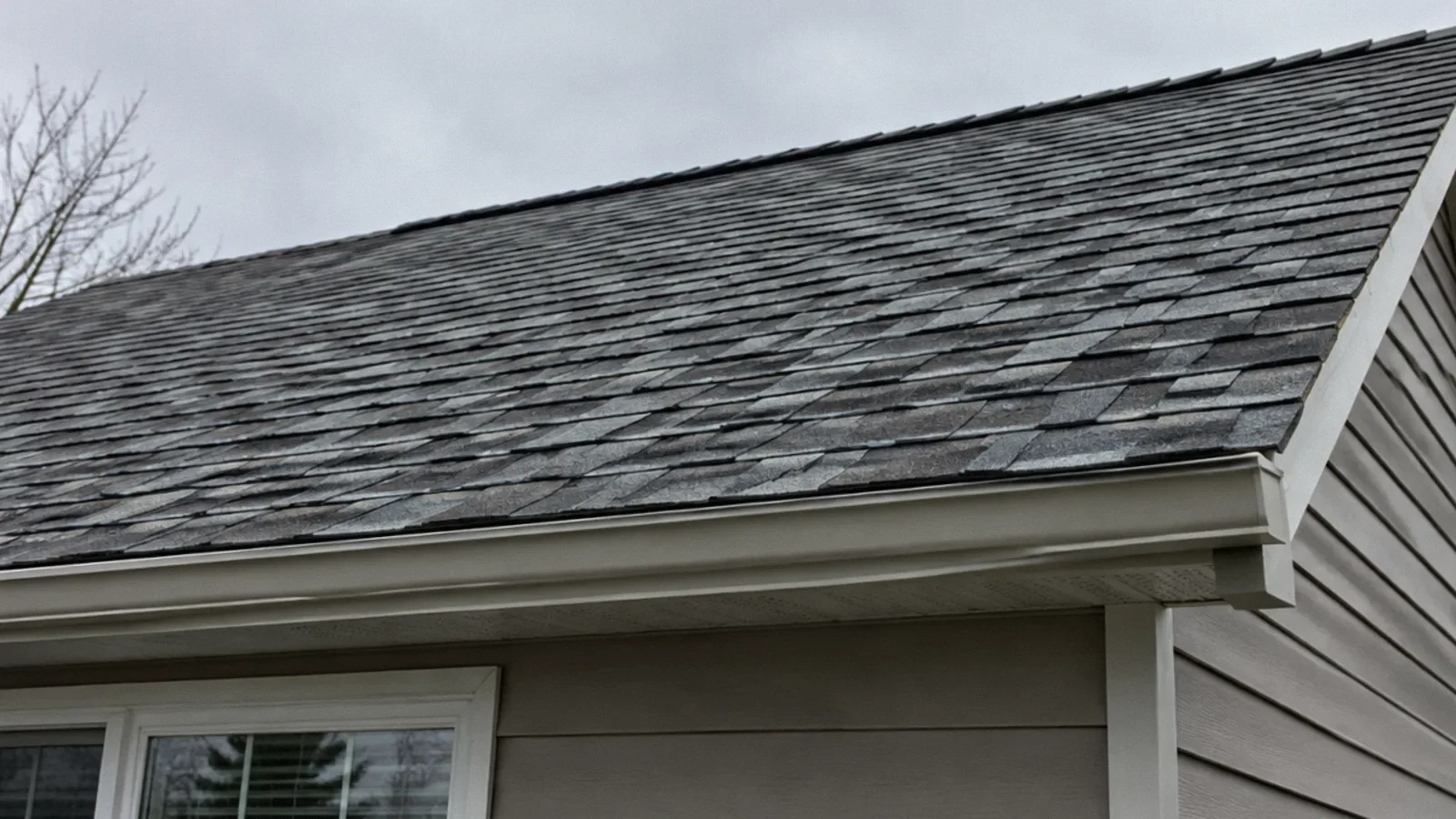
Architectural shingles are a type of asphalt shingle, usually made in a laminated design. The useful comparison is often architectural versus three-tab asphalt shingles. Appearance, product ratings, warranty and total installed cost depend on the specific products and roof.
What is an asphalt shingle roof?
An asphalt shingle roof uses overlapping shingle units as the visible outer roof covering. The roof is a system: the deck, underlayment, flashing, ventilation and installation details also matter. Asphalt shingles come in several designs, including three-tab and laminated architectural products.
A product’s performance depends on the particular shingle, tested assembly, roof slope and installation. Ask a roofing professional to assess the whole system, including penetrations and damaged decking, before choosing a repair or replacement. Do not walk on a wet or damaged roof to identify the shingle.
Architectural is a style of asphalt shingle
The terms are often presented as if they describe competing materials. In fact, the Asphalt Roofing Manufacturers Association identifies laminated shingles, also called architectural or dimensional shingles, as one category of asphalt shingle. Three-tab is another asphalt shingle format.
Composition roofing is a broad everyday term often used for asphalt shingles; ask the contractor for the precise manufacturer, product and specifications. A product label is more useful than assuming every roof called architectural has identical construction or performance.
Compare the appearance
A three-tab product generally presents a flatter, more regular pattern. Laminated architectural products use multiple layers to create a more dimensional appearance. Color and texture vary widely in both categories, and a small sample may look different across a full roof in changing light.
Review actual manufacturer samples and, where available, a completed roof using the same product and color. Consider the home’s trim, surroundings and any applicable community rules. Avoid choosing on a sales description alone; ask what will be installed in writing.
Compare product ratings rather than names
Wind, impact and fire performance depend on a specific product and tested roof assembly, not simply on the word architectural. Ask for the manufacturer’s current data and the relevant rating for the proposed installation. Local requirements and conditions can influence which products are appropriate.
The Asphalt Roofing Manufacturers Association explains that fire classifications refer to an assembly and that Class A is the highest listed class. A classification for one combination should not be assumed for a different deck, underlayment or installation. Verify the actual system with the contractor and local authority.
The complete roof system matters
Shingles work with underlayment, flashing, starter and ridge materials, ventilation and the roof deck. A leak can result from a detail around a penetration or wall, not only from the field shingles. A proposal should describe how these components will be handled and how existing damage will be assessed.
Do not climb onto a roof to compare products. An insured qualified roofer can inspect the slope, decking and penetrations and explain safe repair or replacement options. If there is an active leak, protect occupants and belongings and arrange an appropriate inspection.
Cost and warranty comparisons
Installed price includes materials, labor, tear-off when needed, disposal, flashing, deck repairs and other project details. A lower per-bundle price does not necessarily mean a lower total project cost. Obtain written estimates for the same scope and identify allowances for concealed decking damage.
Compare the specific manufacturer’s warranty and the installer’s workmanship coverage, including registration, exclusions and transfer terms. Warranty duration is not a guaranteed service life. Proper installation, weather, maintenance and the condition of the rest of the system all matter.
Roof shape, slope and local requirements
A shingle must be approved for the roof’s slope and installed under the manufacturer’s instructions and applicable local requirements. Penetrations, valleys, complex geometry and access can affect labor and material quantities. Ask the contractor to identify any permit or inspection requirements for the actual property.
In areas with wildfire exposure or other local hazards, ask about the applicable roof assembly requirements rather than assuming a national description covers the property. A local building department or qualified professional can clarify what applies.
Questions for a roofing contractor
Ask for the full product name, color, rating documentation and proposed underlayment and flashing. Request an explanation of how existing decking damage will be priced, what cleanup includes and who handles permits if required. Check the contractor’s license and insurance through the appropriate state and insurer channels.
Compare written proposals on the same scope. A bidder who plans to reuse a component may have a lower initial price but a different finished system. Ask how the contractor will protect the property and address an unexpected leak during the work.
Repair or replace?
A few damaged shingles may be repairable when compatible materials and a sound surrounding roof are available. Widespread deterioration, repeated leaks or deck damage can make a broader project appropriate. The decision requires an inspection; a shingle style by itself does not determine whether replacement is necessary.
Document visible indoor water damage and avoid electrical hazards. Discuss the findings and urgency with a qualified roofer, and check insurance terms if a sudden event caused damage. Cosmetic age and an active leak are different issues and should be evaluated separately.
Your next-step checklist
- Compare architectural with three-tab products, both asphalt shingles.
- Request the exact product and roof assembly specifications.
- Compare complete written scopes and warranty terms.
- Use a qualified roofer for roof inspection and work.
Related questions
Are architectural shingles asphalt shingles?
Yes. Architectural or dimensional shingles are a type of laminated asphalt shingle.
Are architectural shingles always more wind resistant?
Not necessarily. Compare the tested rating and installation requirements for the exact products and assemblies.
Do architectural shingles guarantee a longer roof life?
No. Actual life depends on the product, installation, weather and maintenance; warranty duration is not a guaranteed lifespan.
What is composition roofing?
The term is often used for asphalt shingle roofing, but ask the contractor to identify the exact product and assembly.
Sources & context
Public guidance supports the principles in this article. The practical questions and examples are editorial interpretation, not a site assessment or a coverage decision. State-specific rules apply only where identified.
- Asphalt Roofing Manufacturers Association: Asphalt roofing systemsindustry guidance
- Asphalt Roofing Manufacturers Association: Product and test standardsindustry guidance
- ENERGY STAR: Cool roofing materialsfederal guidance