Yes. Spray foam and the building materials next to it can be exposed to water. Open-cell and closed-cell products differ in how readily they transmit water and water vapor, but neither label proves that a wet assembly is dry or undamaged. Stop the water source and have the foam and adjoining materials assessed before closing the assembly.
What matters when foam gets wet
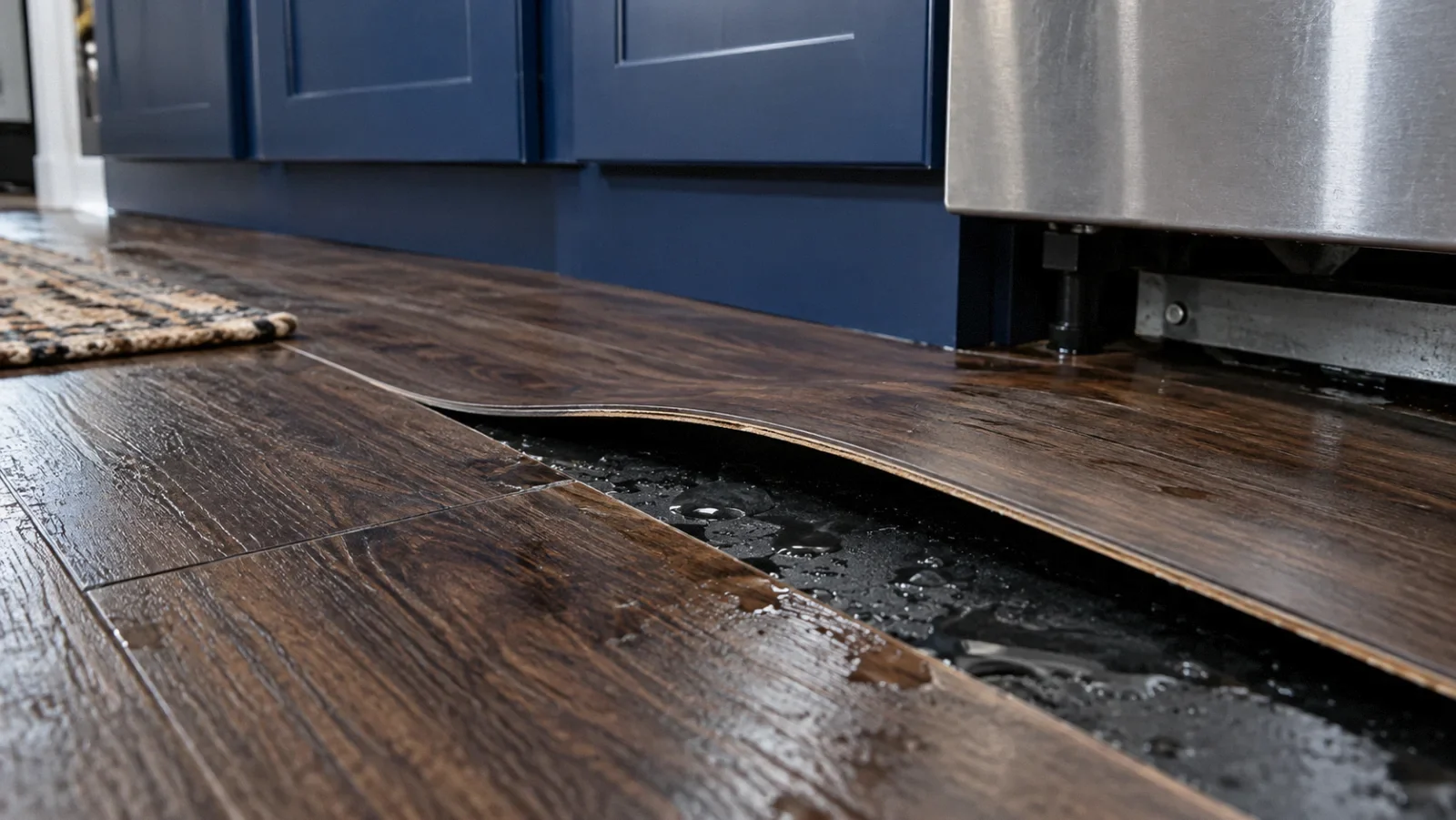
Spray polyurethane foam is installed against other building materials, often in a wall, roof or floor cavity. A roof leak, plumbing failure, flood or condensation can wet the assembly. The practical question is not just whether the visible foam feels dry. Water may also have reached framing, sheathing, drywall, fasteners or an inaccessible cavity. How long the materials were wet, the source of the water and whether they can be inspected all affect the response.
First stop or isolate the water source if this can be done safely. Avoid entering an area with standing water near electrical equipment, a sagging ceiling or other apparent hazards. A plumber, roofer or other qualified professional can address the source. For sewage or floodwater, use a restoration professional experienced with contaminated water. Do not assume that drying alone makes contaminated materials clean.
Open-cell and closed-cell foam behave differently
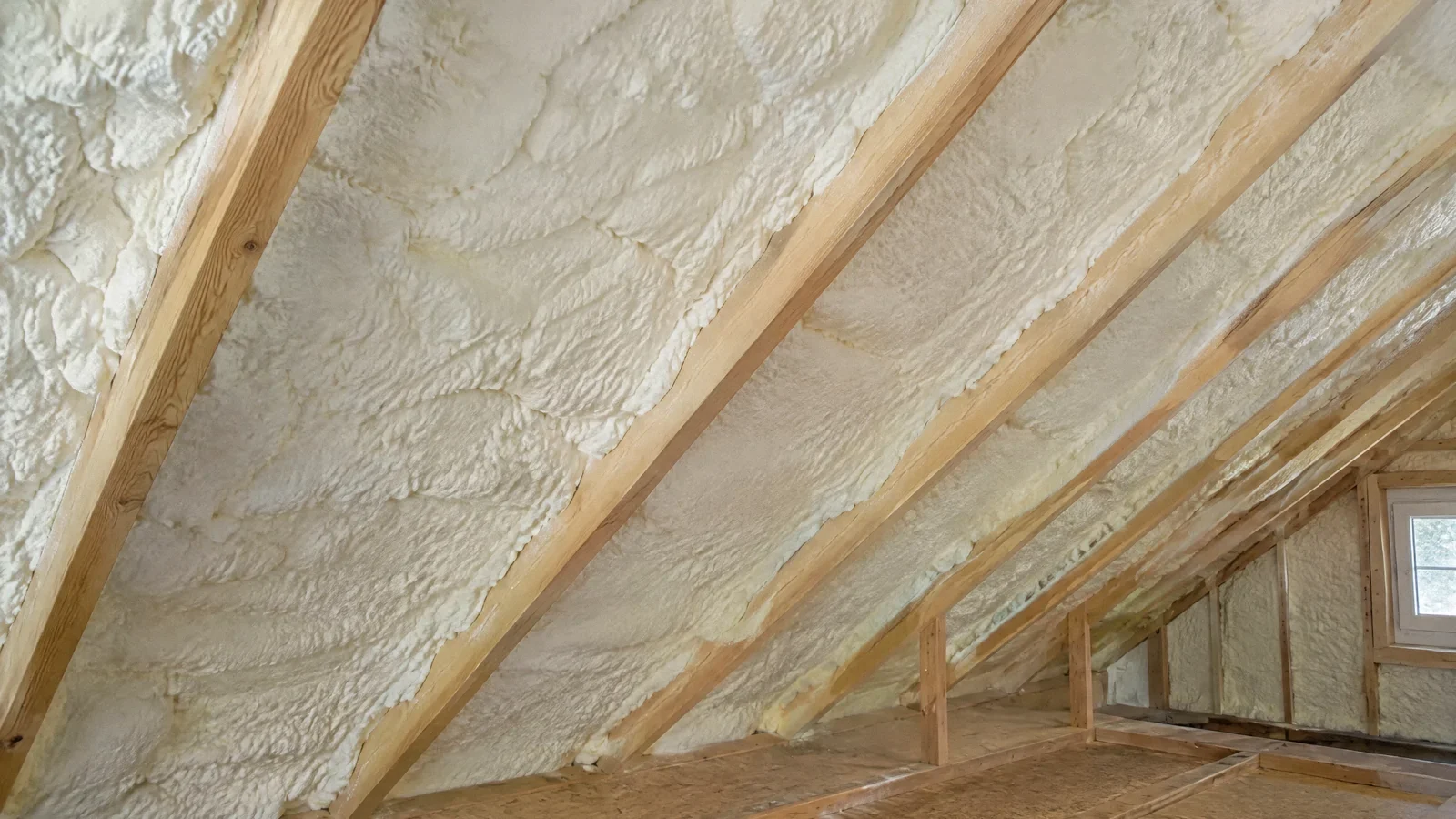
Open-cell and closed-cell are broad categories, not a complete specification for an individual product. Open-cell foam generally has a more open structure and greater vapor permeability. Closed-cell foam is denser and generally offers greater resistance to water-vapor movement at a given thickness. Actual performance depends on the product, installed thickness and assembly. Consult the product data and installer rather than treating the names as a universal waterproof rating.
A water-resistant layer may slow movement of water, yet moisture can reach adjacent materials through joints, gaps or other paths. Closed-cell foam can also make it harder to see and dry a wet surface behind it. Conversely, water in an open-cell assembly does not automatically establish that every part must be removed. A professional should assess the actual extent, contamination, adhesion and condition of the assembly.
The Department of Energy’s spray foam guide discusses differences in properties and cautions that assemblies must be designed for their climate and moisture conditions. A product’s vapor resistance is not the same thing as proof that a roof cannot leak. The foam’s appearance alone cannot verify the moisture content of hidden wood or sheathing.
How to investigate the affected area
Record when the leak was discovered, its likely source, and how long water may have been present. Photograph accessible conditions without disturbing insulation or entering an unsafe attic or crawlspace. Note stains, odors, damaged finishes and where water appeared. This record can help the repair and restoration teams trace the path of water and communicate with an insurer.
Ask an experienced professional to determine which materials are wet, whether the water was clean, and whether the assembly can be inspected without creating additional hazards. Moisture measurements can help locate and monitor damp building materials, but the method must fit the material and location. A single reading on the foam surface does not establish that concealed sheathing is dry. A limited, planned opening may be needed to assess hidden conditions; leave that decision and work to a qualified professional.
Ask how drying progress will be measured, which adjacent materials need inspection, and what evidence will support closing the wall or roof. If the building is older, discuss possible lead paint or asbestos before disturbing finishes. Do not cover a wet or moldy surface with new finish, paint or additional foam.
Dry, clean or replace?
There is no reliable universal answer based only on the words open-cell or closed-cell. A small amount of clean water that is found promptly may permit drying and retention after a competent assessment. Foam that is contaminated, damaged, detached or prevents inspection and drying of affected materials may need removal. The professional should explain the decision for the particular product and assembly.
EPA recommends prompt drying of wet materials, ideally within 24–48 hours when possible, to reduce mold risk. That interval is not a guarantee: moisture can remain hidden, and mold growth depends on conditions. Where mold has developed, the response includes correcting moisture and cleaning or removing affected materials as appropriate. Porous materials that cannot be thoroughly cleaned and dried may need replacement.
Floodwater and sewage introduce an additional contamination problem. Avoid relying on household fans or a surface spray to make the assembly safe. Keep people away from affected areas and ask a specialist experienced with contaminated water to assess the materials, protective measures and disposal.
Before insulation or finishes go back
Confirm that the source has been repaired and that the professional has documented the condition of adjoining wood, sheathing and other affected materials. Ask for the drying criteria, measurements where appropriate, and any remaining limitations. If foam must be replaced, use a qualified installer and select a product and assembly suitable for the building and climate. Installation requirements and reentry guidance belong to the product and installer; occupants should not remain in an active application area without following those instructions.
Recheck the repaired area after the next relevant weather event or normal use of the affected plumbing. Recurring staining or odor warrants another investigation. Keep the inspection and repair records with photographs so that later changes can be compared with the original damage.
Your next-step checklist
- Stop the water source when safe and avoid electrical or structural hazards.
- Record the water source, timing and visible damage.
- Have foam and adjoining materials assessed, including concealed areas.
- Use experienced help for floodwater, sewage or significant mold.
- Document drying and repairs before closing the assembly.
Related questions
Is closed-cell foam waterproof?
Closed-cell foam generally resists water and vapor more than open-cell foam, but the performance of a specific product and assembly varies. Adjacent materials can still become wet.
Does wet spray foam always need replacement?
Not necessarily. The source, contamination, material condition and ability to inspect and dry the assembly determine the appropriate response.
Can I judge dryness by touching the foam?
No. A dry-looking surface does not establish that concealed sheathing or framing is dry.
Sources & context
Public guidance supports the principles in this article. The practical questions and examples are editorial interpretation, not a site assessment or a coverage decision. State-specific rules apply only where identified.