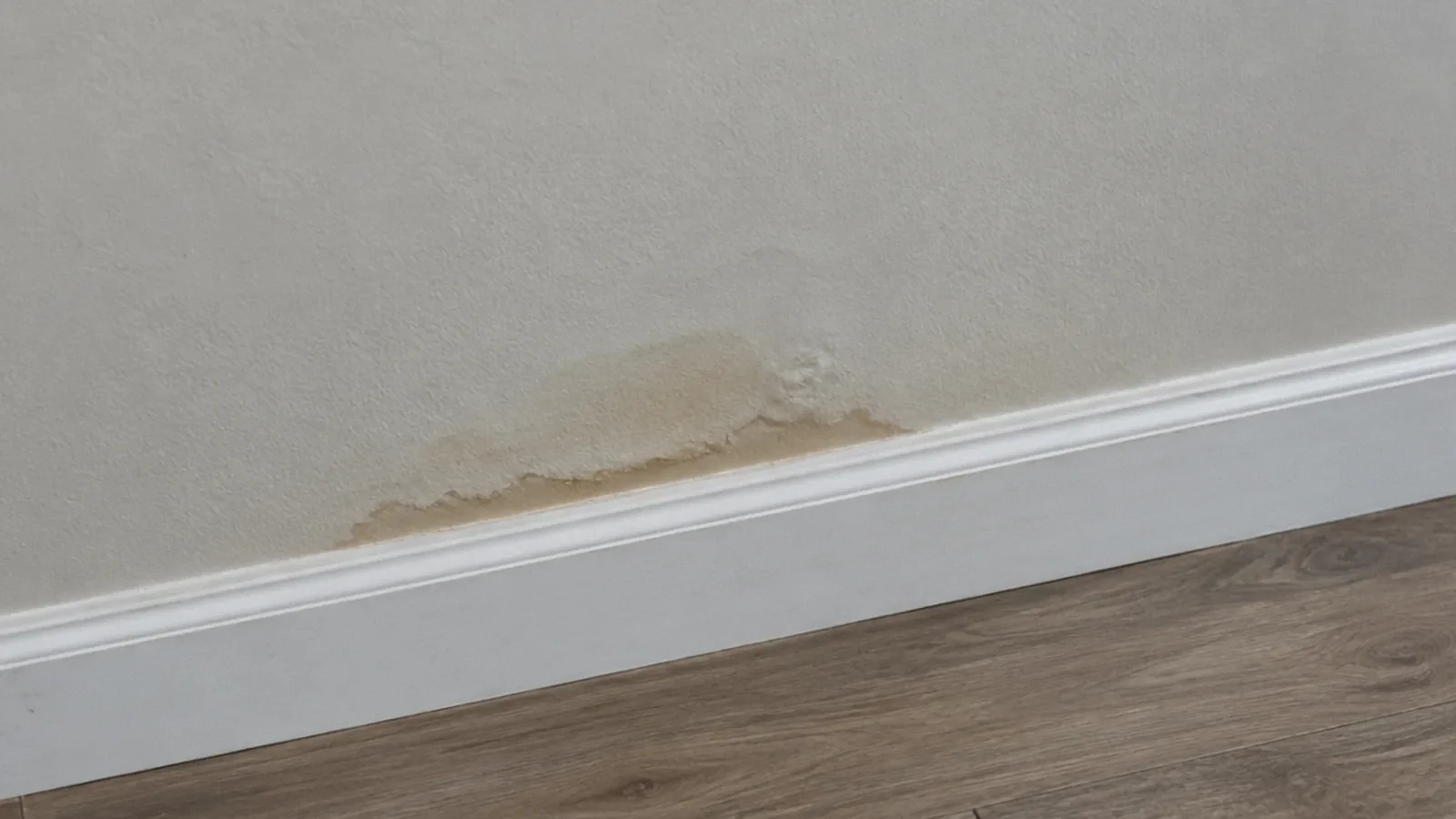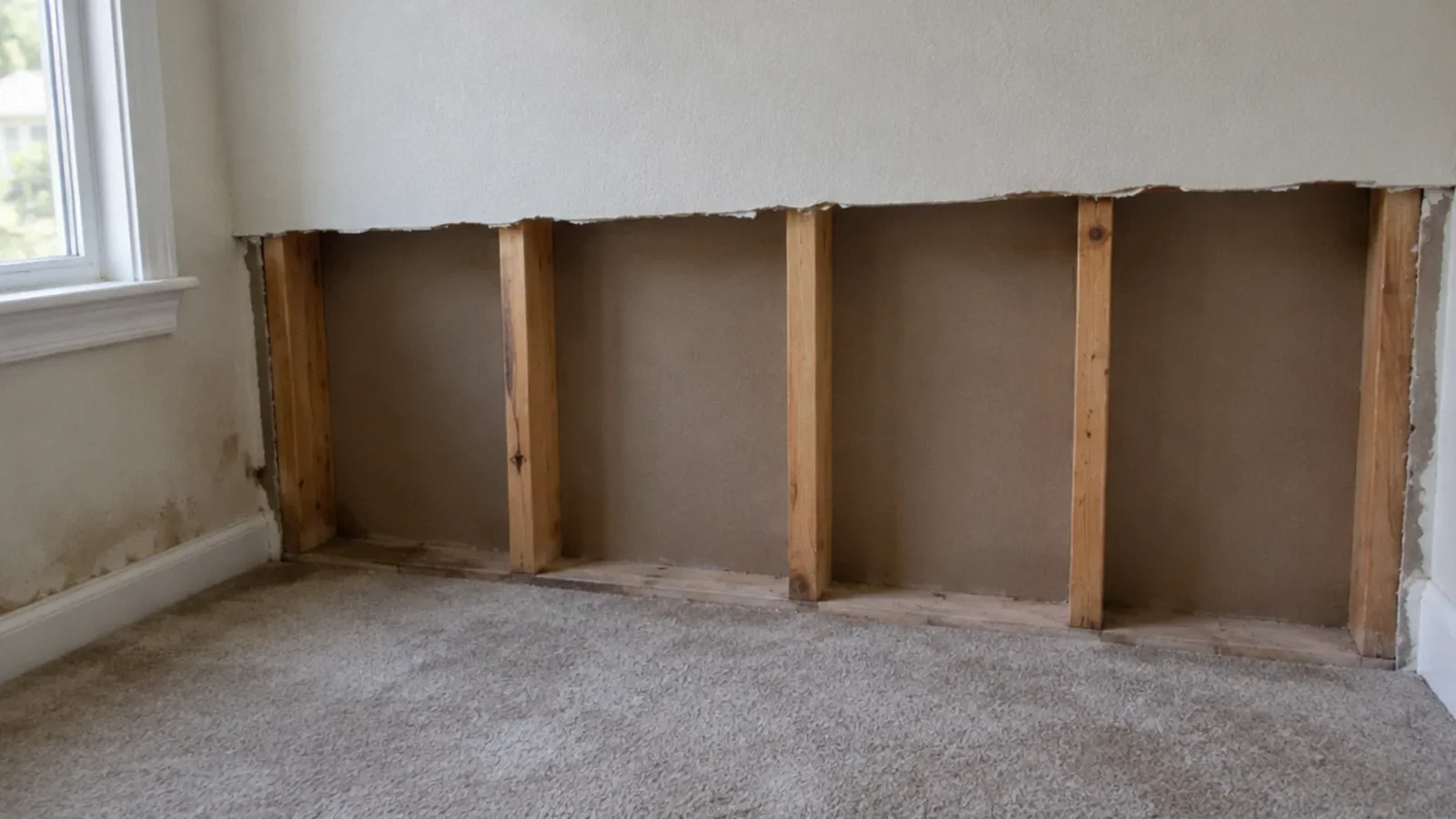
A flood cut is removal of a lower section of wall material to reach wet or contaminated layers and prepare the assembly for cleanup and repair. The appropriate height depends on the water source, material condition, moisture and the repair plan. There is no single cut height that proves every wall is clean or dry.
What a flood cut means
After water enters a building, a restoration crew may remove a horizontal section of drywall from the lower wall. The opening can expose framing, insulation and the back of the wall for assessment, removal of damaged material, cleaning and drying. A cut is a method of gaining access, not a complete restoration by itself.
The term is often used after flooding but may also appear in other water-damage estimates. Ask which wall faces and rooms are included, what materials will be removed and why the proposed access is needed. A small surface stain does not automatically establish the full extent behind it.
Why open the wall?
Water can travel behind baseboards, soak insulation and wet framing or the opposite side of drywall. Contaminated floodwater may leave residues in concealed spaces. EPA notes that flooded buildings may require removal of wall, insulation and other materials to address contamination and moisture.
A wall opening allows the team to inspect the actual assembly rather than relying only on the visible waterline. The source still needs repair, and affected retained surfaces need an appropriate cleaning and drying plan. A neat cut alone is not proof that the hidden cavity is ready to close.
How high should the cut be?
The height depends on how far water, contamination and damage traveled, the wall construction, measurements and the practical repair plan. A field guide may describe cutting at a standard sheet height in a particular situation, but a convenient measurement is not a universal clearance rule.
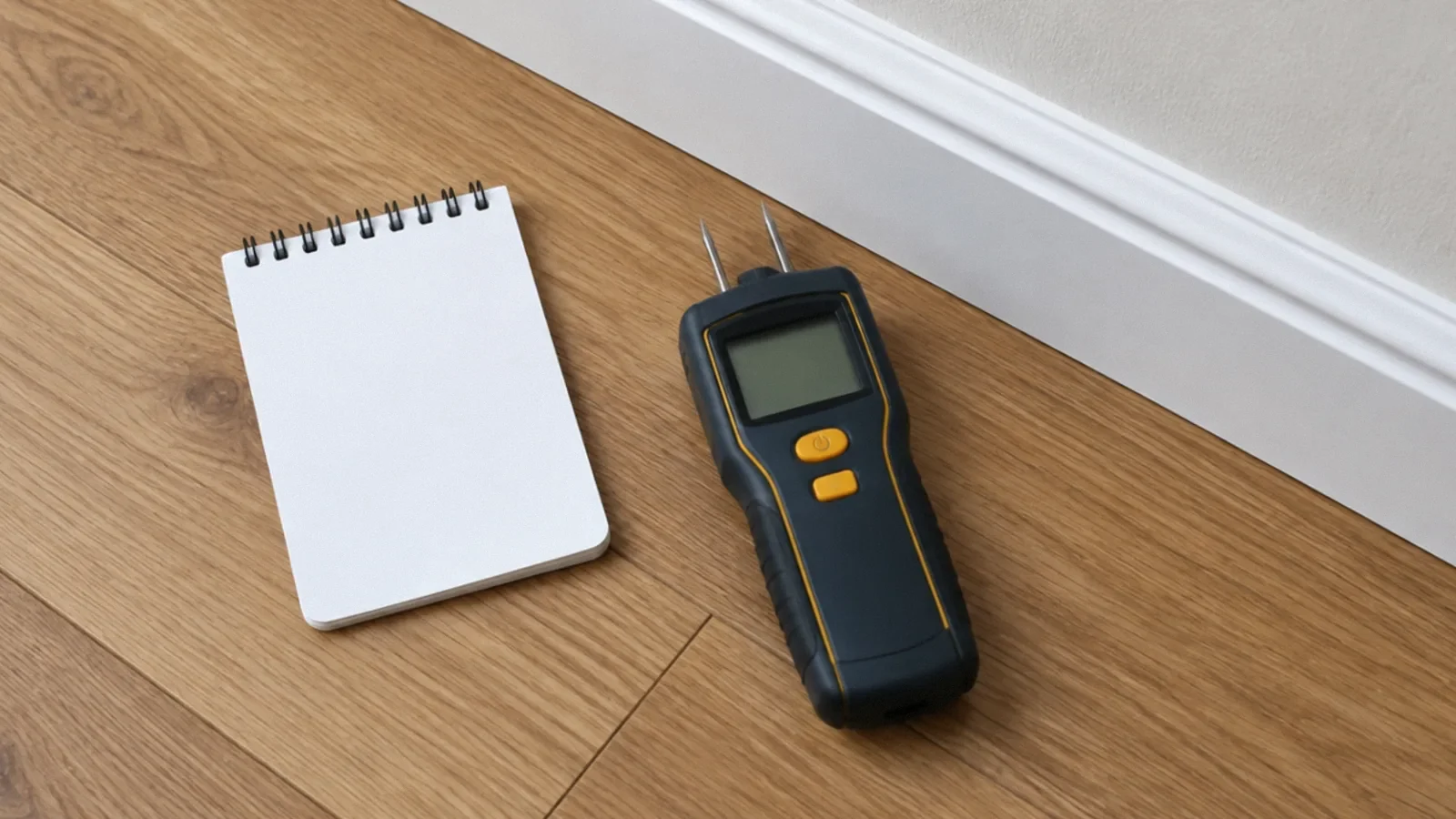
Ask the contractor to explain the evidence for the proposed boundary and how the scope will change if wet insulation, staining or growth extends farther. Adjacent walls, cavities and the other side of a partition may need separate checks. Record the measured conditions and any scope change.
Clean water and floodwater differ
A short clean-water event is not the same as a wall soaked by sewage or outside floodwater. The water source, contact with other materials and elapsed time affect contamination and salvage decisions. EPA guidance describes removing drywall saturated by contaminated floodwater; decisions for other losses require an assessment of their conditions.
Porous insulation and wallboard can be difficult to clean and dry thoroughly. Do not assume that every wet board must be removed or that all visibly dry board can stay. The contractor should explain the material-specific decision and the basis for it.
Safety before cutting
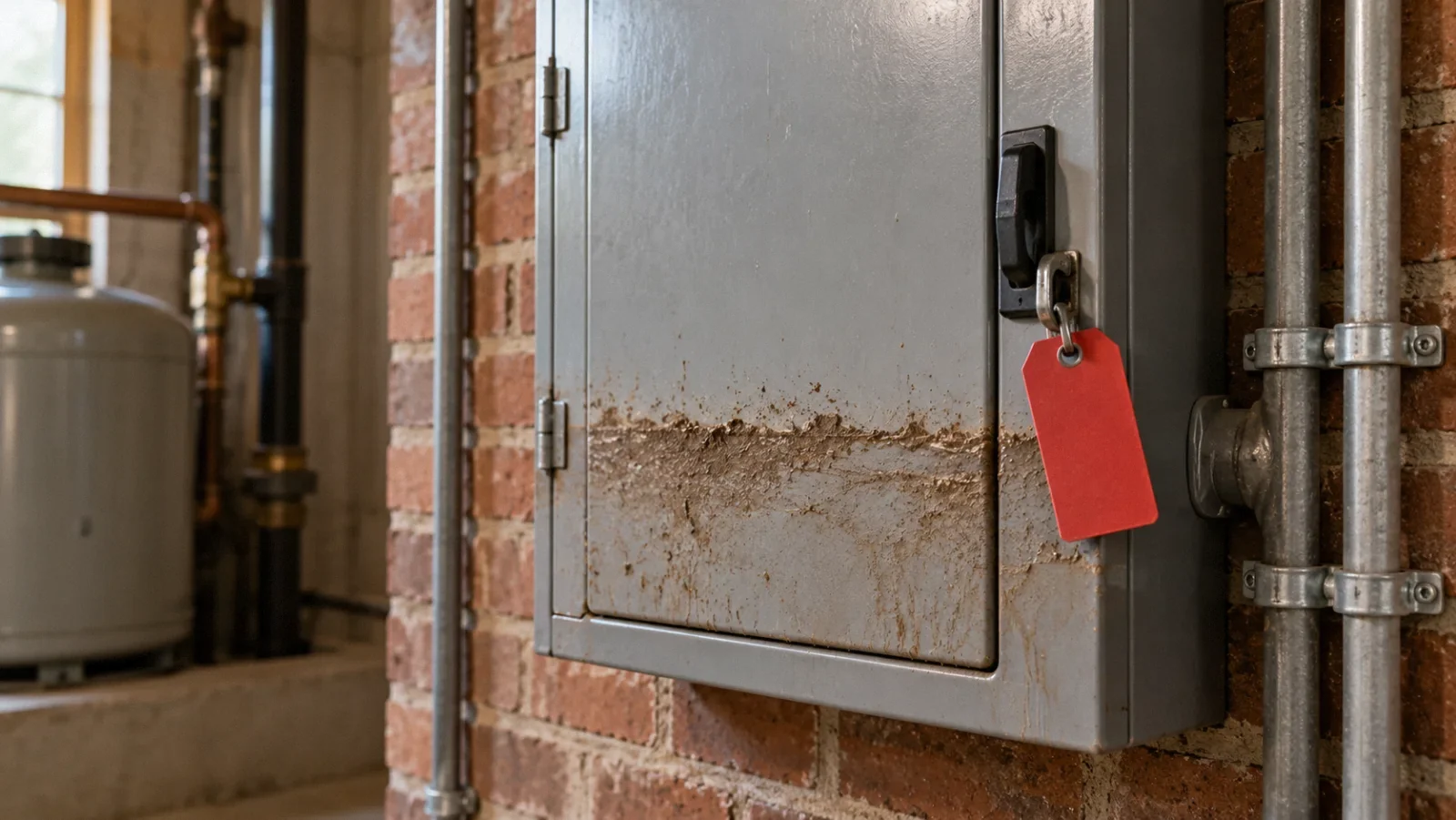
Walls may contain electrical wiring, outlets, plumbing and structural components. Wet electrical equipment can be dangerous even after the surface appears dry. Do not cut into a wall, touch wet outlets or operate a wet electrical panel; have qualified personnel isolate and evaluate electrical hazards.
Older paint, joint compound, plaster and insulation can contain lead or asbestos. EPA and CDC advise accounting for hazardous materials before disturbing damaged building materials. Use qualified professionals and applicable local procedures; a water emergency does not make dust exposure harmless.
What happens after removal
A suitable plan may include containment, careful debris handling, removal of damaged insulation, cleaning of retained surfaces and controlled drying. The methods depend on the water and assembly. Ask where debris will go and how unaffected rooms will be protected from dust or contamination.
Drying requires access to the actual wet layers and appropriate monitoring. A contractor should document the moisture goal, method and locations checked. Do not replace insulation or close the wall merely because a fixed number of days has passed.
Before reconstruction
Confirm the source repair and review the condition of framing, electrical components and remaining material. If required, complete independent verification or other agreed checks while the cavity is still accessible. Discuss permits, inspections and lead-safe or asbestos-related requirements with qualified professionals.
Reconstruction may include insulation, drywall, baseboards, texture and paint. Ask whether those items are in the restoration quote or a separate estimate. Take photographs and keep the work scope, readings and approvals for your records and any insurance claim.
Your next-step checklist
- Confirm the source and water type.
- Keep clear of electrical and structural hazards.
- Assess lead or asbestos before disturbing suspect materials.
- Ask how the cut boundary and drying goals were chosen.
- Verify the cavity before reconstruction.
Related questions
What is a flood cut?
It is removal of part of a wall, often the lower drywall, to access wet or contaminated layers for assessment, cleanup and repair.
Is there one required flood-cut height?
No universal height fits every wall. The water source, affected material, moisture and repair plan determine the scope.
Does every water-damaged wall need a flood cut?
Not necessarily. The decision depends on the source, condition and access needed to clean and dry the assembly.
Can I cut drywall near a wet outlet?
Do not disturb a wall with a possible electrical hazard. Have qualified personnel assess and isolate the equipment first.
Sources & context
Public guidance supports the principles in this article. The practical questions and examples are editorial interpretation, not a site assessment or a coverage decision. State-specific rules apply only where identified.
- EPA: Dealing with debris and damaged buildingsfederal guidance
- EPA and FEMA: Flood cleanup and wall removalfederal flood guidance
- CDC: Flood and storm damage inspectionfederal safety guidance
- EPA: Mold course and wall cavitiesfederal guidance