Stop the water source, assess the wall and floor behind the trim, and dry affected materials. Swollen MDF or contaminated and unsound trim commonly needs replacement; a superficial mark on sound, dry material may be repairable.
Why baseboards show water damage
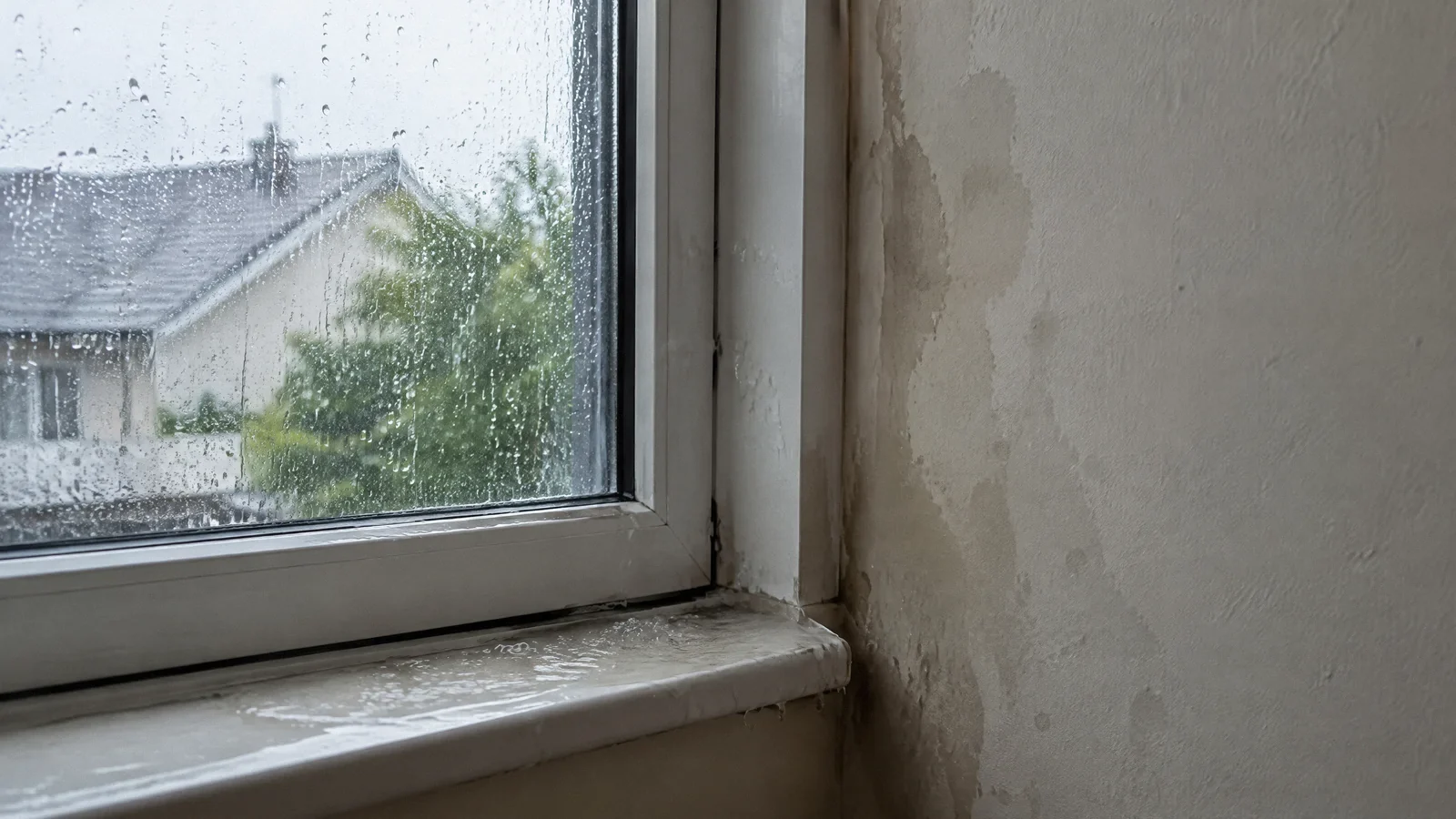
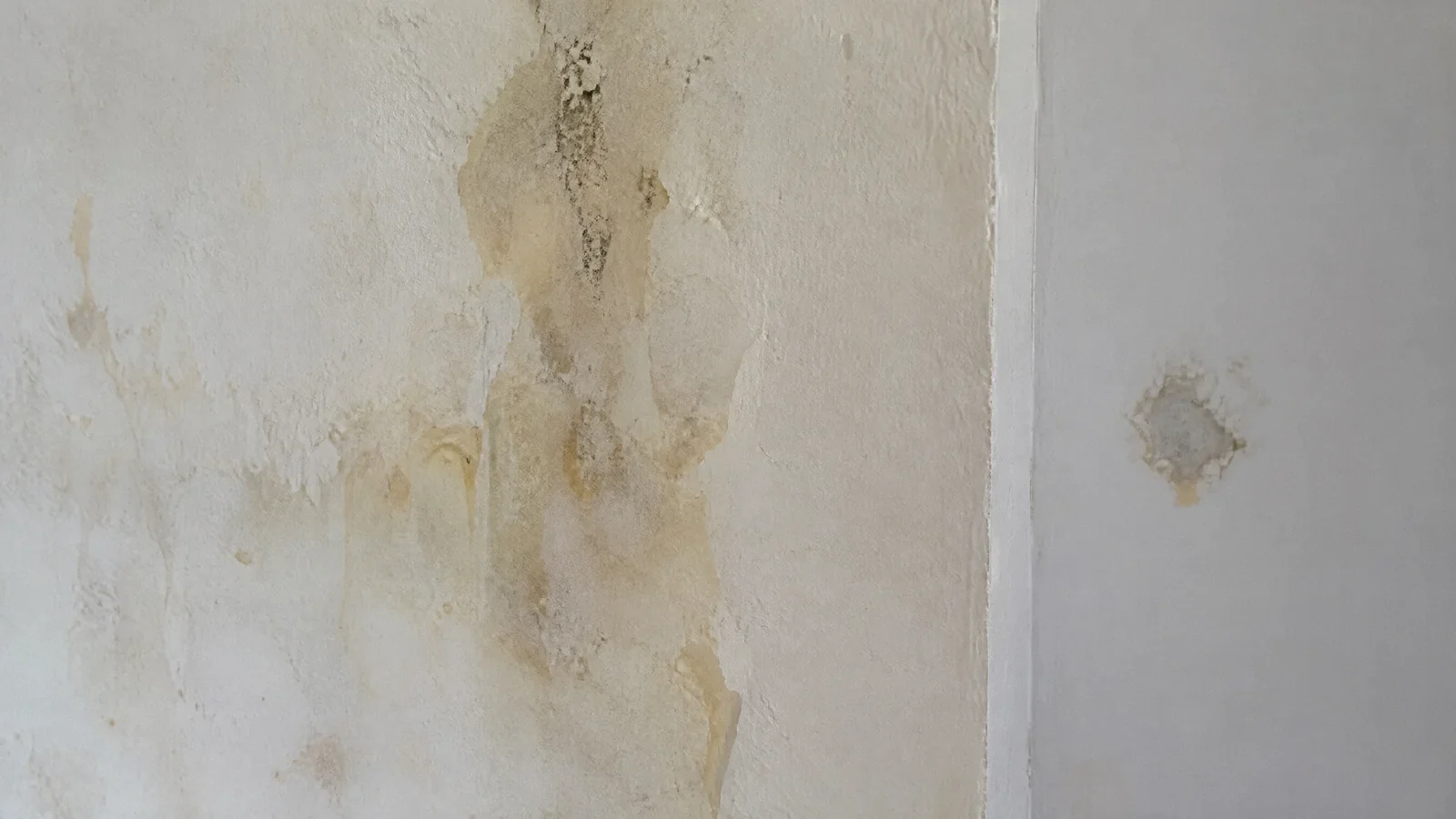
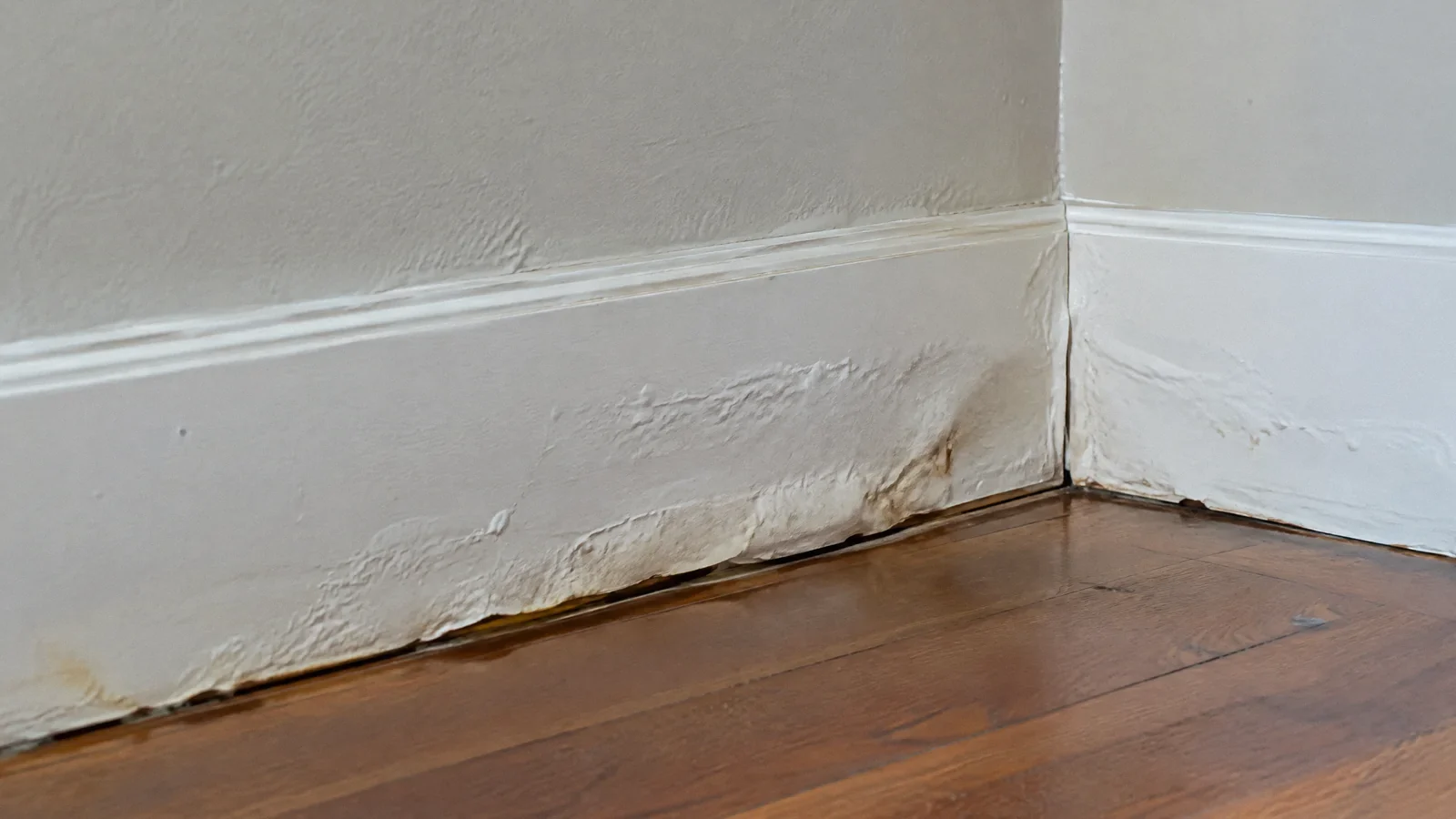
Baseboards sit where walls and floors meet, so they can be exposed to water from a floor spill, bathroom fixture, leaking pipe, exterior wall, or condensation. A swollen lower edge, peeling paint, a stain, or a softened section is a reason to investigate. Water may also be present behind the trim, in drywall, or beneath flooring even when the visible mark is small.
The goal is to stop the source, assess the materials, and dry or replace what was affected. A new coat of paint or caulk can conceal the mark without fixing a leak. The appearance of a stain does not establish whether mold is present, how long the area has been wet, or where the water entered.
Find the source and keep the area safe
Note when the baseboard becomes wet. In a bathroom, water appearing after a shower could involve a splash, fixture, enclosure, drain, or plumbing connection; water after rain near an exterior wall points to a different investigation. Do not assume the nearest visible fixture is the cause. Water can travel behind finishes and appear some distance from its entry.
Keep clear of electrical outlets and equipment affected by water, sagging materials, and suspected sewage. Do not enter standing water to reach a switch. If a fixture has an accessible shutoff and it is safe to use, stop its supply; otherwise call a plumber or property manager. Photograph the damage and note timing before repairs when safe, and notify the insurer if you intend to ask about coverage.
MDF, wood, and other materials
Medium-density fiberboard (MDF) consists of manufactured wood fibers and can swell or lose its smooth profile when wet. Swelling and crumbling generally make a section a candidate for replacement, even after it dries; check the product's instructions. Solid wood may be capable of drying if sound and not contaminated, but warping, split joints, coating damage, or persistent moisture can make replacement more practical.
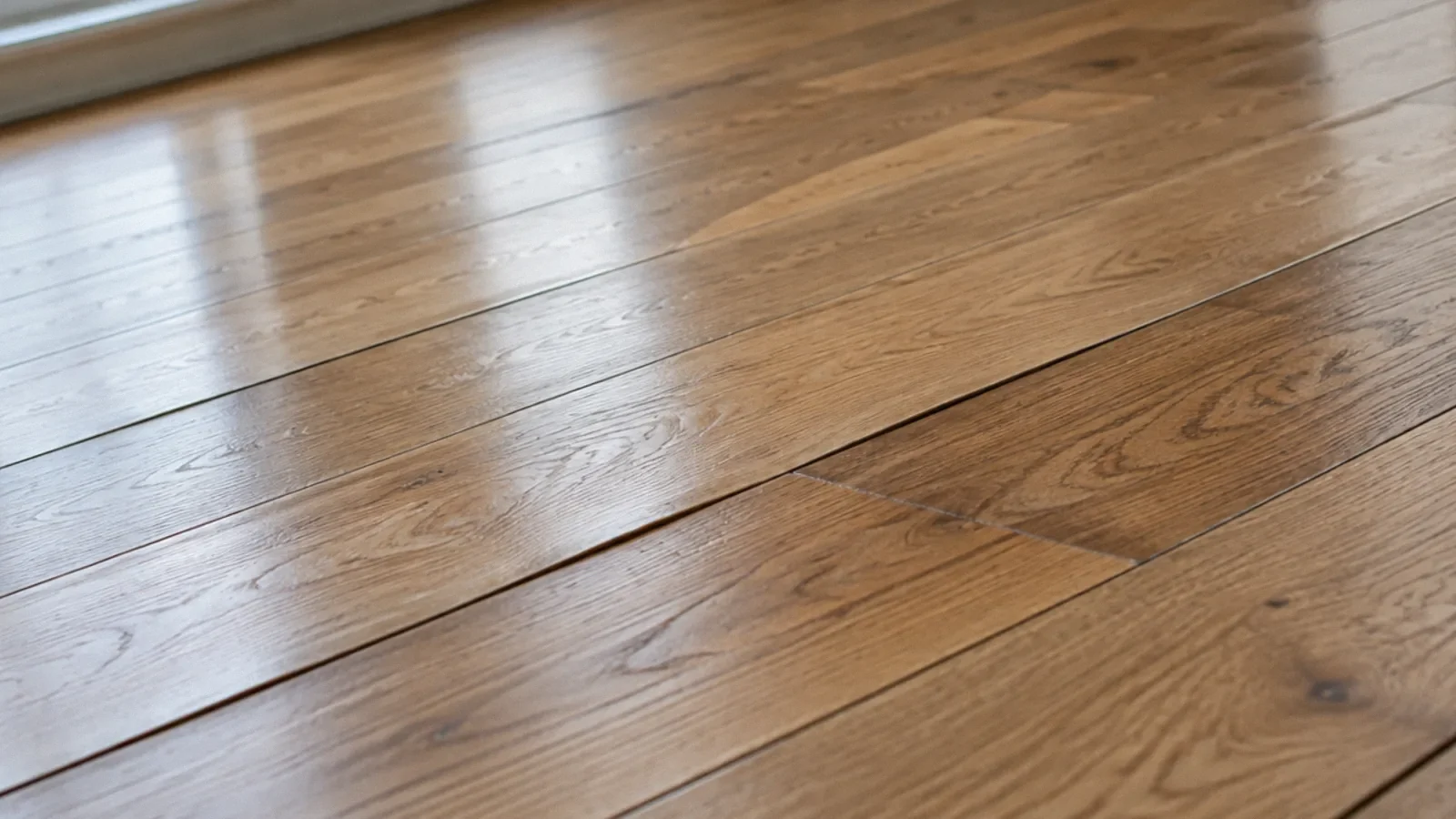
Plastic or other nonporous trim may withstand moisture differently, but the wall and floor behind it can still be wet. Identify the material rather than assuming all baseboards can be repaired in the same way. Floodwater, sewage, and water of unknown cleanliness change the assessment because contamination can remain in porous materials and concealed cavities.
Assess the wall and floor, not just the trim
A restoration professional can check adjoining drywall, framing, flooring, and the subfloor and determine whether the trim needs to be removed for access. Moisture readings and a record of affected areas can help guide and monitor drying. A reading alone does not identify the source or prove that mold is present. Ask what areas were inspected and which remain concealed.
Before disturbing old paint or building material, consider whether lead-based paint or asbestos may be present. EPA advises seeking trained assistance if such materials are damaged or will be disturbed. Do not cut into a wall when wiring, plumbing, or contaminated material may be concealed. Suspected hidden mold also warrants caution because disturbance can spread it.
Repair or replace after the cause is fixed
For a small, clean-water incident, sound trim and adjacent materials may be dried and evaluated for a cosmetic repair once fully dry. Loose coating or a superficial mark may require preparation and refinishing according to the material and paint manufacturer's directions. Do not paint or caulk over mold or a damp surface. If the trim remains swollen, soft, distorted, or contaminated, replacement is usually the more useful option.
Where trim is removed, the professional should inspect and dry the exposed assembly before installing replacement. Match the profile and material to the room and confirm that the wall and floor are ready. In a bathroom, correct the actual leak and follow the relevant fixture and finish instructions; sealing every gap indiscriminately is not a substitute for drainage, ventilation, or a plumbing repair.
Drying, cleanup, and follow-up
EPA recommends acting quickly on wet materials and drying them within 24 to 48 hours where possible to reduce mold growth. This is a prompt-action target, not a promise that a closed wall will be dry in that time. Porous materials that cannot be adequately cleaned and dried may need removal. EPA recommends experienced professional help for sewage or other contaminated water.
Ask for the source repair and drying measurements to be documented. After the area is restored, watch during the conditions that previously caused wetness. A recurring stain, swollen replacement trim, or musty odor deserves another investigation. A separate guide covers the broader question of water intrusion through walls and floors.
Your next-step checklist
- Record where and when the trim gets wet.
- Avoid electrical and contaminated-water hazards.
- Repair the source and inspect adjacent materials.
- Verify drying before refinishing or replacement.
Related questions
Can swollen MDF baseboard be repaired?
Swelling can permanently distort the profile. Replacement is often appropriate when MDF is swollen, soft, or crumbling; follow the product guidance.
Does a baseboard stain mean mold?
No. A stain indicates possible moisture exposure but does not identify mold. Investigate the source and any concealed wet material.
Sources & context
Public guidance supports the principles in this article. The practical questions and examples are editorial interpretation, not a site assessment or a coverage decision. State-specific rules apply only where identified.
- A Brief Guide to Mold, Moisture and Your Homegovernment
- Dealing with Debris and Damaged Buildingsgovernment
- Mold Course: Hidden Moldgovernment