Water damage is deterioration caused by moisture; mold is fungal growth that can develop on damp materials. They can occur separately or together. Color alone cannot identify mold. Correct the moisture source and assess affected materials.
Read the signs without diagnosing by color
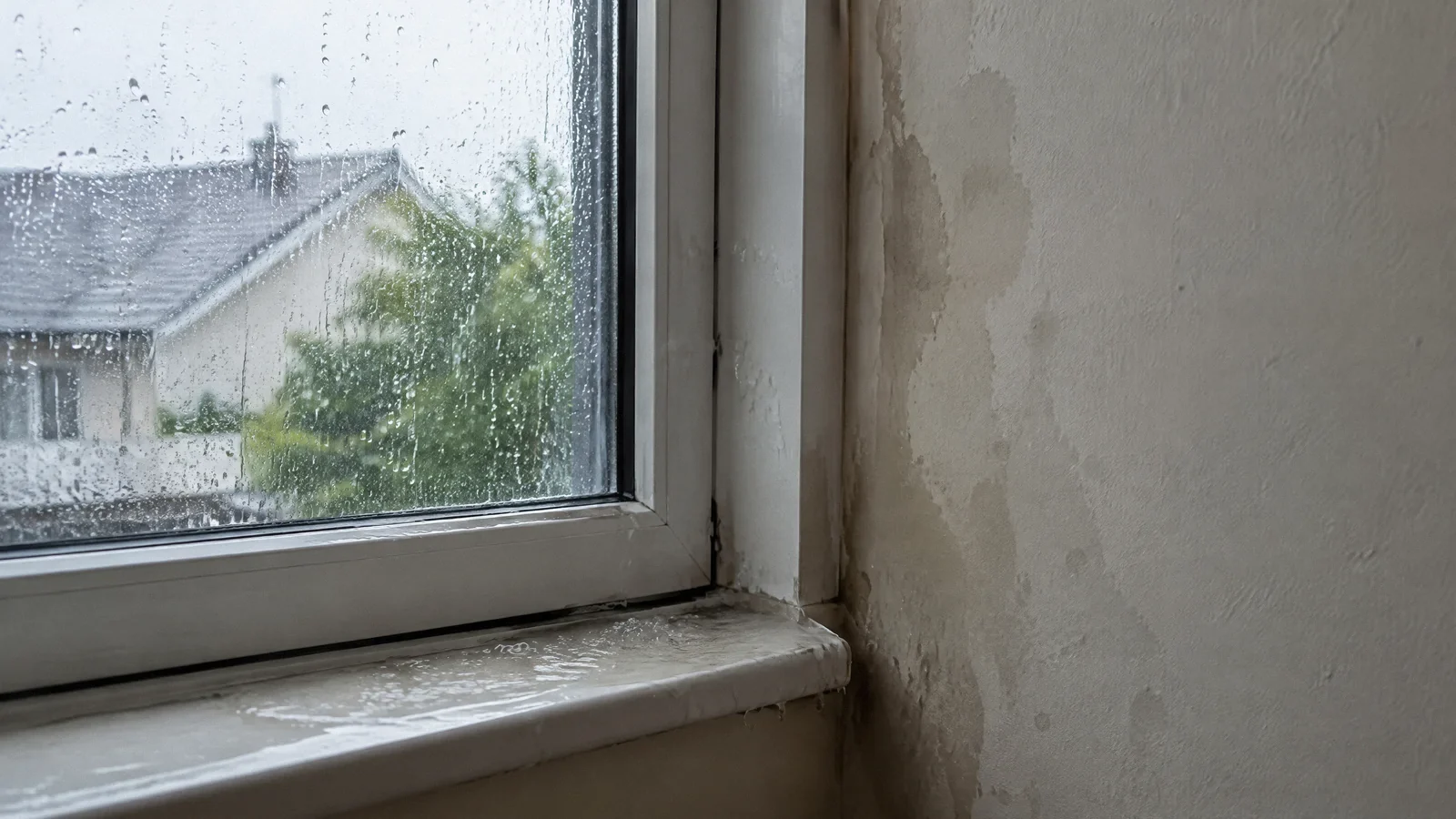
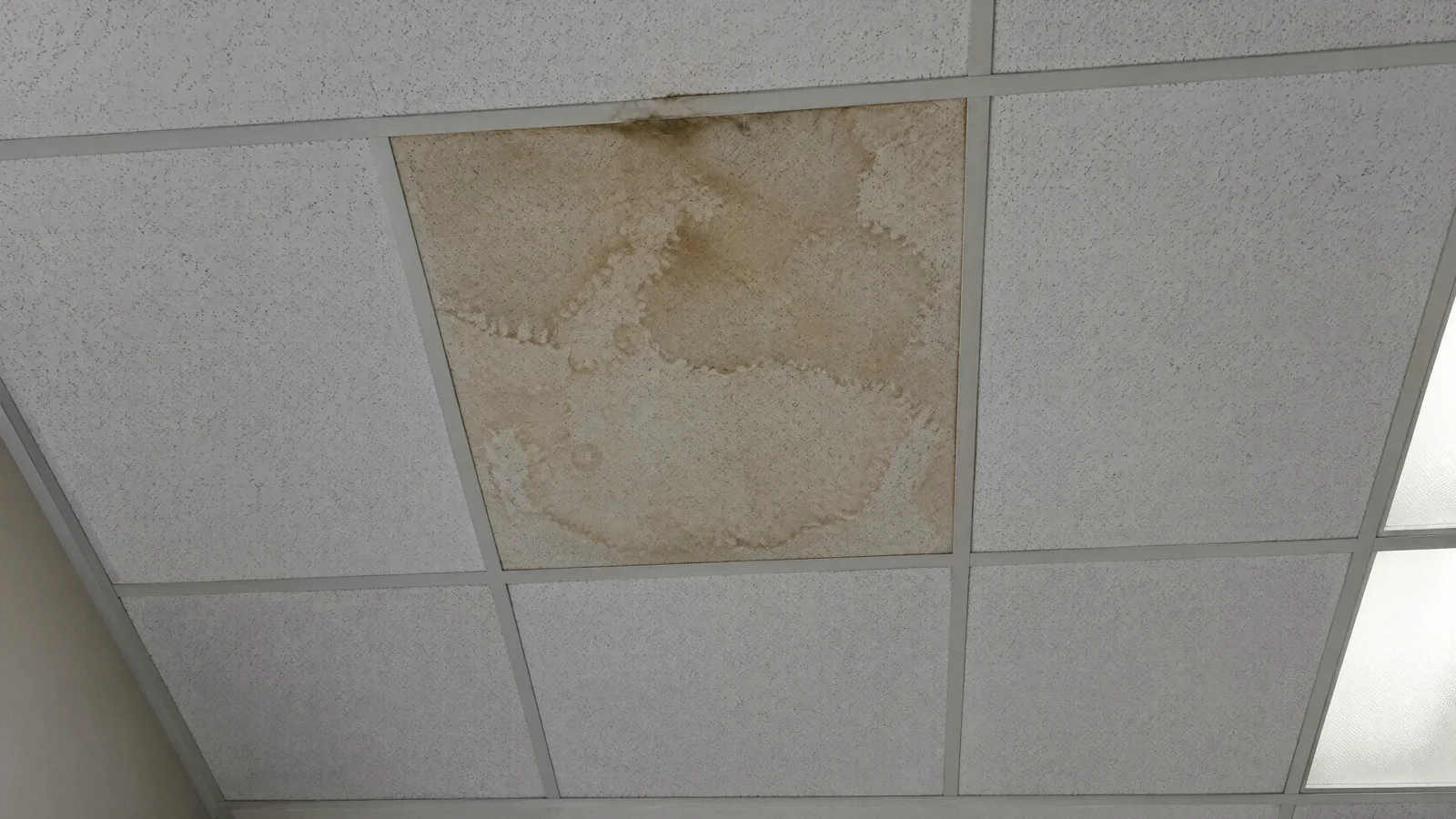
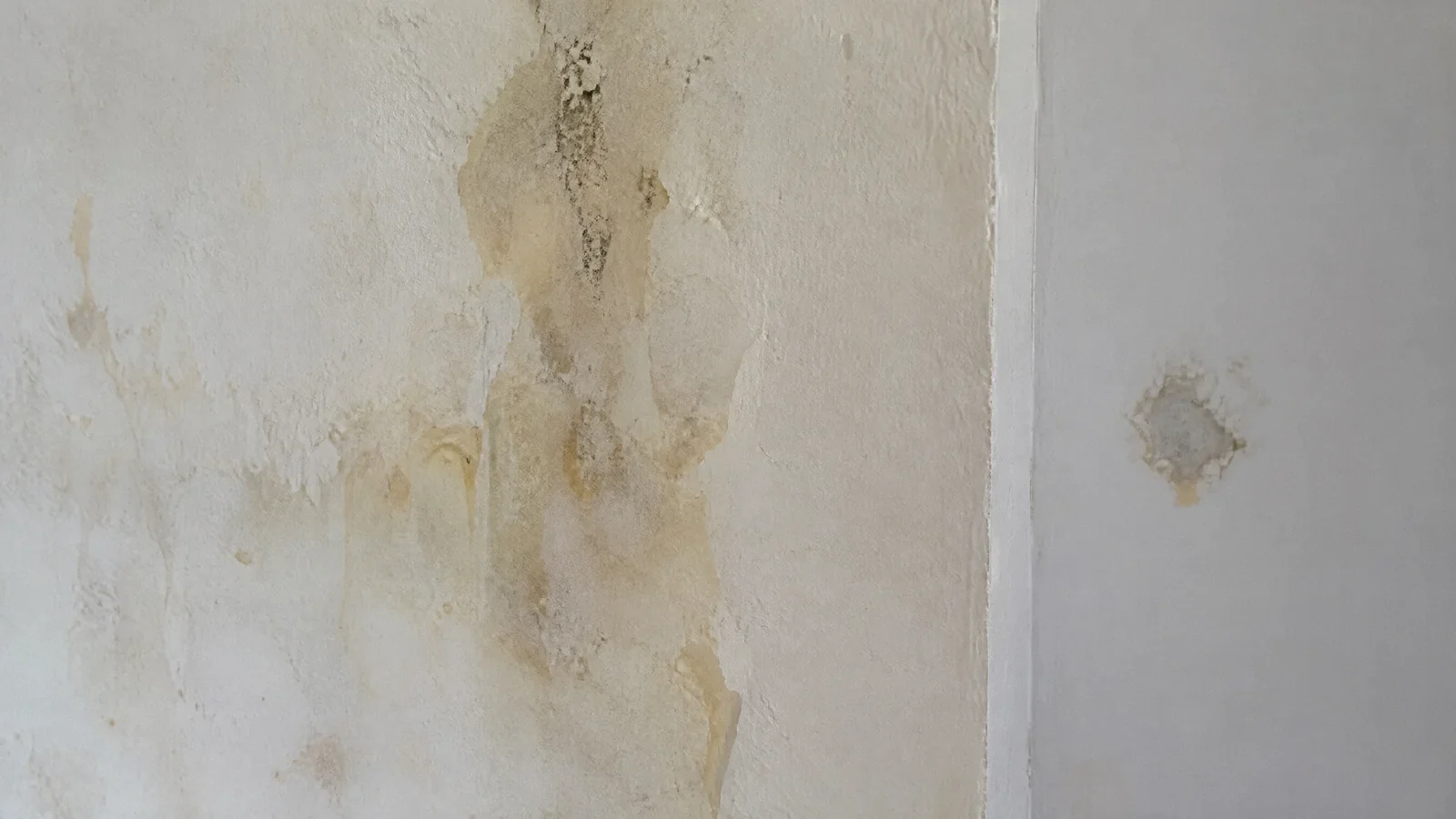
Water stains often appear as a discolored ring or streak following a leak. Paint may bubble, trim may swell, and a ceiling may sag. The location provides a starting point, but water can travel along framing or pipes, so the mark may not be directly below the entry. A stain that looks old can become wet again during rain or fixture use.
Suspected mold may look like patches or surface growth and can produce a musty odor. Appearance and odor alone do not tell you the species, the size of hidden growth, or a person's health risk. Other deposits can resemble mold, and some mold remains hidden. EPA notes that an expert may need laboratory analysis for a definitive determination when identification matters. Do not disturb a suspect area just to prove what it is.
What to do when you find a mark
First address immediate hazards. Keep clear of a sagging ceiling, water near electrical equipment, and sewage or unknown contaminated water. Do not enter standing water to reach a switch. If a readily accessible plumbing source can be shut off safely, stop using it and arrange a repair. Otherwise seek qualified help. Photograph the mark and record when it changes, especially after rain or use of a fixture.
Fix the water source and dry affected materials promptly. EPA advises drying wet materials within 24 to 48 hours where possible to help prevent mold growth. This is a target for action, not a guarantee that mold cannot occur later or that all materials can be saved. The material, contamination, duration, and access determine the response.
Cleanup depends on the surface and extent
A hard, nonporous surface can often be cleaned and dried; porous materials can retain moisture or growth inside. EPA says moldy absorbent items such as ceiling tiles and carpet may need to be discarded. Water-damaged insulation or wallboard may also require removal depending on the circumstances. Painting over suspected growth or a damp stain does not correct the source.
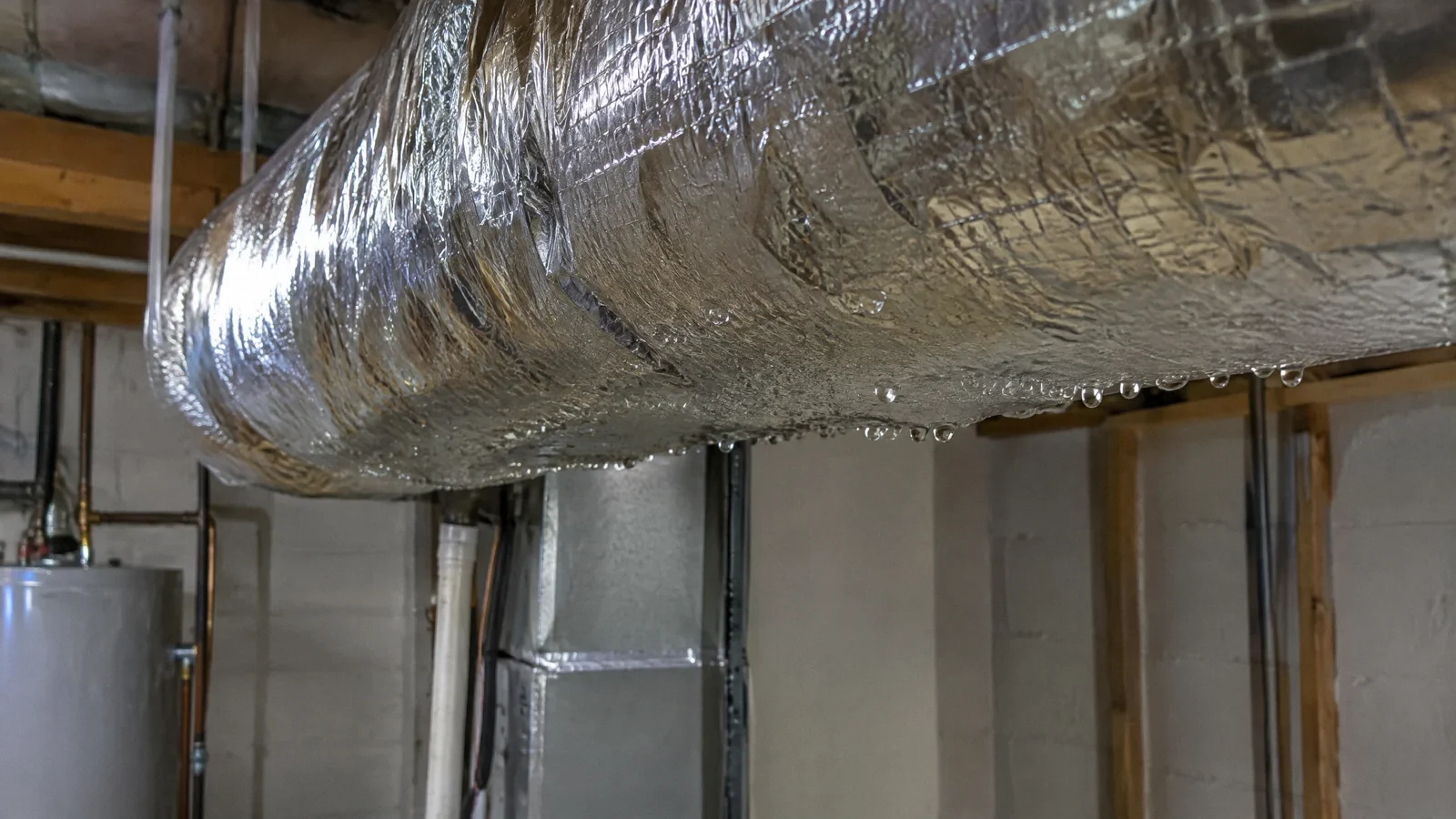
EPA advises experienced professional help for sewage or other contaminated water. Consider professional assessment for extensive damage, hidden growth, uncertain materials, or health concerns. If the heating or cooling system is known or suspected to be contaminated with mold, do not run it before consultation: operating it can spread contamination. For small, accessible areas, follow EPA's cleanup and protective-equipment guidance rather than mixing household chemicals.
Testing and confirmation
EPA notes that routine sampling is generally unnecessary when visible mold is present: the moisture problem and cleanup still need attention. Sampling may be useful for a specific question when planned and interpreted by an experienced professional. Ask what decision a test will change, what will be sampled, and how results will be interpreted before buying a test.
When restoration is complete, the source should be corrected, affected materials cleaned or replaced, and the area dry. Continue to watch for renewed moisture or odor. If symptoms or individual medical concerns are involved, consult a health professional; a photograph or color description is not a medical diagnosis.
Your next-step checklist
- Avoid electrical, structural, and contaminated-water hazards.
- Record the mark and conditions under which it changes.
- Locate and correct the moisture source.
- Assess hidden wet materials and verify drying.
Related questions
Can a water stain turn into mold?
A stain is not itself mold, but the damp material associated with a leak can support growth if moisture persists. Correct the source and assess the material.
Can you identify mold from a photograph?
A photograph may show a suspicious area but cannot reliably establish its identity, extent, or health risk.
Sources & context
Public guidance supports the principles in this article. The practical questions and examples are editorial interpretation, not a site assessment or a coverage decision. State-specific rules apply only where identified.
- Mold Cleanup in Your Homegovernment
- Mold Course: Hidden Moldgovernment
- Should I Have the Air Ducts in My Home Cleaned?government