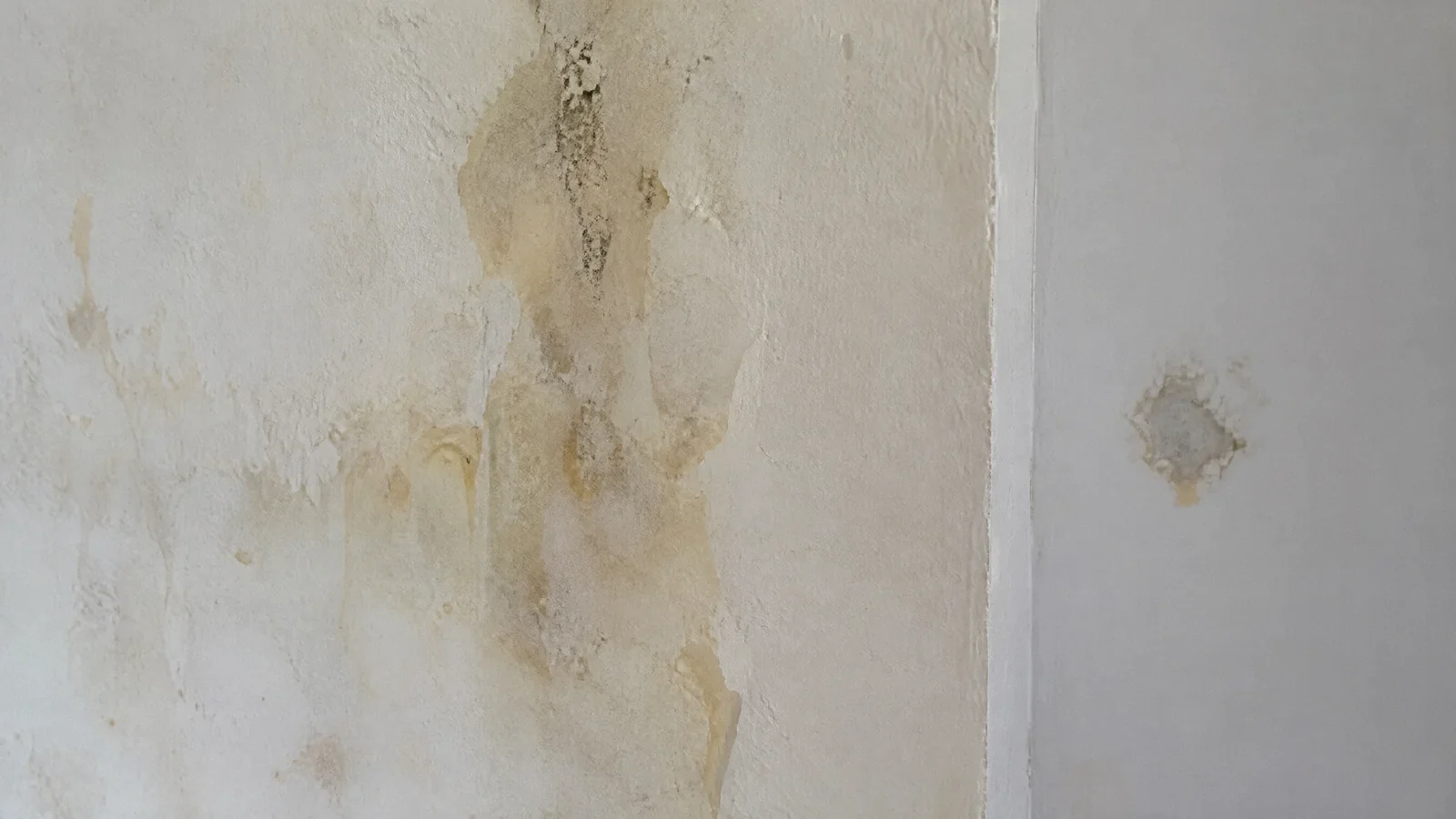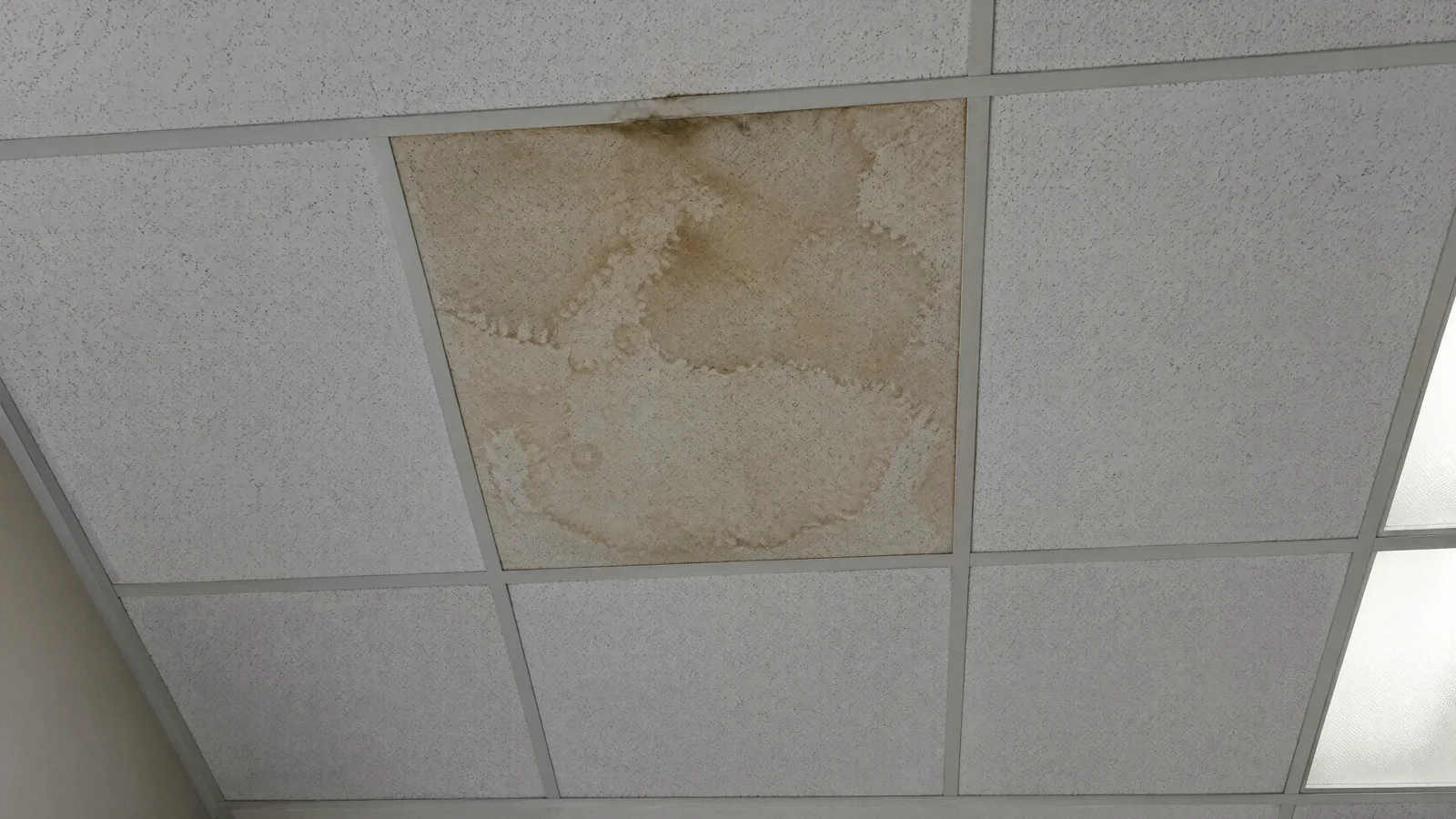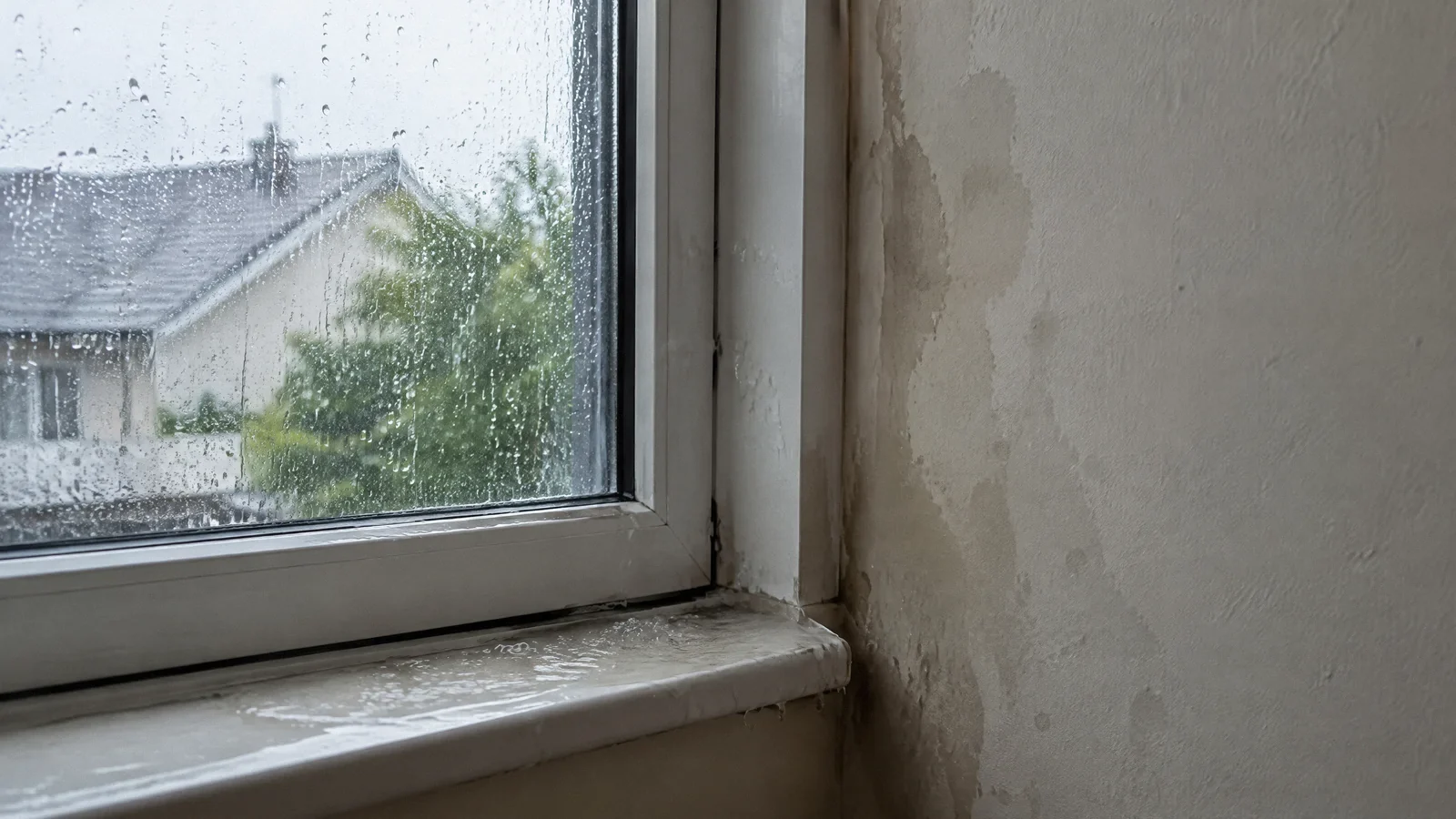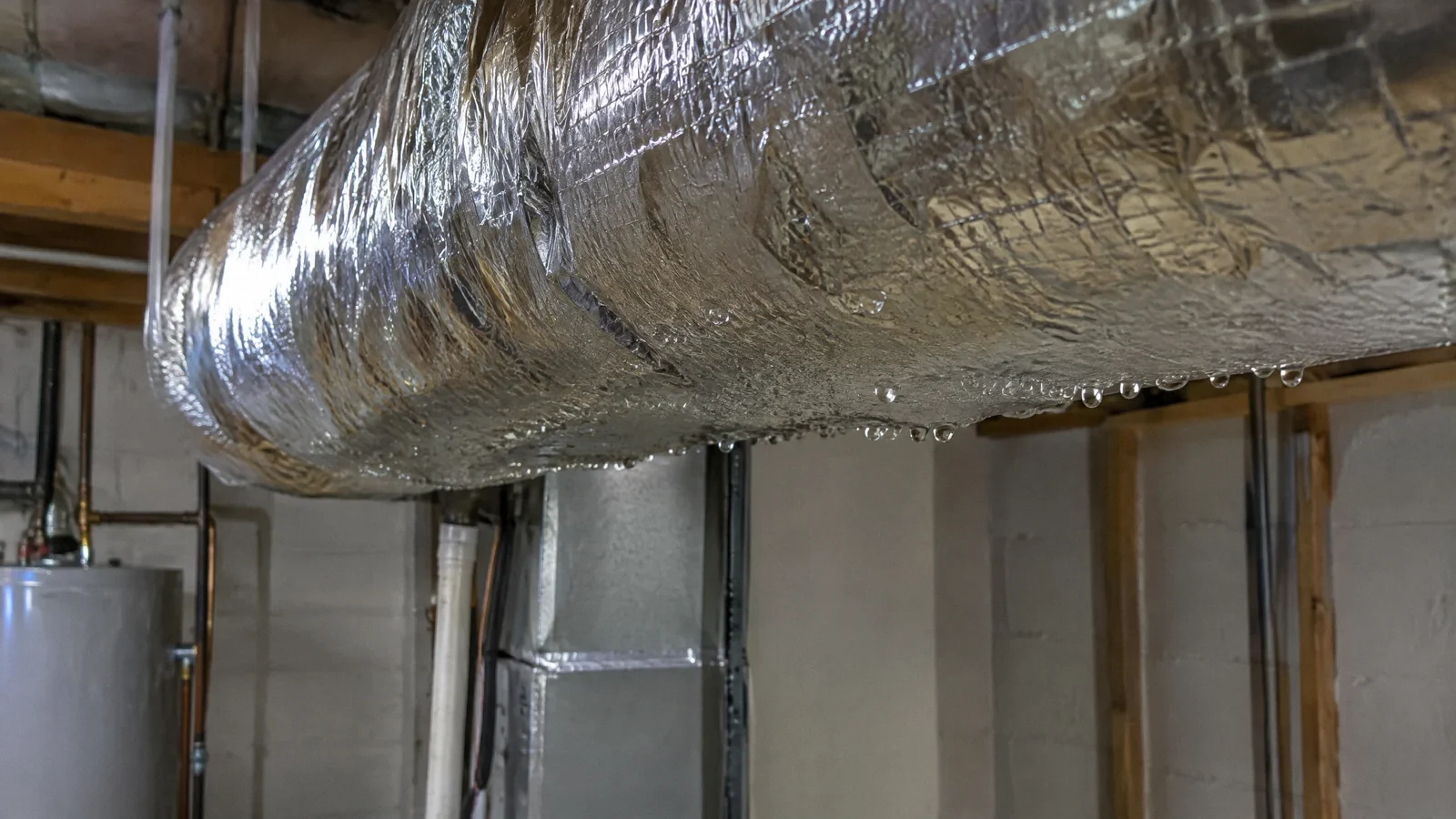
Water in ducts can come from condensation, condensate drainage, a building leak, or flooding. Avoid wet electrical equipment and arrange an HVAC inspection. If mold contamination is known or suspected, do not run the system before professional advice.
Why there may be water in an air duct
Water in an air duct or at a vent can come from several sources. Moisture may condense on a cold duct or coil, an air-conditioning drain may overflow, rain or groundwater may enter a damaged duct, or a nearby plumbing leak may reach the system. A puddle at a register is evidence of water, not proof of any one cause. Heating ducts can also contain water even when the system is not currently heating.
A duct full of water needs prompt professional evaluation. Water can affect insulation, the air handler, connected rooms, and materials around the duct. The corrective work depends on where water entered, how long it remained, what it contacted, and whether it may be contaminated. Spraying a fragrance or coating into the vent will not remove standing water or correct its source.
Keep the area safe
Keep people away from standing water near electrical equipment, damaged ceilings, and suspected sewage. Do not reach into a wet air handler, remove electrical covers, or enter water to operate a switch. Contact a qualified HVAC professional and, where electrical equipment is affected, an electrician or utility. Report the issue to the property manager if you rent.
EPA advises not running an HVAC system known or suspected to be contaminated with mold because it could spread mold through the building. If you can safely turn the system off at its normal accessible control, do so while arranging evaluation. Do not operate a wet electrical component or attempt to open it. A large amount of water, a sewage odor, or a submerged duct warrants an experienced contaminated-water restoration assessment.
Possible causes to investigate
Condensation occurs when a surface is cold enough for moisture in the air to collect on it. Missing or damaged duct insulation, air leakage, high humidity, and cold surfaces can contribute. A technician can evaluate insulation, temperature and humidity conditions, and the system's operation. Water on the outside of a duct is a different observation from water inside; both still require an explanation.
An air-conditioning coil produces condensate during normal operation. If the drain or pan is obstructed, damaged, improperly installed, or overflowing, water may reach nearby components. A technician should assess the pan, drain, and equipment rather than assuming a particular blockage. An overflowing pan can have more than one contributing condition.
In a slab or crawlspace, water may enter through a damaged duct or an opening exposed to groundwater or flooding. A roof leak or plumbing leak can also run into a duct from above. Record whether the problem follows rainfall, cooling operation, plumbing use, or a flood, and share that timeline with the technician. Do not enter a confined crawlspace or excavation to investigate.
Inspect and remove water appropriately
Ask the service provider to identify the full affected route, including the air handler, accessible duct sections, insulation, registers, and surrounding building materials. A camera and moisture measurements can assist inspection, but the provider should explain which sections remain inaccessible and what evidence supports the proposed repair.
A hard metal duct and a porous insulated duct do not have the same salvage options. EPA states that wet or moldy duct insulation cannot be effectively cleaned and should be removed and replaced. Hard surfaces may be cleanable depending on contamination and access. If floodwater or sewage entered, do not assume ordinary duct cleaning is sufficient; the cleanup plan must address contamination and the equipment manufacturer's requirements.
Fix the source before closing the system
A complete plan should include safe water removal, correction of the cause, cleaning or replacement of affected components, drying, and verification before normal operation. Ask who will repair each part: the HVAC contractor may need a plumber, roofer, electrician, or restoration specialist. Replacing a wet section without fixing an exterior entry or condensate problem invites recurrence.
Be cautious about a proposal that relies only on a chemical spray. EPA explains that products introduced into an operating duct system can be distributed into occupied spaces, and that the underlying moisture condition must be corrected. Ask the provider for the product label, intended use, and evidence of why it is needed; do not authorize a chemical treatment as a substitute for source repair and physical cleanup.
Prevent and monitor recurrence
Maintain the system according to the manufacturer's instructions, including professional service of condensate drainage and insulation where needed. Keep records of the observed water, the identified source, repairs, and any replacement components. A later inspection during the conditions that caused the original issue can help establish whether the repair is effective.
New water at a register, recurrent damp insulation, or a musty smell deserves another assessment. These clues do not establish a mold species or a diagnosis. If occupants have health concerns, consult a health professional while the building problem is investigated. The separate mold comparison guide explains the limits of visual identification.
Your next-step checklist
- Avoid electrical hazards and contaminated standing water.
- Record when water appears and where it is visible.
- Arrange an HVAC inspection and identify the source.
- Confirm affected materials are cleaned or replaced and dry.
Related questions
Can water in heating ducts be condensation?
Condensation is one possibility, but an overflowing drain, plumbing leak, rain, or groundwater may also be responsible. Inspection is needed.
Can wet duct insulation be dried and reused?
EPA says wet or moldy insulated duct material cannot be effectively cleaned and should be removed and replaced.
Sources & context
Public guidance supports the principles in this article. The practical questions and examples are editorial interpretation, not a site assessment or a coverage decision. State-specific rules apply only where identified.