A single-flush toilet generally offers one flush volume; a dual-flush toilet offers a full and a reduced flush. Actual water use depends on the model, the mode people select and whether the toilet leaks. Compare independently certified performance, replacement parts and installation fit rather than assuming every dual-flush model uses less water.
How the two systems work
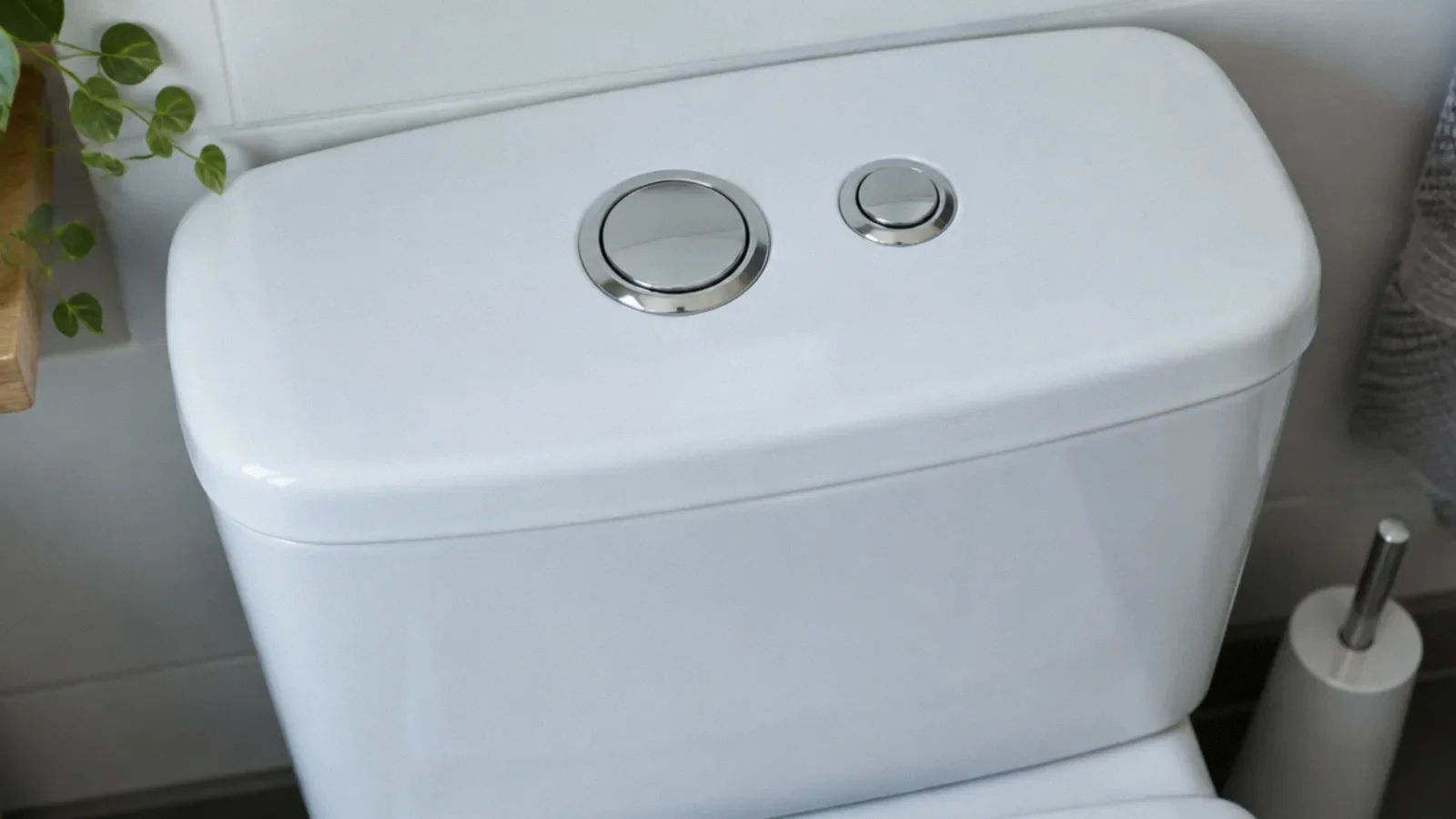
A single-flush toilet uses one flush setting. A dual-flush toilet provides a full flush and a lower-volume option, commonly selected with separate buttons or a two-position control. EPA describes the reduced option as intended for liquid waste and the full option for solids.
Button size or location is not universal. Follow the markings and instructions for the actual model. A control that users understand and a toilet that clears properly can matter as much as the advertised number on the box.
Compare actual flush volumes
Look at the manufacturer’s rated gallons per flush for each setting. A dual-flush toilet does not automatically use less water than an efficient single-flush toilet: the comparison depends on both models and how often each mode is selected. A second flush can change the practical result.
For example, compare a single-flush model’s stated volume with both the full and reduced volumes of the dual-flush model. Estimate typical use for your household rather than assuming a fixed pattern. Check for a running or leaking toilet, since a leak can overwhelm the difference between flush modes.
What WaterSense means
EPA’s WaterSense program independently certifies eligible products for water efficiency and performance. The label can help narrow a comparison, but review the specific model and current specification. Certification does not mean a toilet is maintenance-free or suitable for every installation.
As of October 31, 2026, EPA says the effective date of its tank-type toilet specification version 2.0 is paused and version 1.2 remains in effect until further notice. EPA’s current guidance describes an effective flush-volume calculation for dual-flush models; do not assume that a full flush on every labeled dual-flush model is 1.28 gallons.
Performance and daily use
Compare performance information for the exact model, including reliable clearing, refill noise and ease of using the controls. A household with children, guests or accessibility needs may prefer a control whose function is easy to understand. Try the display or ask the supplier about the control and replacement parts.
Avoid choosing by the number of buttons alone. Bowl design, flushing mechanism, drain condition and installation also affect performance. If several fixtures are backing up, replacing the toilet may not correct a drain or sewer problem.
Maintenance and repair
Both systems have moving parts and can leak or need adjustment. A dual-flush mechanism may have a different valve or button assembly from a single-flush tank, so ask about parts availability and the manufacturer’s service instructions. Do not assume one design is always cheaper to maintain.
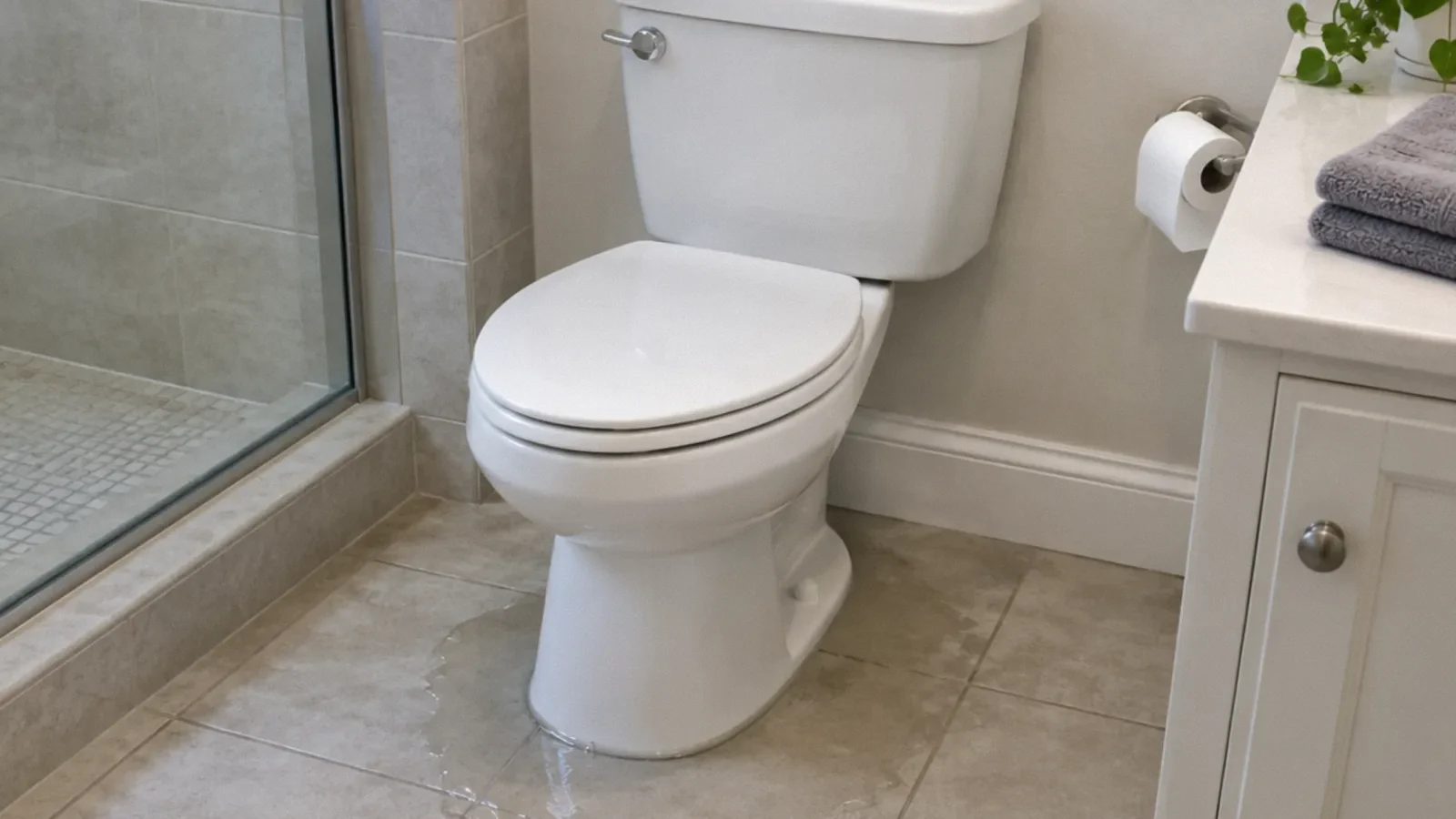
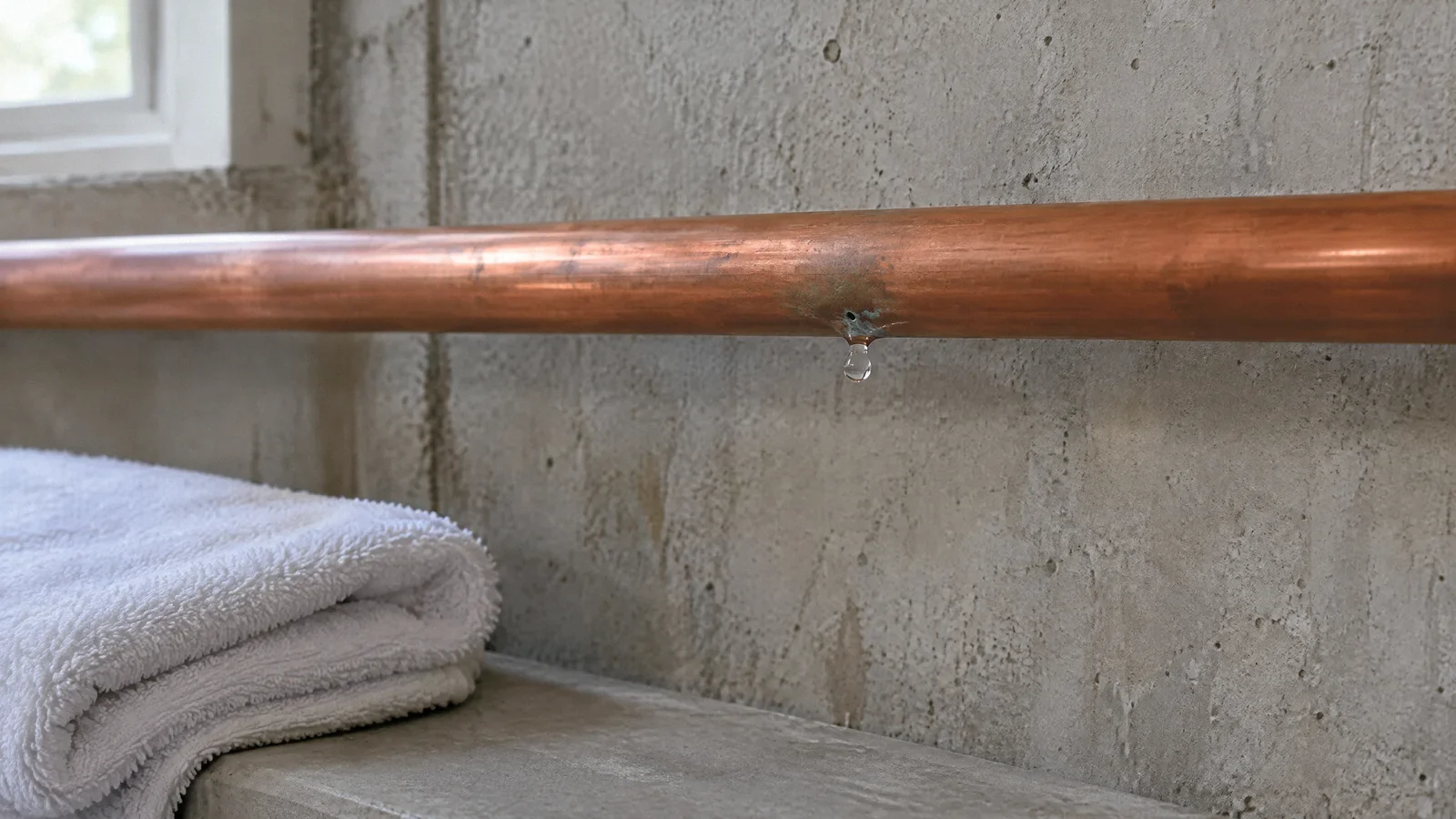
A toilet that runs continuously or refills unexpectedly should be checked. Follow the model’s guidance for simple checks, or call a plumber if the valve, supply connection or installation is uncertain. Stop a significant leak using a known shutoff only if it is safely accessible.
Measure the installation before buying
Check the rough-in distance, available space, bowl dimensions, seat height and supply connection for the existing bathroom. Confirm whether the product includes the seat, supply line and other components. A seemingly good price may not include installation, disposal or necessary repairs.
Ask a qualified installer about local requirements and any required permits. If the floor is soft or water-damaged around the existing toilet, the affected material needs assessment before a replacement is installed. A new fixture should not conceal an unresolved leak.
Cost and water savings
Compare the purchase price, installation, expected parts and local water and sewer rates. Savings depend on the old toilet’s actual use, the replacement model and household behavior. Avoid treating a national savings estimate as a guaranteed bill reduction for a particular home.
Check with the local water provider for current rebate eligibility before purchasing; programs and approved models can change. Keep receipts and model information if an application is available. A properly working efficient single-flush model can be a reasonable choice alongside an efficient dual-flush model.
Choose for the household
A dual-flush toilet can offer a lower-volume choice for some uses. A single-flush toilet offers one consistent control and can also be water-efficient. Pick a model that fits the space, performs reliably and has understandable controls and accessible service parts.
After installation, check for visible leaks and follow the installer’s maintenance guidance. If a toilet overflows, stop flushing and avoid contaminated water; investigate the cause rather than repeatedly using either flush setting.
Your next-step checklist
- Compare both rated flush volumes.
- Check the current WaterSense listing for the exact model.
- Measure rough-in and available space.
- Ask about performance, parts and installation cost.
- Repair leaks promptly.
Related questions
What is a dual-flush toilet?
It offers a full and a reduced flush, usually through a two-part button or control.
Does dual flush always save more water?
No. Actual savings depend on the compared models, selected modes, repeat flushes and leaks.
Can a single-flush toilet be water-efficient?
Yes. Compare the model’s rated volume and independent certification.
Does every WaterSense dual-flush toilet use at most 1.28 gallons on a full flush?
Not necessarily. EPA has paused its version 2.0 effective date and says version 1.2 remains in effect; check the actual model and current specification.
Sources & context
Public guidance supports the principles in this article. The practical questions and examples are editorial interpretation, not a site assessment or a coverage decision. State-specific rules apply only where identified.
- EPA WaterSense: Residential toilets and current specificationfederal program guidance
- EPA WaterSense: Toilets at workfederal efficiency guidance
- EPA WaterSense: Toilet product searchfederal product listing