Shut off the affected water supply if the valve is safely accessible, and stay away from water near electrical equipment. A temporary clamp or patch is not automatically a permanent repair. Have the pipe and fitting assessed, repair the cause and check affected materials for moisture before covering them.
Stop the water safely
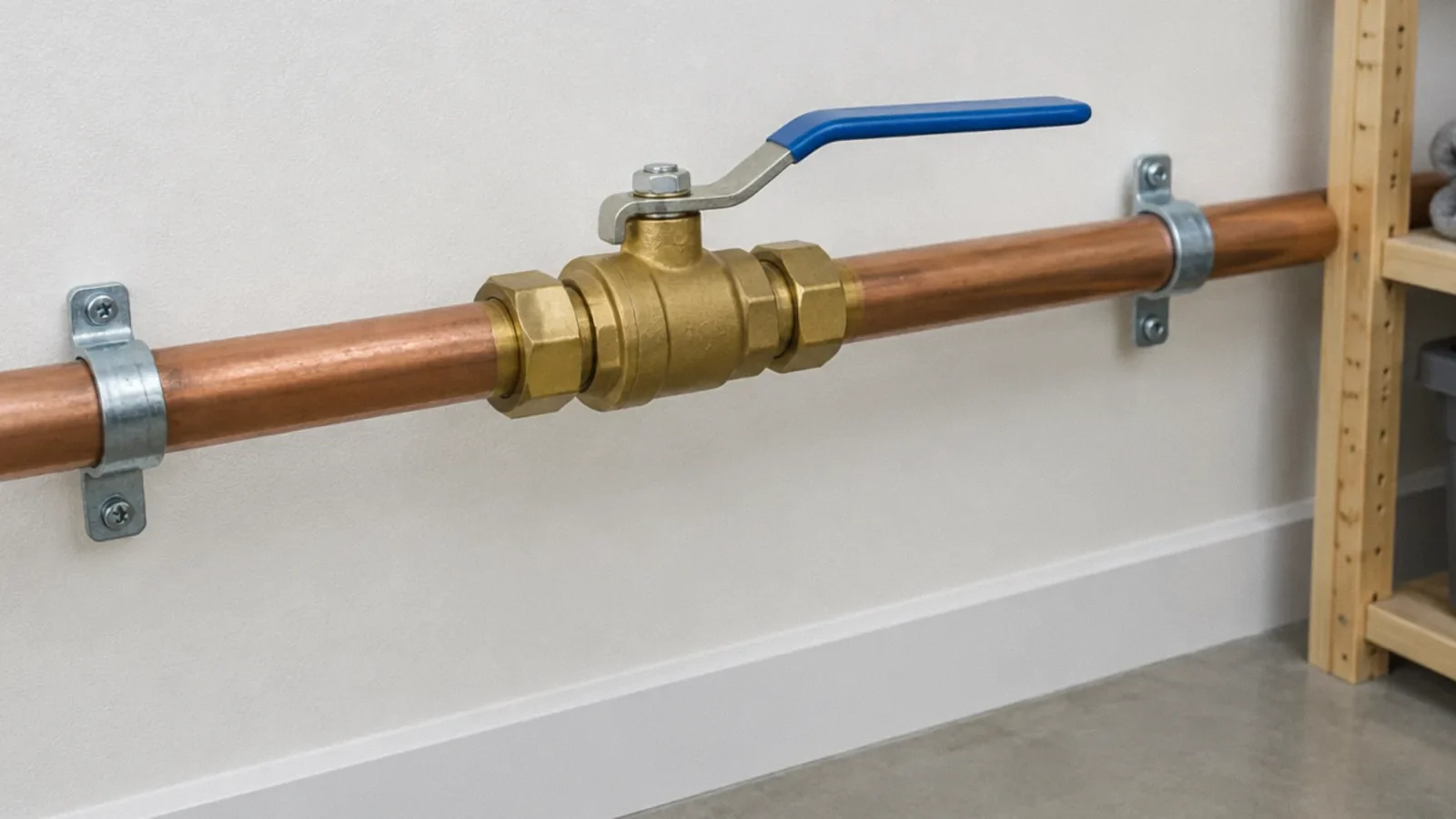
Locate a fixture shutoff or the main valve if it can be reached without crossing standing water near electricity. The City of Hamilton advises shutting off the water supply when a pipe leaks or bursts. Do not force a corroded valve, touch a wet electrical panel or assume the utility meter valve is yours to operate.
If you cannot safely reach the valve, contact the utility, building management or emergency services as appropriate. Keep people away from a sagging ceiling or unstable material. If a pressurized pipe is leaking heavily, protect occupants first and arrange qualified help promptly.
Identify what kind of line is leaking
A water supply pipe, drain, heating line and gas pipe require different responses. Do not apply a generic repair product until the line and material are identified. If you smell gas or suspect a gas line, leave the area and contact the gas utility or emergency services from a safe location; do not operate switches on the way out.
Record where water appears and when it flows. A leak only while a fixture drains may differ from a pressurized supply leak, but water can travel along framing before it becomes visible. A wet spot is not proof that the defect is directly above it.
Contain the damage without creating a hazard
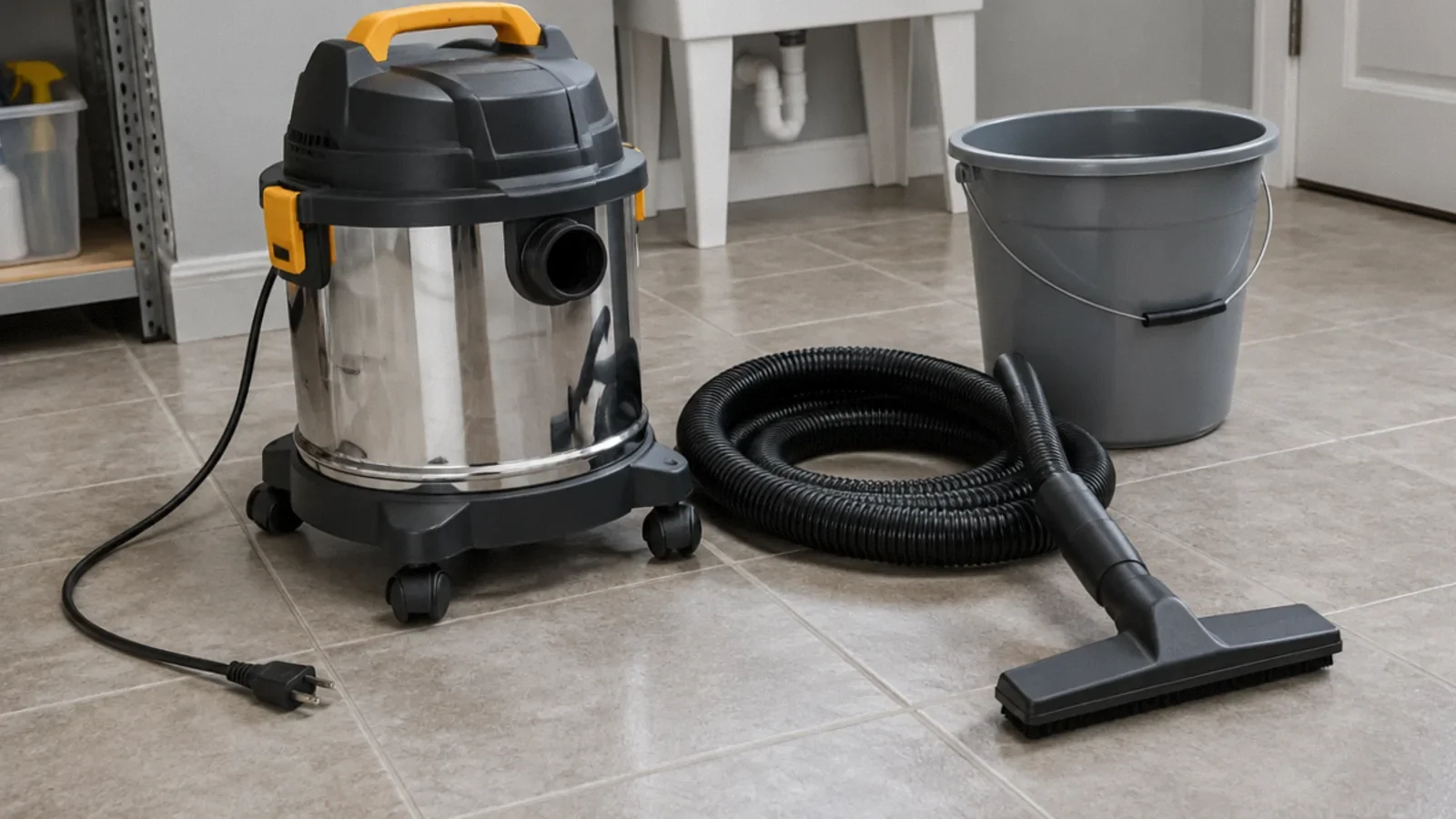
When safe, place a bucket or towels beneath an accessible drip and move vulnerable belongings. Do not place electrical devices or extension cords in wet areas. If the pipe is inside a wall or ceiling, avoid opening the assembly until hidden wiring, structural conditions and potentially hazardous materials have been considered.
Photograph the leak and surrounding damage from a safe position. Notify a landlord, building manager or insurer as appropriate. Temporary containment can limit further damage but does not stop water already absorbed by drywall, insulation or flooring.
Temporary clamps and patches
Some products are designed to temporarily control a leak on a compatible pipe and surface. Their suitability depends on pressure, temperature, pipe material, diameter and the condition of the surrounding pipe. Follow the product instructions and do not use a patch on a gas line or an unidentified system.
A patch may hide ongoing corrosion or fail when pressure returns. Treat it as temporary unless a qualified professional confirms an approved lasting repair for the specific situation. If the pipe is badly deteriorated, a clamp may not seal and replacing a section may be necessary.
Repairing a fitting or pipe section
A lasting repair might involve a new fitting, replacement of a damaged length or a broader piping repair. The appropriate method depends on the material, location, access, local requirements and cause of failure. A plumber can determine whether nearby pipe is sound and which connection is compatible.
Ask for a written scope, expected shutoff period, required permits or inspections and responsibility for opening and restoring walls. A low price for a fitting may not include drying, hazardous-material assessment or finish repairs. Do not use a torch or make electrical repairs without the required training and authorization.
Leaks inside a wall
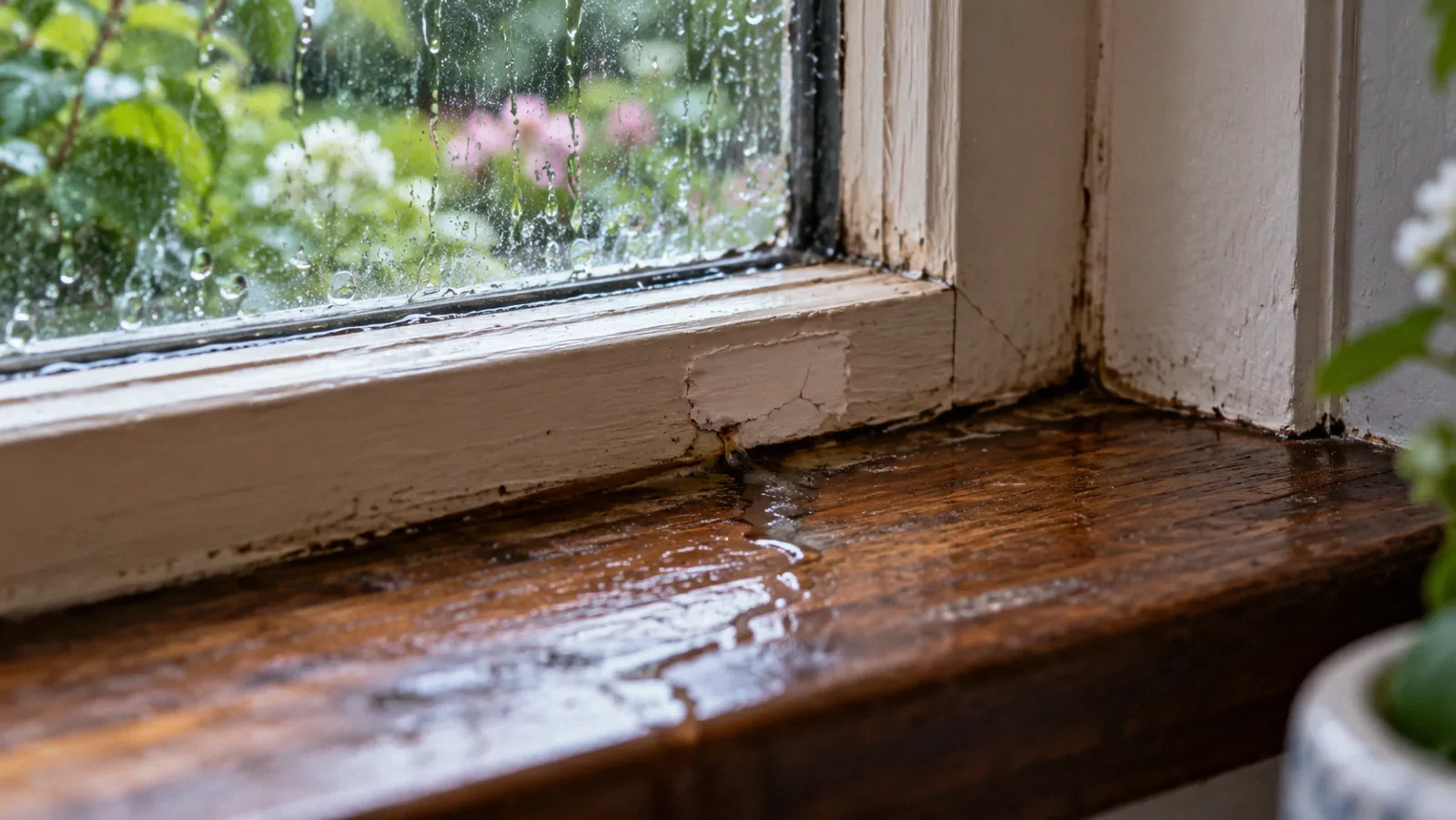
A hidden leak may leave staining, soft drywall, swelling or a musty odor. These signs can also have other causes, and the size of the visible stain does not establish the size of the affected cavity. Water may travel along a pipe or framing before appearing elsewhere.
Ask a qualified professional to locate the source and identify a safe access point. Before demolition, consider electrical wiring, plumbing, structural elements and older materials that may require lead or asbestos precautions. Containment and cleanup depend on the extent and source of water.
Test the repair and dry the area
After repair, the person doing the work should restore pressure in a controlled way and check accessible joints. Ask how the test was performed and whether any section remains inaccessible. Monitor for a recurrence and keep the invoice and photographs.
Inspect affected materials and cavities for moisture before reinstalling insulation or closing a wall. A dry-looking surface does not establish that the interior is dry. EPA recommends addressing moisture promptly to reduce the conditions that allow mold growth.
Prevent another leak
Repeated failures in the same area may indicate corrosion, movement, pressure, freezing or installation problems. Ask what caused the failure and whether nearby pipe needs inspection. Insulate vulnerable lines where appropriate and maintain accessible shutoff valves according to local and manufacturer guidance.
A leak sensor or automatic shutoff can provide useful warning or response but needs power, placement and testing plans. It does not replace pipe maintenance or guarantee that every leak will be detected. Keep emergency contact and shutoff information where occupants can find it.
Identify the source and who to call
A pressurized supply can leak continuously; a drain may leak only while a fixture empties. A fitting, appliance, roof or waterproofing failure can also wet the same wall. Shut an accessible fixture valve or main supply only when safe, and call a plumber for suspected pipes, the building manager for shared property, the utility for its network, and a drying professional after water is stopped.
Uncontrolled water, a sagging ceiling, electrical exposure or inability to shut water off calls for urgent professional help. Stay clear of wet electrical equipment and the area beneath a bulging ceiling. If water appears near a slab, a plumbing specialist can assess a possible slab leak; a crawl-space leak has different access and hazards.
Temporary repair and confirmation
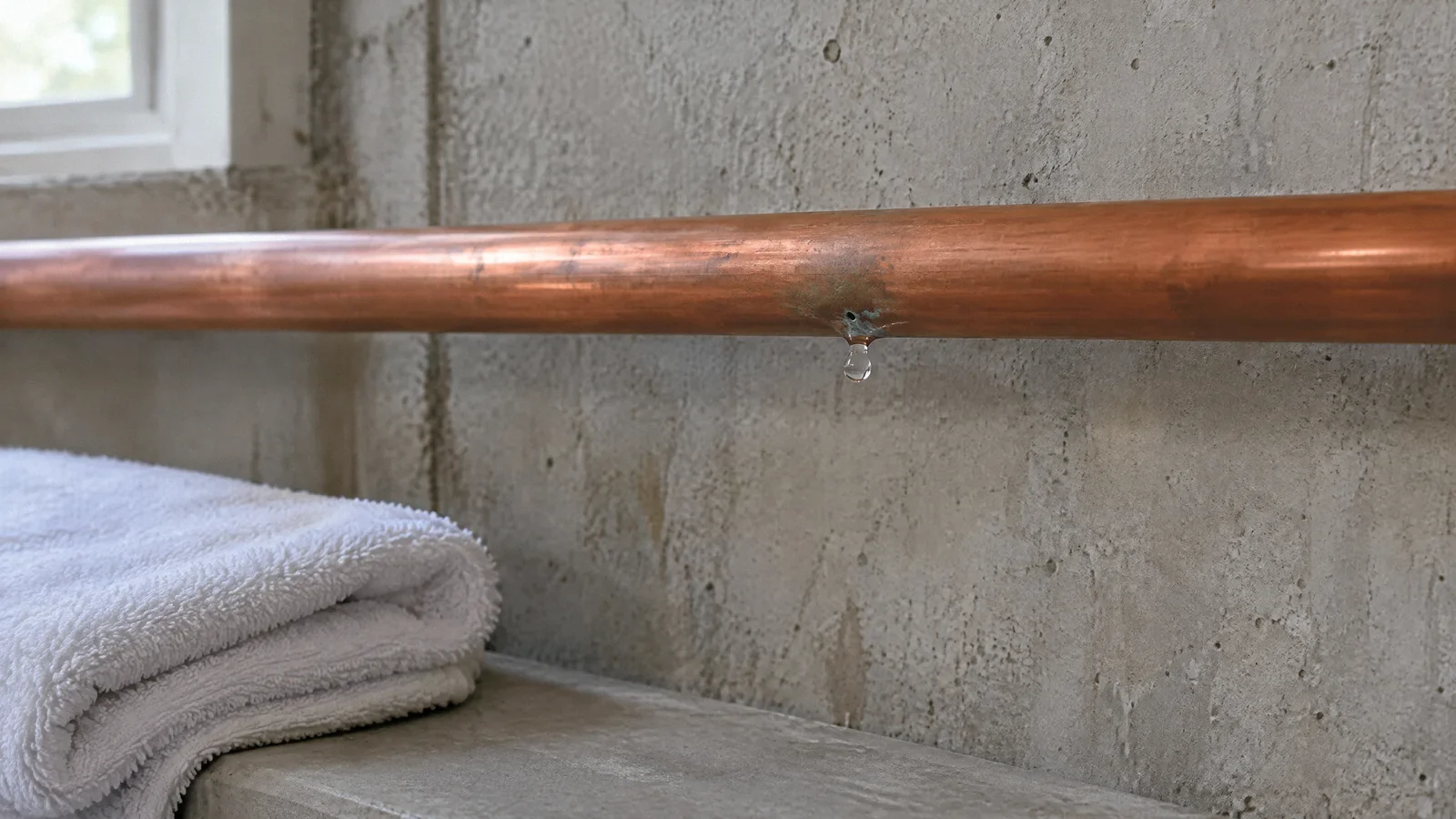
For an accessible dripping pipe, shut off water, identify the material and damage, and ask a plumber about an appropriately rated clamp or repair compound. Compatibility and surface preparation matter; a patch is temporary unless the product and professional specify otherwise. Corrosion, a crack or a wet joint can indicate the location, not the full cause. A plumber should inspect adjacent copper and connections where deterioration is present.
A meter check with all water uses off may reveal continued flow, but cannot locate a leak and may miss intermittent drains, rainwater or appliance leaks. After repair, test the affected system under normal conditions, inspect the cavity and dry materials before closing the wall.
Your next-step checklist
- Shut off water only when the valve is safely accessible.
- Keep clear of water near electrical equipment.
- Identify the line and cause before choosing a repair.
- Treat a temporary patch as temporary until confirmed otherwise.
- Verify the repair and dry affected materials before closing a wall.
Related questions
Can a pipe clamp be a permanent repair?
Only if the specific product, pipe and applicable requirements permit it. Otherwise treat it as a temporary measure and arrange a lasting repair.
Does a wet wall show exactly where the pipe leaks?
No. Water can travel along pipes or framing before it becomes visible.
What if I cannot reach the water shutoff safely?
Stay clear of the hazard and contact the utility, building manager or a qualified professional for assistance.
Should I close a wall after the dripping stops?
First verify the repair and assess affected materials and cavities for moisture and contamination.
What should I do about a plumbing leak?
Keep clear of electrical hazards, close a known water shutoff only if it is safe, and arrange qualified repair and assessment of affected materials.
What should I do if a bathtub drain leaks?
Stop using the tub, avoid wet electrical areas and have a plumber locate the leak. Water may have affected the floor or ceiling below and needs a separate moisture assessment.
What if a water line leaks under the house?
A damp crawl space can contain electrical, structural or biological hazards. Avoid unsafe entry, stop the water if a clearly identified valve is safely accessible, and have a qualified plumber locate the leak and assess affected materials.
What are signs of a pinhole pipe leak?
A small localized drip, damp patch, corrosion or unexplained water use can warrant inspection, but these signs do not confirm the location. Stop the water if safely accessible and have a plumber assess the pipe and any hidden damage.
Sources & context
Public guidance supports the principles in this article. The practical questions and examples are editorial interpretation, not a site assessment or a coverage decision. State-specific rules apply only where identified.
- City of Hamilton: Operating water shutoff valvesmunicipal guidance
- City of Portland: Checking for leaksmunicipal guidance
- US EPA: Mold cleanupofficial guidance
- CDC: Flood safetypublic health guidance
- EPA: Leak detectionofficial guidance
- EPA: Home maintenanceofficial guidance