A suspected slab leak needs investigation to determine which pipe is leaking and where. A qualified professional may isolate sections and use appropriate detection methods before proposing a direct repair, reroute or other option. A damp floor or warm spot is a clue, not proof of the location; stop water when safe and avoid electrical hazards.
What a slab leak means
A slab leak commonly refers to a leak in a water or drain line located in or beneath a concrete floor slab. The location makes a pipe difficult to inspect directly, but the phrase does not identify the failed material, the exact location or the appropriate repair. A pressurized supply line and a drain line may require different tests.
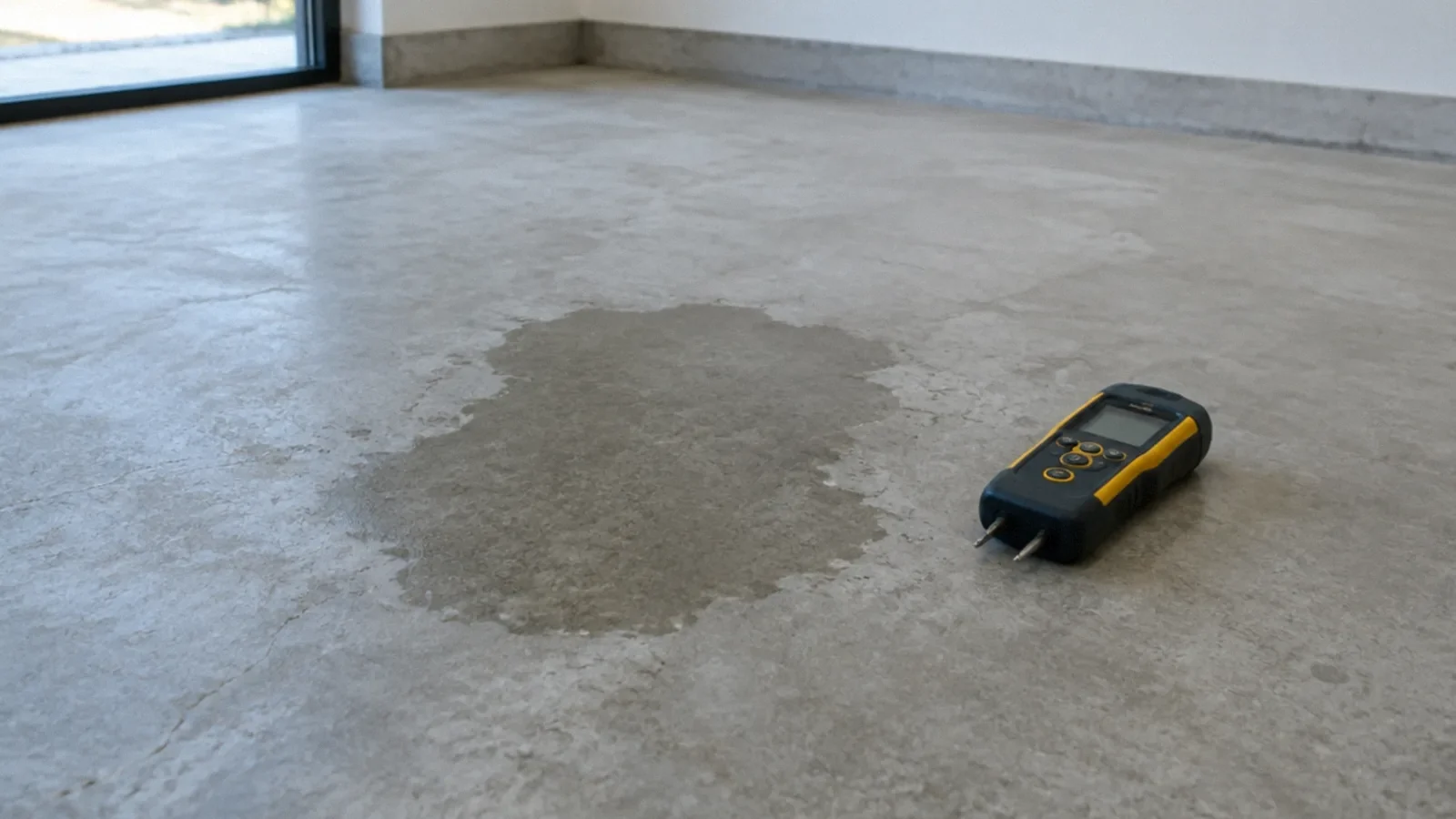
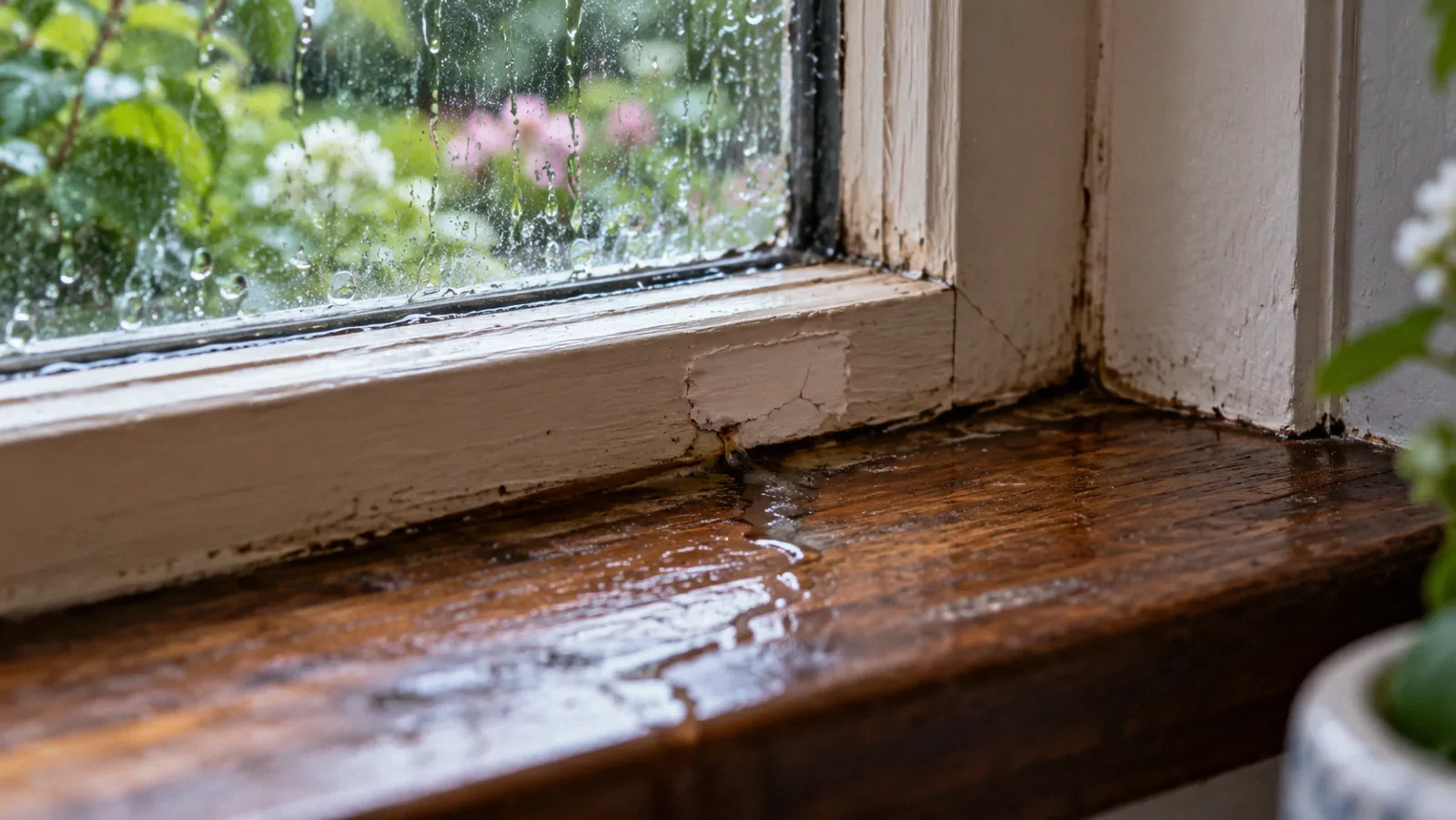
Damp flooring can also result from another source, including exterior water entry, condensation or an appliance leak. A repair should begin with evidence rather than the assumption that every wet spot means the slab must be opened at that point.
Signs that warrant investigation
A damp or warm spot on a floor, unexpected sound of running water, higher water use or water appearing at a foundation can be clues. A water utility lists these among possible signs of a slab leak, but none is conclusive on its own. Heating systems, condensation and unrelated leaks can produce similar observations.
Record when the symptoms appear, which fixtures are in use and whether the water is warm. Photograph visible damage without lifting flooring or entering a hazardous space. If water is near outlets or electrical equipment, stay clear and ask a qualified professional to isolate the hazard.
Limit water loss safely
If a supply pipe is leaking, shut off a known valve only when it can be reached safely and without entering standing water near electricity. A local utility can explain its service shutoff procedures. Do not operate a utility-owned meter valve without authorization or use excessive force on a stuck valve.
If the leak is significant, contact a licensed plumbing professional and notify the building manager or insurer as appropriate. Stop using affected fixtures if a drain leak is suspected. Keep a record of shutoff times and emergency actions, but do not delay urgent protective action to document everything.
How professionals narrow the source
A professional may check the meter, isolate sections, evaluate pressure or use acoustic and other detection equipment where suitable. The Department of Energy describes sound-based equipment for locating leaks in water systems. Each method has limitations, and the specific procedure should fit the pipe material and building.
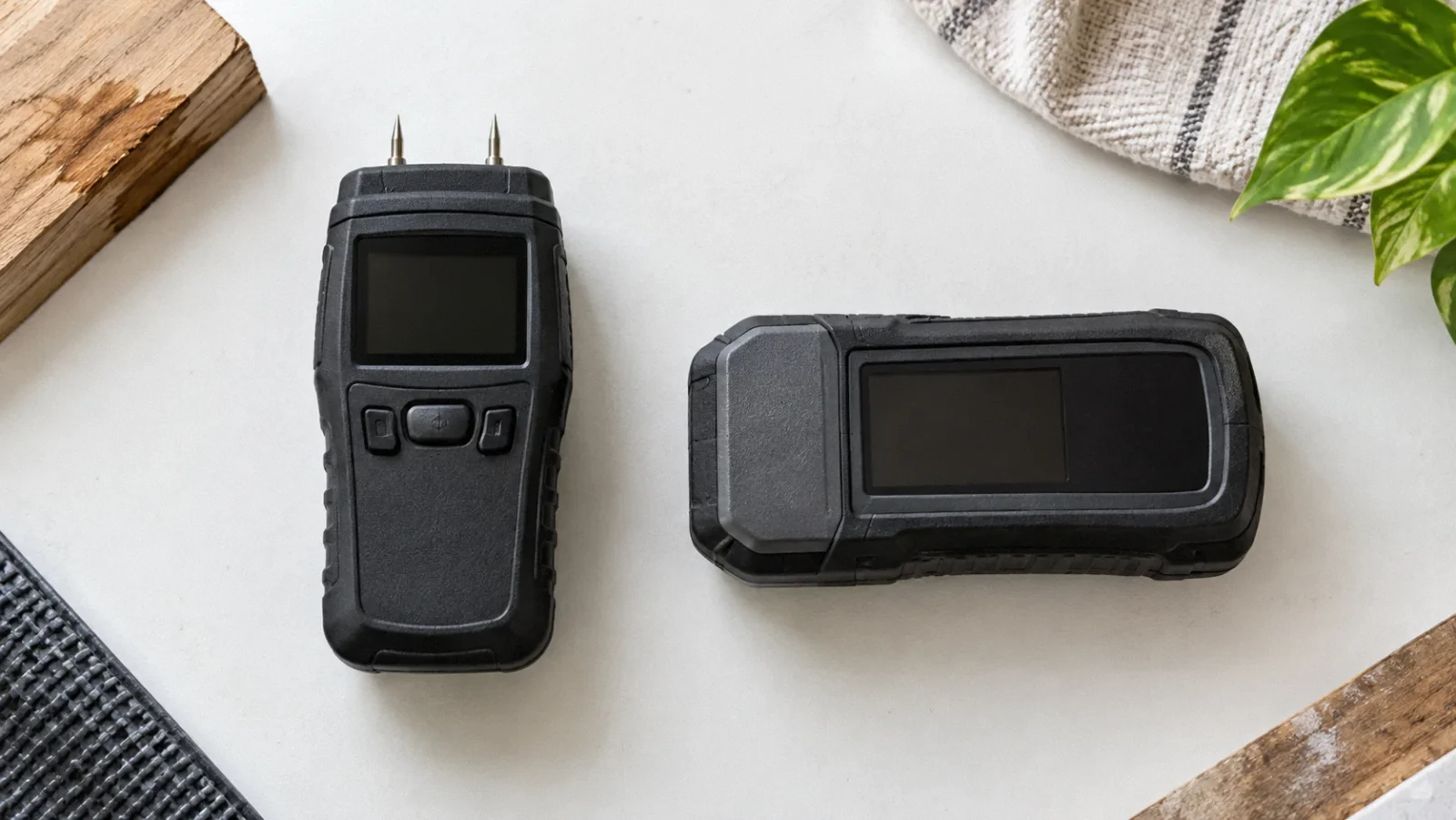
Ask what test supports the suspected location and what remains uncertain. A moisture meter can show conditions in a material but does not by itself identify a leaking pipe beneath concrete. A camera, thermal image or acoustic reading should be interpreted alongside other evidence rather than treated as a guarantee.
Direct access and localized repair
If the leaking section is located and accessible, a contractor may propose opening a limited area of floor and slab to repair or replace the affected pipe. The scope should address protection of the room, dust control, access to other utilities and restoration of the slab and finishes.
Opening concrete has structural, utility and material hazards. Older flooring or adhesives may contain hazardous substances, so ask what will be disturbed and whether testing or specialist work is needed. A plumber and other qualified trades may have different responsibilities for the pipe, concrete and finish work.
Rerouting or replacing a longer section
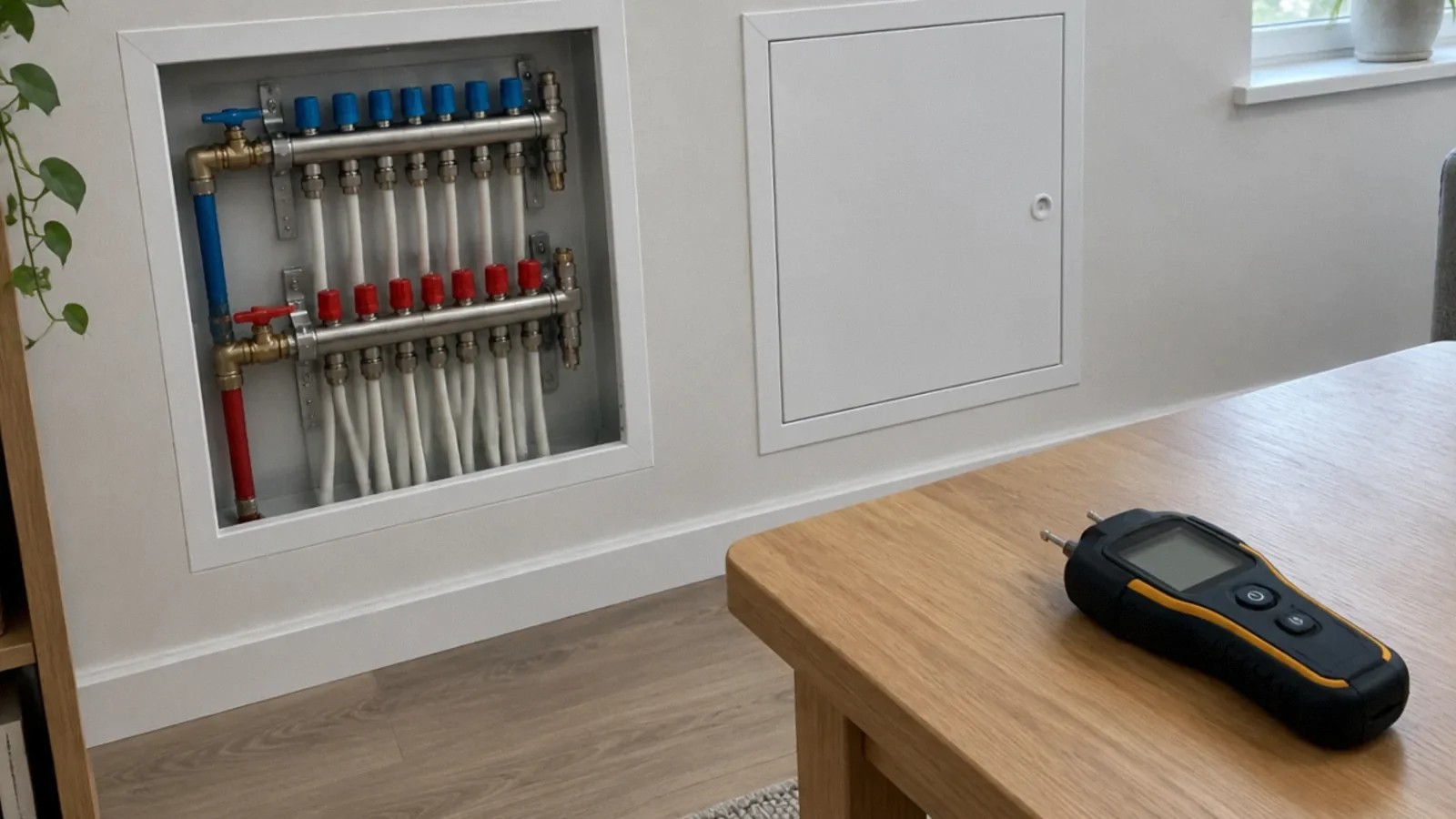
A reroute places a replacement route around an inaccessible or repeatedly failing section where feasible. The route may pass through walls, ceilings or other accessible spaces and must be evaluated for local code, protection and compatibility. It can reduce work at the original leak while creating work elsewhere.
Ask whether the old line will be isolated, what parts of the building will be opened, how fixtures will be reconnected and what restoration is included. A history of repeated failures may justify comparing a broader replacement with a localized repair, but no option is automatically best for every property.
Compare written proposals
Request the basis for the diagnosis, proposed repair, access route, permits and inspections if required, testing after repair, cleanup and restoration. Clarify how unexpected conditions will be priced and approved. A low plumbing estimate may exclude flooring, concrete or drying work.
If a contractor recommends extensive work, ask for the test results and a second qualified opinion when time and conditions allow. Check applicable licensing and insurance. A guarantee should describe the covered work and its limits, not promise that unrelated pipes can never fail.
Verify the repair and dry affected materials
Before closing access, ask how the repaired line will be tested and documented. Monitor the meter or area as the professional advises and investigate continued moisture. The repair of a pipe and the drying of flooring or subfloor materials are separate tasks.
Keep photographs, measurements, invoices and any permit records. A floor surface can look dry while moisture remains beneath it; determine what materials need inspection before reinstalling finishes. For recurring water entry, continue investigating rather than covering the visible stain.
When tunneling is discussed
In some buildings a contractor may propose access from outside beneath the slab to avoid opening a finished floor. Whether that is feasible depends on the foundation, soil, utilities, pipe location, local requirements and structural assessment; it is not a routine or universally safer solution.
Ask the qualified contractor who designs and performs the excavation, protects and supports the structure, obtains required permits, tests the repair, restores the soil and finishes, and documents the work. Compare those responsibilities and disruption with direct access or rerouting. Never enter or excavate an under-slab tunnel yourself.
Your next-step checklist
- Stay clear of water near electrical equipment.
- Stop a known supply leak only when the valve is safely accessible.
- Ask what evidence identifies the affected pipe and location.
- Compare direct access and rerouting with full restoration costs.
- Document testing and drying before closing or rebuilding.
Related questions
Does a warm floor prove a slab leak?
No. It is one possible clue; a professional should investigate the source and pipe location.
Must every slab leak be repaired by breaking the floor?
No. Depending on the system, rerouting or another method may be feasible; each option requires evaluation.
Can a moisture meter locate the pipe?
It can help assess moisture in a material but does not by itself identify the precise leaking pipe.
Does a plumbing repair dry the floor?
No. Affected materials may still need inspection and drying after the leak is stopped.
Can a pipe under a slab be broken?
Yes. A qualified plumber should identify the affected pipe, confirm the source and explain repair and access options.
What is a slab leak?
It is commonly used to describe a leak in plumbing beneath or within a slab. A professional should locate the source before choosing a repair.
Sources & context
Public guidance supports the principles in this article. The practical questions and examples are editorial interpretation, not a site assessment or a coverage decision. State-specific rules apply only where identified.
- Rogers Water Utilities: Leak detection and slab cluesutility guidance
- City of Portland: Checking for leaksmunicipal guidance
- U.S. Department of Energy: Leak detection and repairofficial technical guidance
- US EPA: Mold cleanupofficial guidance
- Public health and property guidanceofficial guidance