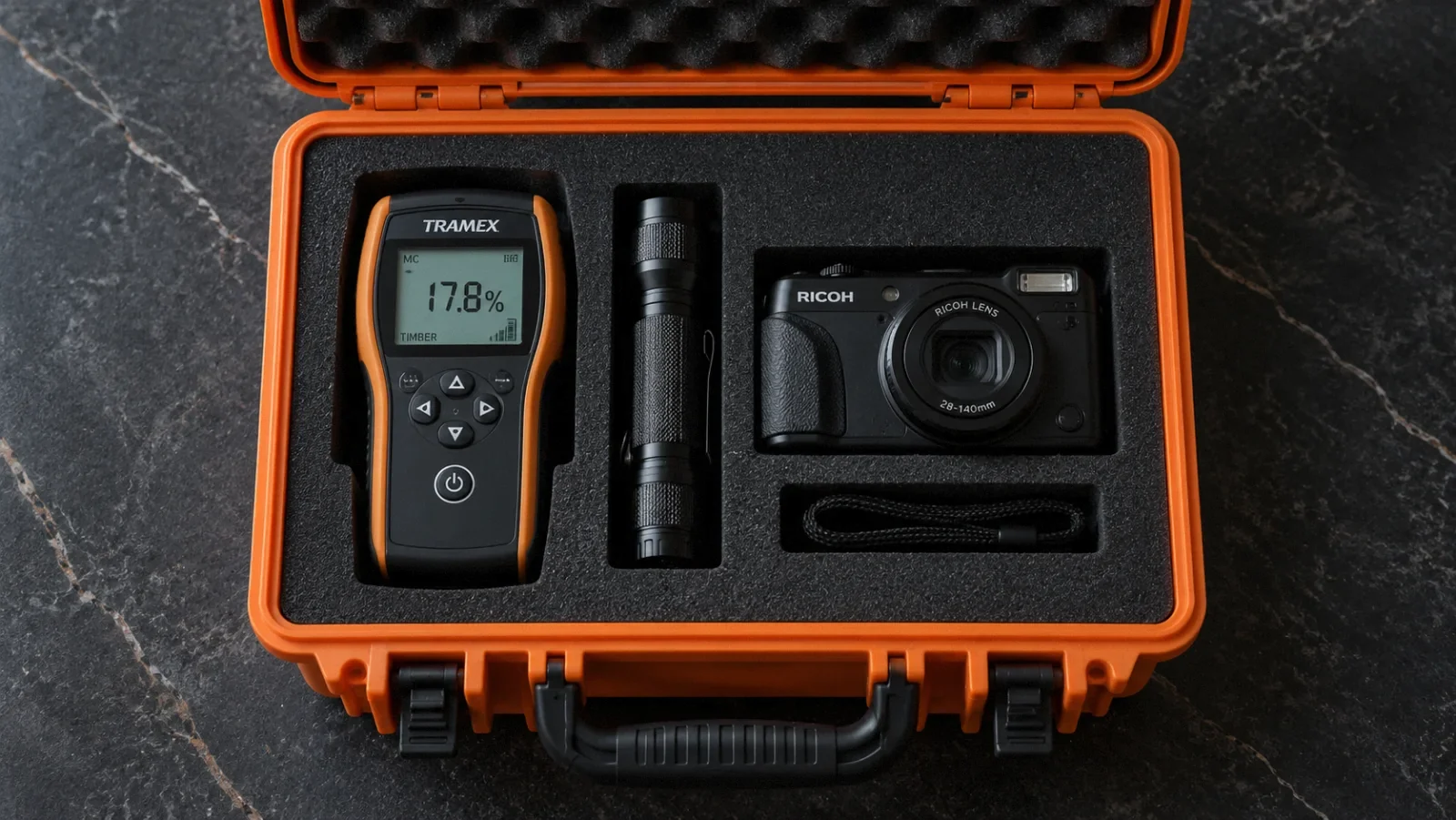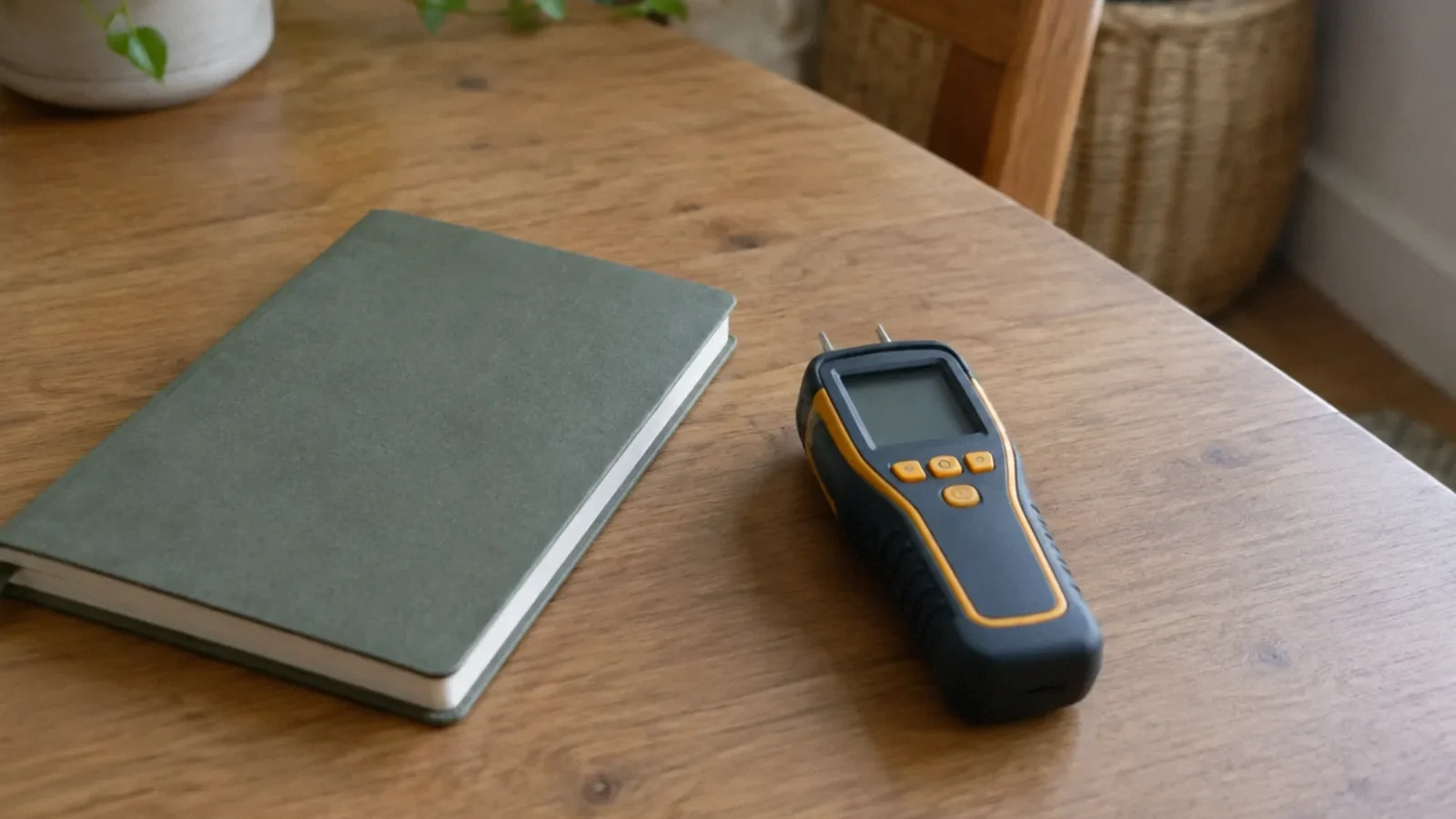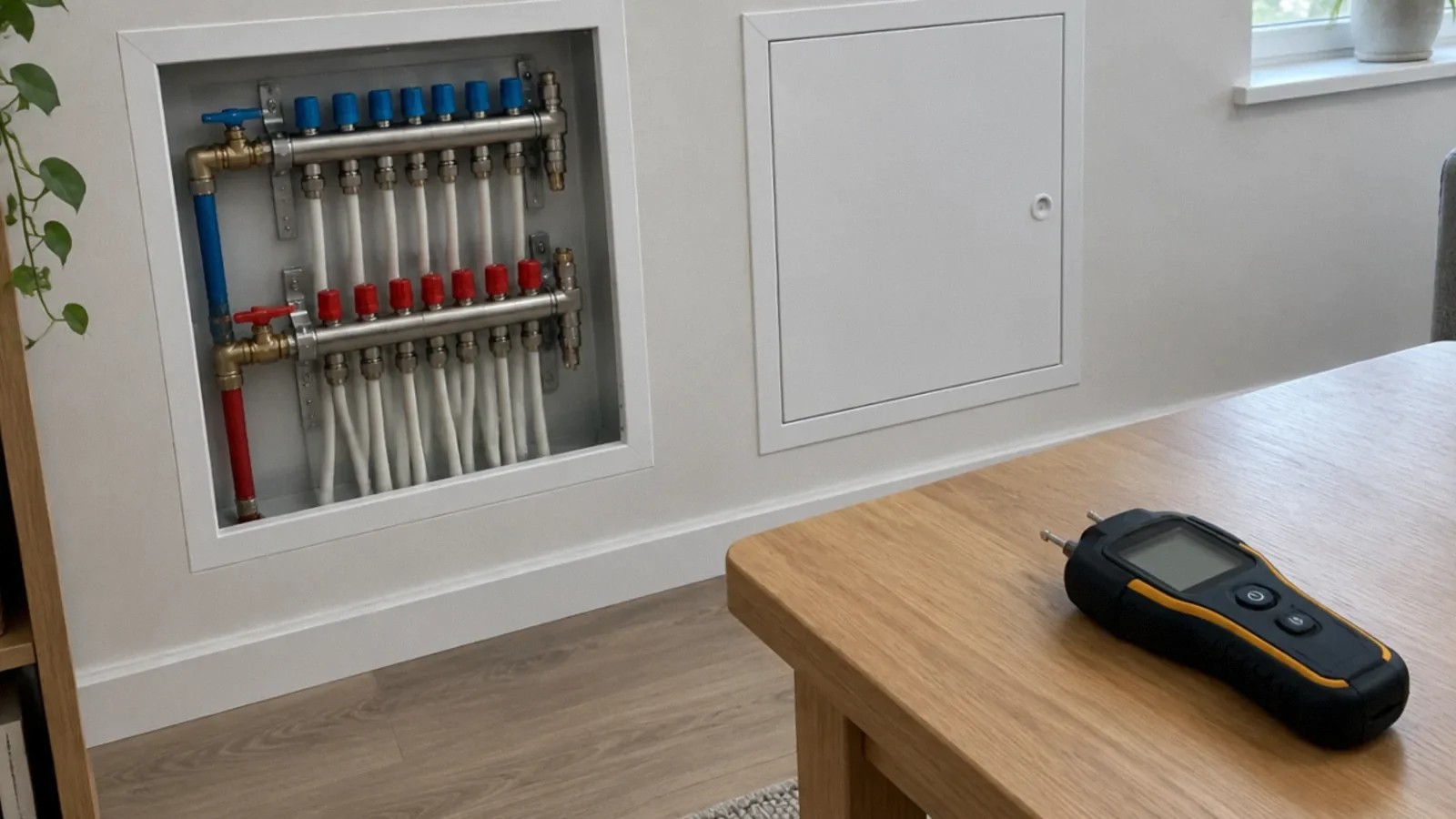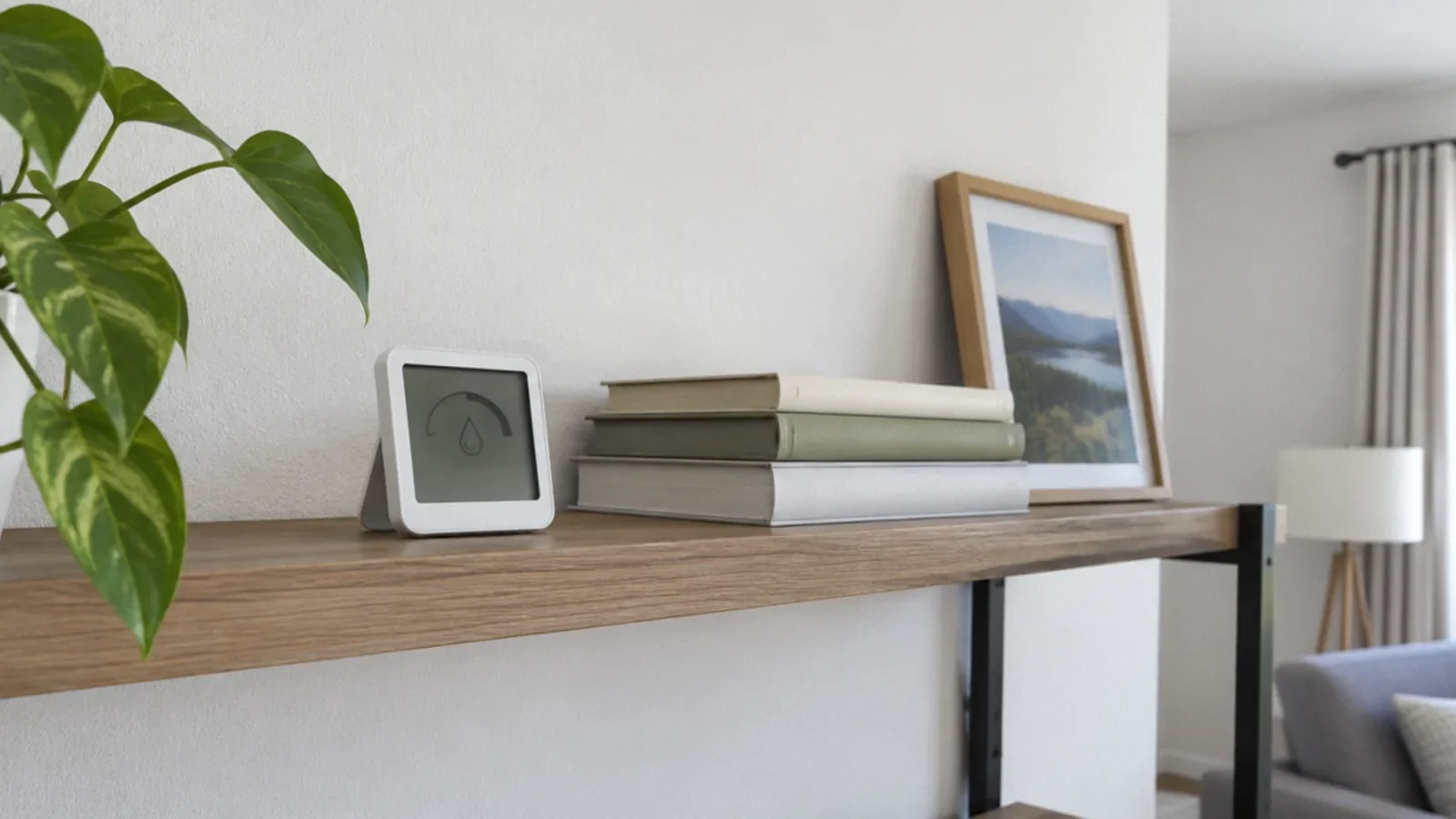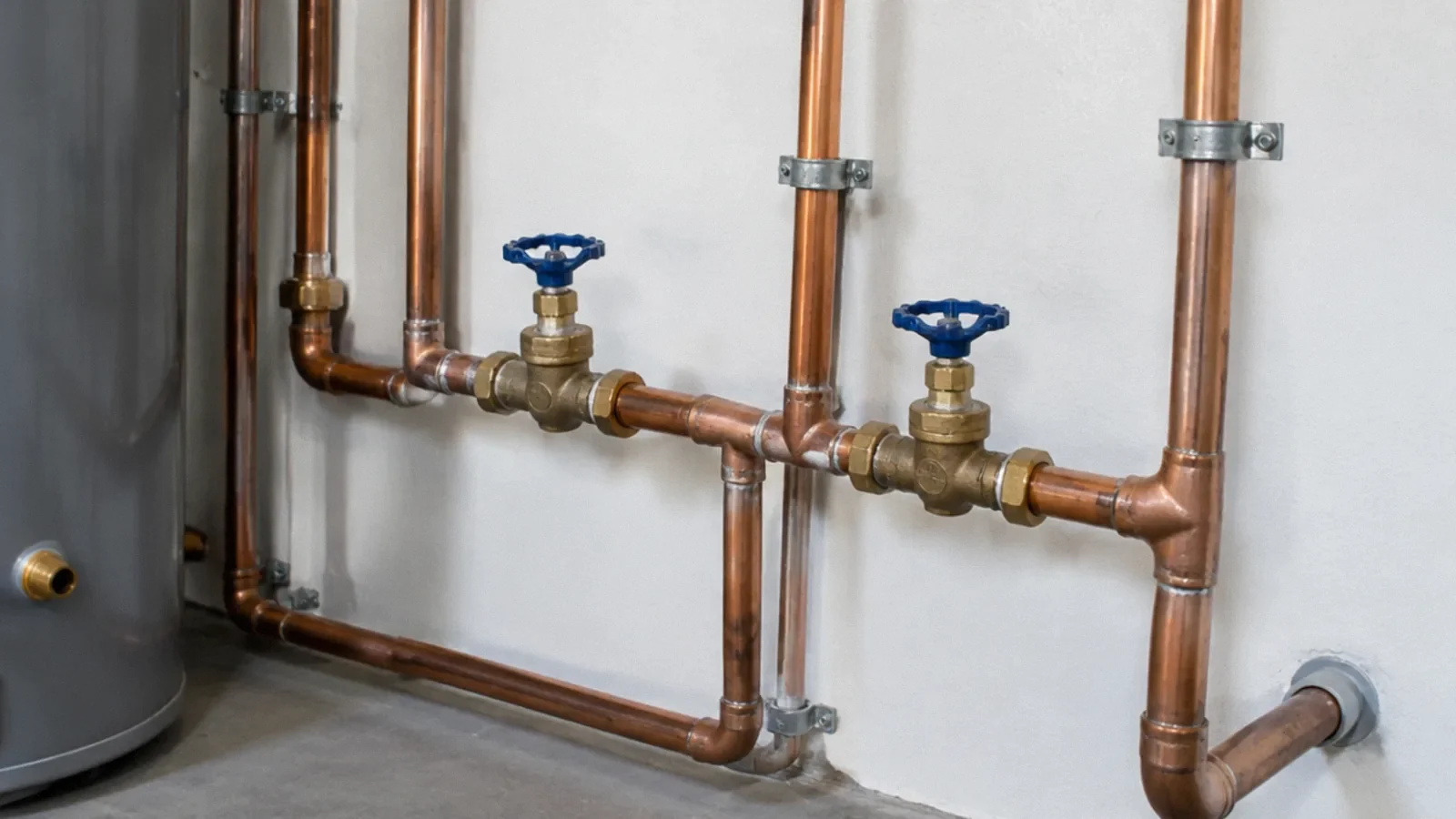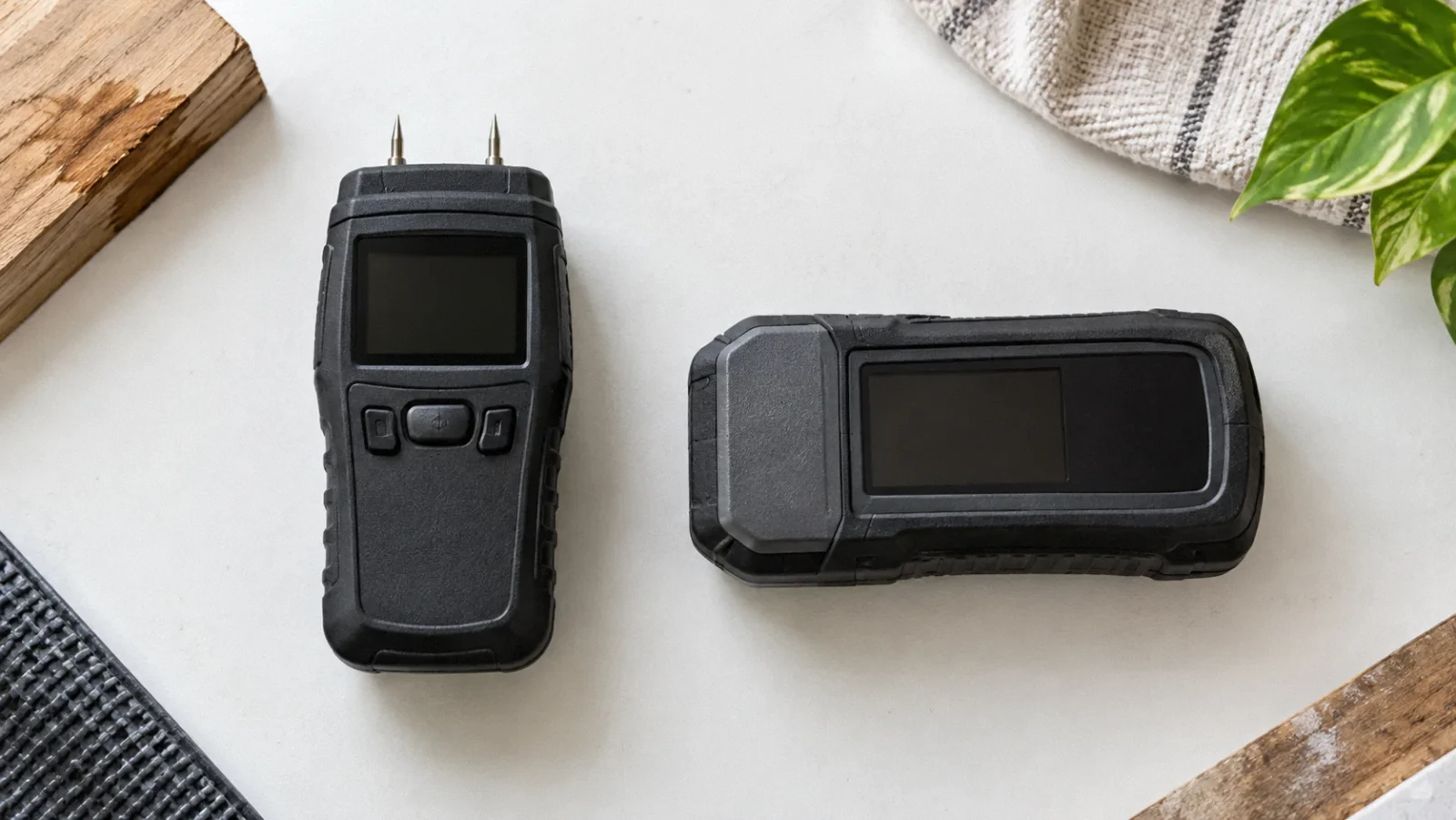
Pin and Pinless Moisture Meters: Understanding What a Reading Means
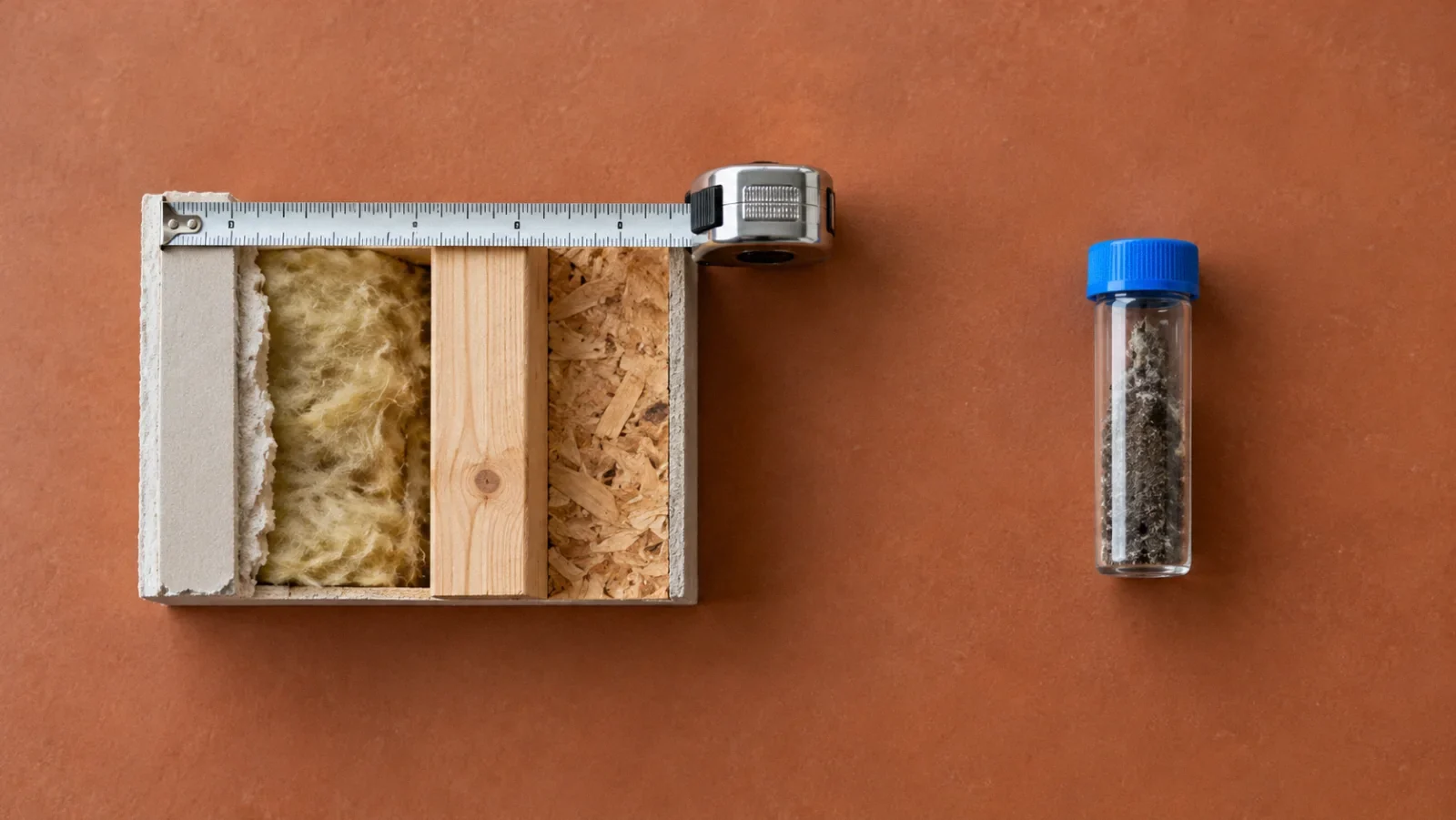
Interpret pin and pinless readings using material, scale, depth, and comparison areas, and learn why conflicting numbers need method checks before repair.
Know what was checked and what was not. Browse 37 detailed guides.
Interpret pin and pinless readings using material, scale, depth, and comparison areas, and learn why conflicting numbers need method checks before repair.
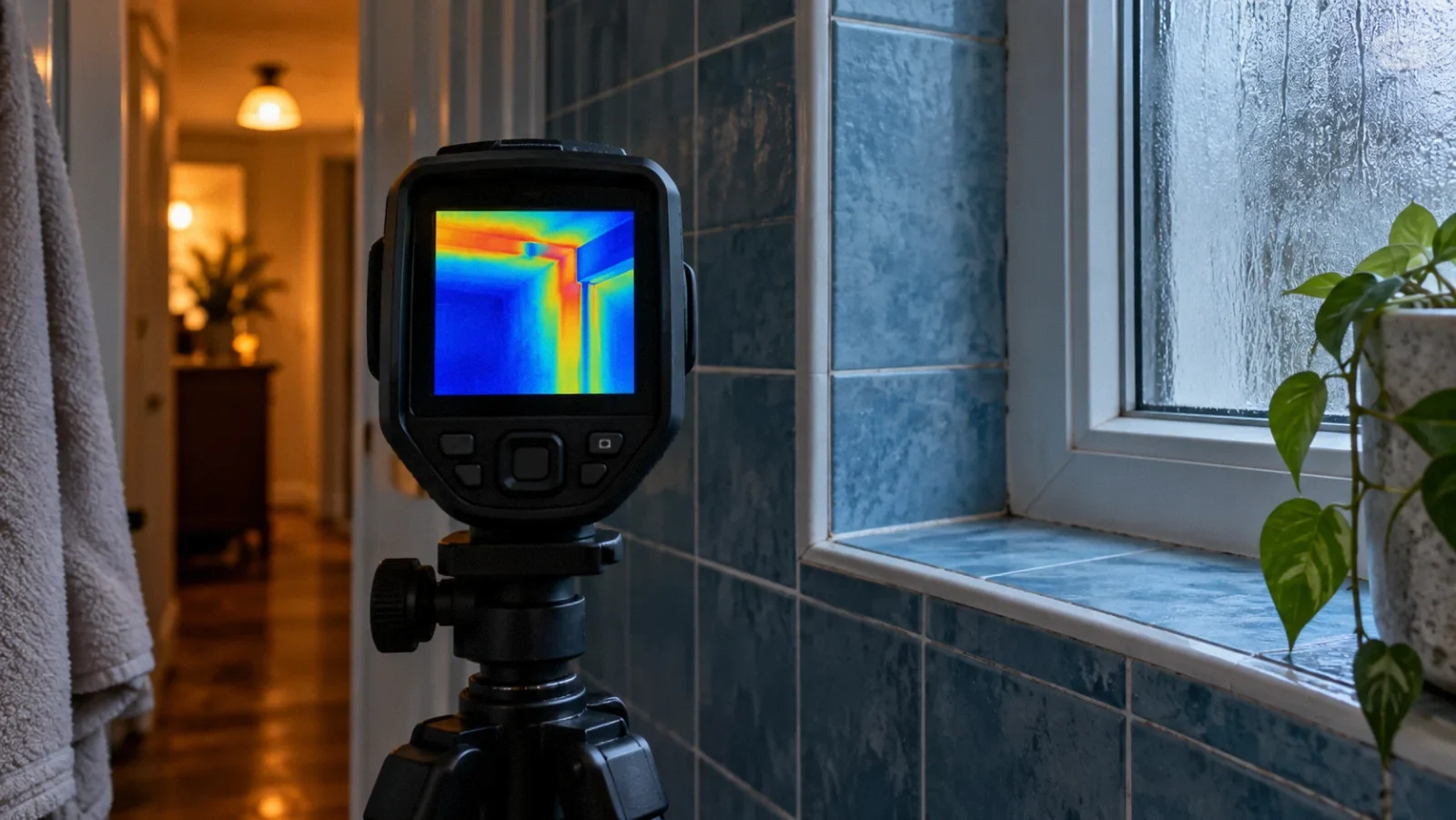
Use thermal images as temperature evidence, then confirm suspected moisture with appropriate measurements and access before deciding on demolition or closure.
Choose an independent water damage assessor for a defined technical question, with verified qualifications, appropriate methods and a useful written report.
Evaluate financial ties between mold assessors and remediators, define completion criteria and understand why an air sample alone cannot establish success.
Understand the scope and limits of a water damage inspection for a current home or a property purchase.
California water damage disclosure depends on the actual forms and duties. Explain known history, completed repairs, and unresolved limits accurately.
An as-is sale does not make known water damage irrelevant. Separate repair terms, inspection rights, disclosure duties, and the condition at possession.
Learn safe first steps after discovering water damage in a purchased home, how to preserve evidence and when to seek California legal advice.
A repair credit and seller repairs transfer different risks. Compare the same defined scope, financing limits, hidden uncertainty, and completion evidence.
A useful sale record connects the water event, source repair, hidden-area photos, drying evidence, permits, and the limits of what was actually verified.
FEMA maps describe hazards rather than a complete property loss history. Combine map versions, local records, disclosures, and building inspection evidence.
A building final and mold verification answer different questions. Coordinate inspection access and keep each approval’s scope and limitations clear.
A final walkthrough should check more than finishes. Compare the repair scope, concealed-work evidence, permit status, and unresolved items before acceptance.
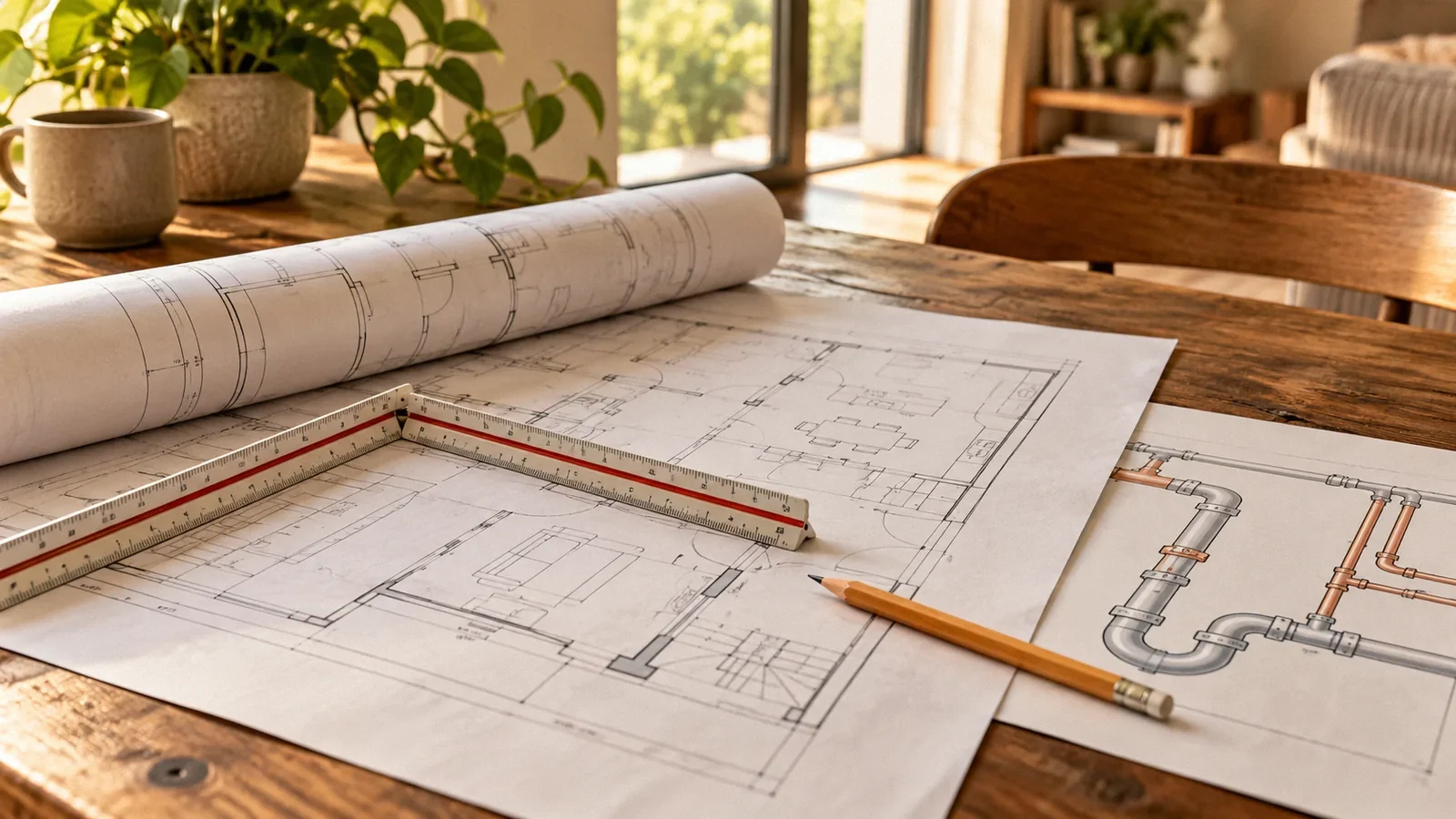
Learn to read floor plans, sections, site drawings and plumbing notes, and identify what plans cannot prove about a leak or hidden building conditions.
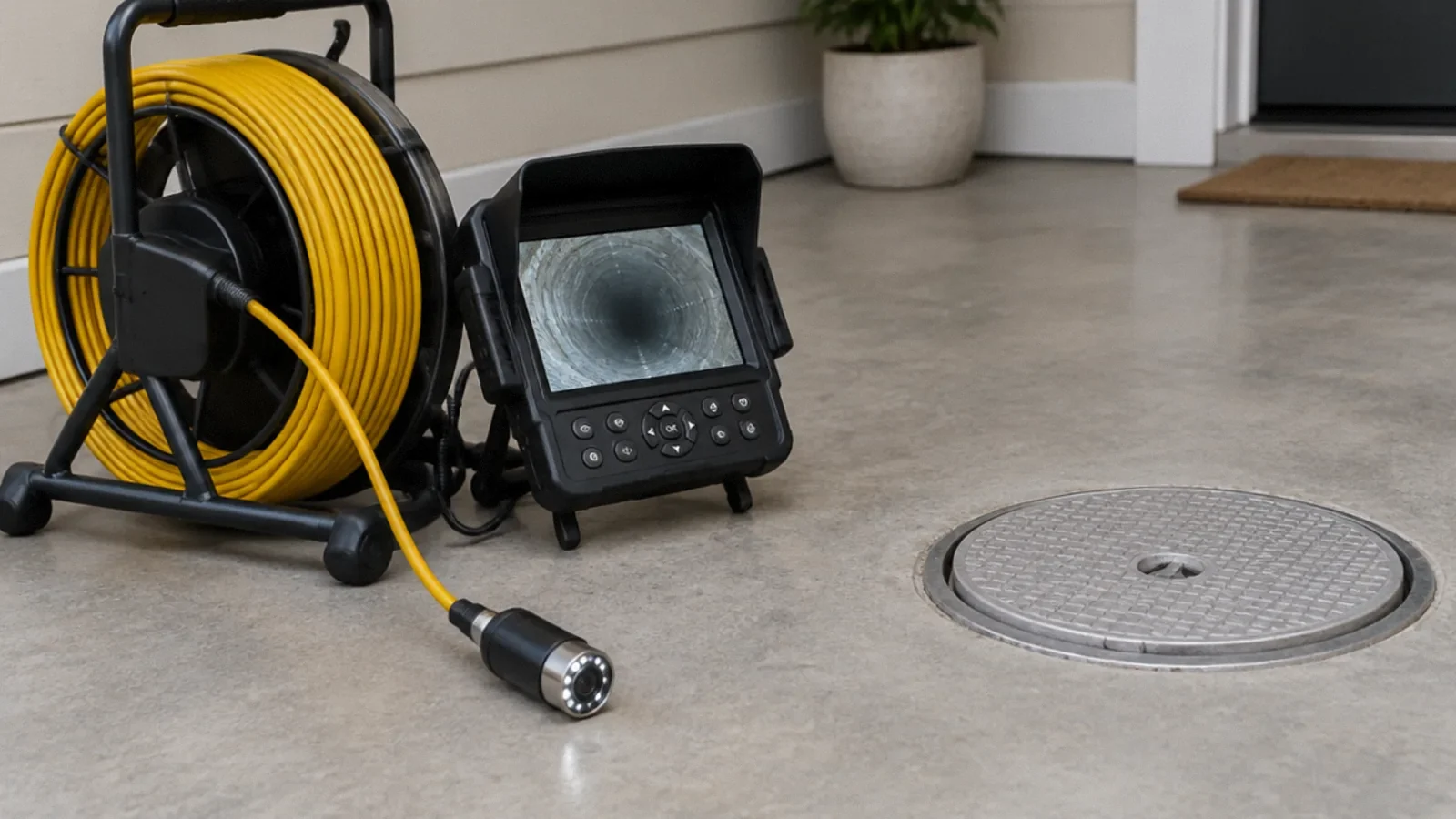
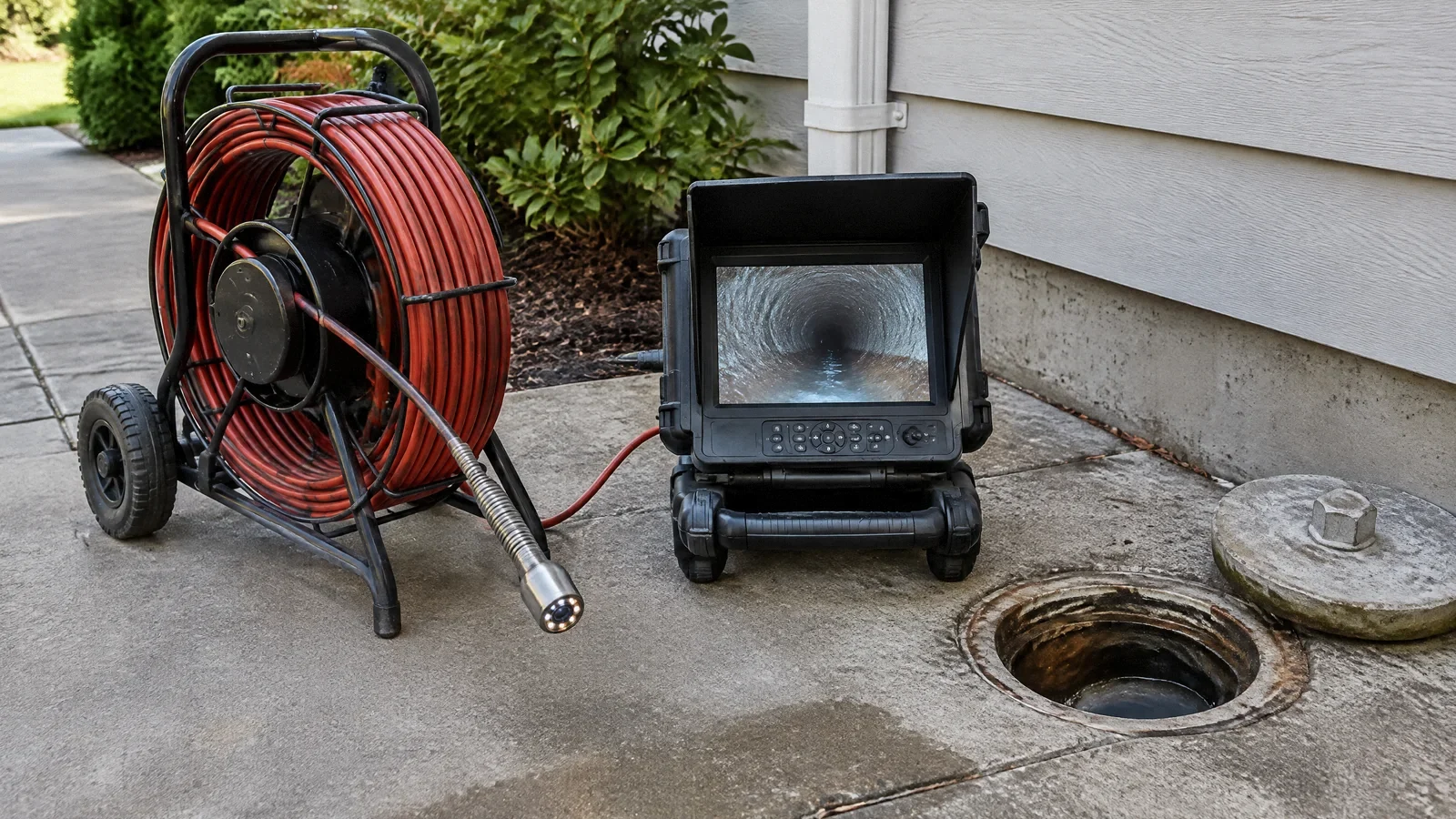
Learn when a sewer-line camera inspection can help, how a blocked pipe limits visibility and what to ask for in the recording.
Learn what may suggest a slab leak, how professionals narrow its location and what to ask about access and repair options.
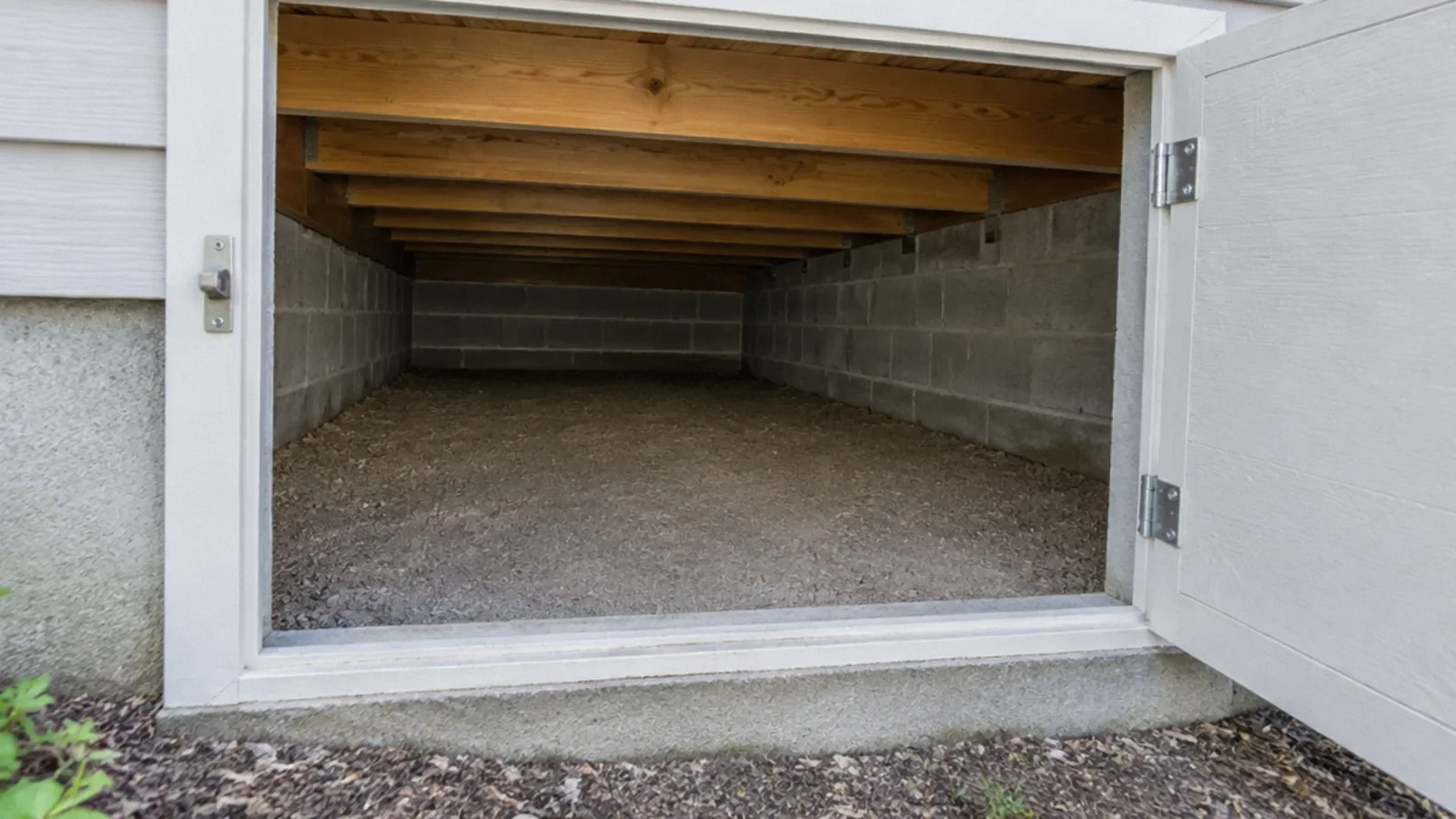
Learn how a crawl space foundation supports a home, how it differs from a basement or slab, and why moisture control matters.
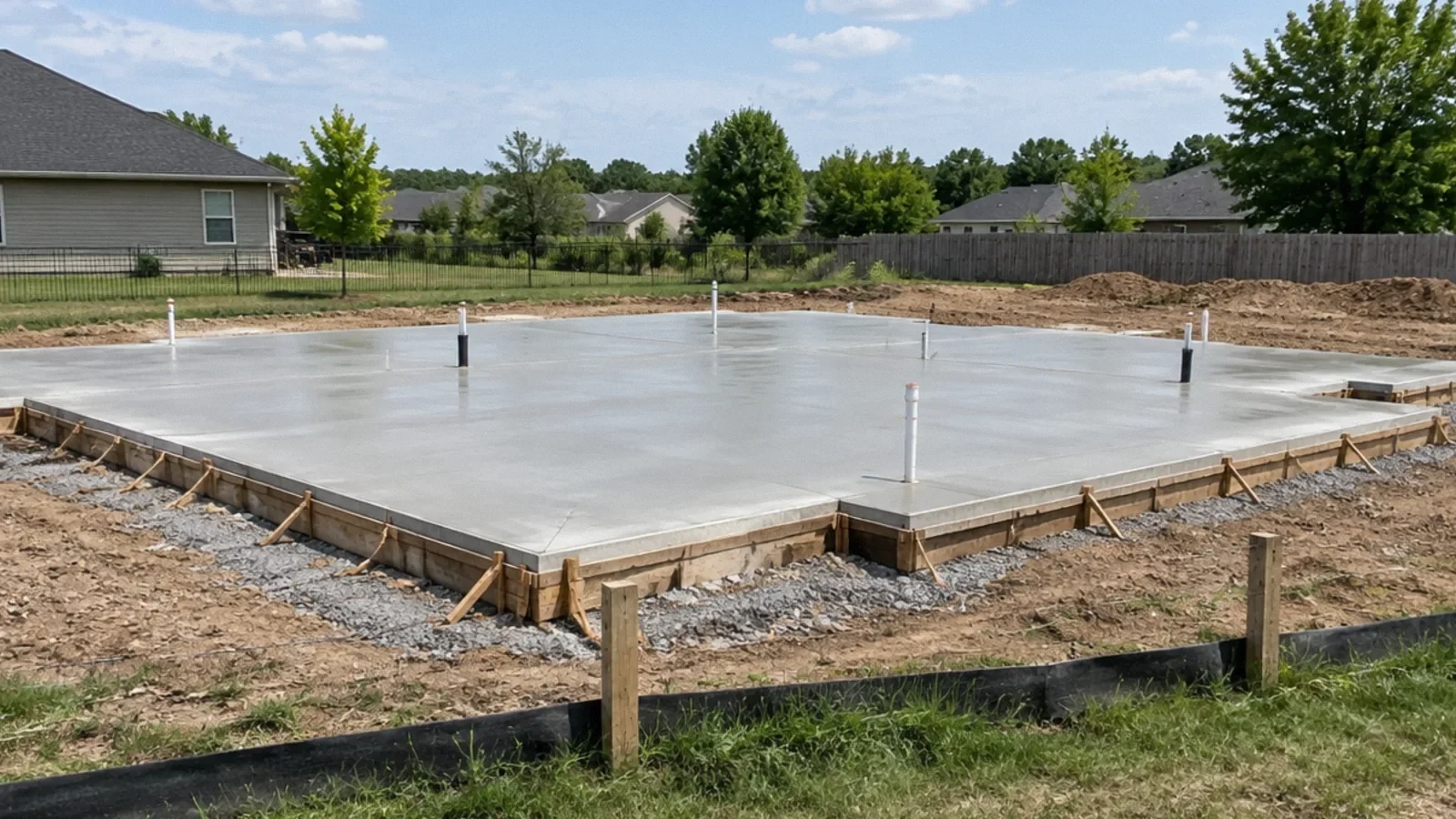
Understand slab-on-grade foundations, common moisture pathways and what to investigate when flooring or plumbing shows signs of water damage.
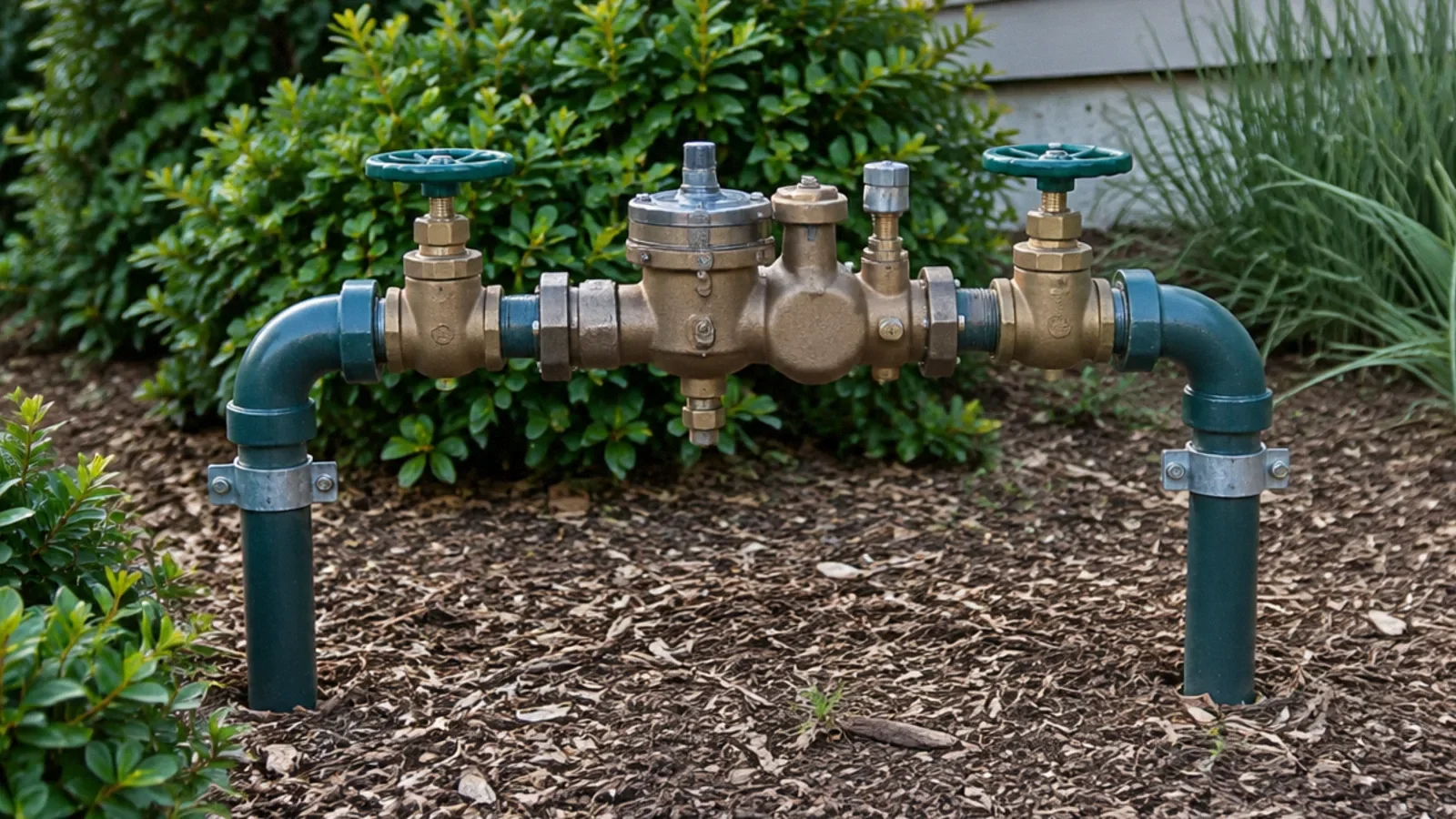
Understand why backflow prevention assemblies are tested, what a qualified tester does and how to check local requirements in the Bay Area.
Learn possible causes of water inside a refrigerator, electrical precautions and when to contact an appliance technician.
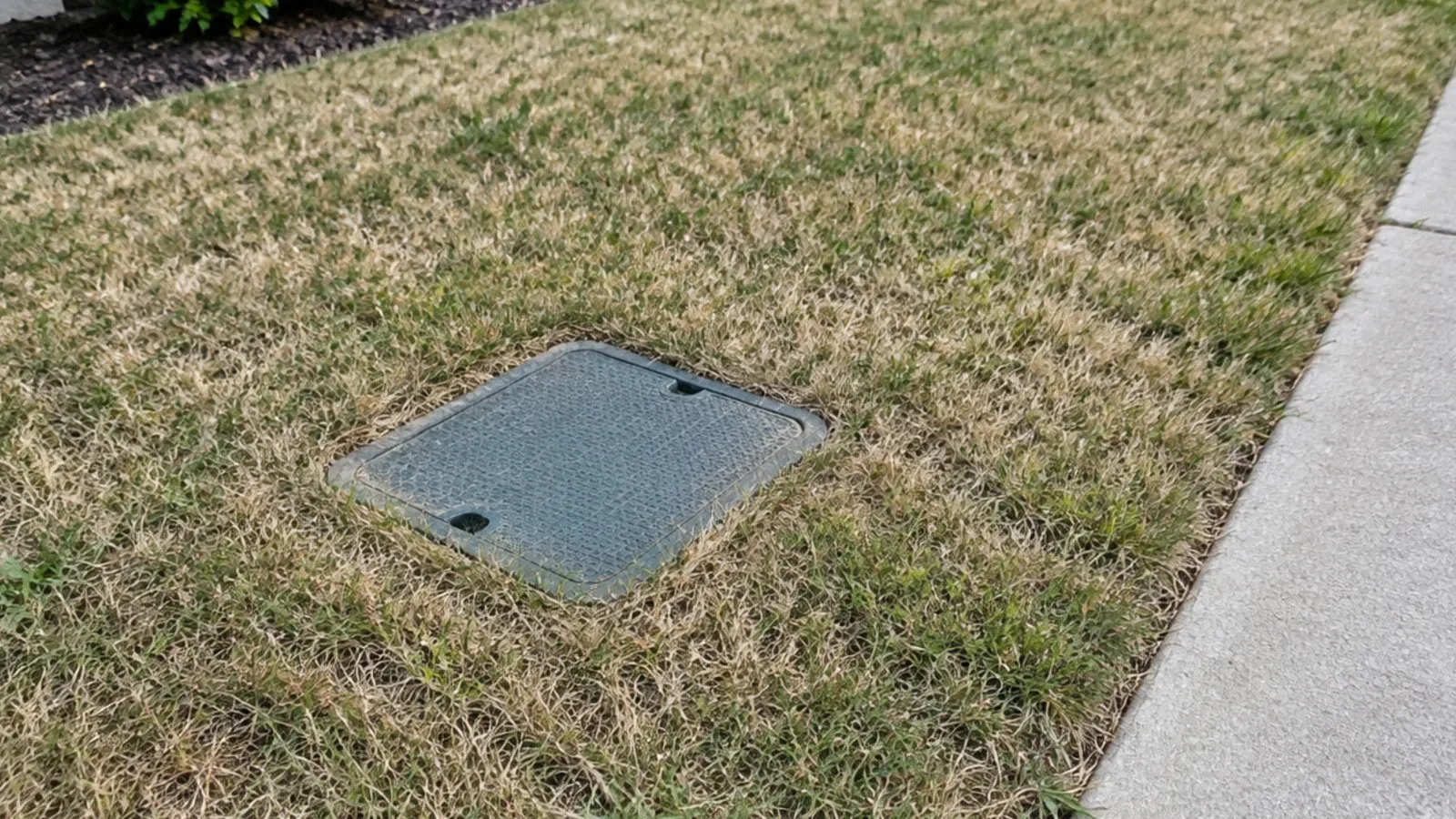
Learn possible signs of an underground water leak, what a meter check can and cannot show, and why utility locating matters before digging.
Understand remediation in building and environmental contexts, how it relates to mitigation and restoration, and what to look for in a written scope.
Identify a sewer cleanout, understand its purpose and learn what to do safely when a drain backs up or a cleanout cannot be located.
Understand thermal tracking, condensation and soot deposits, and learn how to investigate dark lines without assuming a diagnosis from appearance alone.
Learn how to distinguish a fixture issue, utility interruption, plumbing leak or other cause of low water pressure.
Understand fiber length and diameter, laboratory counting rules and why appearance cannot identify asbestos.
Learn how timing and sound can help a plumber investigate noisy pipes, pressure changes or a possible leak.
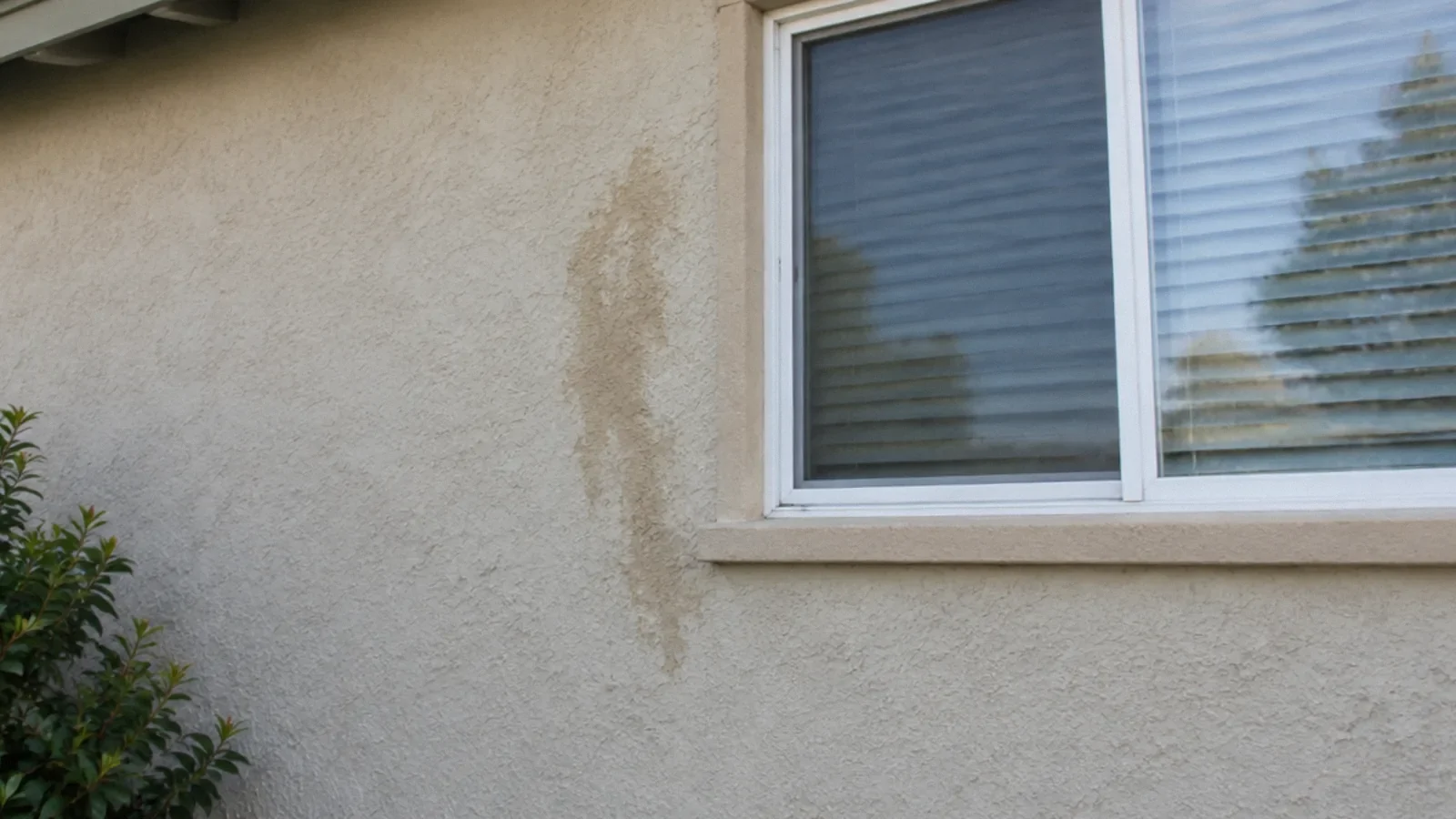
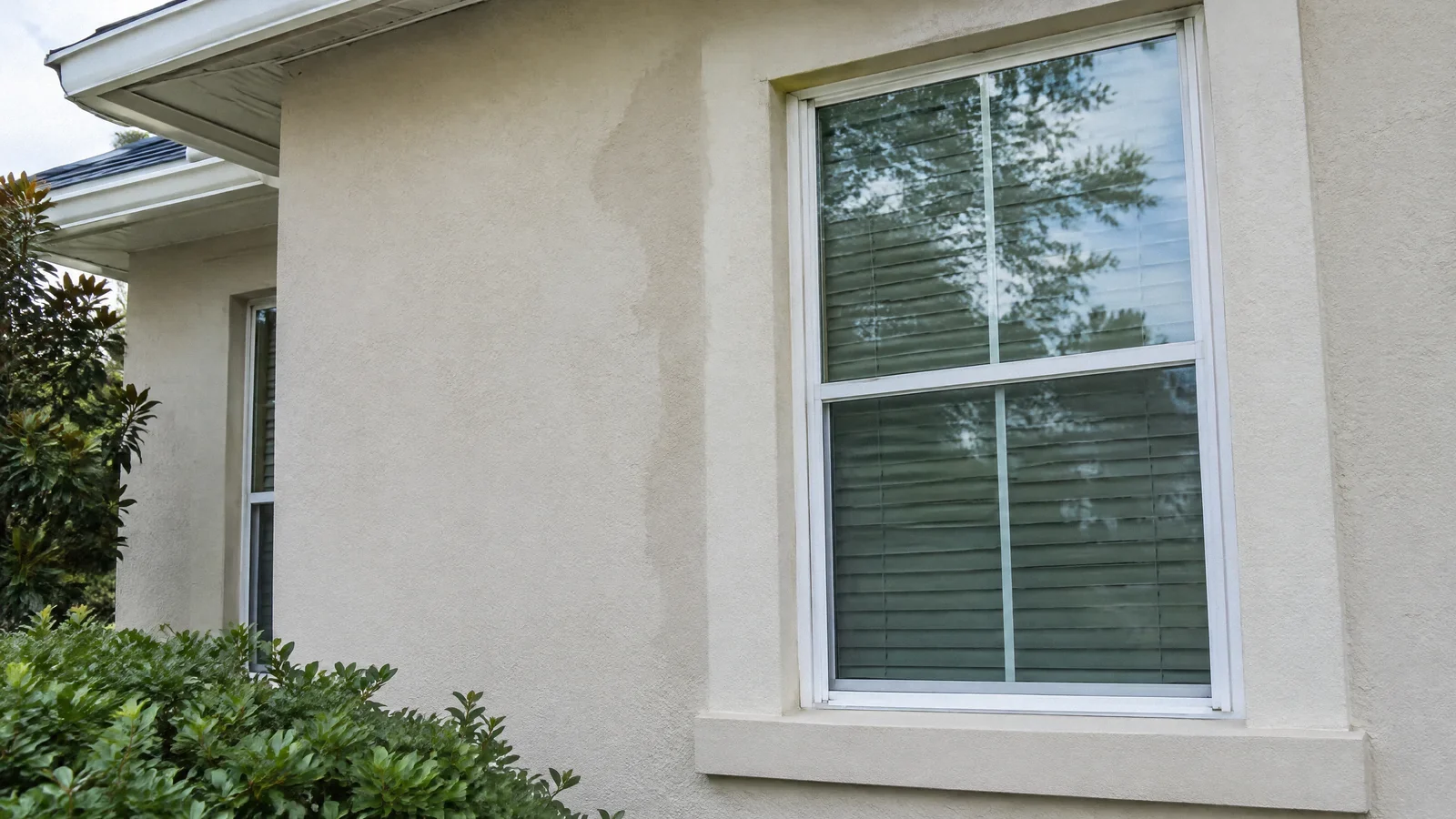
Learn why a stucco stain or crack may involve flashing, drainage and hidden wall materials.
Understand how active water damage, completed repairs and documentation can affect an appraisal or buyer’s decision.
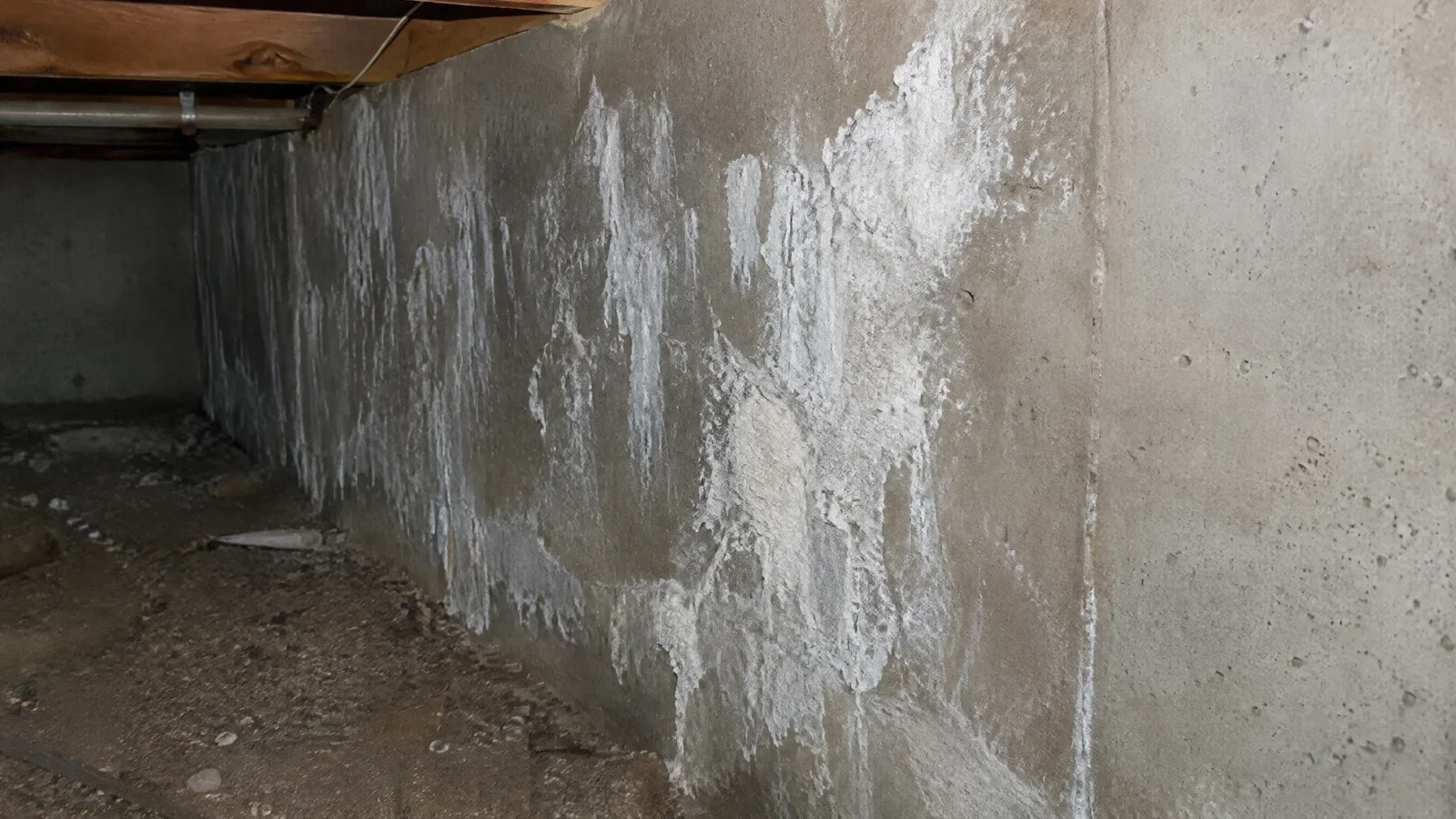
Learn why white mineral deposits appear on masonry and how to investigate the moisture pathway behind efflorescence.
Learn what a flood inspection should document, including water sources, affected materials, concealed areas and safety limits.
Check visible leak signs, use a water meter screening test and know when to call a leak detection professional.
Learn what non-invasive leak detection can establish and when confirmation or repair still requires access.
Compare sewer camera inspection prices, access charges, recordings and costs that may be separate.
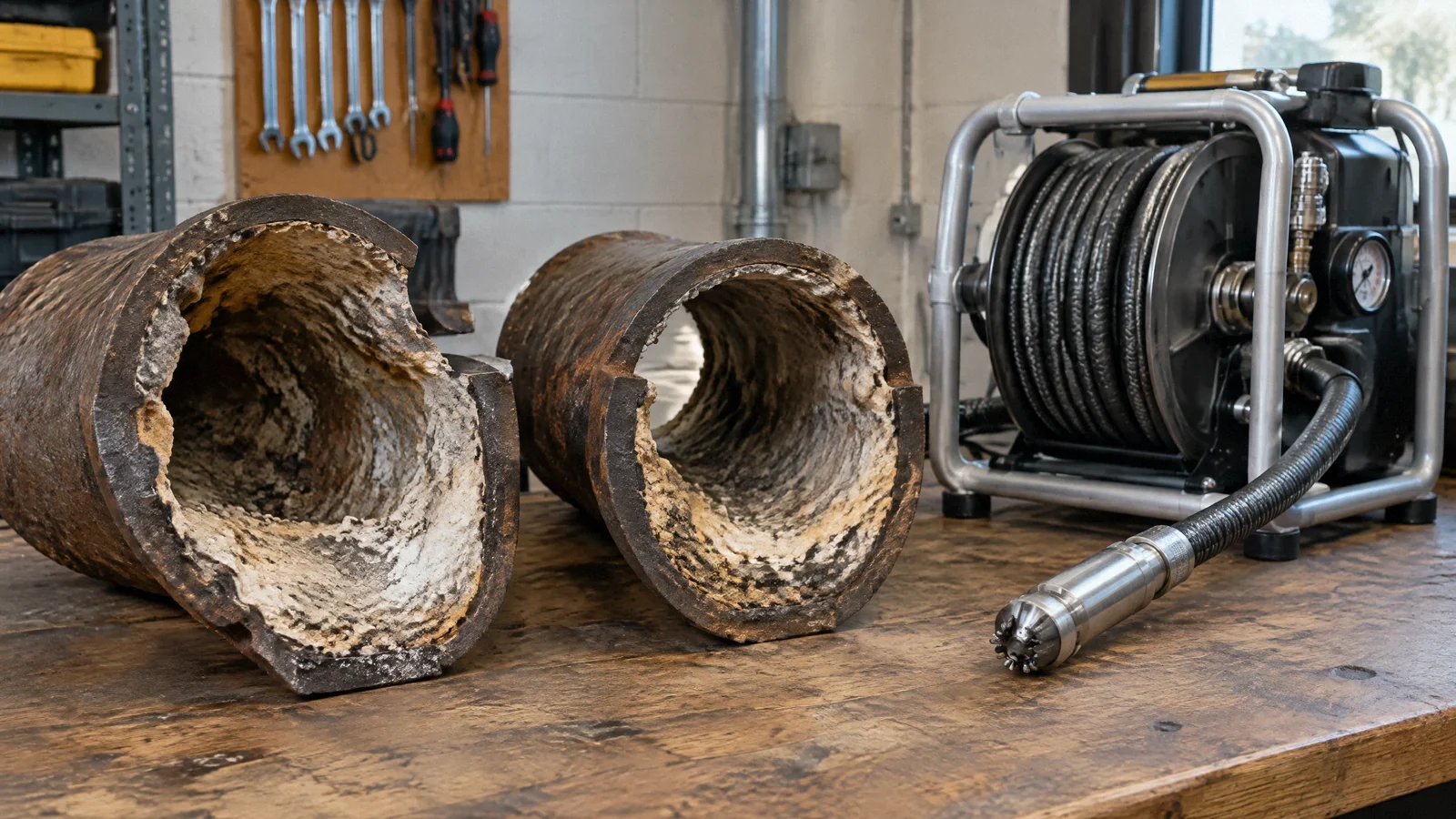
Understand sewer descaling, pipe condition, inspection and how it differs from repair.
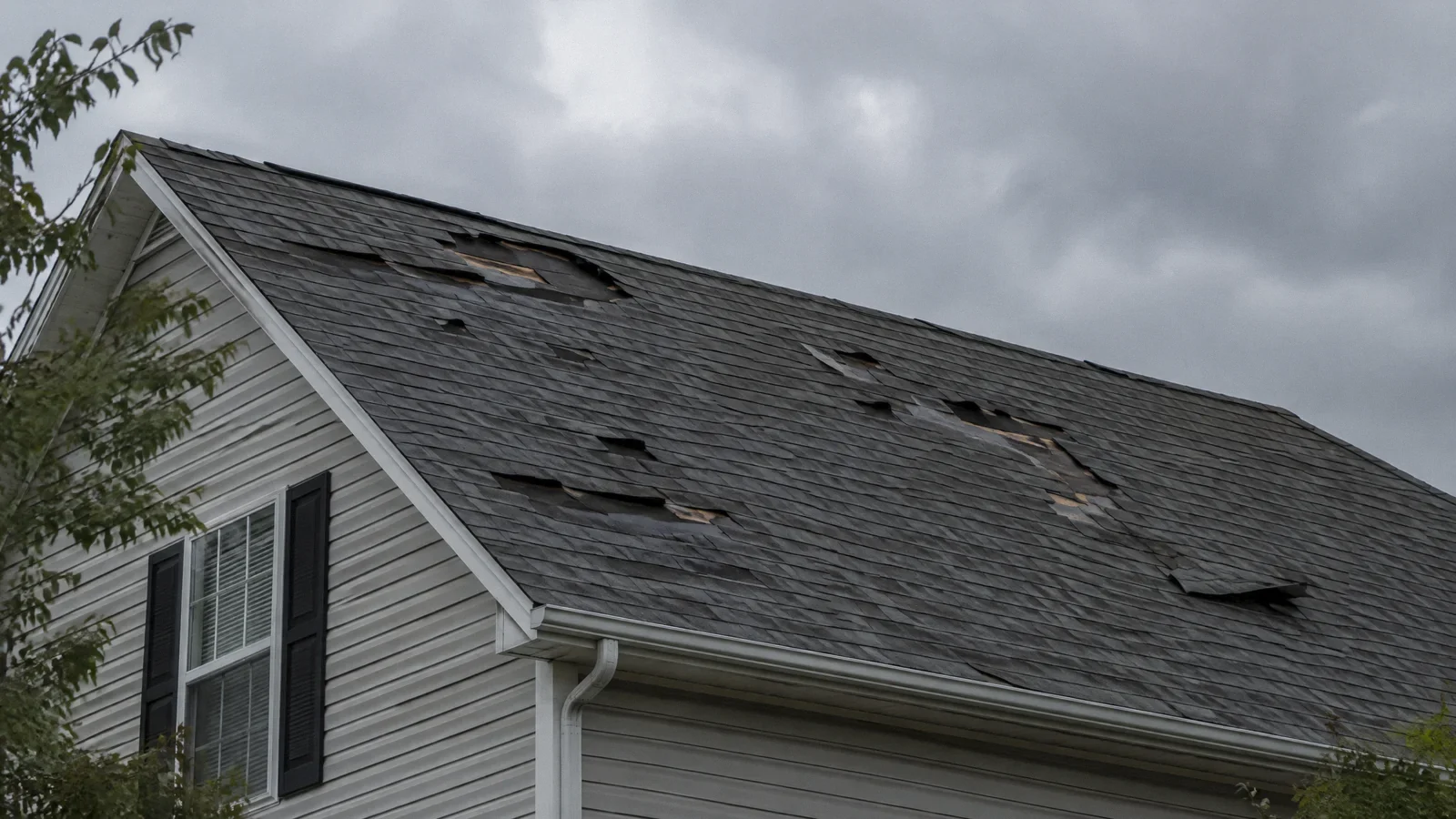
Recognize visible roof damage clues and know when a professional inspection is needed.
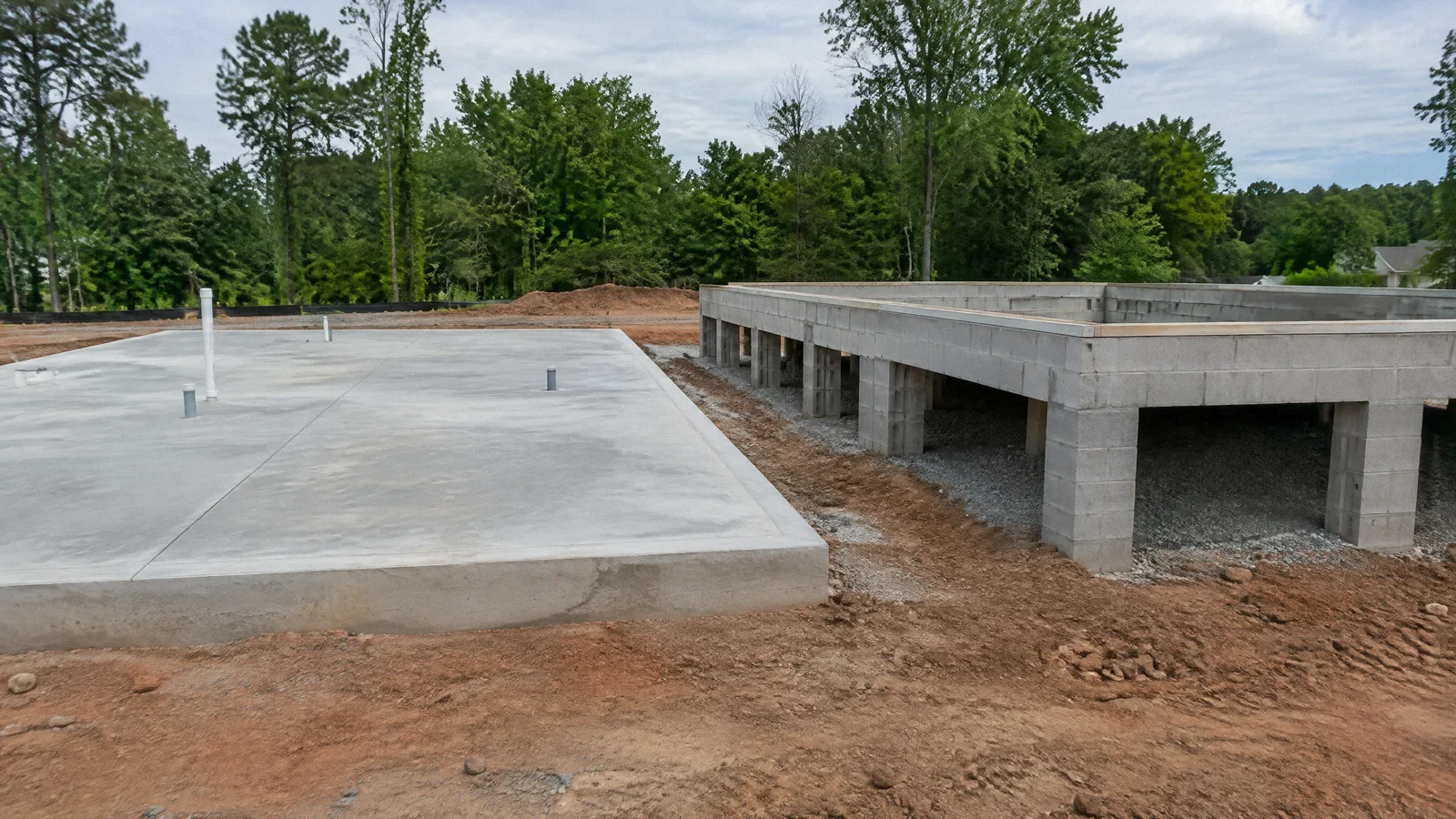
Compare slab and raised crawl-space foundations by water management, access, comfort and construction scope.
Try a material, “insurance”, “mold”, or a shorter phrase.