Banging, humming, dripping or ticking pipes can have different causes. Note when the sound occurs and check for visible water only where safe. Repeated banging after a valve closes can be water hammer, but a sound alone does not identify the fault; a qualified plumber can assess it.
Describe the noise and timing
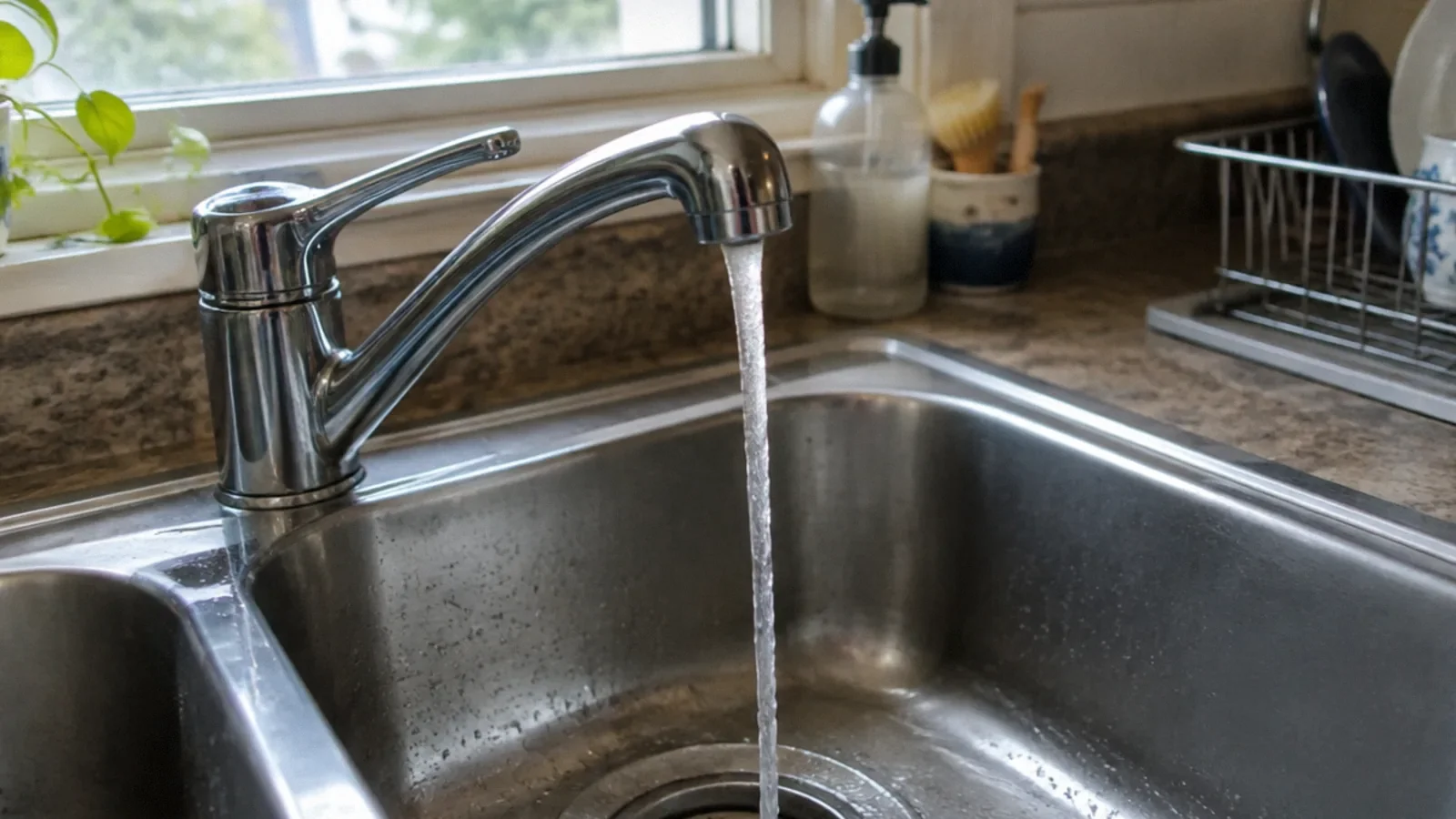
A bang when a washing machine stops filling is different from a continuous hiss when no fixture is in use. Note whether the noise occurs with hot or cold water, at one fixture or throughout the building, and whether it began after plumbing work. A short recording may help a plumber.
Do not assume that the loudest location is the source. Sound can travel along piping or framing. A symptom narrows the investigation but does not prove that a valve, pipe or appliance has failed.
What water hammer means
A sudden change in water flow can create a pressure transient, often called water hammer. EPA describes surge as a pressure change associated with changes in pipeline flow, and plumbing manufacturers note that rapidly closing valves can produce a banging sound.
Repeated shocks may stress a system, but not every bang is water hammer. A plumber can evaluate valve operation, pressure, pipe support and whether an appropriately sized device is needed. Do not install or adjust a component solely from an internet diagnosis.
Humming, vibration or rattling
A vibrating pipe, fixture or valve can make a hum or rattle during water use. Loose supports, a worn component or another issue may contribute. Temperature changes can also cause some materials to move and make a ticking noise.
Observe only accessible areas without reaching into machinery or opening walls. Do not tighten an unfamiliar fitting or add a clamp near wiring. A professional can identify the source and avoid concealing a leak while securing a pipe.
Could the sound mean a leak?
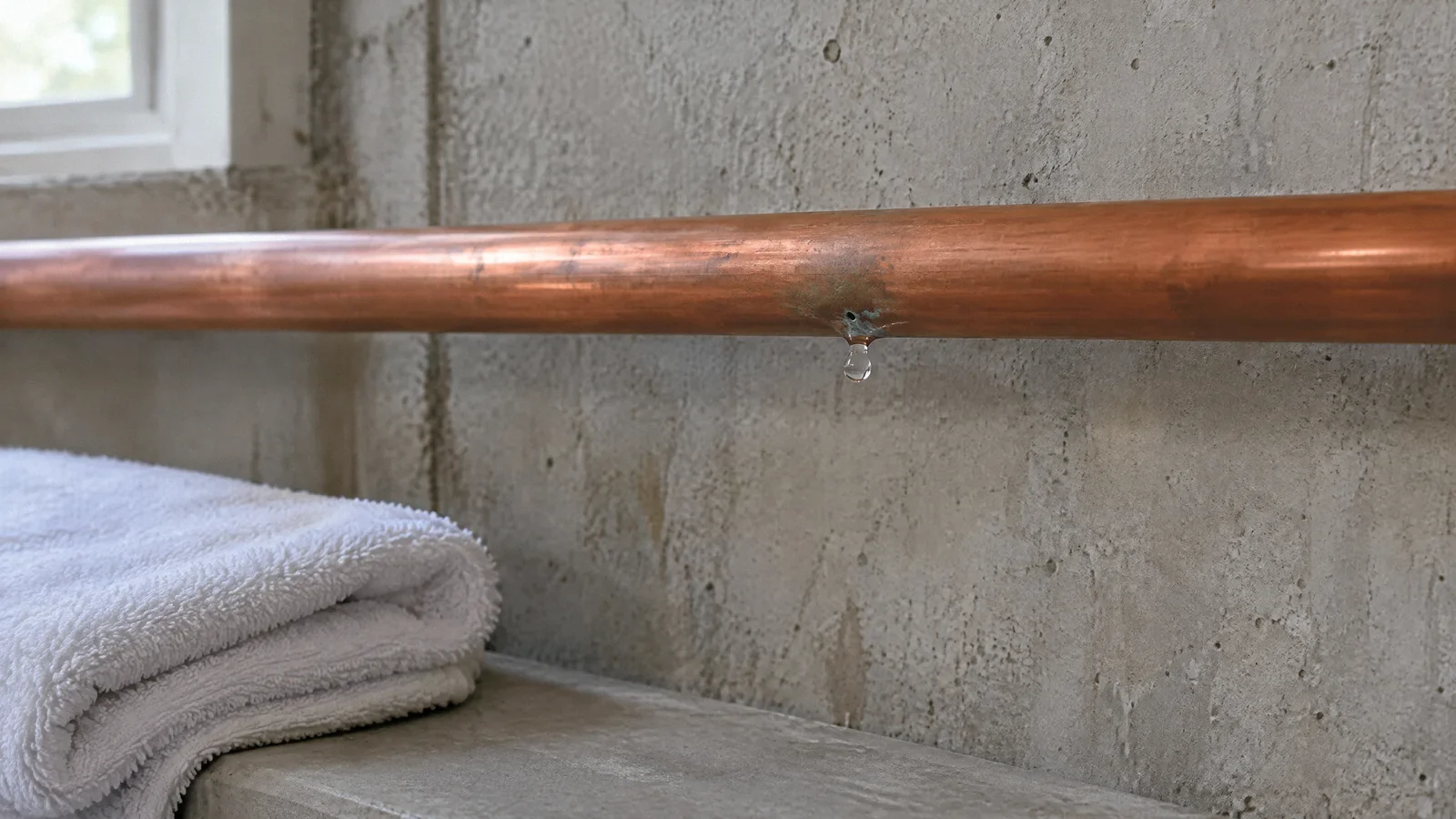
A persistent sound of running water, new stain, damp cabinet, unexpected water use or wet flooring can indicate a leak. These signs are not conclusive on their own. Look from a safe location and avoid wet electrical devices or standing water near a panel.
If an active leak is known and a shutoff is safe to reach, close it as appropriate and contact a plumber. Do not open a wall or dig to chase a sound without planning for electrical wiring, utilities and suspect materials. Hidden water may extend beyond the visible mark.
Pressure and valves
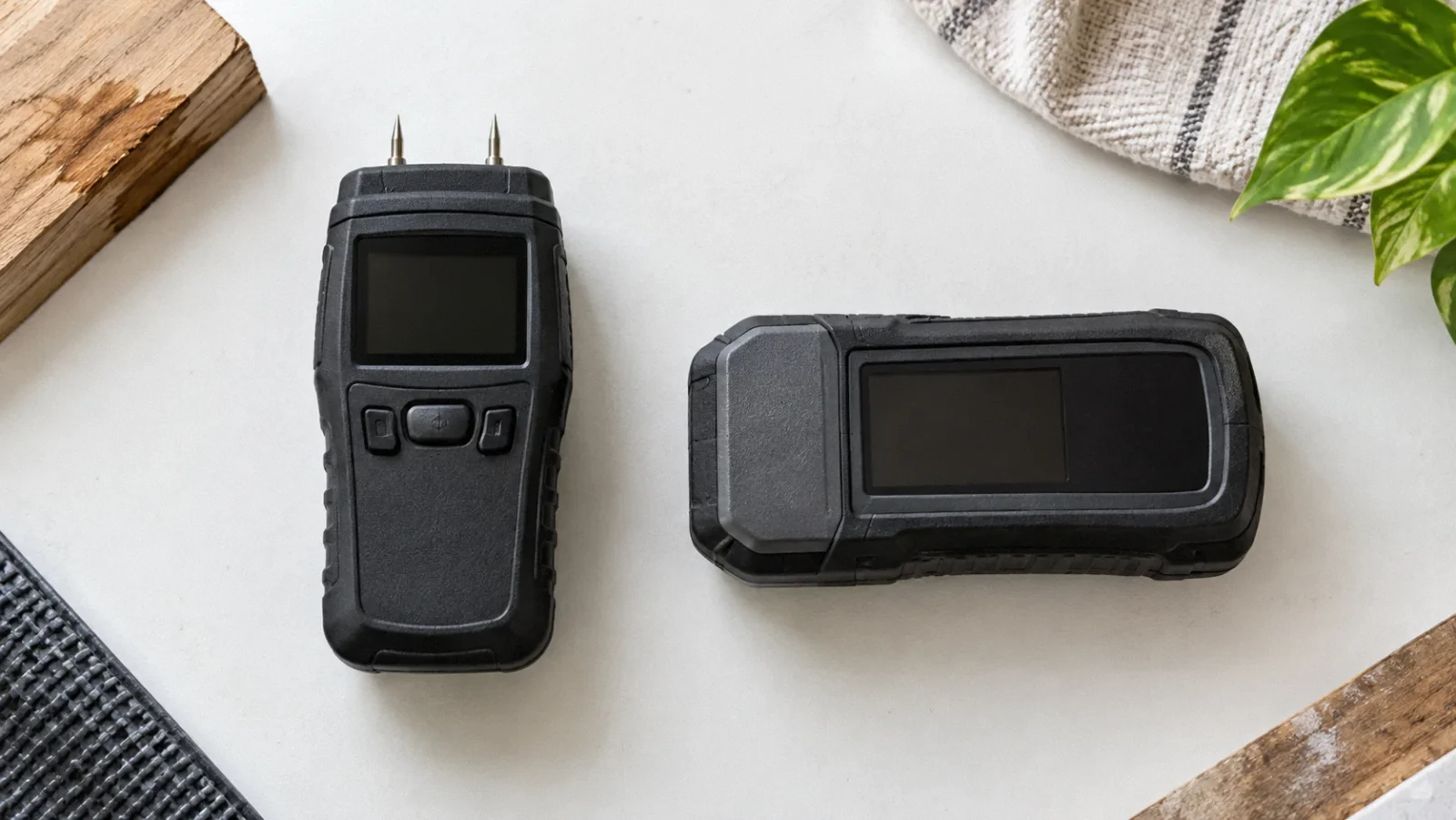
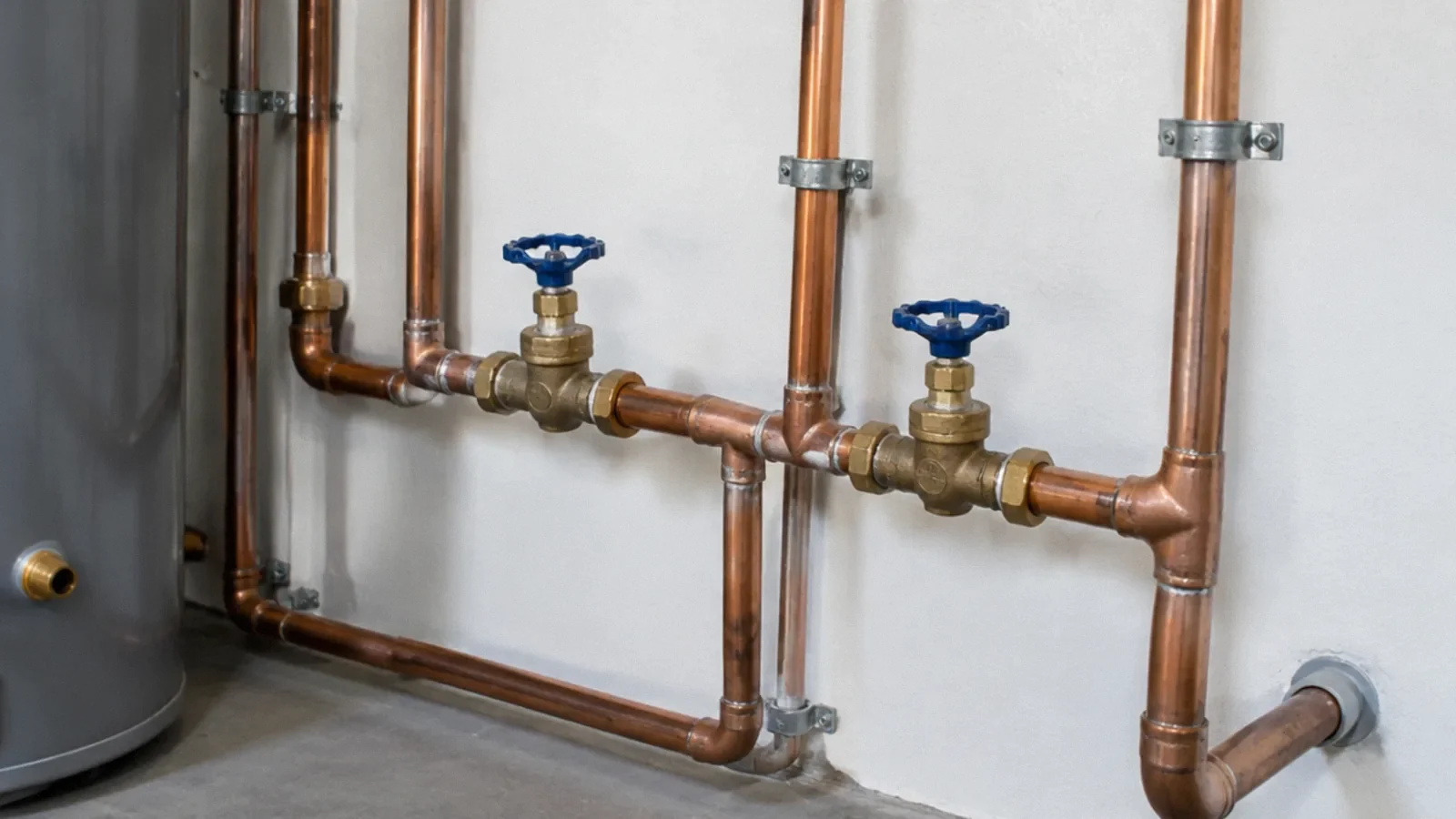
High or changing pressure, a faulty valve or another system condition can contribute to noise. A plumber can measure pressure with appropriate equipment and compare the result with the system’s requirements. Do not adjust an unfamiliar regulator simply to quiet the sound.
A valve may fail if forced, especially when it is old or corroded. In a shared building, notify the property manager rather than accessing locked equipment or changing a common supply. Report an active leak promptly.
Hot-water and appliance patterns
If noise occurs only when hot water runs, tell the plumber which fixtures are affected and whether there are signs around the water heater. Do not open the heater or operate gas or electrical components to investigate. An unusual gas odor calls for immediate evacuation and a call to the utility or emergency services from outside.
A dishwasher or washer may close its valve quickly and make a pressure-related sound more noticeable. The appliance is not necessarily defective. Follow its manual and ask a qualified professional to assess the plumbing and connection.
What to ask a plumber
Describe the noise, timing, recent changes and any water damage. Ask the plumber to explain the likely cause, measurements taken, proposed repair and whether a wall opening is necessary. Request a written scope and price before nonemergency additional work.
If a leak is found, clarify who will assess and dry adjacent flooring or wall materials. Quieting a pipe does not establish that previously wet insulation or a subfloor is dry. Keep the service report and photographs.
After the repair
Run fixtures as directed and note whether the sound and any leak have stopped. Report a recurring bang, persistent hiss or new moisture to the provider. Do not repeatedly stress a fixture to test it.
Know where the relevant shutoffs are before an emergency and keep them accessible. Maintain fixtures and appliances according to their instructions. A recurring plumbing sound is worth investigating even when no water is visible.
Compare noises when water starts, runs and stops
Note whether a bang occurs when a faucet opens, while it runs, or immediately after it closes. A sharp stop-related impact can be water hammer; a sustained hum, rattle or whistle during flow can also involve a valve, restriction, pressure or pipe movement. The timing narrows the investigation but does not diagnose the cause. Do not adjust a pressure regulator based on sound alone: a plumber can measure pressure and inspect the installation.
If the noise is only in the shower, compare other fixtures and note whether hot, cold or mixed water produces it. A showerhead or mixing valve is one possible source, but shared piping can carry sound. A hot-only whistle at several fixtures may point the plumber toward the hot-water side; one fixture may suggest a local component. Record the pattern without taking valves apart. Call a plumber for persistent or worsening noise, a leak, pressure changes or uncertainty; shut off water only if safe and needed to limit an active leak.
Your next-step checklist
- Record when and where the sound occurs.
- Look for visible leaks only from safe locations.
- Avoid adjusting unfamiliar valves or pressure devices.
- Ask a plumber to identify the cause and verify the repair.
Related questions
Why do pipes bang when water stops?
A sudden change in flow can cause water hammer, but a plumber should assess the system rather than assume every bang has that cause.
Can a pipe noise mean a leak?
A persistent running-water sound can be a clue, especially with new moisture or unexplained use, but it does not prove a leak.
Should I increase or decrease pressure myself?
Do not adjust an unfamiliar regulator. A plumber can measure and evaluate the system.
Why do pipes tick after hot water runs?
Thermal movement is one possibility, but timing and inspection are needed to identify the source.
Sources & context
Public guidance supports the principles in this article. The practical questions and examples are editorial interpretation, not a site assessment or a coverage decision. State-specific rules apply only where identified.
- EPA: Pressure transients in drinking-water systemsfederal technical guidance
- Watts: Water pressure reducing valve questionsmanufacturer technical guidance
- EPA WaterSense: Home maintenancefederal maintenance guidance