Low flow at one fixture can have a different cause from low pressure throughout a home. Check the pattern, ask the utility about known work or outages and arrange a plumber if the problem persists or a leak is suspected. Do not adjust an unfamiliar valve or pressure device without guidance.
Describe the pattern
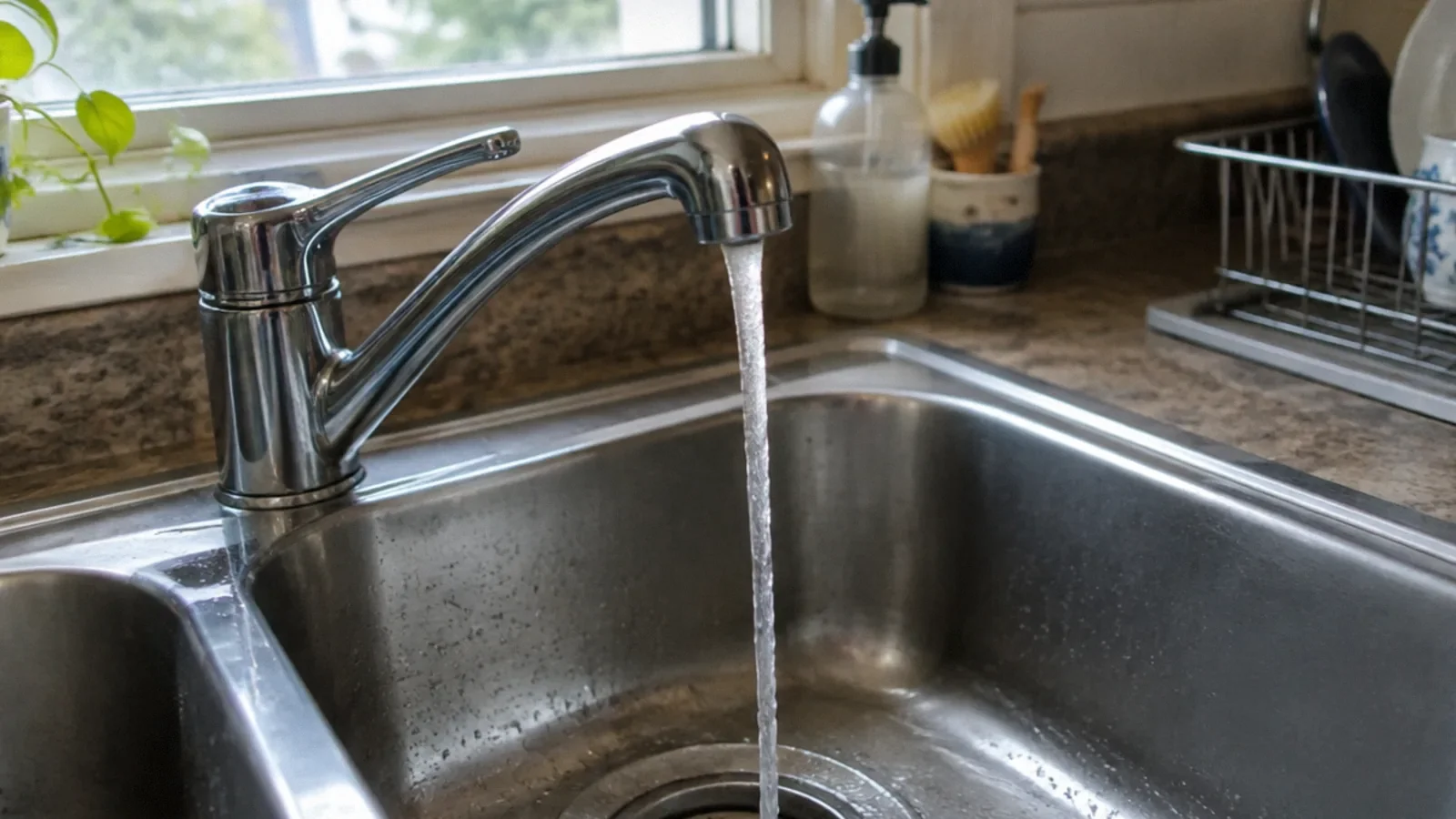
Determine whether the change affects one faucet, several fixtures or the entire home. Note whether hot and cold water are both affected and whether the issue began suddenly or gradually. These observations narrow the investigation but do not prove a particular failure.
Low flow can be caused by a restricted fixture even if the supply pressure is normal. A whole-house problem can involve a different component or a utility interruption. Record when the problem occurs and whether a neighbor has noticed a similar change.
Check for utility work
Water-main work, a break or a service interruption can change pressure temporarily. Check the water utility’s current outage information or contact it directly. East Bay Municipal Utility District, for example, provides construction and maintenance information and outage resources for its service area.
Do not assume an outside cause if there are signs of a leak inside. A utility notice may explain a neighborhood issue, while a private plumbing fault can occur at the same time. Follow any current drinking-water advisory issued by the responsible authority.
One fixture or the whole home?
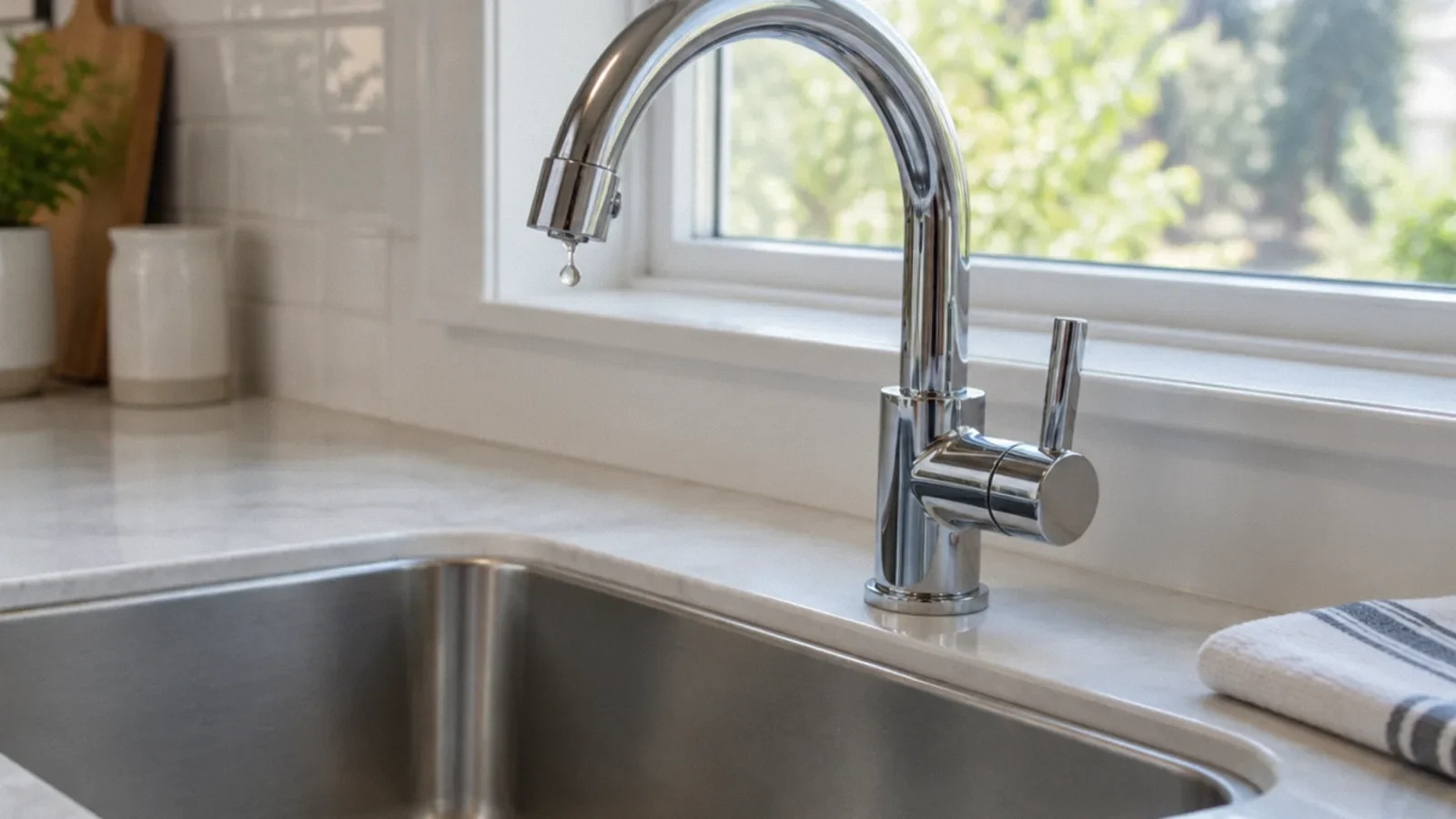
If only one faucet is affected, its aerator, cartridge or a nearby valve may need attention. Follow the fixture manufacturer’s instructions for any user-serviceable part, and do not force an old or corroded valve. A plumber can inspect a fixture that is difficult to service.
If multiple fixtures are affected, note whether the issue is limited to hot water or occurs with both temperatures. Water-heater components, interior plumbing, a pressure regulator or the supply can require different expertise. Avoid diagnosing or replacing a component solely from a symptom.
Look for signs of a leak
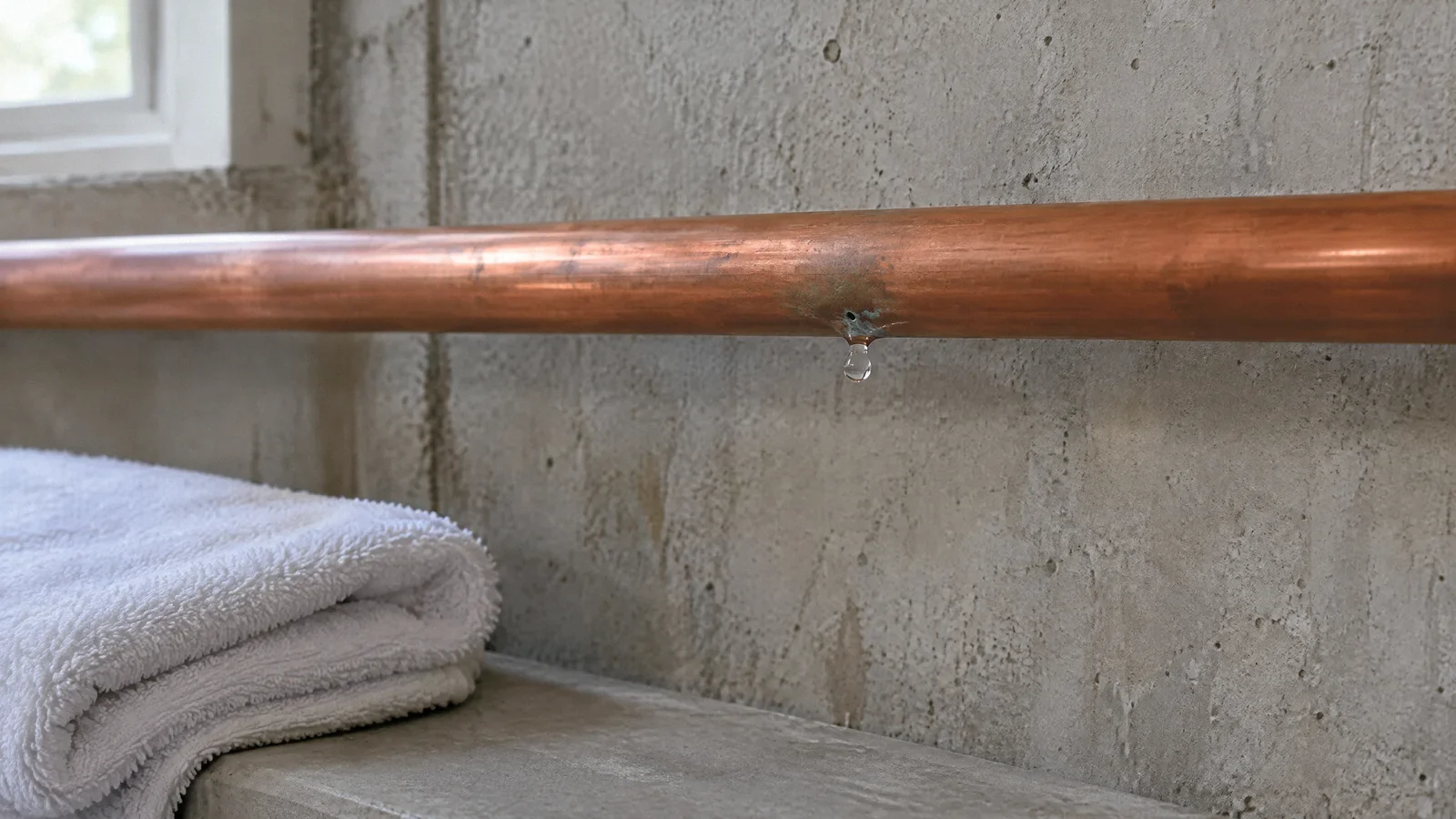
A new wet area, unexplained running-water sound, damaged flooring or a sudden change in water use can indicate a leak. Look only in accessible safe locations. If water is near electrical equipment, stay away and seek qualified help.
If an active leak is known and a shutoff is safely accessible, close it as appropriate and contact a plumber. Do not open walls or dig to find a leak without planning for wiring, utilities and suspect materials. A leak can be concealed even when no stain is visible.
Valves and pressure devices
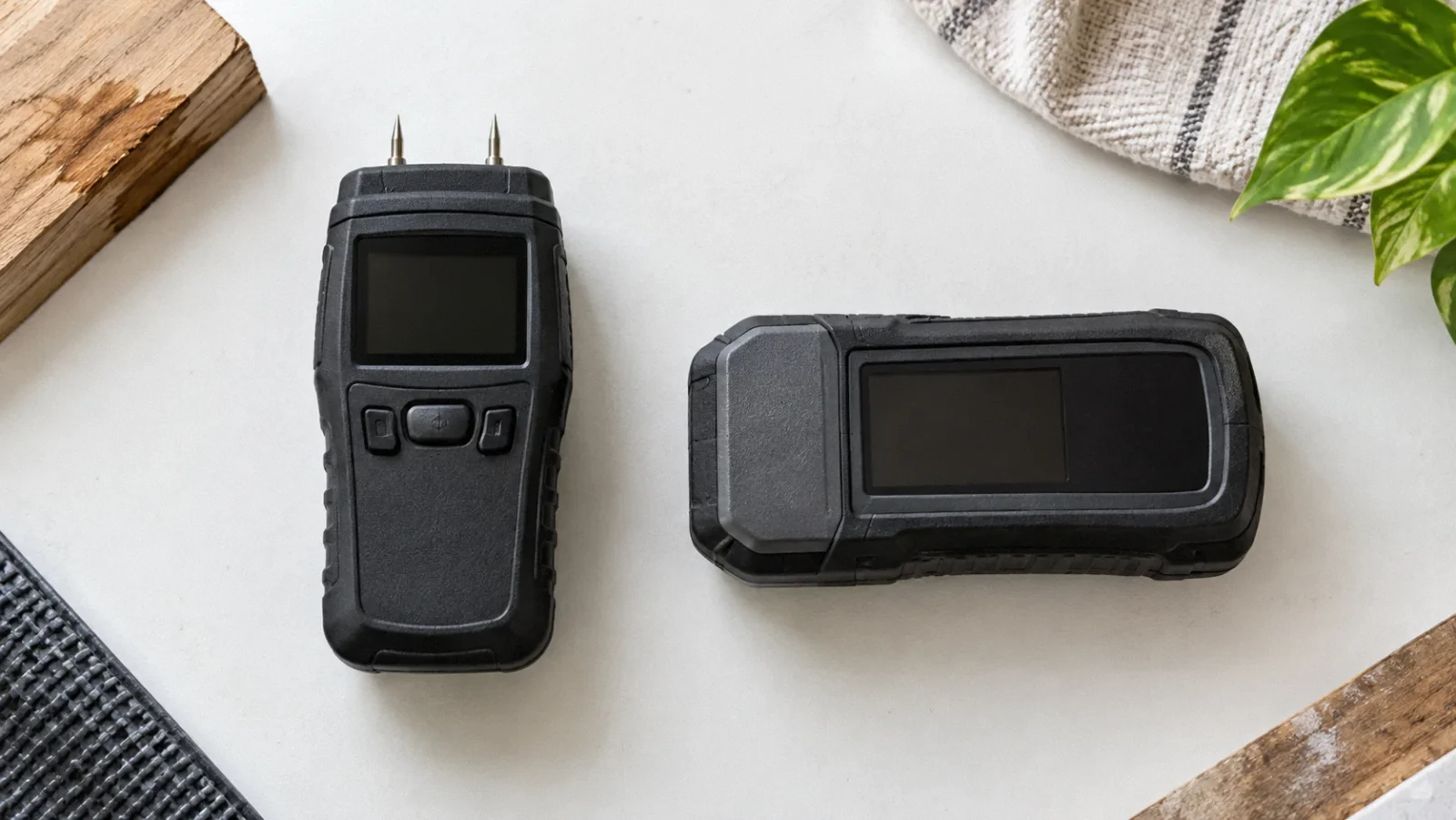
A partly closed valve, failed pressure regulator or another plumbing component may affect flow. Do not turn an unfamiliar main valve or change a regulator setting simply to raise pressure; an old valve can fail and excessive pressure can damage plumbing. A qualified plumber can measure and assess the system.
In a shared building, ask the property manager whether work or a building-wide issue is known. Do not access a locked mechanical room or change another unit’s equipment. Utility and building responsibilities depend on the property and local service arrangements.
Hot-water-only problems
If cold water flows normally but hot water is weak at several fixtures, tell the plumber. The cause may be in the hot-water system, but temperature, plumbing layout and individual fixtures matter. Do not open a water heater or operate its electrical or gas components to investigate.
A leak around a water heater or an unusual odor requires a separate safety response. Avoid hot water, wet electrical equipment and suspected gas leaks. If gas is suspected, leave and call the utility or emergency services from a safe location.
What to tell the plumber
Provide the start time, affected fixtures, whether hot and cold water differ, any utility notice and any visible wet areas. Mention recent plumbing work and whether the problem changes when another fixture is used. This information helps the professional choose a measurement and inspection.
Ask for a written diagnosis and a quote before replacement or extensive opening of materials. A pressure test at one point is one piece of evidence, not proof that every pipe is sound. Discuss what is included and how the repair will be verified.
After the issue is corrected
Check the affected fixtures under normal conditions and watch previously wet areas for recurrence. If materials were soaked, verify that the flooring, wall or cabinet has been appropriately assessed and dried; restoring flow does not automatically repair water damage.
Keep the service report and note any future changes. If a utility issued a water-quality advisory, follow its instructions until it is lifted. Routine maintenance and prompt response to small leaks can reduce the chance of an unnoticed problem.
When no water comes out
If all taps stop, check your utility’s current outage and emergency notices or call its published service number. Ask nearby neighbors and the building manager whether they are affected. A shared interruption suggests checking the utility or building first, but does not rule out a separate problem. Follow any boil-water or other advisory and use a safe alternate supply as directed.
For one weak faucet, if its manufacturer permits owner servicing, remove the accessible aerator without forcing it, note the parts’ order, rinse and brush debris away, reassemble and compare flow. EPA explains that screens can trap sediment. If removal needs a special tool, the fixture leaks, the weakness persists or multiple fixtures are affected, stop and call a plumber. A professional can measure pressure, investigate the supply or regulator and repair the identified fault; never raise an unfamiliar regulator setting to mask the symptom.
Your next-step checklist
- Note whether one fixture or the whole home is affected.
- Check the utility’s current outage information.
- Look for visible leaks only from safe locations.
- Have unfamiliar valves and pressure devices assessed by a plumber.
Related questions
Why did my water pressure suddenly drop?
Possible causes include utility work, a leak, a valve or fixture issue. The affected fixtures and timing help a professional narrow the cause.
Why is only one faucet weak?
A restriction in that fixture or its local supply is possible, but it needs inspection. Follow the fixture instructions or contact a plumber.
Should I increase the pressure regulator myself?
Do not adjust an unfamiliar device. A plumber can measure pressure and determine an appropriate repair.
Can a leak cause low water pressure?
Yes, a significant leak can affect flow or pressure, although low pressure alone does not prove a leak.
Sources & context
Public guidance supports the principles in this article. The practical questions and examples are editorial interpretation, not a site assessment or a coverage decision. State-specific rules apply only where identified.
- East Bay Municipal Utility District: Construction and maintenancelocal utility guidance
- EPA: Fix a leakfederal water conservation guidance
- CDC: Private wells after a wildfirefederal water safety guidance
- EPA: Cleaning aeratorsprimary guidance