Remediation means addressing a problem or harmful condition. In a building, it can involve removing mold-affected material and correcting moisture; in environmental work, it can refer to cleaning up or managing contamination. The exact work depends on the problem. Mitigation limits further harm, while restoration generally repairs or returns a property to use.
The basic meaning of remediation
Remediation is the process of addressing an identified problem. The word appears in many fields, including education, environmental cleanup and building repair. Its meaning is shaped by the situation, so a contract or report should explain the actual work rather than rely on the term alone.
For a property owner, useful questions include what was found, what caused it, what materials or areas are affected, and how the proposed work will be checked. A label such as remediation does not by itself establish that a building is safe or that every source has been corrected.
Mold remediation in a building
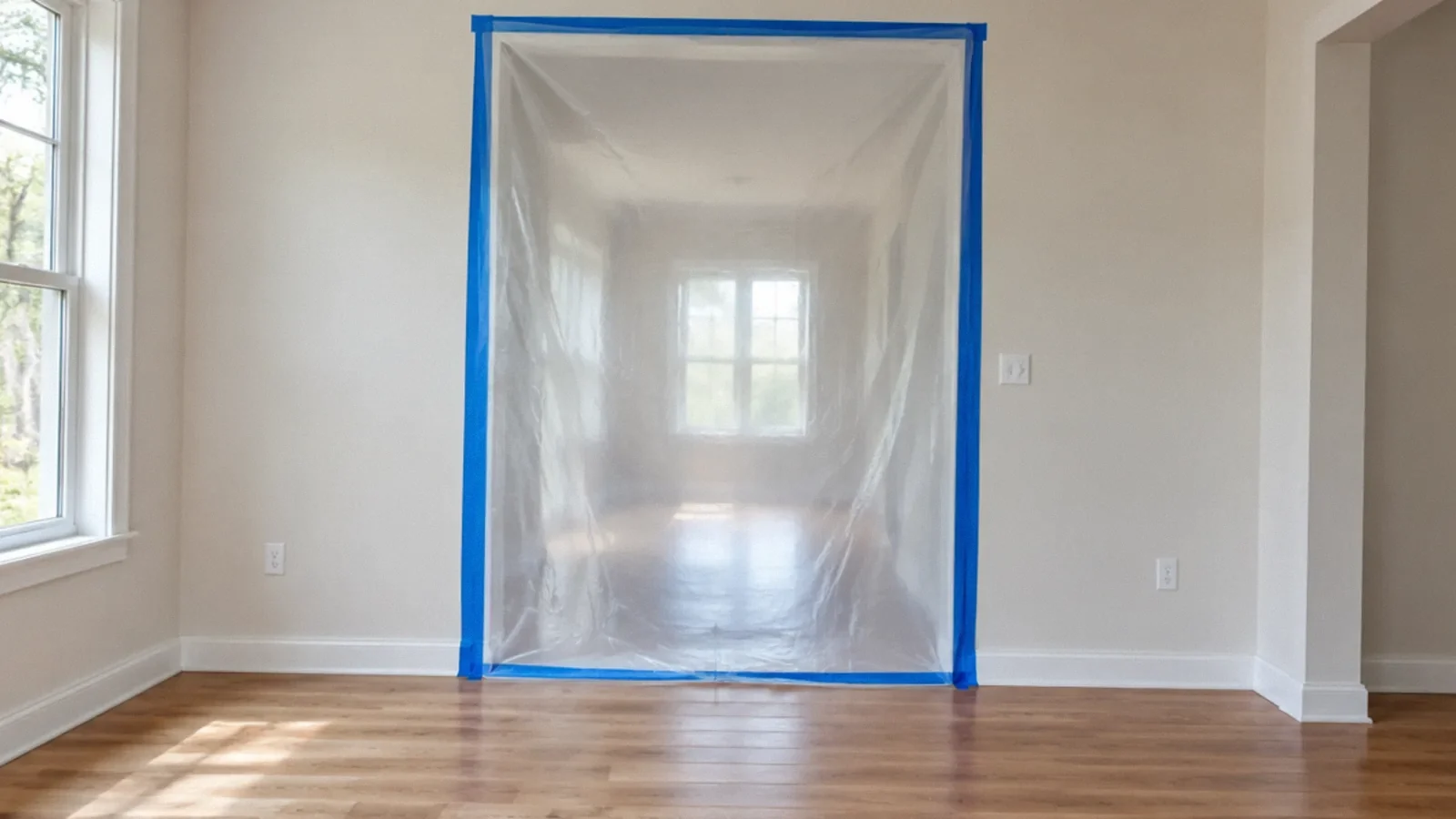
Mold remediation can include assessing moisture, protecting unaffected areas, cleaning suitable surfaces or removing affected material, drying and correcting the water source. CDC guidance emphasizes repairing water entry and following appropriate remediation practices rather than painting over moldy or water-damaged materials.
The method depends on the extent, material, access and occupants. A small accessible hard surface differs from growth in a wall cavity or shared HVAC system. Ask an experienced professional to identify the scope and any areas that were not inspected.
Water damage remediation
After a leak or flood, a plan may involve stopping the water, removing standing water, addressing contamination, evaluating wet materials and drying before reconstruction. The water source matters: a sewage backup and a known supply leak can require different precautions and cleanup.
Keep away from water near electrical equipment, unstable ceilings and suspected sewage. A plumber’s repair of the source and a contractor’s drying work may be separate services. Obtain a written scope that identifies who will handle each task.
Environmental remediation
Environmental remediation can refer to containing, removing or otherwise addressing contamination in soil, water, buildings or a wider area. EPA describes developing methods to mitigate and remediate contamination after environmental and public-health incidents.
The selected remedy depends on the contaminant, exposure pathways, applicable requirements and site-specific evaluation. A residential mold-cleanup article cannot determine how to manage contaminated soil, chemicals or hazardous waste. Engage the relevant authority and qualified specialists.
Mitigation, remediation and restoration
These terms can overlap and are not used identically by every contractor. In a practical property context, mitigation often means limiting further loss; remediation addresses contamination or the underlying problem; restoration repairs or rebuilds the affected property. A single project may include all three.
Ask which tasks are included, which are excluded and when additional authorization is required. A mitigation invoice may cover water removal and drying without including new flooring or cabinetry. A remediation plan should not merely conceal damaged material.
Inspection and testing
An inspection can identify visible damage, moisture and limitations in access. Testing may answer a specific question, but it is not automatically necessary in every situation. EPA says sampling is unnecessary in most cases when mold is visible.
Ask who performs the inspection or sampling, what decision the result will inform and how uncertainty will be explained. A negative sample or a photograph cannot by itself prove that every concealed area is dry or uncontaminated. Health concerns should be discussed with a healthcare professional.
What a useful scope should say
A written scope should identify the observed condition, affected areas and materials, protection of occupants, source correction, cleaning or removal, drying, disposal, verification and any reconstruction. Ask for the price, exclusions, schedule and how new findings will be authorized.
Some projects require different specialists for plumbing, electrical work, structural assessment or hazardous materials. Clarify who coordinates them and how the handoff will be documented. Avoid accepting a promise to eliminate every mold spore as a substitute for a practical moisture and cleanup plan.
Checking the outcome
Ask how the underlying source was addressed, what was cleaned or removed, where measurements were taken and which areas remained inaccessible. Keep photographs, reports, invoices and a maintenance plan. Reopening or rebuilding decisions should account for the specific building and work.
If the original odor, leak or damage returns, request further investigation. Remediation is not a universal guarantee that no future problem will occur; its value depends on the diagnosis, the completed work and ongoing conditions.
Applying the term to a real scope
A useful remediation scope names the condition to be addressed, the affected materials and locations, and the method proposed. A leak repair stops an ongoing source; removing unsalvageable wet material and drying the remaining assembly addresses the resulting condition. One project can involve mitigation, remediation and later restoration, but a label alone does not show which tasks are included.
Ask the contractor to document what was observed, what remains concealed and what criteria will be used to judge completion. If further damage is exposed, request an updated scope before additional work. A verification report should identify the areas checked and any limitations rather than promising that no future problem can occur.
Your next-step checklist
- Identify the problem and its source.
- Keep clear of electrical, structural or contamination hazards.
- Request a written scope with exclusions and responsibilities.
- Ask how cleanup and drying will be verified.
- Retain reports and follow up on recurring symptoms.
Related questions
What is remediation?
It means addressing a problem or harmful condition. The exact work depends on the field and the specific situation.
Is remediation the same as restoration?
The terms can overlap, but remediation often addresses contamination or its cause, while restoration generally repairs or returns a property to use.
Does mold remediation remove every spore?
No. Mold spores are common in the environment. The practical goal is to address unwanted growth and the moisture that supports it.
Is testing required before every mold cleanup?
EPA says sampling is unnecessary in most cases when visible mold is present. Ask what a proposed test will change.
Sources & context
Public guidance supports the principles in this article. The practical questions and examples are editorial interpretation, not a site assessment or a coverage decision. State-specific rules apply only where identified.
- U.S. EPA: Cleanup and remediationfederal guidance
- CDC NIOSH: Mold testing and remediationfederal guidance
- U.S. EPA: Is mold sampling necessary?federal guidance
- EPA: Mold and moisture guidereference