Disaster restoration is the coordinated work of making a damaged property safe, limiting further loss, cleaning affected materials and repairing or rebuilding as appropriate. The sequence and specialists depend on the disaster, damage and safety assessment.
A coordinated response to different kinds of damage
Disaster restoration describes the work needed to address property damage after an event such as a flood, fire, storm or other disaster. It can include emergency protection, assessment, removal of damaged materials, cleaning, drying, repair and reconstruction. The specific scope depends on what happened and what can safely be saved. Restoration of a building is one part of a wider recovery that may also involve housing, utilities, insurance and community services.
The term does not mean every item will return to its original condition. A contractor may recommend cleaning one material and replacing another, depending on contamination, damage and practical limits. A written scope should identify what is included, what is excluded and what remains uncertain until concealed areas can be inspected.
Safety and stabilization come first
Emergency responders and local officials determine when an area may be entered. A building can contain structural damage, downed electrical lines, gas leaks, floodwater, chemicals or unstable debris. EPA advises caution when returning to damaged buildings and warns that floodwater can carry contaminants. Do not enter simply because the storm has passed or flames are out. Utility and structural professionals may need to assess hazards before any restoration crew can work.
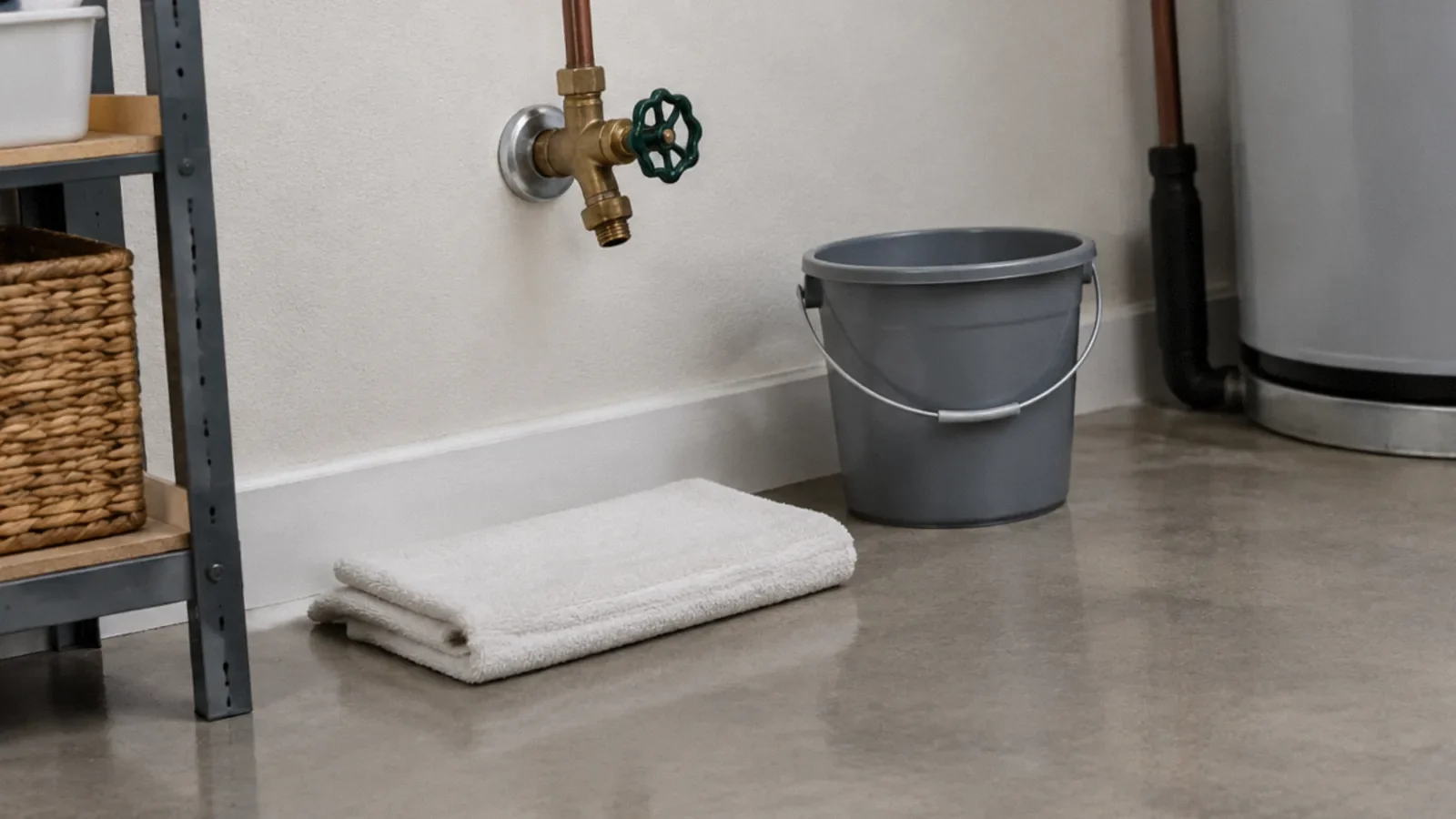
Once access is safe, emergency stabilization may include protecting an opening from weather, controlling a water source or isolating a damaged area. The work should be performed by people qualified for the hazard. Temporary measures reduce the chance of additional loss but do not establish that the structure is dry, clean or ready for occupancy.
Assessment and documentation
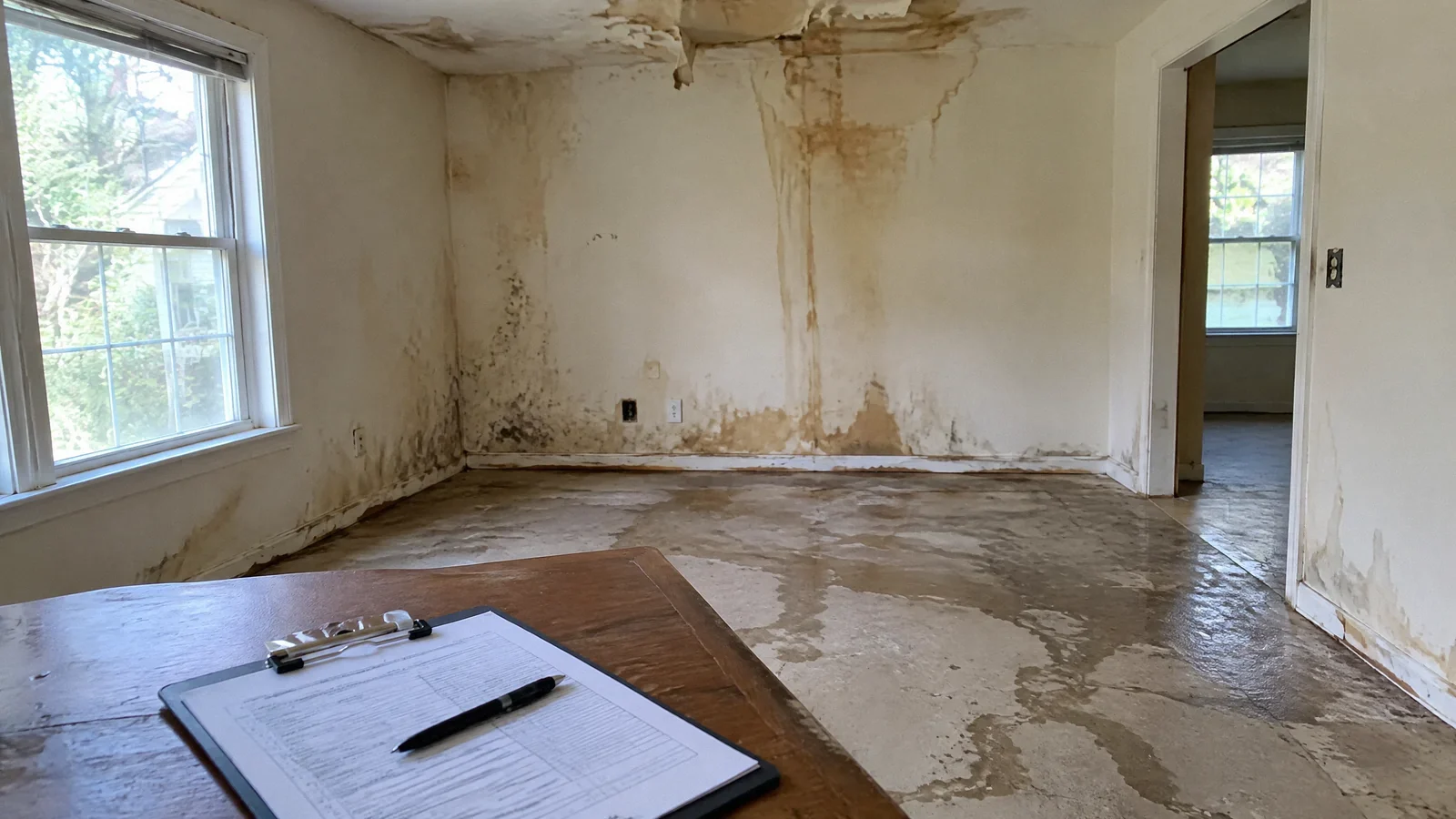
The restoration team examines the visible damage and develops a proposed scope. Depending on the event, that may include moisture readings, inspection of affected surfaces, documentation of smoke residue or assessment of wind damage. Some damage remains concealed behind walls or beneath flooring. The initial estimate should identify assumptions and how newly discovered damage will be handled, rather than promising a fixed outcome before investigation.
When it is safe, take photographs, list affected belongings and contact your insurer. Ask the insurer about emergency work, documentation and any requirements before disposal. A contractor and insurer may prepare separate estimates; review them and ask about differences, deductibles, exclusions and who authorizes changes. Insurance coverage is determined by the policy and claim, not by the fact that a restoration company performs the work.
Cleanup differs by disaster
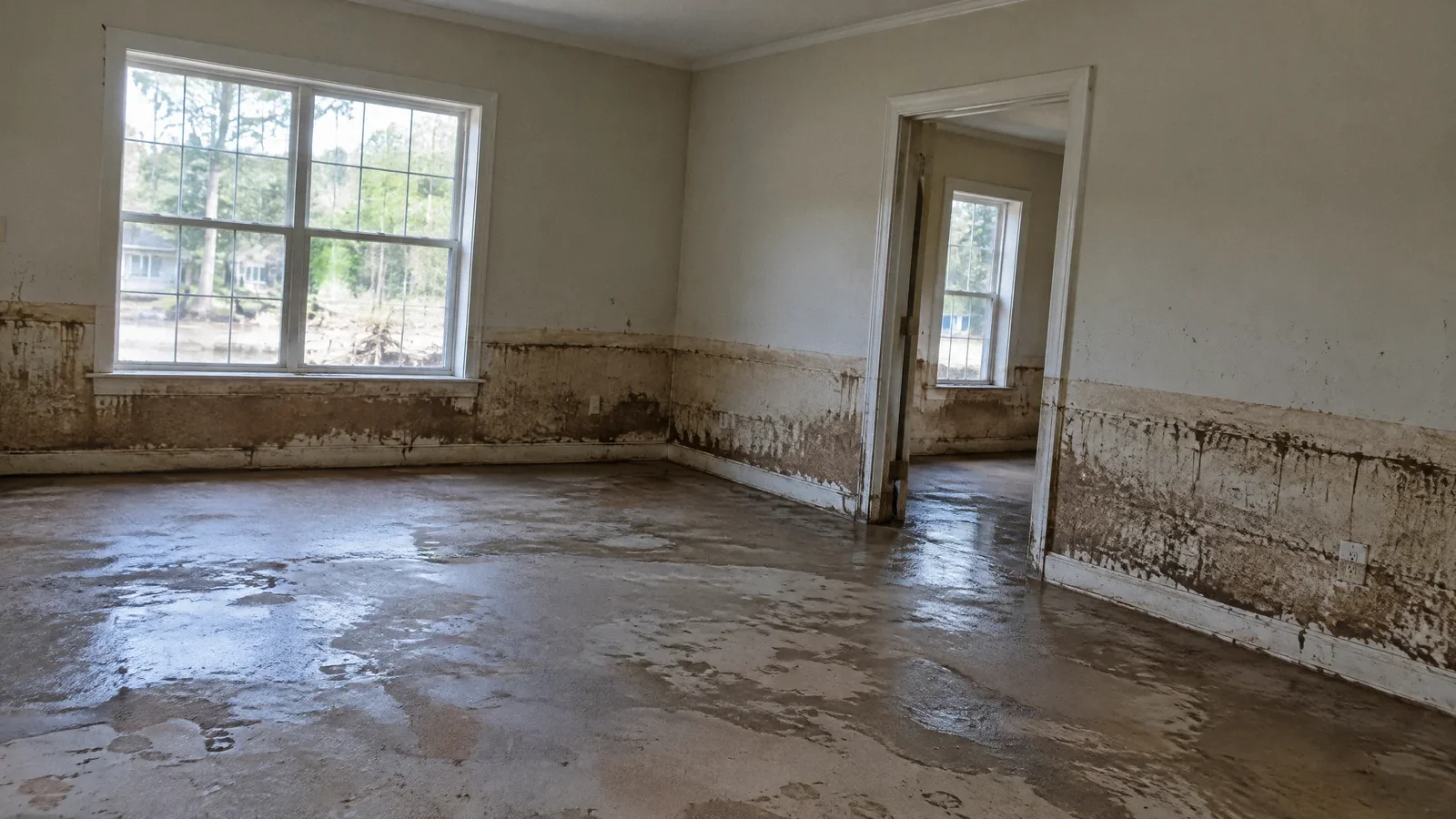
After water damage, the work may involve removing standing water, disposing of unsalvageable materials and drying the building. Floodwater can carry sewage and chemicals, so the water source changes the precautions and salvage decisions. Mold can develop when moisture persists; drying must be accompanied by repair of the moisture source and removal of affected material where needed.
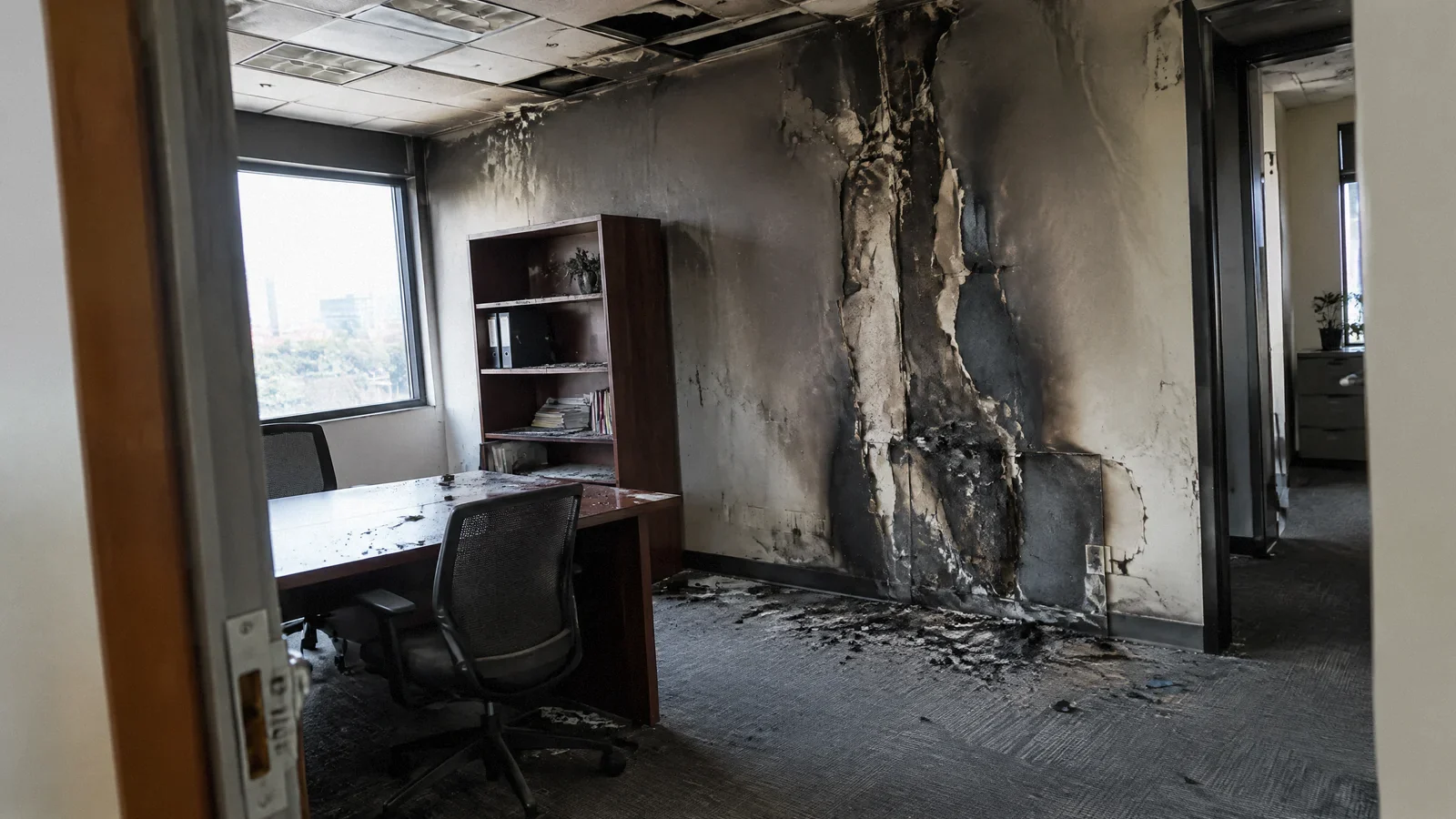
After a fire, heat, smoke, soot and water used to extinguish the fire can affect different areas. A qualified assessment should address all of these, including concealed spaces and equipment where appropriate. After a storm, debris removal, roof protection and structural inspection may precede interior drying and repair. Cleanup methods should match the material and contamination; a general deodorizer or fresh paint cannot demonstrate that underlying damage has been corrected.
Repair, reconstruction and completion
Once hazards and contamination are addressed and materials are sufficiently dry, repairs can begin. Depending on the scope, the project may require plumbing, electrical, structural, roofing, drywall or finish work. Local permits and inspections may apply. Ask who will obtain permits, coordinate trades and document any required approvals. A restoration firm may handle the entire scope or work with separate contractors; responsibilities should be explicit in the contract.
Before accepting completion, review the agreed scope and walk through the work when safe. Ask for drying records or other relevant documentation, equipment instructions, inspection approvals and any warranty terms. Identify unfinished items in writing. A clean-looking surface alone does not prove that concealed materials are dry or a structural defect has been repaired.
Choosing and working with a contractor
Ask for a written assessment, an itemized scope, schedule assumptions and a process for approving additional work. Verify required local licensing and insurance for the actual work, check references and ask who will supervise subcontractors. Be cautious of pressure to sign an unclear agreement immediately after a disaster. Read payment terms and understand any authorization you give concerning insurance proceeds.
Disaster recovery often reveals unexpected conditions and schedules can change because of access, materials or inspections. Ask for updates and keep copies of communications, photographs and receipts. Restoration work can reduce ongoing damage and return a property to use, but no responsible provider can guarantee an insurer’s payment or a specific completion date without accounting for the conditions and approvals involved.
Request copies of signed documents and keep them with the project records.
Your next-step checklist
- Wait for official clearance and address immediate hazards.
- Document damage safely and contact the insurer.
- Obtain a written scope and understand emergency work authorization.
- Confirm cleanup, drying, repairs and permits are coordinated.
- Review completion records and unresolved items before acceptance.
Related questions
Is disaster restoration only water cleanup?
No. It can address water, fire, smoke, storm and other damage, with different methods for each situation.
Does restoration include rebuilding?
It can, but the contract should state whether reconstruction and each trade are included or require a separate provider.
Does hiring a restoration company guarantee insurance payment?
No. Payment depends on policy terms and the insurer’s claim determination.
Sources & context
Public guidance supports the principles in this article. The practical questions and examples are editorial interpretation, not a site assessment or a coverage decision. State-specific rules apply only where identified.