Return only when officials say it is safe. Keep away from electrical and structural hazards, treat floodwater as potentially contaminated, document damage, and dry and clean the building as soon as conditions allow.
Wait for a safe return
Do not enter while floodwater remains around the building or before local authorities allow return. A damaged foundation, sagging ceiling, exposed wiring, gas odor, or unstable debris can make entry dangerous. Leave and contact the appropriate utility or emergency service if you encounter a hazard. Do not walk through water to reach electrical equipment or operate wet appliances.
Floodwater may contain sewage, chemicals, sharp debris, or other contaminants. Keep children and pets out of the affected area. People with health conditions that make mold exposure especially concerning should discuss their circumstances with a health professional and avoid the cleanup area as advised.
Document damage before disposal
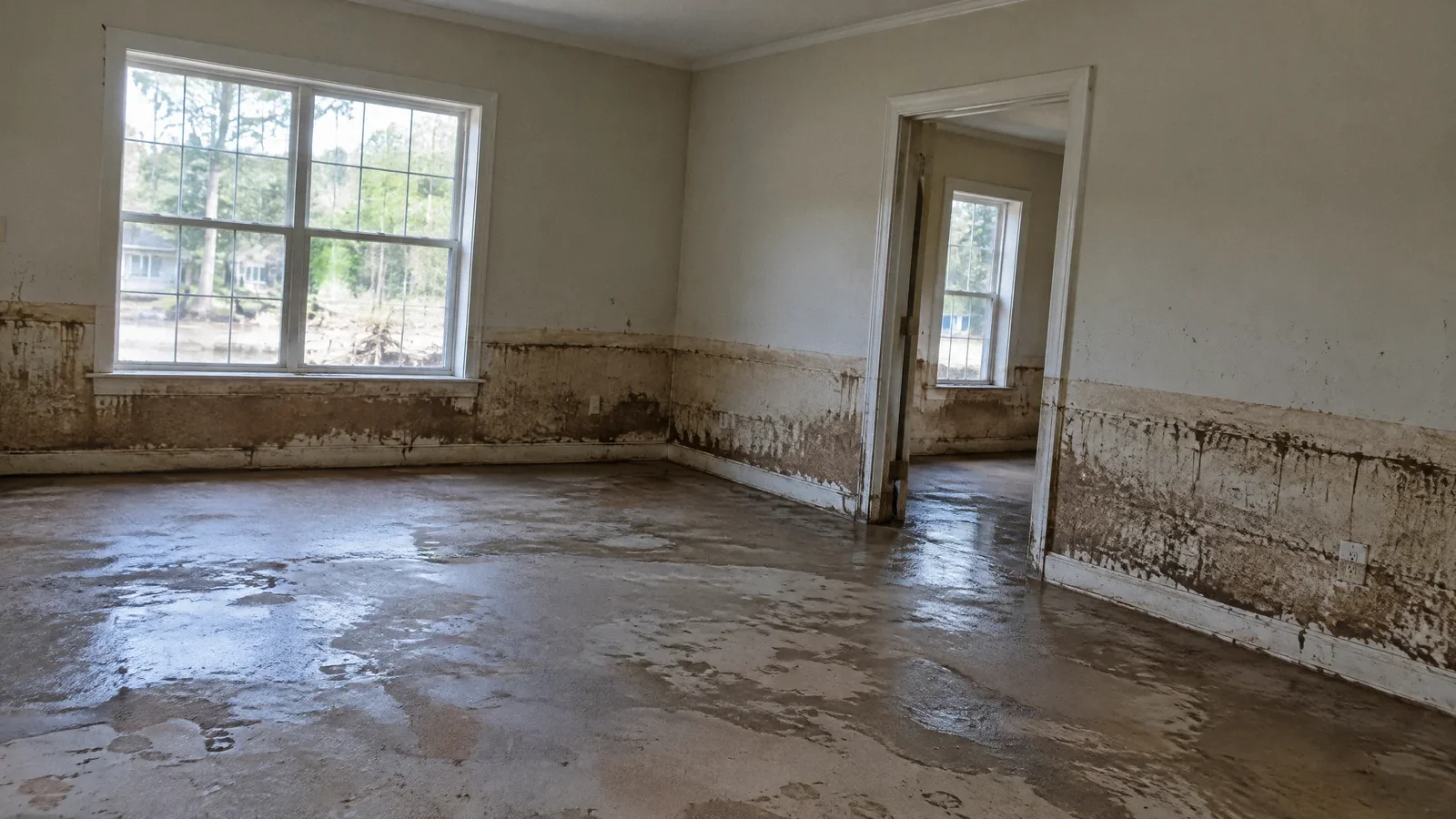
When it is safe, photograph affected rooms and belongings, including water marks and damaged materials. Contact your insurer or assistance program and ask what evidence it needs. Record dates and keep receipts for temporary measures, cleanup, and disposal. Coverage depends on the actual policy and event; a photograph is evidence of condition, not a promise of payment.
Ask the insurer how to handle urgent removal and whether samples or an inspection are required. Do not postpone necessary protective action indefinitely while waiting for an adjuster. Local authorities can explain debris collection and rules for hazardous waste.
Wear protection and separate work areas
CDC recommends protective equipment suited to cleanup, including gloves, eye protection, boots, and respiratory protection where appropriate. Follow public-health advice for your circumstances. Wash hands with soap and safe water after cleanup and before eating; keep contaminated clothing and equipment away from clean living areas.
Avoid spreading debris into unaffected rooms. Plan a route for removing damaged items and keep clean supplies apart from dirty ones. Heavy or unstable objects should be handled by a team or a professional. If sewage, unknown chemicals, extensive contamination, or major damage is involved, use qualified cleanup help.
Remove water and wet materials safely
Once utilities and access are safe, arrange removal of standing water and begin drying promptly. CDC recommends drying within 24 to 48 hours if possible. The actual time and equipment needed depend on materials, water depth, humidity, and whether cavities are wet. Do not use fuel-burning equipment indoors or operate electrical devices in water.
Porous materials that cannot be cleaned and dried, such as soaked insulation, carpet, or wallboard, may need removal. A contractor can assess concealed cavities and distinguish material that can be dried from material that must be discarded. Floodwater contamination makes that assessment different from drying a small clean-water spill.
Clean surfaces and prevent mold
Remove mud and debris before cleaning. For suitable hard surfaces, use detergent and safe water, then dry thoroughly. Follow product labels and never mix bleach with ammonia or other cleaners. A disinfectant does not substitute for removing contamination and drying the material; follow local public-health guidance where sewage is involved.
Mold requires moisture. EPA advises fixing the water problem, cleaning mold from hard surfaces, and drying completely. Porous materials with mold may need disposal. Do not paint or caulk over mold. If the area is extensive, the water was contaminated, or the source remains uncertain, consult a qualified professional.
Check the systems before moving back
Have qualified professionals assess electrical equipment, heating and cooling equipment, and other damaged systems before use. Flooded ductwork and insulation may need specialized evaluation. If the home has a private well, contact the health department about testing and safe drinking water. Do not assume a clear-looking supply is safe.
A flooded septic system may not accept normal flows until the soil absorption field recovers. Follow EPA and local health guidance and have suspected damage professionally inspected. Before occupying the home, confirm that access, utilities, sanitation, drying, and necessary repairs have been addressed. Keep a record of unresolved areas and arrange follow-up.
Sort belongings by material and exposure
Keep an inventory of items that contacted floodwater, including their location, material, and visible condition. Photograph them when it is safe and ask the insurer what records or samples it needs before disposal. Some hard items may be cleaned, while absorbent items that cannot be cleaned and thoroughly dried may need to be discarded. Food, medicines, and children’s items require particular care; consult local health guidance for their disposal. Sentimental papers, photographs, and valuable objects may benefit from a specialist’s advice. Do not bring a wet item into an unaffected room merely to decide later, because it can transfer water and contamination.
Your next-step checklist
- Wait for permission to return and avoid utility hazards.
- Photograph damage and contact the insurer.
- Use appropriate protection and sort contaminated items.
- Clean and dry affected areas and have systems assessed before use.
Related questions
How should you clean a home after a flood?
Return only when officials say it is safe. Keep away from electrical and structural hazards, treat floodwater as potentially contaminated, document damage, and dry and clean the building as soon as conditions allow.
Sources & context
Public guidance supports the principles in this article. The practical questions and examples are editorial interpretation, not a site assessment or a coverage decision. State-specific rules apply only where identified.