Water mitigation is the work undertaken to limit further damage after water enters a building. Depending on the loss, it can include stopping the source, removing water, protecting occupants, handling contamination and drying affected materials. The scope and evidence of completion should be described in writing.
What water damage means in a home
Water damage is a change to a building or its contents caused by unwanted water or excessive moisture. It can follow a supply leak, appliance failure, roof opening, drainage problem or another source. Staining, swollen materials or a musty odor may be clues, but each can have more than one explanation.
A small surface mark does not show the full path of water through a wall or floor. Address immediate electrical and structural hazards first, stop an accessible source when safe and assess the affected materials before deciding on drying or repair.
Mitigation means limiting further loss
After a leak or flood, the first decisions concern safety and preventing additional water from affecting the building. The term water mitigation is commonly used for this early work. It is a description of a purpose, not a guarantee that one standard list of machines or demolition steps fits every property.
A plan should identify the water source, affected areas, materials and hazards. The work may change when a contractor opens a cavity or discovers contamination. Ask how new findings will be documented and approved before the scope expands.
Begin with safety and the source
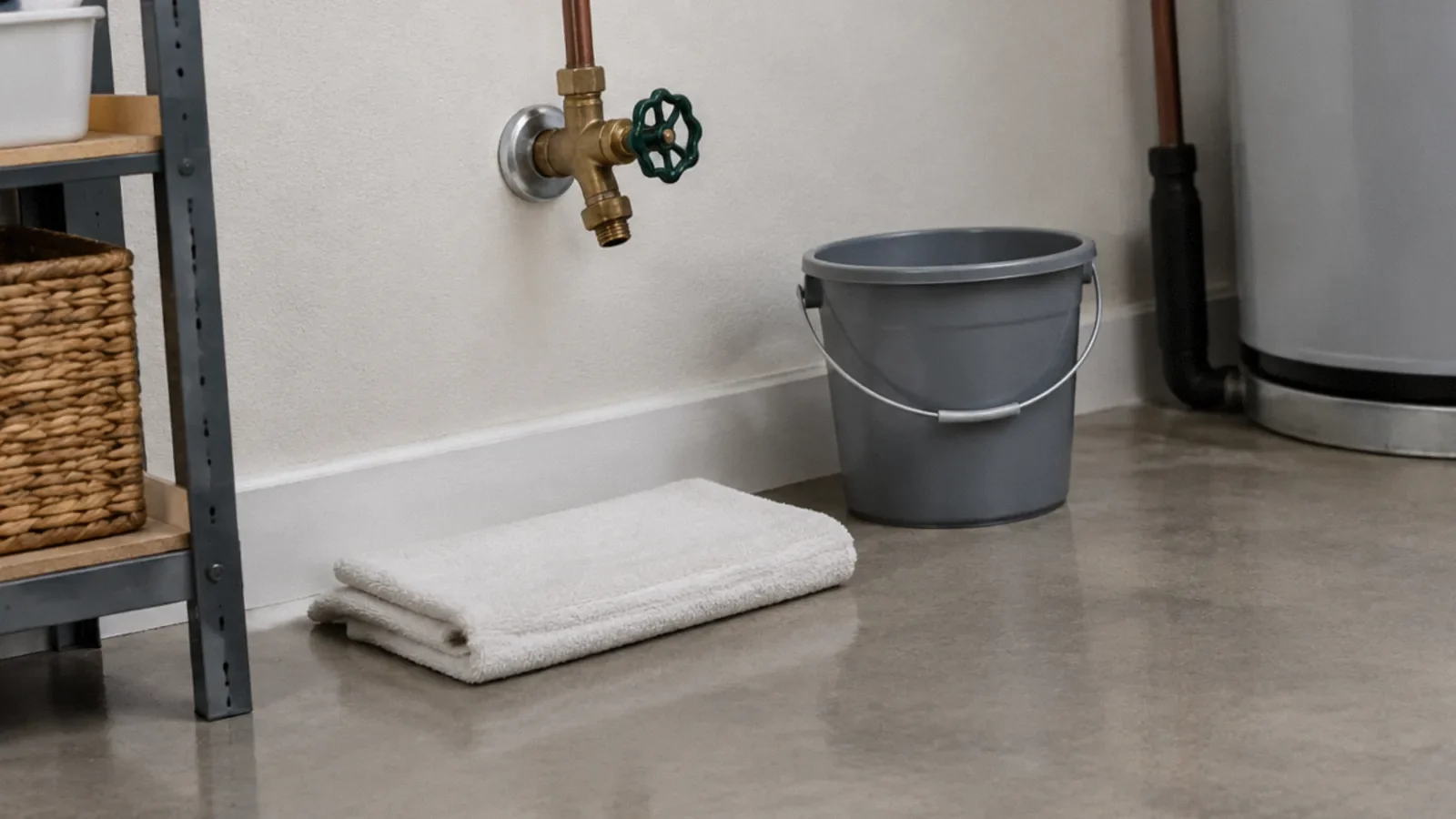
Stay out of water that may be in contact with electricity and avoid a sagging ceiling or unstable structure. Shut off a known water supply only if it is safe to reach. Floodwater can contain sewage, chemicals and debris; do not assume that water is clean because the original source was rain.
Contact qualified professionals for electrical isolation, structural concerns, plumbing repairs or contaminated cleanup. Notify the property manager or insurer as appropriate, but do not delay urgent protective action solely to complete paperwork. Photograph conditions when it is safe to do so.
Document the affected area
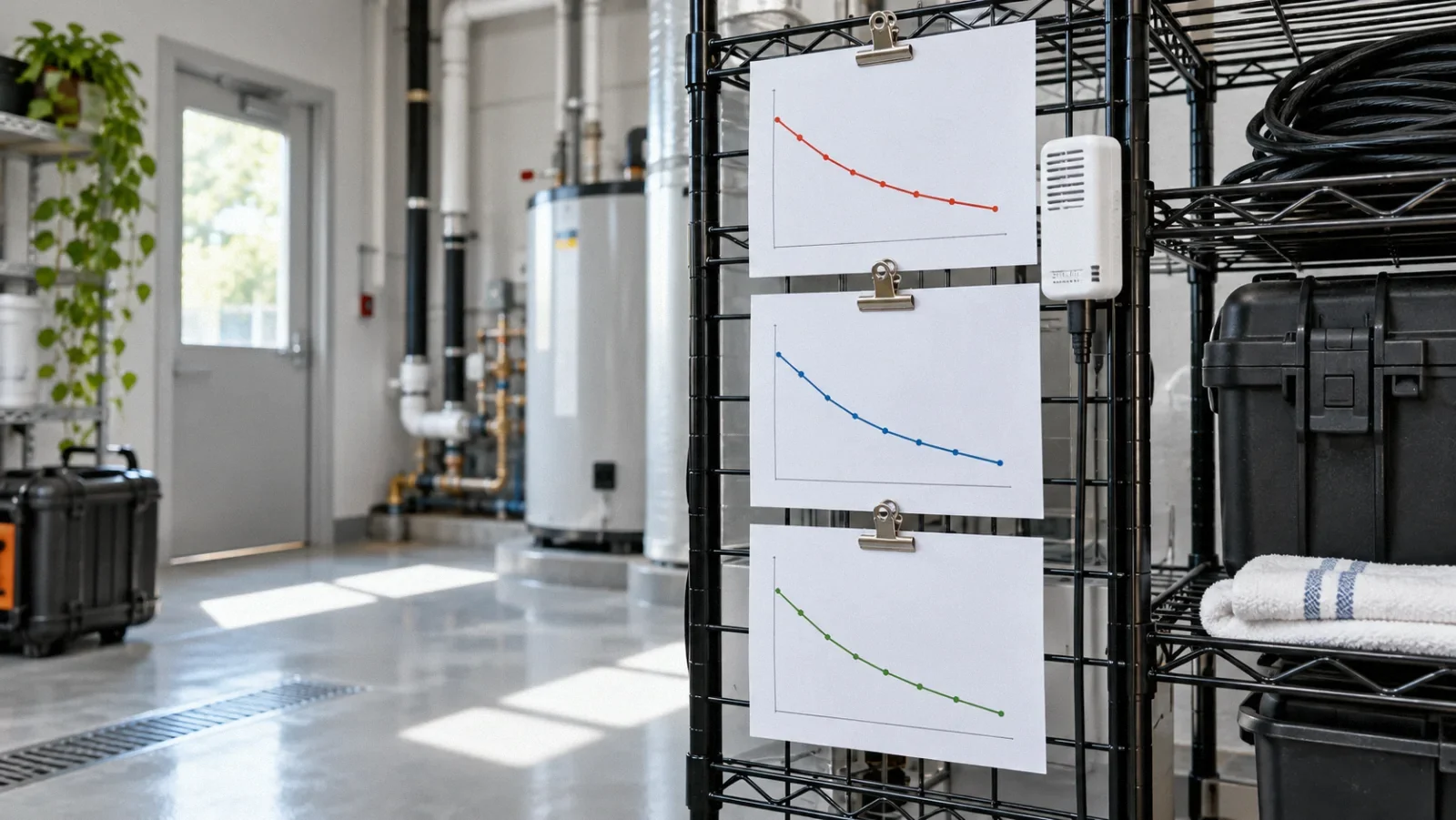
A useful record identifies rooms, visible water, affected contents and the materials that may have absorbed moisture. Water can travel under flooring, behind cabinets and through wall cavities. A moisture map or log should identify the material, location, measurement method and observations, not only provide a single unexplained number.
Ask which areas were inspected and which were inaccessible. A thermal image can suggest a temperature difference, but it does not directly measure moisture or prove mold. Use evidence from the site to decide what further access or monitoring is needed.
Remove water and address contamination
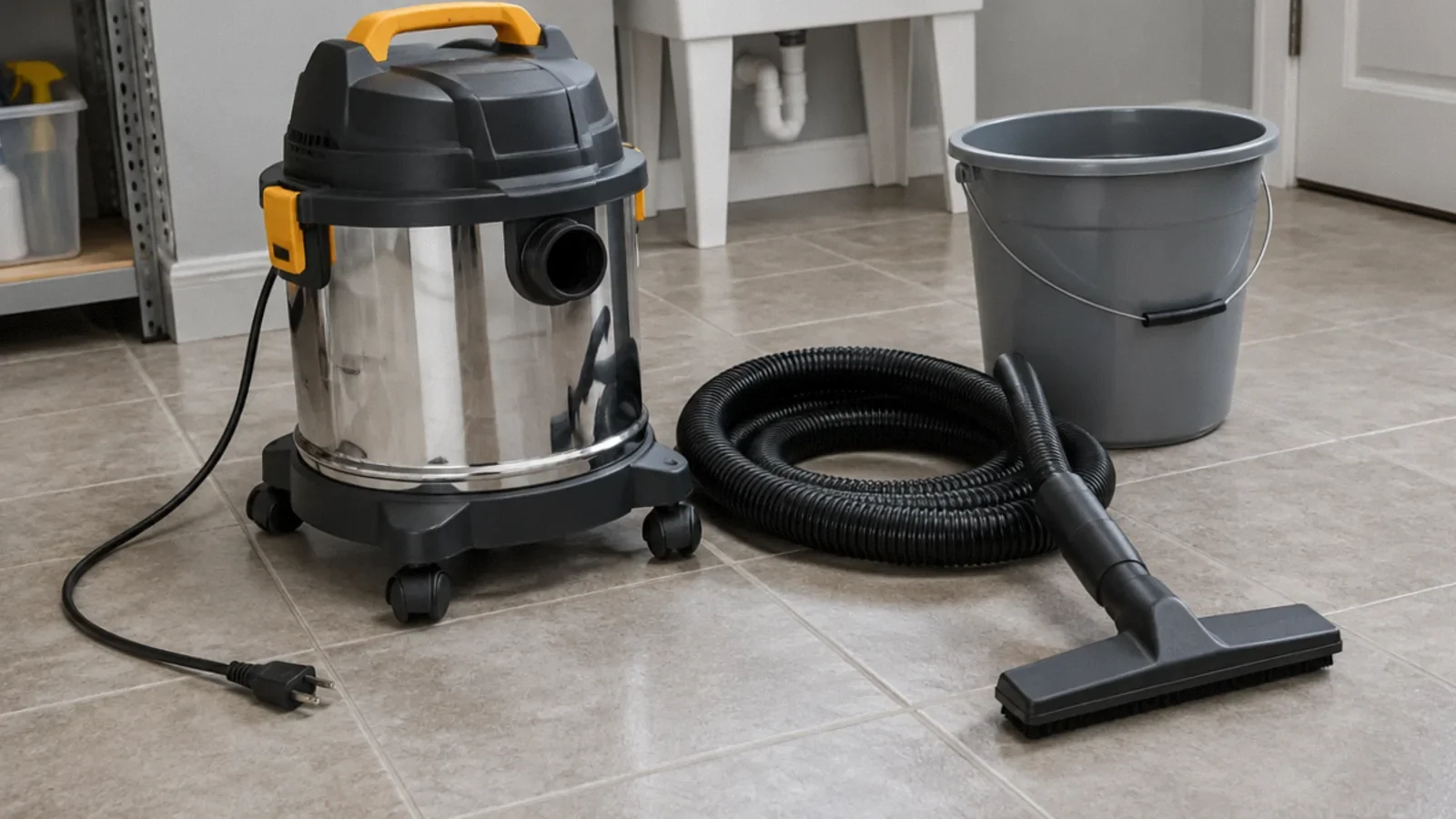
Extraction removes accessible liquid water using suitable equipment after hazards are controlled. The correct method depends on water depth, surface and contamination. A flooded basement may face pressure from saturated ground outside, so seek local emergency or engineering guidance before pumping rapidly.
If sewage or floodwater is involved, removal of water alone does not clean contaminated materials. Porous items may need removal and disposal. A written scope should explain protection of occupants, handling of debris and applicable disposal requirements.
Dry materials and monitor progress
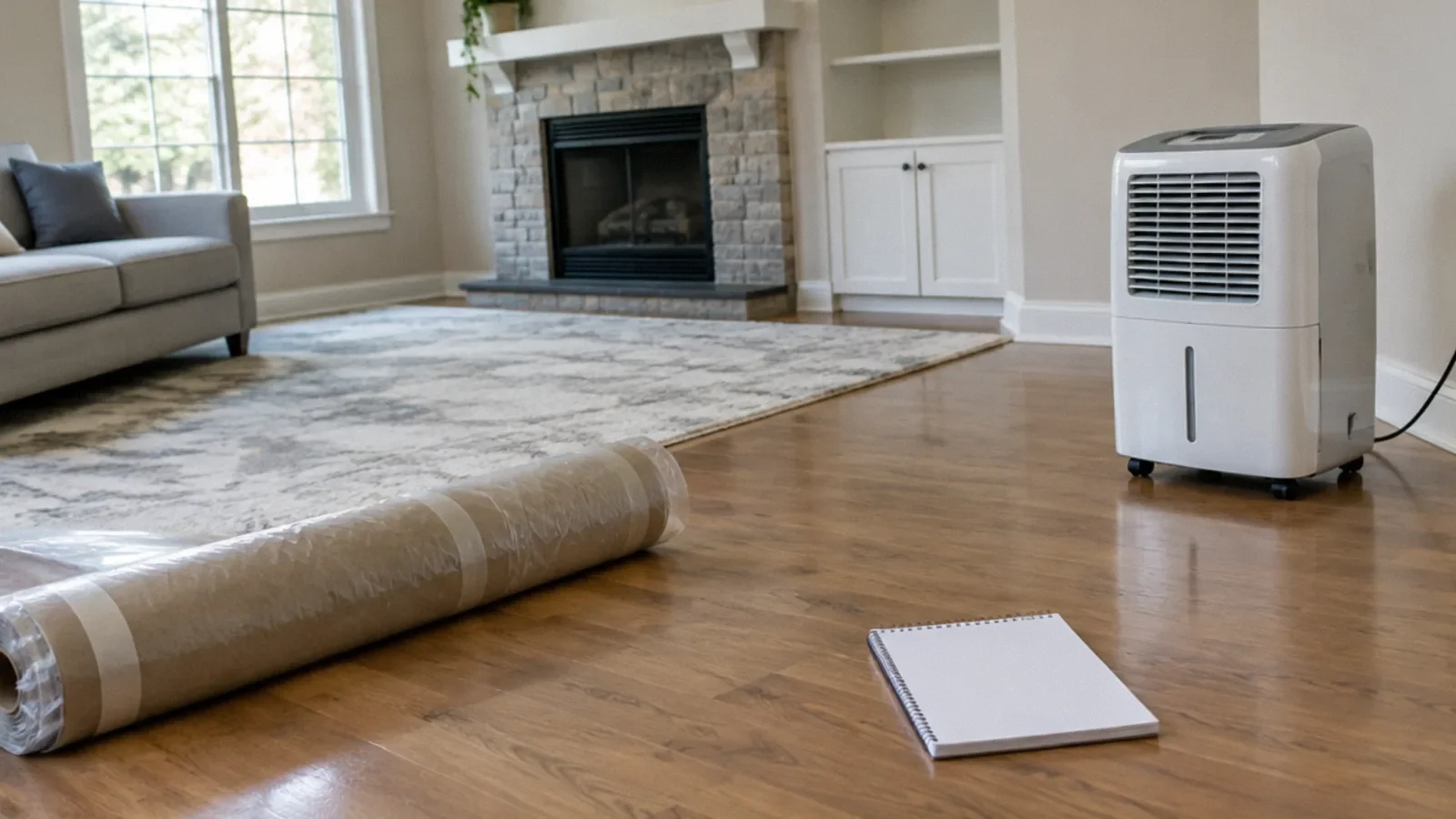
A drying plan may use dehumidifiers, air movement and controlled access when appropriate. The correct approach depends on the materials, contamination, power and building conditions. Do not assume a wall cavity is dry because the room air feels dry or a machine has run for a fixed number of days.
Ask for a log of relevant readings and the reason for adding or removing equipment. Compare affected materials with an appropriate reference where possible. EPA recommends drying wet areas and items within 24 to 48 hours when possible to help limit mold growth, but the response must account for the specific water source.
Mitigation versus rebuilding
Mitigation limits further damage and addresses immediate cleanup and drying. Reconstruction restores damaged assemblies and finishes after conditions are suitable. The same company may offer both, but the scopes, estimates and approvals should be clear. A drying authorization does not automatically explain every later repair.
Before walls or floors are closed, ask how dryness, contamination and the source repair were verified. Obtain a separate description of materials, finishes and workmanship for reconstruction. This helps compare proposals and avoid rebuilding over an unresolved leak.
Know what completion means
A useful completion record describes the repaired source, affected materials, removal or cleaning, drying observations and unresolved limitations. Keep photographs, readings, invoices and communications. If a room remains inaccessible, the report should say so instead of implying that it was inspected.
If moisture, odor or staining returns, review the original water path and evidence before applying another surface treatment. A mitigation report can support a handoff to the repair team, but it is not a guarantee against unrelated future leaks.
Water damage in a bedroom
A bedroom leak may come from a roof, window, plumbing, an adjacent room or another source. Keep occupants away from a sagging ceiling, contaminated water or wet electrical equipment and identify the source before moving or drying affected materials.
Assess carpet, padding, furniture, drywall and hidden floor layers separately. A dry surface or masked odor does not prove the assembly is dry. Document the damage and arrange appropriate extraction, drying or repairs after the hazards are controlled.
The mitigation handoff
Mitigation limits continuing damage after water enters: making the site safe, stopping the source when possible, removing water and documenting drying are connected tasks. The exact scope depends on the cause, materials and contamination; equipment placement alone does not demonstrate that materials are dry.
Restoration or reconstruction may follow when materials are ready for repair. Ask who verifies the drying goal, who removes equipment, which finishes are excluded and how additional work is approved. Related guides address signs, room-specific damage and timelines in greater detail.
Bathroom water damage: the immediate response
Bathroom water can spread beneath flooring or behind a vanity. Stop a known leak only if safely accessible, avoid water near electrical equipment, and arrange inspection of affected materials and concealed areas. A supply leak, overflow or sewage backup calls for different cleanup; the separate bathroom repair guide explains the room-specific decisions.
Your next-step checklist
- Address electrical and structural hazards first.
- Stop the source when it is safe.
- Request a documented scope, affected-area map and drying log.
- Review equipment charges and change procedures.
- Verify the source repair and material condition before rebuilding.
Related questions
What is water mitigation?
It is work intended to limit further damage after water enters a building, including steps appropriate to the particular loss.
Is mitigation the same as reconstruction?
They are related but distinct scopes. Mitigation addresses further loss and cleanup; reconstruction restores damaged materials and finishes.
Does water extraction complete mitigation?
Not necessarily. Materials can remain wet or contaminated after accessible liquid water is removed.
How much does water mitigation cost?
It varies with the loss, access, water source and scope. Request an itemized estimate rather than relying on a generic price.
What is water intrusion?
Water intrusion means water entering an area where it is not intended, such as through a leak, roof opening or foundation. The pathway and affected materials need assessment.
What is the water damage restoration process?
It can include safety, source control, water removal, cleaning, drying and reconstruction. The scope depends on the source and affected materials.
What is recovery after water damage?
Recovery can include source repair, water removal, cleaning, drying and rebuilding; the scope depends on the source and affected materials.
What is buildback in restoration?
Buildback generally means repairing or replacing building materials after mitigation, cleaning and drying. The written scope should identify the work, permits where applicable and how readiness for reconstruction is verified.
What if MDF baseboards get wet?
Medium-density fiberboard can swell or deteriorate when wet. Assess the water source and the material behind the trim; damaged or contaminated baseboard may need removal and replacement rather than surface drying alone.
Sources & context
Public guidance supports the principles in this article. The practical questions and examples are editorial interpretation, not a site assessment or a coverage decision. State-specific rules apply only where identified.
- US EPA: Flood cleanupofficial guidance
- US EPA: Mold cleanupofficial guidance
- CDC: Reentering a flooded homepublic health guidance
- EPA: Building moisture and water-damage inspectionfederal guidance