Water extraction removes standing or accessible liquid water using suitable equipment. It is an early step, not proof that walls, flooring or cavities are dry. First assess electrical and contamination hazards, stop the water source when safe, and arrange drying and material assessment appropriate to the loss.
What water extraction means
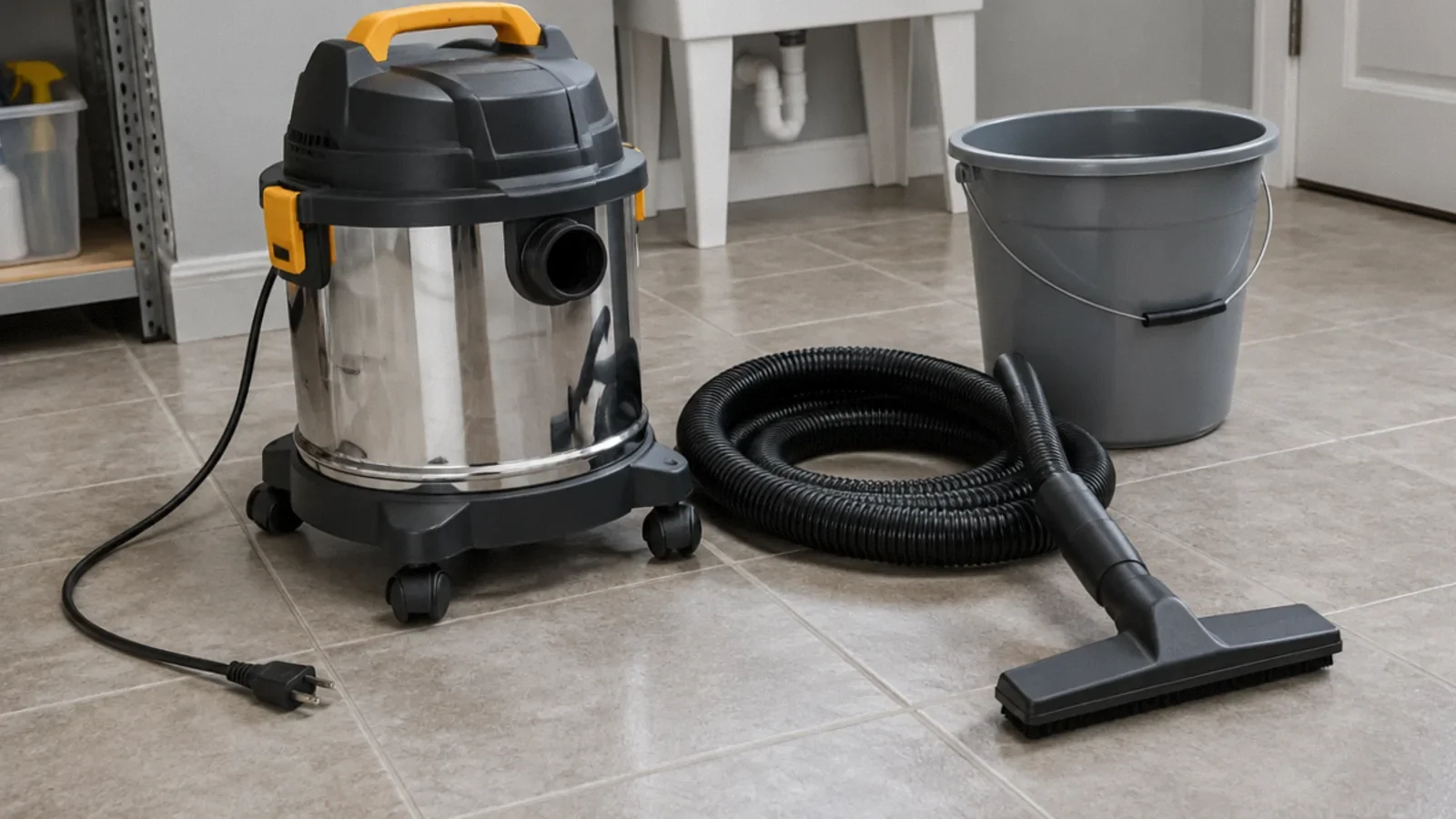
Extraction is the removal of accessible liquid water from a building or its contents. Depending on the depth, material and safety conditions, a professional may use pumps or equipment designed for wet pickup. EPA describes wet vacuums as one possible tool for removing water from suitable floors and surfaces during flood cleanup.
The method must match the situation. A small clean-water spill on a hard floor is different from a deep basement flood, water mixed with sewage or a saturated carpet. Do not use ordinary household electrical equipment in standing water or approach a wet electrical panel.
Safety comes before pumping
Stay clear if water may contact wiring, outlets, appliances or electrical equipment. Have the utility or a qualified electrician isolate hazards from a safe location. Floodwater may contain sewage, chemicals, sharp debris or other contaminants even when it looks relatively clear. Avoid direct contact and follow public health instructions.
If the building is structurally damaged, the ceiling is sagging or water is rising, leave and contact emergency services or qualified responders. Do not enter a flooded basement to reach a switch. Keep children and pets away until the area is assessed and made safe.
Stop the source when it is safe
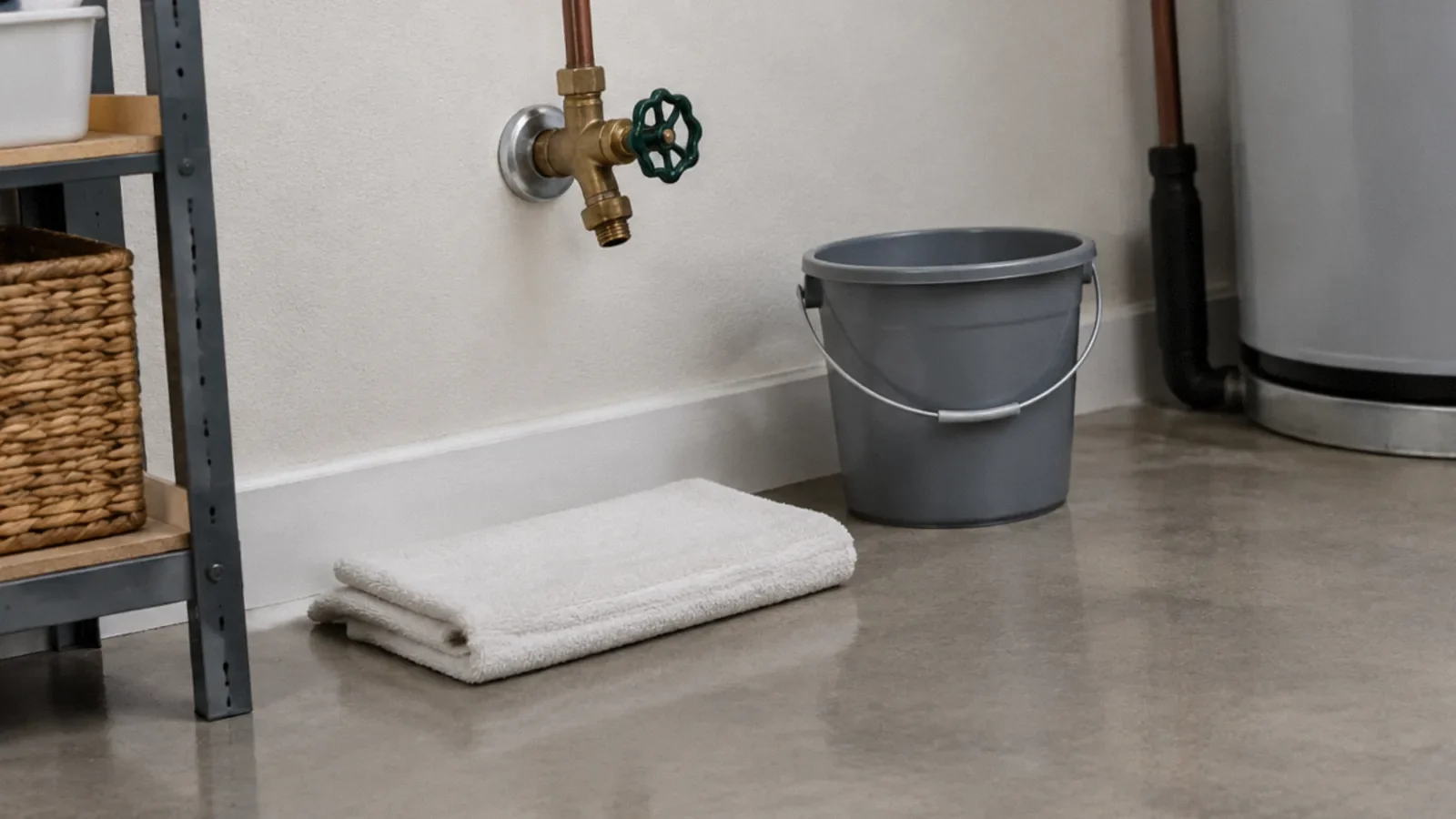
A supply leak, rain intrusion, sewer backup and groundwater flooding require different responses. Shut off a known water supply only if the valve can be reached without entering a hazard. For sewage or utility problems, contact the responsible professional or utility. Extraction alone cannot keep pace with an ongoing source indefinitely.
Photograph conditions if doing so is safe and document when the loss was discovered. Notify the property manager or insurer as appropriate, but do not delay necessary emergency action solely to create a complete inventory. Keep records of decisions and work performed.
Choosing the extraction approach
For a limited spill, compatible wet-pickup equipment may remove accessible surface water when electricity and the material are safe. Larger volumes can require professional pumps, hoses and a plan for discharge. Never use a vacuum that is not designed for water, and follow the equipment manufacturer’s instructions.
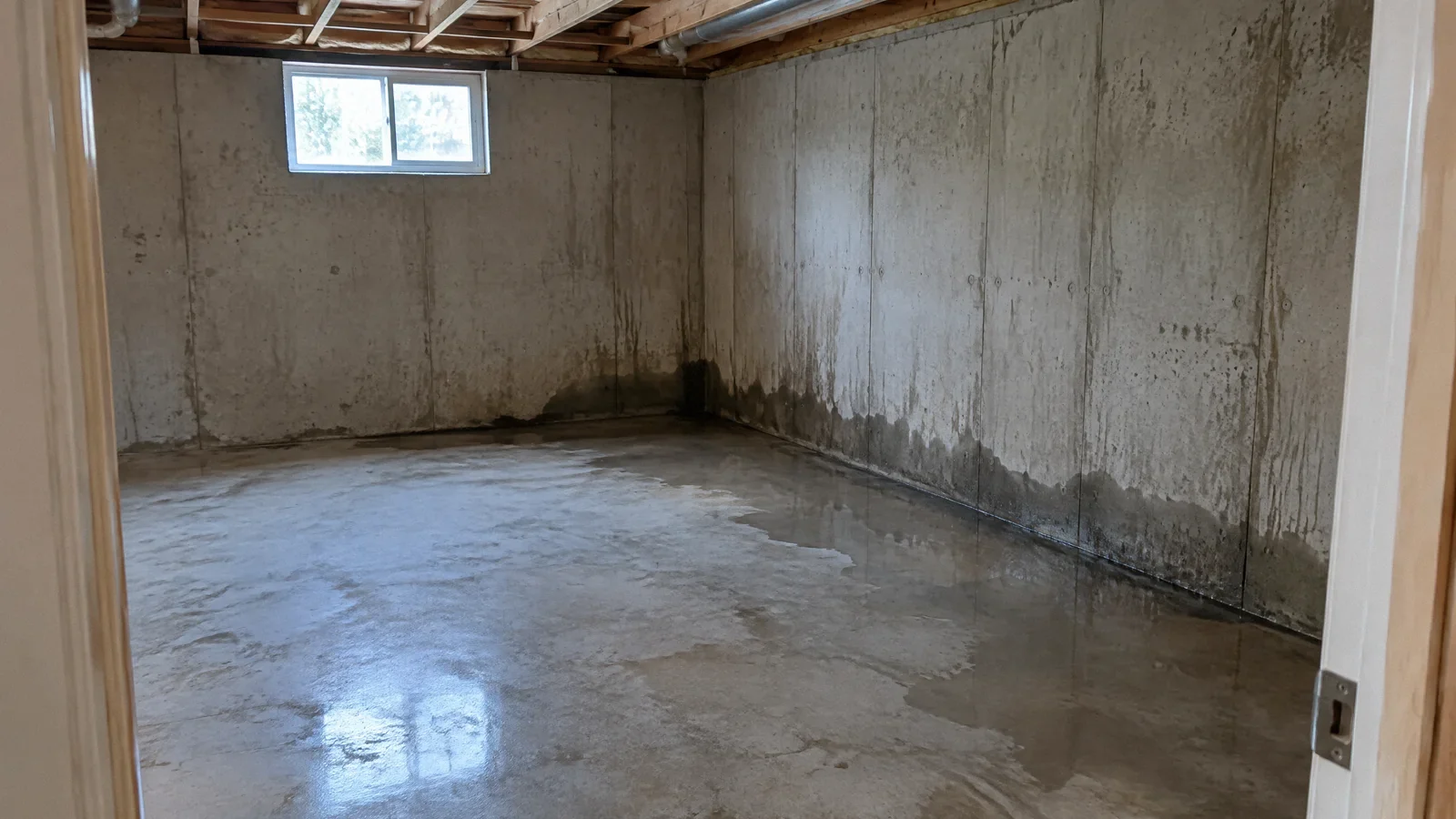
A flooded basement may face pressure from saturated soil outside. Pumping it out too quickly can stress walls or floors in some situations. Obtain local emergency and engineering guidance about safe timing and rate rather than treating every basement as an ordinary puddle.
Contaminated water changes the work
Floodwater and sewage can carry microorganisms and chemicals. EPA warns that floodwater can be contaminated even when flooding began with rain. A professional plan may need containment, protective equipment, removal of affected porous items and cleaning in addition to extraction.
A wet vacuum removes liquid but does not automatically disinfect a building or make contaminated carpet safe. Avoid aerosolizing or spreading dirty water to unaffected rooms. Follow local disposal requirements and the advice of public health authorities for the specific incident.
Why extraction is not complete drying
Water can remain inside drywall, insulation, subfloors, cabinets and wall cavities after the surface looks dry. A drying plan may use air movement and dehumidification when appropriate, alongside inspection and moisture measurements. Contaminated or moldy materials require special care; fans can spread particles if used incorrectly.
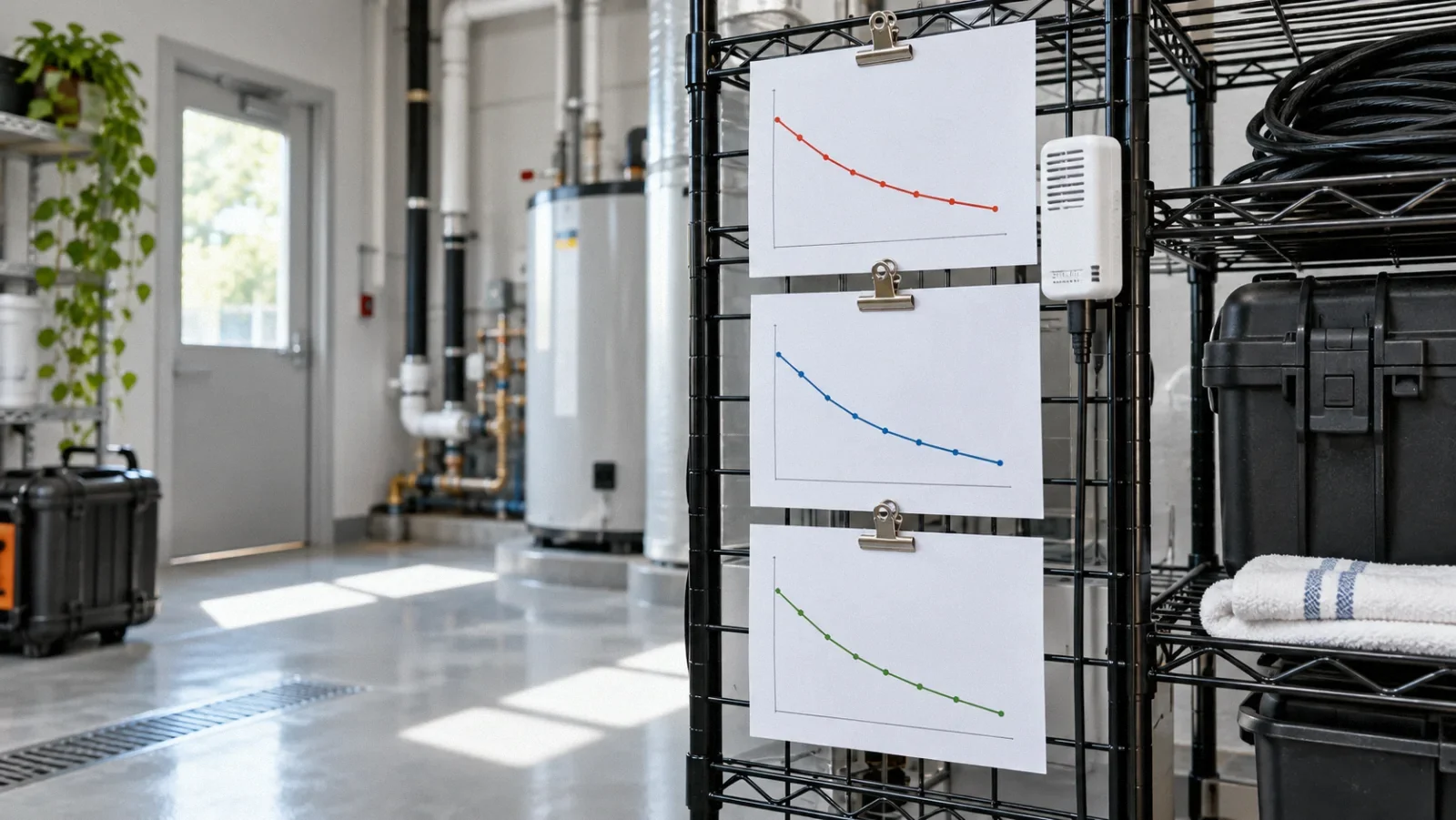
Ask which materials were checked, where measurements were taken and what criteria will be used before rebuilding. A low room-humidity reading alone does not prove the interior of a wall is dry. Keep a drying log and compare readings at relevant affected locations over time.
Questions for a restoration company
Request a written scope describing the water source, expected extraction work, equipment, protection of unaffected areas, disposal and the next drying or removal decisions. Ask how changes will be approved if concealed damage is found. Clarify who is responsible for electrical safety and repairs to the source.
For equipment charges, ask how machines and billable days are recorded and when equipment will be removed. A camera or meter reading is useful only with context about the location and material. Keep invoices, photographs and the work log together.
After visible water is removed
Continue monitoring for moisture, odor, damaged materials and a recurrence of the leak. Do not cover a wet cavity with new finishes simply because standing water has gone. EPA recommends drying wet areas and items within 24 to 48 hours when possible to help limit mold growth, but the correct action depends on contamination and material condition.
If mold is visible or occupants have health concerns, follow the relevant public health guidance and seek experienced help. Rebuilding decisions should follow safe cleanup and evidence that the moisture problem has been addressed.
What an extraction assessment should establish
The first assessment identifies the source, the water pathway, affected rooms and safety constraints. A leaking supply line can continue to add water until it is isolated; contaminated floodwater demands a different cleanup plan from a small clean-water leak. Do not assume the visible edge of a puddle defines the affected area.
Ask the provider how access, contents handling, removal and follow-up moisture measurements will be documented. Extraction is an initial response: drying concealed materials, addressing contamination and rebuilding may be separate work. Written authorization should make those boundaries clear.
Your next-step checklist
- Stay out of water that may contact electricity.
- Identify and stop the source when safe.
- Treat floodwater or sewage as potentially contaminated.
- Use equipment designed for the work and an appropriate discharge plan.
- Check affected materials and cavities before rebuilding.
Related questions
What is water extraction?
It is removal of accessible liquid water using an approach appropriate to the depth, material and hazards.
Does extraction dry a wall?
Not necessarily. Moisture may remain inside materials and cavities after standing water is removed.
Can I use an ordinary vacuum for floodwater?
No. Use only equipment designed and rated for wet pickup, and do not operate electrical equipment in unsafe conditions.
Can a flooded basement be pumped immediately?
The safe timing and rate depend on conditions outside and inside the building. Seek local emergency or engineering guidance.
Sources & context
Public guidance supports the principles in this article. The practical questions and examples are editorial interpretation, not a site assessment or a coverage decision. State-specific rules apply only where identified.
- US EPA: Flood cleanup and indoor airofficial guidance
- US EPA: Floodingofficial guidance
- US EPA: Flood cleanup and air qualityofficial guidance
- CDC: Reentering a flooded homepublic health guidance
- HomeGuide: Flooded basement cleanup costcommercial national cost guide