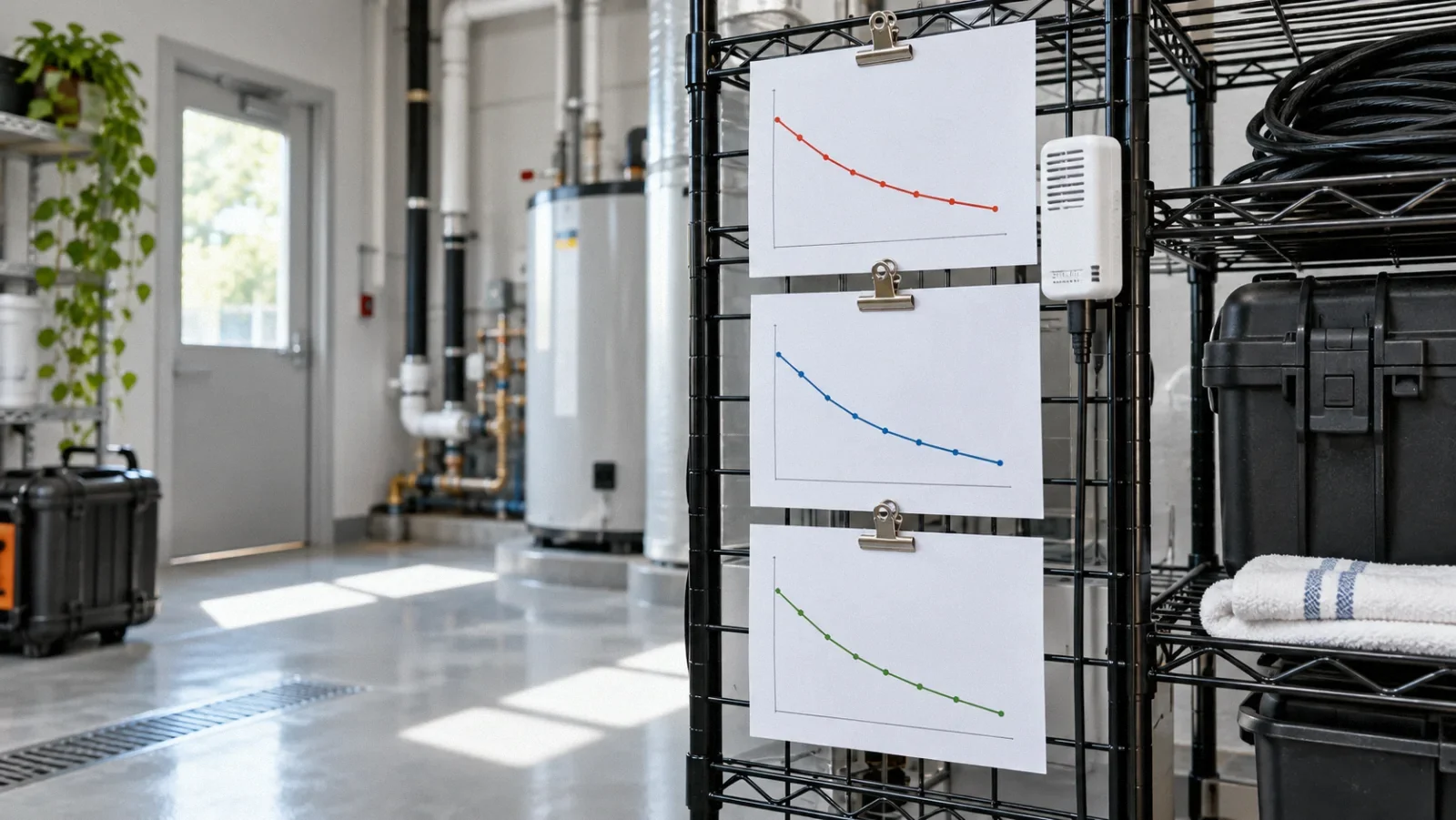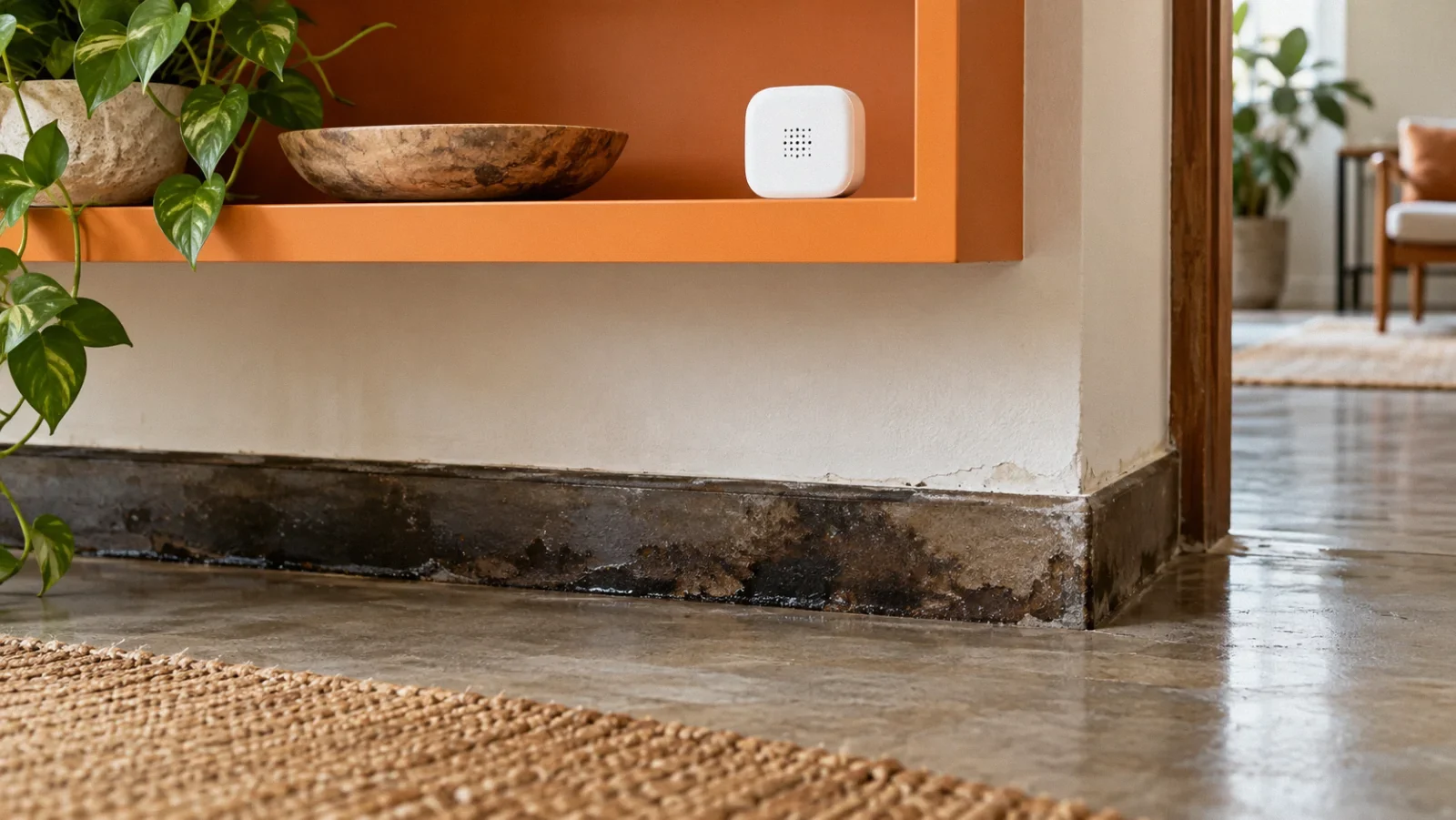
Moisture Mapping After a Leak: Recording the Actual Affected Area
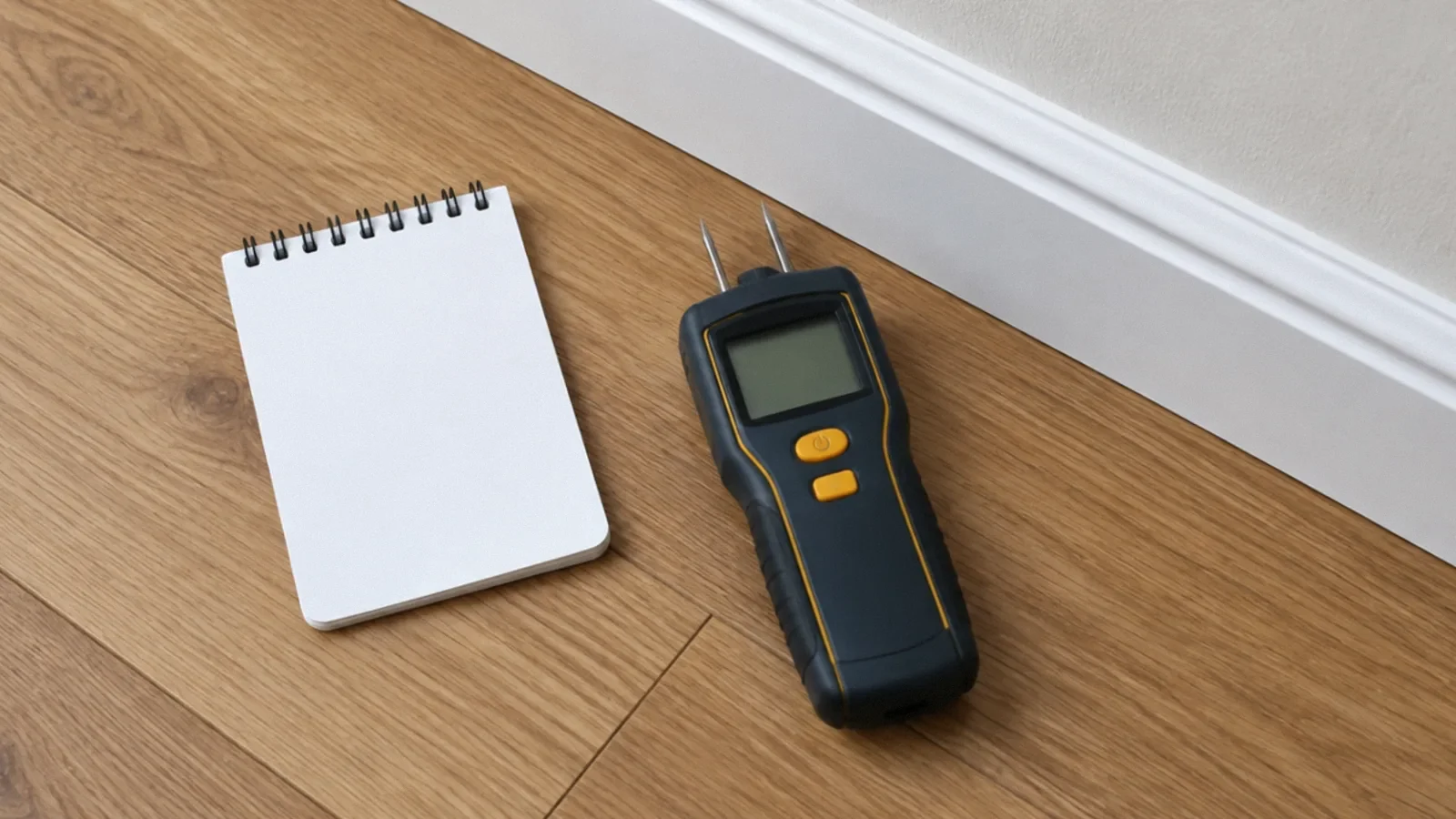
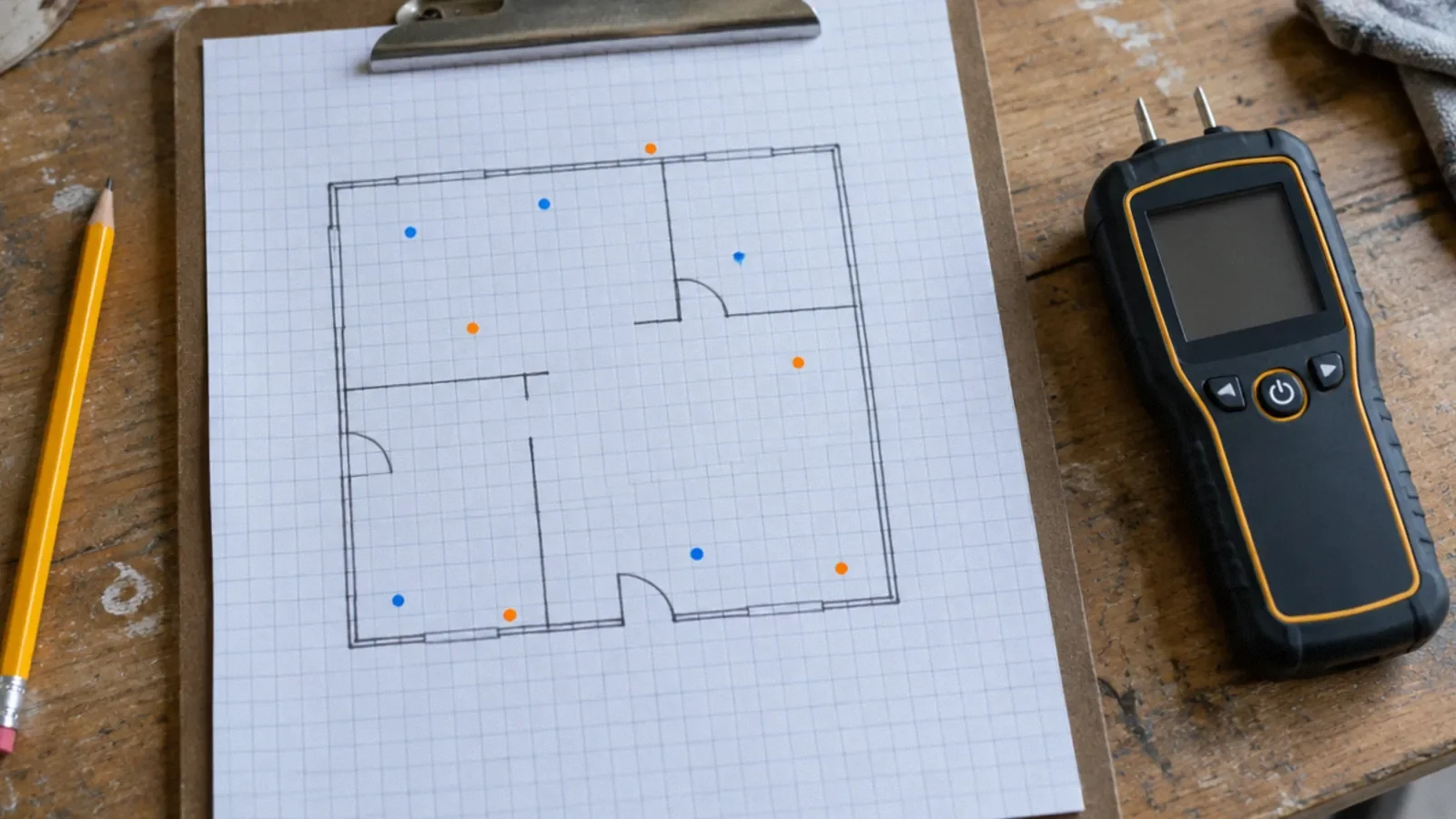
Build a moisture map that connects wet boundaries, material-specific readings, hidden areas, and repeat test points to removal and drying decisions.
Understand the numbers behind a dry building. Browse 16 detailed guides.
Build a moisture map that connects wet boundaries, material-specific readings, hidden areas, and repeat test points to removal and drying decisions.
Read drying logs for consistent material trends, goal justification, equipment changes, and unresolved areas instead of relying on elapsed days or room humidity.
See how extraction, fans, and dehumidifiers address different parts of a water loss, and why trapped layers need more than a dry room and running equipment.
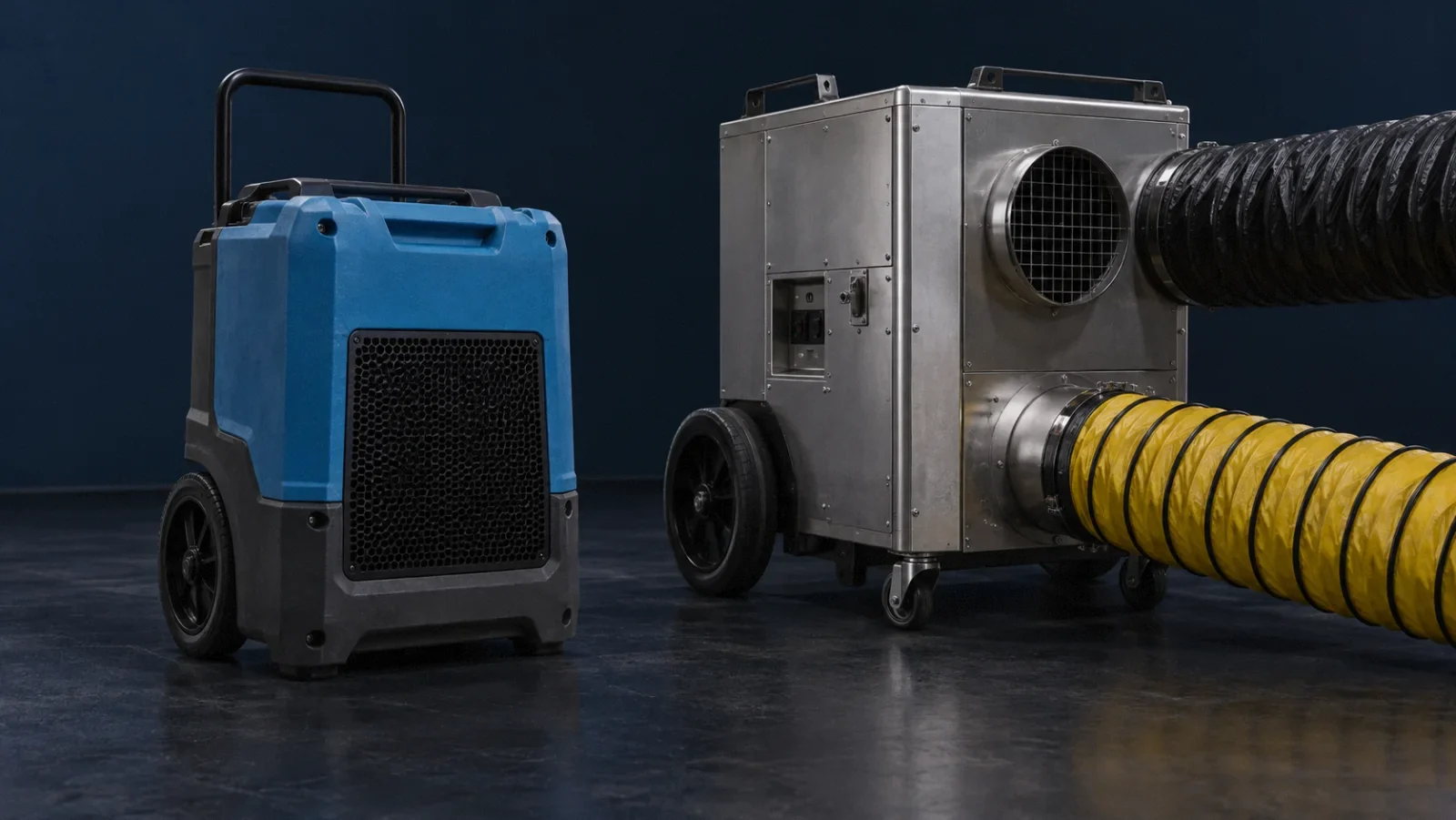
Compare refrigerant and desiccant drying by operating conditions, material access, power, and measured progress rather than assuming one equipment label wins.
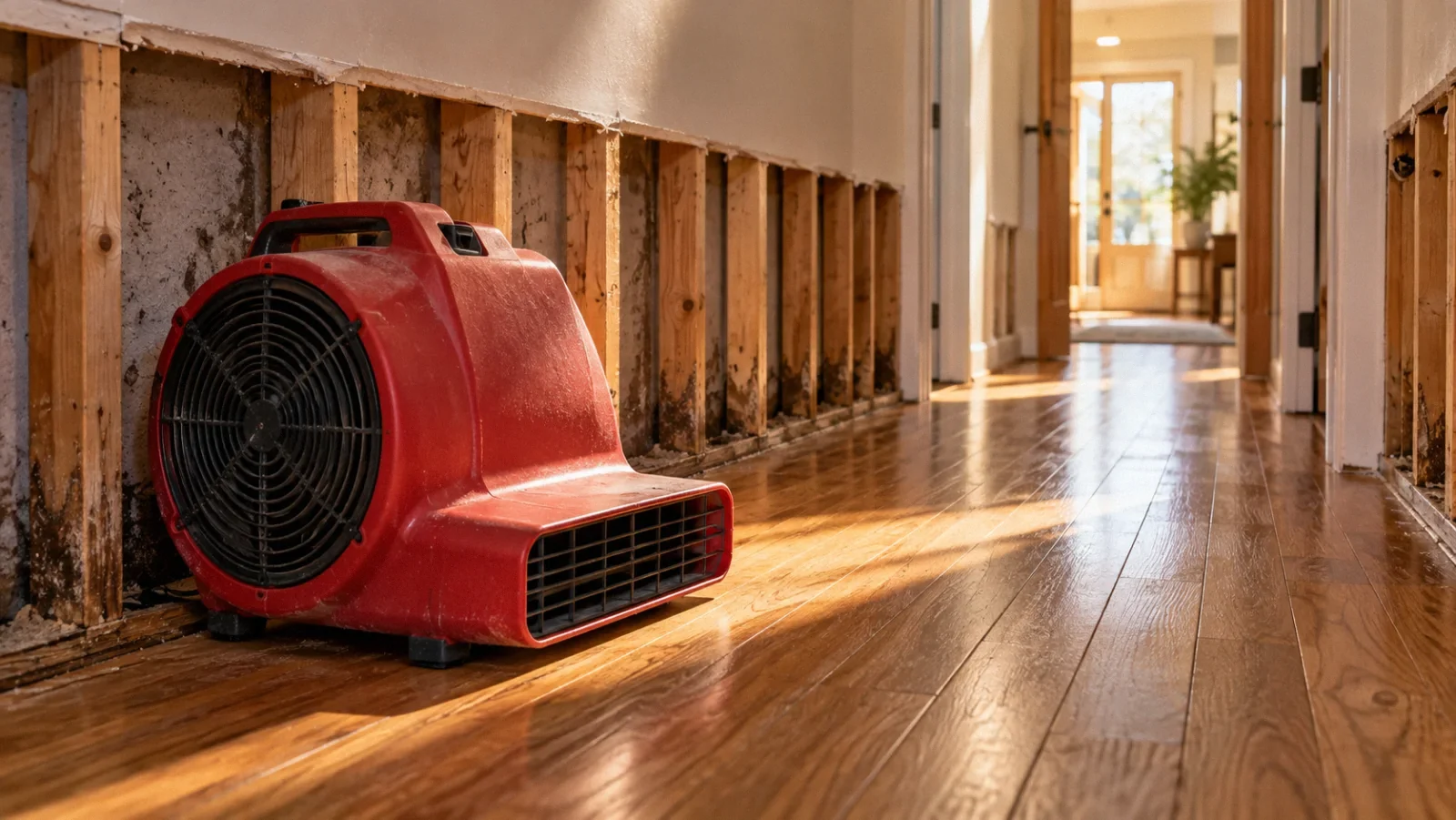
Evaluate air-mover placement through wet-material access, contamination limits, vapor removal, power safety, and measured progress toward drying goals.
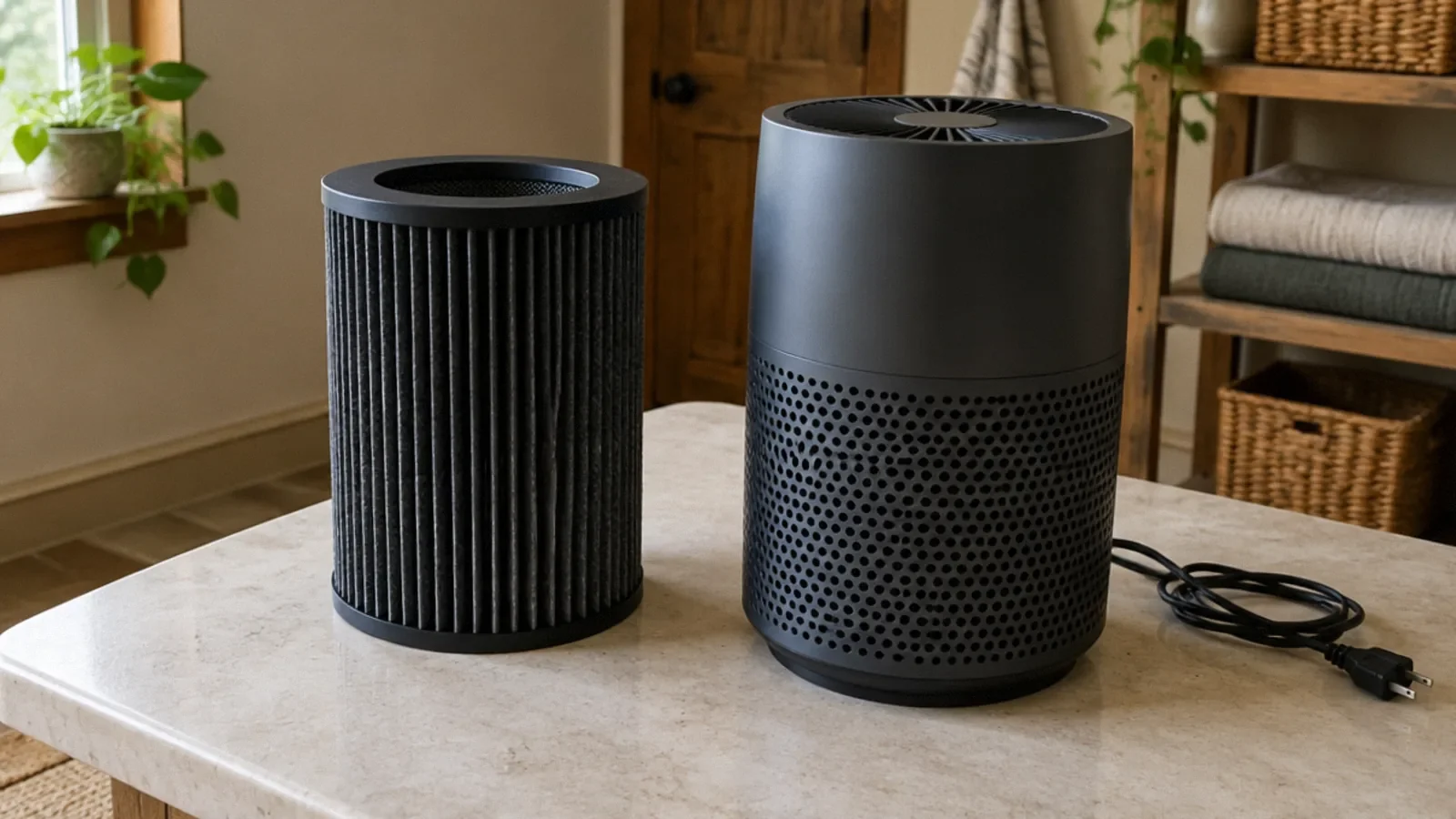
Tell HEPA filtration from dehumidification, understand their separate endpoints, and ask how equipment condition and cleanup controls are verified.
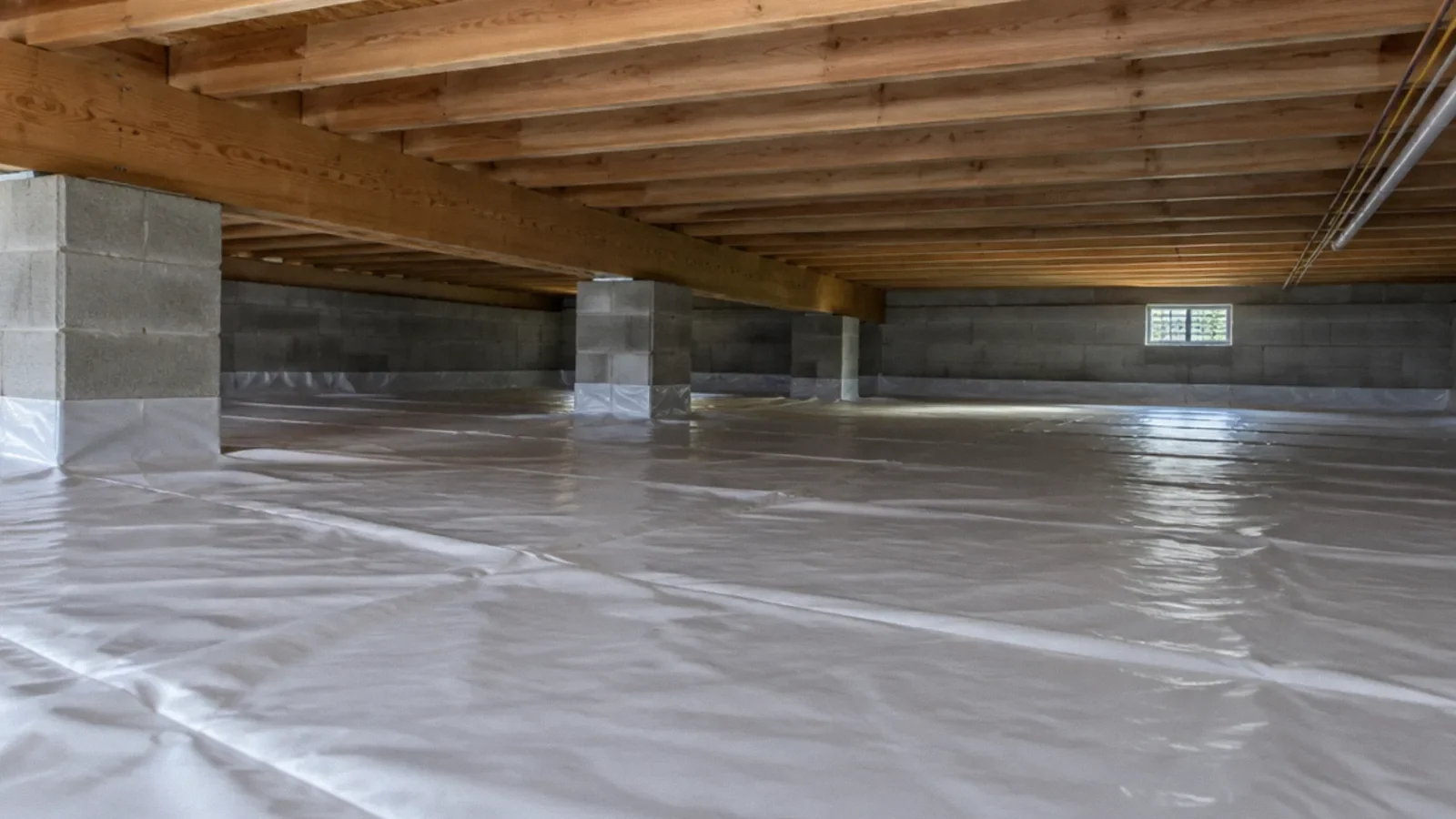
Address crawlspace water at the source, then assess soil vapor, wet insulation, remote framing, and the drying strategy suited to the space and climate.
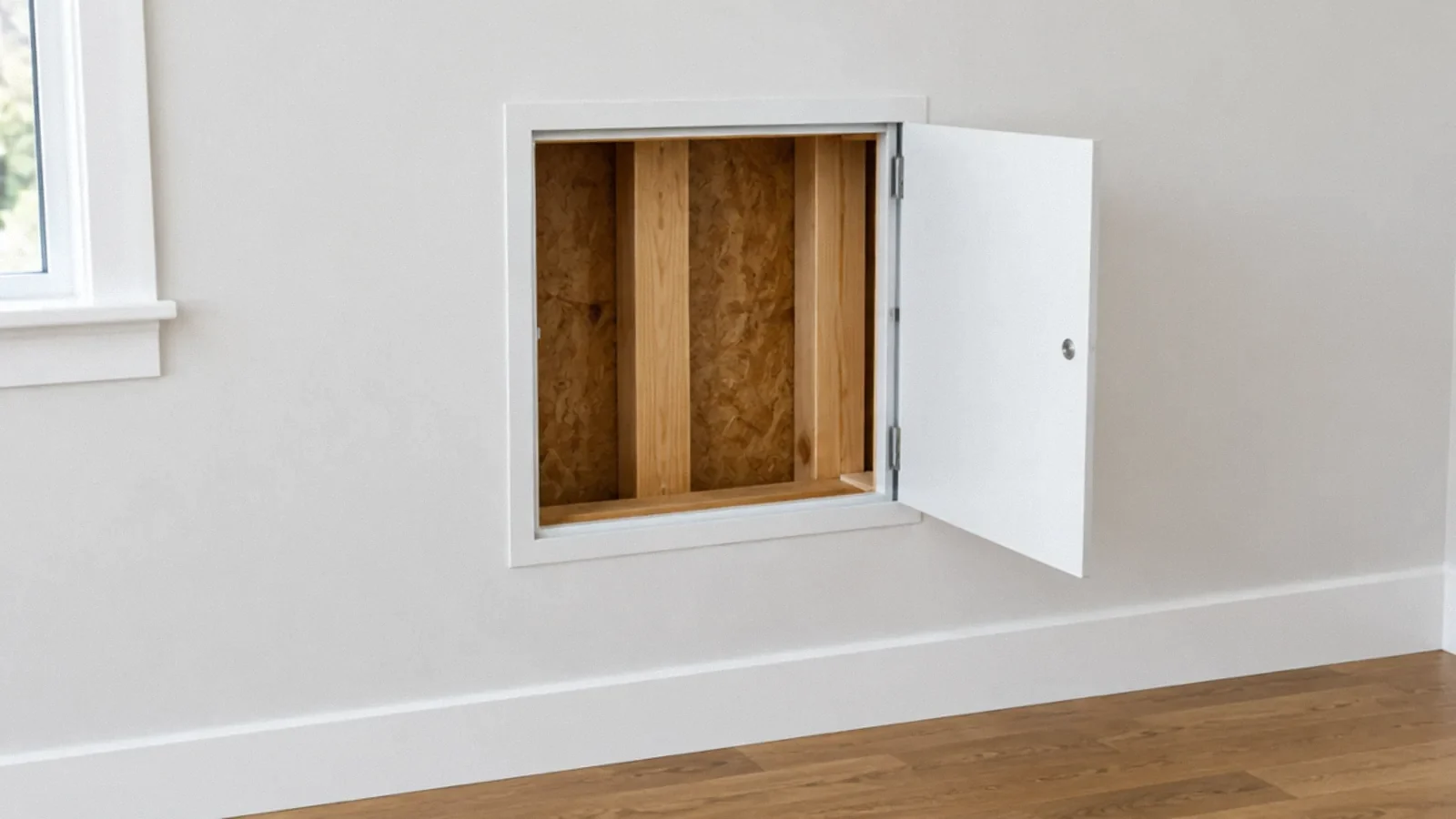
Evaluate wall-cavity drying through its hidden layers, access, airflow paths, and retained-material measurements before installing insulation or drywall.
Determine drying completion from material-specific goals, consistent trends, hidden-layer checks, and a clear handoff before reconstruction conceals the evidence.
Understand why low room humidity can coexist with wet walls or floors, and use temperature, vapor conditions, and material readings for the right decisions.
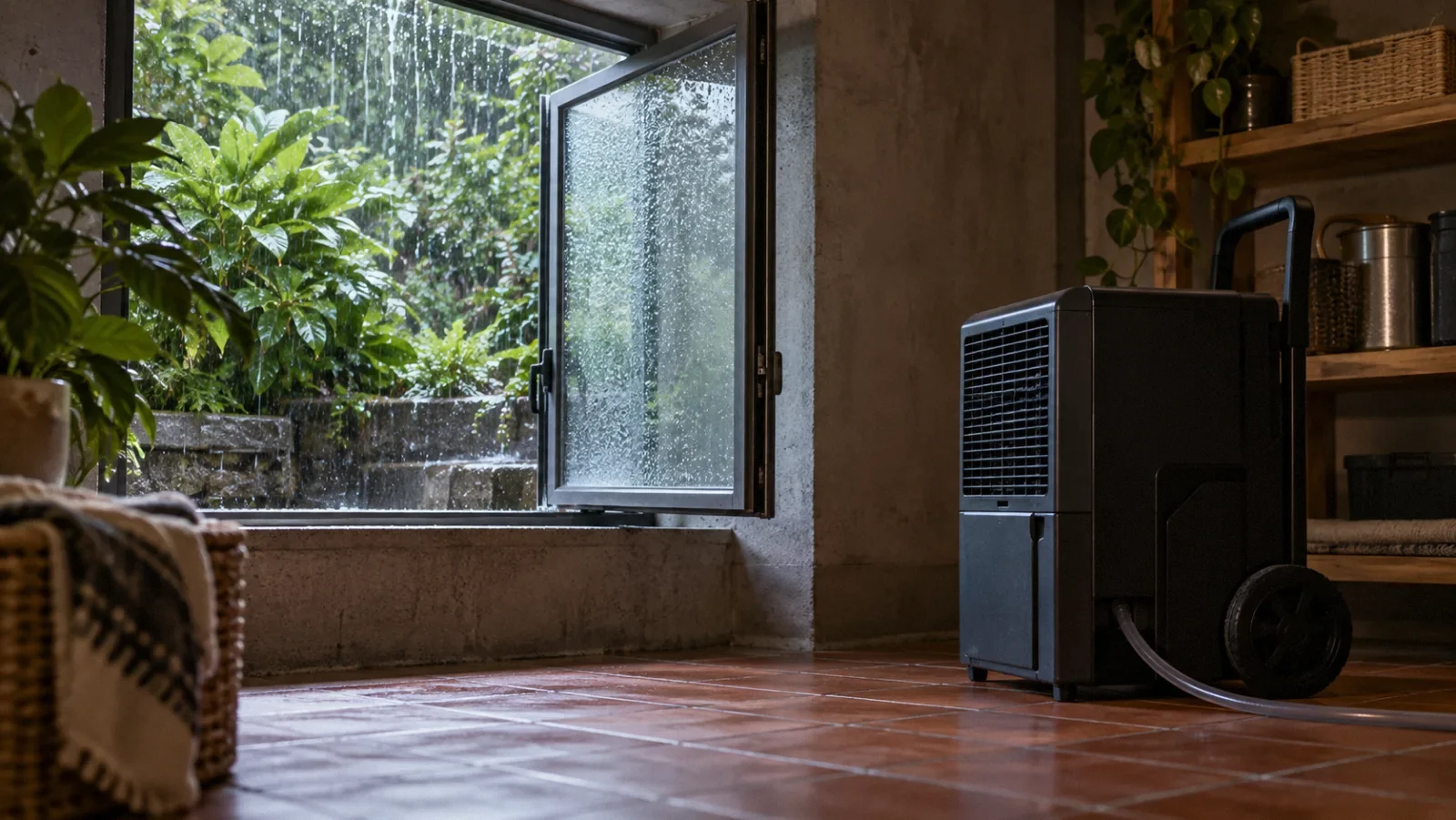
Decide whether windows help a dry-out by considering outdoor moisture, temperature, containment, and the monitored plan for ventilation or dehumidification.
Use heat as a monitored part of drying, with vapor removal, material-specific limits, and clear interpretation of humidity changes and surface movement.
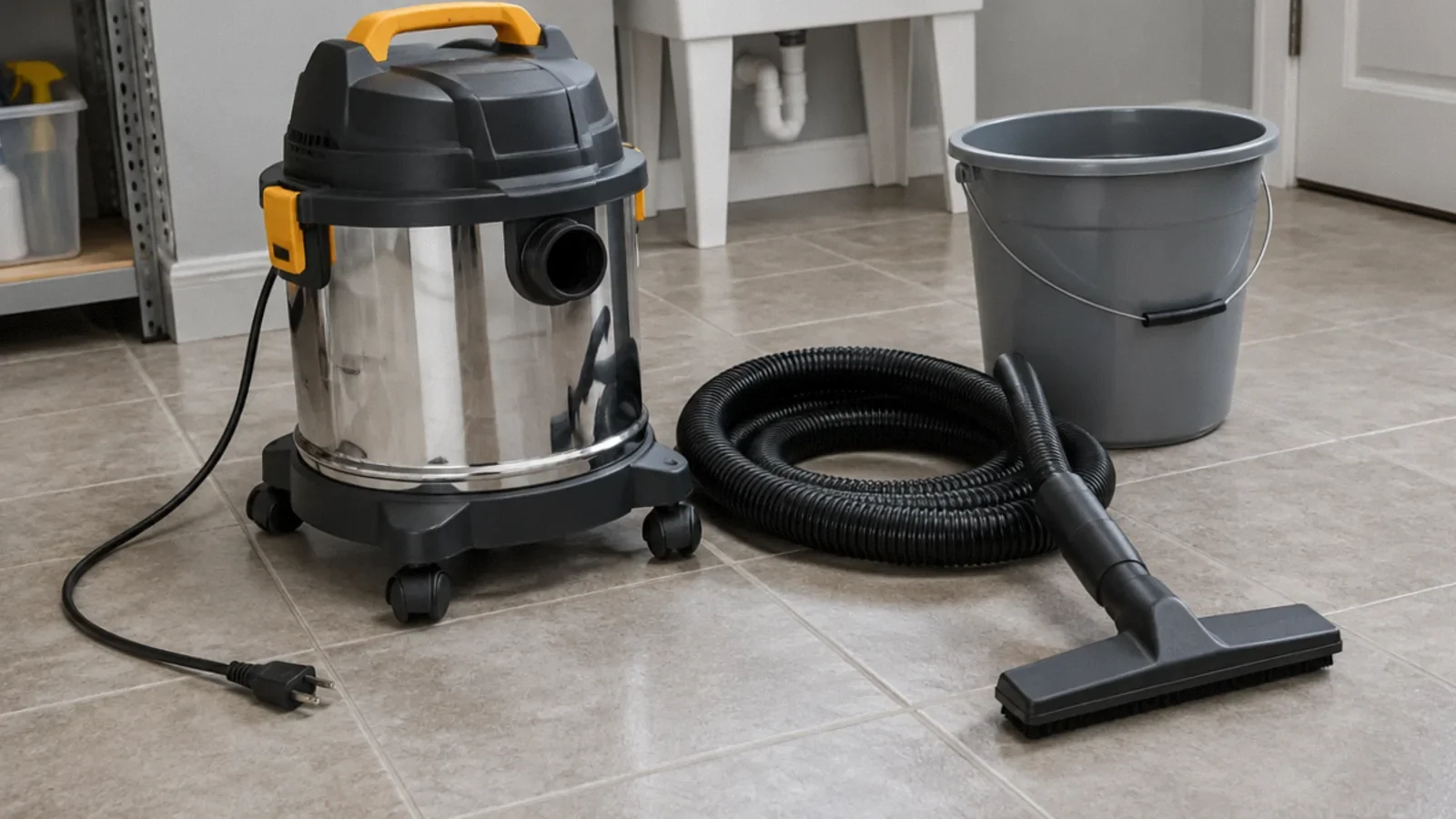
Understand water extraction, its safety limits and why affected materials may still need drying and inspection.
Understand how a water mitigation plan limits further damage, documents affected materials and prepares for repair.
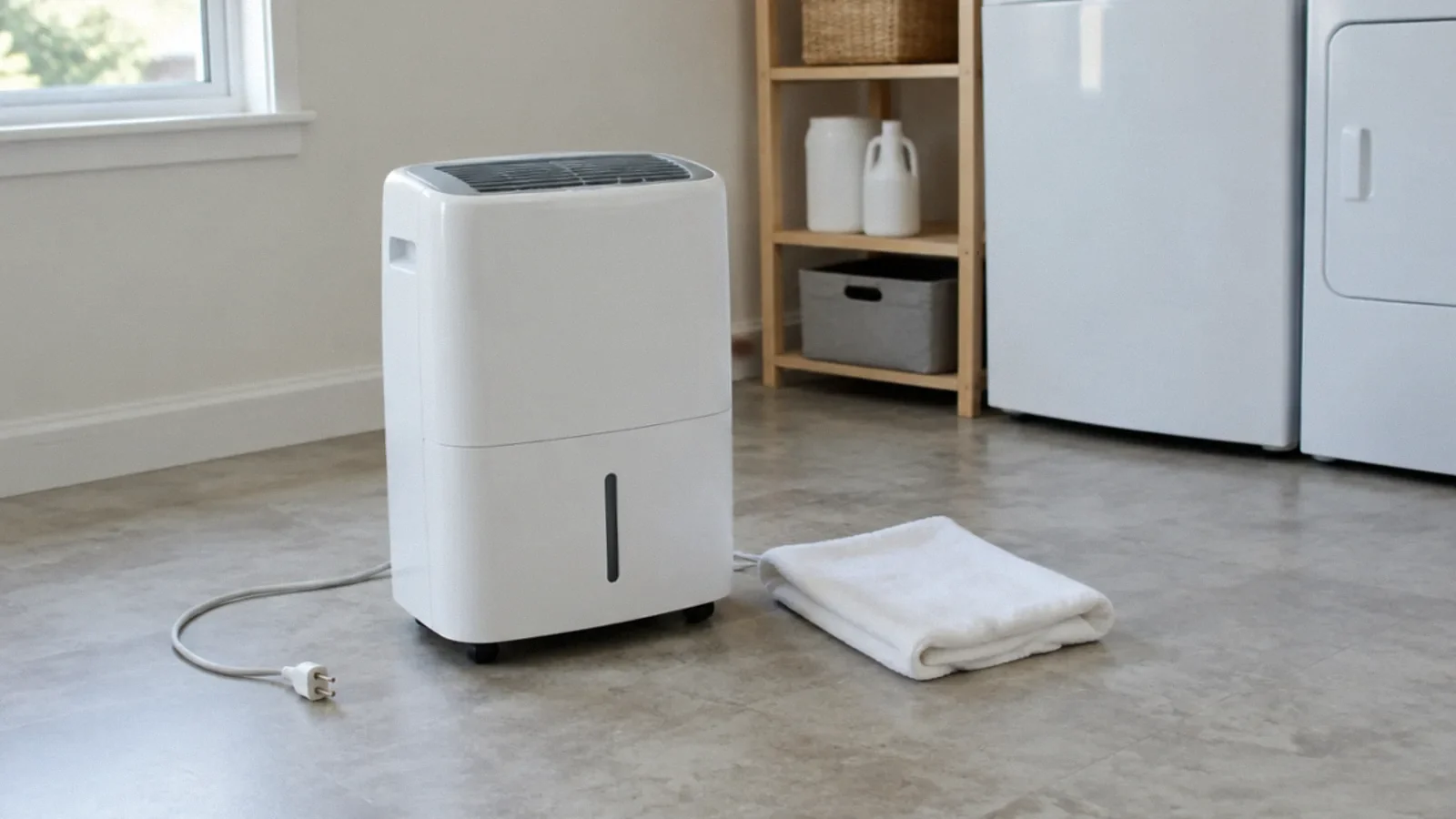
Learn how to disconnect a portable dehumidifier, clean accessible components and maintain it according to the manufacturer.
Understand the difference between service time and drying time, the factors that change each, and safe ways to avoid trapped moisture.
Try a material, “insurance”, “mold”, or a shorter phrase.