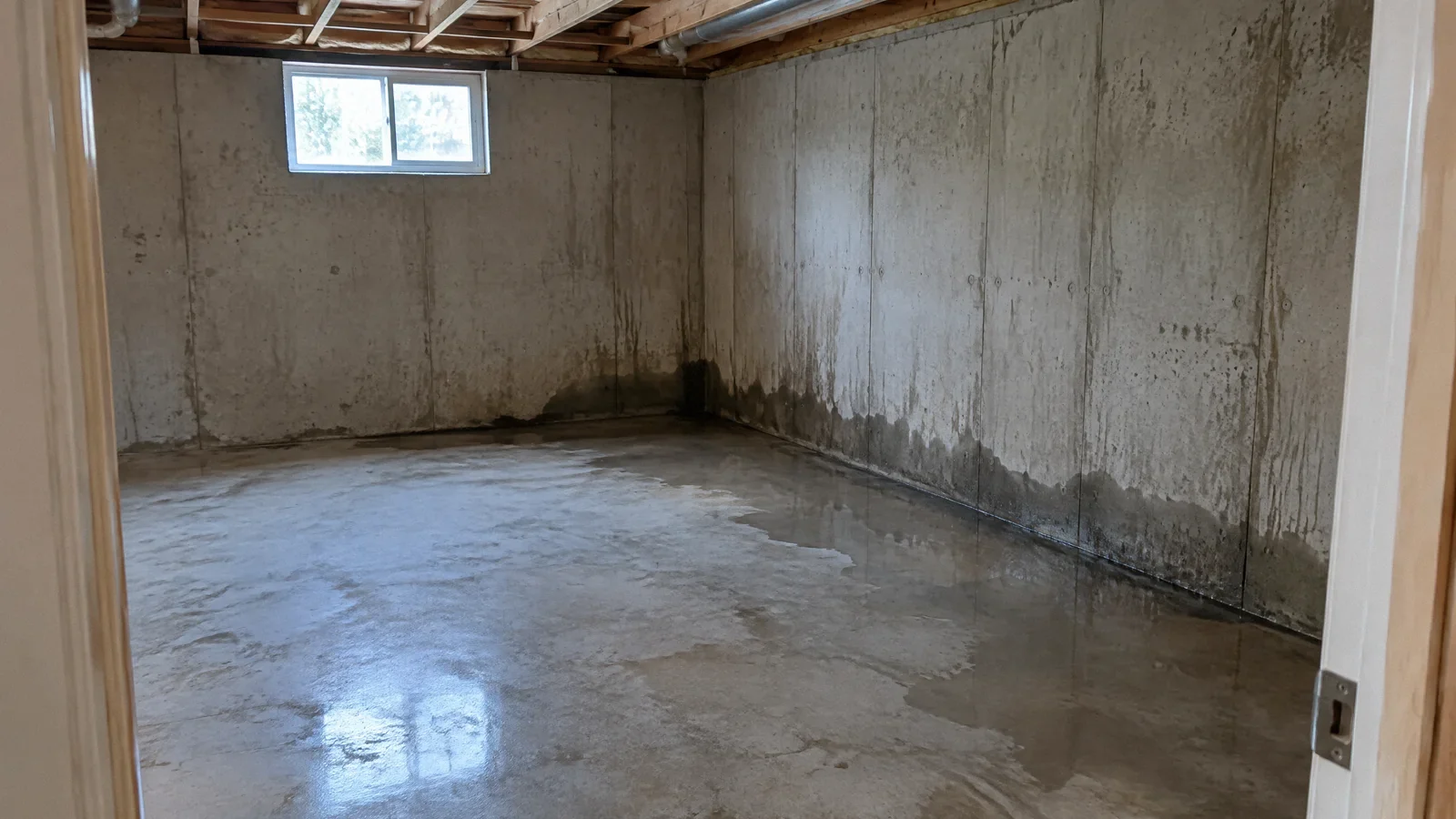
Crawlspace drying starts with safe access, source control, and removal of standing water or affected material as appropriate. Wet soil, insulation, and framing can remain after puddles disappear. Long-term moisture control must fit the crawlspace design and climate.
Do not enter to make the first assessment
A flooded crawlspace can contain electrical hazards, contaminated water, debris, unstable surfaces, and restricted movement. Low clearance makes retreat difficult. Arrange professional assessment when conditions are uncertain rather than crawling in to photograph the far corner.
CDC’s flooded-home guidance emphasizes safe electrical conditions and drainage for crawlspaces. A dry-looking access hatch does not establish safe conditions deeper inside. Tell the responder about utilities, standing water, odors, and any known pest or structural issue.
Identify the continuing water source
Possible sources include plumbing, surface runoff, groundwater, drainage failures, and humid-air condensation. The response should distinguish an acute release from a chronic moisture problem. Pumping an isolated puddle does not repair the pathway that created it.
Document what was wet and whether the pattern changes with rainfall or fixture use. Inspect exterior drainage and plumbing through safe appropriate access. Do not immediately cover wet ground or close vents as a universal cure; those changes can alter the moisture behavior of the whole crawlspace.
Assess soil, coverings, insulation, and wood separately
Wet soil can continue releasing vapor after free water is removed. A damaged or displaced ground covering may leave that moisture path uncontrolled. Insulation can retain water or conceal wet framing. Each layer needs its own inspection and treatment decision.
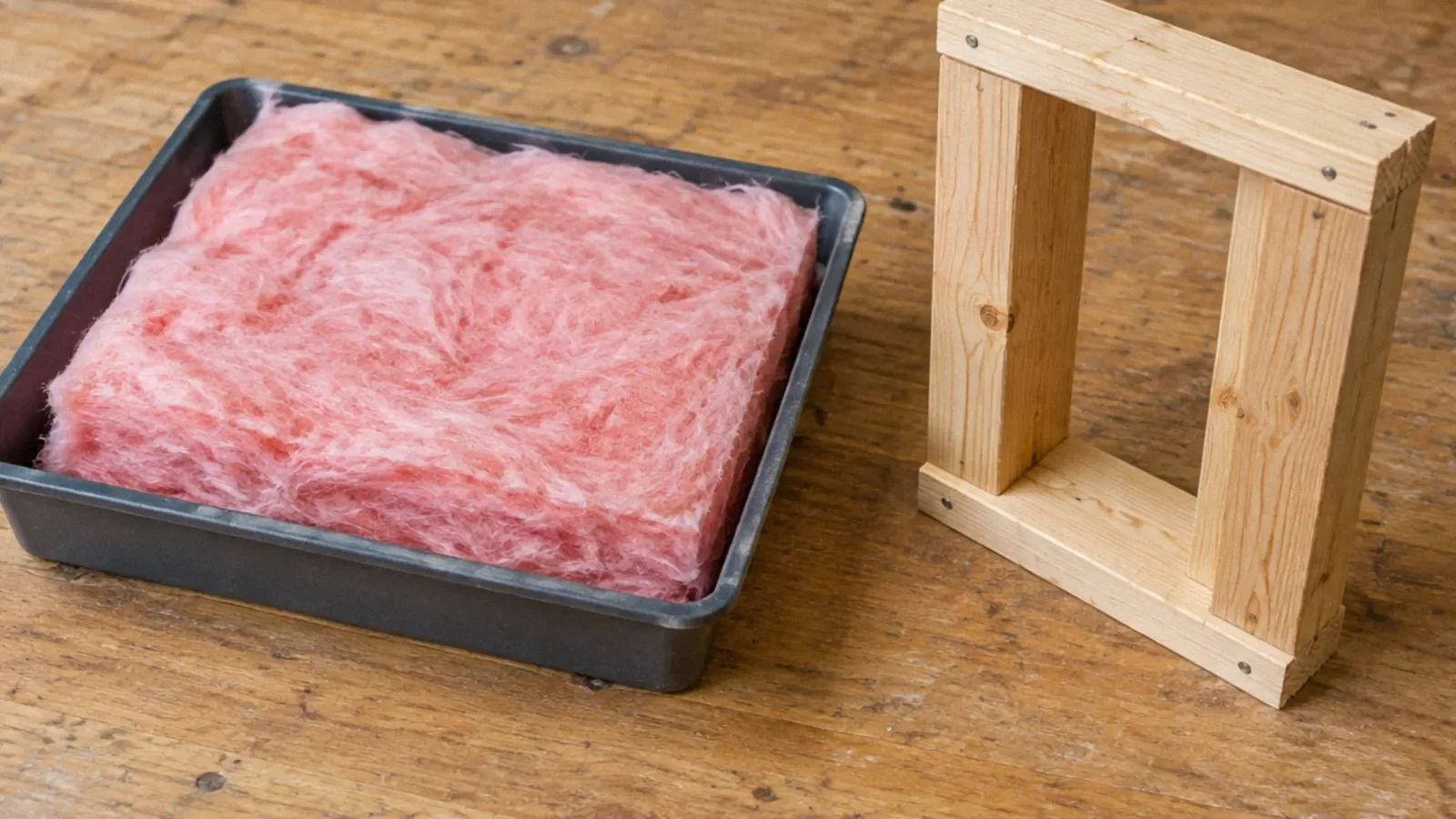
EPA’s clean-water table recommends replacement of wet fiberglass and cellulose insulation. The retained framing still requires evaluation for moisture and physical condition. A new ground membrane or replacement batt should not conceal unresolved contamination or wet structural members.
Select drying for the actual configuration
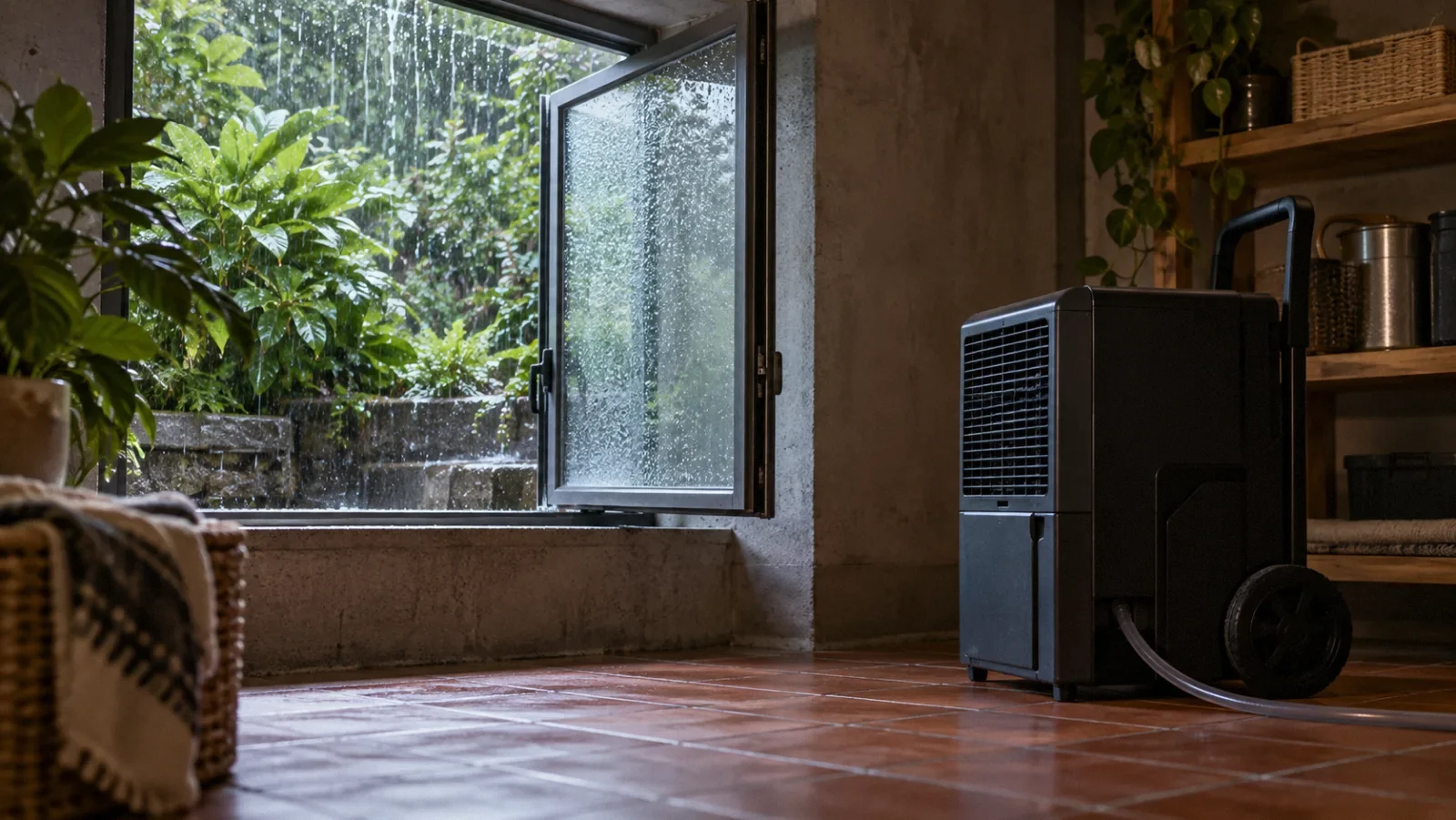
A vented crawlspace, an enclosed conditioned crawlspace, and a partially modified space may behave differently. Outdoor air can help or worsen moisture conditions depending on temperature and humidity. The building’s moisture design should guide ventilation and dehumidification choices.
Ask how air reaches remote bays and how the crew measures the wettest framing. A machine near the hatch may improve the nearby air without establishing conditions at the far perimeter. EPA’s whole-building moisture guidance supports evaluating sources and transport paths rather than treating room humidity as the entire problem.
A hatch reading is not a crawlspace survey
A dehumidifier near the access point can create favorable local air conditions while distant bays remain affected. Ask for measurement locations at the source area, remote perimeter, and other relevant wet framing, chosen for the actual layout. The goal is coverage of the affected assembly, not a particular number of readings.
If the crew cannot reach a section, the report should identify that limitation and propose how to address it. Restricted access can be a real constraint, but it should not disappear from the completion statement. A camera view may help document condition without replacing all material measurements.
Also distinguish framing wet from a recent release and wood exposed to a chronic damp environment. The recent event may reveal a preexisting source that needs a different repair. Record that possibility rather than attributing every observation to the same incident.
Choosing a long-term change after the dry-out
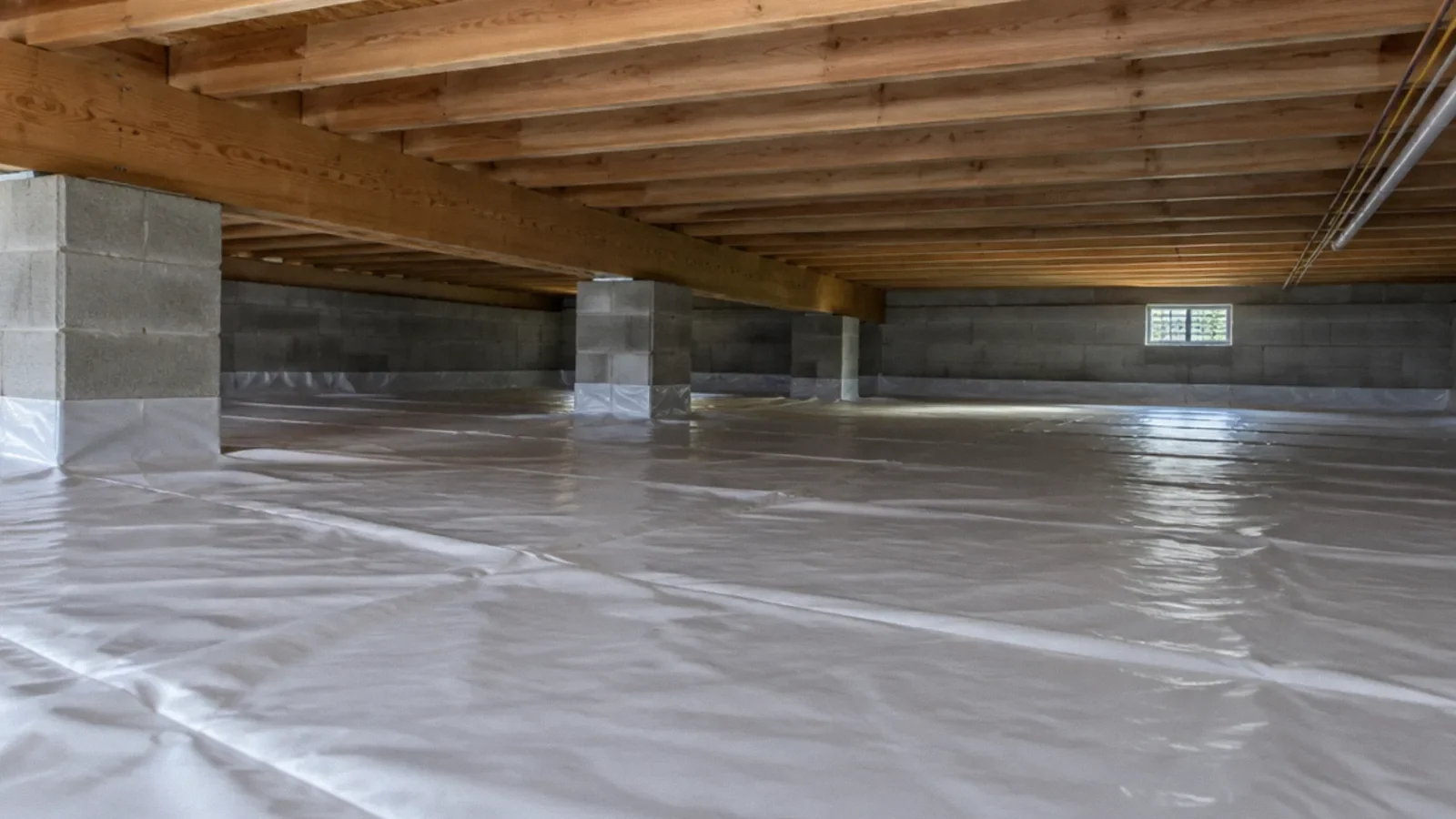
If encapsulation or conversion to a conditioned crawlspace is proposed, ask for a coordinated design addressing ground vapor, drainage, insulation, air sealing, mechanical conditioning, and any appliances or utilities. A membrane alone is not the entire system. Nor should a dehumidifier be treated as the permanent answer to recurring liquid entry.
Discuss maintenance access for plumbing and drains before the new work is installed. A neat enclosure that conceals inspection points can make future diagnosis harder. The owner should know where to look safely and which changes warrant a professional return.
A useful verification plan considers the relevant trigger: rainfall for exterior entry, fixture operation for plumbing, or seasonal conditions for condensation. Not every trigger can be reproduced during a short project. Record what was tested and what will be monitored later. That is a more honest completion statement than declaring the crawlspace permanently dry from one set of post-equipment readings.
Use the repair to improve inspectability
Before closing access, retain photographs, a map of repaired plumbing or drainage, and measurements from relevant framing locations. Identify where future inspection can occur without disturbing the entire assembly. If new encapsulation or conditioning is proposed, have the designer explain drainage, vapor, insulation, and building-system interactions.
Monitor recurrence after the next relevant weather or operating condition. A one-time dry reading after equipment use does not establish that a seasonal water source has been controlled. Record the limits of what was verified and the circumstances that should trigger another inspection.
Materials used in crawl-space encapsulation
Encapsulation materials are discussed separately; selection depends on the assembly and moisture source.
Standing water beneath the house
Water beneath a house may reach joists, insulation and services even when the floor above looks dry. Do not enter a confined or flooded crawlspace to operate a pump. From a safe location note whether water appears in dry weather near a pipe or after rain near the perimeter. A plumber can isolate and repair an accessible plumbing source; a drainage specialist can assess rainwater and groundwater pathways.
A qualified crew should first evaluate electrical, structural, access and contamination hazards, stop the source where possible, plan a permitted discharge and remove standing water with suitable equipment. Sewage, unknown water, deep water or unsafe access require professional cleanup. They should inspect wet insulation, wood and coverings, remove unsalvageable materials, dry the assembly and verify moisture before repairs.
Liquid entry calls for correcting its pathway; a ground vapor barrier addresses evaporation from soil and does not replace drainage. Condensation needs an assessment of air leakage, temperature and humidity. Soft or distorted wood, damaged insulation and persistent odors warrant separate professional evaluation; none identifies the cause by itself.
Your next-step checklist
- Keep out until access, utilities, contamination, and structural concerns are assessed.
- Separate acute water release from recurring groundwater or condensation.
- Inspect soil covering, insulation, framing, and remote bays individually.
- Choose ventilation or dehumidification for the actual crawlspace design.
- Retain an inspection plan and check for recurrence under relevant conditions.
Related questions
Will opening every vent dry the crawlspace?
Not necessarily. Outdoor air may add moisture or encounter cool surfaces. The appropriate strategy depends on climate, weather, and the crawlspace assembly.
Can I cover wet soil with plastic immediately?
A ground vapor retarder may belong in the design, but installation should follow source, drainage, contamination, and material assessment. Covering conditions prematurely can hide unresolved problems.
Why are joists still wet after pumping?
Wood can retain moisture after standing water is removed, and damp soil or ongoing entry may continue adding moisture. Measurements and source investigation should guide the next step.
Does a new ground covering prove the crawlspace is ready?
No. It may be one part of moisture control, but retained wood, drainage, insulation, and any contamination need separate evaluation. Keep installation photographs and the underlying assessment so the neat appearance of the covering does not substitute for evidence of the completed work.
Is standing water in a crawlspace normal after rain?
Recurring standing water deserves investigation. Rainwater, drainage, plumbing or groundwater may be involved, and the appropriate remedy depends on the source and site.
Sources & context
Public guidance supports the principles in this article. The practical questions and examples are editorial interpretation, not a site assessment or a coverage decision. State-specific rules apply only where identified.
- CDC: Reentering Your Flooded Homeofficial
- EPA: Moisture Control Guidance, Chapter 1 (moisture transport and whole-assembly control)official
- U.S. Department of Energy: Crawl-space ground moisture barrierfederal building guidance
Community questions behind this topic
These discussions helped identify reader concerns. They are anecdotal, not technical or legal authority.