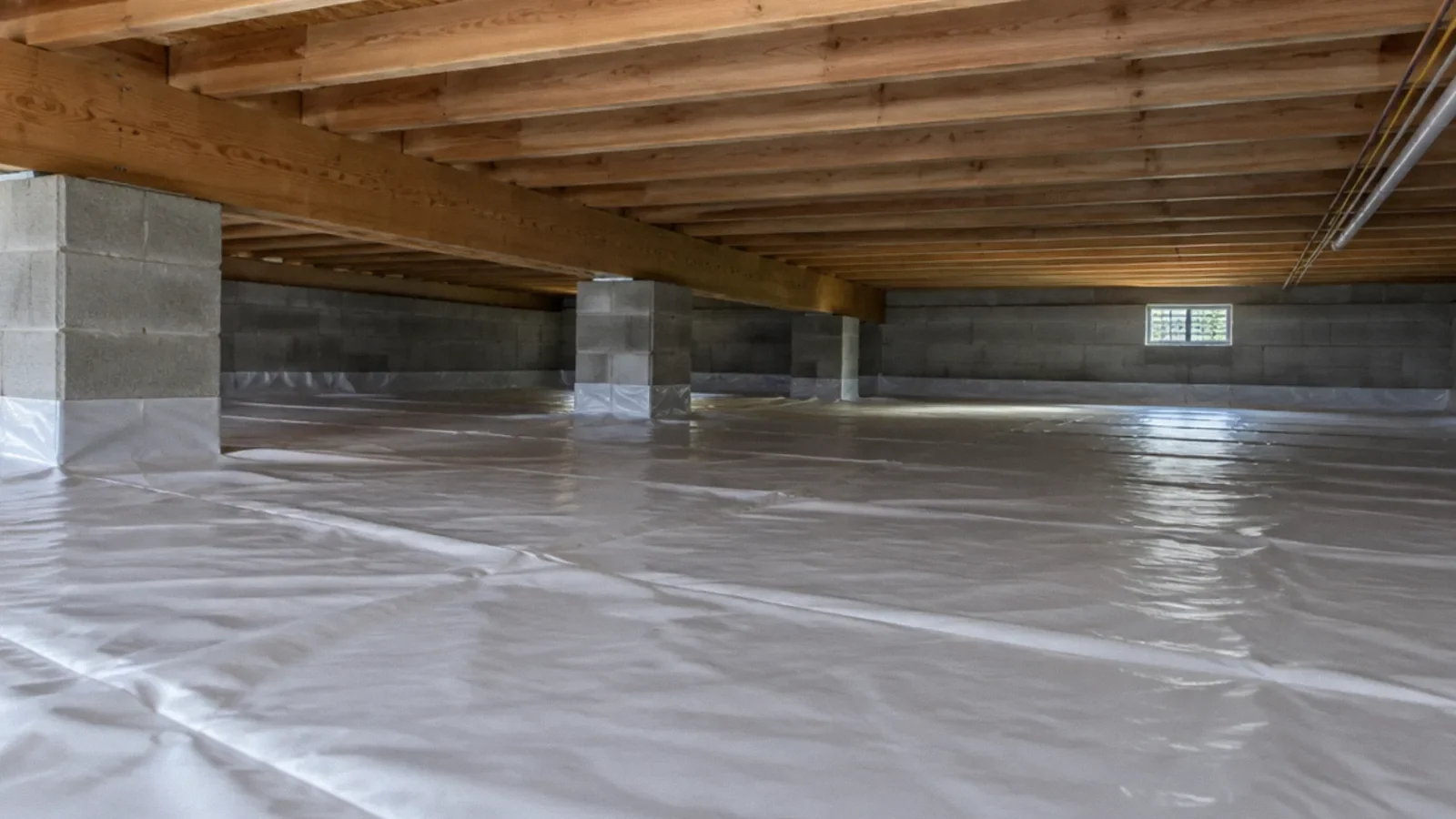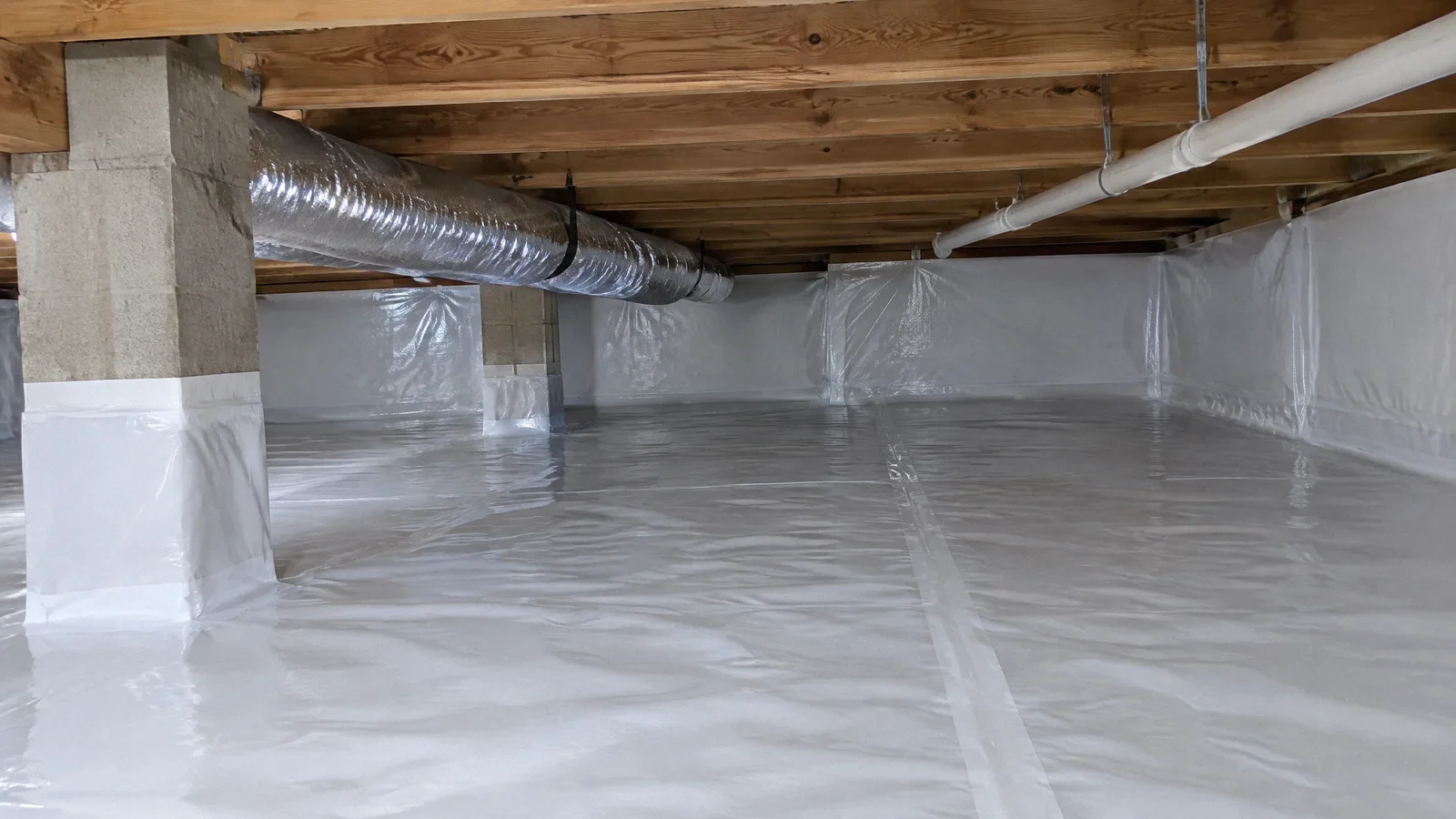
A crawl space system can include a ground vapor retarder, compatible seam tape or sealant, fasteners, insulation and a humidity-control strategy. Material choice depends on water entry, climate, code and the building. Correct drainage and safety problems before enclosing the space.
Start with the building, not a shopping list
Encapsulation is a system intended to limit moisture entering a crawl space and manage the remaining conditions. It is more than placing plastic on the soil. Groundwater, roof runoff, plumbing leaks, foundation walls, combustion equipment and the climate all affect the design. A liner cannot repair a leaking pipe or stop water pressure against a foundation.
Crawl spaces can be hazardous because of restricted access, electrical equipment, pests, contaminated materials and possible air-quality concerns. Do not enter a confined space or disturb suspected hazardous material to take measurements. A qualified building professional can inspect the conditions, identify needed repairs and determine the local permit and code requirements.
Ground vapor retarder: material and coverage
Polyethylene sheeting is commonly used over exposed soil to reduce moisture movement. The Department of Energy describes at least 6-mil polyethylene for its ground-cover guidance; a separate DOE installer aid also specifies a minimum of 6 mil. This is a minimum in those guides, not a promise that a particular thickness satisfies every local code or project specification. Higher durability may matter where service workers must move equipment across the liner.
Ask for the material’s thickness, composition and intended use in writing. A reinforced or thicker product may resist damage differently from a thin sheet, but thickness alone does not establish quality or compatibility. Consider ground preparation, sharp debris, access paths and future maintenance. DOE recommends covering the ground as completely as reasonably possible and extending material up walls and piers.
Seams, penetrations and attachment
A liner is only as continuous as its connections. DOE guidance describes overlapping seams and sealing them with compatible tape or sealant, and sealing around pipes that penetrate the ground cover. The exact overlap differs between its guides, so follow the applicable design, product instructions and local requirements. Avoid treating a roll of ordinary household tape as automatically suitable for a damp crawl space.
Ask the installer which tape, sealant and mechanical fasteners are compatible with the liner and the surfaces to which it attaches. Adhesion to dusty or wet masonry can be unreliable unless preparation follows the product instructions. Wall attachments must remain serviceable and should not interfere with inspection or drainage. After installation, request a visual walk-through or photographs of seams, piers, penetrations and transitions.
Insulation and vapor control need a design
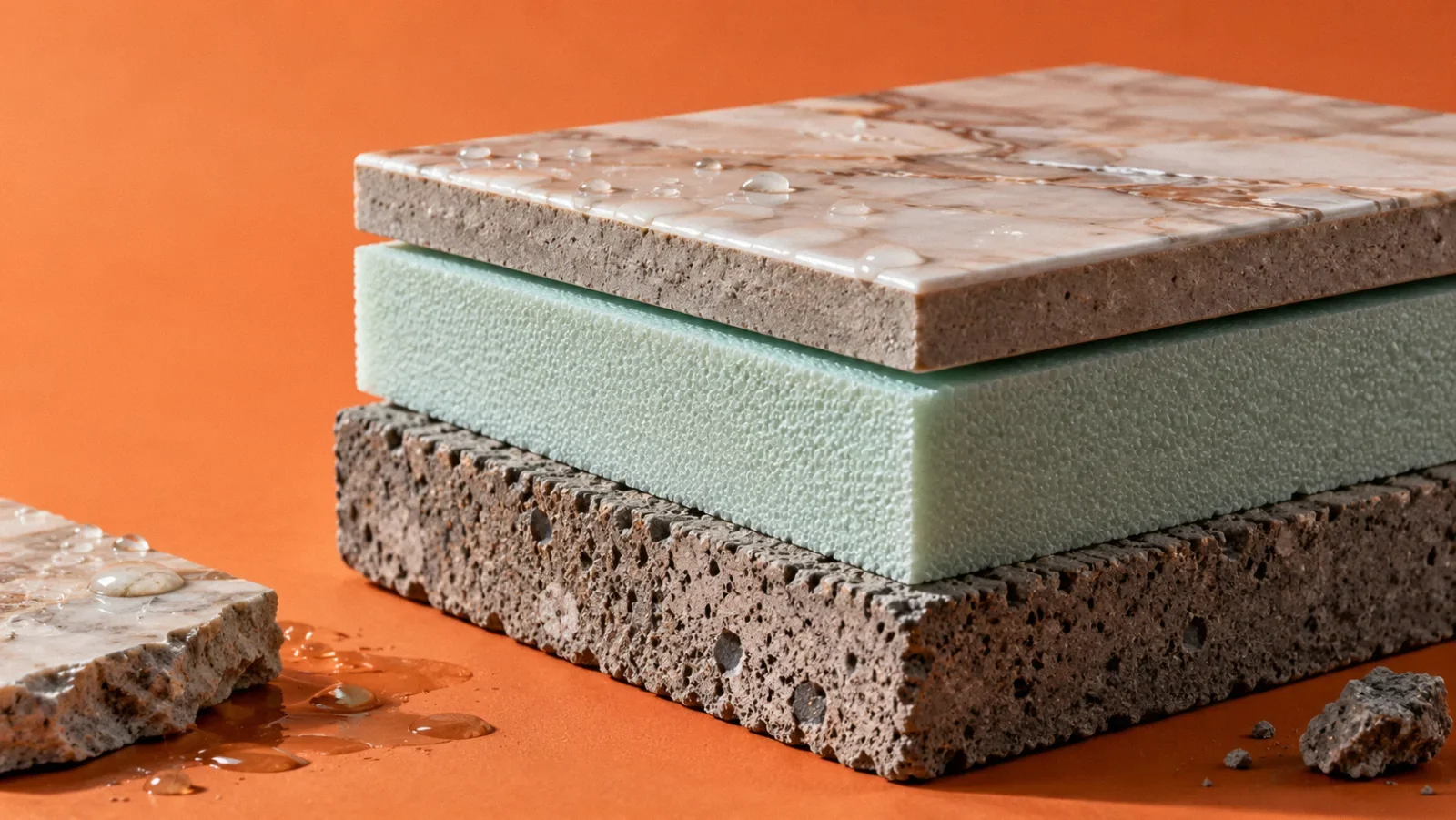
The location and type of insulation depend on whether the crawl space is vented or unvented, the climate and the building’s construction. Rigid insulation, spray foam and fibrous insulation have different installation, moisture and fire-protection requirements. A product that works in one assembly can trap moisture in another if the layers are arranged incorrectly.
DOE cautions that interior vapor retarders in basement and crawl-space assemblies should not prevent drying and can trap moisture when placed inside fibrous insulation. Ask a qualified designer to specify the assembly, exposed-material protection and air sealing. Do not cover active moisture damage or wood decay with insulation. Existing combustion appliances and their air supply also require professional review before changing ventilation.
Drainage, humidity and access are part of the system
Address roof drainage, grading and water intrusion before relying on a ground liner. DOE’s installer aid says the retarder should not interfere with established drainage patterns. If water regularly enters the space, a drainage or waterproofing professional should evaluate the source and the appropriate solution. A membrane is not a substitute for a drainage plan.
An enclosed crawl space may also need a humidity-control and conditioning strategy appropriate to its design and code. Ask how humidity will be monitored, how any equipment will drain, and who will maintain it. Access doors, equipment clearances and inspection routes must remain usable. A system that cannot be inspected or serviced is difficult to maintain.
Compare contractor proposals
Request an inspection and written scope before comparing prices. The proposal should identify the ground condition, liner material and thickness, coverage, seam and penetration treatment, wall attachment, insulation, drainage and any humidity-control equipment. Ask whether repairs to plumbing, wood or standing water are included or require a separate trade.
Clarify permits, work sequencing, cleanup, warranty terms and exclusions. Ask how the system will accommodate future access and what evidence of completed work will be supplied. Compare like-for-like scopes rather than selecting solely by the thickest liner or the lowest initial quote. No material specification can guarantee a dry crawl space if exterior water or plumbing leaks remain unresolved.
Inspect and maintain after installation
Keep the installation documents and photographs. Arrange periodic inspection of the liner for tears, loose seams, standing water, leaks and signs of excessive humidity, using a qualified person when access is unsafe. Service any dehumidifier or drainage equipment according to the manufacturer.
If a trade opens or cuts the liner for later work, have the opening repaired with compatible materials. New wetness should prompt investigation of its source, not simply another layer of plastic. A well-designed system remains inspectable and repairable throughout the life of the building.
Your next-step checklist
- Inspect water entry, safety and existing equipment.
- Specify a suitable ground retarder and complete coverage.
- Use compatible seam, penetration and attachment materials.
- Design insulation and humidity control for the building.
- Preserve drainage, safe access and a maintenance plan.
Related questions
Is thicker plastic always a complete encapsulation system?
No. Coverage, sealed connections, drainage, insulation, humidity control and access also matter. Thickness alone does not correct liquid water entry.
Can plastic stop a crawl space leak?
A ground vapor retarder reduces moisture movement from the soil; it does not repair a plumbing leak or replace a drainage solution.
Sources & context
Public guidance supports the principles in this article. The practical questions and examples are editorial interpretation, not a site assessment or a coverage decision. State-specific rules apply only where identified.