Drying a wall cavity requires knowing what is inside it, where water traveled, and whether retained layers can be cleaned and measured. A dry room face or a few access holes do not demonstrate cavity completion. Close the wall only after the retained assembly is accepted.
First steps when water appears in a wall
Stay clear if water may contact electrical equipment or a ceiling or wall appears unstable. Stop a known water supply only if the shutoff can be reached safely, and arrange qualified help for active leakage or electrical hazards.
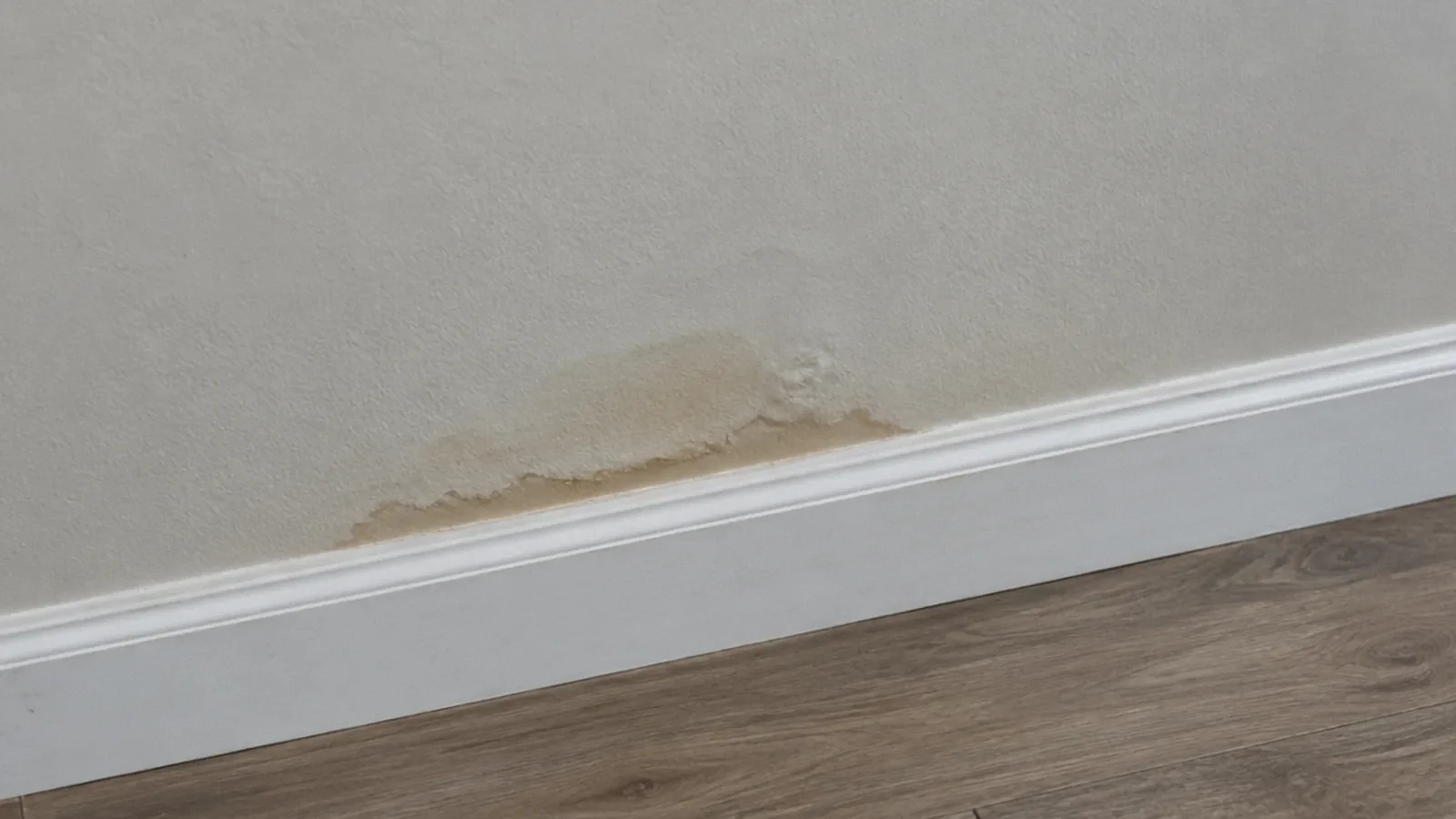
Staining, bubbling paint or damp drywall can be clues, but water can travel along framing before it becomes visible. Document the area safely and investigate the source before deciding where to open or dry the assembly.
What if the visible wall damage looks minor?
A small stain or soft patch can follow a minor spill, but its size does not show how far water traveled behind paint, trim or insulation. Stop the source when safe and document the area. Do not cut into a wall or touch wet electrical components to check the cavity yourself.
An experienced assessor can decide whether noninvasive observations or carefully planned access are needed. The source, material, contamination and condition determine whether the wall can be cleaned and dried or whether some material needs removal. Painting over a damp surface will not correct an active leak.
A cavity is an assembly of different materials
Drywall faces, framing, insulation, sheathing, wiring, pipes, and control layers can share the same space. They do not respond to water in the same way. The first inspection should identify the construction and the route by which water entered, not assume a uniform empty box.
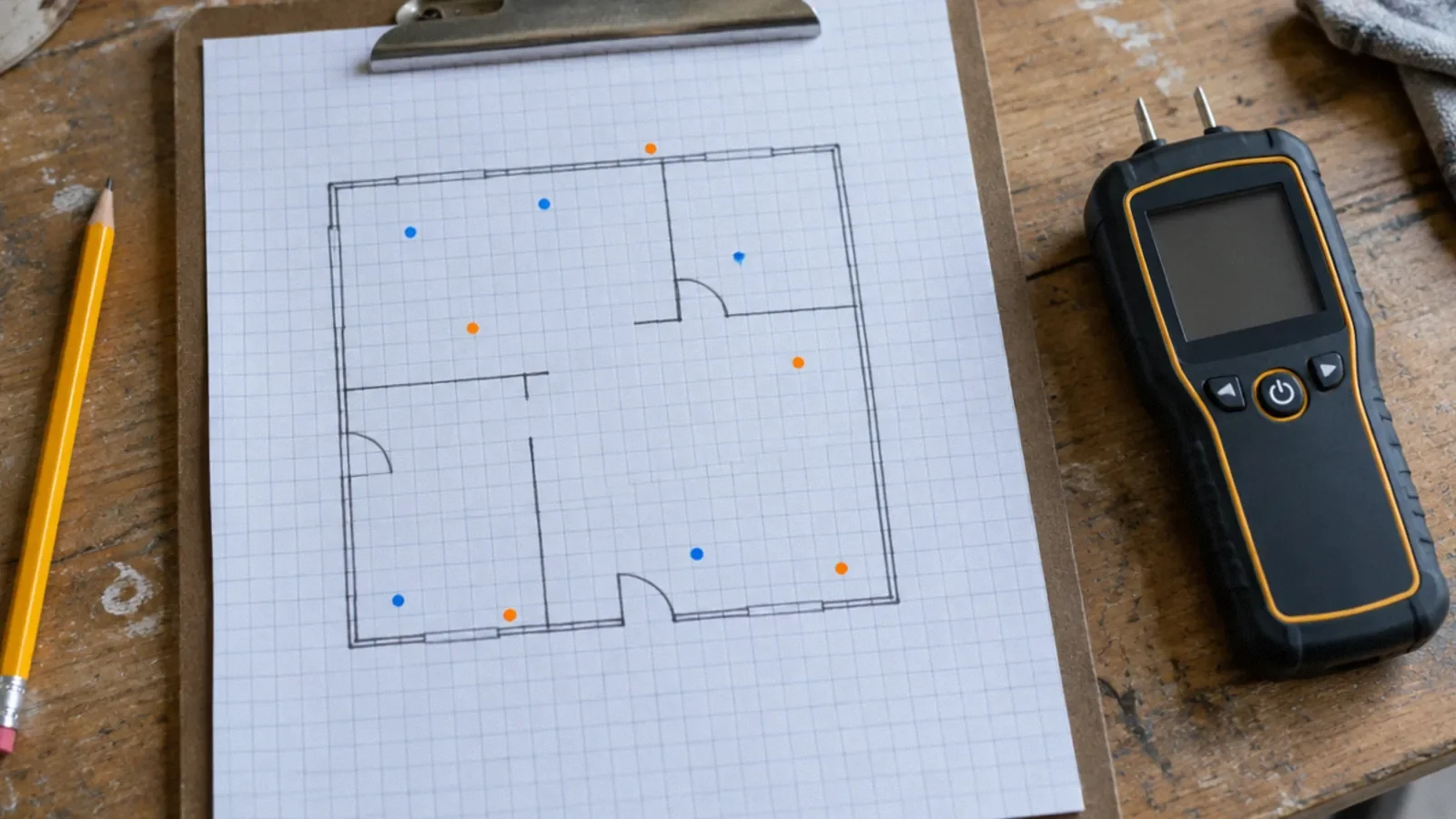
A plumbing release inside a partition may differ from rain entering an exterior wall. Water may collect at a bottom plate, move sideways through openings, or wet a back face while the room side remains relatively dry. Map the suspected path and distinguish inspected from concealed areas.
The case for selective access
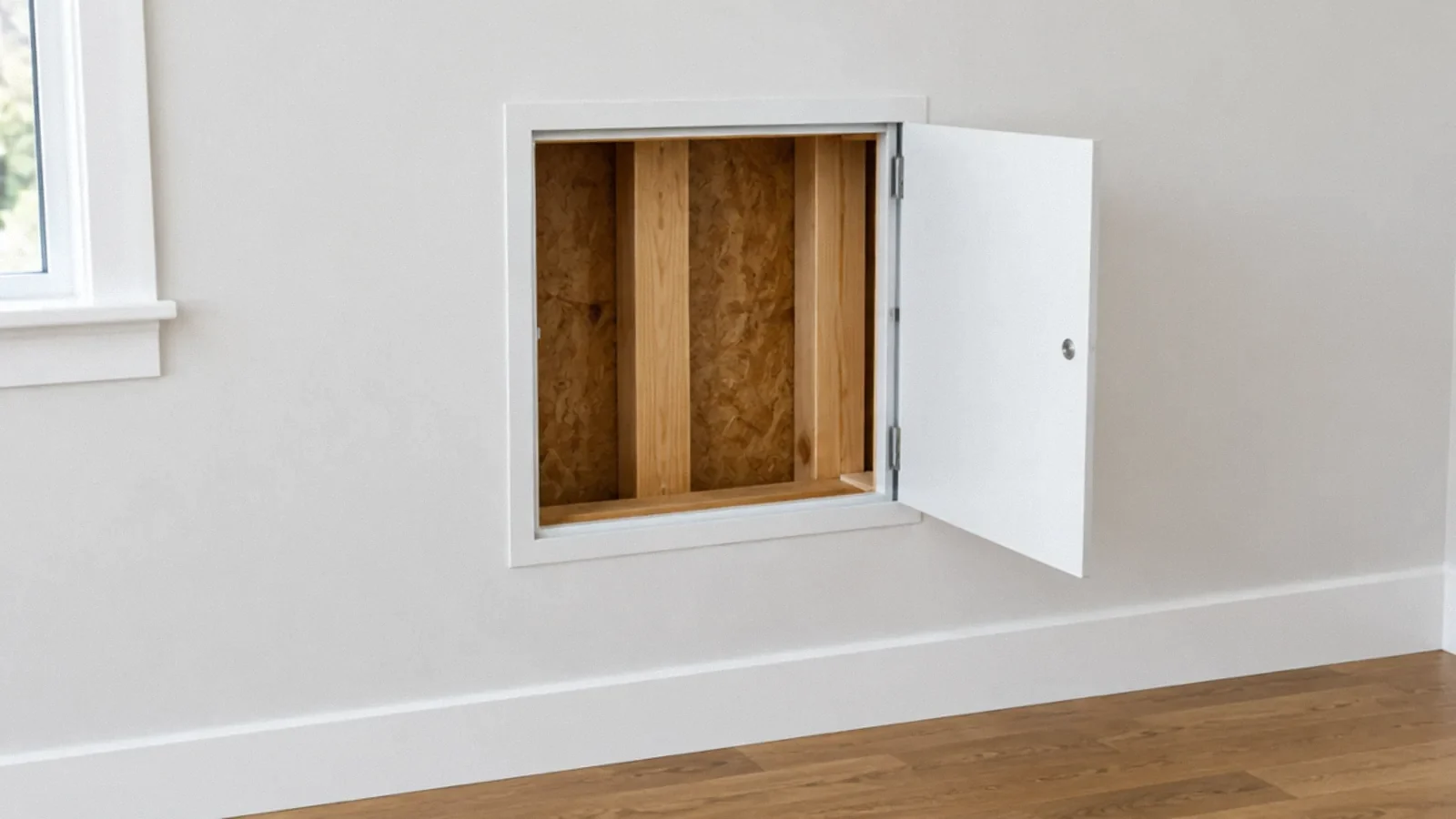
Preserving sound drywall can be reasonable in some clean-water events, but the access method must still answer the relevant questions. EPA permits some intact wallboard to be dried in place and suggests cavity ventilation where possible. Its conditions do not erase the need to evaluate wet insulation or contamination.
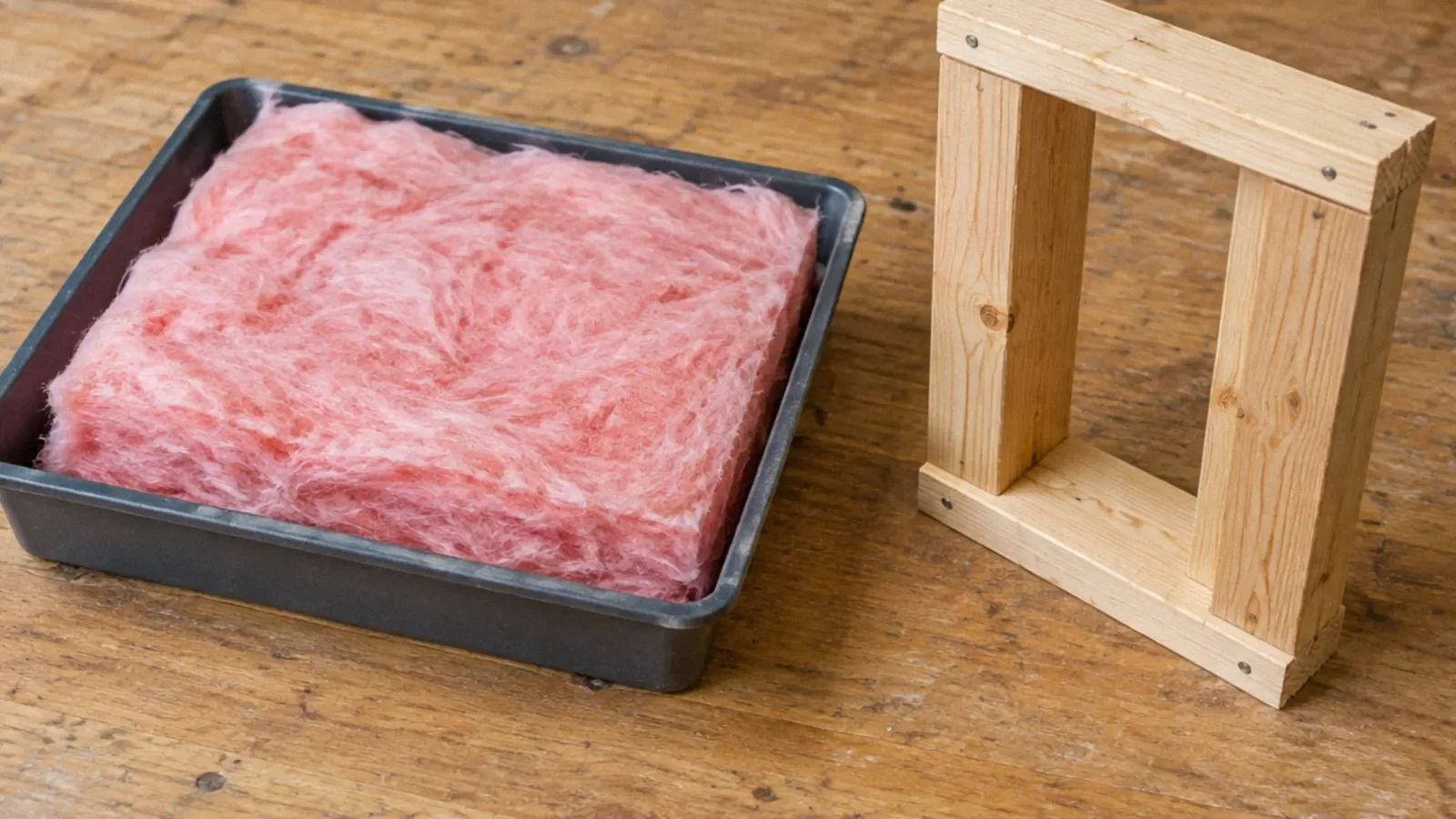
Ask what an opening will reveal and how the crew will avoid utilities and suspect materials. A hole made only for airflow may not permit adequate inspection. If the assembly includes wet fiberglass or cellulose insulation, EPA’s table points toward replacement of those materials, which may require a different access scope.
Cavity drying is not just a machine connection
Specialist systems may move conditioned air into or through a cavity, but airflow distribution depends on the actual pathways. Blocking, insulation, tight bays, and connections to adjacent spaces can change where the air goes. The technician should explain how each affected area is addressed.
Contamination also matters. Pressurizing a cavity with mold or contaminated debris can create unwanted transfer. Have the cleanup and containment approach settled before airflow is applied. The household should not drill and connect hoses based on a generic online layout.
Measure the material that could remain wet
A reading on the visible drywall face cannot certify the bottom plate, sheathing, or back of another finish. Choose measurement methods appropriate to the retained material and available access. Keep repeat points and comparison locations consistent.
When a location is inaccessible, document the limitation and explain whether further opening, another method, or a conservative repair decision is needed. An uncertain layer should not become “dry” simply because the rest of the room met its goal.
An open bay does not establish the neighboring bay
Suppose a plumbing leak wets two wall bays, but the initial opening exposes only one. Airflow and readings in the open bay may show good progress while blocking or insulation isolates the neighboring section. The next inspection should follow the known water path rather than assume that all connected space behaves alike.
Ask whether the cavity method reaches the top, bottom, and lateral sections that were affected. The answer may involve separate access, different measurement points, or removal of a layer that prevents inspection. A method is adequate when it can address and verify the target, not merely when equipment connects neatly to the wall.
Another exception is a shared or fire-rated wall. Access and subsequent repair may need coordination beyond the drying trade. Penetrations, missing insulation, and incomplete joints can change the assembly’s intended performance. Have the reconstruction plan identify those requirements before the openings are made larger or closed.
Interpret progress at the slowest retained point
If exposed studs approach the appropriate comparison condition while a bottom plate remains elevated, investigate what differs at the plate. It may contact a wetter substrate, have less airflow, or receive continuing water. The pattern points to a question; it does not automatically prescribe more heat or replacement.
Repeat the same point with a suitable method and check adjacent layers. If the apparent plateau is caused by measurement interference or a changed location, correct the record. If it is real, adjust the access or drying plan and document the reasoning. A local exception deserves a local explanation instead of a generalized statement that the wall needs another week.
The final hold point should name every retained affected layer and whether it met the relevant condition for closure. Where a material was removed, say that it was removed rather than implying it was successfully dried. Where a cavity was inaccessible, record the chosen way of resolving that uncertainty. This makes the finished wall’s history understandable if a later leak occurs and prevents a clean patch from becoming the only evidence that the work happened.
Closure is a separate hold point
Before new drywall or insulation is installed, confirm source repair, appropriate cleaning, retained-material condition, and moisture suitability. Photograph the cavity with location labels. The reconstruction crew should know which fire, sound, insulation, air, or vapor-control details need restoration.
If readings remain high at one plate or bay, ask whether there is renewed leakage, trapped moisture, or measurement interference. A fixed calendar date for patching should not override that unresolved finding. Investigating a local exception can prevent a much larger reopening later.
Repairing the wall after drying
After the source is corrected and retained materials are dry and safe, reconstruction and finishing are separate decisions. See the water-damaged wall repair guide for those steps.
Signs of a leak inside a wall
Peeling paint, a growing stain, damp trim or a musty odor can indicate moisture in or behind a wall, though they do not identify the source by themselves. A pipe, roof, window, exterior wall or condensation may be involved. Record the location and when it appears; do not open a wall near electrical wiring or suspect materials without appropriate expertise.
If water is actively entering and the source is known, shut it off only when safe. Keep away from wet electrical devices and ask a qualified professional to trace the source and assess the wall cavity. Surface drying alone does not establish that insulation or framing is dry.
Water stains and damage on exterior walls
Exterior staining or peeling can reflect roof runoff, a gutter problem, a window or wall penetration, irrigation or another moisture source. The stain alone does not establish where water entered. Note its location and timing, and inspect only from a safe position on the ground.
The U.S. Department of Energy explains that roof-to-wall intersections and flashing help direct rain away from the wall; some claddings can conceal damage behind them. Ask a qualified professional to assess the drainage path and any concealed layers. Do not seal or paint over an active moisture problem or work at height without appropriate expertise.
A water bubble in a wall or seepage during rain
A bulge or blister in paint can be a sign that water is trapped behind a finish, but it does not reveal how much water is in the wall. Keep away if the area is near wiring, an outlet or loose materials. Do not puncture a bulge when the source, electrical conditions or hidden contents are uncertain; arrange assessment.
Water appearing during rain may enter at a roof, window, exterior wall or another opening and travel before it becomes visible. Document the timing from a safe location, address the entry point and check the wall assembly for retained moisture. A surface stain alone does not locate the leak.
Visible wall checks and safe drying
Start with the extent and timing of a stain, damp patch or musty odor; photograph changes and note whether rain, shower use or a plumbing fixture coincides with them. From the ground, look for overflowing gutters, damaged exterior finish and gaps around window flashing. A building-envelope or waterproofing professional can investigate persistent rain entry; surface staining alone does not establish a leak inside the wall.
In a bathroom, compare the timing with shower use, plumbing and condensation. A plumber can investigate supply or drain leakage; a tile or envelope specialist can assess failed joints or waterproofing. White mineral deposits may be surface efflorescence associated with moisture rather than proof of an active leak. Identify the source and material before selecting a cleaning method.
For a small accessible area affected by clean water, stop the source if safe, remove water from the exposed surface and provide safe ventilation or dehumidification. Keep electrical equipment away from water and never puncture a bulge near hidden services. A meter can help compare and track accessible materials, but its readings depend on material and settings and do not prove that insulation or a concealed cavity is dry. Prolonged moisture can damage finishes, insulation and wood and can allow mold to grow. Seek qualified help for hidden wet layers, persistent dampness, contamination or electrical hazards; check retained layers before closure.
Your next-step checklist
- Identify all cavity layers and the likely water path.
- State what access is needed for inspection, removal, drying, and verification.
- Resolve contamination before applying cavity airflow.
- Measure relevant retained layers rather than relying on the visible face.
- Document acceptance and required assembly details before closure.
Related questions
Can holes behind the baseboard be enough?
Sometimes they may be part of a suitable method, but their presence does not prove that insulation, remote bays, or hidden surfaces were assessed. Ask how the result is verified.
Why remove drywall that is not visibly damaged?
Removal may be necessary to reach wet insulation or other concealed layers. The contractor should distinguish access removal from removal because the drywall itself is unsalvageable.
Can I replace insulation before the final readings?
Installing it can obstruct access and alter drying. Coordinate replacement after the retained assembly has been appropriately evaluated and accepted.
What should I do if I see water behind wall paint?
Keep clear of electrical or structural hazards, stop a known supply leak if safely possible, and arrange a source and material assessment. Do not puncture a bulging area without an appropriate safety plan.
How do you repair a water-damaged wall?
After source control and drying, see the wall repair guide for rebuilding and finishing decisions.
Sources & context
Public guidance supports the principles in this article. The practical questions and examples are editorial interpretation, not a site assessment or a coverage decision. State-specific rules apply only where identified.
- EPA: Table 1, Water Damage Cleanup and Mold Prevention (clean-water material guidance)official
- EPA: Moisture Control Guidance, Chapter 1 (moisture transport and whole-assembly control)official
- U.S. Department of Energy: Managing water in exterior wallsfederal building guidance
Community questions behind this topic
These discussions helped identify reader concerns. They are anecdotal, not technical or legal authority.