Repairing a water-damaged wall starts with stopping the water and determining what became wet. A small, sound wallboard area wetted briefly by clean water may be dried and refinished if it remains intact. Swollen, crumbling, contaminated or mold-damaged porous material may need removal and replacement. A fresh coat of paint does not dry a wet cavity or solve a continuing leak.
Start with the source
Repairing a water-damaged wall starts with stopping the water and determining what became wet. A small, sound wallboard area wetted briefly by clean water may be dried and refinished if it remains intact. Swollen, crumbling, contaminated or mold-damaged porous material may need removal and replacement. A fresh coat of paint does not dry a wet cavity or solve a continuing leak.
Check immediate hazards
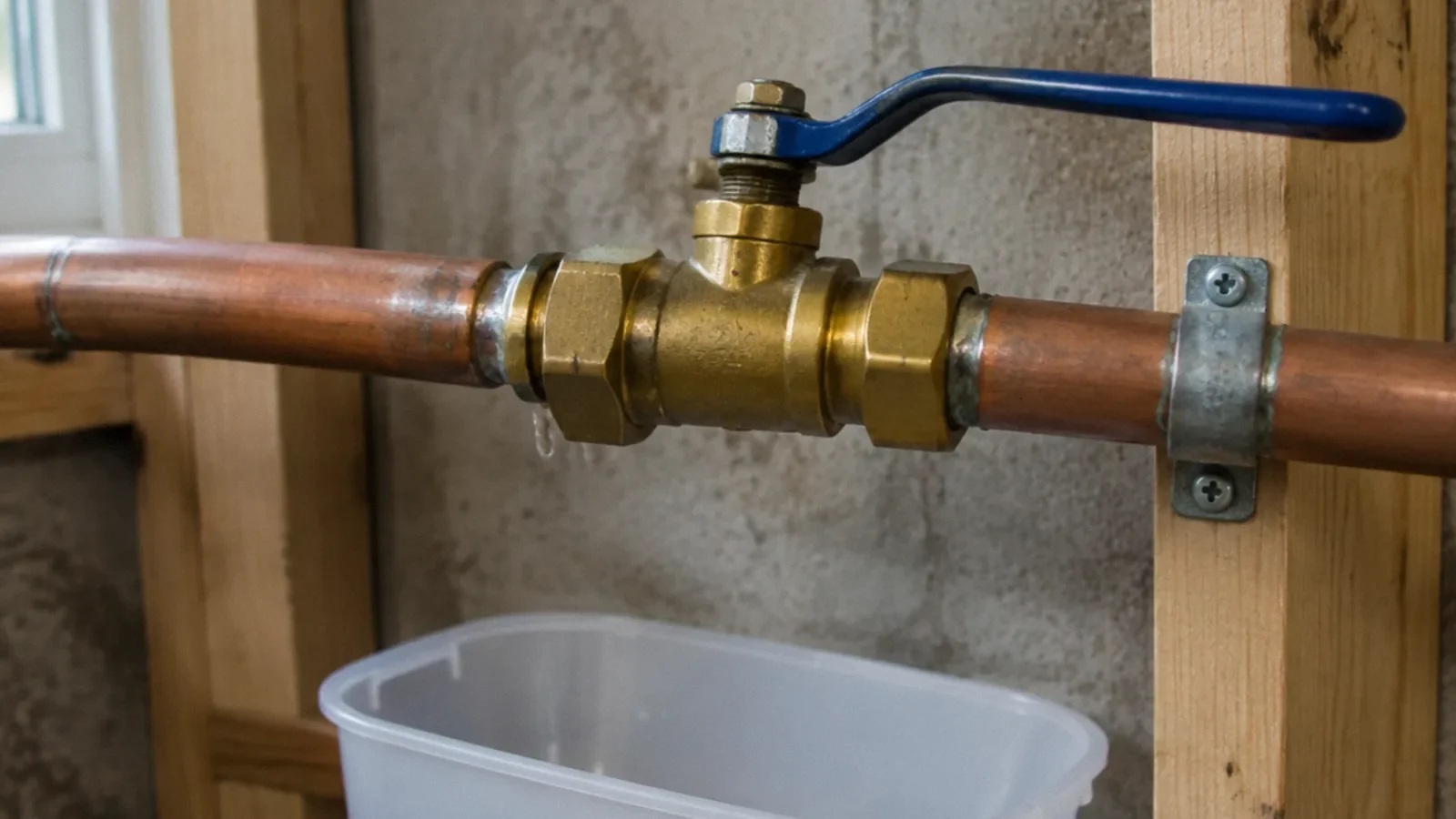
If water is near an outlet, switch, light fixture or electrical panel, keep away and arrange for an electrician or utility to make the area safe. Do not touch wet electrical equipment or operate a wet switch. Stay away from a bulging ceiling, a wall that is moving or a structure that may be unstable. If there is immediate danger, leave and contact emergency services. Shut off a known water source only if you can safely reach the valve without entering the hazardous area.
Stop and document the leak
Find and correct the source before closing or refinishing the wall. Possibilities include a supply or drain leak, roof entry, window flashing, condensation or water from an adjoining room. A stain's position does not prove where water entered: it can travel along framing and other materials. A plumber, roofer or building professional can investigate when the path is not clear. Photograph the visible damage and retain repair invoices; contact the insurer promptly if you may make a claim and ask about its documentation requirements.
Consider contamination and older materials
Consider the water source and how long the area remained wet. Sewage and floodwater can introduce contaminants and require experienced cleanup professionals. EPA advises professional help for sewage-contaminated mold or water damage. If suspect asbestos-containing material or lead paint could be disturbed, stop and obtain appropriate testing or qualified help before opening the wall. Older finishes and concealed materials cannot be identified reliably by appearance alone. The scope may also involve electrical, plumbing or structural components.
Check behind the surface
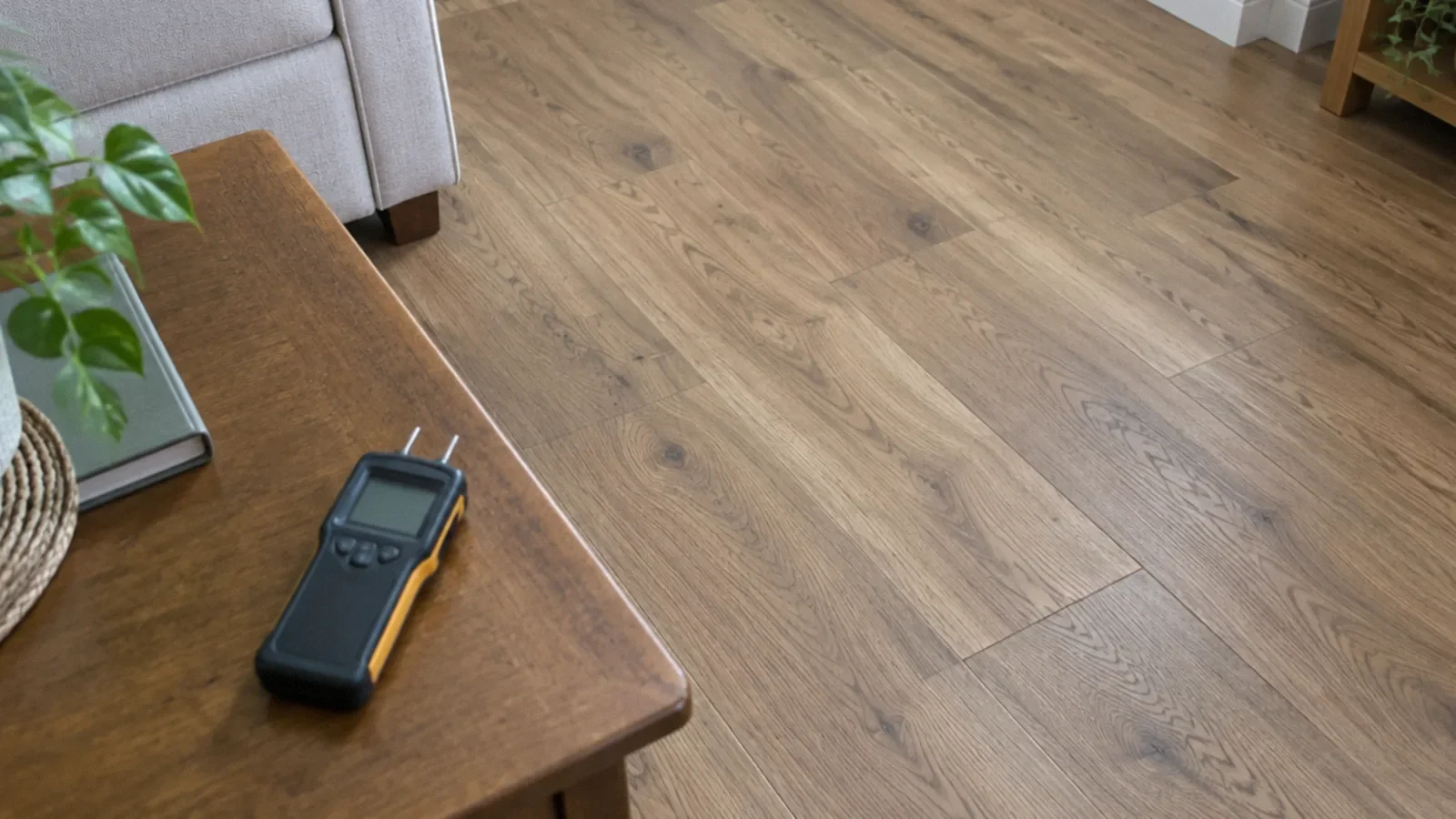
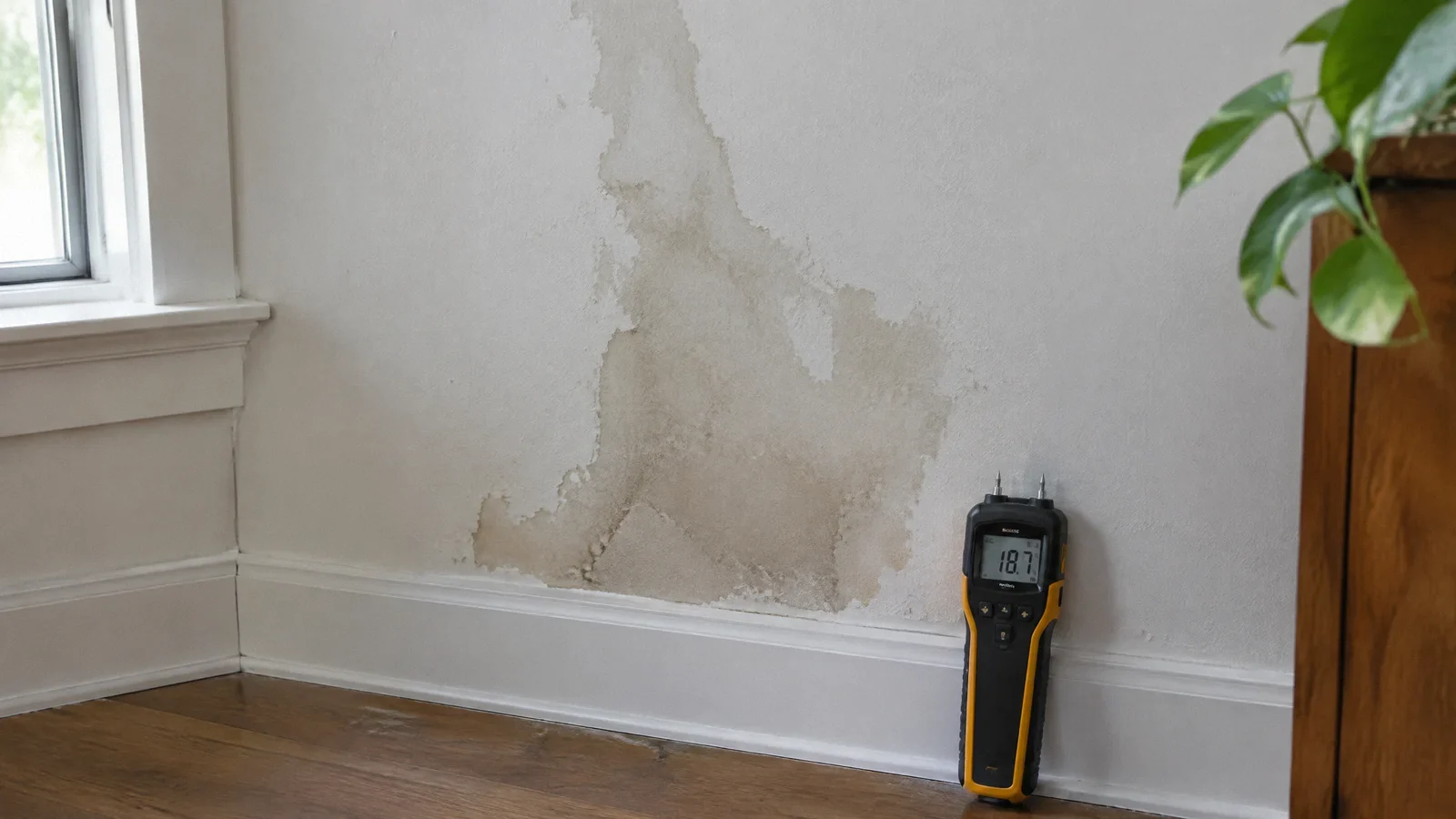
A dry-looking surface does not establish that insulation, framing or the back of the wallboard is dry. A restoration professional can inspect accessible areas and use an appropriate moisture meter as part of an assessment. Readings need interpretation for the material and instrument; a single number is not proof that every layer is dry. Compare affected and unaffected materials where appropriate, document readings over time and investigate concealed moisture where indicators justify it. Musty odor or recurring staining is a reason to look further, not proof of a particular mold species.
Dry or replace wallboard
EPA notes that drywall may be dried in place when there is no obvious swelling and the seams are intact. This is conditional on the source, contamination, duration and ability to dry the assembly. A professional may remove baseboards or open part of the wall to assess insulation and allow drying; the necessary extent depends on conditions. Wet insulation or wallboard that cannot be thoroughly cleaned and dried, is deformed or is contaminated may require removal. Do not assume that a solid-looking painted face means the paper backing is sound.
Dry the assembly
For a limited clean-water event, dry the area promptly using ventilation and appropriate drying equipment where safe. Electrical equipment and fans must be used only in safe conditions. Follow professional advice if there is visible mold or contamination; indiscriminate airflow can spread debris. Drying speed varies with the material, cavity construction, temperature and humidity. A fixed number of days cannot establish completion. The source must stay corrected and affected materials should reach an appropriate dry condition before they are enclosed.
Repair the surface
Once the wall is confirmed dry and structurally sound, a small superficial stain or damaged finish may be prepared and refinished using compatible products. Follow the coating manufacturer's directions, including surface preparation and drying times. If wallboard is soft, swollen or crumbling, replacement of the affected section may be necessary. A contractor can assess the boundaries, safely remove damaged material and replace board, tape, joint compound and finish. Where fire-rated assemblies or other code requirements apply, the repair must preserve the required construction.
Address mold
Mold cleanup requires both moisture correction and removal of contamination. EPA advises that a small mold area may be manageable in some circumstances, while larger or contaminated areas may warrant professionals. People with health concerns should seek appropriate advice before participating. Porous materials with mold may be difficult or impossible to clean completely and may need disposal. Painting over visible growth or applying a product without correcting moisture is not a reliable repair.
Verify the repair
Before accepting the repair, ask for the leak repair record, drying observations and any photographs of the opened cavity. Check that the source remains dry during the conditions that previously caused the leak, such as rain or use of a fixture. The absence of an immediate stain does not guarantee every hidden issue is resolved. If discoloration returns, finishes bubble, or a musty odor persists, contact the professional and investigate again rather than repeatedly repainting.
Your next-step checklist
- Avoid electrical and structural hazards.
- Stop the leak and document damage.
- Assess hidden moisture and contamination.
- Dry the assembly before restoring finishes.
Related questions
Can I paint over a water stain?
Repair the source and confirm the wall is dry and sound before preparing and refinishing the surface.
Must all wet drywall be replaced?
Not always. An intact wallboard area may be dried in place under appropriate conditions; contamination, swelling and hidden damage can require removal.
Sources & context
Public guidance supports the principles in this article. The practical questions and examples are editorial interpretation, not a site assessment or a coverage decision. State-specific rules apply only where identified.
- EPA mold course: materialsprimary
- EPA damaged buildingsprimary
- EPA mold cleanupprimary