Cleaning time depends on the area, method, furniture and condition; drying continues after the cleaner leaves. Stanley Steemer’s published FAQ gives a typical drying range of 8–24 hours for its service, depending on conditions. That is one provider’s guidance, not a universal guarantee. Follow your cleaner’s instructions and do not return furniture to damp carpet.
Cleaning and drying are different stages
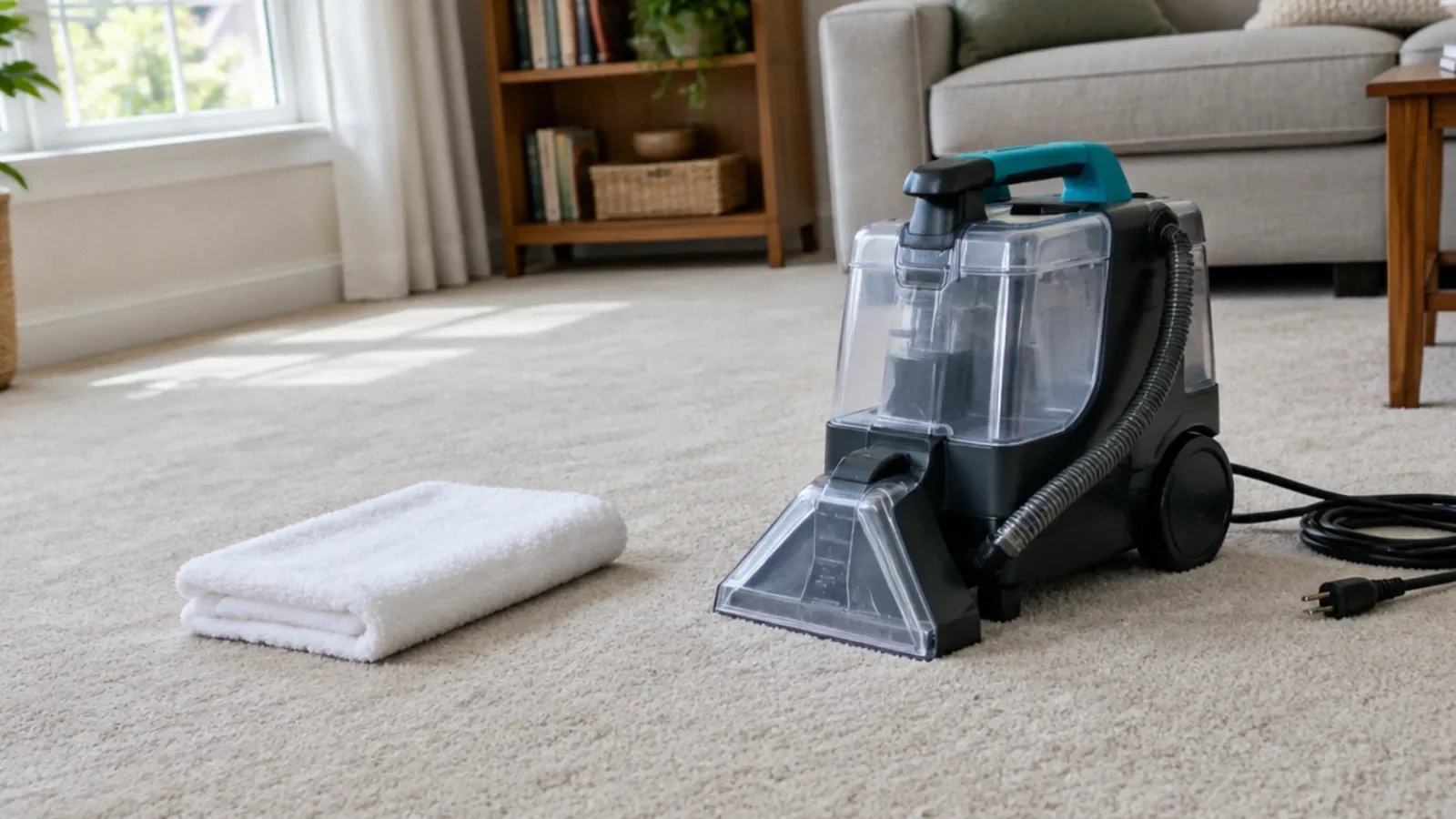
A service appointment may include setup, pre-vacuuming, spot treatment, the main cleaning process and equipment removal. The time on site depends on the size and complexity of the job. Drying begins during or after cleaning and can continue long after the equipment has been packed away.
Ask the provider for separate estimates for the appointment and for normal use of the room. A cleaner who quotes one hour on site is not necessarily promising a dry carpet one hour later. Clarify what work is included before scheduling.
What changes the appointment length
The carpeted area, room layout, stairs, furniture access, soil and stain treatment all affect service time. A small open room can be faster to clean than several furnished rooms of the same total area. Some treatments require additional dwell time or a separate pass.
Ask whether pre-vacuuming, moving furniture and spot treatment are included. A large or delicate rug may need off-site service and a different schedule. A professional should explain any change in the estimate after inspecting the actual material.
What changes drying time
The amount of moisture left behind, carpet construction, backing, airflow, indoor humidity and temperature all matter. Stanley Steemer says its carpet cleaning typically dries in 8–24 hours depending on humidity, temperature and airflow. Other methods and providers may have different ranges.
Treat the range as an example, not proof that your carpet is dry at a particular hour. Follow the product and service instructions, and allow extra time if conditions remain damp. A surface that feels dry is not necessarily evidence that padding or a subfloor is dry after a leak.
Ventilation and airflow
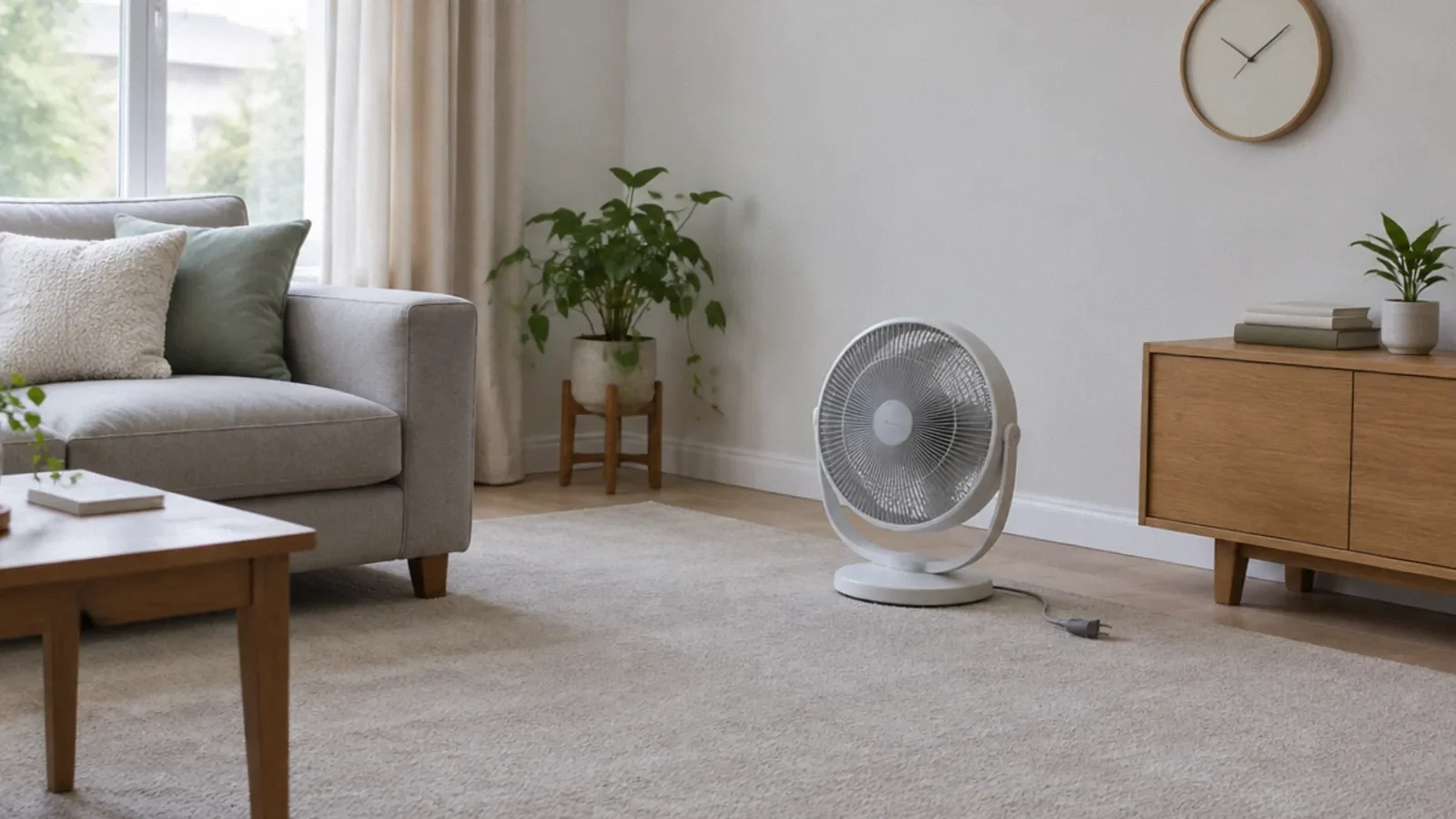
For routine cleaning with known clean materials, follow the cleaner’s directions for ventilation and appropriate airflow. A fan or air circulation can help moisture leave the surface when used safely. Keep cords and electrical equipment away from water and do not create a trip hazard.
Outdoor air is not always drier or cleaner. During rain, high outdoor humidity or wildfire smoke, opening windows may not improve conditions. Ask the provider about using the HVAC system or a dehumidifier for the actual weather and building.
Winter and humid weather
Cold or humid weather can make drying slower, especially when ventilation is limited. Maintain reasonable indoor conditions and follow the flooring and equipment instructions. Do not place a portable heater against carpet or use an unvented fuel-burning heater indoors.
If a dehumidifier is used, its collected water is only one observation; it does not measure every carpet layer. Avoid running electrical equipment in unsafe wet conditions. Consult a professional if the carpet remains unusually damp or a musty odor develops.
Furniture, children and pets
Ask the cleaner when light foot traffic is appropriate and how to protect the carpet from soil while it dries. Avoid moving heavy furniture back too early; furniture can block airflow and some finishes can transfer marks. Follow any protective-pad instructions supplied by the provider.
Keep children and pets away from cleaning products and equipment for the time specified on the label. A fragrance or dry-looking pile does not establish that every chemical residue or hidden moisture issue has been resolved.
Cleaning moisture versus flood damage
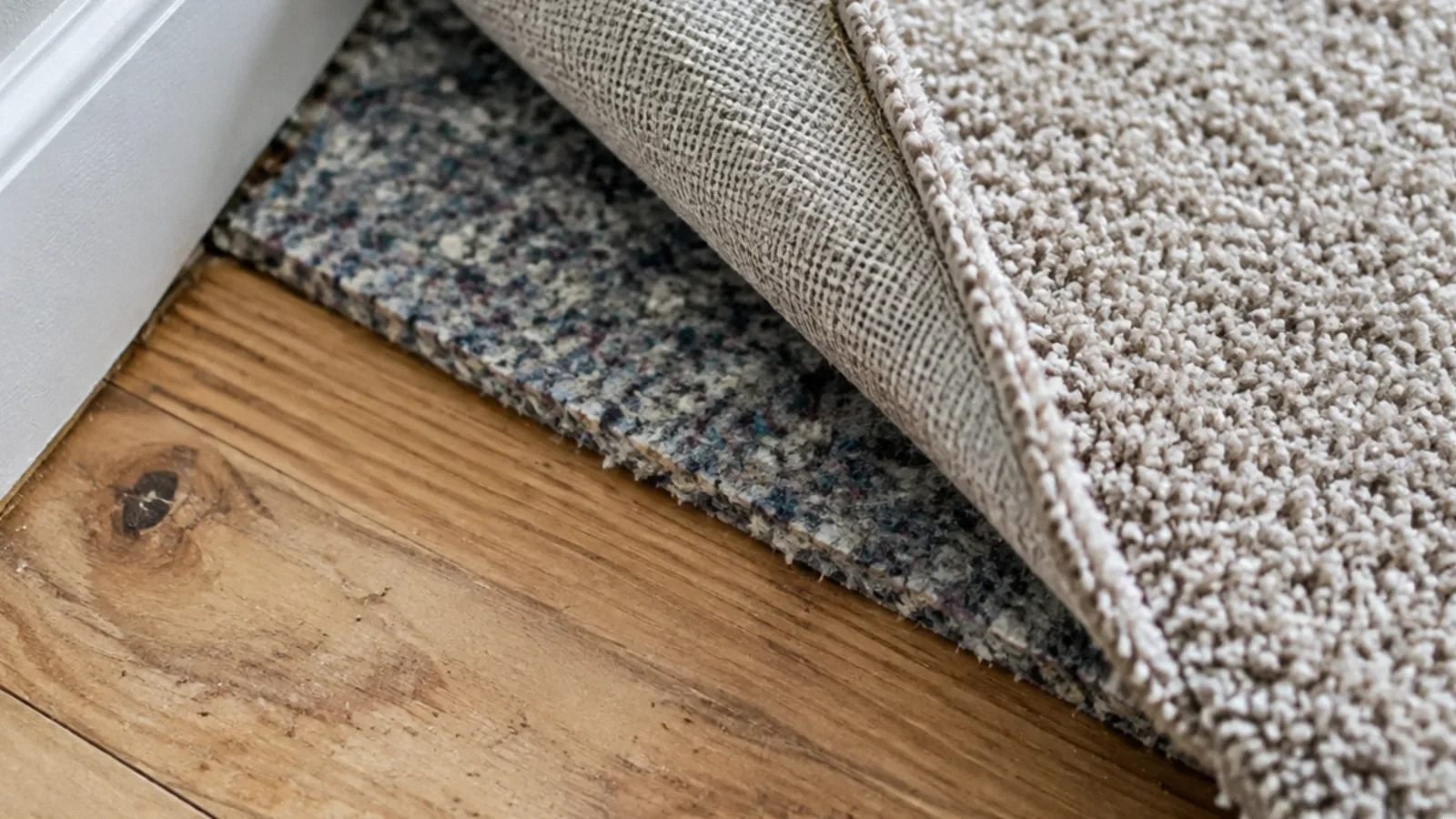
Routine cleaning moisture is different from water that enters a carpet during a leak, sewage backup or flood. Water damage can affect backing, padding, tack strips and subfloor. EPA guidance emphasizes prompt response and assessment of the floor beneath the carpet.
Do not use ordinary fans before the water is known to be clean or blow air across visible mold. For contaminated water, persistent dampness or extensive wetting, seek experienced restoration assessment. A routine service’s 8–24-hour example is not a water-damage drying deadline.
If the carpet stays wet
Contact the cleaning provider if the carpet remains damp beyond the expected range, develops a persistent musty smell or shows recurring discoloration. Describe the method, timing and room conditions. The provider can assess whether further extraction, access to the pad or another response is needed.
Do not repeatedly add water or cover the area with rugs to hide the issue. Record the conditions and ask how the underlying material will be checked. Correct a separate leak or moisture source before treating the cleaning as complete.
Should furniture be moved before carpet cleaning?
Ask the cleaning company what it moves, what must be cleared before arrival and whether moving furniture changes the quote. Policies differ. Remove fragile items and small objects as agreed, and do not attempt to move heavy furniture alone.
If furniture stays in place, ask which carpet areas will be cleaned and how protected legs will be handled while the carpet dries. Returning furniture too soon can transfer color or trap moisture. Follow the cleaner’s and furniture maker’s instructions for protective tabs and drying.
Shampooing time and furniture access
Shampooing is one cleaning method, and its appointment length depends on equipment, carpet area, soil, treatment and access. Drying continues after the machine work ends. Ask the provider for separate on-site and drying estimates instead of assuming one universal number.
Companies differ in whether they move furniture and whether that changes the price. Agree in advance on heavy, fragile or immovable items and who is responsible. Carpet under furniture that remains in place may not be cleaned; ask for the exact treatment area and the conditions for returning items after drying.
Your next-step checklist
- Ask for both appointment and drying estimates.
- Follow the cleaner’s instructions for airflow and access.
- Keep electrical equipment away from water.
- Delay furniture placement until the carpet is dry.
- Seek help for persistent dampness or contaminated water.
Related questions
How long does professional carpet cleaning take?
It depends on area, access, method and treatment. Ask the provider for an on-site estimate for your scope.
How long does carpet take to dry after cleaning?
Stanley Steemer cites a typical 8–24 hours for its service, depending on conditions. Other methods and homes can differ.
Can I speed drying by opening windows?
Only when outdoor air and weather are suitable and the cleaner recommends it. Humid or smoky outdoor air may not help.
Does the same drying time apply after a flood?
No. Flood or leak damage can affect padding and subfloor and requires a separate assessment.
Sources & context
Public guidance supports the principles in this article. The practical questions and examples are editorial interpretation, not a site assessment or a coverage decision. State-specific rules apply only where identified.
- Stanley Steemer: Carpet cleaning FAQprovider guidance
- U.S. EPA: Moisture and carpet cleaningfederal guidance
- U.S. EPA: Water damage cleanupfederal guidance