Vacuum according to the carpet or rug manufacturer’s directions, promptly blot ordinary spills and use only compatible cleaning products. The Carpet and Rug Institute recommends professional deep cleaning of residential carpet every 12 to 18 months, but traffic, material and warranty instructions can change the schedule. Do not saturate the carpet, rug or floor beneath it.
Start with the material and care instructions
A wall-to-wall carpet, a washable synthetic rug and a delicate wool or hand-knotted rug can require different methods. Check the care label, manufacturer’s directions and warranty before using a machine or solution. A method appropriate for installed carpet may damage a rug’s dyes, fringe, backing or the floor under it.
If a label requires dry cleaning or the material is valuable or uncertain, ask a rug specialist. Avoid moving a heavy wet rug without help. For extensive water damage, sewage exposure or suspected mold, an ordinary maintenance routine is not an adequate assessment.
Vacuum regularly
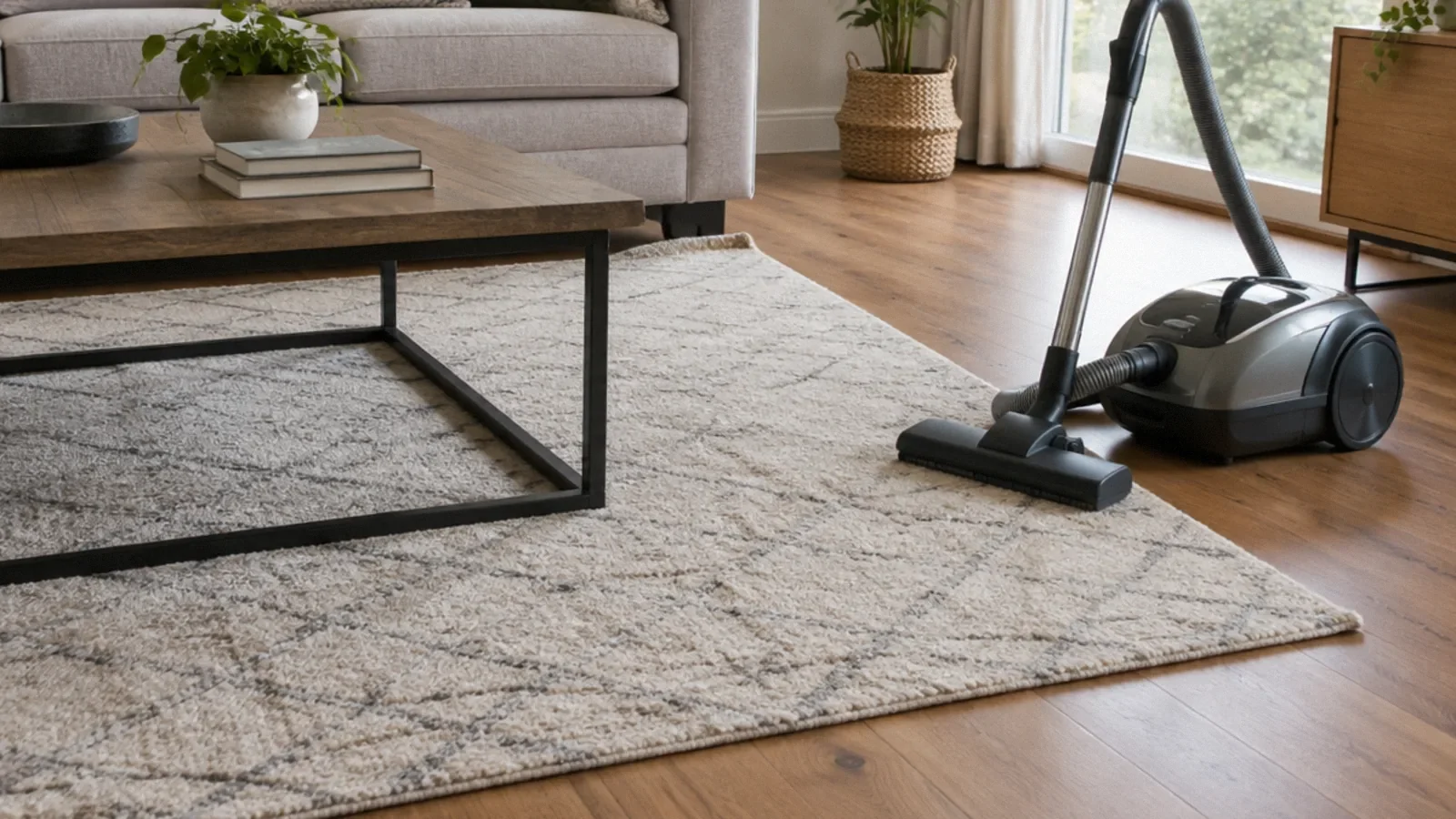
Remove loose soil using a vacuum setting and attachment suitable for the pile, edge and backing. High-traffic areas may need attention more often than a rarely used room. The Carpet and Rug Institute recommends frequent vacuuming, especially where people walk most.
Take care around fringe, loose fibers and delicate edges so they are not caught in a rotating brush. Empty the vacuum and maintain its filters as directed. Vacuuming helps with dry soil but does not prove that a damp carpet or contaminated padding is clean.
Blot a fresh spill
For an ordinary spill, remove loose solids gently and blot liquid with a clean white absorbent cloth. Work carefully to avoid spreading the spot. The Carpet and Rug Institute advises against scrubbing because it can damage carpet texture.
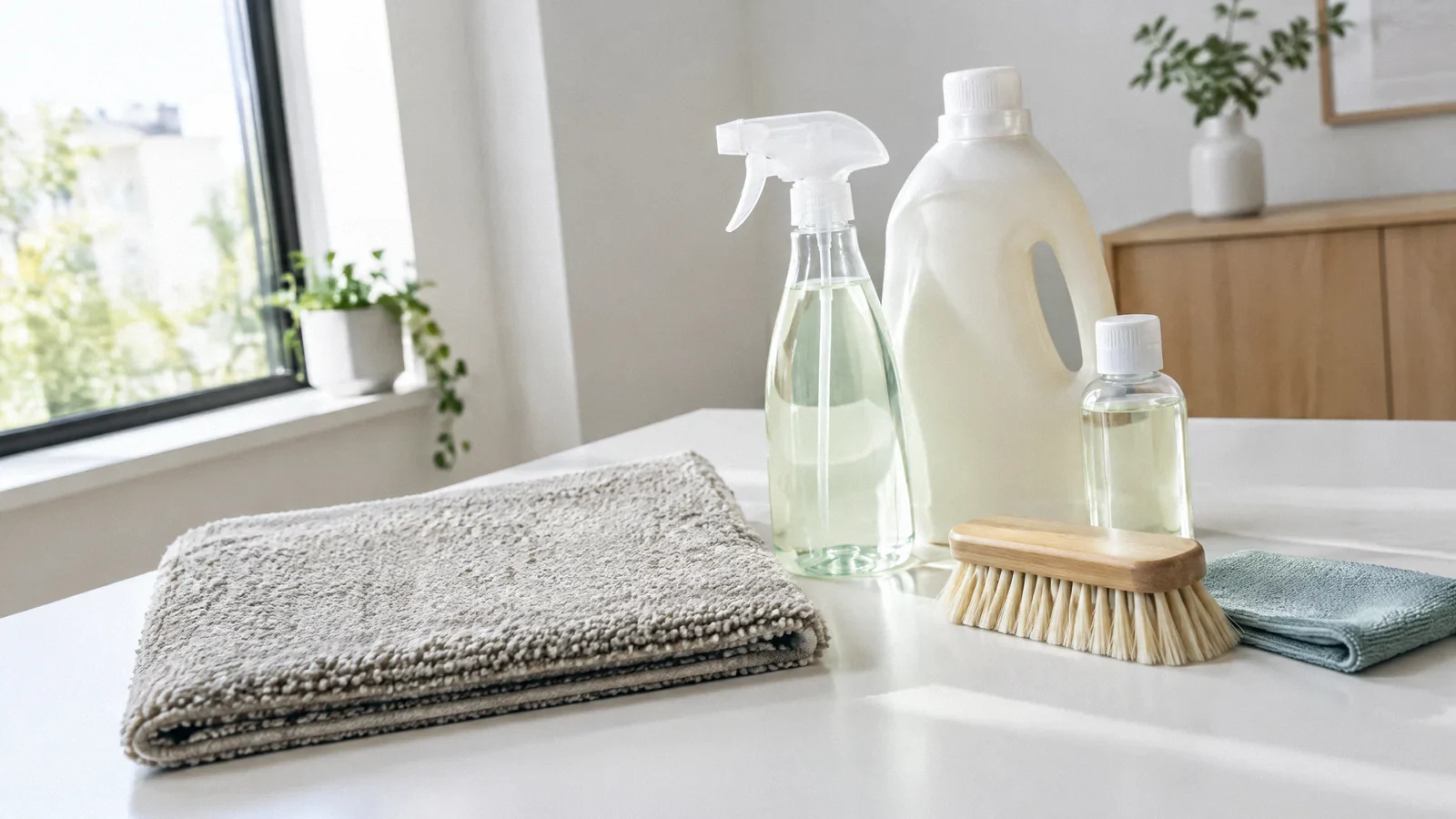
Check the carpet and cleaner instructions, test a small inconspicuous area and apply only the amount permitted. Different spills need different treatment; do not mix products or apply a strong chemical merely because a stain is persistent. If color transfers or the material changes, stop.
How often should carpet be deep cleaned?
The Carpet and Rug Institute recommends professional deep cleaning every 12 to 18 months for residential carpet. This is industry guidance rather than a universal rule: manufacturer requirements, foot traffic, children, pets and the condition of the carpet can call for a different interval. Check the warranty.
An area rug’s schedule and method depend on its construction and use. Vacuuming and immediate spill response still matter between professional cleanings. Repeatedly shampooing a carpet before it has dried or applying more solution than directed can leave moisture or residue.
DIY machines versus a professional
A rented or household machine may be appropriate for compatible carpet when used according to both the machine and flooring instructions. Confirm the solution, amount of water, extraction method and drying plan. Do not use it on an unapproved rug or force water into seams, padding or wood flooring.
A professional can inspect the fiber and condition, explain the method and estimate drying time. Ask whether pre-vacuuming, furniture moving, spot treatment and post-cleaning inspection are included. Get the total price and identify any areas that cannot be reached before the work starts.
Dry the whole assembly
Use the least moisture required by the approved method and allow adequate drying before replacing furniture or returning the room to normal use. Drying time depends on the material, amount of water, airflow and humidity. A dry-looking surface does not establish that padding or the floor is dry.
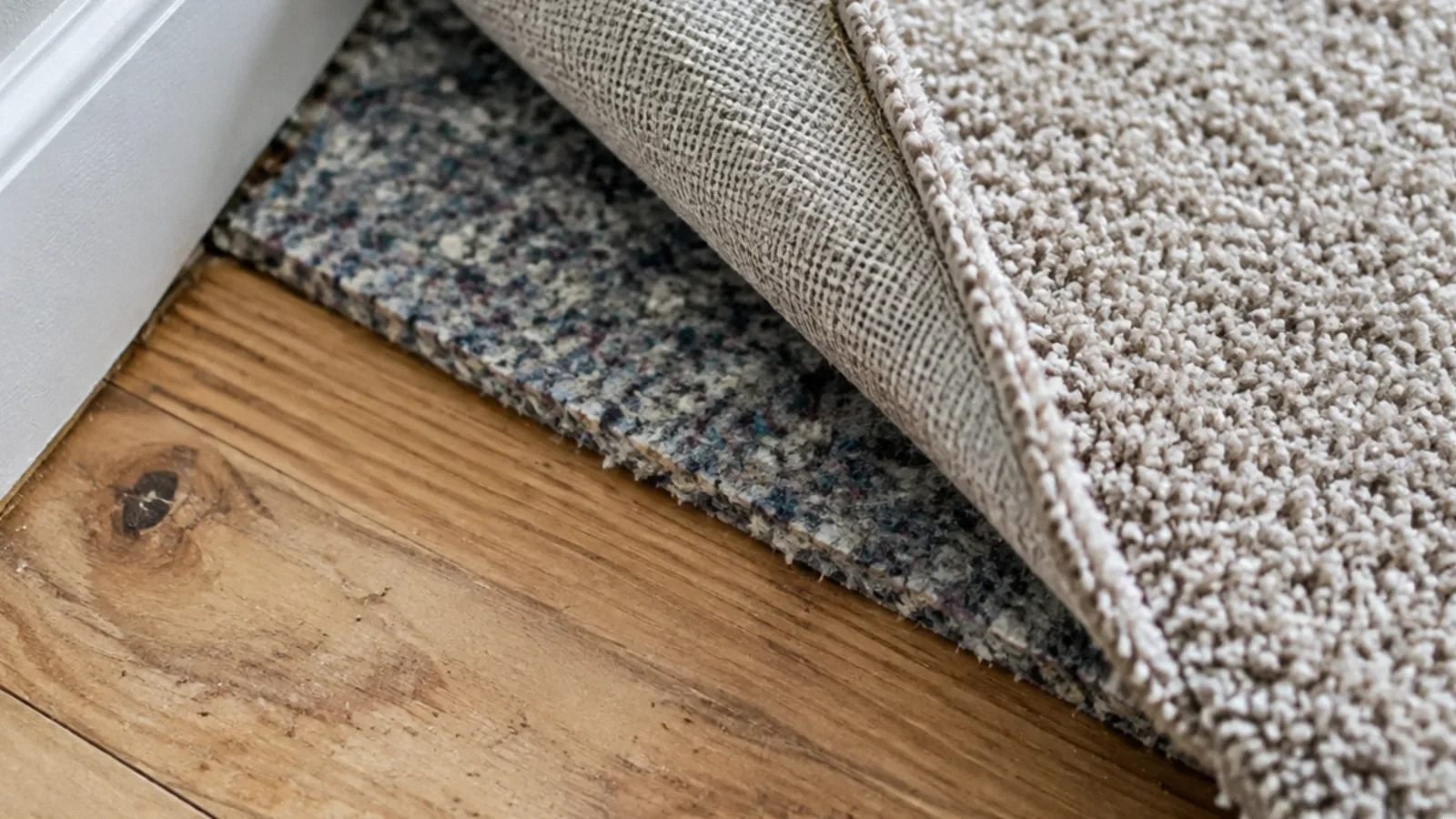
If a carpet has been soaked by a leak, inspect the backing, padding and subfloor as well as the fibers. EPA recommends prompt response to clean-water damage and cautions against using fans before water is known to be clean. Sewage, floodwater and visible mold require experienced assessment.
Area rugs and sensitive floors
Before treating an area rug, check whether its dyes are colorfast and whether the backing or floor can tolerate the proposed method. A rug on hardwood can trap water against the finish. Do not assume that a rug is washable because it is small enough to fit in a machine.
Follow the care label for cleaning and drying, and keep the rug off a moisture-sensitive floor while it dries if the manufacturer allows safe movement. For wool, silk, antique or hand-knotted rugs, a specialist can identify construction and recommend a suitable method.
Prevent recurring soil and odors
Use entry mats, remove shoes when practical and attend to spills promptly. Keep pets’ bedding clean and avoid masking a persistent odor with fragrance. A musty smell after water exposure may indicate damp material that needs investigation, not another round of shampoo.
If a stain repeatedly returns, record the material and previous treatment and ask a cleaner whether residue, wicking or another cause may be involved. A professional cannot guarantee removal of permanent dye change or repair of damaged backing. Clarify expectations before authorizing additional work.
Baking soda powder on carpet
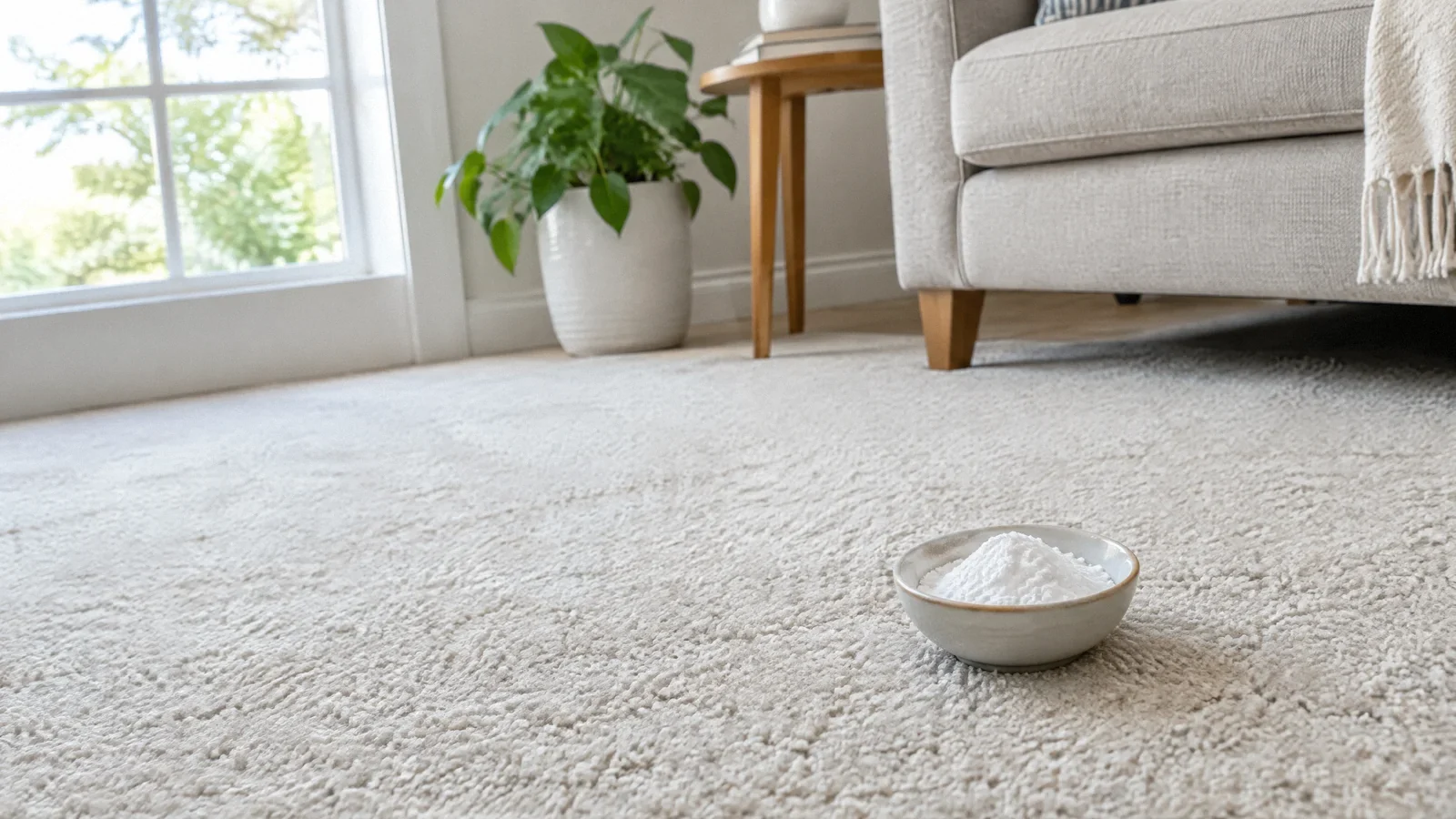
Baking soda used as a deodorizer does not correct the source of an odor and is not required for routine carpet cleaning. Follow the carpet and vacuum manufacturers’ guidance before using a powder: fine particles can be difficult to recover and may not be suitable for a particular vacuum or backing. Persistent musty odor calls for a moisture investigation instead of masking it.
For a small dry powder spill, the Carpet and Rug Institute recommends vacuuming dry material before adding liquid. Check the vacuum instructions first. Damp or caked powder needs a material-compatible approach; avoid saturating the pile, and ask a professional if residue remains in the backing or the carpet has been wet underneath.
How to prepare for professional carpet cleaning
Ask the cleaner whether to vacuum before the appointment; many providers request a thorough vacuum so equipment can focus on embedded soil. Remove small objects and fragile belongings, identify stains and tell the provider about the carpet material, previous treatments and pets. Agree on who will move furniture.
Ask how long the area should remain unused, how the carpet and padding will be dried, and what access, ventilation or power the work requires. Follow the provider’s instructions rather than assuming every carpet can tolerate the same cleaning method.
A practical sequence for ordinary soil
Check the fiber, backing and care label first; test an approved method in a hidden area. Vacuum loose dry soil slowly before introducing moisture. Let ordinary wet mud dry where the material instructions permit, then lift or vacuum loose soil without grinding it into the pile. Blot remaining marks with a suitable product rather than scrubbing.
For a compatible carpet, follow both the carpet and machine instructions: pre-vacuum, apply only the recommended solution, make controlled extraction passes, and avoid overwetting. Extract as directed and allow the carpet and backing to dry fully before replacing furniture or allowing pets back, subject to the product label. A damp pad or recurring musty odor warrants assessment rather than more fragrance or powder.
For a removable rug, protect the underlying floor and verify that the construction allows the chosen method; delicate dyes, fringes and backing may require a specialist. Shake or beat only if the maker permits and the construction tolerates it; heavy, fragile or antique pieces can be damaged by hanging or beating. Vacuuming and compatible low-moisture methods can remove ordinary soil without added detergents, but water is also a chemical and cleaning is not disinfection.
Powder left in the pile is residue, not necessarily a permanent stain; color change may be damage rather than removable soil. Do not use baking soda to dry saturated carpet. For dry residue, follow carpet and vacuum instructions; wet powder can clump, so avoid adding more water and seek material-specific help if it remains. A vacuum not rated for wet material must not be used on wet powder.
Weekly shampooing is often unnecessary and repeated wetting may make drying difficult; follow the manufacturer’s schedule, household traffic and complete drying rather than an arbitrary interval. For looped Berber, use a vacuum setting approved for the pile and avoid a brush that snags loops. Compatible entrance mats can reduce tracked-in soil.
When odor needs its own investigation
Routine vacuuming and complete drying can help keep an otherwise clean carpet fresh, but fragrance does not remove a source. A musty smell does not identify mold; persistent dampness, recurring odor or wet padding calls for assessment. For a focused decision path, see the related guide to removing carpet odor.
Your next-step checklist
- Read carpet and rug care instructions first.
- Vacuum high-traffic areas regularly.
- Blot spills promptly without scrubbing.
- Avoid excess water and protect the floor below.
- Use experienced help for contaminated water or persistent moisture.
Related questions
How often should carpets be professionally cleaned?
The Carpet and Rug Institute recommends every 12 to 18 months for residential carpet; follow the manufacturer and adjust for use and conditions.
Can I clean an area rug with a carpet shampooer?
Only if the rug and machine manufacturers allow that method. Some rugs and underlying floors are sensitive to moisture.
Should I scrub a carpet stain?
The Carpet and Rug Institute recommends blotting rather than scrubbing because scrubbing can damage texture.
Is routine cleaning enough after sewage reaches carpet?
No. Sewage-contaminated materials require experienced assessment and appropriate containment and cleanup precautions.
Can baking soda stain or damage carpet?
Fine powder or residue can be difficult to remove and may be unsuitable for some carpet or vacuum systems. Follow both manufacturers’ instructions and investigate moisture rather than masking it.
How can I freshen carpet without baking soda?
Identify and remove the odor source, vacuum as the carpet maker recommends and dry any damp material appropriately. Persistent moisture or contamination may need professional assessment.
Can carpet be cleaned without chemical disinfectants?
Some ordinary soil can be addressed using vacuuming or a suitable low-moisture method under the manufacturer’s instructions. Water and detergents are also substances, and the appropriate approach depends on the fibers and soil; do not assume a method disinfects or resolves sewage contamination.
Is carpet cleaner safe for pets?
Safety depends on the product, application and exposure. Follow the label and keep pets away for the stated time; do not allow contact with wet chemicals. Ask a veterinarian if a pet is exposed or shows symptoms.
Sources & context
Public guidance supports the principles in this article. The practical questions and examples are editorial interpretation, not a site assessment or a coverage decision. State-specific rules apply only where identified.
- Carpet and Rug Institute: Cleaning and maintenanceindustry guidance
- Carpet and Rug Institute: Hiring a professionalindustry guidance
- U.S. EPA: Water damage cleanupfederal guidance
- Carpet and Rug Institute: Dry spills and spot removalindustry guidance
- Smithsonian Museum Conservation Institute: Cleaning and care of Oriental rugsconservation reference
- Reference: www.epa.govreference