Locate and remove the source, vacuum dry soil and use a cleaner suitable for the fiber where needed. Dry the carpet and pad completely. A recurring musty smell needs a moisture investigation rather than fragrance.
Find the source before deodorizing
A carpet can smell because of a spill, tracked-in soil, a pet accident, trapped moisture or a problem in the pad beneath it. A new carpet can also have an installation-related odor. Start by locating when and where the smell is strongest and whether the carpet is damp. A fragrance may make a room smell better briefly without removing the source.
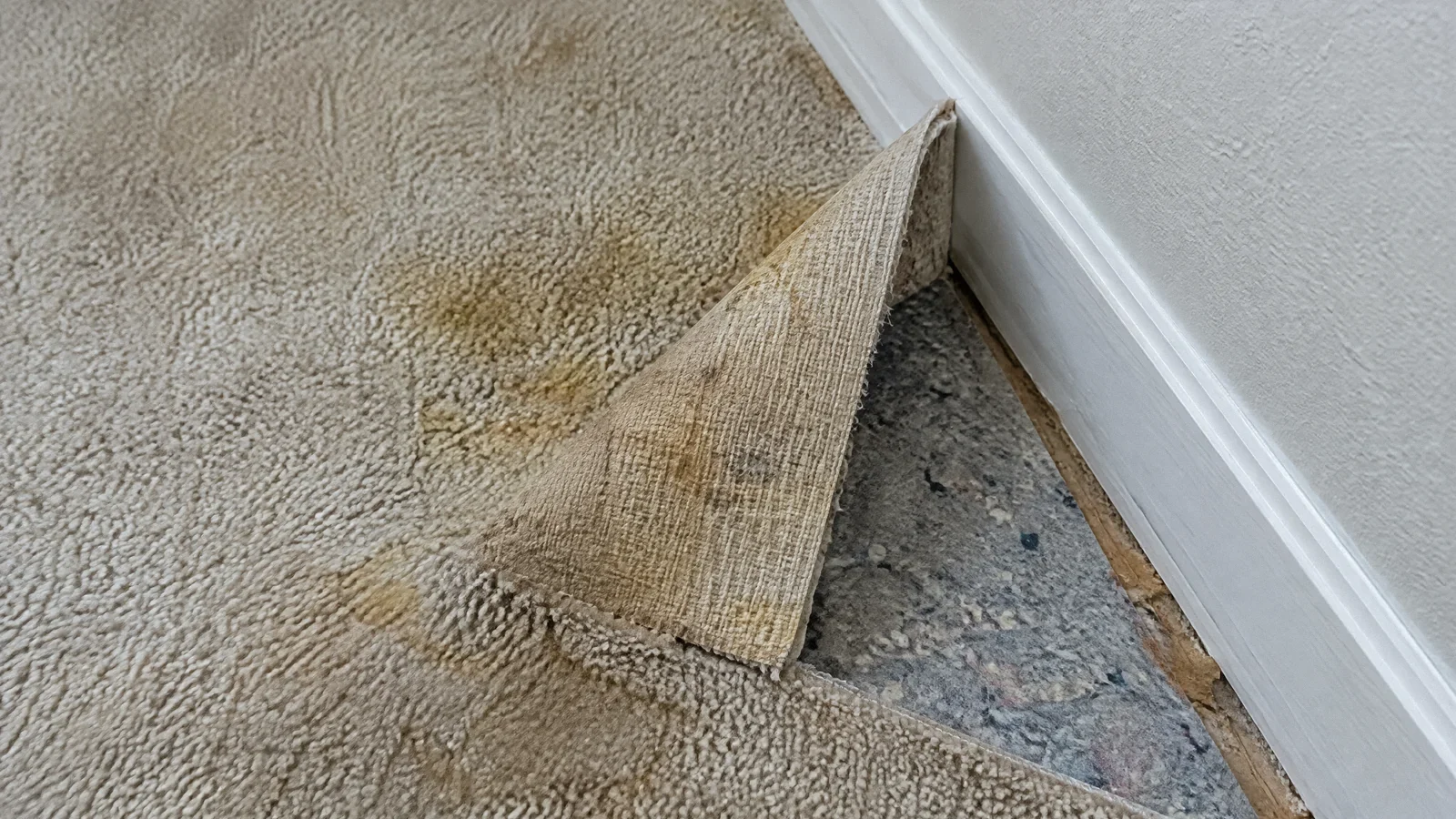
A musty odor can accompany moisture or mold, but smell alone cannot identify mold or a species. Look for staining, damp edges, a recent leak or an odor concentrated near a wall. If water damage or visible growth is present, investigate the carpet backing, pad and subfloor; a surface treatment cannot reliably address material underneath.
For sewage or contaminated floodwater, contact an experienced professional. Keep away from electrical equipment in wet areas and do not put powered drying equipment on a wet floor. If a fire, chemical spill or unknown strong odor is involved, leave the area and seek appropriate assistance rather than trying to cover it.
Freshen a dry carpet without shampooing
For ordinary dry household soil, remove loose debris and vacuum using the setting and attachments recommended by the carpet maker. Move small furniture where practical and clean edges where dust accumulates. Empty or replace the vacuum bag or bin as instructed; a dirty vacuum can contribute its own odor. A filtered vacuum may help capture fine particles, but it is not a remedy for a wet or moldy pad.
Ventilate the room when outdoor air quality and humidity are suitable. If outdoor air is humid and the room or slab is cool, opening windows can introduce moisture instead of helping. Keep the room clean and dry, and check the source if the smell returns rather than adding repeated layers of fragrance.
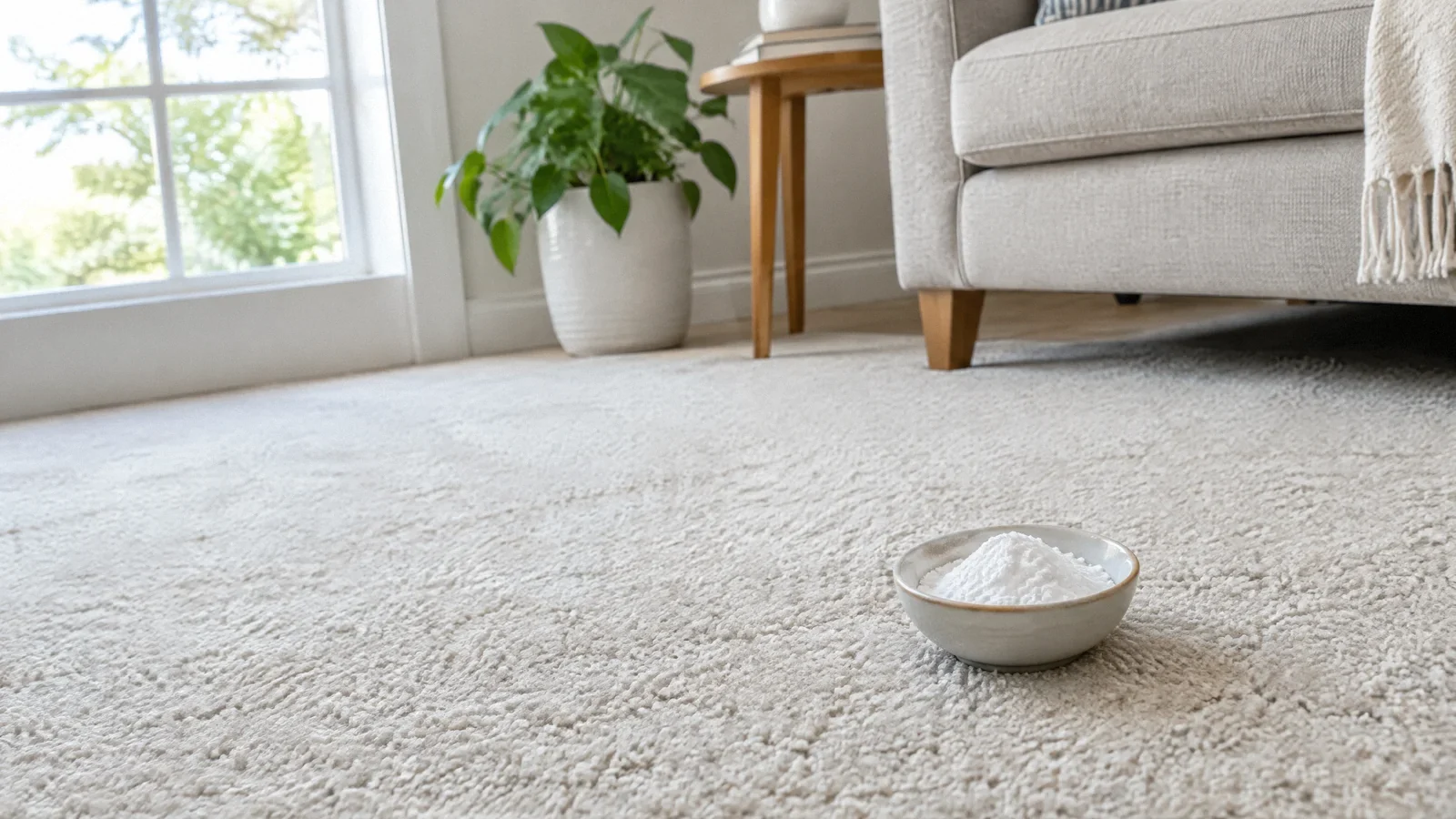
Some people use baking soda on a dry rug as a household deodorizer. Results vary and it does not remove a liquid spill or disinfect the carpet. Check the carpet and vacuum manufacturers’ instructions first; fine powder can be difficult to remove and may be unsuitable for some equipment or fibers. Avoid powders if the manufacturer advises against them, and keep children and pets away during treatment.
Treat a localized spill according to the material
Blot a fresh liquid with clean white towels, working from the outside toward the center. Do not rub vigorously or pour water onto the carpet. Check the care label and test an approved carpet cleaner in a hidden area before treating the spot. Use the amount directed and blot away residue; over-wetting can carry contamination into the pad or leave the area damp.
For organic spills, choose a product labeled for the specific stain and carpet. Follow its contact time and rinsing instructions. An enzyme cleaner may help with some organic residues, but its label determines what it can treat; it is not automatically a disinfectant. Do not combine cleaning products or assume vinegar, bleach or a scented spray is safe for every fiber.
After cleaning, dry the area thoroughly and check it again. If a smell returns when the surface is dry, contamination may have reached the backing or pad. A carpet cleaning professional can assess the layers and explain whether cleaning, pad replacement or carpet replacement is appropriate.
Musty carpet and odors after cleaning
If carpet smells musty after a leak or after shampooing, determine whether it and the pad dried completely. EPA recommends drying damp materials within 24 to 48 hours where possible to reduce mold growth; the top fibers drying do not prove the backing or subfloor is dry. Do not keep adding cleaning solution to a wet area.
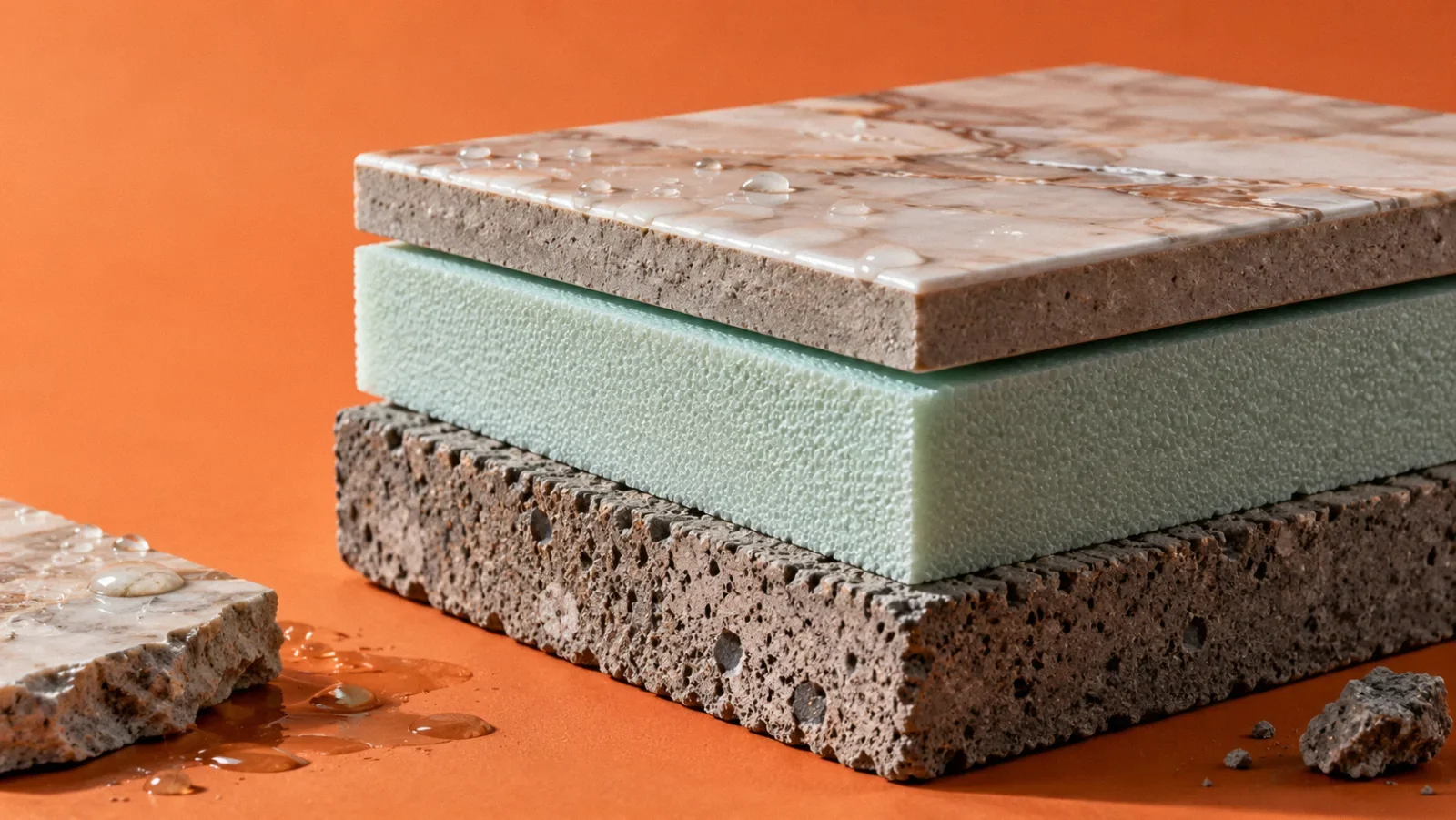
Fix the source of moisture, inspect adjacent materials and arrange professional drying when necessary. Visible mold in a porous carpet or pad may require removal and replacement because cleaning the surface cannot reliably reach all growth. EPA advises professional help for sewage or other contaminated water. A musty smell by itself does not prove mold or establish which material is affected.
A cleaning machine that uses too much solution, inadequate extraction or slow drying can leave an odor afterward. Ask the cleaner what was applied, how the area was extracted and how they will assess the pad. Ventilation and humidity control may help drying when safe, but they do not replace inspection of hidden layers.
Old carpet, rugs and new installation odors
An older carpet can retain years of soil or odor in its backing and pad. If routine vacuuming and a manufacturer-approved cleaning do not help, a professional can evaluate whether cleaning is likely to work or whether replacement is more sensible. Inspect the subfloor and correct moisture before fitting a new pad.
For an area rug, check whether it can be cleaned in place or should be taken to a rug specialist. Natural fibers, dyes, adhesive backing and antique construction may be damaged by water or ordinary cleaners. Do not roll up a damp rug for storage.
A new carpet or adhesive can have an initial odor. EPA suggests increasing ventilation after installation and contacting the retailer if an objectionable odor persists. Ask about the materials and adhesive used; a persistent strong smell should be investigated rather than masked.
Keep carpet smelling fresh
Address spills promptly and prevent tracked-in soil with entry mats and a practical shoe policy. Vacuum at an interval suited to use, and follow the carpet manufacturer’s cleaning schedule. Keep humidity under control and repair leaks quickly.
If odor remains despite removing the source and drying, document the location and conditions for a professional assessment. A fresh scent does not establish that the carpet is clean or that indoor air is healthy; the source and condition of the underlying materials matter.
Your next-step checklist
- Identify the source and check for dampness.
- Vacuum dry soil using the carpet maker’s instructions.
- Blot spills and test an approved cleaner.
- Dry carpet and pad thoroughly.
- Investigate recurring odor or visible growth.
Related questions
What does moldy carpet smell like?
Mold is often associated with a musty odor, but smell alone cannot establish that mold is present or identify its species.
Why does carpet smell after cleaning?
It may still be damp, or residue may remain in the backing or pad. Check drying and investigate if the smell persists.
Sources & context
Public guidance supports the principles in this article. The practical questions and examples are editorial interpretation, not a site assessment or a coverage decision. State-specific rules apply only where identified.