There is no single best method for every carpet. Check the manufacturer’s care and warranty instructions, identify the fiber and soil, and ask a qualified cleaner about the proposed equipment, solution and drying plan. Terms such as steam cleaning, shampooing and low-moisture cleaning are sometimes used differently by providers.
Start with the carpet and the goal
A routine maintenance clean, a small food stain, pet urine and carpet wet from a leak are different problems. The carpet’s fiber, backing, age and manufacturer’s warranty influence which treatment is appropriate. Ask the provider to inspect and explain the proposed scope before work.
A method that improves the appearance of the pile may not address contaminated padding or a wet subfloor. For sewage, floodwater, visible mold or extensive water damage, seek experienced restoration assessment instead of treating the event as ordinary carpet cleaning.
Hot-water extraction and the term steam
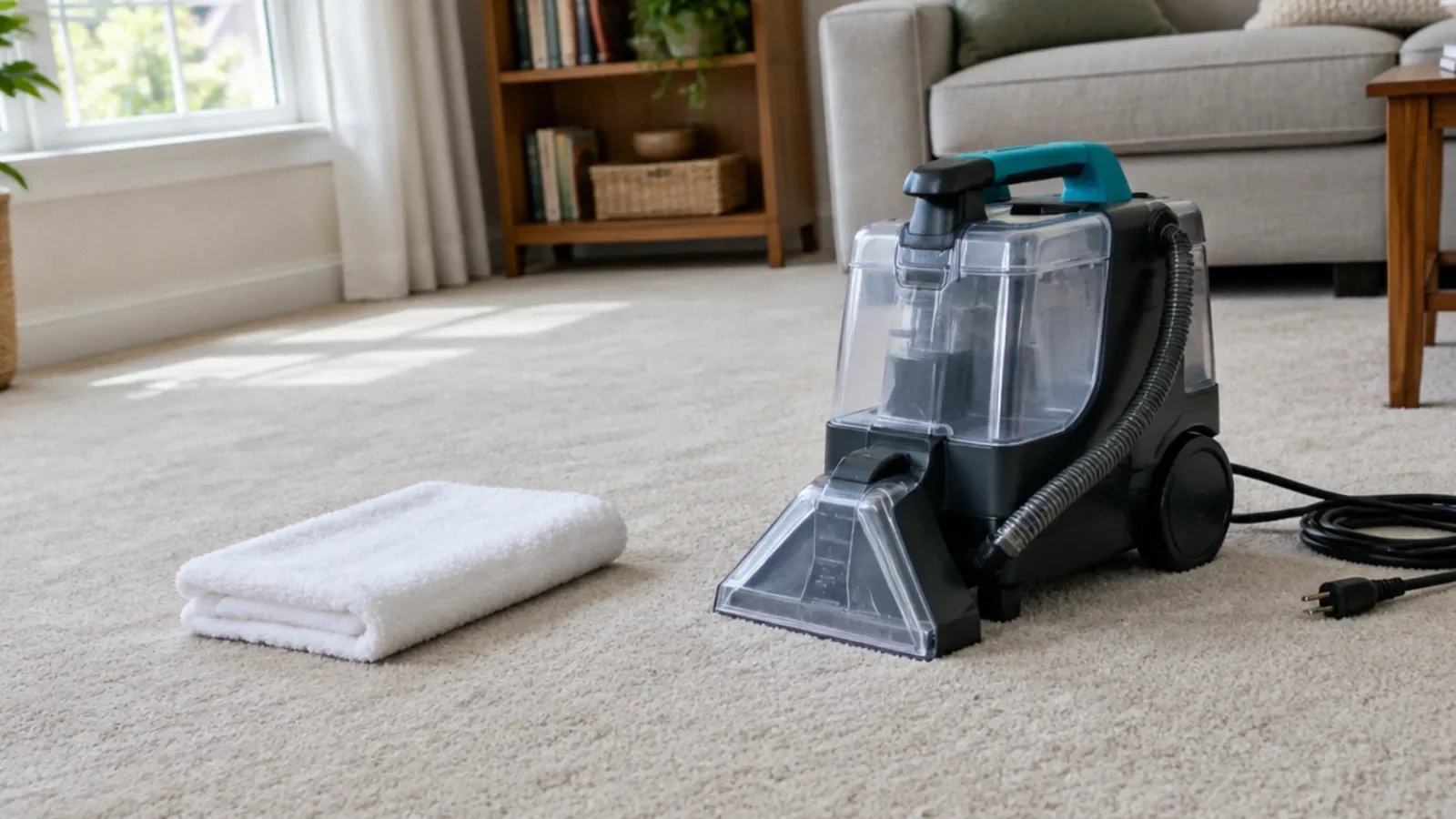
Hot-water extraction applies a cleaning solution or water and removes it with extraction equipment. Some providers call this steam cleaning, although the exact equipment and process vary. Ask what temperature, cleaning solution, extraction and drying approach the provider actually uses.
The carpet maker’s instructions and warranty take priority over a generic method name. Excess water or insufficient extraction can leave the backing or pad damp. Ask how furniture, edges and the floor beneath will be protected and when the carpet can be used again.
In one manufacturer system described by the Carpet and Rug Institute, the cleaner applies a prespray, allows the specified dwell time, and then extracts using a hot-water system. Other systems differ. Confirm pretreatment, extraction and drying with the provider, and use only methods the carpet maker permits.
Shampoo and detergent-based methods
Shampooing generally uses a cleaning product worked into the carpet, followed by removal according to the system’s instructions. Equipment and products differ, so a quote should specify how the cleaner and soil are removed and whether a separate rinse or extraction is included.
Residual product can contribute to rapid resoiling, and excess moisture can remain below the visible surface. More detergent is not necessarily better. Ask about the product’s compatibility with the carpet and whether the provider will test a hidden area when needed.
Low-moisture methods
Some systems use a relatively low amount of liquid, such as a cleaning compound, encapsulation product or bonnet method. These approaches are not identical: equipment, agitation, product removal and suitability vary. Lower moisture does not mean zero moisture or suitability for every carpet.
A low-moisture method may be useful for certain maintenance situations, but it is not a substitute for inspecting a contaminated pad or repairing a leak. Ask what soil the method is intended to remove and what limitations apply to your carpet.
Spot treatment and pre-vacuuming
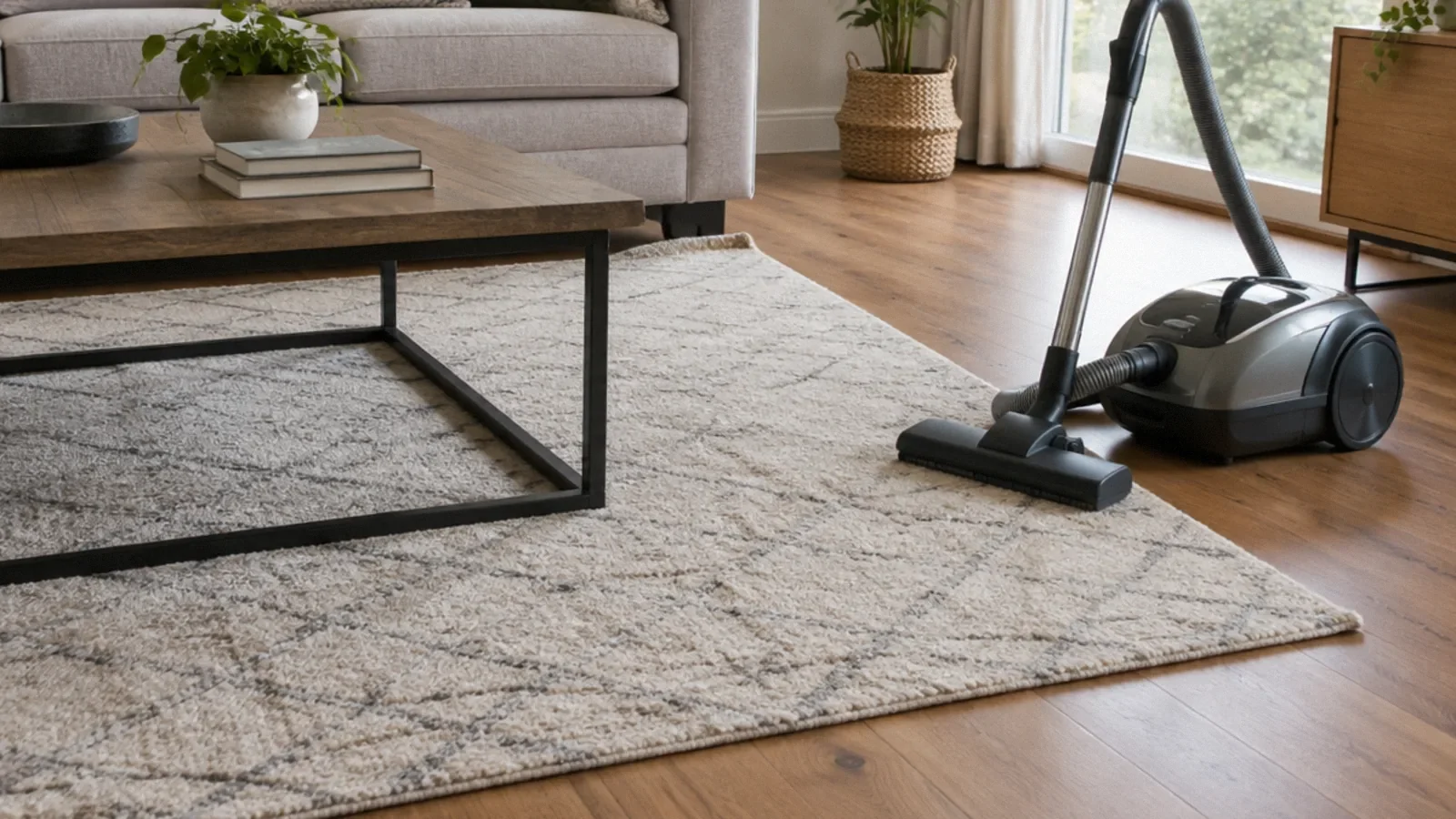
A thorough scope should identify loose-soil removal and the approach to particular stains. The Carpet and Rug Institute recommends prompt blotting and testing a compatible spot product. Ask whether the provider vacuums before deep cleaning and which spot treatments are included.
Different stains require different products, and some permanent dye changes cannot be reversed. Disclose any household cleaners already applied so the professional can avoid incompatible chemicals. Do not mix stain removers or use an unapproved product in a rental machine.
Pet urine and odor
Pet urine may reach the backing, pad or floor below. The Carpet and Rug Institute advises against using steam on urine spots because heat can set odor or staining. A cleaner should inspect the affected material and propose a method and drying plan compatible with the carpet.
A fragrance may mask an odor without removing its source. If contamination is extensive or repeatedly returns, padding or another material may need separate treatment or replacement. Ask what the quote includes and what the provider cannot guarantee.
Drying and indoor conditions
Drying time depends on the carpet, backing, amount of moisture, airflow and humidity. Ask for a realistic range and instructions for furniture, children and pets. Do not place furniture back on damp carpet before the cleaner says it is appropriate.
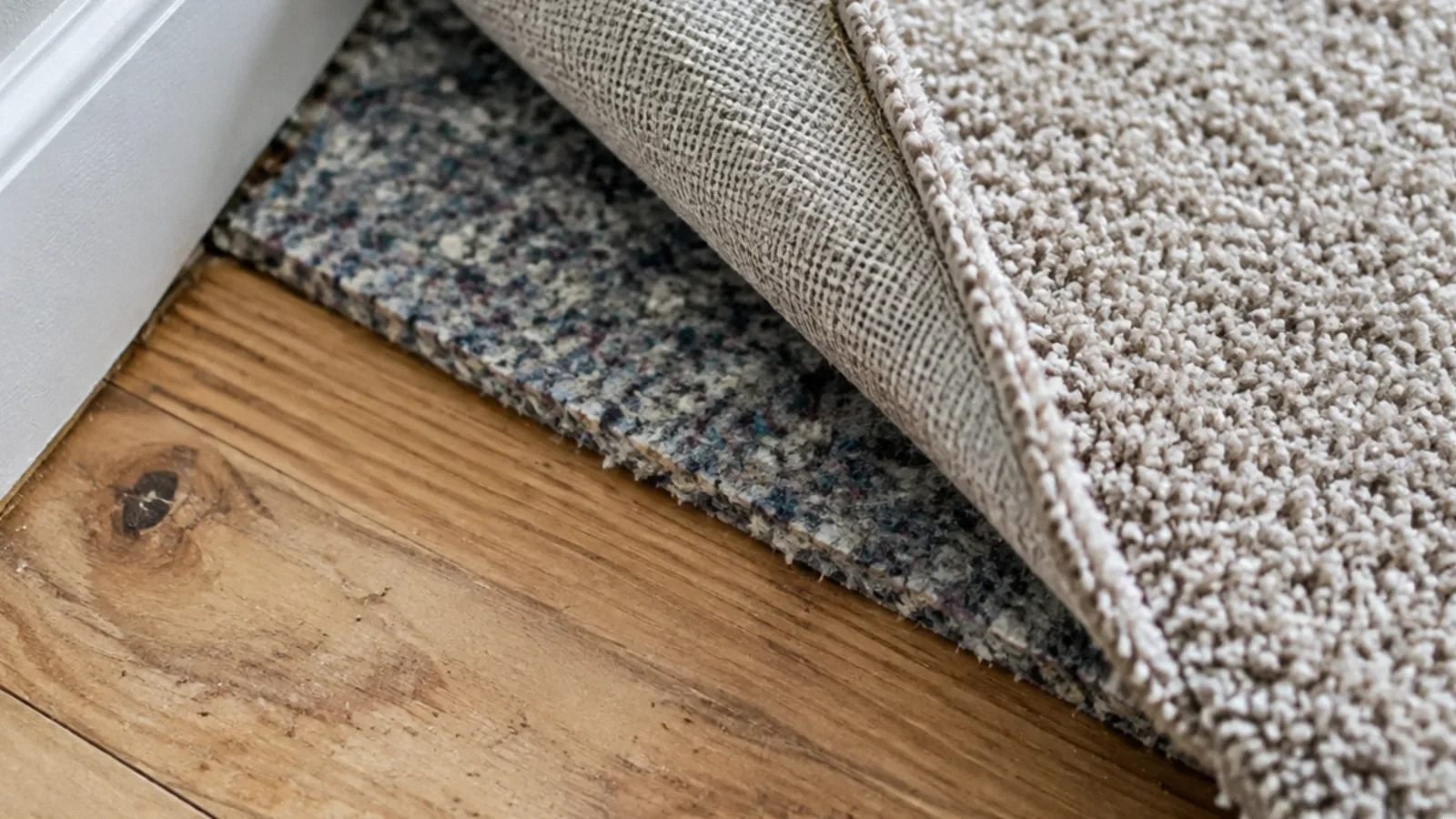
A dry-feeling surface is not proof that padding or a subfloor is dry after a leak. EPA distinguishes clean-water drying from contaminated-water response and advises assessing the floor beneath carpet. If sewage or mold is suspected, do not use ordinary airflow equipment without an experienced assessment.
Compare written quotes
Ask each provider for the carpeted area, method, equipment, included spot treatment, furniture policy, minimum charges, total price and expected drying conditions. Confirm any separate cost for stairs, odor treatment or moving furniture. Compare the same scope rather than only the advertised room price.
Check the carpet manufacturer’s maintenance requirements and ask about the cleaner’s training and insurance. A professional should explain why the selected method suits your carpet and acknowledge limitations. No single process guarantees removal of every stain or contaminant.
Your next-step checklist
- Check the carpet manufacturer’s instructions.
- Ask what the advertised method actually includes.
- Identify pet urine or water damage before cleaning.
- Confirm extraction, drying and any extra charges.
- Compare written scopes for the same carpeted area.
Related questions
Is steam cleaning the same as hot-water extraction?
Some providers use the terms interchangeably, but equipment and process vary. Ask what the service includes.
Is shampooing better than extraction?
It depends on the carpet, equipment, soil and drying plan. Follow the manufacturer’s instructions and compare the proposed scopes.
Should I steam clean pet urine?
The Carpet and Rug Institute advises against steam on urine spots because heat can set the odor or stain.
Does low-moisture cleaning fix a wet pad?
No. A wet or contaminated pad and subfloor need their own assessment and drying or replacement decision.
Is a steam cleaner the same as a carpet cleaner?
Not necessarily. Machines marketed for carpet cleaning may use hot-water extraction, while a steam device uses a different process. Check the equipment and carpet manufacturer instructions, because excessive heat or moisture can damage some fibers and backing.
Sources & context
Public guidance supports the principles in this article. The practical questions and examples are editorial interpretation, not a site assessment or a coverage decision. State-specific rules apply only where identified.
- Carpet and Rug Institute: Cleaning and maintenanceindustry guidance
- Carpet and Rug Institute: Hiring a professionalindustry guidance
- U.S. EPA: Water-damaged materialsfederal guidance
- Carpet and Rug Institute: Example extraction systemindustry equipment listing
- Carpet and Rug Institute: Deep cleaningindustry guidance