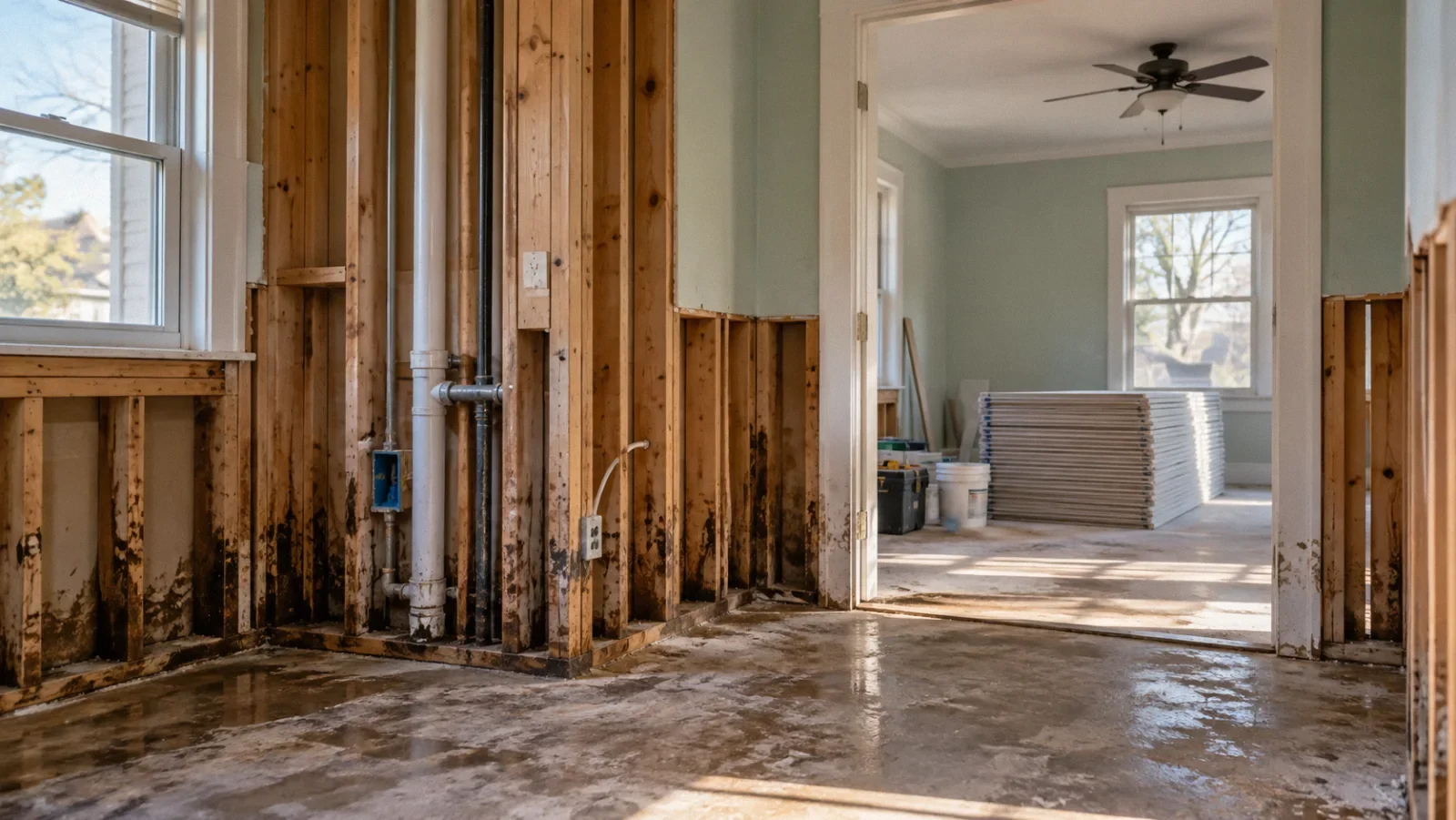
Mitigation and reconstruction: why two scopes need separate approval
Separate emergency mitigation from rebuilding with clear scopes, payment terms and a documented handoff before new finishes conceal the repaired area.
Ask better questions before approving work. Browse 19 detailed guides.
Separate emergency mitigation from rebuilding with clear scopes, payment terms and a documented handoff before new finishes conceal the repaired area.
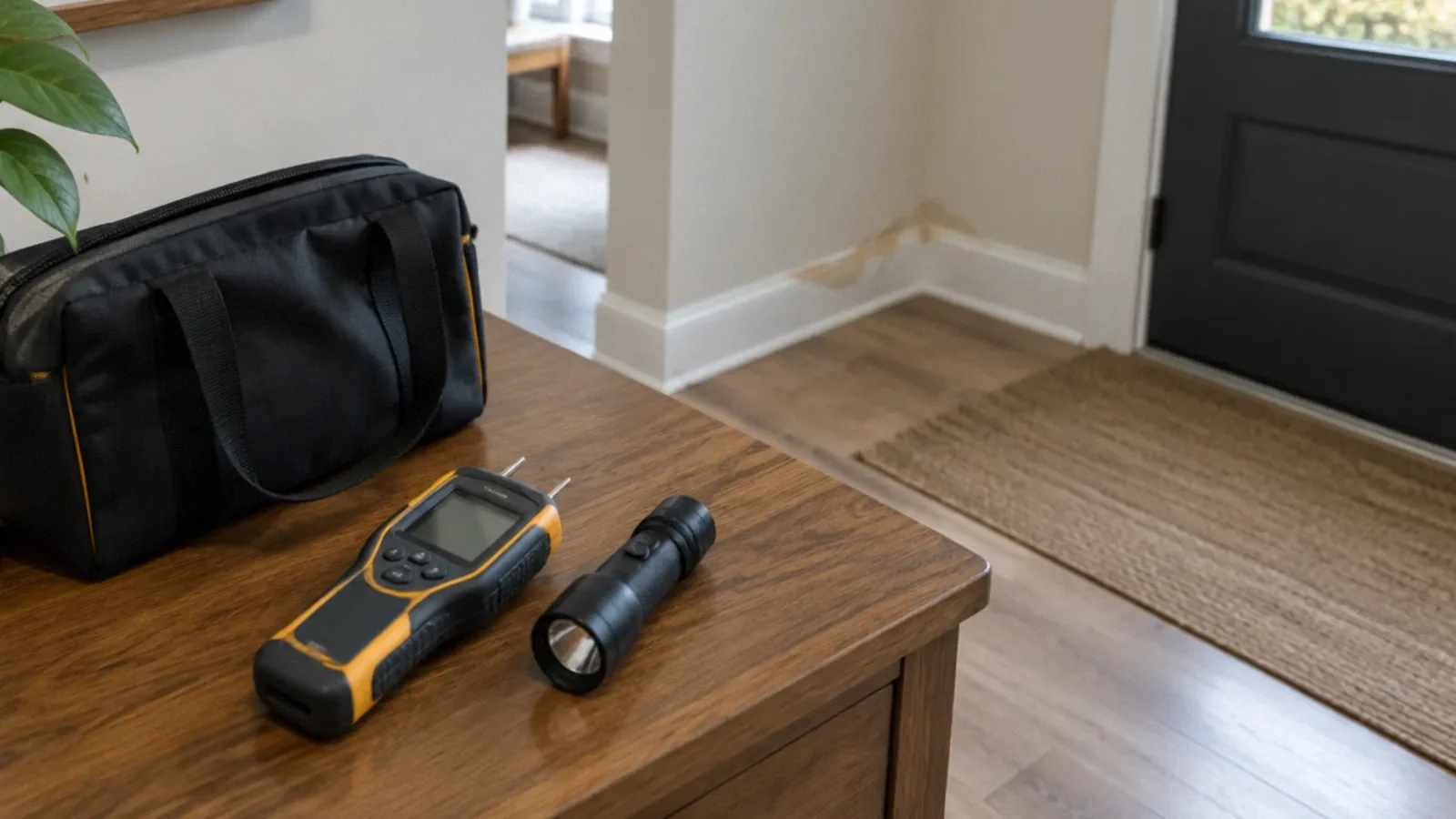
Screen a water damage contractor under time pressure by checking identity, relevant qualifications, the emergency scope and how charges will be authorized.
Distinguish restoration licenses from certifications and verify that the business and people assigned to each task hold the qualifications it requires.
Review an emergency mitigation authorization for scope, rates, changes, payment responsibility and any rights transferred before the work expands.
Evaluate a restoration deposit against the written scope, local payment rules and verified progress before committing insurance proceeds to a contractor.
Review mitigation invoices against authorized work, quantities, service logs and agreed rates while keeping insurer allowances separate from contract obligations.
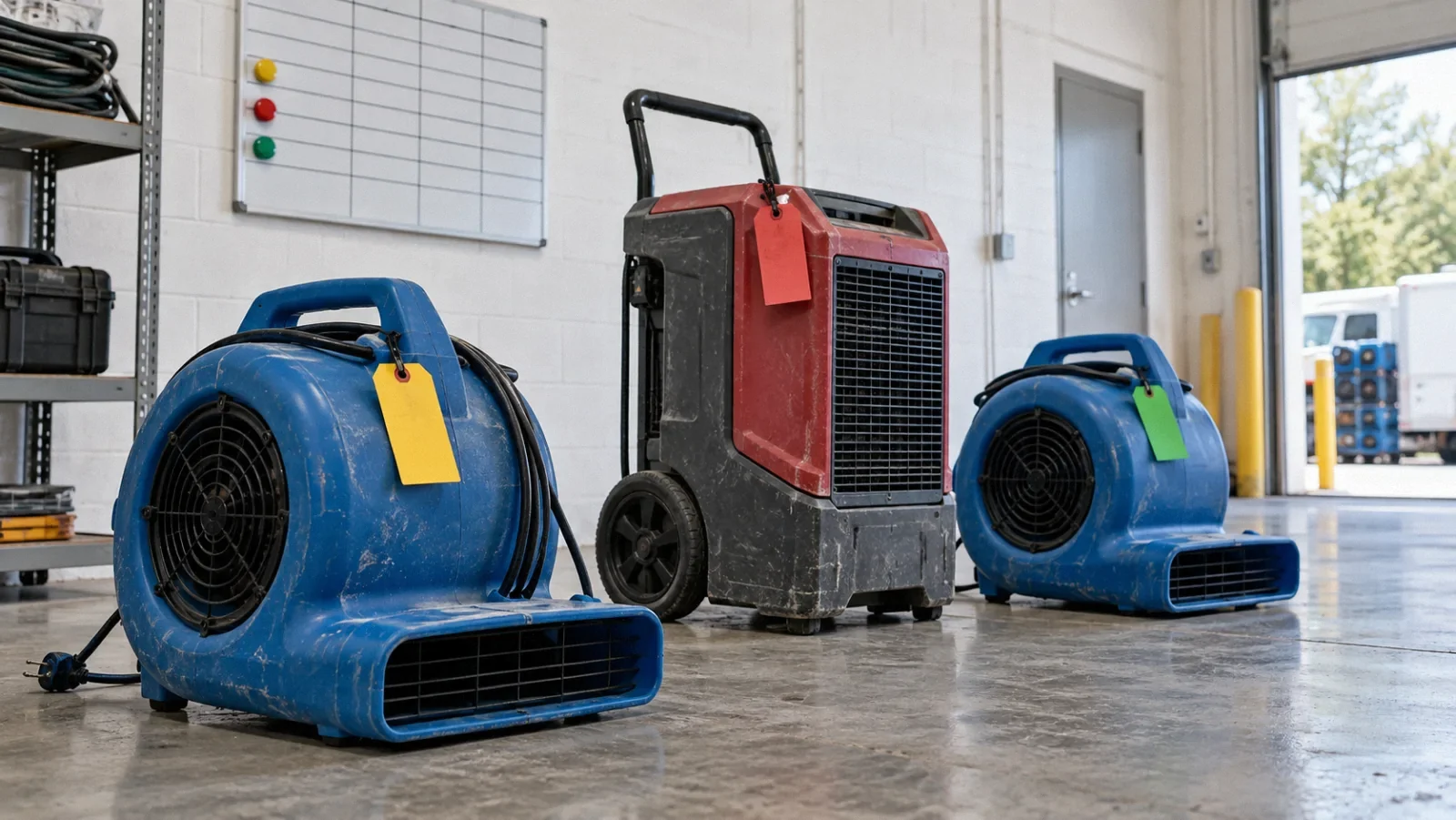
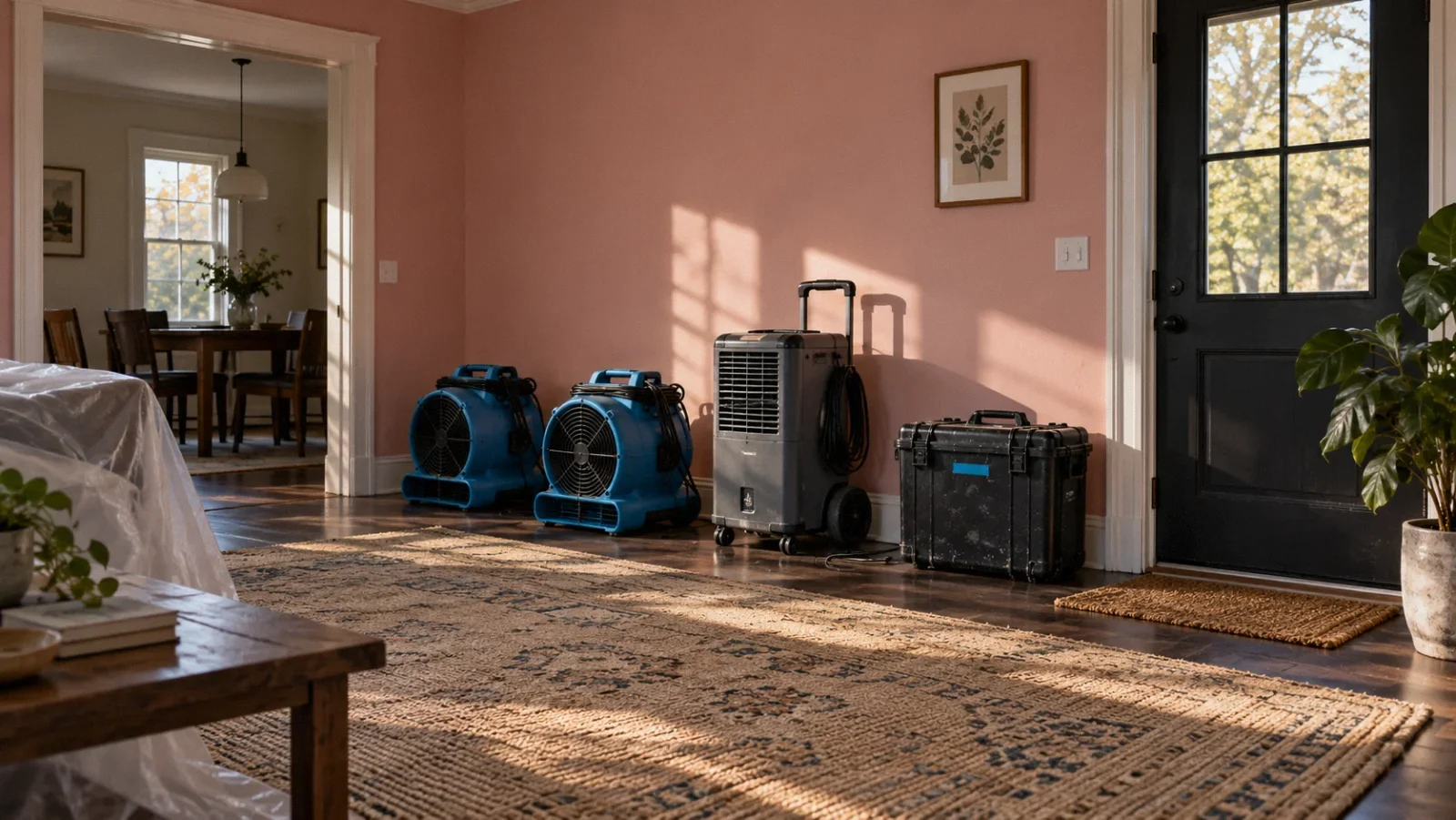
Check drying equipment charges by reconciling machine locations, rental dates, monitoring records, interruptions and the reason for continued use.
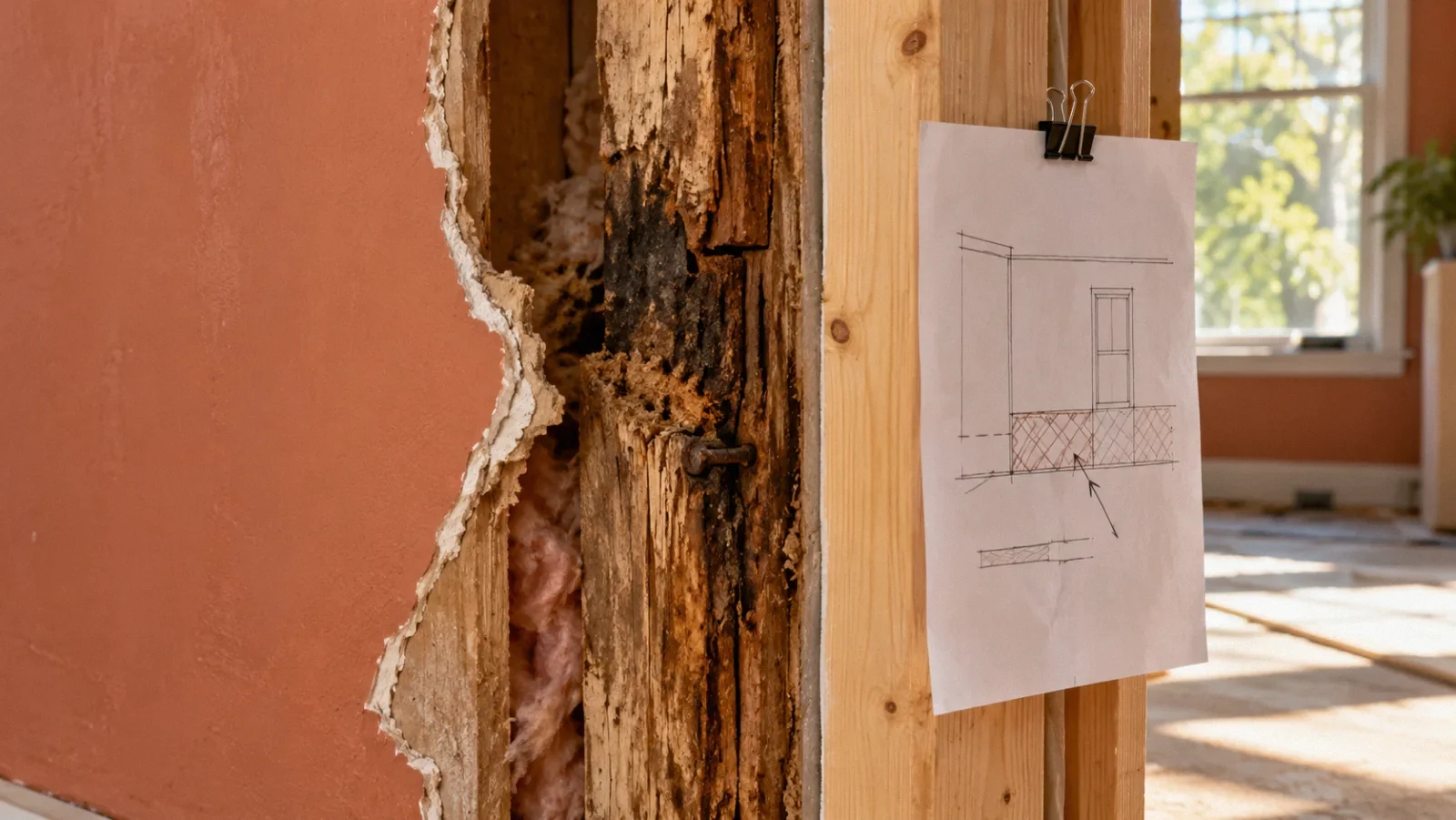
Document newly discovered water damage with a defined change in scope, price and schedule, keeping contractor authorization separate from insurer approval.
Map who hires, supervises and pays restoration subcontractors so source repairs, drying, reconnection, inspections and payment records have clear owners.
Respond promptly to a restoration lien threat by identifying the notice, organizing payment and work records, and checking the applicable state procedure.
Plan a safe restoration contractor transition with a documented property condition, equipment handoff, clear notices and an accounting of disputed work.
Choose the right complaint channel for insurance, contractor, housing or mortgage issues and prepare a concise chronology with evidence the agency can assess.
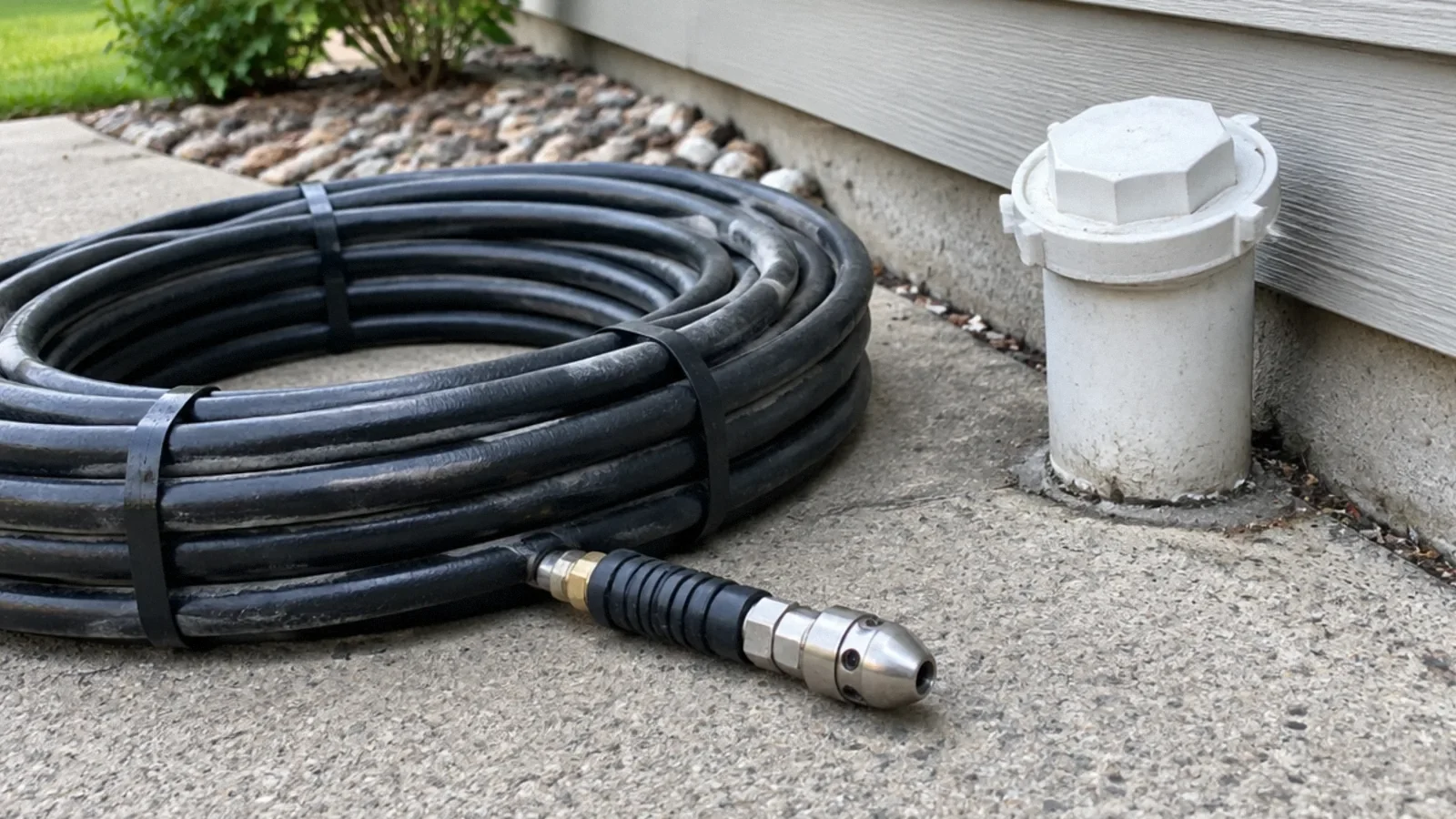
Learn how high-pressure water jetting cleans a sewer line, what it cannot repair and which questions to ask before the work.
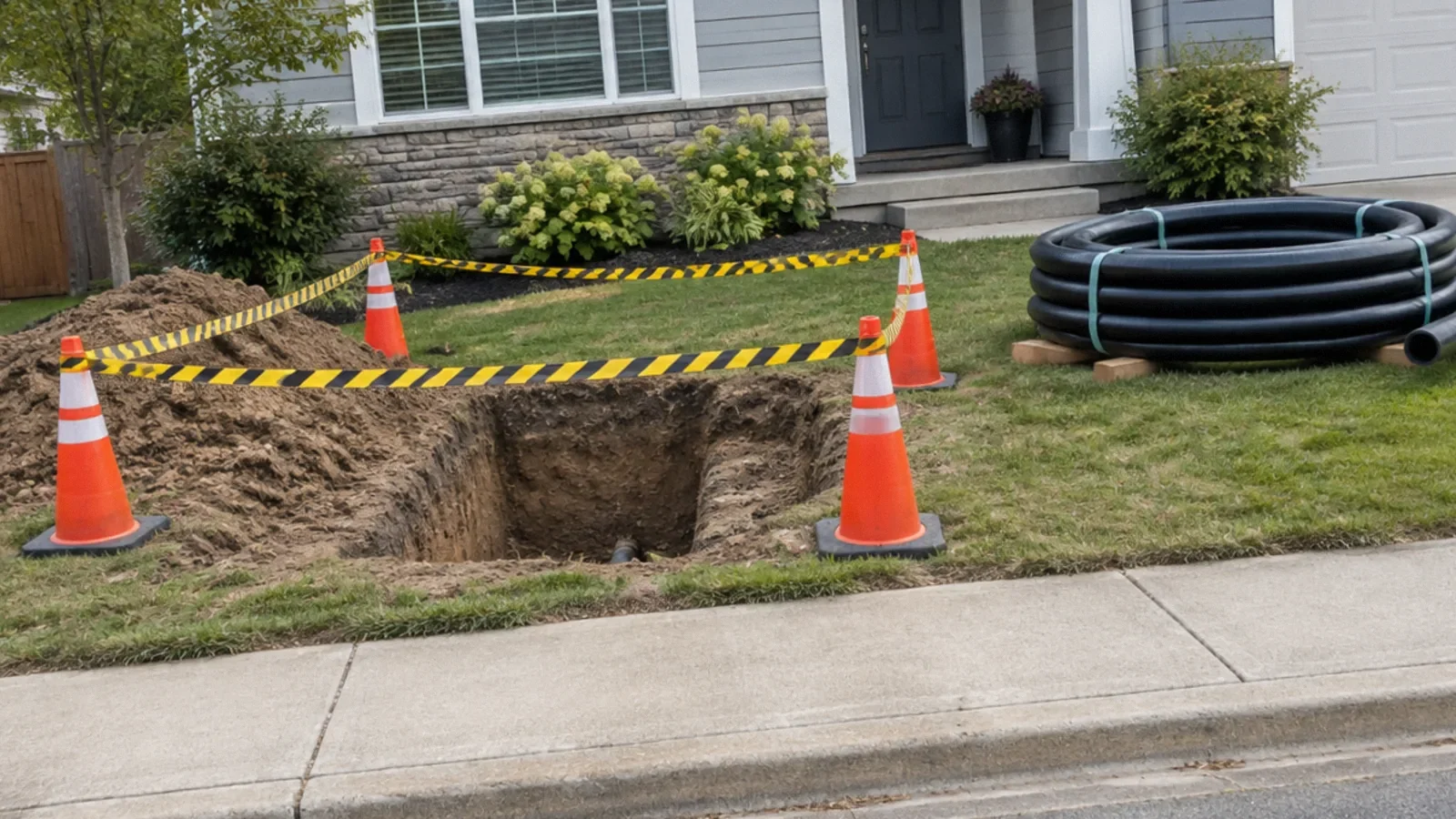
Compare sewer line leak and crack repair, localized excavation, lining and pipe bursting, and learn how to assess a written proposal.
Review a dated national duct cleaning price benchmark, what changes the quote, and EPA guidance on when duct cleaning may be appropriate.
Review dated national mold remediation cost figures, location-specific examples and the factors that change a local cleanup quote.
Compare carpet cleaner purchase and rental costs with professional carpet and area-rug cleaning prices, plus common additional charges.
Compare common carpet-cleaning methods, their moisture needs and questions to ask before choosing a service.
Learn how clay sewer lines fail, what a camera inspection can show and how spot repair, lining and replacement differ.
Try a material, “insurance”, “mold”, or a shorter phrase.