Clay sewer pipes can last for many years, but age alone cannot determine their condition or remaining life. Repeated backups, root intrusion or a damaged joint warrant inspection. Repair may involve a localized excavation, lining, pipe bursting or replacement depending on the pipe and local requirements.
What is a clay sewer pipe?
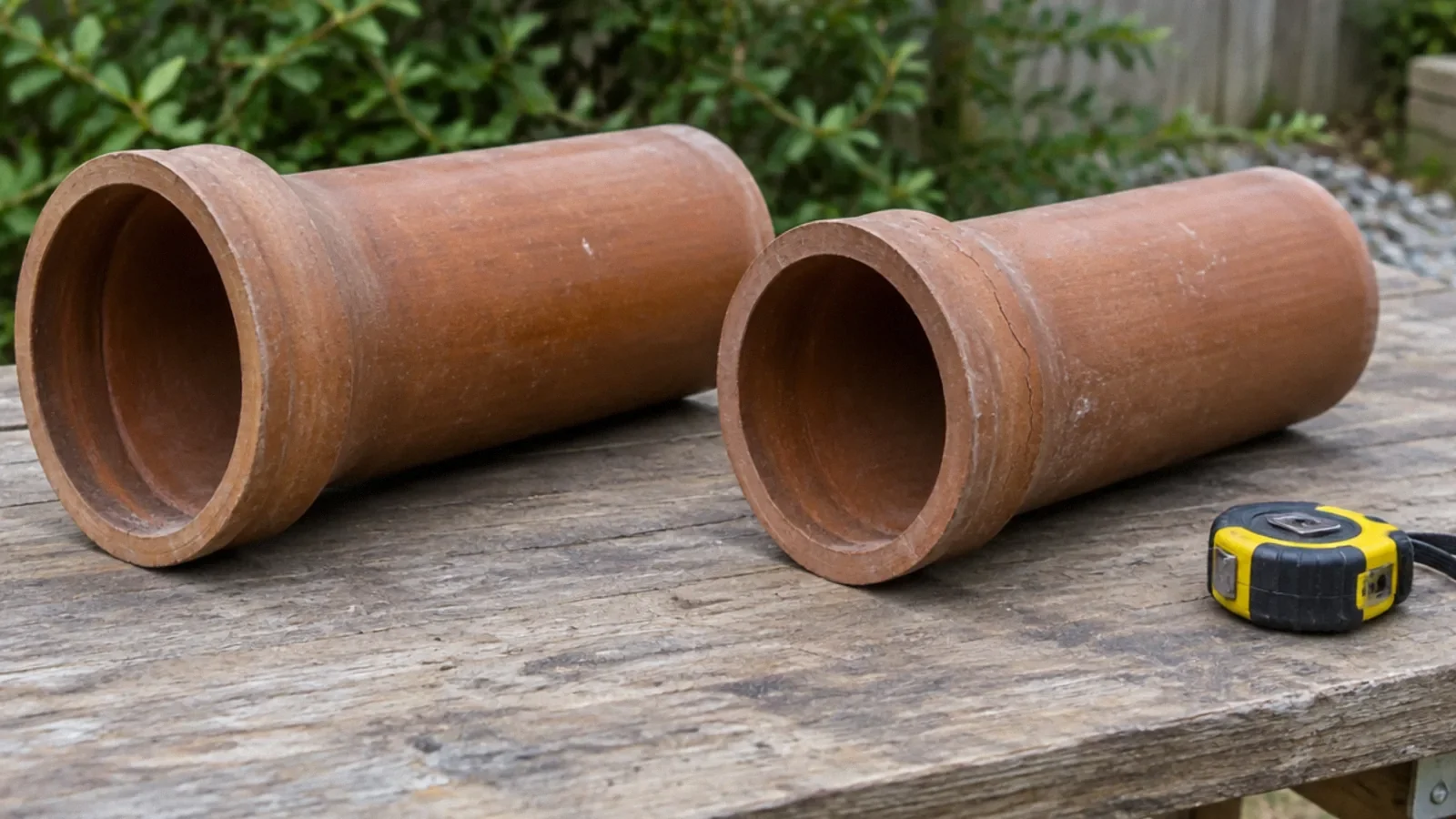
A clay sewer pipe carries wastewater away from a building toward a public sewer or an onsite system. Older installations commonly consist of short pipe sections joined together; clay products and installation methods vary. The presence of clay does not by itself mean a line has failed.
A sanitary sewer pipe is different from a storm drain and from a pressurized drinking-water supply line. Before planning a repair, ask a plumber to identify the line, its material, route and destination. A septic property may have clay drainage piping, but its arrangement must be confirmed on site.
Terracotta is a name used for fired clay; in this context it refers to clay drain or sewer pipe, not a pressurized drinking-water line. Foundation drains collect groundwater and storm drains convey rainfall, while a sanitary sewer carries wastewater. A pipe from a home to a septic tank is distinct from the drainfield beyond the tank; ask an onsite-system professional to identify the component before work.
Signs that need investigation
Repeated slow drains, gurgling, sewage at a low fixture or a recurring exterior wet area can indicate a drainage problem. These signs have other possible causes and do not establish a cracked clay pipe. If wastewater backs up, stop using affected fixtures and keep people and pets away.
Do not open a sewer cleanout or enter standing water near electrical equipment. A full or pressurized line can release sewage when opened. Contact a qualified plumber, property manager or sewer authority as appropriate and describe the affected fixtures and timing.
Cracks, joints and roots
A clay line can develop cracks, displaced joints, breaks, deposits or root intrusion. The City of Salinas notes that roots may enter through small openings and eventually obstruct a sewer. Ground movement and previous repairs can also affect alignment.
A root removal visit can restore flow without correcting a damaged joint or other underlying condition. Ask whether the blockage was cleared, what the inspection showed and whether additional work is justified. Do not assume every old clay pipe needs replacement.
Camera inspection and limits
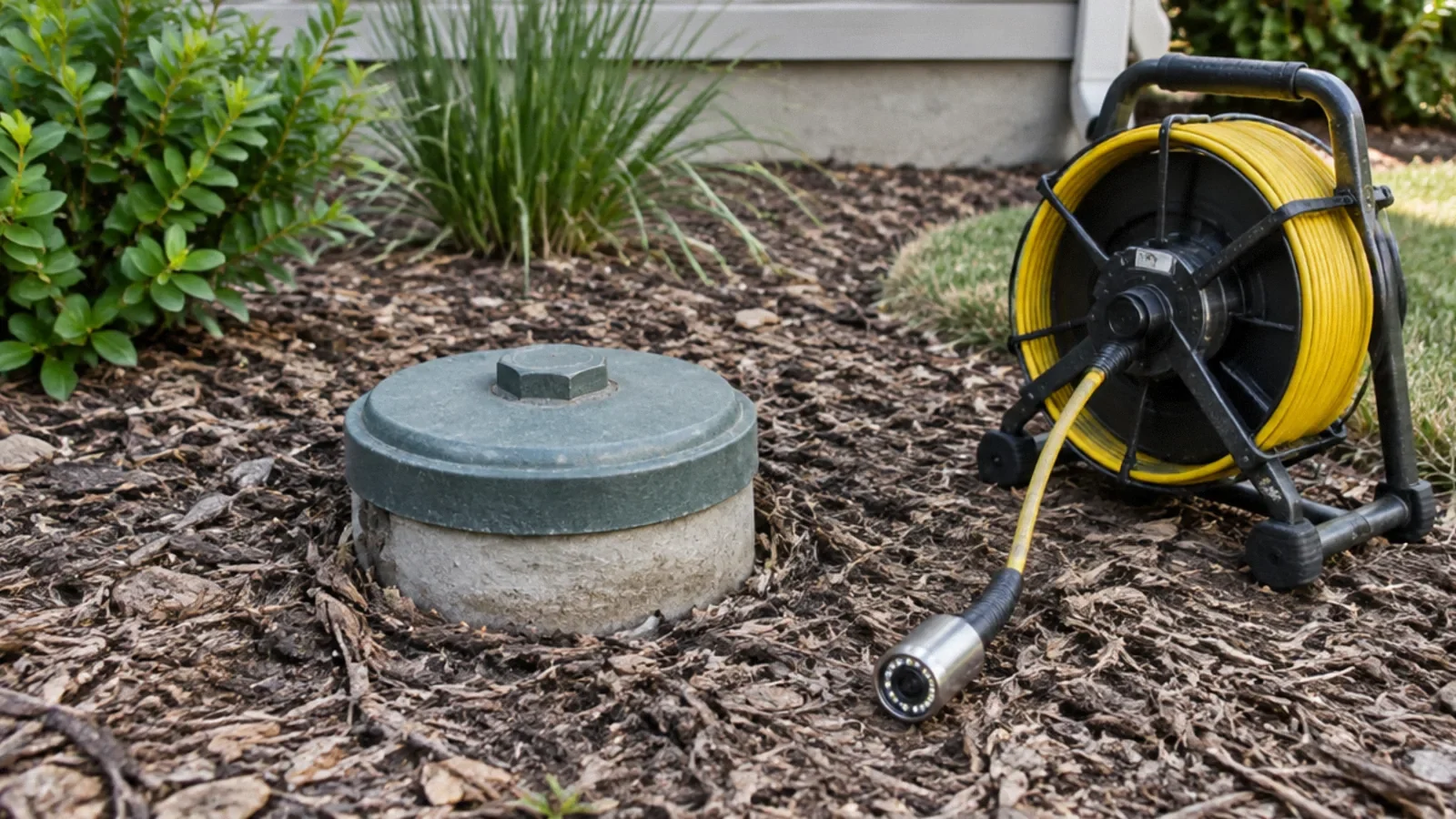
A contractor may clean and inspect the accessible line with a sewer camera. Request the recording, approximate location and explanation of any observed crack, root intrusion or displaced joint. A camera image is useful evidence but does not reveal every condition outside the pipe.
Standing water, an obstruction or an inaccessible section may limit the inspection. Ask which portions were not seen and whether further investigation is needed. A proposed repair should relate to the documented condition rather than relying solely on pipe age or a photograph of a different line.
Spot repair or replacement
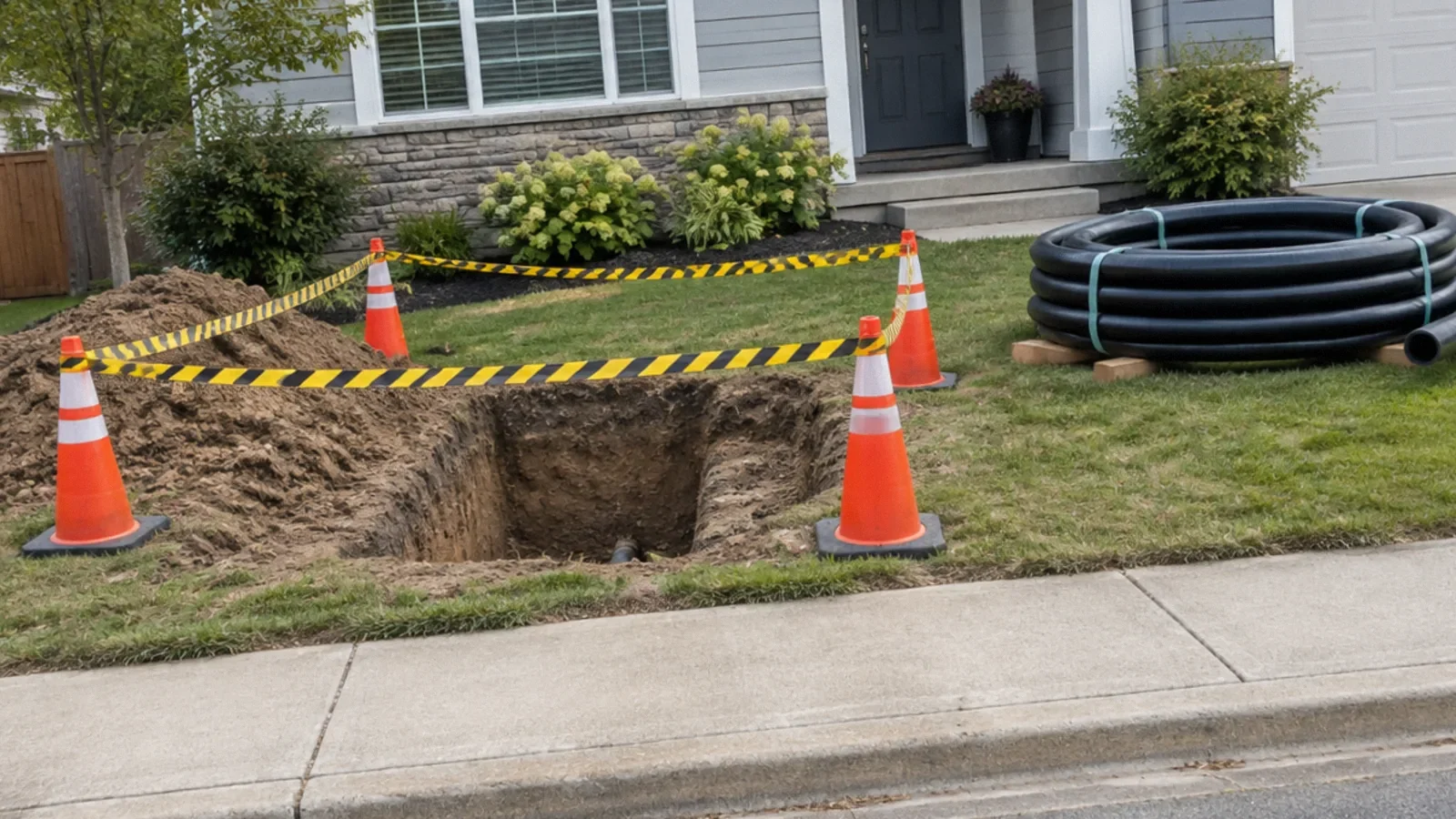
A localized break may be addressed by excavating and replacing a section when the remaining line is suitable. A long damaged or poorly aligned line may require a broader replacement. Access, depth, utilities, structures and surface restoration all affect the proposal.
Excavation presents serious hazards and should be planned and performed by qualified contractors with required utility locating and protective measures. Do not enter an unsupported trench or attempt to uncover a buried sewer line yourself. Ask for the length, access plan, inspections and surface restoration in writing.
Lining and pipe bursting
Some lines are candidates for cured-in-place lining or another trenchless method. Lining creates a new inner surface; pipe bursting breaks the existing pipe while pulling in a replacement. These methods have different access, diameter and condition requirements.
Neither method is automatically suitable for every clay line. A severe collapse, misalignment, inaccessible connection or other condition can change the options. Ask how branches will be reinstated, how wastewater flow will be managed and whether a post-work inspection is included.
Age, service life and local rules
There is no reliable universal service life or single nationwide year when clay pipe stopped being used. Condition depends on soil, installation, joints, roots and maintenance. A 2019 San José sewer installation bulletin lists extra-strength vitrified clay among permitted materials subject to its stated conditions.
A 2019 San José bulletin states that a plumbing permit is required to repair or replace a building drain or sewer. Confirm current requirements with the city. Rules, ownership and inspection requirements vary across jurisdictions. Confirm the applicable authority and who maintains each section before work begins.
Clay has been used alongside other sewer materials for many decades; a transition to alternatives was not simultaneous across jurisdictions. EPA documents both older clay installations and modern gasketed joints. The installation date, alone, cannot identify the material or its remaining useful life.
Compare proposals and records
Get a written scope identifying the pipe segment, repair method, length, excavation or access, permits, testing, cleanup and restoration. Ask whether the price includes reconnecting branches, disposal, landscaping and unexpected conditions. Compare scopes before comparing totals.
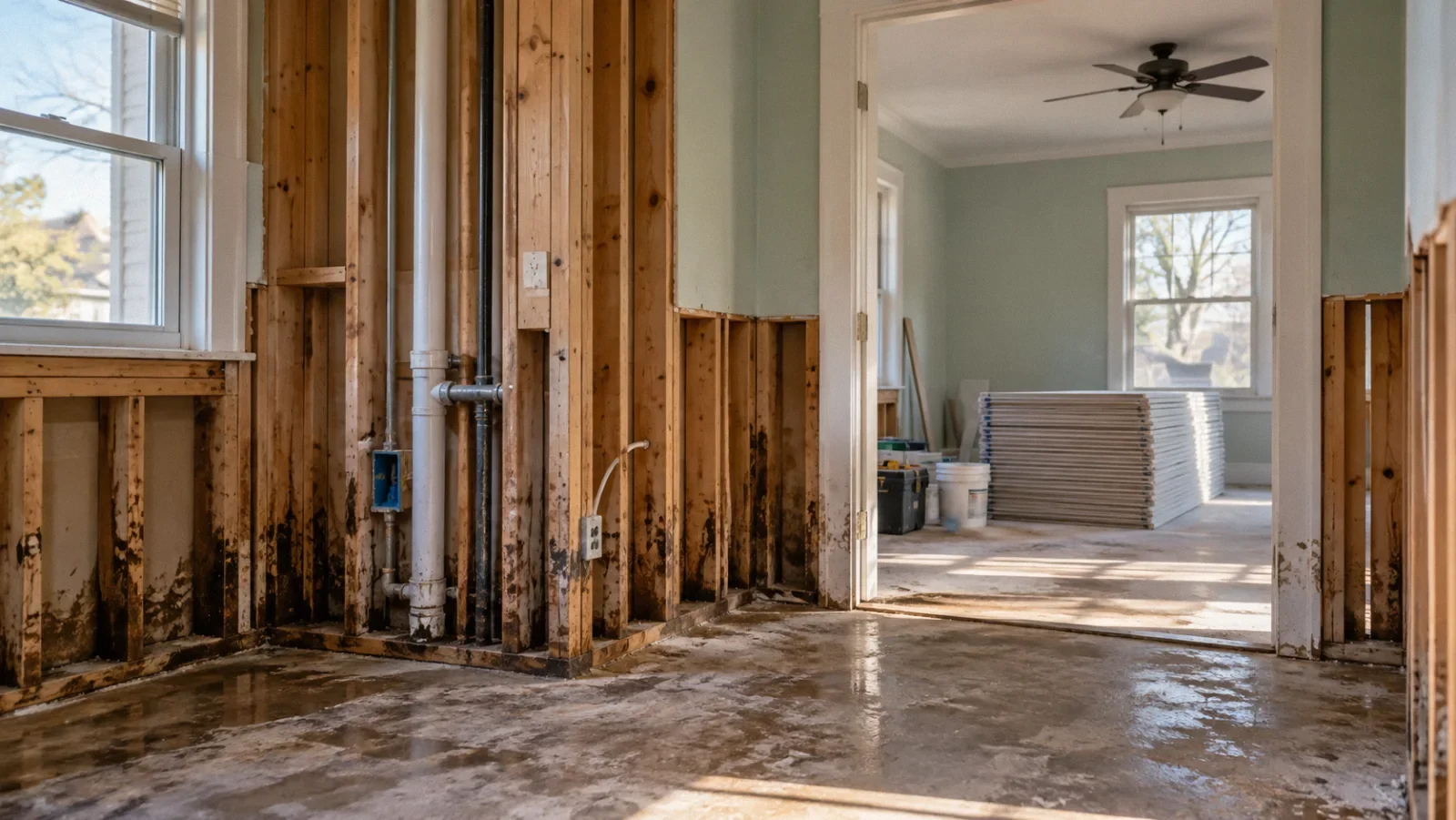
Keep the inspection video, permit and final records. After repair, report a recurring backup promptly. If sewage entered the building, arrange a separate cleanup and drying assessment; repairing the pipe does not automatically restore contaminated materials.
Your next-step checklist
- Stop using fixtures if sewage is backing up.
- Do not open a full cleanout or enter an unsupported trench.
- Request the inspection recording and its limitations.
- Compare spot repair, lining and replacement based on evidence.
- Confirm local permits and responsibilities.
Related questions
How long do clay sewer pipes last?
There is no single reliable lifespan for every installation. Pipe condition, joints, soil, roots and maintenance matter more than age alone.
Are clay sewer pipes still used?
Yes. A 2019 San José sewer installation bulletin lists extra-strength vitrified clay as an allowed material subject to its conditions. Confirm current rules and suitability with the local authority.
Does a cracked clay pipe always need full replacement?
No. The correct scope depends on the condition and location of the damage; a localized repair, lining or replacement may be considered.
Can roots enter a clay sewer line?
Roots can enter through openings such as damaged joints or cracks. Cleaning the roots may not repair the underlying defect.
Sources & context
Public guidance supports the principles in this article. The practical questions and examples are editorial interpretation, not a site assessment or a coverage decision. State-specific rules apply only where identified.
- City of Salinas: Sewer laterals and root intrusionlocal sewer guidance
- City of San José: Sewer installation requirements (2019)local permit and materials guidance
- EPA: Combined sewer operation and maintenancefederal technical guidance
- EPA: Sewer system infrastructure analysis and rehabilitationfederal technical guidance
- EPA: How septic systems workfederal wastewater guidance