Several fixtures draining slowly or wastewater backing up can indicate a blocked sewer line, but the symptoms do not identify the exact location. Stop using affected plumbing, keep people away from sewage and contact a qualified plumber or the responsible utility. Do not open a cleanout or add drain chemicals to a backed-up line.
Recognize a possible main-line problem
A single slow sink may have a local obstruction. When several fixtures drain poorly, gurgle or back up together, a shared branch or sewer line may be involved. Wastewater appearing in a low shower or floor drain after another fixture is used is another reason to stop and request help.
These patterns are clues, not proof of a particular defect. A blockage in private plumbing, a public sewer issue or a septic problem can produce similar symptoms. Tell the plumber which fixtures are affected and whether the problem began after rain or previous work.
Stop adding wastewater
Do not flush toilets, run laundry or keep testing fixtures when water is backing up. Additional flow can spread contamination into the building. Keep children and pets away and avoid contact with sewage or wet materials.
Water near electrical equipment can create a shock hazard. Do not enter standing water to operate a switch or retrieve belongings. If an immediate electrical or structural danger exists, leave and contact emergency services or the appropriate qualified professional.
Who is responsible for the line?
Responsibility for a private lateral and the public sewer varies by location and by the connection involved. Contact the local wastewater utility or property manager when a public system issue is possible, and ask how the boundary is determined. A plumber can investigate the accessible private line.
In a shared building, tell management promptly because the blockage may affect other units. Do not open a cleanout, remove a toilet or enter a sewer access point to decide where the problem is. These actions can release wastewater or expose people to dangerous gases.
What can block a sewer line?
Roots, accumulated grease, debris, an object, a displaced joint or a damaged pipe can restrict flow. The best method depends on what is present, where it is located and the pipe’s condition. A recurring clog does not by itself prove that the entire line needs replacement.
Ask the contractor what evidence supports the suspected cause and what they can see. If a line is fully blocked, initial clearing may be needed before a camera can inspect beyond the obstruction. A cleaning tool cannot repair a collapsed pipe or correct an underlying structural defect.
Cleaning methods and chemical hazards
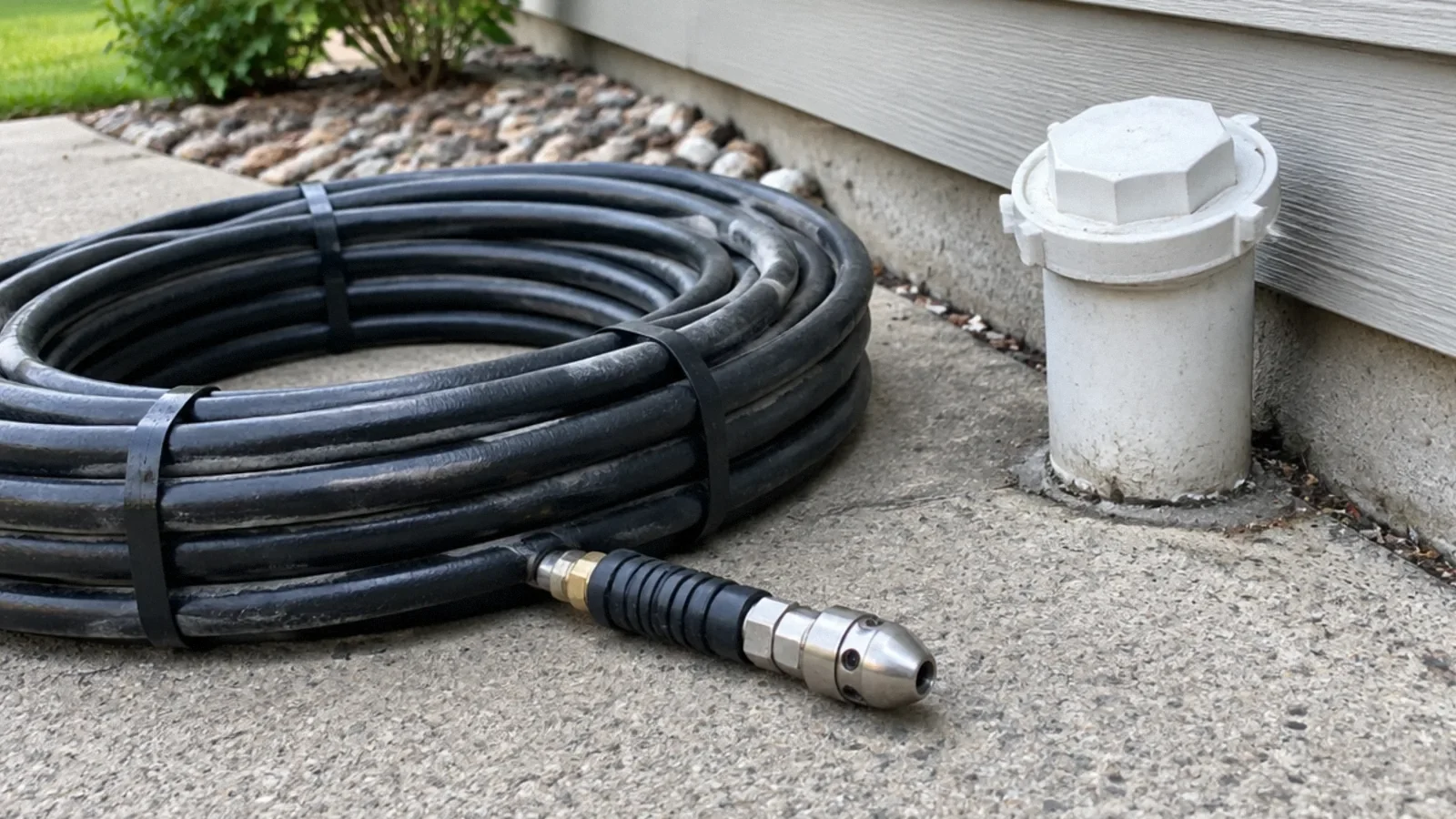
A plumber may use a mechanical cable, specialized cutting tool or high-pressure water equipment depending on access, blockage and pipe condition. Each has limitations. Ask why the proposed method suits the line and what happens if the first approach cannot reach or clear it.
Avoid adding chemical drain cleaner to backed-up sewage. Some cleaners are corrosive and can splash during later work. If a product has already been used, tell the plumber its name and the approximate time; do not add a second product or mix chemicals.
Camera inspection and reports
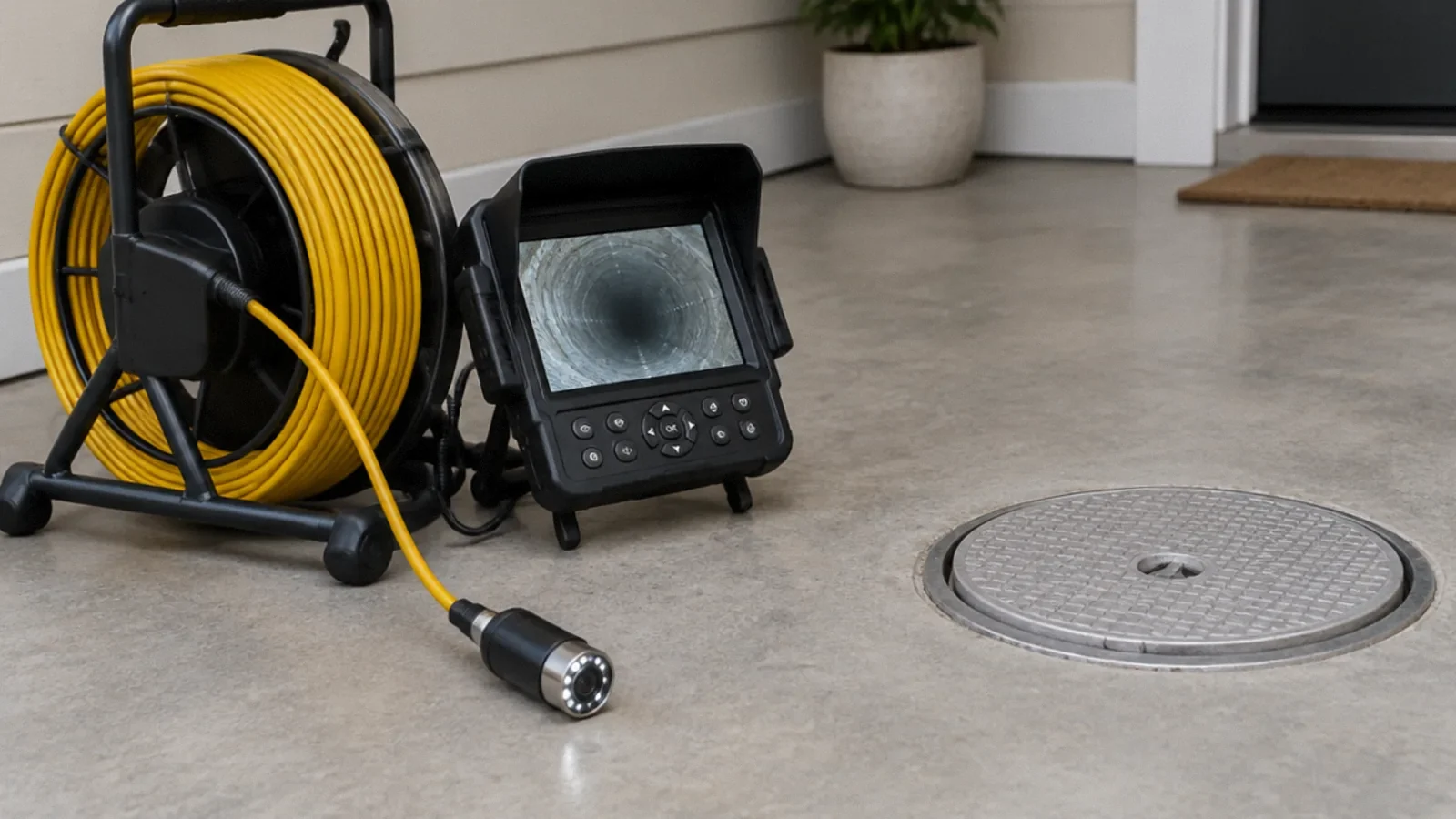
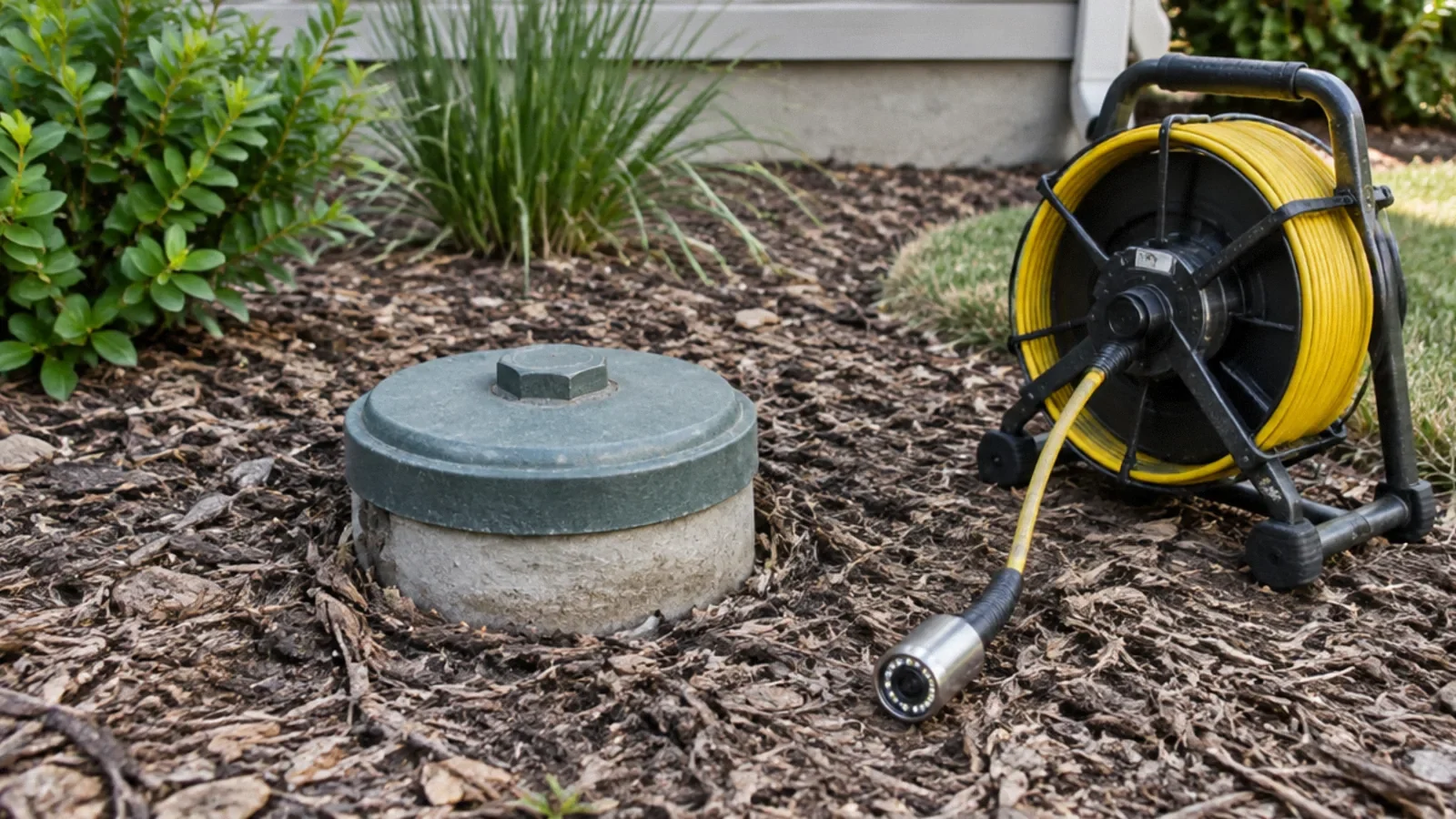
A camera may show accessible pipe interiors after enough water or debris is cleared. Ask for the recording, access point, direction, distance references and a written explanation of what is visible. Water, debris or a blockage can hide sections beyond the camera’s view.
If repair is proposed, request the evidence for the location and extent of the defect. Ask about alternatives and obtain an independent assessment for a major repair when circumstances allow. A video cannot prove that an unseen part of the line is sound.
Cleanup after a backup
Restoring flow and cleaning contaminated areas are separate tasks. Sewage can affect flooring, wall cavities and belongings even after standing water is removed. Experienced cleanup professionals can assess protection, material removal, cleaning and drying appropriate to the source.
Document damage only from a safe position and notify the insurer or property manager as appropriate. Keep invoices and reports. Do not use ordinary household electrical equipment in standing water or assume that a dry-looking surface is free of contamination.
Preventing a recurrence
Dispose of grease and unsuitable materials appropriately and follow the utility’s guidance on what can be flushed. Keep records of previous cleaning, camera footage and recurring symptoms. Root intrusion, pipe damage or a public system issue may need a different solution from repeated cleaning.
Ask how the proposed maintenance or repair addresses the observed cause and what remains uncertain. A clear line today is not a guarantee against every future blockage. Report a return of sewage promptly and stop using affected fixtures until the problem is assessed.
Where is the main drain in a house?
The main building drain collects wastewater from branch drains and carries it toward the building sewer or septic system. Its route and cleanout locations vary with the building, foundation and local construction. A basement, crawl space, exterior cleanout or plan may provide clues, but a visible pipe alone does not prove its route.
A plumber can locate and inspect the line using appropriate records and equipment. Do not open a cleanout when wastewater may be backed up, enter a confined space or excavate without locating utilities. Ask the utility which portion of a sewer line is publicly maintained and which is private.
Gray water or sewage backing up into a tub
Water rising in a bathtub after a sink, shower, washer or toilet drains can indicate a blockage in shared piping or the main line, but the source cannot be identified from its color. Wastewater can contain sewage even when it looks gray. Stop using connected fixtures and appliances, keep people and pets away, and contact a plumber or building manager.
Avoid touching the water and keep clear of wet electrical equipment. If the problem may involve the public sewer, contact the local utility as well. A professional can trace the blockage and assess the affected materials; do not pour chemicals into standing wastewater or try to clean a contaminated overflow as if it were clean tap water.
Distinguish a fixture, branch and main line
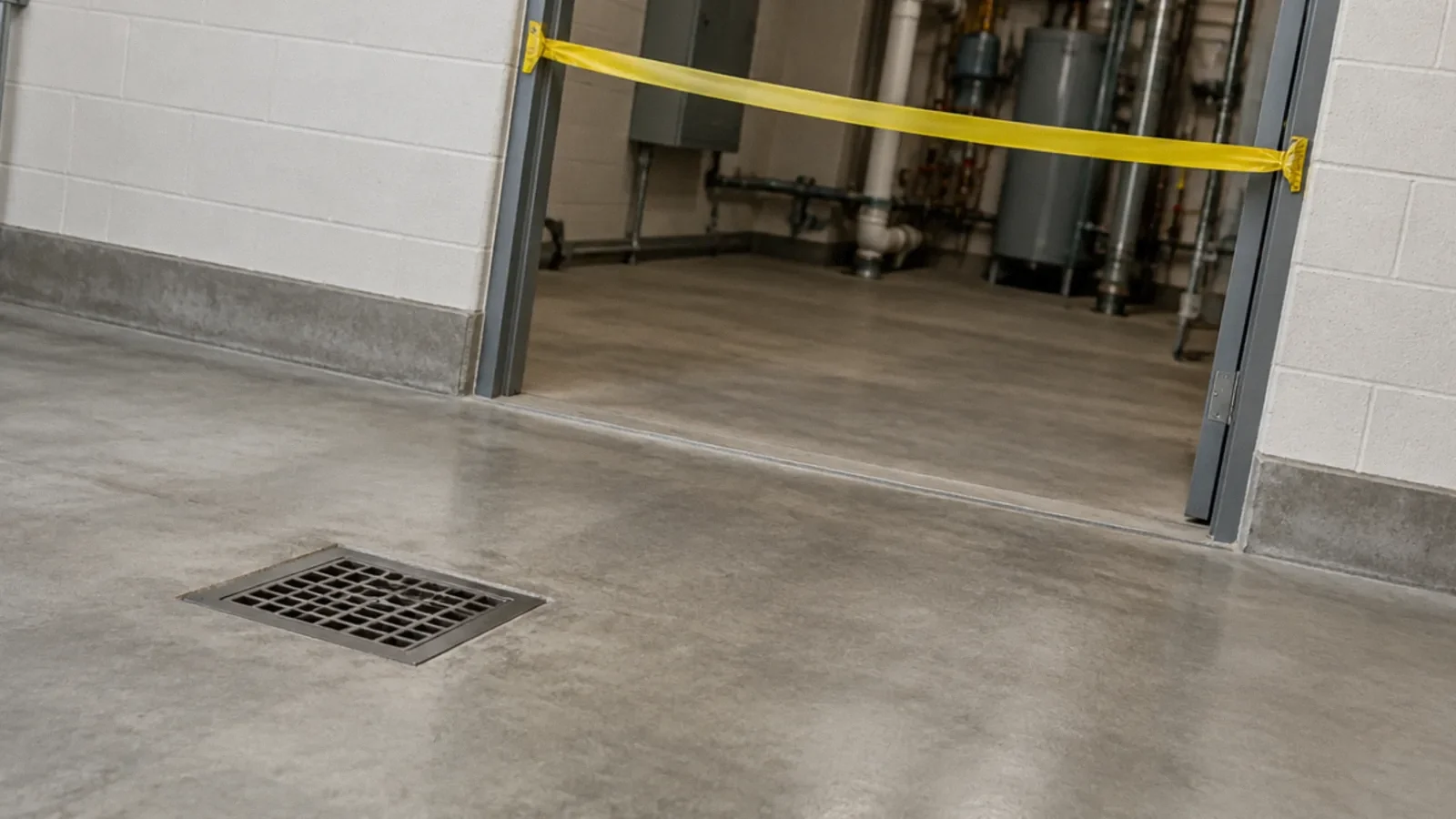
A shower draining slowly on its own may have a local blockage. If water rises in the shower when a toilet or washer elsewhere is used, a shared branch or main line is possible. A basement sink that only drains slowly suggests a local problem; water arriving there after another fixture runs suggests a shared downstream restriction. Water rising from a basement floor drain can reflect a private blockage, public sewer surcharge or another drainage problem; these patterns cannot establish the cause. Stop using plumbing and report the observations.
A sewer carries wastewater away; the water service pipe brings drinking water in. To understand the likely route, consult building plans and utility records, then note visible pipes and fixture locations from safe, accessible spaces. A cleanout is an access point, not the whole sewer route. Records can be incomplete and the actual route may differ. Do not open a backed-up cleanout or enter an access space.
Roots, grease or damaged pipe can restrict flow. A contractor may choose mechanical clearing or jetting based on pipe condition and access, then inspect by camera where feasible. Ask how the result will be verified and whether damage needs repair after clearing; root cutting alone does not close the entry point. See the separate guide to tree roots in sewer lines.
Sewage outside the house
Keep people and pets away from sewage appearing from a pipe in the yard. Stop using plumbing, report the location to the utility or property manager, and arrange a plumber to determine whether the private line or public system is involved. Do not open the pipe or handle the wastewater; responsibility and cause depend on local conditions.
Your next-step checklist
- Stop using affected fixtures.
- Keep people and pets away from sewage.
- Contact the plumber, utility or property manager.
- Tell the contractor about chemicals already used.
- Keep footage, reports and cleanup records.
Related questions
How do I know if a sewer line is clogged?
Several slow fixtures, gurgling or wastewater backing up can be clues, but a plumber or utility must determine the location and cause.
Can I open a sewer cleanout myself?
Do not open a backed-up cleanout. Wastewater and gases can escape; contact a qualified plumber.
Does a clogged line always need replacement?
No. Cleaning may address some obstructions; a damaged pipe requires its own assessment and repair decision.
Can I pour drain cleaner into sewage?
Avoid adding chemicals to a backed-up line. Tell the plumber about any product already used because corrosive residue can splash.
Can I clear a main sewer line clog myself?
Stop using affected fixtures and avoid opening a backed-up cleanout or adding chemicals. A qualified plumber can locate and clear the obstruction safely.
How is a main sewer line cleaned?
A qualified plumber selects access and a mechanical or other method based on the blockage and condition of the pipe. Do not open a backed-up cleanout or add chemical drain cleaner to sewage.
Can tree roots block a sewer line?
Roots can enter vulnerable joints or damaged sections and contribute to blockage. A qualified inspection can identify visible conditions and help compare clearing, repair or replacement; removing roots alone does not necessarily correct a damaged pipe.
What if sewage is coming from a pipe in the yard?
Keep people and pets away, avoid contact and reduce water use. Contact the local sewer utility and a qualified plumber or septic professional as appropriate; do not open the pipe or assume who owns it before the source is identified.
Sources & context
Public guidance supports the principles in this article. The practical questions and examples are editorial interpretation, not a site assessment or a coverage decision. State-specific rules apply only where identified.
- Seattle Public Utilities: Side sewer repair methodsmunicipal guidance
- Poison Control: Drain cleaner hazardspoison safety guidance
- CDC NIOSH: Hydrogen sulfidefederal health guidance
- EPA: Caring for a septic systemfederal wastewater guidance