Roots can enter a sewer lateral through a defective joint or damaged pipe and grow into an obstruction. Several slow fixtures or a backup warrant a plumber’s assessment, but do not prove roots are responsible. Stop using plumbing during a backup, avoid sewage and request a camera inspection when the line is visible. Clearing roots restores flow; repairing the entry point is a separate decision.
How roots get into a sewer lateral
A sewer lateral carries wastewater from a building toward a public sewer or another wastewater system. Roots seek moisture and can enter through a separated joint, crack or other opening. Once inside, they may trap debris and grow into a restriction. Older clay and concrete lines with joints that are not watertight can be vulnerable, but neither the age of a home nor the presence of a nearby tree proves intrusion.
The important distinction is between removing the material inside the pipe and addressing the opening that allowed entry. Cutting roots may restore flow for a time without making the joint watertight. A repair decision depends on the pipe’s actual condition, not just the presence of roots in a single image.
Clues and what to do during a backup
Slow drains in several fixtures, gurgling or wastewater rising in a low shower or floor drain can suggest a shared blockage. Grease, a displaced pipe, an object, a public sewer problem or a septic issue can produce similar symptoms. A single slow sink may have a local blockage instead. Record which fixtures are affected and whether the issue recurs; do not run repeated tests that add more wastewater.
If sewage backs up, stop using toilets, sinks, showers and appliances connected to the line. Keep people and pets away and contact a qualified plumber or property manager. Call the wastewater utility when a public-system problem is possible. Avoid opening a backed-up cleanout: wastewater can escape. Do not add chemical drain cleaner, and tell the contractor if a product has already been used. Stay out of standing water near electrical equipment.
What a camera can and cannot show
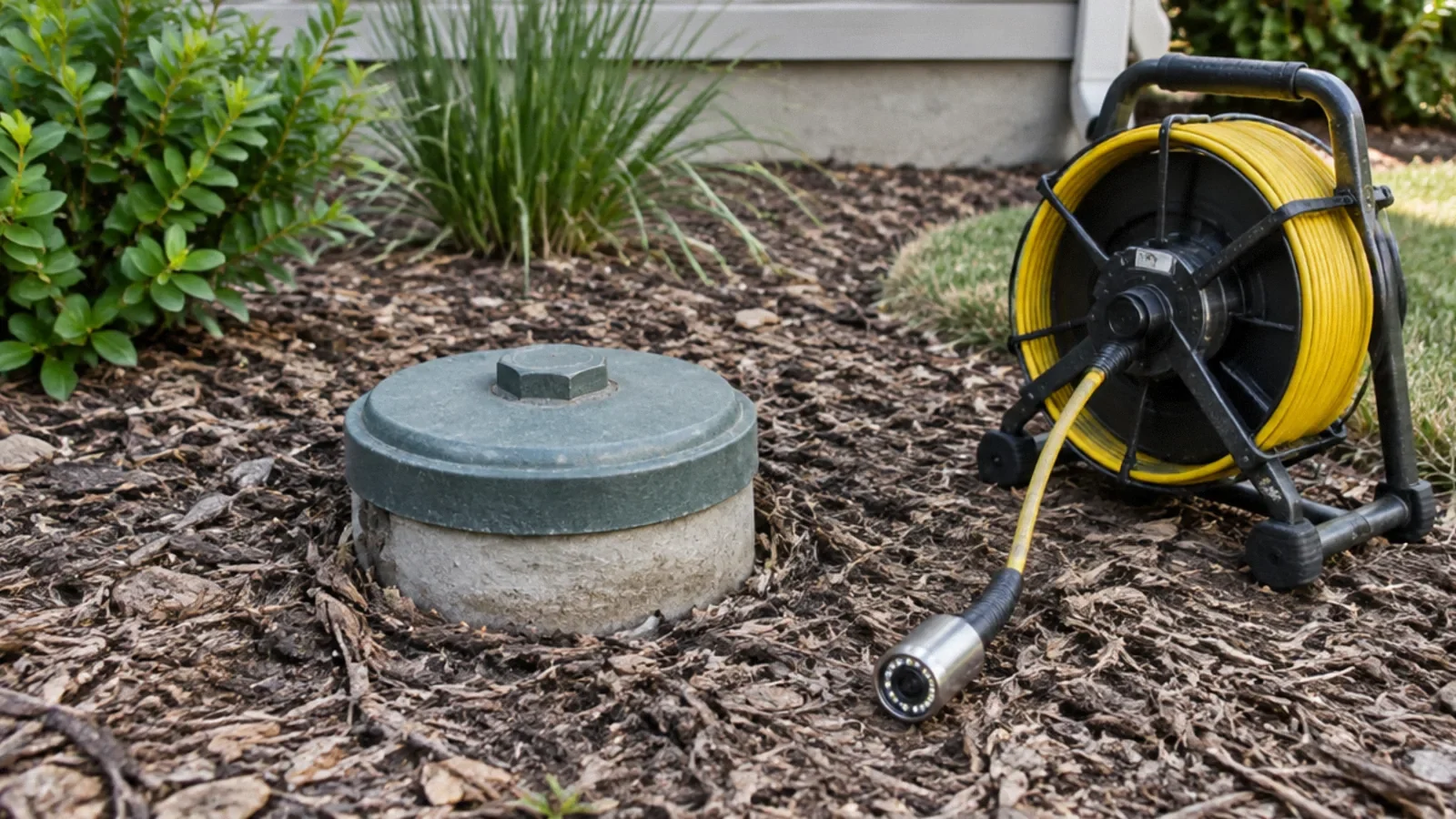
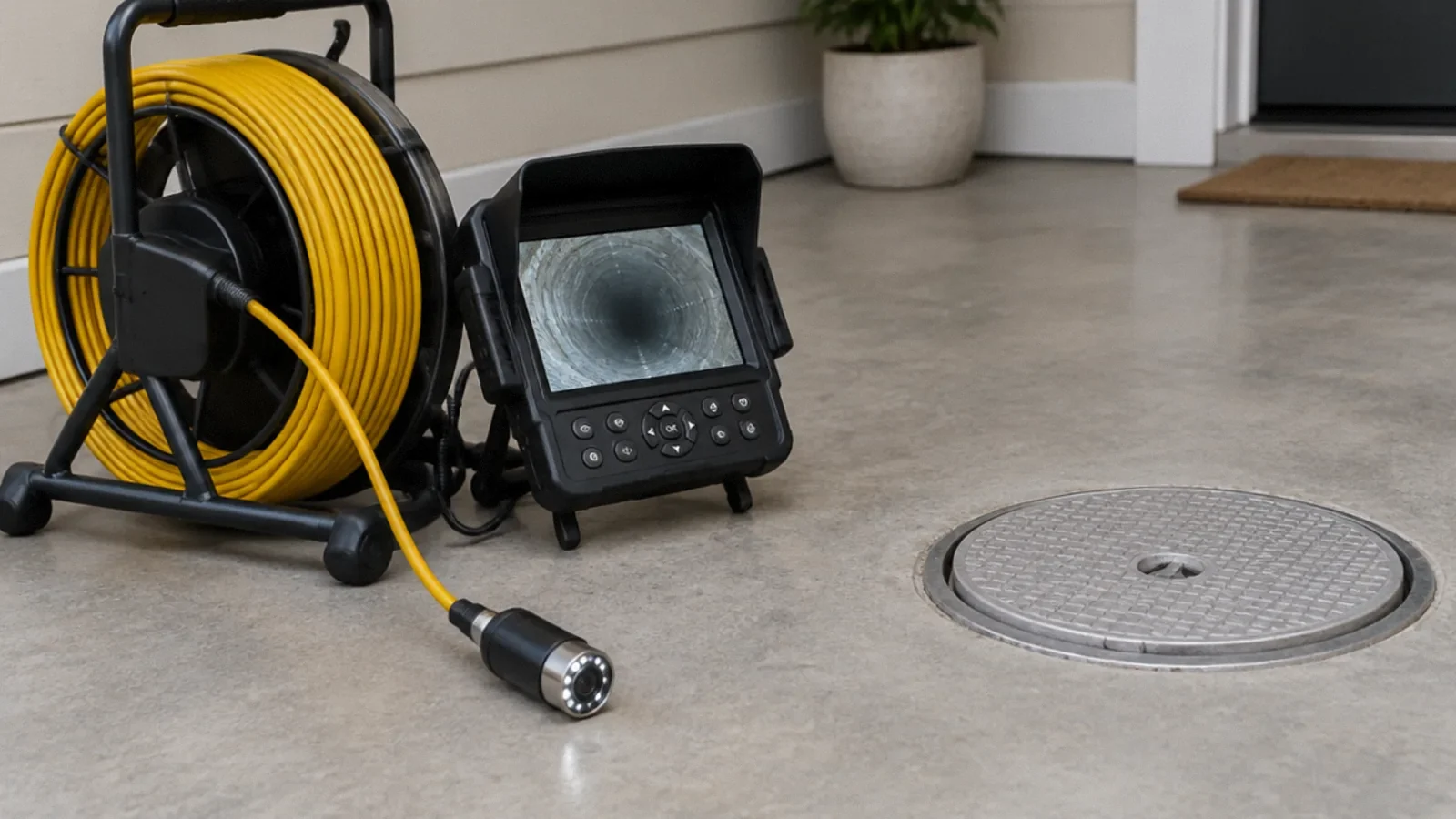
A contractor can inspect the accessible lateral with a sewer camera and locate visible roots, joints and other defects. Ask for the recording, the entry point and direction of travel, approximate distances, and a written explanation of what can be seen. The location of the camera and its distance counter are useful clues; a contractor may need additional locating equipment before determining the repair location.
A camera cannot reliably inspect beyond an obstruction or see clearly through standing water. Initial clearing may be necessary before a fuller inspection. Ask for another look after cleaning and note any section that remains hidden. A video showing roots is evidence of a condition at a particular location, not proof that every remaining section is healthy or that all pipe needs replacing.
Clearing roots versus repairing the pipe
A plumber may select a mechanical root-cutting tool or another suitable cleaning method based on access, pipe material and condition. Ask how the method handles a fragile or displaced section and whether a camera inspection will follow. Cleaning removes a restriction; it does not reconnect a separated joint or replace a collapsed pipe. Chemical root treatments are not a substitute for assessing damage. Ask the utility and a qualified professional about local rules and product suitability rather than adding chemicals to a backed-up line.
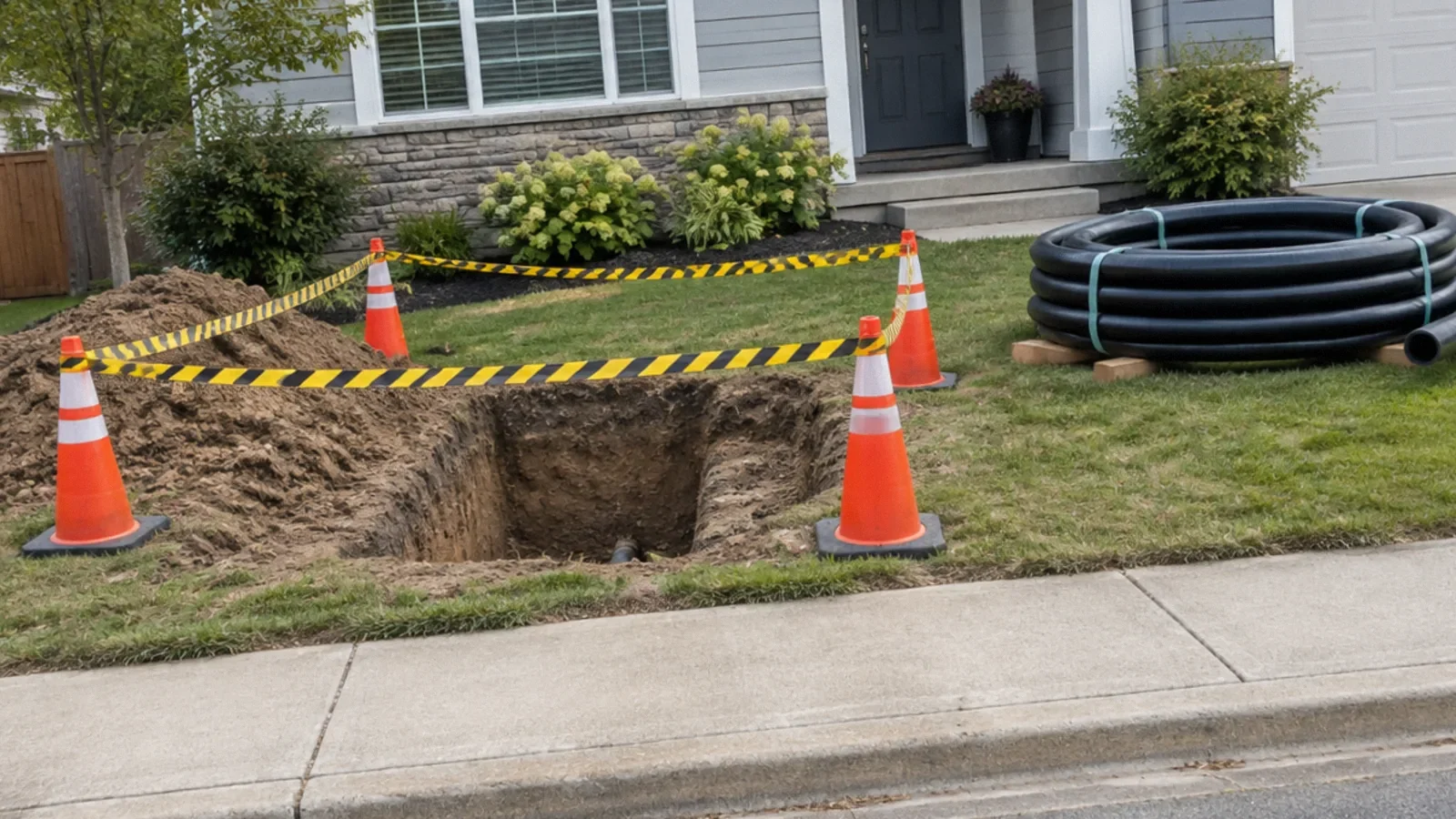
If inspection identifies a localized defect, a point repair may be possible. Lining can be an option for some suitable pipes, while replacement or excavation may be required for others. The decision depends on alignment, extent of damage, access, connections and local requirements. Lining still requires preparation and may need access excavations; it is not appropriate for every collapsed or severely displaced pipe. Ask the contractor to show the defect, identify the proposed repair length and explain alternatives.
Regrowth, trees and future maintenance
Roots may return if an entry point remains open, so discuss a maintenance and reinspection schedule based on the observed condition and local utility guidance. Seattle’s guidance distinguishes minor from severe intrusions and recommends different intervals; that is an example, not a universal schedule. Keep the footage and dates of cleaning so changes can be compared.
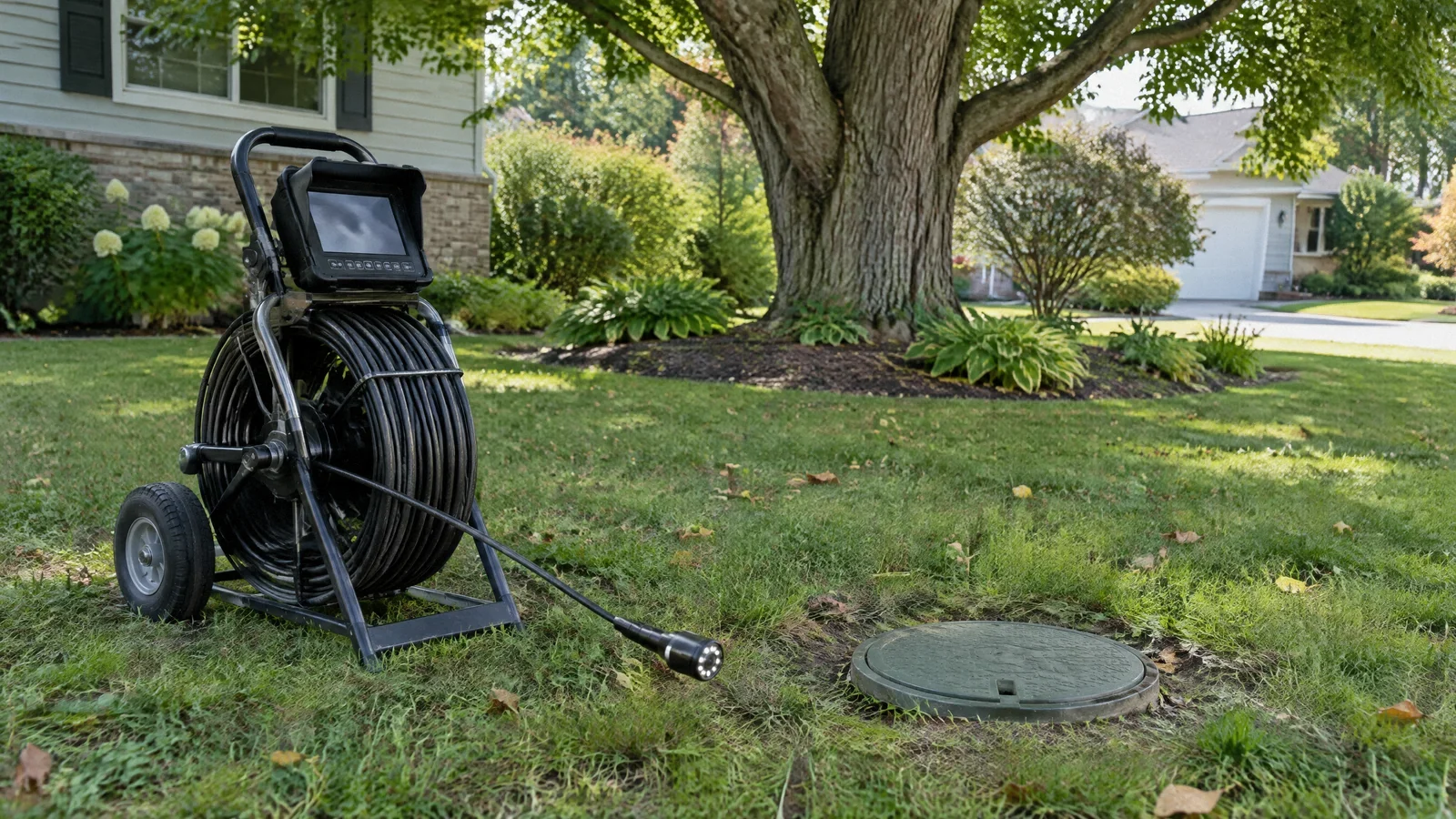
Removing a nearby tree is not automatically a cure. Roots may reach a line from farther away, and the defective opening may remain. Consult an arborist and local tree authority before changing or removing a tree, especially one in a public right-of-way. For new landscaping, first determine the approximate lateral route and discuss species and placement with a knowledgeable local professional. Do not dig before underground utilities are located.
Compare proposals and responsibility
Responsibility for a lateral and its connection varies by utility and location. Contact the local sewer authority before assuming that an obstruction, tree or connection is publicly maintained. In a shared property, notify the manager and ask who coordinates the inspection. If sewage has entered the home, flow restoration and cleanup are separate tasks; contaminated materials may need professional assessment and drying.
Request an itemized proposal identifying cleaning, camera footage, repair length, access, permits, inspections and surface restoration. Ask what happens if the pipe cannot be cleared or an unseen defect is found. Compare the same scope across estimates and seek another assessment when a major replacement is proposed and conditions allow. Retain reports, images and invoices; no method guarantees that every future blockage will be prevented.
Your next-step checklist
- Stop using affected plumbing if wastewater backs up.
- Keep people and pets away from sewage and do not open a backed-up cleanout.
- Request the inspection recording and identify sections that were not visible.
- Compare clearing and repair for the documented defect.
- Confirm local responsibility, permits and restoration in writing.
Related questions
Do roots always mean the entire sewer needs replacement?
No. The location, extent and condition of the line determine whether cleaning, a localized repair, lining or replacement is appropriate.
Will cutting the roots fix the opening?
No. Clearing can restore flow, but a damaged joint or pipe requires a separate assessment and may need repair.
Can a camera find roots behind a complete blockage?
Not until the camera can reach and see that section. Clearing or another access method may be needed first.
Sources & context
Public guidance supports the principles in this article. The practical questions and examples are editorial interpretation, not a site assessment or a coverage decision. State-specific rules apply only where identified.
- Seattle Public Utilities: Side sewer defects and issuesmunicipal guidance
- City of Riverside: Protect your sewer lateralmunicipal guidance
- Seattle Public Utilities: Side sewer repair methodsmunicipal guidance