Trenchless sewer methods repair or replace some buried pipes without excavating the entire route. Lining creates a new interior layer within an existing pipe, while pipe bursting breaks the old pipe and pulls a replacement through. Suitability depends on the pipe, access, connections and local requirements; small excavations may still be needed.
A cracked or leaking sewer line
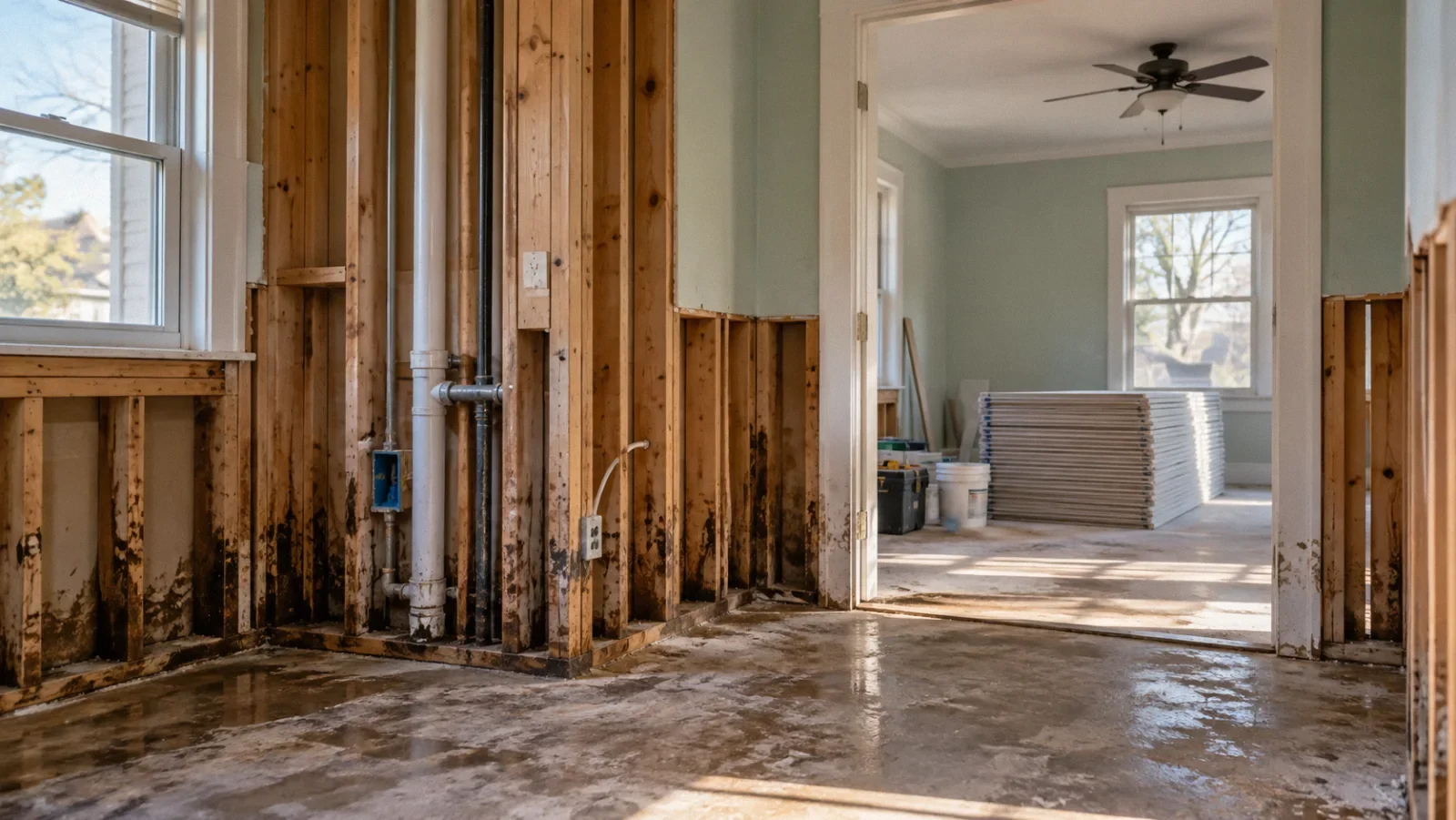
Repeated backups, slow fixtures, a persistent sewer odor or a wet area can indicate a sewer problem, but each has other possible causes. Stop using affected plumbing if sewage backs up, keep people away and arrange an assessment. Do not open a full cleanout or enter standing water near electrical equipment.
A plumber can identify the pipe and use an inspection appropriate to its condition. A localized crack may be repairable in a section; more extensive damage may call for lining or replacement. The method depends on the evidence, alignment, access, local requirements and condition of the rest of the line.
What trenchless means
Traditional open-trench replacement exposes much of the pipe route. Trenchless methods instead use an existing pipe, access openings or smaller excavations to install a liner or replacement. EPA describes several approaches, including cured-in-place lining, sliplining and pipe bursting. The label covers different processes rather than one universal repair.
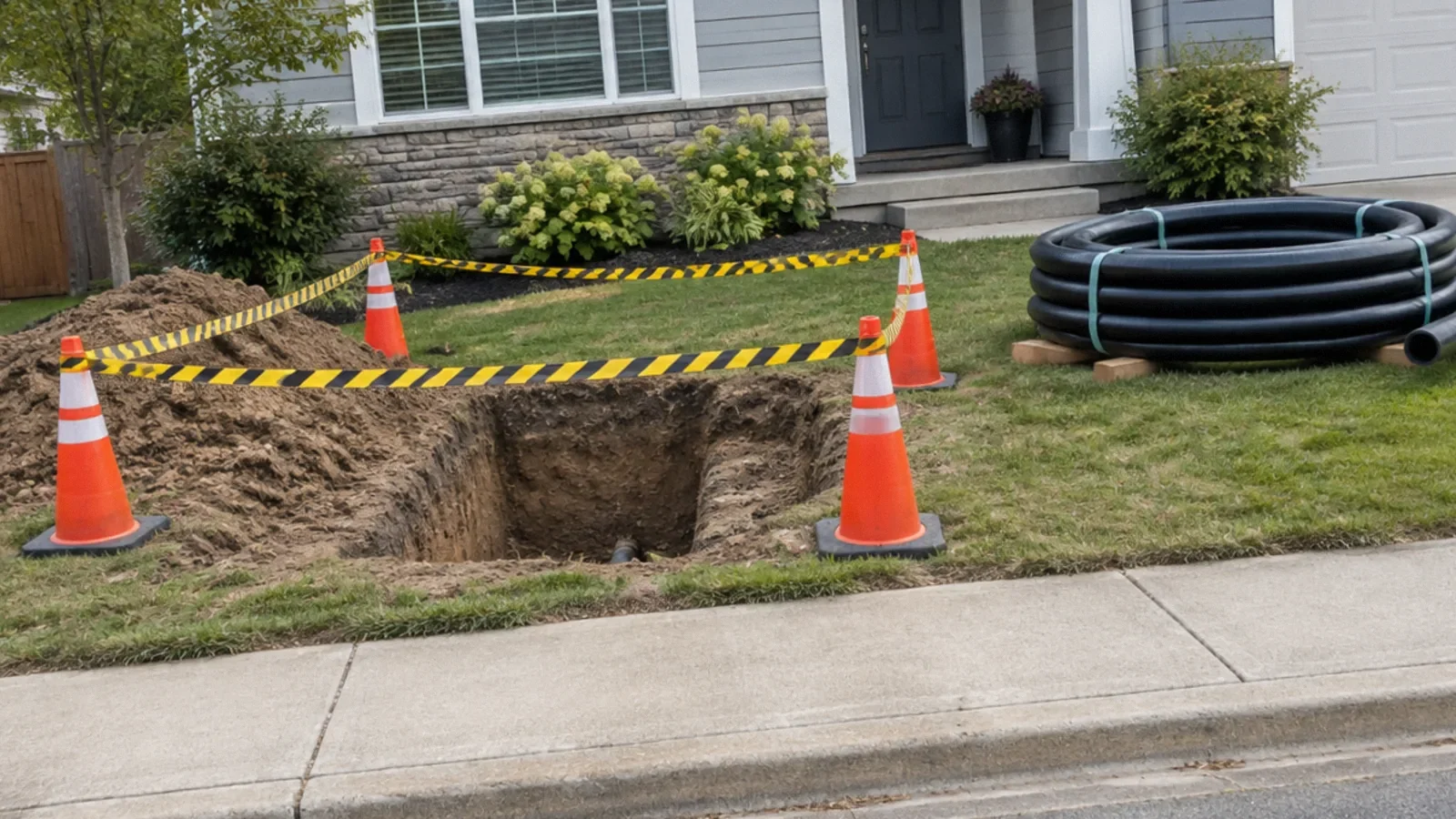
Trenchless does not mean no digging in every project. Access pits, a cleanout, a connection repair or restoration of a damaged section may still be required. Ask the contractor to mark the expected access locations and explain what parts of the yard, pavement or building will be disturbed.
Start with the pipe condition
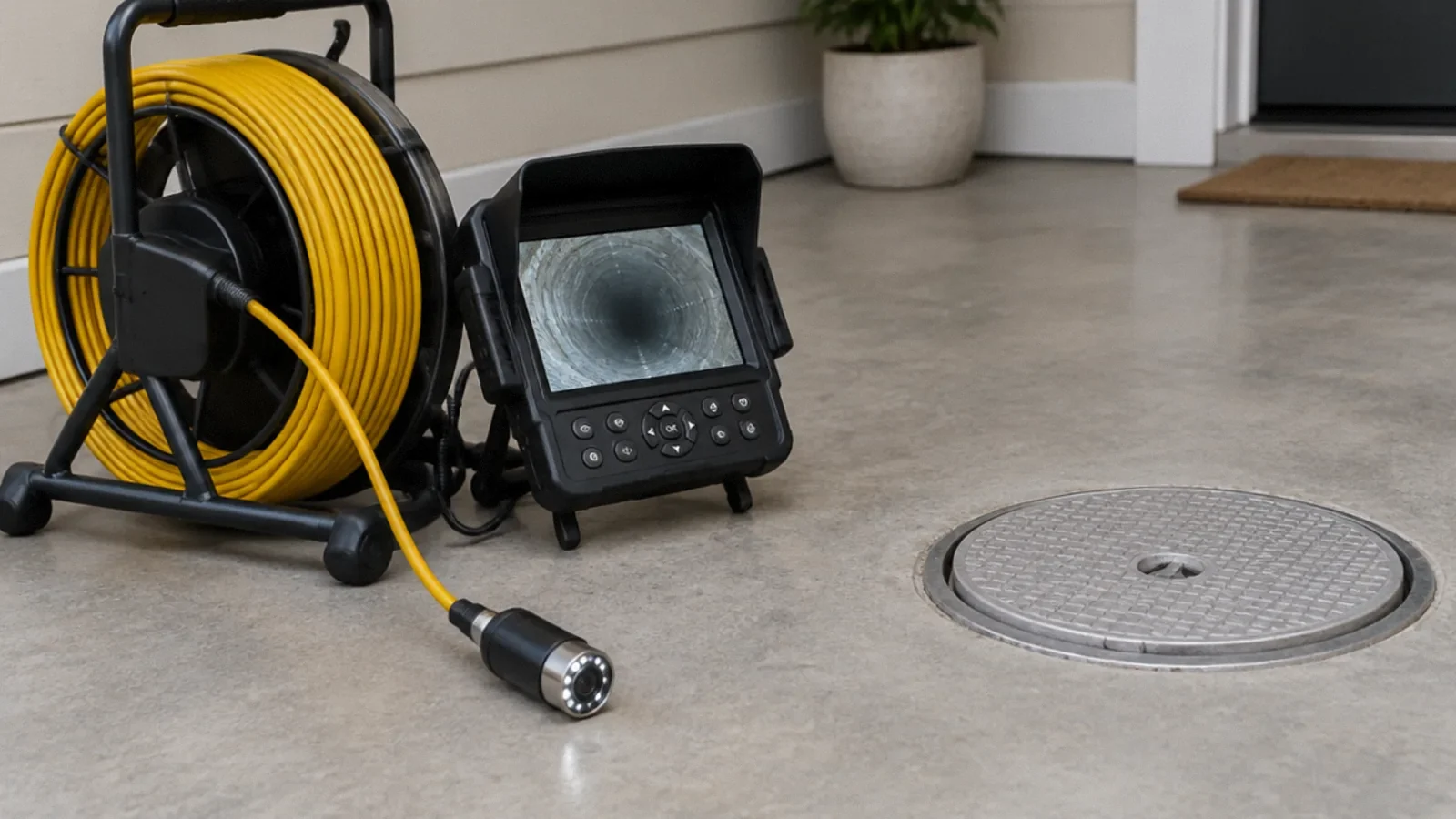
A sewer camera inspection can help document roots, deposits, cracks, displaced joints and other visible conditions in accessible sections. A blocked or submerged pipe can limit what the camera sees. Cleaning or additional access may be needed before a contractor can evaluate the full proposed repair length.
Request the continuous video, inspection route and written findings. Ask which defects are visible, where they are located and which sections could not be inspected. A recording does not establish the condition of the soil outside the pipe or guarantee that no concealed problem exists.
How sewer pipe lining works
A lining method places a new layer inside the existing pipe. With cured-in-place pipe, a prepared liner is installed and cured to form a pipe-like interior. Other lining techniques use different materials and installation processes. The existing pipe generally serves as a host, and its geometry, connections and condition affect suitability.
Ask how bends, branch connections, access and the final internal diameter will be handled. Some projects require reinstating branch connections after lining. A liner may not be appropriate for every collapsed, severely displaced or inaccessible section; a localized excavation or another method may be needed.
How pipe bursting differs
Pipe bursting pulls an expansion head through an existing pipe, breaking it outward while drawing a new pipe into the space. EPA’s fact sheet describes the process as a replacement technique. It differs from lining because the new pipe is pulled through as the old pipe is displaced.
The method needs suitable access and an assessment of nearby utilities, pipe material, route, ground conditions and connections. Ask where insertion and receiving pits will be located and how laterals or branch connections will be reconnected. The presence of equipment does not by itself establish that bursting is suitable.
Compare lining, bursting and excavation
The best option depends on the length and condition of pipe, its alignment, access, nearby structures and the desired result. Lining can reduce the interior diameter; pipe bursting changes the existing pipe; open excavation exposes the route and may be necessary in some conditions. Each approach has different restoration and disruption implications.
Ask for alternatives that are feasible for the specific defect, not just the technology the contractor owns. The written proposal should identify what is included, what limitations remain and how the contractor will handle unexpected conditions. Do not compare prices until the scopes cover similar work.
Permits, connections and wastewater flow
Requirements for permits, inspections and work at the public connection vary by jurisdiction. Contact the local sewer authority or ask the contractor to identify the applicable requirements. Confirm who is responsible for the private lateral, public connection and any required inspection before work begins.
During work the household may need to stop using fixtures or use an approved temporary bypass. Ask when water use must stop, how long the interruption is expected to last and what happens if conditions change. A safe plan must account for wastewater, access and occupants.
Questions about the written estimate
Request the footage, measured repair length, proposed method, access pits, cleaning, connection reinstatement, permits, final inspection and surface restoration. Clarify whether landscaping, concrete, pavement and disposal are included. Ask how a collapsed or unreachable segment will change the work and price.
For a liner, ask about the product, installation process, cure and post-installation inspection. For pipe bursting, ask how the new pipe and connections will be verified. Keep the proposal, before-and-after footage and any municipal approvals with the property records.
What happens after the work?
A post-work inspection can document the accessible repaired section and connections. Ask for the recording, any test results and a clear explanation of limitations. Confirm when normal water use may resume and who will restore disturbed surfaces. A warranty should state what is covered, its duration and required maintenance.
If backup or leakage continues, report the symptoms promptly and preserve the records. A successful repair of one segment does not automatically establish that every branch or public main is free of defects. The separate camera-inspection guide explains how to interpret the evidence.
A suspected broken sewer line
Stop using affected plumbing if sewage backs up; keep people and pets away and contact a plumber or sewer utility as appropriate. Slow drains, sewage at a low fixture or wet ground can signal several problems and do not prove a break. The professional can inspect the line, establish its location and condition, and explain whether a localized repair, lining or replacement is appropriate.
This guide concerns wastewater drains and underground sewer laterals; burst pipe can also mean a pressurized water line. An indoor fixture branch needs a plumber familiar with that pipe and its access. A sleeve can mean a short repair liner, while full-length cured-in-place lining covers a longer reach. Sliplining inserts a smaller pipe and may reduce capacity. Severe collapse, displacement, grade or inaccessible connections can rule out a proposed liner and require excavation or replacement.
Why lining is specialist work
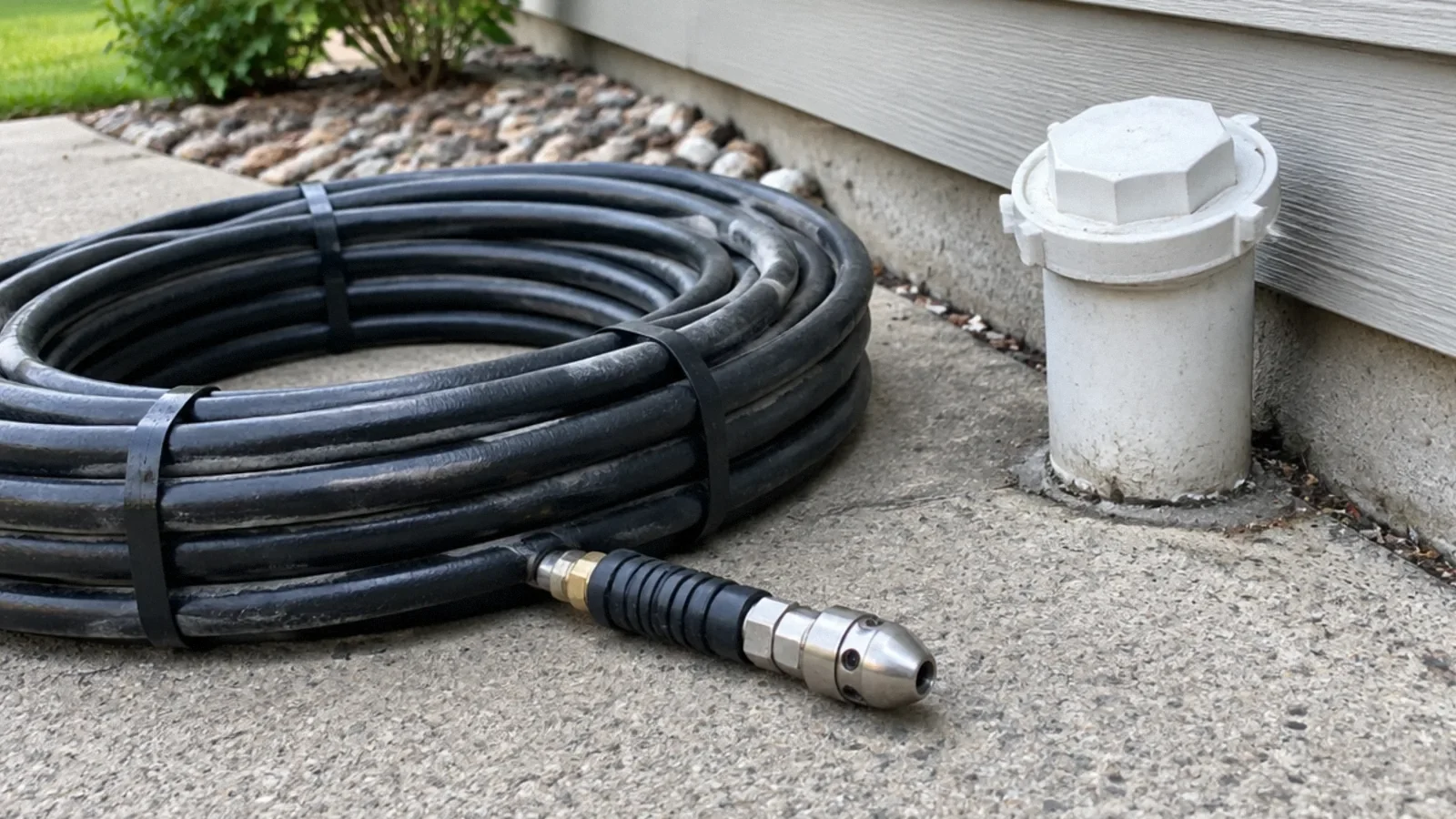
Lining requires inspection and cleaning, selecting compatible materials, controlled installation and curing, reopening branches and checking the result. Equipment, wastewater handling and curing make it unsuitable as a casual DIY repair. Ask for a pre- and post-work inspection, connection checks, permits and written limits before approving the method.
Your next-step checklist
- Obtain camera footage and identify inaccessible sections.
- Compare lining, bursting and excavation for the documented defect.
- Confirm access pits, connections, permits and restoration in writing.
- Ask about wastewater interruption and safety.
- Save final inspection footage and warranty documents.
Related questions
Is trenchless sewer repair completely no-dig?
Not always. Access pits, connection work or localized excavation may still be needed.
Is lining the same as pipe bursting?
No. Lining creates a new interior layer in the host pipe; bursting breaks the old pipe while pulling in a replacement.
Can every sewer pipe be lined?
No. Condition, alignment, access, connections and the proposed product affect suitability.
Does a camera show the whole sewer system?
Only the sections reached and visible. Water, debris or a blockage may obscure other areas.
What does a pipe bursting machine do?
Pipe bursting equipment pulls or pushes an expanding head through an old pipe to make room for a replacement. Its suitability depends on the route, pipe and site conditions.
What is pipe bursting for sewer replacement?
A replacement line is installed along a route as equipment breaks or expands the old pipe. Suitability depends on the pipe, access and site.
Does a cracked sewer pipe always need full replacement?
No. A localized repair may be possible if the remaining pipe and connections are suitable. Ask for the inspection findings and compare the options for the actual line.
What is a sewer liner?
A liner is a trenchless repair method that creates a new lining within an existing pipe. Suitability depends on the pipe condition, alignment, access and local requirements; a camera inspection alone may not answer every question.
Sources & context
Public guidance supports the principles in this article. The practical questions and examples are editorial interpretation, not a site assessment or a coverage decision. State-specific rules apply only where identified.
- US EPA: Pipe bursting fact sheetofficial technical guidance
- US EPA: Trenchless sewer rehabilitationofficial technical guidance
- Seattle Public Utilities: Side sewer repair methodsmunicipal guidance
- EPA: Cured in place pipe evaluationofficial guidance