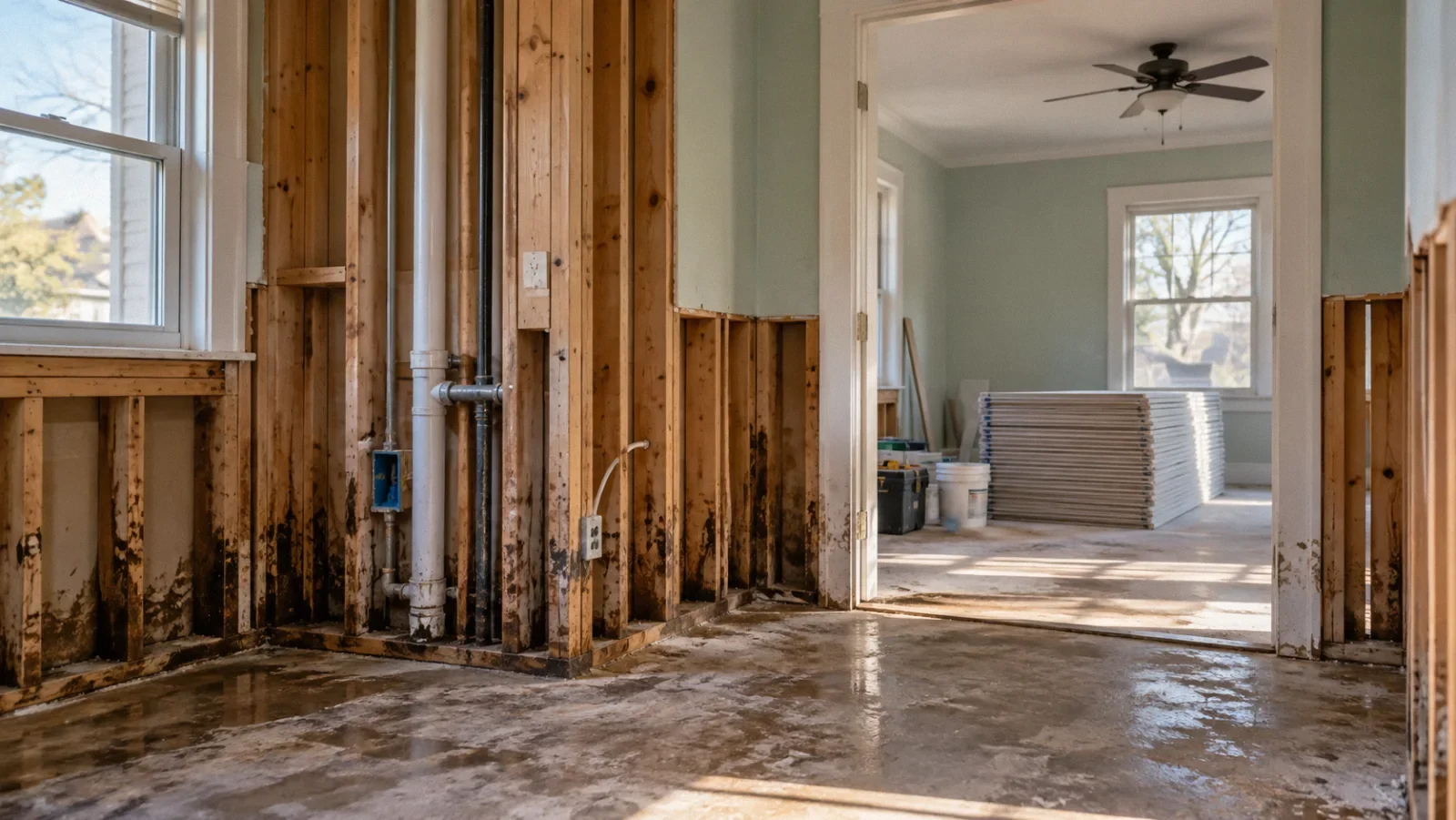
Send the complaint to the authority responsible for the issue: insurer handling, contractor conduct, housing conditions or mortgage servicing. A concise evidence packet is more useful than the same unfocused complaint everywhere.
Classify the problem before selecting the agency
An insurer refusing a claim, a contractor charging for unperformed work, a landlord failing to repair a leak and a lender holding proceeds are different disputes. More than one may exist at the same property, but each needs its own factual question and requested remedy. Start by identifying the party, conduct and outcome you want reviewed.
A complaint should distinguish a disagreement from an established violation. Say what occurred and attach the supporting records. Avoid treating an allegation found in an online discussion as proof that a business or insurer acted unlawfully in your case. The receiving authority needs your evidence and the rules within its jurisdiction.
Insurance handling belongs with insurance channels
The NAIC recommends first trying to resolve a problem with the insurer and then contacting the state insurance department for unresolved concerns. Its guidance includes delays, denials, policy handling and communication issues among common complaint subjects. Locate the official department for your state and follow its submission instructions.
Include the policy and claim numbers, decision letter, chronology and the specific action requested. If you disagree with a factual conclusion, identify the evidence the insurer has not addressed. A regulator may investigate compliance and obtain a response, but it does not guarantee the settlement you request or replace every legal dispute process.
Contractor issues may require several routes
A contractor licensing board can address matters within its authority, which vary by state and by licensed activity. A consumer protection office or attorney general may address deceptive business practices. The FTC recommends retaining communications and considering outside help when direct resolution fails. Neither a complaint nor a negative review necessarily cancels a contract or removes a lien.
Prepare the signed agreement, license information, invoices, payment records and photographs of incomplete or disputed work. State whether the problem is authorization, quality, nonperformance, billing or a combination. If a formal lien or court notice arrives, address that process separately with qualified local help rather than assuming the complaint pauses it.
Housing and mortgage issues need their own evidence
Tenants may have local housing or code-enforcement routes for unsafe conditions and unresolved repairs. State tenant guides, such as the New York Attorney General resource, can explain local rights, but remedies cannot be transferred across jurisdictions. Keep notices to the landlord, access history and the current condition record.
A mortgage servicing complaint should identify the loss-draft requirement or other servicing issue that is unresolved. An insurance regulator may not be the proper authority for a lender funding hold. Use the relevant financial consumer channel and include submission receipts, draw instructions and the exact condition the servicer says is missing.
Write a complaint that can be investigated
Use a short opening summary, then a dated chronology and numbered attachments. Explain what resolution you seek: a written coverage explanation, correction of an invoice, completion of specified work or review of a delayed decision. Keep the requested outcome within the recipient role.
The Reddit sample contains frustrated owners asking whether to contact every possible agency after mitigation disputes. A targeted approach avoids multiplying inconsistent accounts. If several complaints are necessary, use a shared factual chronology but tailor the question and attachments. Preserve originals and submission confirmations, and calendar any independent contractual or legal deadlines.
- Insurer packet: policy, claim number, decision, correspondence and evidence addressing the disputed conclusion.
- Contractor packet: contract, scope, changes, invoices, payments, qualifications and condition photographs.
- Housing packet: repair notices, access records, current conditions and relevant lease information.
- Servicer packet: loss-draft instructions, submitted documents, receipt dates and the unresolved release requirement.
A complaint opening that keeps the request concrete
For an insurer issue, an opening can identify the claim, the decision or unanswered submission and the requested review. For a contractor issue, it can identify the agreement, disputed work or invoice and the correction sought. Avoid beginning with a conclusion that every participant committed fraud when the evidence currently shows a disagreement or missing response. Precise allegations are easier to investigate and easier to correct if new information appears.
Attach a numbered chronology with references such as photograph three or invoice version two. Explain any apparent inconsistency yourself, including why two estimates differ or why an earlier message described the source differently before inspection. The authority should not have to discover those differences without context. Keep irrelevant medical, banking or third-party personal information out of the packet unless the recipient specifically needs it.
After submission, note the reference number, expected process and any additional information requested. If the agency says the issue is outside its jurisdiction, ask which route is appropriate and retain the response. Do not keep resubmitting the same packet to the wrong office as a substitute for addressing a court notice or contractual deadline. A complaint is one tool for resolving the problem; its usefulness depends on matching the authority and the requested action.
Your next-step checklist
- Identify the exact conduct and requested remedy before choosing a channel.
- Use official regulator or agency websites and submission methods.
- Send a concise chronology with clearly labeled supporting documents.
- Keep complaint confirmations and responses in the project file.
- Handle liens, lawsuits and policy deadlines independently of the complaint process.
Related questions
Should I submit the same complaint to every agency?
Usually a tailored complaint is more useful. Different authorities have different powers. Use consistent facts, but explain the issue each recipient can actually review and include the relevant evidence.
Will an agency recover my money?
Possible outcomes depend on its authority and the facts. Some agencies investigate or facilitate a response without adjudicating a private debt. Ask what the process can do and whether another legal route is needed.
Sources & context
Public guidance supports the principles in this article. The practical questions and examples are editorial interpretation, not a site assessment or a coverage decision. State-specific rules apply only where identified.
- NAIC: How To File a Complaintofficial
- FTC: How To Avoid a Home Improvement Scamofficial
- New York Attorney General: Residential Tenants’ Rights Guideofficial
Community questions behind this topic
These discussions helped identify reader concerns. They are anecdotal, not technical or legal authority.