As of October 2026, Angi reports a national average of $2,369 and a typical range of $1,223–$3,758 for mold remediation in its dataset of 7,940 verified projects. These figures are national marketplace benchmarks, not a Bay Area estimate. The actual price depends on the affected materials, access, moisture repair, containment and reconstruction.
Understand the national numbers
Angi’s guide, updated October 29, 2026, reports a $2,369 national average and a $1,223–$3,758 typical range using 7,940 verified projects from its professionals. Those projects are a marketplace sample, not a complete record of all U.S. work. The guide’s figures do not establish the price for a particular home.
Local labor, access, the affected area and the scope can change the total substantially. In the Bay Area, obtain current written estimates for the property and ask what each price includes. A national average is a starting point for questions, not a substitute for inspection.
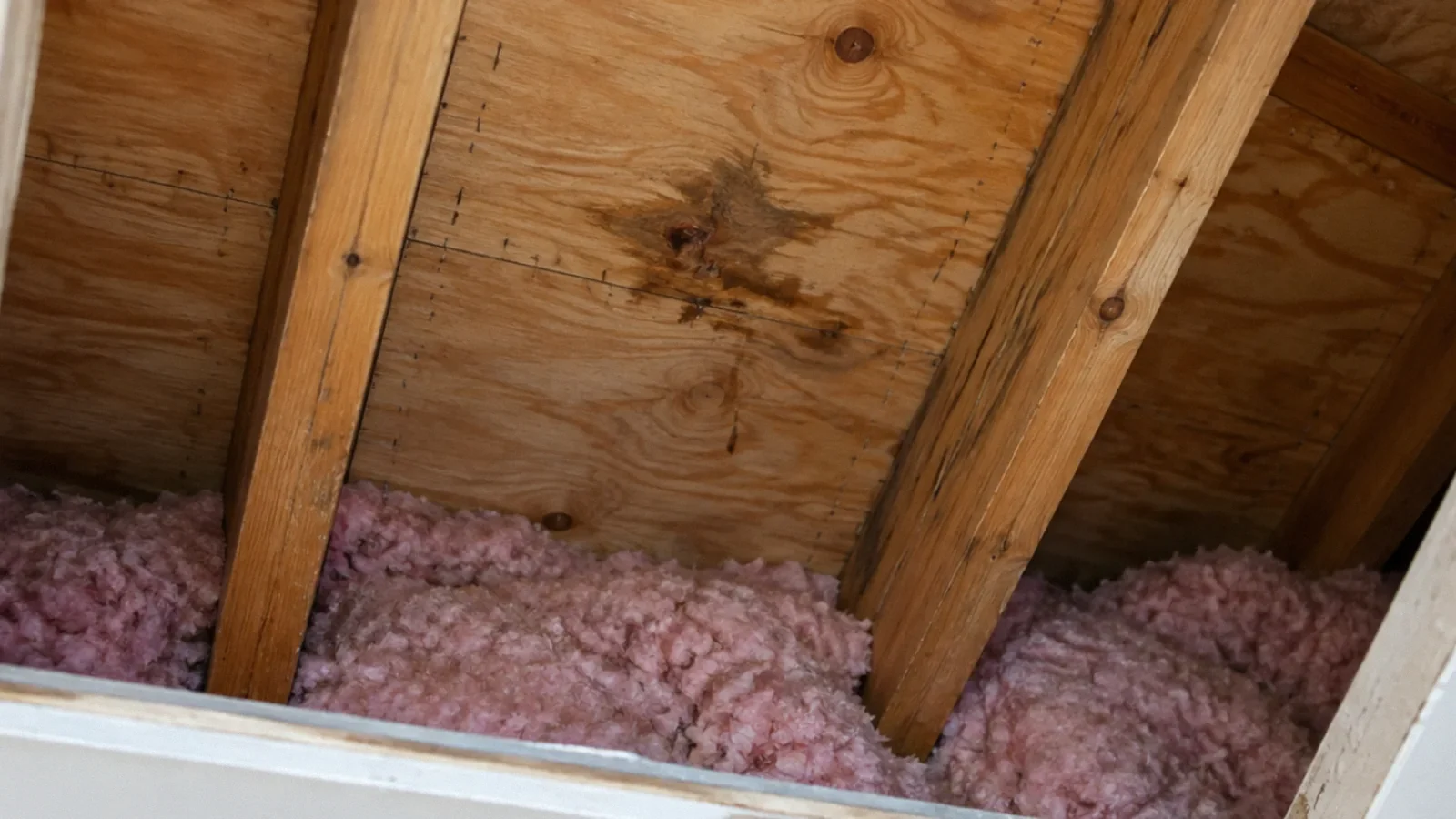
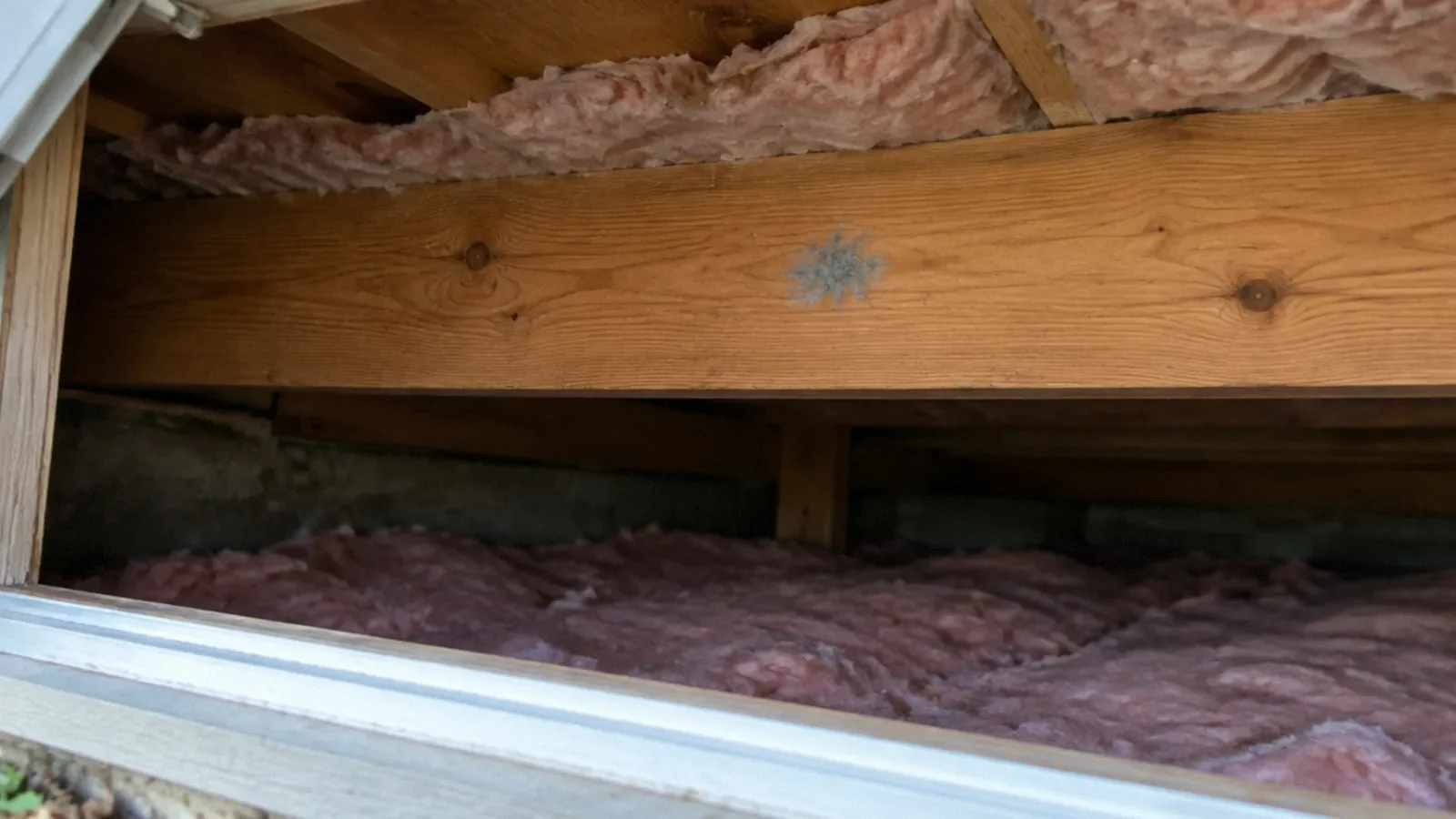
Attic and crawl space examples
The same Angi guide lists national illustrative ranges of $1,000–$4,000 for attic remediation and $500–$2,000 for crawl space remediation. These examples describe different projects and are not guaranteed limits. A confined area, hidden growth, roof repair, structural work or extensive insulation replacement can change the cost.
Ask whether the price includes safe access, containment, removal and disposal, drying, repairs to the moisture source and reconstruction. A low quote that treats only visible surfaces may not address a leak above the attic or damp soil below a crawl space.
Basement mold cost example
Angi’s October 2026 national guide lists $500–$3,000 as an illustrative basement remediation range. It is a marketplace estimate, not a local quote or a limit on the cost of hidden damage. A finished wall, contaminated floodwater, difficult access or a drainage problem can alter the scope.
Ask whether the proposal includes inspecting behind finishes, removing affected material, drying, correcting the moisture source and rebuilding. Basement waterproofing or plumbing repair may require separate specialists and separate prices.
What drives the total
The affected materials and accessible area influence labor and disposal. Drywall, insulation, wood, contents and HVAC components may need different methods. A wall with concealed damage is not equivalent to a small area on a suitable hard surface, even if the visible marks look similar.
Contamination from sewage or floodwater, difficult access, structural concerns and the need to protect occupied rooms can add complexity. A contractor should identify what was observed and what remains uncertain rather than give a fixed whole-house price without a defined scope.
Finding and repairing moisture
Mold remediation should address the water or moisture problem that allowed growth. A plumbing repair, roof repair, drainage correction or ventilation work may be performed by a different professional and may not be included in the remediation estimate. Ask for those exclusions in writing.
Drying and verification also affect the sequence. Rebuilding over wet materials can conceal an unresolved problem. Request an explanation of what will be assessed, how the affected assembly will be dried and which areas cannot be inspected without additional access.
Is testing always an extra requirement?
EPA says sampling is unnecessary in most cases when visible mold is present. Testing may be useful for a specific question, but a contractor should explain what the proposed sample will answer and how the result will change a decision. A test is not a substitute for finding a leak.
If inspection, sampling, laboratory analysis or post-work verification is offered, request separate prices and the identity of the person performing each service. Ask about independence and potential conflicts of interest. A result cannot automatically establish that every concealed area is clear.
Compare written scopes
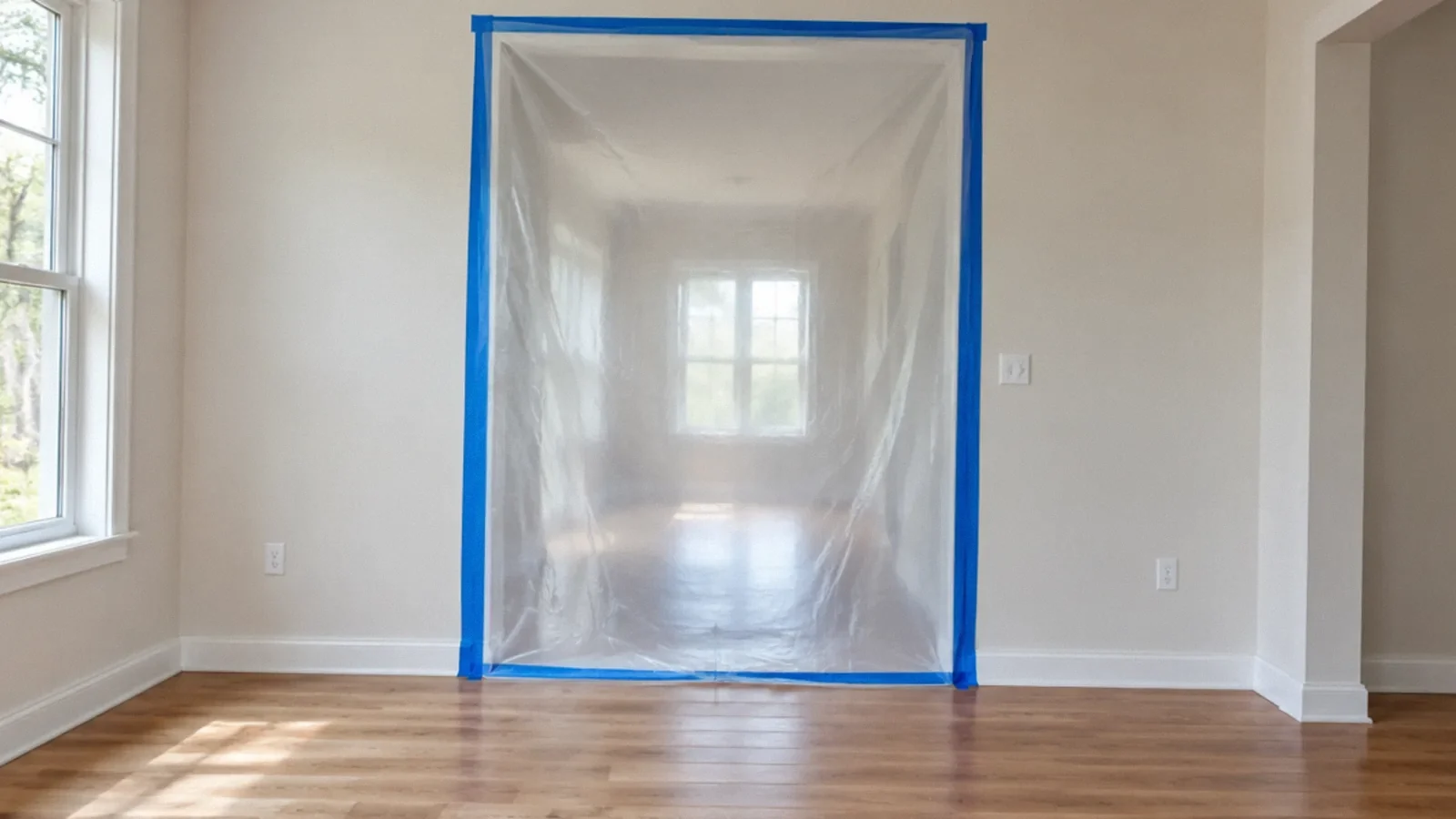
A useful estimate identifies the affected rooms and materials, protection and containment, cleaning or removal, disposal, drying, source repair and reconstruction. Ask whether a permit, specialist, access opening or temporary accommodation is included when relevant to the project.
Compare the same work across proposals, including taxes, disposal, payment schedule and how unexpected findings are approved. A lower total may cover a narrower scope; a higher total is not automatically more complete. Ask each contractor to explain the evidence for the proposed work.
Insurance and payment
Coverage depends on the policy, cause of water damage, exclusions and applicable terms. Contact the insurer promptly if a claim may apply, document conditions when safe and ask how emergency work and estimates should be submitted. Do not assume a national price guide determines what an insurer will pay.
Keep photographs, reports, communications, invoices and receipts. If you rent, notify the property manager about the moisture and damage. Local rules and responsibilities differ; a written record helps explain the timeline without deciding coverage or liability in advance.
Warning signs in a proposal
Be cautious of a promise to eliminate every mold spore, a diagnosis based only on color, a demand for unnecessary treatment without explaining the moisture source, or a refusal to provide a written scope. EPA notes that a background level of spores is normal and that control depends on moisture and cleanup.
Ask about experience, appropriate credentials, insurance and references. Keep people away from unsafe areas and avoid entering standing water near electrical equipment. A responsible cost discussion begins with safety and a defined problem, not a guaranteed price for unseen damage.
Mold remediation cost per square foot
Angi’s national guide updated October 29, 2026 reports a commonly quoted $10–$25 per square foot and gives a 100-square-foot example of $1,000–$2,500. These are national marketplace estimates, not Bay Area quotes or guaranteed prices. Different sources and scopes may yield different figures.
A per-area figure may omit a minimum charge, containment, difficult access, repairs to the moisture source or reconstruction. Ask each contractor to define the measured area and included work in writing. A small visible patch does not establish the full affected area behind a finish.
Roof and attic mold: what changes the cost
An estimate for suspected mold on roof sheathing or in an attic should distinguish inspection and cleanup from roof leak repair, ventilation work and any replacement of damaged material. Access, containment, the size and condition of the area, and whether insulation is affected can materially change the scope.
A roof surface, attic framing and the ceiling below may involve different contractors. Ask for itemized local quotes, identify who will correct the moisture source, and confirm how the work will be checked before covering affected surfaces. A national average cannot determine the price of a particular roof or attic.
Bathroom, drywall and ceiling mold costs
A bathroom or ceiling estimate should identify the moisture source and whether the affected surface is tile, paint, drywall, insulation or another material. A small accessible hard surface and a wet cavity above a ceiling can require very different work. Drywall removal and replacement may be separate from cleaning.
Ask whether containment, drying, plumbing or roof repairs, disposal and painting are included. Testing is a separate decision, not automatically necessary for every visible problem. Get an itemized local quote; national averages cannot price a specific bathroom or ceiling.
Angi’s national October 29, 2026 guide lists $500–$1,000 for bathroom remediation and $300–$825 for drywall repair after mold damage. These marketplace estimates are separate work categories, not a combined local quote; their scope and actual conditions can vary.
HVAC and air duct mold removal costs
A quote for suspected mold in an HVAC system may include inspection, cleaning hard-surface components, replacement of contaminated porous duct liner, moisture-source repair and post-work checks. Duct access, system size and the materials affected can change the scope. Do not assume a routine duct-cleaning price includes remediation.
Angi’s July 9, 2026 air-duct mold guide cites a general national mold-remediation range of $1,125–$3,345; it is not a Bay Area price or a quote for a particular duct system. Ask for itemized local estimates and how the contractor will correct the moisture source. EPA advises not running a system suspected of mold contamination until assessed.
The same October 29, 2026 Angi national guide lists $600–$2,000 for air-duct mold remediation. Confirm exactly which components and contamination are included; a duct-only estimate does not price coil, cabinet, insulation or the whole HVAC system.
Who pays for mold remediation?
Responsibility can depend on the property, the source of moisture, a lease or contract, insurance terms and applicable law. A homeowner, landlord, tenant, association or insurer may have different roles; the existence of mold by itself does not establish who must pay.
Document the condition and request the relevant lease, policy and written scope. Notify the property manager or insurer promptly as appropriate. A local housing agency, insurance regulator or qualified lawyer can help with an individual dispute; do not delay urgent safety measures while responsibility is being reviewed.
Compare specialist scopes and financing
A bathroom or garage estimate depends on the wet materials, access and containment; a ceiling estimate may also include access and overhead protection. Drywall removal, disposal, drying and rebuilding or painting should be separate line items. Repairing a roof leak is a separate scope from indoor remediation, just as exterior roof cleaning differs from treating affected interior sheathing.
For HVAC, ask whether the evaporator coil and cabinet, insulation and ducts are included. Ordinary duct cleaning is not a reliable price for mold remediation, and insulation replacement or access may change the scope. Request inspection and written itemized estimates without assuming they are free. The calculator below uses your own rates for an area-based comparison; it cannot establish concealed conditions or the complete project cost.
Compare equivalent scopes from qualified local providers, address the moisture source promptly and ask what work is essential before reconstruction. Check the policy and claim requirements with the insurer. Ask providers or local assistance programs about eligibility, grants or payment plans; compare fees, interest and repayment terms before financing. Do not cut necessary containment or drying just to reduce a bid.
Mold remediation cost calculator
Enter the affected area and the low and high rates from your own estimates. This calculates area-based charges only; testing, access, containment, disposal and repairs may be extra. It is not a quote.
Your next-step checklist
- Document the damage safely and stop the moisture source when possible.
- Ask for a written, itemized scope.
- Separate inspection, cleanup, drying and rebuilding costs.
- Clarify testing and who performs verification.
- Compare current local quotes with the same work included.
Related questions
How much does mold remediation cost?
Angi reported a $1,223–$3,758 national typical range in October 2026. The actual local price depends on the property and scope.
How much does attic mold removal cost?
Angi lists a national example of $1,000–$4,000, but roof repair, access or hidden damage can change the total.
How much does crawl space mold remediation cost?
Angi lists a national example of $500–$2,000. A specific project can fall outside that range, especially if repairs or extensive work are needed.
Is mold testing required before cleanup?
EPA says sampling is unnecessary in most cases when mold is visible. Ask what decision a proposed test would inform.
Does black mold removal always cost more?
Color alone does not determine the work or price. The scope, affected materials, access and moisture repair matter.
How much does basement mold removal cost?
Angi lists a $500–$3,000 national example in its October 2026 guide. Local prices and project scopes vary; obtain a written property-specific estimate.
How much does mold remediation cost per square foot?
Angi’s national guide updated October 29, 2026 lists $10–$25 per square foot as an illustrative range. The actual local quote depends on the work and may include additional items.
How much does it cost to remove mold from a garage?
The cost depends on the affected material and area, access, moisture source, containment and repair needs. Request an itemized local quote; a national average cannot price a specific garage.
Does Penicillium or Aspergillus always cost more to remove?
A species name alone does not determine an estimate. The affected area, materials, access, moisture source and scope are central to a quote; EPA says sampling is unnecessary in most cases when visible mold is present.
How can I pay for mold remediation?
Ask for itemized scopes and compare payment terms. Insurance may cover some mold damage only when the cause and policy terms qualify; contact the insurer for a determination. Financing, assistance or landlord responsibilities vary by circumstances, so confirm eligibility and costs before committing.
How does the mold remediation cost calculator work?
Enter the affected area and rates from your estimates. The calculator multiplies the area by each rate; it does not include fixed fees or predict the cost of your project.
Sources & context
Public guidance supports the principles in this article. The practical questions and examples are editorial interpretation, not a site assessment or a coverage decision. State-specific rules apply only where identified.
- Angi: Mold remediation cost, updated October 2026marketplace cost dataset
- U.S. EPA: Mold cleanup in your homefederal guidance
- U.S. EPA: Is mold sampling necessary?federal guidance
- Angi: Mold in air ducts, updated July 9, 2026national consumer cost reference
- U.S. EPA: A brief guide to mold, moisture and your homeprimary guidance