Attic mold remediation starts by finding and correcting the moisture source, then assessing the affected sheathing, framing, insulation and other materials. Do not enter an attic with unsafe access, damaged wiring or unstable materials. An experienced professional can explain the cleanup scope and how the work will be checked.
Why an attic can develop mold
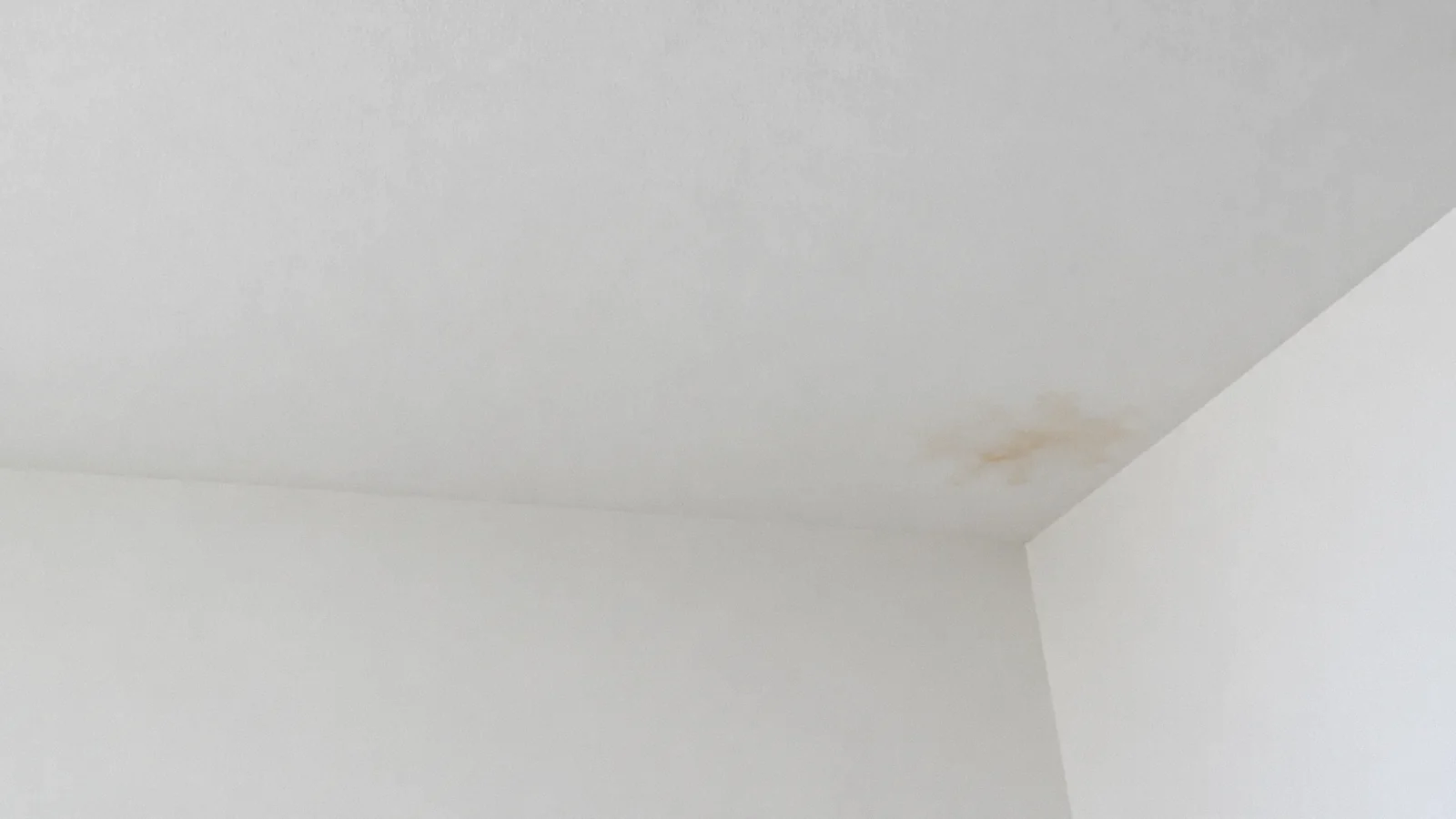
Roof leaks, humid indoor air entering the attic, disconnected exhaust ducts and other moisture pathways can wet roof sheathing or framing. The exact cause depends on the building and weather. A stain in one location may reflect water traveling from another point.
A roof problem and a condensation problem do not necessarily have the same solution. Ask the investigator to describe observations that support the proposed cause, whether the moisture is active and which areas could not be inspected. Correcting the source is part of a durable remediation plan.
Do not enter an unsafe attic
Attics may contain exposed wiring, unstable walking surfaces, extreme heat, low clearance and insulation that hides the spaces between framing members. A ceiling surface below may not support a person’s weight. Stay out if access or conditions are uncertain and arrange an appropriately equipped inspection.
People with allergies, asthma, chronic lung disease or weakened immune systems should not take part in mold cleanup, according to the CDC. Children should not participate in disaster cleanup. A mask does not protect against falling through a ceiling or contacting live wiring.
Is every dark mark mold?
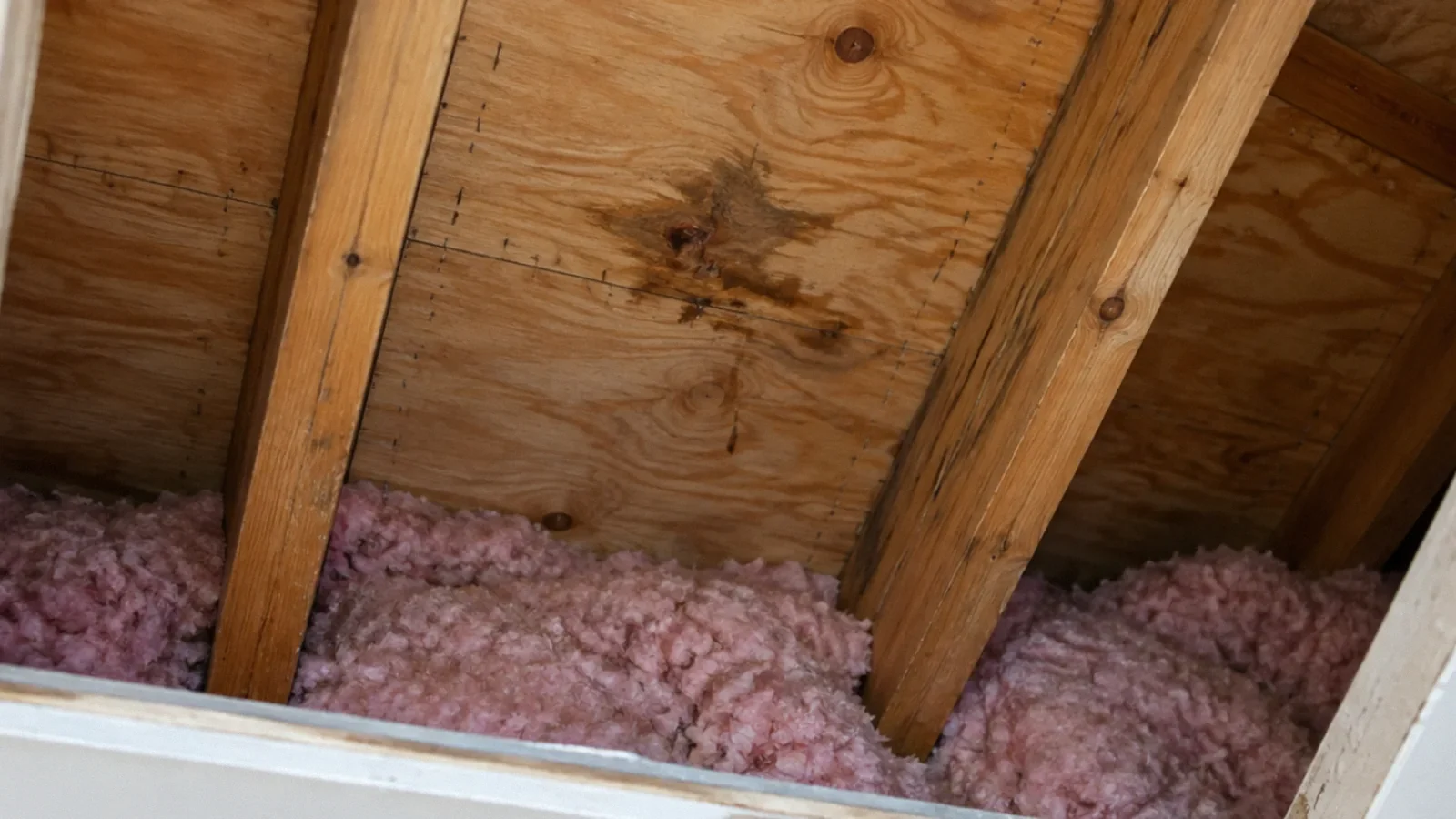
A dark patch on sheathing can have several causes, including staining, dirt or growth. Appearance and color alone do not establish the species or the extent of concealed damage. A photograph can document a condition but cannot prove that framing is structurally sound or that a moisture source has stopped.
EPA says that when visible mold is present, sampling is unnecessary in most cases. A professional may recommend testing for a defined question, but should explain how the result would change the work. Do not scrape or disturb an uncertain area merely to collect a sample.
Assess the roof and building assembly
An inspection may consider the roof covering, flashing, penetrations, exhaust ducts, insulation and air leakage from rooms below. Some conditions require a roofer, HVAC professional or building specialist in addition to a remediation contractor. The work should address each actual source rather than assume that ventilation alone is the answer.
Wet or compressed insulation may require different treatment from exposed framing. If wood appears severely deteriorated, arrange a qualified structural assessment. A surface coating should not conceal damaged material before its condition and function are understood.
What remediation should include
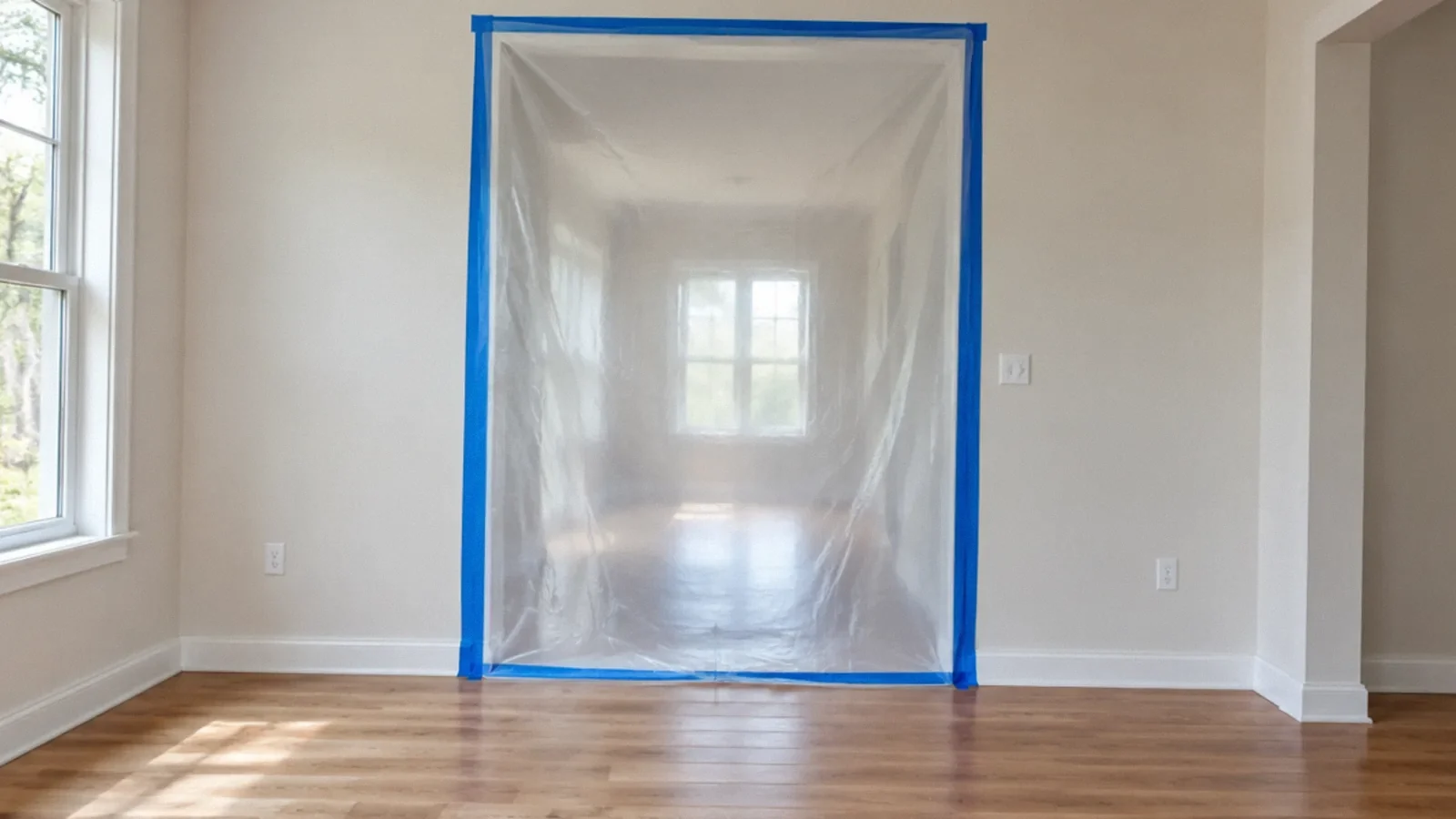
A written remediation scope should describe the affected areas, safe access, containment and protection measures, material cleaning or removal and disposal. The approach varies with the area involved, the materials and the cause of dampness. Ask how the contractor will avoid spreading dust into occupied rooms.
The CDC recommends suitable personal protective equipment for cleanup, including at least an approved N95 respirator, gloves and protective goggles. Do not mix bleach with other cleaners. A chemical product or fog alone does not remove all contaminated material or correct a roof leak.
Drying and checking the result
After repairs stop the water source, the affected assembly must be evaluated and dried as appropriate before it is covered. The professional should explain the locations assessed, any moisture measurements and the areas that remained inaccessible. One dry reading near the hatch does not describe an entire roof assembly.
Before-and-after photographs can help show which visible surfaces were treated, but images alone do not prove concealed areas are dry or that a leak has been repaired. Keep the contractor’s written findings, repair receipts and any inspection reports with the photographs.
Attic mold and health concerns
Mold can cause irritation or allergic reactions in susceptible people, and some people face greater risks. The color or a species name by itself does not diagnose a person or establish a safe level of exposure. Anyone with symptoms or particular health concerns should consult a healthcare professional.
Limit unnecessary disturbance while the problem is being assessed. If a large area, contaminated water or unsafe access is involved, professional cleanup is especially important. The CDC and EPA provide guidance on protection, moisture control and when to seek experienced help.
Preventing moisture from returning
Maintain the roof and flashing, direct bathroom and other exhaust to an appropriate exterior outlet, and have disconnections or leaks repaired by qualified professionals. Air sealing, insulation and ventilation should be considered together for the specific building and climate.
Check for recurring stains, odors or leaks after repairs when it is safe to do so. Preserve records and ask which areas need future inspection. Repeatedly covering a stain or spraying a surface without resolving the moisture pathway is not a reliable long-term plan.
Mold on a roof versus exterior algae
A dark streak on the outside of asphalt shingles is not automatically mold. The Asphalt Roofing Manufacturers Association describes algae as one possible cause of roof discoloration. Growth inside an attic or on roof decking raises a different moisture and material question. Color alone cannot identify either condition.
Do not climb onto a roof to inspect or clean it. Ask a qualified roofer to assess the exterior and an appropriate professional to investigate attic moisture. ARMA warns that pressure washing and brushing can damage asphalt shingles. A cosmetic exterior cleaning does not repair a roof leak or establish that attic materials are dry.
Mold on attic insulation
Insulation can retain moisture and may conceal the extent of damage. EPA notes that some porous materials cannot be cleaned completely and may require removal. The insulation type, water source and adjacent roof decking need an appropriate assessment.
Do not enter an unsafe attic or disturb suspect insulation that may contain hazardous material. A qualified professional can plan safe access, containment, removal or cleaning as appropriate, and drying before replacement. Fix the roof leak or other moisture source.
What the material and moisture clues can show
Dark or white patches on rafters and roof sheathing may be suspected growth, dust, staining or another deposit. Color and a photograph cannot identify a species or prove a dark spot harmless. Mildew is a common household term rather than a reliable identification. We do not provide verified before-and-after project photographs here; appearance alone cannot confirm successful remediation. Damp building areas can support mold growth, but a reliable prevalence estimate for attics is not established here; frequency depends on moisture conditions and building design.
From a safe position look for staining beneath roof penetrations, condensation, damp insulation, discoloration on the underside of the roof deck and signs of bathroom exhaust reaching the attic. A professional can trace the moisture path and assess hidden areas without relying on a single mark. Air movement between attic and occupied rooms and the building condition affect potential exposure; symptoms require medical advice rather than a species guess.
A contractor should assess accessible plywood and framing for persistent moisture, softness, delamination, distortion or loss of strength. Sound, accessible hard surfaces may be cleaned after the moisture source is fixed, while damaged sheathing or structural members require evaluation and possibly replacement. Fiberglass batts, loose-fill and foam differ in accessibility and condition; wet or contaminated porous insulation may require removal. Do not paint over growth or assume a chemical treatment repairs damaged wood. After cleanup, check that materials are dry, the source is fixed and visible growth and moisture do not recur.
Your next-step checklist
- Keep out of an attic with unsafe access or wiring.
- Identify the moisture source before choosing a treatment.
- Assess sheathing, framing and insulation separately.
- Request a written cleanup and drying scope.
- Keep photographs, inspection findings and repair records.
Related questions
Is attic mold dangerous?
Mold can cause irritation or allergic reactions, particularly in susceptible people. The risk depends on circumstances; color alone does not determine it.
Can I paint over attic mold?
A coating alone does not correct moisture or remove affected material. Have the cause and the assembly assessed before covering anything.
Does all attic mold require a laboratory test?
EPA says sampling is unnecessary in most cases when mold is visible. A professional should explain the specific purpose of any proposed test.
Do before-and-after photos prove the attic is dry?
No. Photos can document visible conditions, but concealed moisture and the repair of its source require separate assessment.
What if I see mold in the attic?
Do not enter an unsafe space. Arrange an assessment of moisture, affected materials and the appropriate cleanup plan.
Is dark staining on a roof always mold?
No. Algae and other conditions can discolor exterior roofing. A qualified professional can assess the roof and distinguish it from an attic moisture problem.
What does white-looking mold in an attic mean?
White growth or residue can have different causes, and color alone cannot identify it. Avoid an unsafe attic, investigate moisture and have the material assessed before disturbing or coating it.
Is mold in an attic common?
Attics can develop moisture and suspected mold from roof leaks, condensation or other causes. Frequency varies with the building and conditions, so a visual finding should be evaluated rather than assumed normal.
What does mold look like in an attic?
It can appear as spots or patches on sheathing or other materials, but staining or dirt can look similar. Avoid unsafe attic access and seek assessment of moisture and the affected material.
Does a black patch on attic plywood identify black mold?
No. Dark staining can have several causes and color cannot identify a species. Avoid unsafe attic access and arrange an assessment of the material and moisture source.
Should I spray a roof to remove mold-like growth?
Do not climb a wet or steep roof or apply an unapproved chemical. Exterior discoloration may have several causes, and roofing materials have different care requirements. Ask a qualified roofer to inspect and follow the manufacturer’s cleaning guidance.
How should roof mildew be cleaned?
Exterior discoloration may be algae, mold or another material. Avoid climbing or using an unapproved pressure or chemical treatment; ask a roofer to identify the surface and follow the roofing manufacturer’s instructions.
Sources & context
Public guidance supports the principles in this article. The practical questions and examples are editorial interpretation, not a site assessment or a coverage decision. State-specific rules apply only where identified.
- U.S. EPA: Mold cleanup in your homefederal guidance
- U.S. EPA: Is mold sampling necessary?federal guidance
- CDC: Mold cleanup guidelinesfederal health guidance
- Asphalt Roofing Manufacturers Association: Algae discolorationindustry roofing guidance