A home mold test kit generally cannot tell whether your home has a harmful exposure level or hidden water damage. Decide what question needs answering before buying a test; inspect moisture and visible conditions first.
How to check for signs of mold safely
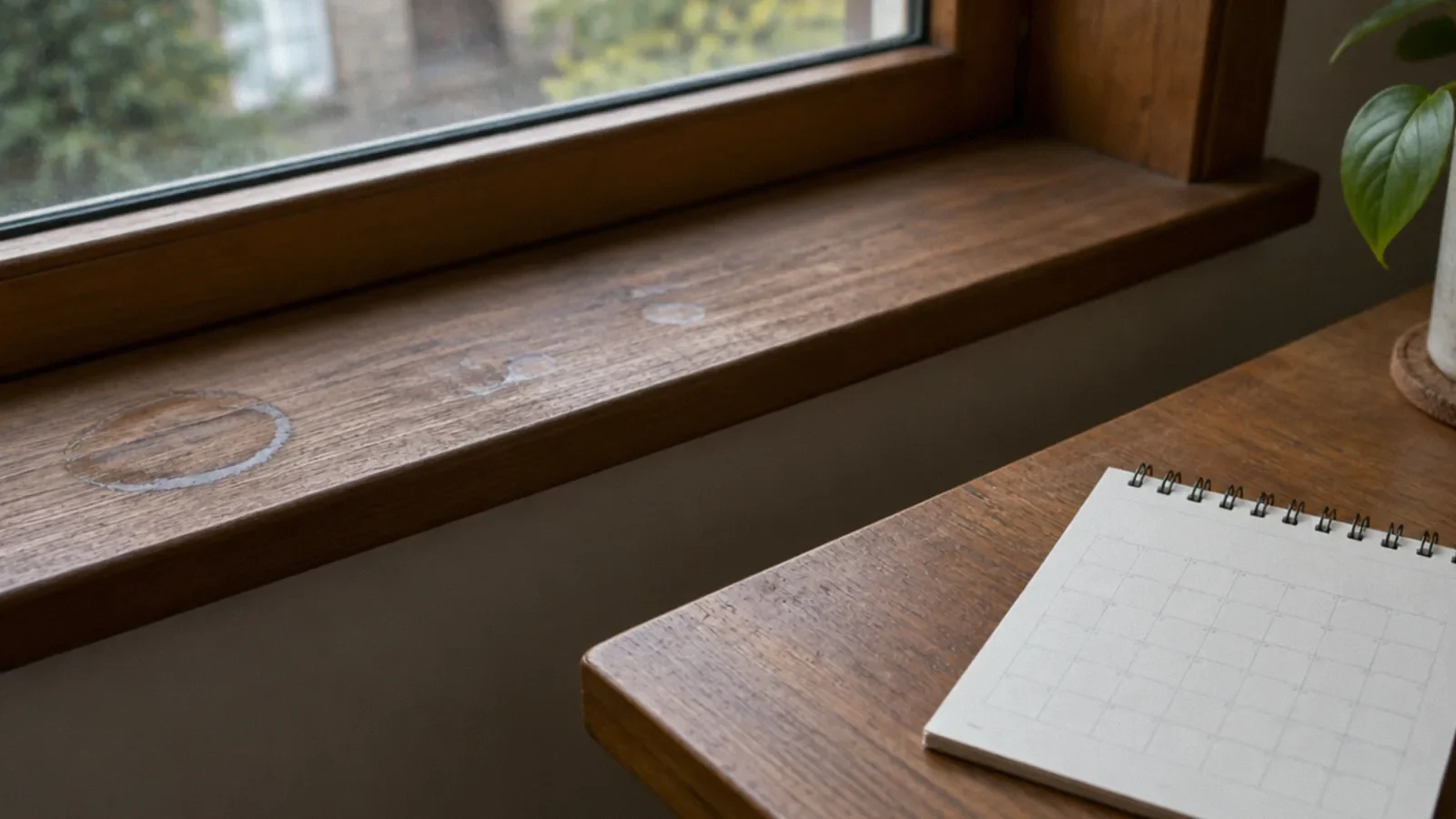
Look from safe, accessible areas for persistent dampness, musty odor, discoloration or material damage near leaks, bathrooms and windows. These are clues, not proof of a species or a complete inspection. Do not open a wall, climb into an unsafe space or touch wet electrical equipment to search for growth.
If a moisture source or hidden area needs investigation, ask an experienced professional to explain the inspection scope and inaccessible areas. In a rental, notify the property manager. Visible mold often calls for correcting moisture and cleanup rather than buying a test kit.
A positive result needs a meaningful question
A dish that grows colonies shows that organisms capable of growing under those collection and incubation conditions reached the dish. It does not automatically identify a building defect, locate a hidden reservoir, or measure what a person inhaled over time. Outdoor and indoor environments contain mold. A positive result therefore needs context before it can support a practical decision.
EPA explains that there are no federal limits for airborne mold or spores and that visible growth often makes sampling unnecessary. NIOSH emphasizes the limitations of routine air sampling in damp buildings. These points do not mean all laboratory work is worthless. They mean that a test without a clear purpose can produce an alarming report while leaving the repair question unanswered.
How professional mold sampling differs
An investigator may collect an air sample to describe particles in a particular location and time, or take a surface sample to investigate material on a particular surface. Neither method sees every hidden space. Ask which question each sample is meant to answer, where it will be collected, how it will be analyzed and how a result would change the next decision.
EPA says visible mold usually does not require sampling before cleanup and that there are no federal mold or spore limits against which a sample can establish compliance. Sampling, when useful, should be designed and interpreted by an experienced professional. Moisture inspection and the history of a leak may answer the practical question without a laboratory test.
Work backward from the decision
If the question is whether a known leak reached a wall cavity, the next useful work may be a moisture assessment and controlled access. If the question is whether a dark surface mark is fungal growth, targeted professional examination may be relevant. If the question is why one occupant has symptoms, medical evaluation and a building moisture assessment address different parts of the problem.
Before ordering any sample, write one sentence: 'If this result is positive, we will do X; if negative, we will do Y.' If both answers are 'fix the leak and remove damaged material,' the test may not change the work. If a negative result would be used to ignore a persistent odor, reconsider whether that conclusion is justified by the method.
Why comparisons can mislead
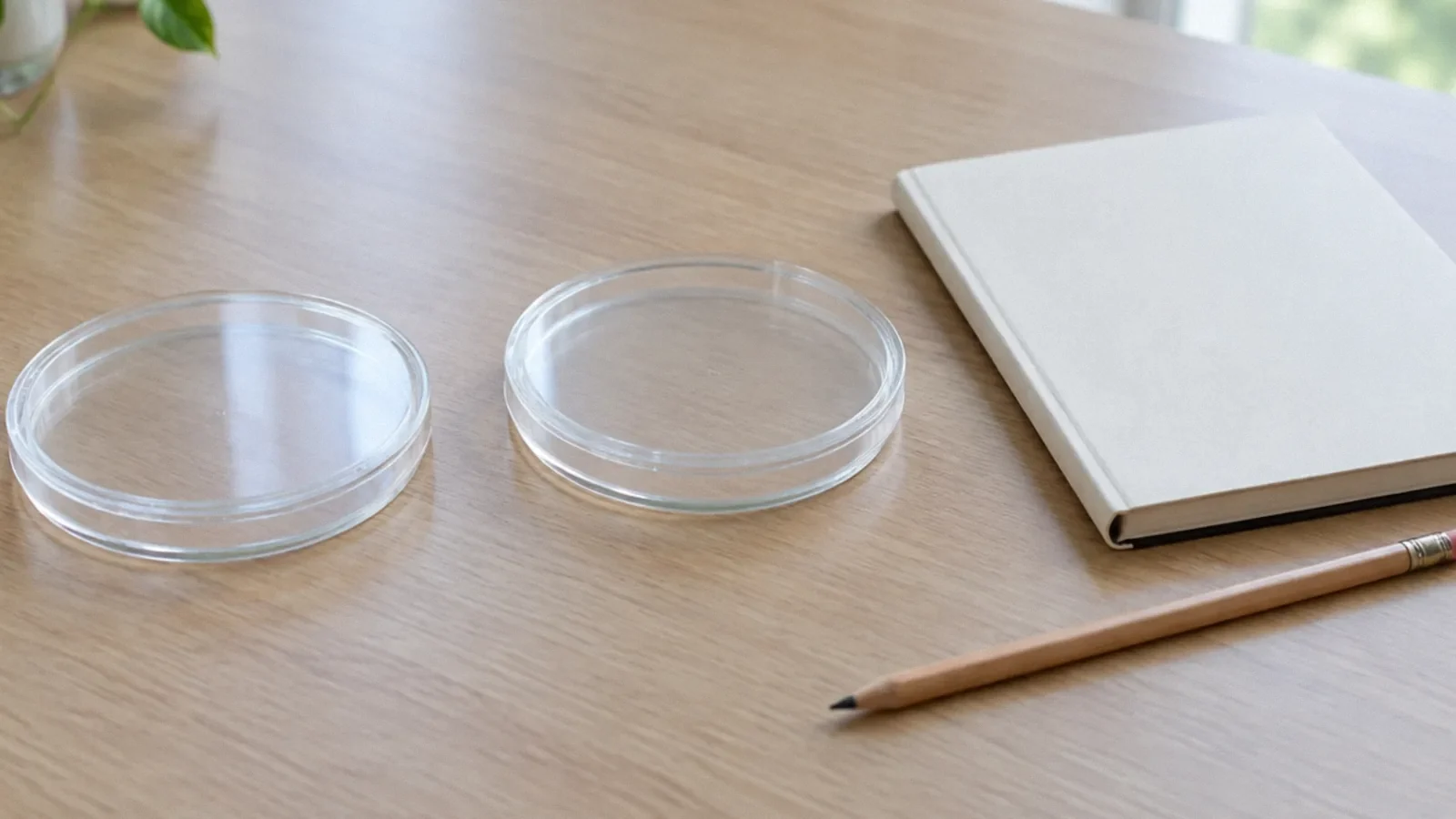
Two dishes left open in different rooms may differ because of air movement, placement, collection duration, dust disturbance, or laboratory conditions. A room that produces fewer colonies is not necessarily the room with less concealed damage. Some methods favor organisms that grow on the selected medium while missing others. Counting visible colonies at home does not create a health-based exposure limit.
Sending a sample to a laboratory can improve identification of what is in that sample, but laboratory precision does not correct an inappropriate sampling plan. The report should be interpreted within the collection method and inspection findings. A professionally printed species list is still not a map of the entire house or a statement about every surface behind its walls.
Spend the investigation budget on uncertainty
Ask an independent investigator to describe their inspection scope before discussing sample packages. Useful elements include reviewing leak history, identifying accessible water entry points, examining affected materials, measuring conditions where appropriate, and stating access limitations. Ask who will interpret the results and whether that person also sells the recommended remediation. A potential conflict should be transparent, though independence alone does not establish competence.
Request a written explanation of any proposed sampling: locations, timing, method, comparison data, limitations, and the decision it is intended to support. A fixed package of identical samples for every house may not fit your concern. If testing is required by a project protocol or dispute process, clarify whose criteria apply and who accepts the report before paying for it.
Avoid repeated testing without a new hypothesis
If the first kit produces an uncertain result, buying several more kits may simply multiply uncertainty. Ask what changed in the question, sampling method, or building evidence before repeating collection. A second test can be useful when a qualified investigator has a specific reason for it, but repeating the same poorly matched method does not make its interpretation stronger. Preserve the original result, identify the unanswered building question, and choose the next step that can actually resolve it. That may be a records review or targeted moisture inspection rather than another dish.
If you already have a positive kit
Keep the report and describe how the sample was collected, but do not start demolition based only on the result. Look for corroborating facts such as an active leak, recurring condensation, visible growth, or persistent mustiness. Avoid deliberately disturbing suspicious material to obtain a more dramatic sample. Opening finishes may require both contamination controls and hazardous-material assessment.
If the home appears dry and there is no identified moisture problem, ask a qualified professional whether further building investigation is warranted rather than repeating kits until a preferred result appears. For symptoms, bring the exposure concern to a clinician without assuming the dish establishes causation. The goal is a useful next decision, not collecting increasingly complicated numbers.
A room-by-room inspection and next steps
Start with leak history, then inspect accessible areas under sinks, around windows, bathroom fixtures, exterior walls and basement corners. Look for staining, damp materials, condensation, peeling finishes or persistent musty odor; none identifies mold by color or proves what lies behind drywall. Do not open walls or enter unsafe, flooded or confined spaces. Photograph accessible signs, report them to the owner or manager and arrange moisture correction and an appropriate assessment.
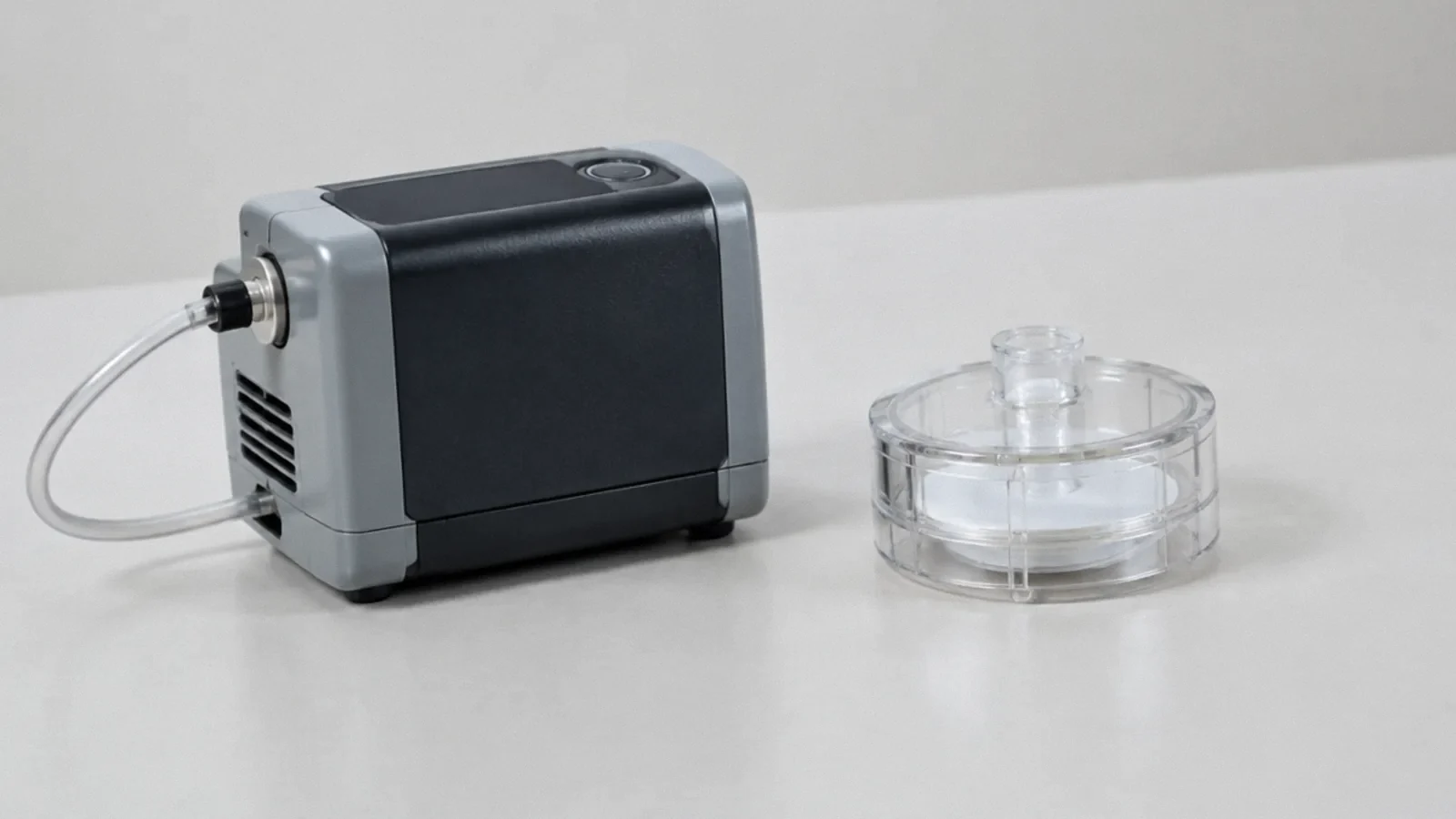
A humidity or particle monitor can flag conditions or changes but an ordinary monitor does not identify mold species. A specific laboratory air or surface sample may detect spores or other material in that sample; it cannot establish conditions everywhere or throughout time. Reports may use spores per cubic meter of air or counts per sampled surface area, depending on method; EPA has no federal airborne mold limit, so a number alone is not a universal safe threshold.
Ask a prospective inspector about training, experience with moisture investigations, independence or financial interests, accessible and excluded areas, proposed sampling purpose, written findings and how results change decisions. Inspection time and laboratory turnaround depend on the property, access, method and lab; obtain a written estimate rather than relying on a universal duration. If visible growth or a leak is found, prioritize fixing moisture and appropriate cleanup rather than repeatedly testing.
Your next-step checklist
- State the decision the test is supposed to change before choosing a collection method.
- Keep collection conditions and the original report with any existing kit result.
- Prioritize source investigation when a leak or visible growth is already present.
- Ask the investigator to explain sampling limitations and any financial conflict.
- Do not interpret a negative kit as proof that concealed materials are dry or unaffected.
Related questions
Does a positive kit mean my house is unsafe?
It does not establish a health-based exposure level or diagnose the building. Interpret the result with moisture history and a competent assessment.
Can a negative kit rule out mold behind drywall?
No. The collection method may not capture a concealed reservoir. Persistent moisture or odor warrants investigation on its own evidence.
Are professional tests always necessary instead?
No. The first useful service may be inspection rather than sampling. EPA notes that visible growth often does not require testing before cleanup decisions.
How do I test for mold in my home?
Start by identifying moisture and visible damage. If a specific question remains, ask an experienced investigator whether sampling would change the decision and how the chosen method will be interpreted.
How do I check an apartment for mold?
Note visible dampness, odors and leaks from safe areas, inform the property manager and seek an experienced assessment when needed. Do not disturb hidden materials yourself.
How long does a mold inspection or test take?
There is no single duration. The size and access of the property, the inspection scope and any laboratory sampling affect timing. Ask separately when the visit, lab analysis and written report are expected.
Who should I call for a mold inspection?
For significant or uncertain damage, look for an experienced building or indoor-environment professional who can identify moisture and explain the purpose and limits of any sampling. Ask about qualifications and potential conflicts of interest.
Can an ordinary air quality monitor detect mold?
A typical particle or humidity display cannot identify a mold species or prove a building has no mold. Sensor capabilities vary; investigate moisture and visible growth and ask an experienced professional if a specific sampling question remains.
Is post-remediation mold testing always required?
Not always. A documented visual and moisture assessment can be important after cleanup, while sampling depends on the question, project conditions, contract and any applicable requirements. Ask an independent qualified assessor what testing could establish and how results will be interpreted.
Sources & context
Public guidance supports the principles in this article. The practical questions and examples are editorial interpretation, not a site assessment or a coverage decision. State-specific rules apply only where identified.
- EPA: Is sampling or testing for mold necessary?official
- CDC/NIOSH: Mold, testing and remediationofficial
- EPA: Limitations of air sensorsfederal sensor guidance
- EPA: Mold testing or samplingprimary guidance
Community questions behind this topic
These discussions helped identify reader concerns. They are anecdotal, not technical or legal authority.