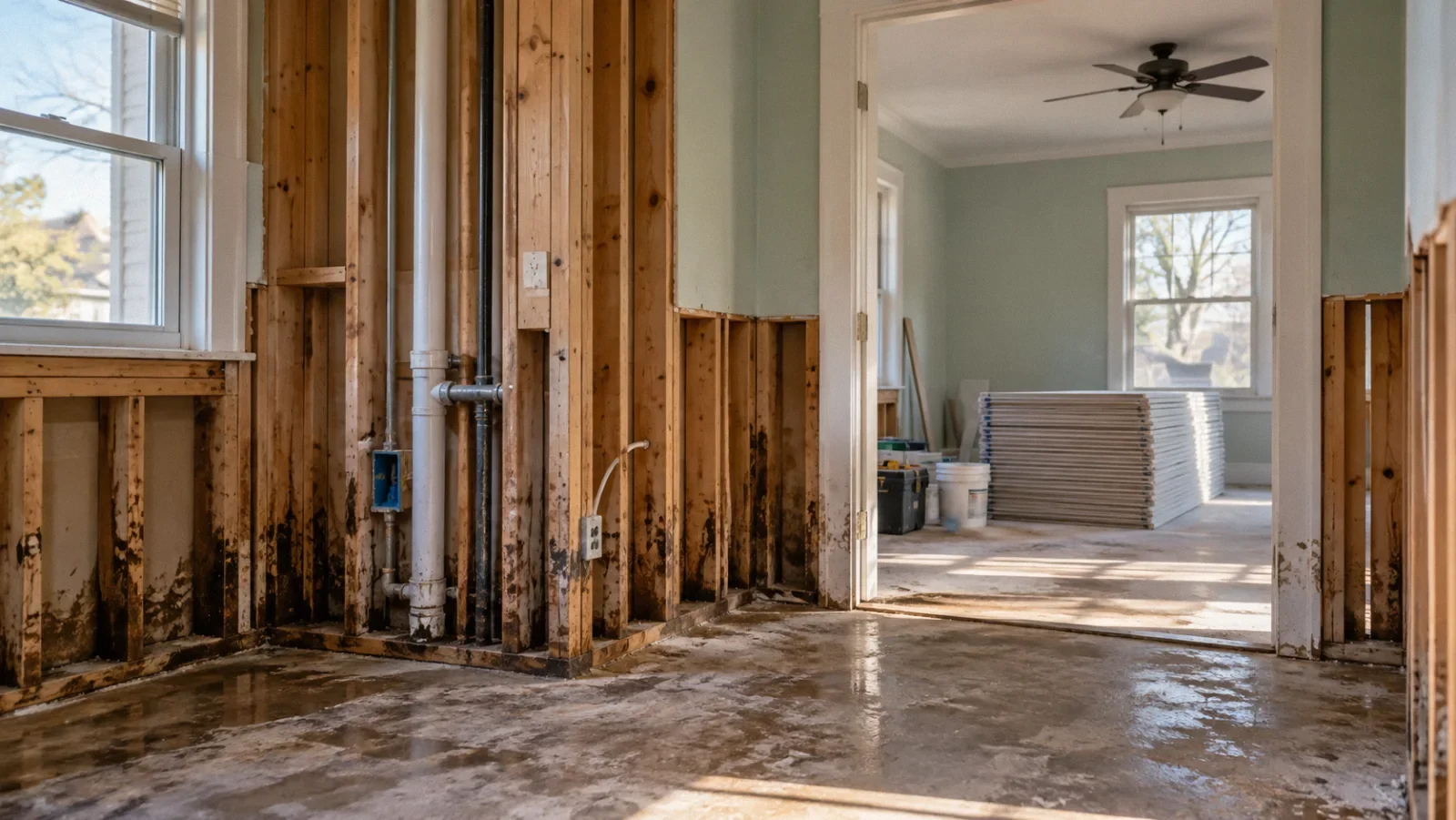
Treat a lien notice or threat promptly, even when the invoice is disputed. Preserve the contract, payment history and service records, then check the applicable state procedure with qualified local help.
Identify the document before responding
A contractor demand letter, preliminary notice, notice of intent and recorded mechanics lien are not necessarily the same thing. Determine what you received, who sent it, which property it names and whether it has been recorded. Save the envelope, delivery information and every attachment. These details can matter to the applicable process.
Do not assume a document is harmless because the insurer disagrees with the bill. California CSLB explains that mechanics liens can affect property title and create serious consequences, including foreclosure proceedings under applicable circumstances. The precise requirements and defenses are state-specific. A general article cannot calculate your response deadline from the word lien alone.
Build the factual file immediately
Collect the signed contract, changes, invoices, payments, insurer correspondence and evidence of work performed. Create a chronology with service dates, completion claims, invoice revisions and notices. Identify the exact amount disputed and why. A clear record helps an adviser separate a pricing disagreement from authorization, performance or legal-compliance questions.
Preserve professional reports and photographs even if the contractor relationship has deteriorated. Request missing records in writing without making new promises about the debt. If the business asserts additional fees or interest, ask for the contractual basis. Avoid accepting a new payment agreement merely to gain time without understanding whether it changes your position.
Insurance disagreement does not decide lien rights
A homeowner may believe only the insurer-approved amount can be owed. The contractor may believe the signed agreement requires payment of its entire invoice. Neither assertion alone resolves the legal and factual dispute. Coverage obligations, contractor contract rights and lien procedures are distinct.
The Reddit sample contains owners facing collection or lien threats after mitigation invoice disagreements. Some commenters recommended marking a check payment in full, while others warned about consequences. That is not a reliable universal solution. The effect of a payment notation or partial payment depends on the law and facts, so obtain advice before using it as a settlement strategy.
Understand why subcontractor records matter
Under California guidance, an unpaid subcontractor or supplier can create exposure even where the owner paid the prime contractor. Other states have their own systems. Identify everyone who provided labor or materials and compare notices with the payment ledger. Ask whether appropriate releases were obtained for earlier payments.
Conditional and unconditional releases serve different purposes in California and must follow applicable requirements. Do not substitute a generic receipt for a legally effective release, or assume one contractor release covers all possible claimants. Use the correct local forms with guidance when needed. Accurate payment records can prevent a dispute about whether money actually reached a claimant.
Choose a response that preserves options
A local construction lawyer, legal aid resource or relevant contractor authority can help identify the correct path. Depending on circumstances, it may involve challenging a defective filing, negotiating an amount, obtaining a release or defending a proceeding. Do not assume an administrative complaint automatically removes a lien or pauses a court deadline.
If negotiating, define what payment resolves, who must release claims and when proof of release will be provided. Verify the final document and recording status where applicable. Keep protecting the property and preserving evidence while the dispute is addressed; a financial conflict does not make an unfinished wet or open assembly safe to ignore.
- Document identity: sender, title, amount, property description, delivery date and recording information if any.
- Debt analysis: authorized scope, work completed, disputed quantities, payments and asserted balance.
- Participant analysis: prime contractor, subcontractors, suppliers, notices and releases already obtained.
- Procedure analysis: applicable state, response requirements and the qualified person advising on deadlines.
Prepare a first consultation without losing time
A homeowner receiving a formal demand can help a local adviser work efficiently by preparing a short index: contract, changes, final invoice, payment ledger, work dates, notices and current dispute summary. Put the earliest potentially relevant deadline or delivery date at the top, but let the adviser determine its legal significance. Do not calculate a response period from another state guide.
Identify whether the disagreement is that the work was never authorized, was not performed, was defective, was priced differently or remains unpaid only because insurance allowed less. Several issues may overlap, but separating them helps determine which evidence matters. Include unfavorable facts as well, such as a signed rate schedule or a missed access appointment. An adviser cannot assess the situation accurately from only the documents supporting one side.
If a settlement is proposed, ask how it addresses the recorded claim, any related debt and potential claims from other participants. A promise to release later should have a clear process, while payment and release sequencing may require local advice. After resolution, retain proof that the necessary filing or release occurred. A friendly email saying the matter is settled may not by itself establish that a title record has been corrected. Verify the step that actually affects the property, using the appropriate official record or professional assistance.
Your next-step checklist
- Preserve the notice and delivery record immediately.
- Confirm whether a lien is actually recorded through the appropriate official records.
- Organize the contract and payment evidence by date.
- Seek prompt local advice about response options and deadlines.
- Verify any settlement includes the required release and follow-through.
Related questions
Will a contractor-board complaint remove the lien?
Do not assume it will. Administrative complaints and property-lien procedures serve different purposes. Ask the relevant authority and a qualified local adviser how they interact in your situation.
Can I ignore a lien threat if the contractor lacks proof?
Ignoring it can still create risk. Preserve the evidence, request substantiation and assess the legal process promptly. The proper response depends on the document, state law and claim facts.
Sources & context
Public guidance supports the principles in this article. The practical questions and examples are editorial interpretation, not a site assessment or a coverage decision. State-specific rules apply only where identified.
- California CSLB: How To Prevent a Mechanics Lienofficial
- California CSLB: Conditional and Unconditional Waiver and Release Formsofficial
Community questions behind this topic
These discussions helped identify reader concerns. They are anecdotal, not technical or legal authority.