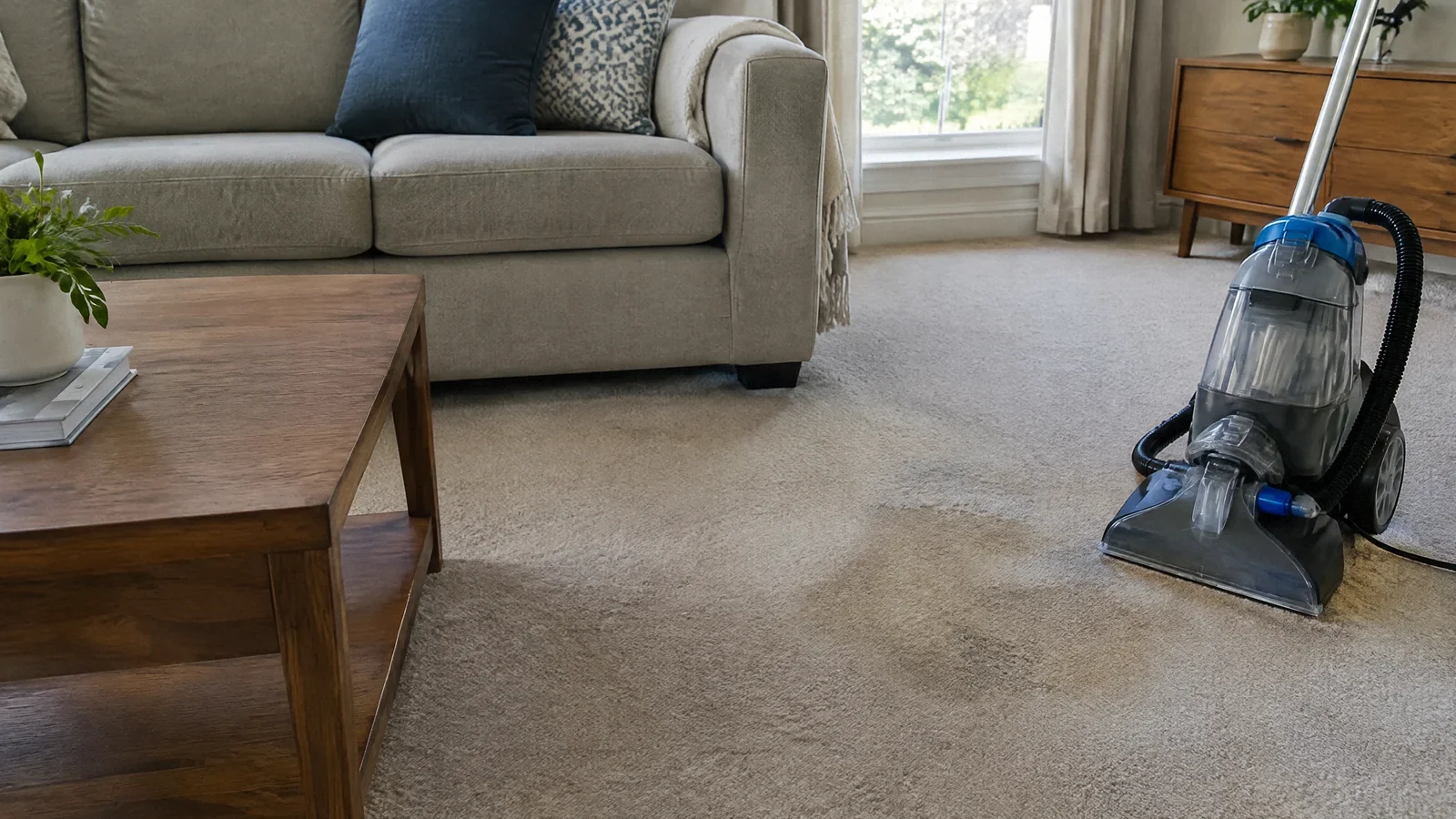
A carpet may look uneven after cleaning because it is still drying, its pile lies in different directions, a spot has returned, or residue or damage has changed its appearance. Let it dry fully before judging, document the pattern and contact the cleaner if it persists.
First let the carpet dry
Damp carpet can look darker or patchy because moisture and the direction of the fibers affect how the surface reflects light. A room may dry unevenly where airflow, carpet thickness or furniture differs. Follow the cleaner’s drying instructions, keep the area ventilated when conditions permit, and avoid replacing furniture or walking on the carpet until the cleaner says it is ready. Do not assume a dark patch is a permanent stain while it is still damp.
If carpet stays wet unusually long, develops a musty odor or was soaked by a leak, contact the cleaner promptly. A water damage professional may be needed to assess the carpet, pad and subfloor. Floodwater or sewage changes the situation: do not treat contaminated carpet as an ordinary cosmetic cleaning issue.
Lines can come from the pile
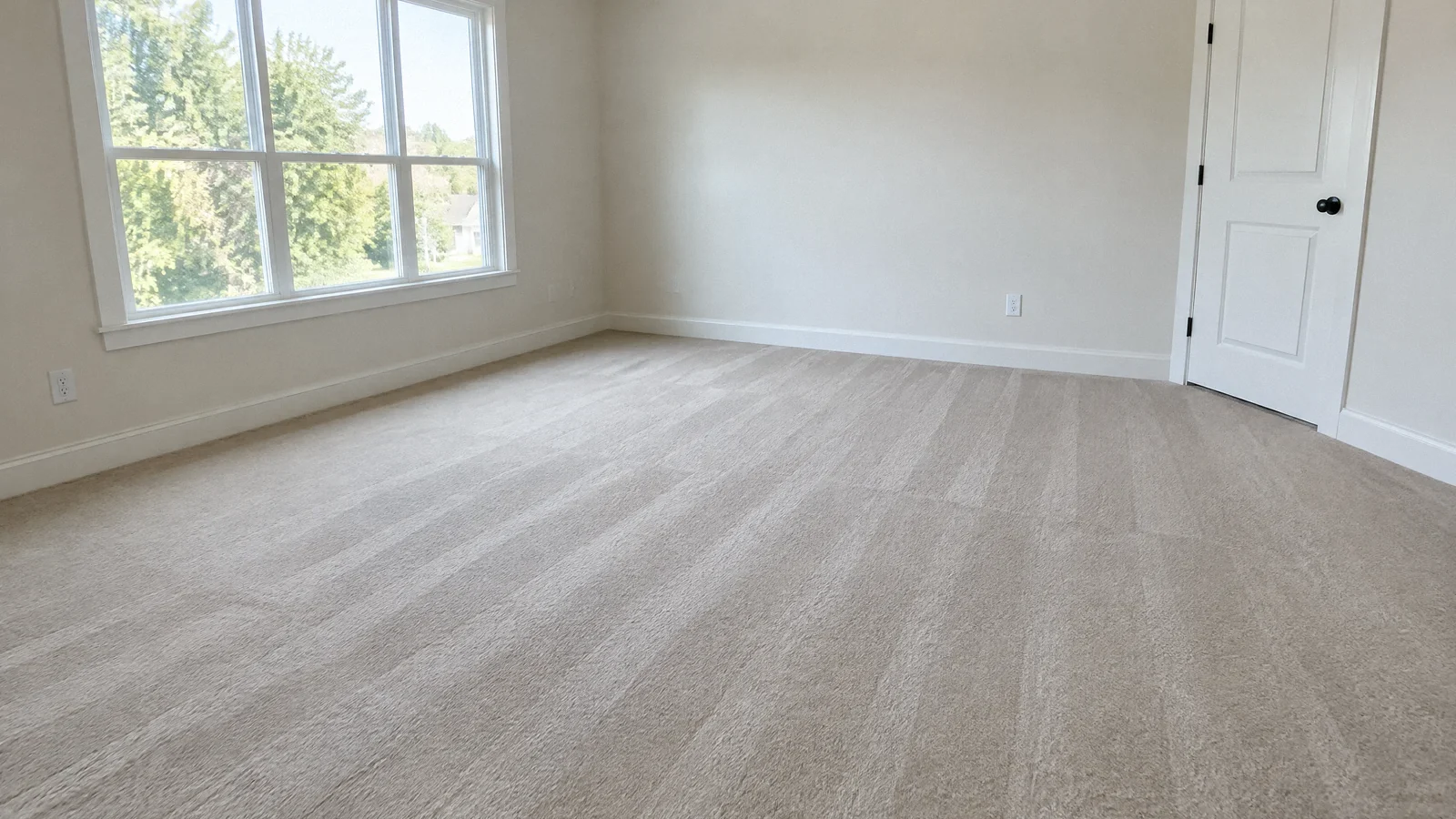
Parallel light and dark bands after cleaning can simply reflect the direction in which a wand, grooming tool or vacuum laid the fibers. View the area from opposite sides or gently brush a small dry area with your hand. If the apparent shade changes with the direction of the pile and the viewing angle, it may be a surface appearance effect rather than a stripe of deposited dirt. The Carpet and Rug Institute notes that bent fibers can reflect light differently and create shading.
Not every line is a harmless grooming mark. A line that remains the same color from every direction, is sticky, has a hard edge or coincides with missed cleaning passes deserves a closer look. Photograph it in consistent light once dry and contact the cleaner. Permanent pile reversal is another possible explanation for an irregular shaded area; cleaning cannot always reverse it. A trained inspector can distinguish a change in pile from a soil or color problem.
Why a spot may return
A spot can seem to disappear while wet and reappear as the carpet dries. One possible mechanism is wicking: dissolved or suspended material deeper in the carpet or backing moves toward the surface as moisture evaporates. Another is residue left in the fibers that attracts soil during subsequent use. The appearance alone does not establish which process occurred, and a preexisting permanent stain may remain after soil is removed.
Tell the cleaner what was spilled, when it happened and whether the mark returned during drying or after subsequent traffic. These details matter because a treatment that helps one material may set or spread another. Avoid repeatedly soaking or scrubbing the same area. More liquid can extend drying time and may move material deeper or outward. The Carpet and Rug Institute recommends blotting rather than vigorous scrubbing and cautions against overwetting.
Residue, browning and color change
A sticky, stiff or rapidly resoiling area can suggest cleaning-product residue, though a professional should verify the cause. Too much product or inadequate removal may leave material behind. Some older carpets, backings or natural fibers can also develop discoloration when overwet or exposed to an unsuitable cleaning solution. A brown cast is not enough by itself to identify the mechanism. Ask the cleaner to examine the carpet construction and cleaning history before applying a corrective product.
Color loss is different from soil. Bleaching, dye instability, previous chemical exposure or wear may become more visible after cleaning removes surrounding soil. Cleaning cannot restore missing dye. Keep photographs taken before and after service and retain any product information for a neutral assessment. Follow the carpet manufacturer’s care and warranty instructions, which can restrict products or methods.
What you can safely do next
Wait until the carpet is dry and compare the affected areas in daylight from more than one direction. Take clear photographs, including an overall view and a close view, and record the cleaning date, method, drying conditions and any prior stains. If the issue persists, contact the cleaner and ask for an inspection and explanation before allowing more treatment. A responsible assessment should distinguish a cleaning-related problem from preexisting wear or damage rather than promising a specific result in advance.
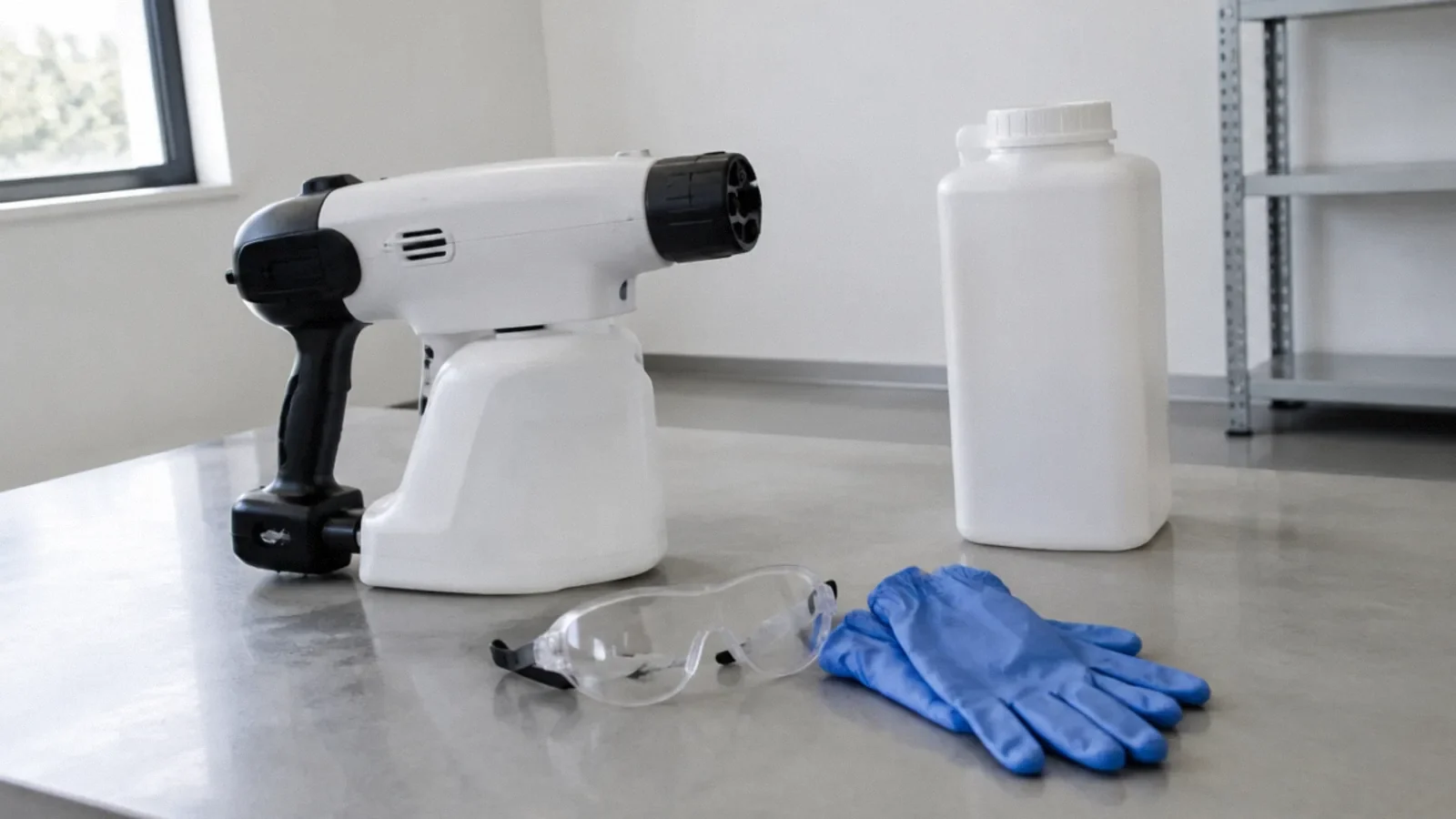
Do not mix cleaning chemicals, apply bleach or use an untested spot remover. If a manufacturer permits a product, follow its label and test in an inconspicuous area first. For valuable, delicate or wool carpet, consult a professional familiar with that fiber. A second independent carpet inspector may help if the cause remains disputed.
When the problem is moisture rather than appearance
A cosmetic line in dry carpet calls for a different response from a carpet that remains damp, smells musty or became wet from a plumbing leak. Identify and stop the water source safely, then arrange an assessment of the carpet, pad and adjacent materials. Porous materials affected by contaminated water or mold may require removal; a surface cleaning pass alone cannot establish that the layers below are dry or sanitary.
Ask the professional what was inspected, whether moisture remains, and what drying or replacement work is recommended. Do not use a strong fragrance to mask persistent odor. If water is near electrical equipment or outlets, stay out of the affected area and seek qualified help rather than operating equipment in standing water.
Your next-step checklist
- Wait for the carpet to dry fully.
- View lines from opposite directions and note whether shading changes.
- Photograph persistent spots and record the cleaning method.
- Ask the cleaner to inspect before adding more products.
- Seek water-damage help for persistent dampness, contamination or musty odor.
Related questions
Are all lines after cleaning permanent?
No. Some are temporary pile-direction marks that change with viewing angle or grooming. Persistent discoloration or damage needs inspection.
Why did an old stain return?
Material deeper in the carpet may have wicked back to the surface during drying, or residue may attract new soil. A cleaner can assess the actual cause.
Should I clean the spot again immediately?
Let it dry and consult the cleaner first. Repeated soaking or incompatible products can make diagnosis and correction harder.
Sources & context
Public guidance supports the principles in this article. The practical questions and examples are editorial interpretation, not a site assessment or a coverage decision. State-specific rules apply only where identified.